Umberto Eco — 作者 (57)
The Prague Cemetery [图书] 豆瓣 Goodreads
Il Cimitero di Praga
作者: Umberto Eco 译者: Richard Dixon 出版社: Houghton Mifflin Harcourt 2011 - 11
The highly anticipated, controversial novel, sold in more than forty countries"" Nineteenth-century Europe--from Turin to Prague to Paris--abounds with the ghastly and the mysterious. Conspiracies rule history. Jesuits plot against Freemasons. Italian republicans strangle priests with their own intestines. French criminals plan bombings by day and celebrate Black Masses at night. Every nation has its own secret service, perpetrating forgeries, plots, and massacres. From the unification of Italy to the Paris Commune to the Dreyfus Affair to "The Protocols of the Elders of Zion," Europe is in tumult and everyone needs a scapegoat. But what if, behind all of these conspiracies both real and imagined, lay one lone man? What if that evil genius created its most infamous document? Eco takes his readers on an unforgettable journey through the underbelly of world-shattering events. Eco at his most exciting, a book immediately hailed as a masterpiece.
Foucault's Pendulum [图书] 豆瓣
作者: Umberto Eco 出版社: Vintage 2001 - 6
"As brilliant and quirky as THE NAME OF THE ROSE, as mischievous and wide-raning....A virtuoso performance."
THE SAN FRANCISCO CHRONICLE
Three clever book editors, inspired by an extraordinary fable they heard years befoe, decide to have a little fun. Randomly feeding esoteric bits of knowledge into an incredible computer capable of inventing connections between all their entires, they think they are creating a long lazy game--until the game starts taking over....
Here is an incredible journey of thought and history, memory and fantasy, a tour de force as enthralling as anything Umberto Eco--or indeed anyone--has ever devised.
Baudolino [图书] 豆瓣
作者: Umberto Eco 译者: William Weaver 出版社: Secker & Warburg 2002 - 10
Eco returns to the Middle Ages with Baudolino - a wondrous, provocative, beguiling tale of history, myth, and invention. It is April, 1204, and Constantinople, the splendid capital of the Byzantine Empire, is being sacked and burned by the knights of the fourth Crusade. Amid the carnage and confusion, one Baudolino saves a Byzantine historian and high court official from certain death at the hands of the crusading warriors, and proceeds to tell his own fantastical story. Born a simple peasant in northern Italy, Baudolino has two major gifts - a talent for learning foreign languages and skill in relling lies. One day, when still a boy, he met a foreign commander in the woods, charming him with his quick wit and lively mind. The commander - who proves to be the emperor Frederick Barbarossa - adopts Baudolino and sends him to the university in Paris, where he makes a number of fearless, adventurous friends. Spurred on by myths and their own reveries, this merry band sets out in search of Prester John, a legendary priest-king who was said to rule over a vast kingdom in the East - a phantasmagorical land of strange creatures with eyes on their shoulders and mouths on their stomachs, of eunuchs, unicorns, and lovely maidens. As always with Eco, this abundant novel includes dazzling digressions, outrageous tricks, pages of extraordinary feeling and poetry, and vicarious reflections on our postmodern age. Baudolino is an utterly marvelous tale by the inimitable author of The Name of the Rose.
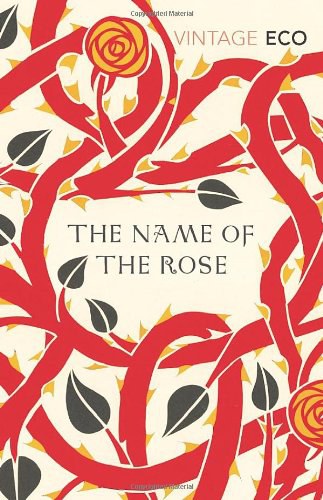
The Name of the Rose [图书] 豆瓣
作者: Umberto Eco 译者: William Weaver 出版社: Houghton Mifflin Harcourt 1983 - 6
The year is 1327. Franciscans in a wealthy Italian abbey are suspected of heresy, and Brother William of Baskerville arrives to investigate. When his delicate mission is suddenly overshadowed by seven bizarre deaths, Brother William turns detective. His tools are the logic of Aristotle, the theology of Aquinas, the empirical insights of Roger Bacon - all sharpened to a glistening edge by wry humor and a ferocious curiosity. He collects evidence, deciphers secret symbols and coded manuscripts, and digs into the eerie labyrinth of the abbey, where "the most interesting things happen at night."
In seven days of apocalyptic terror, a killer strikes seven times--and seven monks die. The year is 1327. The place is a wealthy abbey in Italy. And the crimes committed there are beyond the wildest imaginings. It will be the task of English Brother William of Baskerville to decipher secret symbols and dig into the eerie labyrinth of abbey life to solve the mystery. Also a major motion picture starring Sean Connery and F. Murray Abram. 4 cassettes.
Die Geschichte der Schönheit [图书] 豆瓣
作者: Umberto Eco 译者: Friederike Hausmann / Martin Pfeiffer 出版社: Hanser 2004 - 9
Aus der Amazon.de-Redaktion
Umberto Eco ist ein literarisches Chamäleon ohnegleichen: Sein Romanerstling Der Name der Rose wurde zu einem der fünfzig Lieblingsbüchern der Deutschen gekürt, seine Essays, Glossen und Parodien begeistern ein breites Publikum, und seine sprach- und literaturkritischen Arbeiten haben in der akademischen Welt Standards gesetzt. Jetzt hat er sich in einem opulenten Bildband auf die Spurensuche nach dem “Schönen” begeben, und fördert dabei so manches vergessene Juwel zutage.
Die Geschichte der Schönheit überzeugt -- nicht nur auf den ersten Blick -- durch eine übersichtliche und einleuchtende Gliederung. Da geht es einerseits um die Darstellung menschlicher Schönheit, der weiblichen wie der männlichen, und der sich wandelnden Ideale, die unsere Wahrnehmung im Laufe der Jahrhunderte bestimmten. Weiter geht die Reise zu den Gebäuden, welche die Menschen zu ihrem Schutz oder zur Ehre höherer Wesen errichtet haben. Von der Musik ist die Rede und von ihrer Abhängigkeit von Mathematik und Astronomie. Garniert ist das Ganze mit einer Flut von Zitaten aus Bibel und mittelalterlicher Gelehrsamkeit, von Dichtern und Philosophen.
Auch wenn das etwas altmodisch klingen mag, so ist Die Geschichte der Schönheit im besten Sinne “erbaulich”. Eco flaniert an allem vorbei, was die Sinne erfreut, erklärt, deutet und schüttelt auch nicht selten den Kopf über das, was einst Begeisterung auslöste, inzwischen jedoch ausgesprochen hässlich erscheint. Ein Buch, um leuchtende Augen zu bekommen also, mit der kleinen inhaltlichen Einschränkung vielleicht, dass sowohl die Auswahl der bewunderten Objekte wie auch das theoretische Fundament rein europäisch ausgerichtet sind. Das ist jedoch nur das berüchtigte Haar in der Suppe, insgesamt ist der Schmöker ein Genuss -- zum Verschenken, sich selbst oder anderen. --Helge Basler
Kurzbeschreibung
Woher wissen wir eigentlich, was »schön« ist? Umberto Eco zeigt an Bildern und Texten, dass Schönheit nie etwas Absolutes und Unveränderliches ist, sondern je nach Zeiten und Kulturen ganz verschiedene Gesichter hat: Und dies gilt sowohl für die sinnlich erfahrbare Schönheit eines Mannes, einer Frau oder einer Landschaft, als auch für die Schönheit in der Kunst und in den philosophischen Theorien. Umberto Ecos großes Werk ist eine im besten Sinne populäre und anschauliche Geschichte des Schönen in der Kunst: von der Antike bis zur Ästhetik der Maschinen, von Licht und Farbe im Mittelalter bis zur Malerei der Romantik. Der besondere Reiz des Buches liegt in seinen reichen Materialien: in seiner großzügigen, vierfarbigen Bebilderung aus Malerei, Skulptur, Architektur, aus Film, Fotografie und neuen Medien und in den kurzen, ausgewählten Texten aus Literatur, Philosophie und autobiographischen Zeugnissen von Künstlern. Durch all das werden Ecos Darstellungen hier im »Originalton« illustriert und ergänzt. Ecos Geschichte der Schönheit ist eine außerordentliche Einführung in die Kunst für jeden, der mehr sehen und der mehr verstehen will von Kathedralen und Pyramiden, von den Bildern in den großen Ausstellungen und Museen – von der Kunst der Menschheitsgeschichte.
Der Name der Rose [图书] 豆瓣
作者: Umberto Eco 出版社: Distribooks Int'l+inc 1986 - 4
Der Name der Rose
OT Il nome della rosaOA 1980 DE 1982 Form Roman Epoche Postmoderne
Der erste Roman von Umberto Eco, eine Kombination aus intelligentem, glänzend recherchiertem Historienthriller und spannender Verarbeitung der postmodernen Erzähl- und Interpretationstheorie, wie sie der Autor selbst in mehreren Abhandlungen dargestellt hatte, fachte zugleich die Mittelalter-Begeisterung der 1980er Jahre und ein überwältigendes Interesse für die neuere italienische Literatur an.
Inhalt: Der Franziskanermönch William von Baskerville, ein ins Mittelalter versetzter Sherlock Holmes und zugleich das Alter Ego des Autors, kommt im Jahr 1327 gemeinsam mit dem Novizen Adson von Melk, dem späteren Erzähler, in ein fiktives Benediktinerkloster Norditaliens. Hier hat soeben der gewaltsame Tod eines Bruders den Abt in Unruhe versetzt, weil seiner Abtei brisanter Besuch ins Haus steht. Delegationen des Franziskanerordens und des Avignon-Papstes sollen über Glaubensfragen verhandeln, die sich um die Armut Christi drehen. Unter ihnen ist Williams Erzfeind, der Inquisitor Bernard Gui. Wie ein Detektiv macht sich William an die Aufklärung des Todesfalls, dem weitere Morde folgen.
Im Mittelpunkt der verwickelten Ereignisse steht die Suche nach der einzigen Abschrift des in Wirklichkeit nicht erhaltenen zweiten Buches der Poetik von R Aristoteles, das die Komödie und damit das subversive Lachen gerechtfertigt hätte. Räumliches Zentrum ist die Bibliothek oberhalb des Skriptoriums, deren dem Buch auch als Zeichnung beigegebener labyrinthischer Bauplan der universalen Bibliothek bei Jorge Luis R Borges entspricht. Nur wer das Geheimnis dieser Bibliothek und des blinden Mönchs Jorge von Burgos ergründet, entschlüsselt auch die Kette von Verbrechen.
Aufbau: Innerhalb des komplexen Rahmens einer mehrschichtigen Buch- bzw. Manuskriptfiktion wird die eigentliche Handlung, die genau eine Woche dauert, von dem alten Adson aufgezeichnet. Jeder Tag ist in die Zeiten der klösterlichen Hauptgebete untergliedert. Dieses Zeitgerüst trägt ebenso zur Spannung bei wie die am 4. Tag aufkommende Vermutung, die Todesarten der bisherigen Opfer wiesen auf die Johannes-Apokalypse als Serienmuster hin. Die Hypothese erweist sich als falsch, ist aber von dem eigentlich Verantwortlichen geschickt genutzt worden. William zählt sich zu den Nominalisten, die einen entschieden empiristischen Standpunkt einnehmen, und erliegt dennoch der Verlockung, eine kriminalistische Theorie zu bilden. Der Spurenleser findet zwar Buch und Mörder, aber des Rätsels Lösung ist absurd: »Es gab keine Intrige, und ich habe sie aus Versehen aufgedeckt.« Obgleich William erfolgreich ist, geht die größte Büchersammlung des Abendlandes im apokalyptischen Feuer unter. Typisch für postmodernes Schreiben, das die Literatur als unendlichen Dialog der Bücher auffasst, ist das Montieren zahlreicher Quellen, von denen einige – wie die Offenbarung des Johannes – die Struktur tragen. Andere illustrieren das zeitlich bedingte Wissen der Mönche, wobei Eco, wenn er in verdeckter Form Gedanken moderner Theoretiker zitiert, bewusst anachronistisch verfährt.
Wirkung: Eco selbst hat es in einer Nachschrift (1983) zu seinem Roman abgelehnt, zu einzelnen Fragen Stellung zu nehmen, etwa dem Titel einen eindeutigen Sinn zuzuweisen. Unmittelbar nach dem Erscheinen des Romans entstand eine Vielzahl von Detailstudien der Literaturwissenschaft, die den zahlreichen verbalen und motivlichen Zitaten nachspürte. Den Erfolg des Buches wiederholte die Verfilmung durch Jean-Jacques Annaud (1986). A. H.
Kurzbeschreibung
Daß er in den Mauern der prächtigen Benediktinerabtei an den Hängen des Apennin das Echo eines verschollenen Lachens hören würde, das hell und klassisch herüberklingt aus der Antike, damit hat der englische Franziskanermönch William von Baskerville nicht gerechnet. Zusammen mit Adson von Melk, seinem etwas tumben, jugendlichen Adlatus, ist er in einer höchst delikaten politischen Mission unterwegs.
Doch in den sieben Tagen ihres Aufenthalts werden die beiden mit kriminellen Ereignissen und drastischen Versuchungen konfrontiert: Ein Mönch ist im Schweineblutbottich ertrunken, ein anderer aus dem Fenster gesprungen, ein dritter wird tot im Badehaus gefunden. Aber nicht umsonst stand William lange Jahre im Dienste der heiligen Inquisition. Das Untersuchungsfieber packt ihn. Er sammelt Indizien, entziffert magische Zeichen, entschlüsselt Manuskripte und dringt immer tiefer in ein geheimnisvolles Labyrinth vor, über das der blinde Seher Jorge von Burgos wacht ...
Arte e bellezza nell’estetica medievale [图书] 谷歌图书
作者: Umberto Eco 出版社: La Nave di Teseo Editore spa 2016 - 03
Tutte le culture hanno un’idea del bello e dell’arte, ma non tutte la elaborano in forma teorica consapevole ed esplicita. Il Medioevo – dopo secoli in cui è stato trattato solo come periodo buio e barbaro – è stato riscoperto come un’epoca ricca di riflessioni sulla bellezza, sul piacere estetico, sul gusto, sul bello naturale e artistico, sui rapporti tra l’arte e le altre attività umane. Questo volume racconta, in modo accessibile anche al lettore non specialista, le tappe di un dibattito che presenta aspetti drammatici e avvincenti. Ripercorrendo le riflessioni medievali sul bello, la misura, la proporzione, l’armonia, Eco ci permette di capire meglio la mentalità, il gusto, gli umori dell’uomo medievale – il filosofo, il religioso, ma anche il contadino comune, il fedele analfabeta, l’uomo della strada, che proprio attraverso il Bello arrivava a Dio.
Il nome della rosa [图书] 谷歌图书
作者: Umberto Eco 出版社: Giunti 2012 - 01
Ultima settimana del novembre 1327. Il novizio Adso da Melk accompagna in un'abbazia dell'alta Italia frate Guglielmo da Baskerville, incaricato di una sottile e imprecisa missione diplomatica. Ex inquisitore, amico di Guglielmo di Occam e di Marsilio da Padova, frate Guglielmo si trova a dover dipanare una serie di misteriosi delitti (sette in sette giorni, perpetrati nel chiuso della cinta abbaziale) che insanguinano una biblioteca labirintica e inaccessibile. Per risolvere il caso, Guglielmo dovrà decifrare indizi di ogni genere, dal comportamento dei santi a quello degli eretici, dalle scritture negromantiche al linguaggio delle erbe, da manoscritti in lingue ignote alle mosse diplomatiche degli uomini di potere. La soluzione arriverà, forse troppo tardi, in termini di giorni, forse troppo presto, in termini di secoli.

“Il libro più intelligente – ma anche il più divertente – di questi ultimi anni.”
Lars Gustafsson, Der Spiegel

“Il libro è così ricco che permette tutti i livelli di lettura... Eco, ancora bravo!”
Robert Maggiori, Libération

“Brio e ironia. Eco è andato a scuola dai migliori modelli.”
Richard Ellmann, The New York Review of Books

“Precisamente il genere di libro che, se fossi un milionario, comanderei su misura.”
Punch

“Quando Baskerville e Adso entrarono nella stanza murata allo scoccare della mezzanotte e all’ultima parola del capitolo, ho sentito, anche se è fuori moda, un caratteristico sobbalzo al cuore.”
Nicholas Shrimpton, The Sunday Times

“È riuscito a scrivere un libro che si legge tutto d’un fiato, accattivante, comico, inatteso...”
Mario Fusco, Le Monde

“È un tipo di libro che ci trasforma, che sostituisce la nostra realtà con la sua... ci presenta un mondo nuovo nella tradizione di Rabelais, Cervantes, Sterne, Melville, Dostoevskij, lo stesso Joyce e García Márquez.”
Kenneth Atchity, Los Angeles Times

“Mi rallegro e tutto il mondo delle lettere si rallegrerà con me, che si possa diventare best seller contro i pronostici cibernetici, e che un’opera di letteratura genuina possa soppiantare il ciarpame... L’alta qualità e il successo non si escludono a vicenda.”
Anthony Burgess, The Observer
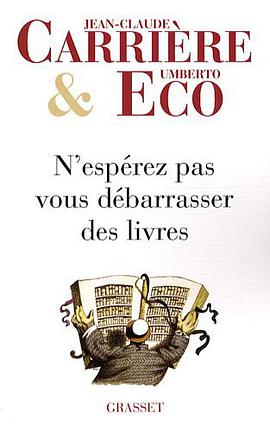
Nie myśl, że książki znikną [图书] Goodreads
作者: Umberto Eco / Jean-Claude Carrière 出版社: W.A.B. 2010 - 9
Wywiad przeprowadził Jean-Philippe de Tonnac.

Czy świat bez książek to tylko futurystyczna wizja czy realne zagrożenie i efekt daleko idącej technizacji życia? Czy rzeczywiście grozi nam „bibliocaust”, a jeśli nawet, czy byłoby to wydarzenie bez precedensu? Wiadomo przecież, że od dawien dawna książki dławił pożar, palono je na stosach i poddawano ingerencji cenzury. Słowo pisane było także wydane na pastwę ludzkiej ignorancji i głupoty. To zaś, co zastało jako spuścizna, jest ledwie strzępem twórczości minionych pokoleń.

Dwaj bibliofile, Umberto Eco i Jean-Claude Carrière, diagnozują zjawiska współczesnej kultury, to znaczy internet i elektroniczne nośniki pamięci. Według autorów Nie sądź, że książki znikną, nowe formy, choć coraz bardziej powszechne, nie wyprą tradycyjnych woluminów. Czy taka dość optymistyczna wizja nie jest jednak tylko marzeniem intelektualistów?
O bibliotece [图书] Goodreads
作者: Umberto Eco / Adam Szymanowski 出版社: Świat Książki 2007 - 4
Odczyt wygłoszony w 1981 roku z okazji 25-lecia Biblioteki Miejskiej w Mediolanie.

Słynny włoski profesor, wielki miłośnik wygodnych bibliotek i tropiciel bibliotecznych absurdów utrudniających życie uczonemu, opowiada o swoich ulubionych księgozbiorach i z humorem przedstawia dziewiętnastopunktowy "wzorzec złej biblioteki". Pochwała wiedzy zgromadzonej przez człowieka i... swobody krążenia między półkami.
La ricerca della lingua perfetta nella cultura europea [图书] Goodreads
作者: Umberto Eco / Jacques Le Goff 出版社: Laterza 1996 - 7
La storia di un'illusione e di un fallimento: la ricerca di una lingua unica e perfetta, capace di affratellare tutti gli europei. Un sogno perseguito tenacemente, dal VI secolo dopo Cristo a oggi, attraverso i più diversi codici e linguaggi: dalla matematica al computer, dalla magia all'astrologia, dall'esperanto ai moderni ibridi tra le diverse lingue. Ancora una volta Umberto Eco offre ai lettori la propria capacità di spaziare nei più diversi campi del sapere (dalla filosofia alla letteratura, dalla matematica alle scienze) con felice vena narrativa.
Il nome della rosa [图书] Goodreads
作者: Umberto Eco 出版社: Bompiani 2003 - 1
La vicenda si svolge nel medioevo, nell’arco di sette giorni, in un monastero benedettino in una località imprecisata del nord Italia.

Guglielmo da Baskerville, monaco francescano, ex-inquisitore e consigliere dell’Imperatore, si reca insieme al giovane benedettino nonché voce narrante Adso da Melk, in un’abbazia allo scopo di partecipare ad un’importante riunione che vede contrapposti i francescani, fautori della povertà del Cristo, e la delegazione papale. Questo incontro era stato organizzato allo scopo di permettere alle due parti di trovare un accordo.
L’abbazia vive ore tormentate. Subito dopo il loro arrivo, l’Abate chiede a Guglielmo di indagare sulle cause della morte violenta di uno dei suoi conventuali. In effetti durante la notte, Adelmo da Otranto, un giovane monaco, è caduto dall’edificio, un’imponente costruzione nella quale si trovano sia il refettorio che l’immensa biblioteca dell’abbazia.
Nonostante la libertà di movimento concessa all’ex inquisitore, si susseguono altre morti e tutte sembrano ruotare intorno alla biblioteca e ad un misterioso manoscritto. Questa biblioteca, tra le più grandi della cristianità, è costruita come un labirinto, un luogo segreto, allo scopo di proteggerla dagli intrusi. Non è concesso loro di visitarla: solo lo scriptorium è accessibile. La situazione è complicata dall’imminente convegno e dalla scoperta di due eretici della setta dei Dolciniani, rifugiati presso l’Ordine dei Benedettini. In questa atmosfera inquietante, Guglielmo e Adso si avvicinano sempre più alla verità, fino a scoprire il misterioso manoscritto…
Sei passeggiate nei boschi narrativi [图书] Goodreads
作者: Umberto Eco 出版社: Bompiani 2000 - 3
I sei interventi tenuti da Eco nel 1992-93 in occasione delle Norton Lectures - che si svolgono ogni anno alla Harvard University - hanno una leggerezza affabulatoria insolita alla teoria. Questa dipende senza dubbio dal fatto che Eco sapeva di rivolgersi a un pubblico vasto e vario, ma in questa particolare scelta espressiva possiamo forse cogliere anche la sua volontà di affrontare la riflessione sulla narrativa partendo proprio dalll'esperienza del lettore. Svariando da Omero a Spillane, da Cappuccetto Rosso a Nerval, Eco indaga aspettative e modalità con cui leggiamo i romanzi, procedendo in modo errabondo, come una serie di passaggiate appunto. Ma passeggiare per i boschi romanzeschi espone a sconcertanti scoperte: c'è davvero qualcosa in comune tra Manzoni e Agatha Christie, tra Molly Bloom e Milady? Soprattutto ciò che Eco ci mostra è quanto il romanzo - non a caso definito "il fratello carnale della Storia" - si intrecci con la vita e la vita con il romanzo.
Apostillas a El nombre de la rosa [图书] Goodreads
作者: Umberto Eco / Ricardo Pochtar 出版社: Editorial Lumen 1985 - 1
Apéndice a El nombre de la rosa en el que Umberto Eco aclara algunas cuestiones relativas a la novela. Más que una guía de lectura, supone una ampliación del contexto en el que situar la obra
Nachschrift zum ›Namen der Rose‹ [图书] Goodreads
作者: Umberto Eco / Burkhart Kroeber 出版社: Carl Hanser Verlag 1984 - 1
Wie kam es zu den denkwürdigen Ereignissen in der reichen Cluniazenserabtei, von denen Adson uns im Namen der Rose berichtet? Eco rollt den Fall sozusagen von hinten auf: der Leser sieht dem Autor über die Schulter, wie dieser das Labyrinth der Bibliothek entwirft, die Morde plant, Chroniken studiert, Pläne zeichnet, mit William von Baskerville diskutiert und Spuren auslegt, die ein paar verdächtige Mönche errötcnd wieder verwischen. Die verschiedenen Handlungsstränge und Bedeutungsebenen miteinander zu verknüpfen und die fiktive Welt real zu machen, ist, wie Eco vorführt, kein ›genialer Wurf‹, sondern genauer Plan, Recherche und kombinatorische Phantasie.

Eco erzählt von Adsons Eigensinnigkeit und den Problemen der Maskierung, von schlechten Kriminalromanen und idealen Lesern, von mittelalterlichen Dialogen und der Metaphysik des Kriminalromans. Nach der Lektüre der Nachschrift jedenfalls wird der Leser den Namen der Rose erneut zur Hand nehmen und sich aufgrund der Indizien und Hinweise des Autors mit geschärftem Blick und neuem Spürsinn aufmachen in die Bibliothek der Abtei.
La memoria vegetal / Plant Memory [图书] 谷歌图书
作者: Umberto Eco 出版社: PRH Grupo Editorial 2021 - 07
UMBERTO ECO INÉDITO Y VISIONARIO

Un canto de amor a los libros y a su acumulación obsesiva, por «el escritor que cambió la cultura» (Corriere della Sera)

«Umberto Eco cambió nuestra mirada sobre los libros: imprescindibles, pequeños, frágiles, a veces criminales, casi siempre salvadores. Un maestro que nos enseñó a entrelazar la sabiduría y el juego con su estilo sagaz y lúdico, con su asombrosa inventiva y certera lucidez.» -Irene Vallejo

El libro es un seguro de vida, una pequeña anticipación de la inmortalidad.

El cerebro humano cuenta, desde el principio de los tiempos, con una memoria orgánica y otra mineral, grabada en piedras y tabletas de arcilla. Junto a ellas, de forma paralela, se ha desarrollado otra más profunda, silenciosa y revolucionaria: la memoria vegetal, impresa en papiros y en trapos hasta llegar al papel procedente del árbol que conocemos hoy. Su instrumento de supervivencia es el libro, objeto de amor y devoción durante siglos.

Umberto Eco, el «humanista integral», según Fernando Savater, dedica estos textos inéditos e iluminadores a los bibliófilos como él, a los futuros bibliófilos y a los que todavía no saben que lo son. Un libro para aprender, deslumbrarse, emocionarse y seguir leyendo siempre.

ENGLISH DESCRIPTION

UMBERTO ECO UNEDITED AND VISIONARY
 
A song of love for books and their obsessive accumulation, by "the writer who changed culture" (Corriere della Sera)
 
‘Umberto Eco changed our view of books: essential, small, fragile, sometimes criminal, almost always saviors. A teacher who taught us to intertwine wisdom and play with his shrewd and playful style, with his amazing inventiveness and accurate lucidity.’ - Irene Vallejo
 
The book is life insurance, a little anticipation of immortality.
 
The human brain has, since the beginning of time, an organic and a mineral memory, engraved on stones and clay tablets. Along with them, in a parallel way, a more profound, silent and revolutionary one has developed: plant memory, printed on papyri and rags until it reaches the paper from the tree that we know today. His instrument of survival is the book, an object of love and devotion for centuries.
 
Umberto Eco, the ‘integral humanist,’ according to Fernando Savater, dedicates these unedited and illuminating texts to bibliophiles like him, to future bibliophiles and to those who still don’t know they are. A book to learn from, be dazzled by, get excited about and to always keep reading.
Foucault's Pendulum [图书] 谷歌图书
作者: Umberto Eco 出版社: Houghton Mifflin Harcourt 2007 - 03

A literary prank leads to deadly danger in this "endlessly diverting" intellectual thriller by the author of The Name of the Rose ( Time).

Bored with their work, three Milanese book editors cook up an elaborate hoax that connects the medieval Knights Templar with occult groups across the centuries. Becoming obsessed with their own creation, they produce a map indicating the geographical point from which all the powers of the earth can be controlled—a point located in Paris, France, at Foucault's Pendulum.

But in a fateful turn the joke becomes all too real. When occult groups, including Satanists, get wind of the Plan, they go so far as to kill one of the editors in their quest to gain control of the earth. Orchestrating these and other diverse characters into his multilayered semiotic adventure, Umberto Eco has created a superb cerebral entertainment.

"An intellectual adventure story...sensational, thrilling, and packed with arcana."— The Washington Post Book World