
艾丹·吉伦 — 演员 (89)
The Second Death (2000) [电影] 豆瓣
导演:
John Michael McDonagh
演员:
艾丹·吉伦
卑鄙行动 (1992) [电影] 豆瓣
An Ungentlemanly Act (TV)
导演:
斯图尔特·厄本
演员:
伊恩·理查森
/
鲍勃·佩克
…
其它标题:
An Ungentlemanly Act (TV)
The film was written and directed by Stuart Urban, and commissioned to mark the tenth anniversary of the Falklands War. The film was closely based on the historical record, and all of the major incidents portrayed were drawn from contemporary accounts by those who took part. Filming took place on the Falkland Islands and at Ealing Studios. Urban is a fluent Spanish-speaker, and plays an uncredited role as the Argentine radio operator.
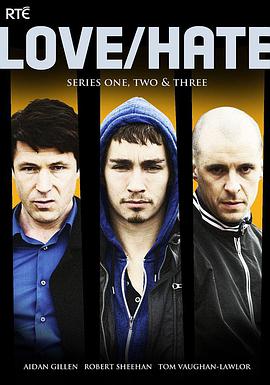
爱恨两边缘 第二季 (2011) [剧集] 豆瓣
Love/Hate Season 2 所属 电视剧集: 爱恨两边缘
导演:
David Caffrey
/
安东尼·拜恩
演员:
艾丹·吉伦
/
罗伯特·席安
…
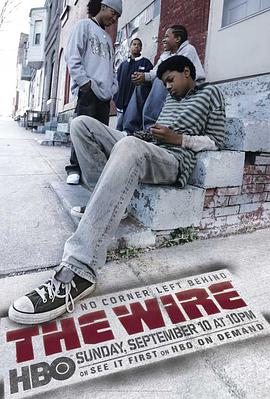
Love/Hate is an Irish TV drama series broadcast on RTÉ One. The first episode aired on 3 October 2010[1]. It stars Aidan Gillen (The Wire), Robert Sheehan (Misfits) Ruth Negga (Love is the Drug), Ruth Bradley (Stardust), Killian Scott and Chris Newman (Song for a Raggy Boy). It is directed by David Caffrey (Divorcing Jack, Raw) and is produced by Simon Massey, Suzanne McAuley (A Shine of Rainbows) and James Flynn (P.S. I Love You)[2]. The series was broadcast in the UK on Monday 21 March on STV.[3] Series 2 is set to premiere in Fall 2011.
Further Beyond (2016) [电影] 豆瓣
导演:
Joe Lawlor
/
Christine Molloy
演员:
丹妮斯·高夫
/
艾丹·吉伦
…
In their debut documentary Christine Molloy and Joe Lawlor take as their point of departure the compelling 18th Century figure, Ambrose O'Higgins, and attempt to retrace his remarkable journey from Ireland to Chile. Key locations in O'Higgins' life - a lake in Sligo, a field in Meath, the port of Cadiz, the sea, and the edge of a snow-covered mountain in the Andes - are visited and reflected upon in the hope that something might be revealed, as if these very locations might contain clues. Having long dreamt of making a biopic of O'Higgins, this wayward and wry documentary is the filmmakers' attempt to realise this dream through a personal voyage into the idea of the cinematic location. However, as they speculate on the idea of place and what O'Higgins embodies, the filmmakers continually get sidetracked by a competing story of immigration and displacement. Gradually, and not without humour, these intertwining narratives uncover ideas about the transformative powers of travelling, as looked at through the peculiar prism of the Irish experience.
The Caretaker 2003 Roundabout Theatre Company版 [演出] 豆瓣
所属 演出: The Caretaker
导演:
David Jones
Act I
A night in winter
[Scene 1]
Aston has invited Davies, a homeless man, into his apartment after rescuing him from a bar fight (7–9). Davies comments on the apartment and criticizes the fact that it is cluttered and badly kept. Aston attempts to find a pair of shoes for Davies but Davies rejects all the offers. Once he turns down a pair that doesn’t fit well enough and another that has the wrong colour laces. Early on, Davies reveals to Aston that his real name is not "Bernard Jenkins", his "assumed name", but really "Mac Davies" (19–20, 25). He claims that his papers validating this fact are in Sidcup and that he must and will return there to retrieve them just as soon as he has a good pair of shoes. Aston and Davies discuss where he will sleep and the problem of the "bucket" attached to the ceiling to catch dripping rain water from the leaky roof (20–21) and Davies "gets into bed" while "ASTON sits, poking his [electrical] plug (21).
[Scene 2]
The LIGHTS FADE OUT. Darkness.
LIGHTS UP. Morning. (21) As Aston dresses for the day, Davies awakes with a start, and Aston informs Davies that he was kept up all night by Davies muttering in his sleep. Davies denies that he made any noise and blames the racket on the neighbors, revealing his fear of foreigners: "I tell you what, maybe it were them Blacks" (23). Aston informs Davies that he is going out but invites him to stay if he likes, indicating that he trusts him (23–24), something unexpected by Davies; for, as soon as Aston does leave the room (27), Davies begins rummaging through Aston's "stuff" (27–28) but he is interrupted when Mick, Aston’s brother, unexpectedly arrives, "moves upstage, silently," "slides across the room" and then suddenly "seizes Davies' "arm and forces it up his back," in response to which "DAVIES screams," and they engage in a minutely-choreographed struggle, which Mick wins (28–29), ending Act One with the "Curtain" line, "What's the game?" (29).
Act II
[Scene 1]
A few seconds later
Mick demands to know Davies' name, which the latter gives as "Jenkins" (30), interrogates him about how well he slept the night before (30), wonders whether or not Davies is actually "a foreigner"—to which Davies retorts that he "was" indeed (in Mick's phrase) "Born and bred in the British Isles" (33)—going on to accuse Davies of being "an old robber […] an old skate" who is "stinking the place out" (35), and spinning a verbal web full of banking jargon designed to confuse Davies, while stating, hyperbolically, that his brother Aston is "a number one decorator" (36), either an outright lie or self-deceptive wishful thinking on his part. Just as Mick reaches the climactic line of his diatribe geared to put the old tramp off balance—"Who do you bank with?" (36), Aston enters with a "bag" ostensibly for Davies, and the brothers debate how to fix the leaking roof and Davies interrupts to inject the more practical question: "What do you do . . . when that bucket's full?" (37) and Aston simply says, "Empty it" (37). The three battle over the "bag" that Aston has brought Davies, one of the most comic and often-cited Beckettian routines in the play (38–39). After Mick leaves, and Davies recognises him to be "a real joker, that lad" (40), they discuss Mick's work in "the building trade" and Davies ultimately discloses that the bag they have fought over and that he was so determined to hold on to "ain't my bag" at all (41). Aston offers Davies the job of Caretaker, (42–43), leading to Davies' various assorted animadversions about the dangers that he faces for "going under an assumed name" and possibly being found out by anyone who might "ring the bell called Caretaker" (44).
[Scene 2]
THE LIGHTS FADE TO BLACKOUT.
THEN UP TO DIM LIGHT THROUGH THE WINDOW.
A door bangs.
Sound of a key in the door of the room.
DAVIES enters, closes the door, and tries the light switch, on, off, on, off.
It appears to Davies that "the damn light's gone now," but, it becomes clear that Mick has sneaked back into the room in the dark and removed the bulb; he starts up "the electrolux" and scares Davies almost witless before claiming "I was just doing some spring cleaning" and returning the bulb to its socket (45). After a discussion with Davies about the place being his "responsibility" and his ambitions to fix it up, Mick also offers Davies the job of "caretaker" (46–50), but pushes his luck with Mick when he observes negative things about Aston, like the idea that he "doesn't like work" or is "a bit of a funny bloke" for "Not liking work" (Davies' camouflage of what he really is referring to), leading Mick to observe that Davies is "getting hypocritical" and "too glib" (50), and they turn to the absurd details of "a small financial agreement" relating to Davies' possibly doing "a bit of caretaking" or "looking after the place" for Mick (51), and then back to the inevitable call for "references" and the perpetually-necessary trip to Sidcup to get Davies' identity "papers" (51–52).
[Scene 3]
Morning
Davies wakes up and complains to Aston about how badly he slept. He blames various aspects of the apartment's set up. Aston suggests adjustments but Davies proves to be callous and inflexible. Aston tells the story of how he was checked into a mental hospital and given electric shock therapy, but when he tried to escape from the hospital he was shocked while standing, leaving him with permanent brain damage; he ends by saying, "I've often thought of going back and trying to find the man who did that to me. But I want to do something first. I want to build that shed out in the garden" (54–57). Critics regard Aston's monologue, the longest of the play, as the "climax" of the plot.[3] In dramaturgical terms, what follows is part of the plot's "falling action".
Act III
[Scene 1]
Two weeks later [… ]Afternoon.
Davies and Mick discuss the apartment. Mick relates "(ruminatively)" in great detail what he would do to redecorate it (60). When asked who "would live there," Mick's response "My brother and me" leads Davies to complain about Aston's inability to be social and just about every other aspect of Aston's behaviour (61–63). Though initially invited to be a "caretaker," first by Aston and then by Mick, he begins to ingratiate himself with Mick, who acts as if he were an unwitting accomplice in Davies' eventual conspiracy to take over and fix up the apartment without Aston's involvement (64) an outright betrayal of the brother who actually took him in and attempted to find his "belongings"; but just then Aston enters and gives Davies yet another pair of shoes which he grudgingly accepts, speaking of "going down to Sidcup" in order "to get" his "papers" again (65–66).
[Scene 2]
That night
Davies brings up his plan when talking to Aston, whom he insults by throwing back in his face the details of his treatment in the mental institution (66–67), leading Aston, in a vast understatement, to respond: "I . . . I think it's about time you found somewhere else. I don't think we're hitting it off" (68). When finally threatened by Davies pointing a knife at him, Aston tells Davies to leave: "Get your stuff" (69). Davies, outraged, claims that Mick will take his side and kick Aston out instead and leaves in a fury, concluding (mistakenly): "Now I know who I can trust" (69).
[Scene 3]
Later
Davies reenters with Mick explaining the fight that occurred earlier and complaining still more bitterly about Mick's brother, Aston (70–71). Eventually, Mick takes Aston's side, beginning with the observation "You get a bit out of your depth sometimes, don't you?" (71). Mick forces Davies to disclose that his "real name" is Davies and his "assumed name" is "Jenkins" and, after Davies calls Aston "nutty", Mick appears to take offense at what he terms Davies' "impertinent thing to say," concludes, "I'm compelled to pay you off for your caretaking work. Here's half a dollar," and stresses his need to turn back to his own "business" affairs (74). When Aston comes back into the apartment, the brothers face each other," "They look at each other. Both are smiling, faintly" (75). Using the excuse of having returned for his "pipe" (given to him earlier through the generosity of Aston), Davies turns to beg Aston to let him stay (75–77). But Aston rebuffs each of Davies' rationalisations of his past complaints (75–76). The play ends with a "Long silence" as Aston, who "remains still, his back to him [Davies], at the window, apparently unrelenting as he gazes at his garden and makes no response at all to Davies' futile plea, which is sprinkled with many dots (". . .") of elliptical hesitations (77–78).
A night in winter
[Scene 1]
Aston has invited Davies, a homeless man, into his apartment after rescuing him from a bar fight (7–9). Davies comments on the apartment and criticizes the fact that it is cluttered and badly kept. Aston attempts to find a pair of shoes for Davies but Davies rejects all the offers. Once he turns down a pair that doesn’t fit well enough and another that has the wrong colour laces. Early on, Davies reveals to Aston that his real name is not "Bernard Jenkins", his "assumed name", but really "Mac Davies" (19–20, 25). He claims that his papers validating this fact are in Sidcup and that he must and will return there to retrieve them just as soon as he has a good pair of shoes. Aston and Davies discuss where he will sleep and the problem of the "bucket" attached to the ceiling to catch dripping rain water from the leaky roof (20–21) and Davies "gets into bed" while "ASTON sits, poking his [electrical] plug (21).
[Scene 2]
The LIGHTS FADE OUT. Darkness.
LIGHTS UP. Morning. (21) As Aston dresses for the day, Davies awakes with a start, and Aston informs Davies that he was kept up all night by Davies muttering in his sleep. Davies denies that he made any noise and blames the racket on the neighbors, revealing his fear of foreigners: "I tell you what, maybe it were them Blacks" (23). Aston informs Davies that he is going out but invites him to stay if he likes, indicating that he trusts him (23–24), something unexpected by Davies; for, as soon as Aston does leave the room (27), Davies begins rummaging through Aston's "stuff" (27–28) but he is interrupted when Mick, Aston’s brother, unexpectedly arrives, "moves upstage, silently," "slides across the room" and then suddenly "seizes Davies' "arm and forces it up his back," in response to which "DAVIES screams," and they engage in a minutely-choreographed struggle, which Mick wins (28–29), ending Act One with the "Curtain" line, "What's the game?" (29).
Act II
[Scene 1]
A few seconds later
Mick demands to know Davies' name, which the latter gives as "Jenkins" (30), interrogates him about how well he slept the night before (30), wonders whether or not Davies is actually "a foreigner"—to which Davies retorts that he "was" indeed (in Mick's phrase) "Born and bred in the British Isles" (33)—going on to accuse Davies of being "an old robber […] an old skate" who is "stinking the place out" (35), and spinning a verbal web full of banking jargon designed to confuse Davies, while stating, hyperbolically, that his brother Aston is "a number one decorator" (36), either an outright lie or self-deceptive wishful thinking on his part. Just as Mick reaches the climactic line of his diatribe geared to put the old tramp off balance—"Who do you bank with?" (36), Aston enters with a "bag" ostensibly for Davies, and the brothers debate how to fix the leaking roof and Davies interrupts to inject the more practical question: "What do you do . . . when that bucket's full?" (37) and Aston simply says, "Empty it" (37). The three battle over the "bag" that Aston has brought Davies, one of the most comic and often-cited Beckettian routines in the play (38–39). After Mick leaves, and Davies recognises him to be "a real joker, that lad" (40), they discuss Mick's work in "the building trade" and Davies ultimately discloses that the bag they have fought over and that he was so determined to hold on to "ain't my bag" at all (41). Aston offers Davies the job of Caretaker, (42–43), leading to Davies' various assorted animadversions about the dangers that he faces for "going under an assumed name" and possibly being found out by anyone who might "ring the bell called Caretaker" (44).
[Scene 2]
THE LIGHTS FADE TO BLACKOUT.
THEN UP TO DIM LIGHT THROUGH THE WINDOW.
A door bangs.
Sound of a key in the door of the room.
DAVIES enters, closes the door, and tries the light switch, on, off, on, off.
It appears to Davies that "the damn light's gone now," but, it becomes clear that Mick has sneaked back into the room in the dark and removed the bulb; he starts up "the electrolux" and scares Davies almost witless before claiming "I was just doing some spring cleaning" and returning the bulb to its socket (45). After a discussion with Davies about the place being his "responsibility" and his ambitions to fix it up, Mick also offers Davies the job of "caretaker" (46–50), but pushes his luck with Mick when he observes negative things about Aston, like the idea that he "doesn't like work" or is "a bit of a funny bloke" for "Not liking work" (Davies' camouflage of what he really is referring to), leading Mick to observe that Davies is "getting hypocritical" and "too glib" (50), and they turn to the absurd details of "a small financial agreement" relating to Davies' possibly doing "a bit of caretaking" or "looking after the place" for Mick (51), and then back to the inevitable call for "references" and the perpetually-necessary trip to Sidcup to get Davies' identity "papers" (51–52).
[Scene 3]
Morning
Davies wakes up and complains to Aston about how badly he slept. He blames various aspects of the apartment's set up. Aston suggests adjustments but Davies proves to be callous and inflexible. Aston tells the story of how he was checked into a mental hospital and given electric shock therapy, but when he tried to escape from the hospital he was shocked while standing, leaving him with permanent brain damage; he ends by saying, "I've often thought of going back and trying to find the man who did that to me. But I want to do something first. I want to build that shed out in the garden" (54–57). Critics regard Aston's monologue, the longest of the play, as the "climax" of the plot.[3] In dramaturgical terms, what follows is part of the plot's "falling action".
Act III
[Scene 1]
Two weeks later [… ]Afternoon.
Davies and Mick discuss the apartment. Mick relates "(ruminatively)" in great detail what he would do to redecorate it (60). When asked who "would live there," Mick's response "My brother and me" leads Davies to complain about Aston's inability to be social and just about every other aspect of Aston's behaviour (61–63). Though initially invited to be a "caretaker," first by Aston and then by Mick, he begins to ingratiate himself with Mick, who acts as if he were an unwitting accomplice in Davies' eventual conspiracy to take over and fix up the apartment without Aston's involvement (64) an outright betrayal of the brother who actually took him in and attempted to find his "belongings"; but just then Aston enters and gives Davies yet another pair of shoes which he grudgingly accepts, speaking of "going down to Sidcup" in order "to get" his "papers" again (65–66).
[Scene 2]
That night
Davies brings up his plan when talking to Aston, whom he insults by throwing back in his face the details of his treatment in the mental institution (66–67), leading Aston, in a vast understatement, to respond: "I . . . I think it's about time you found somewhere else. I don't think we're hitting it off" (68). When finally threatened by Davies pointing a knife at him, Aston tells Davies to leave: "Get your stuff" (69). Davies, outraged, claims that Mick will take his side and kick Aston out instead and leaves in a fury, concluding (mistakenly): "Now I know who I can trust" (69).
[Scene 3]
Later
Davies reenters with Mick explaining the fight that occurred earlier and complaining still more bitterly about Mick's brother, Aston (70–71). Eventually, Mick takes Aston's side, beginning with the observation "You get a bit out of your depth sometimes, don't you?" (71). Mick forces Davies to disclose that his "real name" is Davies and his "assumed name" is "Jenkins" and, after Davies calls Aston "nutty", Mick appears to take offense at what he terms Davies' "impertinent thing to say," concludes, "I'm compelled to pay you off for your caretaking work. Here's half a dollar," and stresses his need to turn back to his own "business" affairs (74). When Aston comes back into the apartment, the brothers face each other," "They look at each other. Both are smiling, faintly" (75). Using the excuse of having returned for his "pipe" (given to him earlier through the generosity of Aston), Davies turns to beg Aston to let him stay (75–77). But Aston rebuffs each of Davies' rationalisations of his past complaints (75–76). The play ends with a "Long silence" as Aston, who "remains still, his back to him [Davies], at the window, apparently unrelenting as he gazes at his garden and makes no response at all to Davies' futile plea, which is sprinkled with many dots (". . .") of elliptical hesitations (77–78).
Mojo Royal Court Theatre (1995版)版 [演出] 豆瓣
所属 演出: Mojo
剧院:
Royal Court Theatre
导演:
Neil Pepe
Set entirely within the seedy Atlantic club, Silver Johnny - a young and talented performer on the road to fame and fortune - is held back by his jealous and protective manager Ezra, owner of the nightclub and father to a psychotic unloved son, Baby. As Silver Johnny progresses up the ladder to stardom, local gangster/entrepreneur Sam Ross begins to take an interest, and the only way to remove opposition (Ezra) appears to be sawing him in half, kidnapping Silver Johnny and leaving the club's fate in a state of limbo.
Ezra is discovered the next morning by his second-in-command, the highly ambitious Mickey, who announces that Ross intends to take over the Atlantic Club, setting the stage for a major power struggle; "He's been fucking cut in half. He's in two bins..."
Terrified by the potential threat of extermination by Ross and his gang, associates of the now deceased Ezra, (Potts, Sweets, Skinny and Baby) begin to lose their nerve, and try to convince themselves it's Mickey's idea of a joke; "It's Mickey's joke, it's Mickey's morning joke!" When this turns out to be false, the Atlantic Club gang prepare for what could be their final night. With just an ancient cutlass and an old Derringer as defence, the group starts to argue amongst themselves and even considers joining Ross, or simply leaving.
As the day wears on, people begin to gather outside the club waiting for the doors to open, oblivious to the situation. Sweating it out inside, the small group of four have to break the tragic news of Ezra's grisly death to Baby, who takes the news in a dreamlike, distant manner. Uneasy about Baby's mental stability, the Atlantic gang begins to become restless - especially about their catering. Arguments break out over frivolous matters (Uncle Tommy), and the group finally settles to consider just what its rivals are doing at that very moment.
In the climax to the fast-paced story, Sweets checks downstairs to see if the coast is clear for the gang to have a little space, rather than being cooped up in a single room, and finds Silver Johnny hanging from the ceiling. In sheer panic, Sweets calls for help, and is joined by the others. Baby reveals that by saving Silver Johnny he killed Mr Ross and discovered that Micky had betrayed them all for a share in the business. Skinny arrives and insults Baby, who responds by shooting him in the head with the Derringer. Mickey, Potts and Sweets attempt to cover the wound and to calm Skinny down, while Baby wanders around aimlessly. Silver Johnny is lowered to the floor and, tragically, Skinny dies. Unable to save Skinny's life, Mickey's authority and status break down, and he kneels beside his friend's body.
Ezra is discovered the next morning by his second-in-command, the highly ambitious Mickey, who announces that Ross intends to take over the Atlantic Club, setting the stage for a major power struggle; "He's been fucking cut in half. He's in two bins..."
Terrified by the potential threat of extermination by Ross and his gang, associates of the now deceased Ezra, (Potts, Sweets, Skinny and Baby) begin to lose their nerve, and try to convince themselves it's Mickey's idea of a joke; "It's Mickey's joke, it's Mickey's morning joke!" When this turns out to be false, the Atlantic Club gang prepare for what could be their final night. With just an ancient cutlass and an old Derringer as defence, the group starts to argue amongst themselves and even considers joining Ross, or simply leaving.
As the day wears on, people begin to gather outside the club waiting for the doors to open, oblivious to the situation. Sweating it out inside, the small group of four have to break the tragic news of Ezra's grisly death to Baby, who takes the news in a dreamlike, distant manner. Uneasy about Baby's mental stability, the Atlantic gang begins to become restless - especially about their catering. Arguments break out over frivolous matters (Uncle Tommy), and the group finally settles to consider just what its rivals are doing at that very moment.
In the climax to the fast-paced story, Sweets checks downstairs to see if the coast is clear for the gang to have a little space, rather than being cooped up in a single room, and finds Silver Johnny hanging from the ceiling. In sheer panic, Sweets calls for help, and is joined by the others. Baby reveals that by saving Silver Johnny he killed Mr Ross and discovered that Micky had betrayed them all for a share in the business. Skinny arrives and insults Baby, who responds by shooting him in the head with the Derringer. Mickey, Potts and Sweets attempt to cover the wound and to calm Skinny down, while Baby wanders around aimlessly. Silver Johnny is lowered to the floor and, tragically, Skinny dies. Unable to save Skinny's life, Mickey's authority and status break down, and he kneels beside his friend's body.
Faith Healer 版本8 [演出] 豆瓣
所属 演出: Faith Healer
剧院:
Abbey Theatre
导演:
None
其它标题:
版本8
演员:
Aidan Gillen
The play consists of four parts, with a monologue making up each part. The monologues are given, in order, by the faith healer, Francis (Frank) Hardy himself; his wife, Grace; his cockney manager, Teddy, and finally Hardy again.
The monologues tell the story of the faith healer himself, including an incident in a Welsh village in which he cures ten people. Teddy's monologue reveals that Grace Hardy commits suicide, while Frank ponders whether his gift is for real or not. In Frank's second monologue, it is suggested that he is killed near his home after being unable to heal a cripple. He says that he knows he will not be able to heal him and, going to face death, he feels a sense of homecoming. It is not made explicitly clear however, that Frank is actually killed; Friel leaves this up to the reader's interpretation.
The fact that the play does not end definitively typifies a main point of the play; each character gives a different recollection of the same events throughout the page.
The monologues tell the story of the faith healer himself, including an incident in a Welsh village in which he cures ten people. Teddy's monologue reveals that Grace Hardy commits suicide, while Frank ponders whether his gift is for real or not. In Frank's second monologue, it is suggested that he is killed near his home after being unable to heal a cripple. He says that he knows he will not be able to heal him and, going to face death, he feels a sense of homecoming. It is not made explicitly clear however, that Frank is actually killed; Friel leaves this up to the reader's interpretation.
The fact that the play does not end definitively typifies a main point of the play; each character gives a different recollection of the same events throughout the page.
侦探巴伯 (2023) [电影] 豆瓣
Barber
导演:
Fintan Connolly
演员:
艾丹·吉伦
/
Aisling Kearns
…
其它标题:
Barber
Val Barber, a private investigator, is hired by a wealthy widow to find her missing granddaughter. Set in Dublin against the background of a global pandemic, Barber’s initial investigation into Sara’s disappearance quickly darkens. Secrets start surfacing in unexpected ways. Before too long, Barber finds himself entangled with powerful men of shady morals determined to thwart his investigation.
Has he bitten off more than he can chew?
先跳舞 (2023) [电影] 维基数据 IMDb 豆瓣 TMDB
Dance First
其它标题:
Dance First
/
作家不跳舞:等待贝克特(台)
…
《爱的万物论》导演詹姆士马许新作《作家不跳舞:等待贝克特》再以图像立传,将镜头转向《等待果陀》爱尔兰文学巨匠山缪贝克特的传奇人生,当掌声乍响,却褪尽荣光,诺贝尔文学奖获奖人贝克特的登台彷如一出荒诞戏码,展开一场作家与作家的自我对话。爱尔兰资深男演员盖布瑞拜恩一人分饰两角,极致演绎贝克特的自我诘问,更联手《正常人》抢眼新星菲恩奥沙,分章节共塑贝克特的多阶段人生。从年轻气盛的孤傲理想,到洗尽铅华的内敛深沉,平稳运镜典雅别致,心绪辗转引人深思。
Ambition (2014) [电影] Min reol
Ambition
导演:
Tomek Bagiński
演员:
Aidan Gillen
/
Aisling Franciosi
A young apprentice (Aisling Franciosi) struggles to master nanotechnology on an alien world and prove herself to her enigmatic master (Aidan Gillen). Will her herculean goals remain tantalizingly out of reach, or will she fulfill them and in the process, change life as we know it? Tomek Bagiński’s short film Ambition is a collaborative project between the European Space Agency and Platige Image highlighting Rosetta, ESA’s real mission to rendezvous with, escort and land on a comet.
12回合 (2009) [电影] Min reol TMDB
12 Rounds
导演:
Renny Harlin
演员:
John Cena
/
Aidan Gillen
…
其它标题:
12 Rounds
/
Zwölf Runden
…
在美国新奥尔良,优秀的警探丹尼·巴克斯特尽职的工作让他终究在罪犯的心目中成为不共戴天的仇人。为了给自己在逃避丹尼追捕中不幸被撞死的女友报仇,已然在国际上小有名气的恐怖分子迈尔斯·杰克逊自然不会轻易咽下这口恶气,于是,他在出狱后便立刻对警探丹尼和他的女友茉莉·波特实施了报复行动。
影子舞者 (2012) [电影] Min reol
Shadow Dancer
导演:
James Marsh
演员:
Andrea Riseborough
/
Clive Owen
…
其它标题:
Shadow Dancer
/
섀도우 댄서
…
影片根据前电影记者汤姆-布莱迪的原著小说改编而来。故事的起源发生在1973年,一个名叫克洛特的小女孩,因为护送弟弟时失误而让弟弟惨遭杀害。20年之后,成年的克洛特为了复仇,成了一名非常激进的爱尔兰共和军,并和另外两个兄弟格里和科尼尔联手接下了组织安排的一个棘手任务——在伦敦地铁制造一场惊天爆炸。但在这次行动中,克洛特被英国军情五处的高级官员麦克截获,麦克给了克洛特两条路选择:一是去坐25年牢,永远别再想见到自己的儿子;二是背叛兄弟,成为军情五处的绝密线人。克洛特显然被迫选择了后者。但在一次次行动中,双方都发现了有内鬼在作怪,于是克洛特首当其冲地被当作了牺牲品......