Diogo Dória — 演员 (16)
亚伯拉罕山谷 (1993) [电影] 豆瓣 IMDb 维基数据 TMDB
Vale Abraão
其它标题:
Vale Abraão
/
Abraham's Valley
…
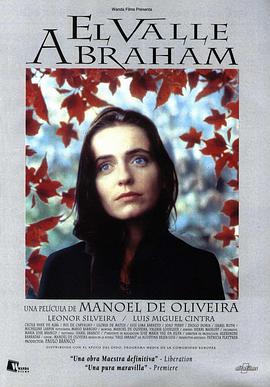
艾玛(雷奥勒·希尔维拉 Leonor Silveira 饰)在很小的时候就失去了母亲,之后便和父亲过着相依为命的生活。艾玛的姑妈奥古斯塔(劳拉·索维拉尔 Laura Soveral 饰)是一名非常虔诚的天主教徒,给艾玛的世界观带来了很大的影响。
艾玛从小就拥有能够令人忍不住想要多看两眼的美貌,唯一的缺憾就是她的腿上有些许的残疾。她从小就沉迷于各种各样的爱情小说中,对浪漫充满了渴望,这让奥古斯塔感到非常的担心。某日,艾玛遇见了名为卡罗尔(路易斯·米格尔·辛特拉 Luís Miguel Cintra 饰)医生,卡罗尔对艾玛一见钟情。在卡罗尔的原配妻子去世之后,艾玛成为了他的下一任新娘。
佩索阿如何拯救了葡萄牙 (2018) [电影] 豆瓣
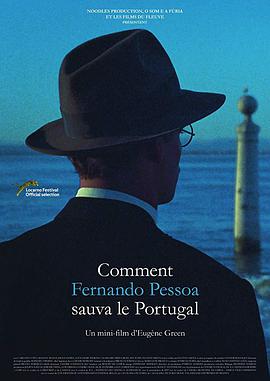
Como Fernando Pessoa Salvou Portugal
6.5 (8 个评分)
导演:
尤金·格林
演员:
卡里托·科塔
/
曼努埃·勒莫佐斯
…
其它标题:
Como Fernando Pessoa Salvou Portugal
/
Comment Fernando Pessoa sauva le Portugal
…
During the 20's, at the request of one of his employers, the poet Fernando Pessoa conceives an advertising slogan for the drink Coca-Louca, which panics the authoritarian government of that time.
庄园 (2019) [电影] 豆瓣
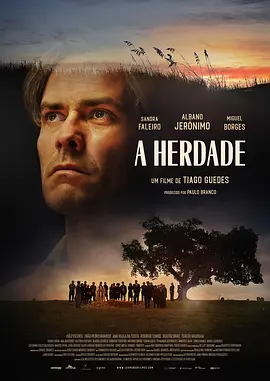
A Herdade
导演:
蒂亚戈·盖吉思
演员:
阿尔巴诺·杰罗尼莫
/
Sandra Faleiro
…
其它标题:
A Herdade
/
动荡是家园(澳)
…
葡萄牙名導Tiago Guedes第五部劇情長片以一幕美麗懾人的場景作為開場,靜謐的鄉村小鎮卻發生一連串慘案,永遠改變了Joao Fernandez的一生。20年後,葡萄牙受右翼的第二共和國政權統治,這時的Joao已是名富有的地主,並成為家族裡最具主見的領導人。由Joao帶領的家族勢力在接下來的40餘年,都將在葡萄牙歷史中佔有重要地位,不僅與動盪不定的政治、社會變遷相抗衡,家族埋藏已久的秘密與謊言也將水落石出。導演Guedes以19世紀葡萄牙文學家Jose Maria Eca de Queiroz的現實主義故事為主軸,創造出獨一無二的藝術視角,聚焦傳統大家族的內部關係如何受外在世界所影響,結果如同另一名19世紀文學家所言:「一切堅固的事物都終將煙消雲散」。
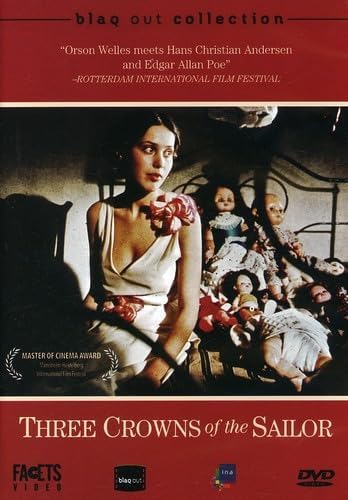
水手的三枚硬币 (1983) [电影] 豆瓣 IMDb 维基数据 TMDB
Les trois couronnes du matelot
导演:
Raúl Ruiz
演员:
Jean-Bernard Guillard
/
Philippe Deplanche
…
其它标题:
Les trois couronnes du matelot
/
Three Crowns Of The Sailor
…
关于故事的故事,一切要从这年青学生的怪遭遇讲起。
他刚杀了人,双手血仍未冷,第一件要做的事,却是到附近的舞场,聆听这醉酒水手的传奇一生。不记得多少年前,水手从自己的家乡启程,搭上一艘由幽灵驾驶的远航船。鬼船的诅咒是:他是唯一一个船上的生灵。鬼船在拉丁美洲各个港口漂荡,水手随船到处经历,在船上、妓院、码头间度过比神话更匪夷所思的历险。
这许多魔幻经历,满有波赫士小说的魔幻神采,而以别创一格的视觉及美术效果呈现,反映出拉乌尔 鲁兹(Raoul Ruiz)对超现实、表现主义影像的驾驭,可谓惊世骇俗。
他刚杀了人,双手血仍未冷,第一件要做的事,却是到附近的舞场,聆听这醉酒水手的传奇一生。不记得多少年前,水手从自己的家乡启程,搭上一艘由幽灵驾驶的远航船。鬼船的诅咒是:他是唯一一个船上的生灵。鬼船在拉丁美洲各个港口漂荡,水手随船到处经历,在船上、妓院、码头间度过比神话更匪夷所思的历险。
这许多魔幻经历,满有波赫士小说的魔幻神采,而以别创一格的视觉及美术效果呈现,反映出拉乌尔 鲁兹(Raoul Ruiz)对超现实、表现主义影像的驾驭,可谓惊世骇俗。
食人族 (1988) [电影] 豆瓣 维基数据 IMDb TMDB
Os Canibais
导演:
曼努埃尔·德·奥利维拉
演员:
路易斯·米格尔·辛特拉
/
里诺尔·森微娜
…
其它标题:
Os Canibais
/
The Cannibals
…
别以为奥里维拉太公的东西总那么让人昏昏欲睡,其实他也有清醒的时候啊。。。尤其在早期的作品和这部影片里。
One of the great unseen films
When this film was screened at the San Francisco International Film Festival, the Festival's Director spoke, practically begging the audience to "stay for the last 15 minutes. It will be worth it." In fact, the entire film is "worth it." From start to finish, it is an honest and well-crafted surrealist film, indeed in the tradition of Bunuel. It's tone and assault on bourgeois society is reminiscent of "The Exterminating Angel". But while "Angel" gets bleaker and bleaker as it progresses, "Os Canibais" becomes funnier and funnier, until, in the last reel, it explodes in a frenzy of absurdism that would make a devout Dadaist giggle.
Should it ever resurface, British and American viewers will easily understand that "Os Canibais" is a film 20 years ahead of its time. It is not the Thatcher/Reagan pull-yourself-up-by-your-bootstraps world that "Os Canibais" is lampooning, but the obscene world of the New Rich as personified by those who shop for shoes while one of the world's great cities drowns.
One of the great unseen films
When this film was screened at the San Francisco International Film Festival, the Festival's Director spoke, practically begging the audience to "stay for the last 15 minutes. It will be worth it." In fact, the entire film is "worth it." From start to finish, it is an honest and well-crafted surrealist film, indeed in the tradition of Bunuel. It's tone and assault on bourgeois society is reminiscent of "The Exterminating Angel". But while "Angel" gets bleaker and bleaker as it progresses, "Os Canibais" becomes funnier and funnier, until, in the last reel, it explodes in a frenzy of absurdism that would make a devout Dadaist giggle.
Should it ever resurface, British and American viewers will easily understand that "Os Canibais" is a film 20 years ahead of its time. It is not the Thatcher/Reagan pull-yourself-up-by-your-bootstraps world that "Os Canibais" is lampooning, but the obscene world of the New Rich as personified by those who shop for shoes while one of the world's great cities drowns.
金发奇女 (2009) [电影] 豆瓣 维基数据 IMDb TMDB
Singularidades de uma Rapariga Loura
其它标题:
Singularidades de uma Rapariga Loura
/
金发少女与扇子
…
唯一由默片拍到現在的導演,迪‧奧利菲拉可說是活動電影博物館了。大師一百歲又生猛出招啦!這一招是個完美無瑕的道德故事,玩卡夫卡式的寓言不止,更曲筆擺出華麗古典版布紐爾格局。倒楣的馬加里奧一見鍾情對窗金髮女,但當美人被追到手,情卻隔了幾重山:叔父的反對、經濟的拮据,最後竟是金髮女的問題。生命果然是個謎。最精彩的是爐火純青的畫面,伺機同你暢遊葡萄牙文化藝術,文學金句、音樂、名畫……讓你飽覽而回。
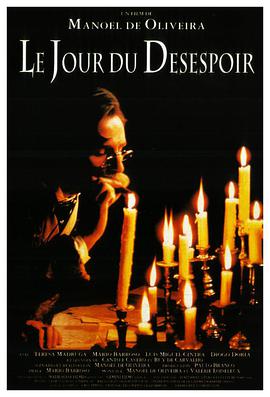
绝望的一天 (1992) [电影] 豆瓣
O Dia do Desespero
导演:
曼努埃尔·德·奥利维拉
演员:
特丽莎·马德鲁加
/
马里奥·巴罗索
…
其它标题:
O Dia do Desespero
/
Day of Despair
In 1992 Oliveira made O Dia do Desespero, which deals with the last days and suicide of Romantic novelist Camilo Castelo Branco and is based largely on the writer's letters. Most of it was filmed in the house where Castelo Branco in fact committed suicide. The film opens, midway through the credits, with a 50-second static shot of a pen-and-ink portrait of the writer. Other portraits, always shot with a static camera, punctuate the film's narrative, lending it a documentary tone from the outset.
The spectator might expect, at this point, that the “story” will now begin. However, the man seated at the desk stands up, faces the camera, and introduces himself as the actor Mário Barroso, who will be playing the role of Camilo Castelo Branco (and who played Castelo Branco in the earlier Francisca), and offers information about the writer. A bit later in the film, Ana Madruga, the actress who plays Castelo Branco's companion Ana Plácido, does the same thing, at the same time briefly serving as a “guide” to the Castelo Branco museum where the film was shot. Despite the existence of these ostensibly “documentary” elements – the house, the portraits, the actors presenting themselves as such – O Dia de Desespero, Oliveira insists, is a fiction film, but it is one that refuses to deceive the spectator (in Baecque and Parsi, 56) by pretending to be what it is not. In O Dia de Desespero and other films, Manoel de Oliveira questions the ontological status of such terms as “fiction” and “documentary” and challenges, through the pursuit of his own cinematic vision, some of the filmic and narrative conventions that have come to dominate mainstream commercial cinema. His films also challenge the spectator to think about, rather than passively accept, that which is shown on the screen.
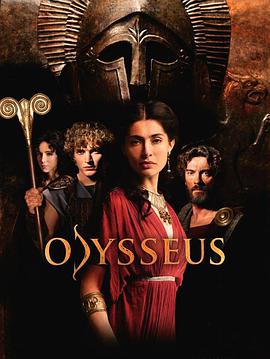
奥德修斯 (2013) [剧集] 豆瓣
Odysseus
演员:
Caterina Murino
/
Fanny Paliard
…
讲述了伊萨卡岛国王奥德修斯在结束了长达20年的特洛伊战争后回到那片熟悉的领土,结果却发现本属于他的王国遭到了侵略势力的野蛮摧残,在猛如虎豹的敌人面前,他是否能夺回了妻子和儿子以及属于他的国土呢?......
(来自深影字幕组)
(来自深影字幕组)
贝伦的老人 (2014) [电影] 豆瓣
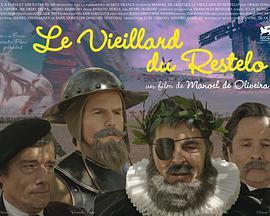
O Velho do Restelo
导演:
曼努埃尔·德·奥利维拉
演员:
Diogo Dória
/
路易斯·米格尔·辛特拉
…
其它标题:
O Velho do Restelo
/
The Old Man of Belem
葡萄牙修女 (2009) [电影] 豆瓣
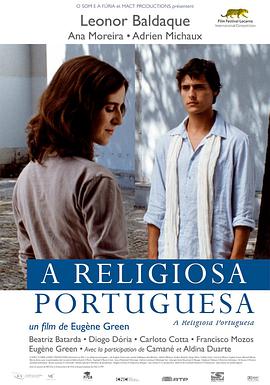
A Religiosa Portuguesa
导演:
尤金·格林
演员:
Leonor Baldaque
/
Francisco Mozos
…
其它标题:
A Religiosa Portuguesa
/
La Religieuse portugaise
茱莉在里斯本拍摄一部根据17世纪小说《一位葡萄牙修女的来信》改编的电影。一天晚上,她发现一个年轻修女每夜都在诺莎圣罗拉教堂祷告。茱莉的命运将被永远地改写……
A young French actress in Lisbon to shoot a movie is intrigued by a nun she sees kneeling in the in the chapel where she is filming.
盒子 (1994) [电影] 豆瓣
A Caixa
导演:
曼努埃尔·德·奥利维拉
演员:
路易斯·米格尔·辛特拉
/
Glicínia Quartin
…
其它标题:
A Caixa
/
Blind Man's Bluff
…
Lisbon, a normal day in one of the typical narrow streets of the capital of Portugal. In a small house, in a dirty little street, in a dark corner of the city lives a poor blind beggar, which earns his living through the selling of useless trinkets. The only curious situation is that the blind man keeps all his savings in a little black box donated to him by the government. It is through this box that the poor man proves his visual handicap. And it is this same BOX (a CAIXA) that is envied by all the blind man´s lazy neighbours who are jealous of the little money that is given to the poor man. The life on this (intentionally) excessive dramatic small world is suddenly turned upside down when someone steals the BOX of the blind man unleashing a chain of events that will have a surprising end.
战士的荣誉 (1990) [电影] 豆瓣 IMDb 维基数据 TMDB
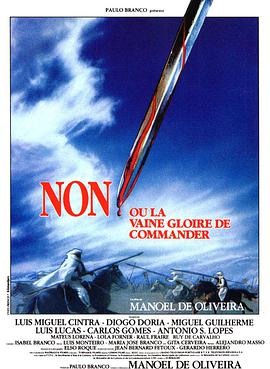
'Non', ou A Vã Glória de Mandar
导演:
曼努埃尔·德·奥利维拉
演员:
Diogo Dória
/
路易斯·米格尔·辛特拉
…
其它标题:
'Non', ou A Vã Glória de Mandar
/
No, or the Vain Glory of Command
…
剧情
1974年,在北非的葡萄牙殖民地,独立战争此起彼伏,进行镇压的葡萄牙士兵疲惫不堪,在战斗间隙,他们熟悉历史的少尉对他们讲起了葡萄牙的历史:葡萄牙最初被称为鲁西塔尼亚,从公元前2世纪起,开始被罗马人统治。比利亚托是鲁西塔尼亚地方原始部落的一个首领。在公元前147-139年间多次领导当地人起来反抗罗马人的统治。后来他被罗马将军西庇阿收买的一个叛徒暗杀。从罗马时代,十字军时代,到哥伦布航海时代的故事都在少尉的讲述中呈现出来。最后少尉在与游击队的战斗中负伤死去。他们终于明白,任何一个民族都是不可以被征服的。
曼努尔的欲望 (1984) [电影] 豆瓣 维基数据 IMDb TMDB
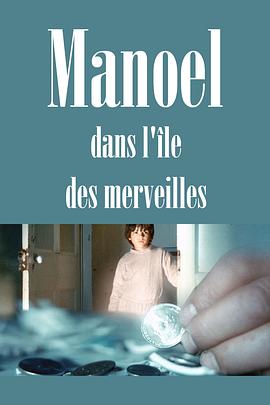
Manoel dans l'île des merveilles
导演:
Raoul Ruiz
演员:
Ruben de Freitas
/
特丽莎·马德鲁加
…
其它标题:
Manoel dans l'île des merveilles
/
Manuel on the Island of Wonders
…
This three part French TV serial for children (alternate versions exist as a feature, Manoel's Destinies, and a 4 part Portuguese TV serial, Adventure in Madeira) is the favourite of many devotees of Raúl Ruiz. This is because it ties the enchantment and mystery of Lewis Carroll, Carlo Collodi and the Brothers Grimm to the filmmaker's experiments with narrative strategies and what he calls the pentaludic model of storytelling (where characters are thrown dice-like into combinations and situations governed by the play of Chance and Destiny).
But this film for children is among his most complex works, hard to grasp in its totality. Often it can seem an arbitrary collection of free-associational images and words, bordering on nonsense. But attentive viewers will have the strong sense that there is method behind this near-madness. Otherwise, it could never produce the intense emotions it so clearly offers. Ruiz's obsessions from film to film bind the fragments together – within a single work and across projects – and the emotion comes from the totally unexpected forking taken within a well-worn territorial map.
Part One presents us with three possible worlds. In each world, seven year-old Manoel has a different response to an entreaty from the outside world. Fittingly, in this film in which nothing coincides, the three parts of the story do not coincide with the three-episode structure (the trinity-form recurs frequently in Ruiz). In this case, past, present and future – the unholy trinity or Time en soi – is the film's very protagonist, variously called 'long ago' (Part One), 'now' (Part Two), and 'future' (Part Three). At the outset, this gives the story an apparent order before digressions take it over.
Part Two (the status of which is at first confusing since it begins after the three mini-narratives of the first Part and before the end of Episode One) is entitled 'The Picnic of Dreams'. Whilst vaguely 'keeping to the storyline', it veers off in many different directions, where the thematic coupling ordinary/special replaces the familiar/unknown dualism of Part One. (Each Part is guided by a thematic 'dominant', a pair of notions that tend to exchange their meanings as it progresses.)
Part Three (beginning in Episode Two), entitled 'The Little Chess-Champion', hands the (until now) off-screen voice-over narration to Manoel himself. He promises to tell his own story, but adds that it's 'a story that I made up in my distant childhood and that happens in the future'. The tone is less Baroque, more Gothic, as Ruiz explores the 'wonders of the night'. The filmmaker's obsession in this section concerns perception and the deciphering of secret signs and codes.
But this film for children is among his most complex works, hard to grasp in its totality. Often it can seem an arbitrary collection of free-associational images and words, bordering on nonsense. But attentive viewers will have the strong sense that there is method behind this near-madness. Otherwise, it could never produce the intense emotions it so clearly offers. Ruiz's obsessions from film to film bind the fragments together – within a single work and across projects – and the emotion comes from the totally unexpected forking taken within a well-worn territorial map.
Part One presents us with three possible worlds. In each world, seven year-old Manoel has a different response to an entreaty from the outside world. Fittingly, in this film in which nothing coincides, the three parts of the story do not coincide with the three-episode structure (the trinity-form recurs frequently in Ruiz). In this case, past, present and future – the unholy trinity or Time en soi – is the film's very protagonist, variously called 'long ago' (Part One), 'now' (Part Two), and 'future' (Part Three). At the outset, this gives the story an apparent order before digressions take it over.
Part Two (the status of which is at first confusing since it begins after the three mini-narratives of the first Part and before the end of Episode One) is entitled 'The Picnic of Dreams'. Whilst vaguely 'keeping to the storyline', it veers off in many different directions, where the thematic coupling ordinary/special replaces the familiar/unknown dualism of Part One. (Each Part is guided by a thematic 'dominant', a pair of notions that tend to exchange their meanings as it progresses.)
Part Three (beginning in Episode Two), entitled 'The Little Chess-Champion', hands the (until now) off-screen voice-over narration to Manoel himself. He promises to tell his own story, but adds that it's 'a story that I made up in my distant childhood and that happens in the future'. The tone is less Baroque, more Gothic, as Ruiz explores the 'wonders of the night'. The filmmaker's obsession in this section concerns perception and the deciphering of secret signs and codes.