David Leveaux — 导演 (26)
九 1996 London productions版 [演出] 豆瓣
所属 演出:
剧院: Donmar Warehouse 导演: David Leveaux
其它标题: 1996 London productions版 编剧: Arthur Kopit 作曲: Maury Yeston 演员: Larry Lamb / Ian Covington
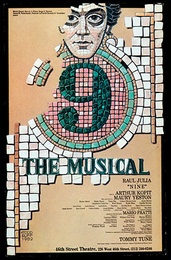
故事取材于意大利电影大师费里尼发表于1962年备受瞩目的电影《八部半8 1/2》。费德里科·费里尼1920年1月20日出生于意大利北方里米尼海港的一个中产阶级家庭。费里尼于1939年成了一名广播剧和电影编剧。1945年费里尼辅助罗西里尼导演了《罗马,不设防的城市》,它一面世就成了新现实主义的扛鼎之作,被罗西里尼信任和器重的费里尼被理所当然地认为是新现实主义的得力干将。在1950年之前,费里尼基本上是以编剧和副导的身份出现。这段生涯为费里尼涉足导演提供了充分的练手机会,同时他独有的创作理念也正在逐渐形成。1950年费里尼与别人合作导演了《卖艺春秋》,他的妻子玛茜娜主演。这部处女作奠定了费里尼电影的几个基本特征,一是马戏团情结,本片讲的就是在意大利城乡流浪的命运凄惨的杂耍艺人,二是片场的马戏团化。小时候的费里尼就对马戏团及小丑情有独衷,还因为此在7岁到12岁之间偷偷溜出去流浪了几天。这个小时候的向往最终贯穿了费里尼一生的电影,无论是他早期的扬名立万之作《大路》,还是他大众普及率最高的《八部半》,马戏团那盯盯当当的音乐总是或强或弱。1953年的《浪荡儿》是费里尼第一部引起国际瞩目的电影,它最终获得了威尼斯电影节银狮奖。
九 1998 The Argentinian Production版 [演出] 豆瓣
所属 演出:
导演: David Leveaux
其它标题: 1998 The Argentinian Production版 编剧: Arthur Kopit 作曲: Maury Yeston 演员: Juan Darthes / Elena Roger
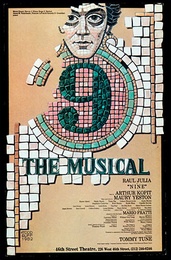
故事取材于意大利电影大师费里尼发表于1962年备受瞩目的电影《八部半8 1/2》。费德里科·费里尼1920年1月20日出生于意大利北方里米尼海港的一个中产阶级家庭。费里尼于1939年成了一名广播剧和电影编剧。1945年费里尼辅助罗西里尼导演了《罗马,不设防的城市》,它一面世就成了新现实主义的扛鼎之作,被罗西里尼信任和器重的费里尼被理所当然地认为是新现实主义的得力干将。在1950年之前,费里尼基本上是以编剧和副导的身份出现。这段生涯为费里尼涉足导演提供了充分的练手机会,同时他独有的创作理念也正在逐渐形成。1950年费里尼与别人合作导演了《卖艺春秋》,他的妻子玛茜娜主演。这部处女作奠定了费里尼电影的几个基本特征,一是马戏团情结,本片讲的就是在意大利城乡流浪的命运凄惨的杂耍艺人,二是片场的马戏团化。小时候的费里尼就对马戏团及小丑情有独衷,还因为此在7岁到12岁之间偷偷溜出去流浪了几天。这个小时候的向往最终贯穿了费里尼一生的电影,无论是他早期的扬名立万之作《大路》,还是他大众普及率最高的《八部半》,马戏团那盯盯当当的音乐总是或强或弱。1953年的《浪荡儿》是费里尼第一部引起国际瞩目的电影,它最终获得了威尼斯电影节银狮奖。
九 2003 Broadway Revival版 [演出] 豆瓣
所属 演出:
语言: 英语 english 剧院: Eugene O'Neil Theatre 导演: David Leveaux
其它标题: 2003 Broadway Revival版 编剧: Arthur Kopit 作曲: Maury Yeston 演员: Antonio Banderas / Laura Benanti
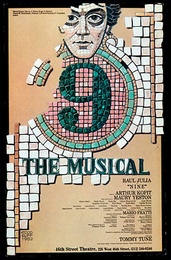
故事取材于意大利电影大师费里尼发表于1962年备受瞩目的电影《八部半8 1/2》。费德里科·费里尼1920年1月20日出生于意大利北方里米尼海港的一个中产阶级家庭。费里尼于1939年成了一名广播剧和电影编剧。1945年费里尼辅助罗西里尼导演了《罗马,不设防的城市》,它一面世就成了新现实主义的扛鼎之作,被罗西里尼信任和器重的费里尼被理所当然地认为是新现实主义的得力干将。在1950年之前,费里尼基本上是以编剧和副导的身份出现。这段生涯为费里尼涉足导演提供了充分的练手机会,同时他独有的创作理念也正在逐渐形成。1950年费里尼与别人合作导演了《卖艺春秋》,他的妻子玛茜娜主演。这部处女作奠定了费里尼电影的几个基本特征,一是马戏团情结,本片讲的就是在意大利城乡流浪的命运凄惨的杂耍艺人,二是片场的马戏团化。小时候的费里尼就对马戏团及小丑情有独衷,还因为此在7岁到12岁之间偷偷溜出去流浪了几天。这个小时候的向往最终贯穿了费里尼一生的电影,无论是他早期的扬名立万之作《大路》,还是他大众普及率最高的《八部半》,马戏团那盯盯当当的音乐总是或强或弱。1953年的《浪荡儿》是费里尼第一部引起国际瞩目的电影,它最终获得了威尼斯电影节银狮奖。
九 2005 Japanese production版 [演出] 豆瓣
所属 演出:
语言: 日语 剧院: シアターBRAVA!、アートスフィア 导演: David Leveaux
其它标题: 2005 Japanese production版 编剧: Arthur Kopit 作曲: Maury Yeston 演员: 别所哲也 / 大浦みずき
故事取材于意大利电影大师费里尼发表于1962年备受瞩目的电影《八部半8 1/2》。费德里科·费里尼1920年1月20日出生于意大利北方里米尼海港的一个中产阶级家庭。费里尼于1939年成了一名广播剧和电影编剧。1945年费里尼辅助罗西里尼导演了《罗马,不设防的城市》,它一面世就成了新现实主义的扛鼎之作,被罗西里尼信任和器重的费里尼被理所当然地认为是新现实主义的得力干将。在1950年之前,费里尼基本上是以编剧和副导的身份出现。这段生涯为费里尼涉足导演提供了充分的练手机会,同时他独有的创作理念也正在逐渐形成。1950年费里尼与别人合作导演了《卖艺春秋》,他的妻子玛茜娜主演。这部处女作奠定了费里尼电影的几个基本特征,一是马戏团情结,本片讲的就是在意大利城乡流浪的命运凄惨的杂耍艺人,二是片场的马戏团化。小时候的费里尼就对马戏团及小丑情有独衷,还因为此在7岁到12岁之间偷偷溜出去流浪了几天。这个小时候的向往最终贯穿了费里尼一生的电影,无论是他早期的扬名立万之作《大路》,还是他大众普及率最高的《八部半》,马戏团那盯盯当当的音乐总是或强或弱。1953年的《浪荡儿》是费里尼第一部引起国际瞩目的电影,它最终获得了威尼斯电影节银狮奖。
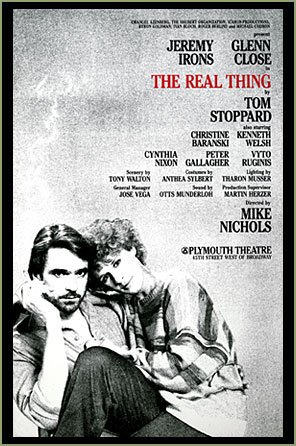
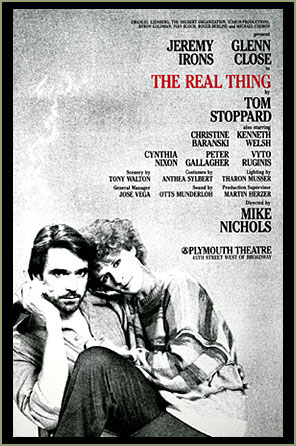
The Real Thing [演出] 豆瓣
类型: Theater 编剧: Tom Stoppard
Setting: London in 1982

Act I


In the first scene the coldly witty Max correctly accuses his distant and travelling wife, Charlotte, of infidelity. She leaves embarrassed and angry.


The second scene appears to follow directly after the first, but Charlotte's personality has changed completely, and she is now married to a playwright named Henry. Gradually the audience realises that Charlotte is an actress, and the first scene was her performance in a play that Henry, her husband, wrote. She is unhappy with the play, believing that Henry gives short shrift to the female character in order to show off his own wit through the mouth of Max.


Max and his wife Annie drop by for a visit to Charlotte and Henry. Without the benefit of Henry's dialogue, Max turns out to be a likeable but negligible fellow, and Annie is, according to the script, "very much like the woman Charlotte has ceased to be." Annie is a devoted activist on behalf of an imprisoned vandal, Brodie, and Henry mocks her as a sentimental do-gooder, giving offence to Max. But when Annie and Henry are left alone, it's revealed that their fight was also a performance: they are having an affair, and she agrees to meet him later on the pretext of visiting Brodie in prison.


Max discovers the affair, and Annie leaves him to be with Henry. Soon, Henry is reduced to writing television scripts in order to pay alimony to Charlotte. He struggles to write a play about his love for Annie, but finds it difficult to find the right language to express sincere emotion: he is more comfortable with comedy.

Act II


Two years later, Henry's play about Annie remains unwritten. Annie asks him to ghost-write a play by the prisoner Brodie, whom she continues to visit. Brodie's incoherent anarchist politics, anti-intellectualism , and lack of ability for writing are the antithesis of everything Henry values. Annie discounts this in favour of the intention behind the writing. Henry defends the importance of beauty in language and skill in writing using an analogy with a cricket bat: good writing is like hitting a ball with a cricket bat (ie something that has been carefully designed to hit balls in the best manner possible); bad writing is like hitting it with a plank of wood (ie, something that has the same composition as a cricket bat, and bears it some resemblance, but is ultimately random and inferior).


When Annie is cast in a production of 'Tis Pity She's a Whore in Glasgow, she must be away from Henry for some time, and Henry visits Charlotte and their daughter Debbie. The teenage Debbie declares that monogamy is a thing of the past, a form of colonisation. Henry gently cautions the girl against his own vice of making clever phrases for their own sake, but he is shaken by her cynicism nevertheless. For her part, Charlotte breezily admits to multiple affairs during their marriage, and tells him that his affair with Annie only caused trouble because he treated it romantically instead of as a source of fun.


Henry returns home in a frenzy of jealousy and ransacks his and Annie's apartment searching for evidence of infidelity. His confrontation with Annie echoes the scene from the play he wrote that was performed in the first act of The Real Thing , but Annie has more to say than his imaginary wife did. She admits that she is having an affair with her young co-star Billy, but refuses to either give Billy up or leave Henry: both romances have a moral claim on her, and Henry will just have to accept it. With pain, he does.


As if their relationship were not under enough strain, Brodie is released from prison and stops by for a visit. He turns out to be a prize oaf, with all of Henry's arrogance and elitism, but none of the genuine skill or eloquence to back it up. At last, Annie pushes a bowl of dip in his face and throws him out of the house, and peace between her and Henry is restored. The play ends with a phone call from Max, who tells Henry that he has become engaged.
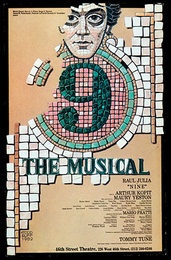
The Real Thing 2000年版 [演出] 豆瓣
所属 演出: The Real Thing
导演: David Leveaux
其它标题: 2000年版 编剧: Tom Stoppard 演员: Jennifer Ehle / Stephen Dillane
Setting: London in 1982

Act I


In the first scene the coldly witty Max correctly accuses his distant and travelling wife, Charlotte, of infidelity. She leaves embarrassed and angry.


The second scene appears to follow directly after the first, but Charlotte's personality has changed completely, and she is now married to a playwright named Henry. Gradually the audience realises that Charlotte is an actress, and the first scene was her performance in a play that Henry, her husband, wrote. She is unhappy with the play, believing that Henry gives short shrift to the female character in order to show off his own wit through the mouth of Max.


Max and his wife Annie drop by for a visit to Charlotte and Henry. Without the benefit of Henry's dialogue, Max turns out to be a likeable but negligible fellow, and Annie is, according to the script, "very much like the woman Charlotte has ceased to be." Annie is a devoted activist on behalf of an imprisoned vandal, Brodie, and Henry mocks her as a sentimental do-gooder, giving offence to Max. But when Annie and Henry are left alone, it's revealed that their fight was also a performance: they are having an affair, and she agrees to meet him later on the pretext of visiting Brodie in prison.


Max discovers the affair, and Annie leaves him to be with Henry. Soon, Henry is reduced to writing television scripts in order to pay alimony to Charlotte. He struggles to write a play about his love for Annie, but finds it difficult to find the right language to express sincere emotion: he is more comfortable with comedy.

Act II


Two years later, Henry's play about Annie remains unwritten. Annie asks him to ghost-write a play by the prisoner Brodie, whom she continues to visit. Brodie's incoherent anarchist politics, anti-intellectualism , and lack of ability for writing are the antithesis of everything Henry values. Annie discounts this in favour of the intention behind the writing. Henry defends the importance of beauty in language and skill in writing using an analogy with a cricket bat: good writing is like hitting a ball with a cricket bat (ie something that has been carefully designed to hit balls in the best manner possible); bad writing is like hitting it with a plank of wood (ie, something that has the same composition as a cricket bat, and bears it some resemblance, but is ultimately random and inferior).


When Annie is cast in a production of 'Tis Pity She's a Whore in Glasgow, she must be away from Henry for some time, and Henry visits Charlotte and their daughter Debbie. The teenage Debbie declares that monogamy is a thing of the past, a form of colonisation. Henry gently cautions the girl against his own vice of making clever phrases for their own sake, but he is shaken by her cynicism nevertheless. For her part, Charlotte breezily admits to multiple affairs during their marriage, and tells him that his affair with Annie only caused trouble because he treated it romantically instead of as a source of fun.


Henry returns home in a frenzy of jealousy and ransacks his and Annie's apartment searching for evidence of infidelity. His confrontation with Annie echoes the scene from the play he wrote that was performed in the first act of The Real Thing , but Annie has more to say than his imaginary wife did. She admits that she is having an affair with her young co-star Billy, but refuses to either give Billy up or leave Henry: both romances have a moral claim on her, and Henry will just have to accept it. With pain, he does.


As if their relationship were not under enough strain, Brodie is released from prison and stops by for a visit. He turns out to be a prize oaf, with all of Henry's arrogance and elitism, but none of the genuine skill or eloquence to back it up. At last, Annie pushes a bowl of dip in his face and throws him out of the house, and peace between her and Henry is restored. The play ends with a phone call from Max, who tells Henry that he has become engaged.