John Relyea — 演员 (11)
水仙女 (2014) [电影] 豆瓣
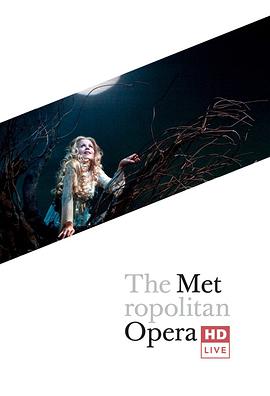
"The Metropolitan Opera HD Live" Dvorák: Rusalka
演员: Renée Fleming / Emily Magee
其它标题: "The Metropolitan Opera HD Live" Dvorák: Rusalka / 大都会歌剧院高清歌剧转播系列
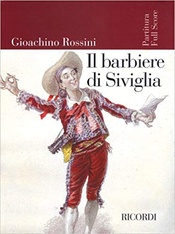
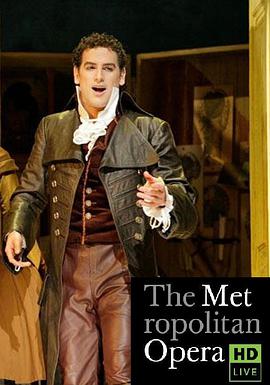
罗西尼《塞维利亚的理发师》 (2008) [电影] 豆瓣
The Metropolitan Opera HD Live: Season 1, Episode 5 Rossini's Il barbiere di Siviglia
导演: Gary Halvorson 演员: Joyce DiDonato / Juan Diego Flórez
其它标题: The Metropolitan Opera HD Live: Season 1, Episode 5 Rossini's Il barbiere di Siviglia / 大都会歌剧院高清转播系列 第一季第五集
《塞维利亚的理发师》,二幕喜歌剧,以法国作家包玛蔡斯的同名讽刺喜剧为蓝本,并由史特宾尼编剧。罗西尼以短短13天一气呵成谱曲,但它的首演却不尽人意,是西欧歌剧史上十分著名的首演失败之一,失败的原因是多方面的。在罗西尼之前,当时意大利老资格的作曲家派西埃洛已将博马舍的喜剧《塞维利亚理发师》创作成歌剧。1816年,罗西尼受雇剧团的经理根据罗马教皇警察局的挑选又要他创作一部新的《塞维利亚理发师》。派西埃洛在观众中享有很高的声誉,罗西尼预料到会遇到麻烦。他事先写信给派西埃洛,请求他的准许。派西埃洛已经注意到了罗西尼这个年青的对手,回信时既客气又挖苦,说由他来批准罗马当局选定的脚本非常荣幸。尽管如此,相当多的观众仍认为罗西尼重新创作派西埃洛已经创作过的歌剧是胆大妄为,甚至感到非常气愤,1816年2月5日在罗马阿根廷剧院首次公演。首演当天,口哨声、喝倒彩声此起彼伏,观众几乎听不见演员在唱什么。第二天情况有所好转,一周以后,该剧的演出才获得巨大的成功。并与莫扎特的《费加罗的婚礼》共称为喜剧的双绝。很快成为世界各地歌剧院最重要的演出戏码之一,也使得此剧成为歌剧史上永放光芒的不朽名作。
柏辽兹《浮士德的沉沦》 (2008) [电影] 豆瓣
The Metropolitan Opera HD Live: Season 3, Episode 4 Berlioz: La damnation de Faust
导演: 芭芭拉·威利斯·斯威特 演员: Marcello Giordani / Susan Graham
其它标题: The Metropolitan Opera HD Live: Season 3, Episode 4 Berlioz: La damnation de Faust / 大都会歌剧院高清转播系列 第三季第四集
唐璜 2000年大都会歌剧团版 [演出] 豆瓣
所属 演出: 唐璜
语言: italian 意大利语 剧团: Metropolitan Opera Orchestra 大都会歌剧团管弦乐团 ; Metropolitan Opera Chorus 大都会歌剧团合唱团 ; Metropolitan Opera Ballet 大都会歌剧团芭蕾舞团 剧院: Metropolitan Opera House 大都会歌剧院 导演: Franco Zeffirelli / Stephen Lawless
其它标题: 2000年大都会歌剧团版 编剧: Lorenzo Da Ponte 作曲: Wolfgang Amadeus Mozart 演员: Bryn Terfel / Ferruccio Furlanetto
Don Giovanni, a young, arrogant, and sexually promiscuous nobleman, abuses and outrages everyone else in the cast until he encounters something he cannot kill, beat up, dodge, or outwit.
Act 1
The overture begins with a thundering D minor cadence, followed by a short misterioso sequence which leads into a light-hearted D major allegro.
Scene 1 – The garden of the Commendatore
Leporello, Don Giovanni's servant, grumbles about his demanding master and daydreams about being free of him ("Notte e giorno faticar" – "Night and day I slave away"). He is keeping watch while Don Giovanni is in the Commendatore's house attempting to seduce or rape the Commendatore's daughter, Donna Anna. Don Giovanni enters the garden from inside the house, pursued by Donna Anna. Don Giovanni is masked and Donna Anna tries to hold him and to unmask him, shouting for help. (Trio: "Non sperar, se non m'uccidi, Ch'io ti lasci fuggir mai!" – "Do not hope, unless you kill me, that I shall ever let you run away!"). He breaks free and she runs off as the Commendatore enters the garden. The Commendatore blocks Don Giovanni's path and forces him to fight a duel. Don Giovanni kills the Commendatore with his sword and escapes with Leporello. Donna Anna, returning with her fiancé, Don Ottavio, is horrified to see her father lying dead in a pool of his own blood. She makes Don Ottavio swear vengeance against the unknown murderer. (Duet: "Ah, vendicar, se il puoi, giura quel sangue ognor!" – "Ah, swear to avenge that blood if you can!")
Scene 2 – A public square outside Don Giovanni's palace
Leporello tells Don Giovanni that he (Giovanni) is leading a rotten life; Don Giovanni reacts angrily. They hear a woman (Donna Elvira) singing of having been abandoned by her lover, on whom she is seeking revenge ("Ah, chi mi dice mai" – "Ah, who could ever tell me"). Don Giovanni starts to flirt with her, but it turns out he is the former lover she is seeking. The two recognize each other and she reproaches him bitterly. He shoves Leporello forward, ordering him to tell Donna Elvira the truth about him, and then hurries away.
Leporello tells Donna Elvira that Don Giovanni is not worth her feelings for him. He is unfaithful to everyone; his conquests include 640 women and girls in Italy, 231 in Germany, 100 in France, 91 in Turkey, but in Spain, 1,003 ("Madamina, il catalogo è questo" – "My dear lady, this is the catalogue"). In a frequently cut recitative, Donna Elvira vows vengeance.
Scene 3 – The open country
A marriage procession with Masetto and Zerlina enters. Don Giovanni and Leporello arrive soon after. Don Giovanni is immediately attracted to Zerlina, and he attempts to remove the jealous Masetto by offering to host a wedding celebration at his castle. On realizing that Don Giovanni means to remain behind with Zerlina, Masetto becomes angry ("Ho capito! Signor, sì" – "I understand! Yes, my lord!") but is forced to leave. Don Giovanni and Zerlina are soon alone and he immediately begins his seductive arts (Duet: "Là ci darem la mano" – "There we will entwine our hands").
Donna Elvira arrives and thwarts the seduction ("Ah, fuggi il traditor" – "Flee from the traitor!"). She leaves with Zerlina. Don Ottavio and Donna Anna enter, plotting vengeance on the still unknown murderer of Donna Anna's father. Donna Anna, unaware that she is speaking to her attacker, pleads for Don Giovanni's help. Don Giovanni, relieved that he is unrecognised, readily promises it, and asks who has disturbed her peace. Before she can answer, Donna Elvira returns and tells Donna Anna and Don Ottavio that Don Giovanni is a false-hearted seducer. Don Giovanni tries to convince Don Ottavio and Donna Anna that Donna Elvira is insane (Quartet: "Non ti fidar, o misera" – "Don't trust him, oh sad one"). As Don Giovanni leaves, Donna Anna suddenly recognizes him as her father's murderer and tells Don Ottavio the story of his intrusion, claiming that she was deceived at first because she was expecting a night visit from Don Ottavio himself, but managed to fight Don Giovanni off after discovering the imposture (long recitative exchange between Donna Anna and Don Ottavio). She repeats her demand that he avenge her and points out that he will be avenging himself as well (aria: "Or sai chi l'onore Rapire a me volse" – "Now you know who wanted to rob me of my honour"). In the Vienna version, Don Ottavio, not yet convinced (Donna Anna having only recognised Don Giovanni's voice, not seen his face), resolves to keep an eye on his friend ("Dalla sua pace la mia dipende" – "On her peace my peace depends").
Leporello informs Don Giovanni that all the guests of the peasant wedding are in Don Giovanni's house and that he distracted Masetto from his jealousy, but that Zerlina, returning with Donna Elvira, made a scene and spoiled everything. However, Don Giovanni remains cheerful and tells Leporello to organize a party and invite every girl he can find. (Don Giovanni's "Champagne Aria": "Fin ch'han dal vino calda la testa" – "Till they are tipsy"). They hasten to his palace.
Scene 4 – A garden outside Don Giovanni's palace
Zerlina follows the jealous Masetto and tries to pacify him ("Batti, batti o bel Masetto" – "Beat, O beat me, handsome Masetto"), but just as she manages to persuade him of her innocence, Don Giovanni's voice from offstage startles and frightens her. Masetto hides, resolving to see for himself what Zerlina will do when Don Giovanni arrives. Zerlina tries to hide from Don Giovanni, but he finds her and attempts to continue the seduction, until he stumbles upon Masetto's hiding place. Confused but quickly recovering, Don Giovanni reproaches Masetto for leaving Zerlina alone, and returns her temporarily to him. Don Giovanni then leads both offstage to his ballroom. Three masked guests – the disguised Don Ottavio, Donna Anna, and Donna Elvira – enter the garden. From a balcony, Leporello invites them to his master's party. They accept the invitation and Leporello leaves the balcony. Alone, Don Ottavio and Donna Anna pray for protection, Donna Elvira for vengeance (Trio: "Protegga il giusto cielo" – "May the just heavens protect us").
Scene 5 – Don Giovanni's ballroom
As the merriment, featuring three separate chamber orchestras on stage, proceeds, Leporello distracts Masetto by dancing with him, while Don Giovanni leads Zerlina offstage to a private room and tries to assault her. When Zerlina screams for help, Don Giovanni drags Leporello onstage from the room, accuses Leporello of assaulting Zerlina himself, and threatens to kill him. The others are not fooled. Don Ottavio produces a pistol and points it at Don Giovanni, and the three guests unmask and declare that they know all. But despite being denounced and menaced from all sides, Don Giovanni remains calm and escapes – for the moment.
Act 2
Scene 1 – Outside Donna Elvira's house
Leporello threatens to leave Don Giovanni, but his master calms him with a peace offering of money (Duet: "Eh via buffone" – "Go on, fool"). Wanting to seduce Donna Elvira's maid, and believing that she will trust him better if he appears in lower-class clothes, Don Giovanni orders Leporello to exchange cloak and hat with him. Donna Elvira comes to her window (Trio: "Ah taci, ingiusto core" – "Ah, be quiet unjust heart"). Seeing an opportunity for a game, Don Giovanni hides and sends Leporello out in the open wearing Don Giovanni's cloak and hat. From his hiding place Don Giovanni sings a promise of repentance, expressing a desire to return to her and threatening to kill himself if she does not take him back, while Leporello poses as Don Giovanni and tries to keep from laughing. Donna Elvira is convinced and descends to the street. Leporello, continuing to pose as Don Giovanni, leads her away to keep her occupied while Don Giovanni serenades her maid with his mandolin. ("Deh, vieni alla finestra" – "Ah, come to the window").
Before Don Giovanni can complete his seduction of the maid, Masetto and his friends arrive, looking for Don Giovanni in order to kill him. Don Giovanni poses as Leporello (whose clothes he is still wearing) and joins the posse, pretending that he also hates Don Giovanni. After cunningly dispersing Masetto's friends (Don Giovanni aria: "Metà di voi qua vadano" – "Half of you go this way. the others, go that way"), Don Giovanni takes Masetto's weapons away, beats him up, and runs off, laughing. Zerlina arrives and consoles the bruised and battered Masetto ("Vedrai carino" – "You'll see, dear one").
Scene 2 – A dark courtyard
Leporello abandons Donna Elvira. (Sextet: "Sola, sola in buio loco" – "All alone in this dark place"). As he tries to escape, he bumps into Don Ottavio and Donna Anna. Zerlina and Masetto also enter the scene. Everyone mistakes Leporello for Don Giovanni, whose clothes he is still wearing. They surround Leporello and threaten to kill him. Donna Elvira tries to protect the man who she thinks is Don Giovanni, claiming that he is her husband and begging the others to spare him. Leporello takes off Don Giovanni's cloak and reveals his true identity. He begs for mercy and, seeing an opportunity, runs off (Leporello aria: "Ah pietà signori miei" – "Ah, have mercy, my lords"). Don Ottavio is now convinced that Don Giovanni is the one who murdered Donna Anna's father (the deceased Commendatore). He swears vengeance ("Il mio tesoro" – "My treasure" – though in the Vienna version this was cut).
In the Vienna production of the opera, Zerlina follows Leporello and recaptures him. Threatening him with a razor, she ties him to a stool. He attempts to sweet-talk her out of hurting him. (Duet: "Per queste tue manine" – "For these hands of yours"). Zerlina goes to find Masetto and the others; Leporello escapes again before she returns. This scene, marked by low comedy, is rarely performed today. Also in the Vienna production, Donna Elvira is still furious at Don Giovanni for betraying her, but she also feels sorry for him. ("Mi tradì quell'alma ingrata" – "That ungrateful wretch betrayed me").
Scene 3 – A graveyard with the statue of the Commendatore.
Don Giovanni wanders into a graveyard. Leporello happens along and the two are reunited. Leporello tells Don Giovanni of his brush with danger, and Don Giovanni laughingly taunts him, saying that he took advantage of his disguise as Leporello by trying to seduce one of Leporello's girlfriends. The voice of the statue interrupts and warns Don Giovanni that his laughter will not last beyond sunrise. At the command of his master, Leporello reads the inscription upon the statue's base: "Here am I waiting for revenge against the scoundrel who killed me" (Dell'empio che mi trasse al passo estremo qui attendo la vendetta). The servant trembles, but Don Giovanni scornfully orders him to invite the statue to dinner, and threatens to kill him if he does not. Leporello makes several attempts to invite the statue to dinner but is too frightened to complete the invitation (Duet: "O, statua gentilissima" – "Oh most noble statue"). Don Giovanni invites the statue to dinner himself. Much to his surprise, the statue nods its head and responds affirmatively.
Scene 4 – Donna Anna's room
Don Ottavio pressures Donna Anna to marry him, but she thinks it is inappropriate so soon after her father's death. He accuses her of being cruel, and she assures him that she loves him, and is faithful ("Non mi dir" – "Tell me not").
Scene 5 – Don Giovanni's chambers
Don Giovanni revels in the luxury of a great meal, served by Leporello, and musical entertainment during which the orchestra plays music from popular (at the time) late-18th-century operas: "O quanto un sì bel giubilo" from Vicente Martín y Soler's Una cosa rara (1786), "Come un agnello" from Giuseppe Sarti's Fra i due litiganti il terzo gode (1782) and finally, "Non più andrai" from Mozart's own The Marriage of Figaro (1786). Leporello complains that he is sick and tired of hearing Mozart's aria everywhere all the time. (Finale "Già la mensa preparata" – "Already the table is prepared"). Donna Elvira enters, saying that she no longer feels resentment against Don Giovanni, only pity for him. ("L'ultima prova dell'amor mio" – "The final proof of my love"). Don Giovanni, surprised, asks what she wants, and she begs him to change his life. Don Giovanni taunts her and then turns away, praising wine and women as the "support and glory of humankind" (sostegno e gloria d'umanità). Hurt and angry, Donna Elvira gives up and leaves. Offstage, she screams in sudden terror. Don Giovanni orders Leporello to see what has upset her; when he does, he also cries out, and runs back into the room, stammering that the statue has appeared as promised. An ominous knocking sounds at the door. Leporello, paralyzed by fear, cannot answer it, so Don Giovanni opens it himself, revealing the statue of the Commendatore. With the rhythmic chords of the overture, now reharmonized with diabolic diminished sevenths accompanying the Commendatore ("Don Giovanni! A cenar teco m'invitasti" – "Don Giovanni! You invited me to dine with you"), the statue offers a last chance to repent, but Don Giovanni adamantly refuses. The statue disappears and Don Giovanni cries out in pain and terror as he is surrounded by a chorus of demons, who carry him down to Hell. Leporello, watching from under the table, also cries out in fear.
Donna Anna, Don Ottavio, Donna Elvira, Zerlina, and Masetto arrive, searching for the villain. They find instead Leporello hiding under the table, shaken by the supernatural horror he has witnessed. He assures them that no one will ever see Don Giovanni again. The remaining characters announce their plans for the future: Donna Anna and Don Ottavio will marry when Donna Anna's year of mourning is over; Donna Elvira will withdraw from society for the rest of her life; Zerlina and Masetto will finally go home for dinner; and Leporello will go to the tavern to find a better master.
The concluding ensemble delivers the moral of the opera – "Such is the end of the evildoer: the death of a sinner always reflects his life" ("Questo è il fin di chi fa mal, e de' perfidi la morte alla vita è sempre ugual"). As mentioned above, the final ensemble was customarily omitted from productions for over a century beginning with the original run in Prague, but it started to be performed again frequently in the 20th century and is now is usually included in productions of the opera. The return to D major and the innocent simplicity of the last few bars conclude the opera.
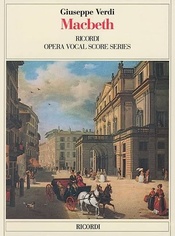
麦克白 2008年大都会歌剧团版 [演出] 豆瓣
所属 演出: 麦克白
语言: italian 意大利语 剧团: Metropolitan Opera Orchestra 大都会歌剧团管弦乐团 ; Metropolitan Opera Chorus 大都会歌剧团合唱团 ; Metropolitan Opera Ballet 大都会歌剧团芭蕾舞团 剧院: Metropolitan Opera House 大都会歌剧院 导演: Adrian Noble
其它标题: 2008年大都会歌剧团版 编剧: Francesco Maria Piave / Andrea Maffei 作曲: Giuseppe Verdi 演员: Željko Lučić / Maria Guleghina
Place: Scotland
Time: 11th century
Act 1
Scene 1: A heath
Groups of witches gather in a wood beside a battlefield, exchanging stories of the "evils" they have done. The victorious generals Macbeth and Banco enter. The witches hail Macbeth as Thane of Glamis (a title he already holds by inheritance), Thane of Cawdor, and king "hereafter." Banco is greeted as "lesser than Macbeth, but greater", never a king himself, but the progenitor of a line of future kings. The witches vanish, and messengers from the king appear naming Macbeth Thane of Cawdor. Macbeth protests that the holder of that title is still alive, but the messengers reply that the former Thane has been executed as a traitor. Banco, mistrusting the witches, is horrified to find that they have spoken the truth. In a duet, Macbeth and Banco muse that the first of the witches' prophecies has been fulfilled. Macbeth ponders how close he is to the throne, and whether fate will crown him without his taking action, yet dreams of blood and treachery: while Banco ponders on whether the minions of Hell will sometimes reveal an honest truth in order to lead one to future damnation.
Scene 2: Macbeth's castle
Lady Macbeth reads a letter from her husband telling of the encounter with the witches. She is determined to propel Macbeth to the throne - by fair means or foul.
[Revised version, 1865: Vieni! t'affretta!/ "Come! Hurry!"]
Lady Macbeth is advised that King Duncan will stay in the castle that night; she is determined to see him killed (Or tutti, sorgete / "Arise now, all you ministers of hell"). When Macbeth returns she urges him to take the opportunity to kill the King. The King and the nobles arrive and Macbeth is emboldened to carry out the murder (Mi si affaccia un pugnal? / "Is this a dagger which I see before me?"), but afterwards is filled with horror. Disgusted at his cowardice, Lady Macbeth completes the crime, incriminating the sleeping guards by smearing them with Duncan's blood and planting on them Macbeth's dagger. Macduff arrives for an appointment with the King, while Banco stands guard, only for Macduff instead to discover the murder. He rouses the castle while Banco also bears witness to the fact of Duncan's murder. The chorus calls on God to avenge the killing (Schiudi, inferno, . . / "Open wide thy gaping maw, O Hell").
Act 2
Scene 1: A room in the castle
Macbeth is now king: Duncan's son Malcolm has fled the country, suspicion having conveniently fallen on him for his father's murder: but Macbeth is still disturbed by the prophecy that Banco, not he, will found a great royal line. To prevent this he tells his wife that he will have both Banco and his son murdered as they come to a banquet.
[1865 revised version: In her aria, La luce langue / "The light fades", Lady Macbeth exults in the powers of darkness]
Scene 2: Outside the castle
A gang of murderers lie in wait. Banco, sensing danger shares his misgivings with his son. (Come dal ciel precipita / "O, how the darkness falls from heaven"). The murderers attack and stab him to death, but his son escapes.
Scene 3: A dining hall in the castle
Macbeth receives the guests and Lady Macbeth sings a brindisi (Si colmi il calice / "Fill up the cup"). The assassination is reported to Macbeth, but when he returns to the table the ghost of Banco is sitting in his place. Macbeth raves at the ghost and the horrified guests believe he has gone mad. Lady Macbeth manages to calm the situation once - and even mocks it by calling for a toast to the absent Banco (whose death is not yet public knowledge), only for the ghost to appear a second time and terrify Macbeth into insanity again. Macduff resolves to leave the country, saying it is ruled by a cursed hand and only the wicked may remain: the other guests are terrified by Macbeth's talk of ghosts, phantoms and witches. The banquet ends abruptly with their hurried, frightened departure.
Act 3
The witches' cave
The witches gather around a cauldron in a dark cave. Macbeth enters and they conjure up three apparitions for him. The first advises him to beware of Macduff. The second tells him that he cannot be harmed by a man 'born of woman'. The third that he cannot be conquered till Birnam Wood marches against him. (Macbeth: O lieto augurio / "O, happy augury! No wood has ever moved by magic power")
Macbeth is then shown the ghost of Banco and his descendants, eight future Kings of Scotland, verifying the original prophecy. (Macbeth: Fuggi regal fantasima / "Begone, royal phantom that reminds me of Banco"). He collapses, but regains consciousness in the castle.
[Original 1847 version: The act ends with Macbeth recovering and resolving to assert his authority: Vada in fiamme, e in polve cada / "Macduff's lofty stronghold shall / Be set fire....".]
A herald announces the arrival of the Queen (Duet: Vi trovo alfin! / "I've found you at last"). Macbeth tells his wife about his encounter with the witches and they resolve to track down and kill Banco's son, as well as Macduff and his family (whom they do not yet know has already fled the country). (Duet: Ora di morte e di vendetta / "Hour of death and of vengeance").
Act 4
Scene 1: Near the border between England and Scotland
Scottish refugees stand near the English border (Chorus: Patria oppressa / "Down-trodden country"):
[Original 1847 version: While each version uses the same libretto, the music of this chorus is different. It begins with a less ominous, much shorter orchestral introduction and is sung straight through by the entire chorus.]
[1865 revised version: the music is divided into sections for the male and female members, then it unites them towards the end. The revised version is 2 minutes longer than the original.]
In the distance lies Birnam Wood. Macduff is determined to avenge the deaths of his wife and children at the hands of the tyrant (Ah, la paterna mano / "Ah, the paternal hand"). He is joined by Malcolm, the son of King Duncan, and the English army. Malcolm orders each soldier to cut a branch from a tree in Birnam Wood and carry it as they attack Macbeth's army. They are determined to liberate Scotland from tyranny (Chorus: La patria tradita / "Our country betrayed").
Scene 2: Macbeth's castle
A doctor and a servant observe the Queen as she walks in her sleep, wringing her hands and attempting to clean them of blood (Una macchia è qui tuttora! / "Yet here's a spot"). She raves about the deaths of both Duncan and Banco, and even about the deaths of Macduff's family, and that all the perfumes of Arabia would not clean the blood off her hands: all are things that the horrified witnesses would never dare to repeat to any living man.
Scene 3: The battlefield
Macbeth has learned that an army of Scottish rebels backed by England is advancing against him, but is reassured by remembering the words of the apparitions, that no man born of woman can harm him. However, in an aria (Pietà, rispetto, amore / "Compassion, honour, love") he contemplates the fact that he is already hated and feared: there will be no compassion, honour and love for him in his old age even if he wins this battle, nor kind words on a royal tomb, only curses and hatred. He receives the news of the Queen's death with indifference. Rallying his troops he learns that Birnam Wood has indeed come to his castle. Battle is joined.
[Original 1847 version's ending: Macduff pursues and fights Macbeth who falls. He tells Macbeth that he was not "born of woman" but "ripped" from his mother's womb. Fighting continues. Mortally wounded, Macbeth, in a final aria - Mal per me che m'affidai / "Trusting in the prophecies of Hell" - proclaims that trusting in these prophecies has caused his downfall. He dies on stage, while Macduff's men proclaim Malcolm to be the new King.]
Macduff pursues and fights Macbeth who falls wounded. He tells Macbeth that he was not "born of woman" but "untimely ripped" from his mother's womb. Macbeth responds in anguish (Cielo! / "Heaven") and the two continue fighting, then disappear from view. Macduff returns indicating to his men that he has killed Macbeth. He then turns to Malcolm, hailing him as King. The scene ends with a hymn to victory sung by bards, soldiers, and Scottish women (Salve, o re!/ "Hail, oh King!). Malcolm as King, and Macduff as hero, together swear to restore the realm to greatness.
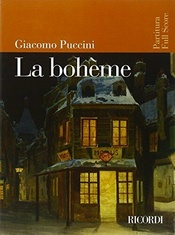
波希米亚人 2011年大都会歌剧团日本巡演版 [演出] 豆瓣
所属 演出: 波希米亚人
语言: italian 意大利语 剧团: Metropolitan Opera Orchestra 大都会歌剧团管弦乐团 ; Metropolitan Opera Chorus 大都会歌剧团合唱团 剧院: Aichi Arts Center 爱知艺术文化中心 ; NHK Hall NHK大厅 导演: Franco Zeffirelli / J. Knighten Smith
其它标题: 2011年大都会歌剧团日本巡演版 编剧: Giuseppe Giacosa / Luigi Illica 作曲: Giacomo Puccini 演员: Barbara Frittoli / Piotr Beczała / Marcelo Álvarez
Place: Paris
Time: Around 1830
Act 1
In the four bohemians' garret (Christmas Eve)
Marcello is painting while Rodolfo gazes out of the window. They complain of the cold. In order to keep warm, they burn the manuscript of Rodolfo's drama. Colline, the philosopher, enters shivering and disgruntled at not having been able to pawn some books. Schaunard, the musician of the group, arrives with food, wine and cigars. He explains the source of his riches: a job with an eccentric English gentleman, who ordered him to play his violin to a parrot until it died. The others hardly listen to his tale as they set up the table to eat and drink. Schaunard interrupts, telling them that they must save the food for the days ahead: tonight they will all celebrate his good fortune by dining at Cafe Momus, and he will pay.
The friends are interrupted by Benoît, the landlord, who arrives to collect the rent. They flatter him and ply him with wine. In his drunkenness, he begins to boast of his amorous adventures, but when he also reveals that he is married, they thrust him from the room—without the rent payment—in comic moral indignation. The rent money is divided for their evening out in the Quartier Latin.
Marcello, Schaunard and Colline go out, but Rodolfo remains alone for a moment in order to finish an article he is writing, promising to join his friends soon. There is a knock at the door. It is a girl who lives in another room in the building. Her candle has blown out, and she has no matches; she asks Rodolfo to light it. She is briefly overcome with faintness, and Rodolfo helps her to a chair and offers her a glass of wine. She thanks him. After a few minutes, she says that she is better and must go. But as she turns to leave, she realizes that she has lost her key.
Her candle goes out in the draught and Rodolfo's candle goes out too; the pair stumble in the dark. Rodolfo, eager to spend time with the girl, to whom he is already attracted, finds the key and pockets it, feigning innocence. He takes her cold hand (Che gelida manina—"What a cold little hand") and tells her of his life as a poet, then asks her to tell him more about her life. The girl says her name is Mimì (Sì, mi chiamano Mimì—"Yes, they call me Mimì"), and describes her simple life as an embroiderer. Impatiently, the waiting friends call Rodolfo. He answers and turns to see Mimì bathed in moonlight (duet, Rodolfo and Mimì: O soave fanciulla—"Oh lovely girl"). They realize that they have fallen in love. Rodolfo suggests remaining at home with Mimì, but she decides to accompany him to the Cafe Momus. As they leave, they sing of their newfound love.
Act 2
Quartier Latin (same evening)
A great crowd, including children, has gathered with street sellers announcing their wares (chorus: Aranci, datteri! Caldi i marroni!—"Oranges, dates! Hot chestnuts!"). The friends arrive; Rodolfo buys Mimì a bonnet from a vendor, while Colline buys a coat and Schaunard a horn. Parisians gossip with friends and bargain with the vendors; the children of the streets clamor to see the wares of Parpignol, the toy seller. The friends enter the Cafe Momus.
As the men and Mimì dine at the cafe, Musetta, formerly Marcello's sweetheart, arrives with her rich (and elderly) government minister admirer, Alcindoro, whom she is tormenting. It is clear she has tired of him. To the delight of the Parisians and the embarrassment of her patron, she sings a risqué song (Musetta's waltz: Quando m'en vo'—"When I go along"), hoping to reclaim Marcello's attention. The ploy works; at the same time, Mimì recognizes that Musetta truly loves Marcello. To be rid of Alcindoro for a bit, Musetta pretends to be suffering from a tight shoe and sends him to the shoemaker to get her shoe mended. Alcindoro leaves, and Musetta and Marcello fall rapturously into each other's arms.
The friends are presented with their bill. However, Schaunard's purse has gone missing and no one else has enough money to pay. The sly Musetta has the entire bill charged to Alcindoro. The sound of a military band is heard, and the friends leave. Alcindoro returns with the repaired shoe seeking Musetta. The waiter hands him the bill and, dumbfounded, Alcindoro sinks into a chair.
Act 3
At the toll gate at the Barrière d'Enfer (late February)
Peddlers pass through the barriers and enter the city. Mimì appears, coughing violently. She tries to find Marcello, who is currently living in a little tavern where he paints signs for the innkeeper. She tells him of her hard life with Rodolfo, who abandoned her the night before, and of Rodolfo's terrible jealousy (O buon Marcello, aiuto!—"Oh, good Marcello, help me!"). Marcello tells her that Rodolfo is asleep inside, and expresses concern about Mimì's cough. Rodolfo wakes up and comes out looking for Marcello. Mimì hides and overhears Rodolfo first telling Marcello that he left Mimì because of her coquettishness, but finally confessing that his jealousy is a sham: he fears she is slowly being consumed by a deadly illness (most likely tuberculosis, known by the catchall name "consumption" in the nineteenth century). Rodolfo, in his poverty, can do little to help Mimì and hopes that his pretended unkindness will inspire her to seek another, wealthier suitor (Marcello, finalmente—"Marcello, finally").
Out of kindness towards Mimì, Marcello tries to silence him, but she has already heard all. Her weeping and coughing reveal her presence, and Rodolfo hurries to her. Musetta's laughter is heard and Marcello goes to find out what has happened. Mimì tells Rodolfo that she is leaving him, and asks that they separate amicably (Mimì: Donde lieta uscì—"From here she happily left"); but their love for one another is too strong for the pair to part. As a compromise, they agree to remain together until the spring, when the world is coming to life again and no one feels truly alone. Meanwhile, Marcello has found Musetta, and the couple quarrel fiercely about Musetta's flirtatiousness: an antithetical counterpoint to the other pair's reconciliation (quartet: Mimì, Rodolfo, Musetta, Marcello: Addio dolce svegliare alla mattina!—"Goodbye, sweet awakening in the morning!").
Act 4
Back in the garret (some months later)
Marcello and Rodolfo are trying to work, though they are primarily talking about their girlfriends, who have left them and found wealthy lovers. Rodolfo has seen Musetta in a fine carriage and Marcello has seen Mimì dressed like a queen. The men both express their nostalgia (duet: O Mimì, tu più non torni—"O Mimì, will you not return?"). Schaunard and Colline arrive with a very frugal dinner and all parody eating a plentiful banquet, dance together and sing, before Schaunard and Colline engage in a mock duel.
Musetta suddenly appears; Mimì, who took up with a wealthy viscount after leaving Rodolfo in the spring, has left her patron. Musetta found her that day in the street, severely weakened by her illness, and Mimì begged Musetta to bring her to Rodolfo. Mimì, haggard and pale, is assisted onto a bed. Briefly, she feels as though she is recovering. Musetta and Marcello leave to sell Musetta's earrings in order to buy medicine, and Colline leaves to pawn his overcoat (Vecchia zimarra—"Old coat"). Schaunard leaves with Colline to give Mimì and Rodolfo some time together. Mimì tells Rodolfo that her love for him is her whole life (aria/duet, Mimì and Rodolfo: Sono andati?—"Have they gone?").
To Mimì's delight, Rodolfo presents her with the pink bonnet he bought her, which he has kept as a souvenir of their love. They remember past happiness and their first meeting—the candles, the lost key. Suddenly, Mimì is overwhelmed by a coughing fit. The others return, with a gift of a muff to warm Mimì's hands and some medicine. Mimì gently thanks Rodolfo for the muff, which she believes is a present from him, reassures him that she is better and falls asleep. Musetta prays. Schaunard discovers that Mimì has died. Rodolfo rushes to the bed, calling Mimì's name in anguish, weeping helplessly as the curtain falls.
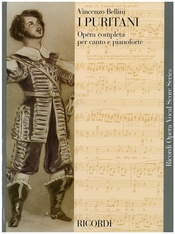
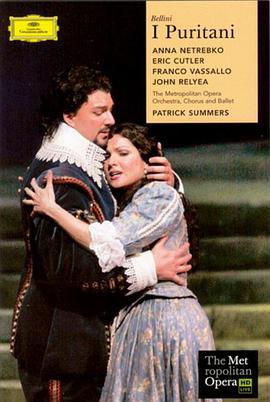
清教徒与骑士党 2007年大都会歌剧团版 [演出] 豆瓣
所属 演出: 清教徒与骑士党
语言: italian 意大利语 剧团: Metropolitan Opera Orchestra 大都会歌剧团管弦乐团 ; Metropolitan Opera Chorus 大都会歌剧团合唱团 剧院: Metropolitan Opera House 大都会歌剧院 导演: Sandro Sequi / Sharon Thomas
其它标题: 2007年大都会歌剧团版 编剧: Carlo Pepoli 作曲: Vincenzo Bellini 演员: Anna Netrebko / Eric Cutler
Place: England during the English Civil War
Time: 1640s
Act 1
Scene 1: A fortress near Plymouth, commanded by Lord Gualtiero Valton
At daybreak, the Puritan soldiers gather in anticipation of victory over the Royalists. Prayers are heard from within, and then shouts of joy as the ladies and gentlemen of the castle come out announcing news of Elvira's wedding. Left alone, Riccardo shares with Bruno his plight: Riccardo had been promised Elvira's hand in marriage by her father Lord Valton but, returning to Plymouth the previous evening, he has found that she is in love with Arturo (a Royalist), and will marry him instead. He confides in Bruno. (Aria: Ah! Per sempre ...Bel sogno beato / "Ah! Forever have I lost you, flower of love, oh my hope; ah! life from now on will be full of sorrow".) As he pours out his sorrows to Bruno, Riccardo is called upon by his soldiers to lead them but he declares "I am aflame, but the flame is love, not glory".
Scene 2: Elvira's apartments
Elvira welcomes Giorgio, her uncle, with fatherly love, but when he tells her that she will soon be married, she is horror-struck. (Aria, then extended duet: Sai com'arde in petto mio / bella fiamma onnipossente / "You know that my breast burns with overwhelming passion".) She continues, stating a determination never to be married. But when Giorgio tells her that her cavalier, Arturo, will be coming, he reveals that it was he who persuaded her father, Lord Valton, to grant Elvira's wish. She is overjoyed. Then the sound of trumpets is heard announcing Arturo's arrival; he is welcomed by all.
Scene 3: The Hall of Arms Arturo and his squires come into the hall and are joined by Elvira, Valton, Giorgio and the ladies and gentlemen of the castle. After a general welcome from all assembled, Arturo expresses his new-found happiness. (Aria, Arturo; then Giorgio and Walton; then all assembled: A te, o cara / amore talora / "In you beloved, love led me in secrecy and tears, now it guides me to your side".)
Valton tells everyone that he will not be able to attend the wedding ceremony and he provides Arturo with a safe conduct pass. A mysterious lady appears, and Valton tells her that he will be escorting her to London to appear before Parliament. Arturo is curious. Giorgio tells him that she is suspected of being a Royalist spy. As Elvira leaves to prepare herself for the wedding and the others depart in various directions, Arturo hangs back and finds the mysterious lady alone. He discovers that she is Enrichetta (Henrietta Maria), widow of the executed King Charles I. Insisting that she not be concerned about Elvira, Arturo vows to save her: (Aria, Riccardo; then Enrichetta; then together: Non parlar di lei che adoro, / di valor non mi spogliar / "Do not speak of her whom I adore; do not take away my courage. You shall be saved, oh unhappy woman.")
Observed by Arturo and Enrichetta, Elvira appears singing a joyful polonaise (Son vergin vezzosa / "I am a pretty maiden dressed for her wedding"), but she engages the Queen in conversation asking for help with the ringlets of her hair. To allow that to happen, she removes her wedding veil and places it over Enrichetta's head. Both Arturo and Enrichetta realise that this may allow them to escape, and as they proceed, they are challenged by Riccardo who believes the woman to be Elvira. He almost provokes a fight with Arturo until he discovers that she is not Elvira; then, he is content to allow them to pass, swearing not to reveal any information.
When the wedding party enters, they ask for Arturo, then learn, largely from Riccardo, that he has fled with Enrichetta. Pursuit is organised. Becoming increasingly distraught, Elvira believes that she sees Arturo: (Aria; then ensemble: Oh, vieni al tempio, fedele Arturo / "Ah! come, ah! come! Oh! come to the church, faithful Arturo".) It is increasingly clear that she has gone mad.
Act 2
A room in the fortress
As the ladies and gentlemen of the castle are mournful for Elvira's totally downcast state of mind, Giorgio describes her madness: (Aria: Cinta di fiori / "Garlanded with flowers and with her lovely hair disheveled, sometimes the beloved maiden wanders about...") and he describes her flights into madness and her pleas for Arturo to return. Riccardo brings the news that Arturo is now a fugitive who has been condemned to death by Parliament for allowing Enrichetta to escape. Giorgio states that the only hope for Elvira will be a sudden joyous experience. Elvira is heard outside, still deranged but longing for Arturo: "Either give me back hope, let me die" she cries. As she enters, she expresses all her longing: Elvira, aria: Qui la voce ... Vien, diletto / "Here his sweet voice called me...and then vanished. Here he swore to be true, here he swore it, and then, cruel man, he fled!".
Entering, she confronts her uncle and Riccardo, whom she fails to recognise, even in her moments of lucidity. She addresses him as if he were Arturo: (Elvira, cabaletta: Vien, diletto, è in ciel la luna / "Come, beloved, the moon is in the sky, Everything is silent, until the dawn breaks in the sky"). The two men encourage Elvira to return to her room.
For Elvira's sake, Giorgio encourages Riccardo to help save his rival, advising that he will forever be pursued by their phantoms. Riccardo rejects the request: (Giorgio, then Riccardo, then duet: Il rival salvar tu déi, / il rival salvar tu puoi / "You must save your rival, you can save your rival"), but gradually Riccardo comes around to accept that idea. However, he states that if in the following day's battle, Arturo appears, he will perish at his hand. The two men now have an agreement: (Finale: Giorgio, then Riccardo, then together: Suoni la tromba / "Let the battle-cry be: country, victory, victory and honour. Let the trumpets sound, and I shall fight strongly, fearlessly."
Act 3
A wooded area near the fortress, three months later
Arturo is still on the run. He is exhausted and has returned seeking Elvira. Suddenly he hears the sounds of singing coming through the woods: (Elvira, aria: A una fonte afflitto e solo / s'assideva un trovator / "A troubadour sat sad and lonely by a fountain"). He calls out, but gets no response and, recalling how the couple used to sing together in the woods, he also sings the troubadour melody until the sound of drumbeats and the shouting of soldiers silences him. He covers himself and hides as a group of soldiers passes, then emerges and decides to continue singing to the same melody: (Arturo, aria: Corre a valle, corre a monte / l'esiliato pellegrin / "Through the valleys, over the mountains, hastens the exiled pilgrim")
Unseen, Elvira emerges from the trees and stops to listen. She is saddened when the singing stops, and she sorrowfully wonders where Arturo is. Suddenly, he is standing before her and they are reunited in a spirited duet in which they declare that they will always be together after the long months of being apart. Still a little confused, Elvira believes that Arturo has married the woman whom he escorted from the fortress; he assures Elvira that he has always loved her, that the lady who was in great danger was the queen: (Arturo; then Elvira; then together). Having determined that they love each other and that they will always remain together, they enter into an ecstatic duet. (Arturo: Vieni fra queste braccia / "Come, come to my arms"; Elvira: Caro, caro, non ho parole / "Dearest, dearest, I cannot find the words to express my happiness"; then together).
At the sound of drums being heard, Elvira appears to be returning to a state of madness, fearing that they will again be parted. Then soldiers' voices are heard close by and Riccardo, Giorgio, and the ladies and gentlemen of the fortress enter announcing Arturo's death sentence. With that, she finally comes to her senses.
An ensemble, beginning with Arturo (Credeasi, misera / "Unhappy girl, she believed that I had betrayed her") extends to all assembled, each expressing his or her anguish, with even Riccardo being moved by the plight of the lovers. For this extended piece, Bellini wrote a high F-natural above C5 for Arturo's ... crudeli, crudeli! / Ella è tremante, / ella è spirante; / anime perfide, / sorde a pietà! / "cruel men, cruel men! She is trembling, she is fainting, perfidious souls, deaf to pity!"
The soldiers continue to demand Arturo's execution, but the sounds of a herald arriving are heard. He brings letters which are opened by Riccardo and Giorgio. They announce that although the Royalists have been defeated, Oliver Cromwell has pardoned all prisoners. The ensemble expresses its general and its personal joy.
塞维利亚的理发师 2007年大都会歌剧团版 [演出] 豆瓣
所属 演出: 塞维利亚的理发师
语言: italian 意大利语 剧团: Metropolitan Opera Orchestra 大都会歌剧团管弦乐团 ; Metropolitan Opera Chorus 大都会歌剧团合唱团 剧院: Metropolitan Opera House 大都会歌剧院 导演: Bartlett Sher
其它标题: 2007年大都会歌剧团版 编剧: Cesare Sterbini 作曲: Gioachino Rossini 演员: Peter Mattei / Juan Diego Flórez
Place: Seville, Spain
Time: 18th century
Act 1
The square in front of Bartolo's house
In a public square outside Bartolo's house a band of musicians and a poor student named Lindoro are serenading, to no avail, the window of Rosina ("Ecco, ridente in cielo"; "There, laughing in the sky"). Lindoro, who is really the young Count Almaviva in disguise, hopes to make the beautiful Rosina love him for himself – not his money. Almaviva pays off the musicians who then depart, leaving him to brood alone. Rosina is the young ward of the grumpy, elderly Bartolo and she is allowed very little freedom because Bartolo plans to marry her once she is of age and thus appropriate her not inconsiderable dowry.
Figaro approaches singing (Aria: "Largo al factotum della città"; "Make way for the factotum of the city"). Since Figaro used to be a servant of the Count, the Count asks him for assistance in helping him meet Rosina, offering him money should he be successful in arranging this. (Duet: "All'idea di quel metallo"; "At the idea of that metal"). Figaro advises the Count to disguise himself as a drunken soldier, ordered to be billeted with Bartolo, so as to gain entrance to the house. For this suggestion, Figaro is richly rewarded.
A room in Bartolo's house with four doors
The scene begins with Rosina's cavatina, "Una voce poco fa" ("A voice a little while ago"). (This aria was originally written in the key of E major, but it is sometimes transposed a semitone up into F major for coloratura sopranos to perform, giving them the chance to sing extra, almost traditional, cadenzas, sometimes reaching high Ds or even Fs.)
Knowing the Count only as Lindoro, Rosina writes to him. As she is leaving the room, Bartolo and Basilio enter. Bartolo is suspicious of the Count, and Basilio advises that he be put out of the way by creating false rumours about him (this aria, "La calunnia è un venticello" – "Calumny is a little breeze" – is almost always sung a tone lower than the original D major).
When the two have gone, Rosina and Figaro enter. Figaro asks Rosina to write a few encouraging words to Lindoro, which she has actually already written. (Duet: "Dunque io son...tu non m'inganni?"; "Then I'm the one...you're not fooling me?"). Although surprised by Bartolo, Rosina manages to fool him, but he remains suspicious. (Aria: "A un dottor della mia sorte"; "To a doctor of my class").
Count Almaviva, disguised as a soldier and pretending to be drunk, enters the house and demands to be quartered there. In fear of the drunken man, Berta the housekeeper rushes to Bartolo for protection. Bartolo tells the "soldier" that he (Bartolo) has an official exemption which excuses him from the requirement to quarter soldiers in his home. Almaviva pretends to be too drunk and belligerent to understand, and dares Bartolo to brawl. While Bartolo searches his cluttered desk for the official document which would prove his exemption, Almaviva whispers to Rosina that he is Lindoro in disguise, and passes a love-letter to her. Bartolo suspiciously demands to know what is in the piece of paper in Rosina's hands, but she fools him by handing over her laundry list. Bartolo and the Count argue loudly. Basilio enters; then Figaro, who warns that the noise of the argument is rousing the whole neighborhood. Finally, the noise attracts the attention of the Officer of the Watch and his troops, who crowd into the room. Bartolo demands that the Officer arrest the "drunken soldier". The Officer starts to do so, but Almaviva quietly reveals his true identity to the Officer, and he (the Officer) backs off and stands down. Bartolo and Basilio are astonished and mystified; Figaro laughs quietly at them. (Finale: "Fredda ed immobile, come una statua"; "Cold and still, just like a statue"). The confusion intensifies and causes everyone to suffer headaches and auditory hallucinations ("Mi par d'esser con la testa in un'orrida fucina; dell'incudini sonore l'importuno strepitar."; "My head seems to be in a fiery forge: the sound of the anvils deafens the ear.")
Act 2
A room in Bartolo's house with a piano
Almaviva again appears at the doctor's house, this time disguised as a priest who is also a singing tutor and pretending to act as substitute for the supposedly ailing Basilio, Rosina's regular singing teacher. Initially, Bartolo is suspicious, but does allow Almaviva to enter when the Count gives him Rosina's letter. He describes his plan to discredit Lindoro whom he believes to be one of the Count's servants, intent on pursuing women for his master. While Almaviva pretends to give Rosina her singing lesson, Figaro arrives to shave Bartolo. Bartolo demurs, but Figaro makes such a scene he agrees, but in order not to leave the supposed music master alone with Rosina, the doctor has Figaro shave him right there in the music room. When Basilio suddenly appears, he is bribed by a full purse from Almaviva and persuaded to leave again, with much discussion of how ill he looks. (Quintet: "Don Basilio! – Cosa veggo!"; "Don Basilio! – What do I see?"). Figaro begins to shave Bartolo, but Bartolo overhears the lovers conspiring, and angrily drives everybody away.
The scene returns to the location of act 1 with a grill looking out onto the square. Bartolo orders Basilio to have the notary ready to marry him to Rosina that evening. He also explains his plot to come between the lovers. Basilio leaves and Rosina arrives. Bartolo shows Rosina the letter she wrote to "Lindoro", and persuades her that this is evidence that Lindoro is merely a flunky of Almaviva and is toying with her at Almaviva's behest. Rosina believes him and agrees to marry him.
During an instrumental interlude, the music creates a thunder storm to indicate the passage of time. The Count and Figaro climb up a ladder to the balcony and enter the room through a window. Rosina shows Almaviva the letter and accuses him of betraying her. Almaviva reveals his identity and the two reconcile. While Almaviva and Rosina are enraptured by one another, Figaro keeps urging them to leave. Two people are heard approaching the front door, who later turn out to be Basilio and the notary. However, when the Count, Rosina, and Figaro attempt to leave by way of the ladder, they discover it has been removed. The marriage contract requires two witnesses; Figaro is one, but another is needed. The Count makes Basilio an offer he can't refuse: the choice of accepting a bribe and being a witness to his marriage or receiving two bullets in the head (an easy choice, Basilio says). He and Figaro witness the signatures to a marriage contract between the Count and Rosina. Bartolo barges in, accompanied by the Officer and the men of the watch, but too late; the marriage is already complete. The befuddled Bartolo (who was the one who had removed the ladder) is pacified by being allowed to retain Rosina's dowry. The opera concludes with an anthem to love ("Amor e fede eterna, si vegga in noi regnar!").
纽伦堡的名歌手 2001年大都会歌剧团版 [演出] 豆瓣
所属 演出: 纽伦堡的名歌手
语言: german 德语 剧团: Metropolitan Opera Orchestra 大都会歌剧团管弦乐团 ; Metropolitan Opera Chorus 大都会歌剧团合唱团 ; Metropolitan Opera Ballet 大都会歌剧团芭蕾舞团 剧院: Metropolitan Opera House 大都会歌剧院 导演: Otto Schenk / Peter McClintock
其它标题: 2001年大都会歌剧团版 编剧: Richard Wagner 作曲: Richard Wagner 演员: James Morris / Ben Heppner
Nuremberg, towards the middle of the sixteenth century.
Act 1
Prelude (Vorspiel), one of Wagner’s most familiar pieces of music.
Scene 1: Interior of Katharinenkirche (St. Catherine's Church)[notes 1] in Nuremberg, St John's Eve or Midsummer's Eve, June 23
After the prelude, a church service is just ending with a singing of Da zu dir der Heiland kam (When the Saviour came to thee), an impressive pastiche of a Lutheran chorale, as Walther von Stolzing, a young knight from Franconia, addresses Eva Pogner, whom he had met earlier, and asks her if she is engaged to anyone. Eva and Walther have fallen in love at first sight, but she informs him that her father, the goldsmith and mastersinger Veit Pogner, has arranged to give her hand in marriage to the winner of the guild's song contest on St. John's Day (Midsummer's Day), tomorrow. Eva's maid, Magdalena, gets David, Hans Sachs's apprentice, to tell Walther about the mastersingers' art. The hope is for Walther to qualify as a mastersinger during the guild meeting, traditionally held in the church after Mass, and thus earn a place in the song contest despite his utter ignorance of the master-guild's rules and conventions.
Scene 2
As the other apprentices set up the church for the meeting, David warns Walther that it is not easy to become a mastersinger; it takes many years of learning and practice. David gives a confusing lecture on the mastersingers' rules for composing and singing. (Many of the tunes he describes were real master-tunes from the period.) Walther is confused by the complicated rules, but is determined to try for a place in the guild anyway.
Scene 3
The first mastersingers file into the church, including Eva's wealthy father Veit Pogner and the town clerk Beckmesser. Beckmesser, a clever technical singer who was expecting to win the contest without opposition, is distressed to see that Walther is Pogner's guest and intends to enter the contest. Meanwhile, Pogner introduces Walther to the other mastersingers as they arrive. Fritz Kothner the baker, serving as chairman of this meeting, calls the roll. Pogner, addressing the assembly, announces his offer of his daughter's hand for the winner of the song contest. When Hans Sachs argues that Eva ought to have a say in the matter, Pogner agrees that Eva may refuse the winner of the contest, but she must still marry a mastersinger. Another suggestion by Sachs, that the townspeople, rather than the masters, should be called upon to judge the winner of the contest, is rejected by the other masters. Pogner formally introduces Walther as a candidate for admission into the masterguild. Questioned by Kothner about his background, Walther states that his teacher in poetry was Walther von der Vogelweide whose works he studied in his own private library in Franconia, and his teachers in music were the birds and nature itself. Reluctantly the masters agree to admit him, provided he can perform a master-song of his own composition. Walther chooses love as the topic for his song and therefore is to be judged by Beckmesser alone, the "Marker" of the guild for worldly matters. At the signal to begin (Fanget an!), Walther launches into a novel free-form tune (So rief der Lenz in den Wald), breaking all the mastersingers' rules, and his song is constantly interrupted by the scratch of Beckmesser's chalk on his chalkboard, maliciously noting one violation after another. When Beckmesser has completely covered the slate with symbols of Walther's errors, he interrupts the song and argues that there is no point in finishing it. Sachs tries to convince the masters to let Walther continue, but Beckmesser sarcastically tells Sachs to stop trying to set policy and instead, to finish making his (Beckmesser's) new shoes, which are overdue. Raising his voice over the masters' argument, Walther finishes his song, but the masters reject him and he rushes out of the church.
Act 2
Scene 1: Evening in a Nuremberg street, at the corner between Pogner's house and Hans Sachs's house, opposite. A lime tree stands outside Pogner's house, an elder outside Sachs's. The apprentices are closing the shutters
David informs Magdalena of Walther's failure. In her disappointment, Magdalena leaves without giving David the food she had brought for him. This arouses the derision of the other apprentices, and David is about to turn on them when Sachs arrives and hustles his apprentice into the workshop.
Scene 2
Pogner arrives with Eva, engaging in a roundabout conversation: Eva is hesitant to ask about the outcome of Walther's application, and Pogner has private doubts about whether it was wise to offer his daughter's hand in marriage for the song contest. As they enter their house, Magdalena appears and tells Eva about the rumours of Walther's failure. Eva decides to ask Sachs about the matter.
Scene 3
As twilight falls, Hans Sachs takes a seat in front of his house, to work on a new pair of shoes for Beckmesser. He muses on Walther's song, which has made a deep impression on him. ("Was duftet doch der Flieder", often called "the Fliedermonolog")
Scene 4
Eva approaches Sachs, and they discuss tomorrow's song contest. Eva is unenthusiastic about Beckmesser, who appears to be the only eligible contestant. She hints that she would not mind if Sachs, a widower, were to win the contest. Though touched, Sachs protests that he would be too old a husband for her. Upon further prompting, Sachs describes Walther's failure at the guild meeting. This causes Eva to storm off angrily, confirming Sachs's suspicion that she has fallen in love with Walther. Eva is intercepted by Magdalena, who informs her that Beckmesser is coming to serenade her. Eva, determined to search for Walther, tells Magdalena to pose as her (Eva) at the bedroom window.
Scene 5
Just as Eva is about to leave, Walther appears. He tells her that he has been rejected by the mastersingers, and the two prepare to elope. However, Sachs has overheard their plans. As they are passing by, he illuminates the street with his lantern, forcing them to hide in the shadow of Pogner's house. Walther makes up his mind to confront Sachs, but is interrupted by the arrival of Beckmesser.
Scene 6
As Eva and Walther retreat further into the shadows, Beckmesser begins his serenade. Sachs interrupts him by launching into a full-bellied cobbling song, and hammering the soles of the half-made shoes. Annoyed, Beckmesser tells Sachs to stop, but the cobbler replies that he has to finish tempering the soles of the shoes, whose lateness Beckmesser had publicly complained about in Act 1. Sachs offers a compromise: he will be quiet and let Beckmesser sing, but he (Sachs) will be Beckmesser's "marker", and mark each of Beckmesser's musical/poetical errors by striking one of the soles with his hammer. Beckmesser, who has spotted someone at Eva's window (Magdalena in disguise), has no time to argue. He tries to sing his serenade, but he makes so many mistakes (his tune repeatedly places accents on the wrong syllables of the words) that from the repeated knocks Sachs finishes the shoes. David wakes up and sees Beckmesser apparently serenading Magdalena. He attacks Beckmesser in a fit of jealous rage. The entire neighborhood is awakened by the noise. The other apprentices rush into the fray, and the situation degenerates into a full-blown riot. In the confusion, Walther tries to escape with Eva, but Sachs pushes Eva into her home and drags Walther into his own workshop. Quiet is restored as abruptly as it was broken. A lone figure walks through the street – the nightwatchman, calling out the hour.
Act 3, Scenes 1–4
Prelude (Vorspiel), a meditative orchestral introduction using music from two key episodes to be heard in Act 3: Sachs's Scene 1 monologue "Wahn! Wahn!" and the "Wittenburg Nightingale" quasi-chorale sung by the townspeople to greet Sachs in Scene 5.
Scene 1: Sachs's workshop
As morning dawns, Sachs is reading a large book. Lost in thought, he does not respond as David returns from delivering Beckmesser's shoes. David finally manages to attract his master's attention, and they discuss the upcoming festivities – it is St. John's day, Hans Sachs's name day. David recites his verses for Sachs, and leaves to prepare for the festival. Alone, Sachs ponders last night's riot. "Madness! Madness! Everywhere madness!" (Wahn! Wahn! Überall Wahn!) His attempt to prevent an elopement had ended in shocking violence. Nevertheless, he is resolved to make madness work for him today.
Scene 2
Sachs gives Walther an interactive lesson on the history and philosophy of music and mastersinging, and teaches him to moderate his singing according to the spirit (if not the strict letter) of the masters' rules. Walther demonstrates his understanding by composing two sections of a new Prize Song in a more acceptable style than his previous effort from act 1. Sachs writes down the new verses as Walther sings them. A final section remains to be composed, but Walther postpones the task. The two men leave the room to dress for the festival.
Scene 3
Beckmesser, still sore from his drubbing the night before, enters the workshop. He spots the verses of the Prize Song, written in Sachs's handwriting, and infers that Sachs is secretly planning to enter the contest for Eva's hand. The cobbler re-enters the room and Beckmesser confronts him with the verses and asks if he wrote them. Sachs confirms that the handwriting is his, but does not clarify that he was not the author but merely served as scribe. However, he goes on to say that he has no intention of wooing Eva or entering the contest, and he presents the manuscript to Beckmesser as a gift. He promises never to claim the song for his own, and warns Beckmesser that it is a very difficult song to interpret and sing. Beckmesser, his confidence restored by the prospect of using verses written by the famous Hans Sachs, ignores the warning and rushes off to prepare for the song contest. Sachs smiles at Beckmesser's foolishness but expresses hope that Beckmesser will learn to be better in the future.
Scene 4
Eva arrives at the workshop. She is looking for Walther, but pretends to have complaints about a shoe that Sachs made for her. Sachs realizes that the shoe is a perfect fit, but pretends to set about altering the stitching. As he works, he tells Eva that he has just heard a beautiful song, lacking only an ending. Eva cries out as Walther enters the room, splendidly attired for the festival, and sings the third and final section of the Prize Song. The couple are overwhelmed with gratitude for Sachs, and Eva asks Sachs to forgive her for having manipulated his feelings. The cobbler brushes them off with bantering complaints about his lot as a shoemaker, poet, and widower. At last, however, he admits to Eva that, despite his feelings for her, he is resolved to avoid the fate of King Marke (a reference to the subject of another Wagner opera, Tristan und Isolde, in which an old man tries to marry a much-younger woman), thus conferring his blessing upon the lovers. David and Magdalena appear. Sachs announces to the group that a new master-song has been born, which, following the rules of the mastersingers, is to be baptized. As an apprentice cannot serve as a witness for the baptism, he promotes David to the rank of journeyman with the traditional cuff on the ear (and by this also "promoting" him as a groom and Magdalena as a bride). He then christens the Prize Song the Morning Dream Song (Selige Morgentraumdeut-Weise). After celebrating their good fortune with an extended quintet (Selig, wie die Sonne meines Glückes lacht) — musically capping the first four scenes of Act III — the group departs for the festival.
Act 3, Scene 5
Almost an act in itself, this scene occupies about 45 minutes of the two hours of Act III and is separated from the preceding four scenes by a Verwandlungsmusik, a transforming Interlude. Meadow on the Pegnitz River. It is the Feast of St. John.
Various guilds enter boasting of their contributions to Nürnberg’s success as a city. Wagner depicts three: the Cobblers, whose chorus, Sankt Krispin, lobet ihn!, uses the signature cry streck! streck! streck!; the Tailors, who sing the chorus Als Nürnberg belagert war with the goat cry meck! meck! meck!; and the Bakers, who cut the tailors off with Hungersnot! Hungersnot!, or Famine, famine!, and its beck! beck! beck!, or bake, bake, bake!
This sequence leads into the well-known Tanz der Lehrbuben, or Dance of the Apprentices. The mastersingers themselves then arrive grandly in a section usually referred to as the “Procession of the Masters.” The crowd sings the praises of Hans Sachs, the most beloved and famous of the mastersingers. Here Wagner provides a rousing chorus, Wach’ auf, es nahet gen den Tag, using words written by the historical Sachs himself and musically relates it to the “Wittenberg Nightingale.”
The prize contest begins. Beckmesser attempts to sing the verses that he had obtained from Sachs. However, he garbles the words (Morgen ich leuchte) and fails to fit them to an appropriate melody, and ends up singing so clumsily that the crowd laughs him off. Before storming off in anger, he yells that the song was not even his: Hans Sachs tricked him into singing it. The crowd is confused. How could the great Hans Sachs have written such a bad song? Sachs tells them that the song is not his own, and also that it is in fact a beautiful song which the masters will love when they hear it sung correctly. To prove this, he calls a witness: Walther. The people are so curious about the song (correctly worded as Morgenlich leuchtend im rosigen Schein) that they allow Walther to sing it, and everyone is won over in spite of its novelty.
They declare Walther the winner, and the mastersingers want to make him a member of their guild on the spot. At first Walther is tempted to reject their offer, but Sachs intervenes once more and explains that art, even ground-breaking, contrary art like Walther’s, can only exist within a cultural tradition, which tradition the art sustains and improves. Walther is convinced; he agrees to join. Pogner places the symbolic master-hood medal around his neck, Eva takes his hand, and the people sing once more the praises of Hans Sachs, the beloved mastersinger of Nuremberg.