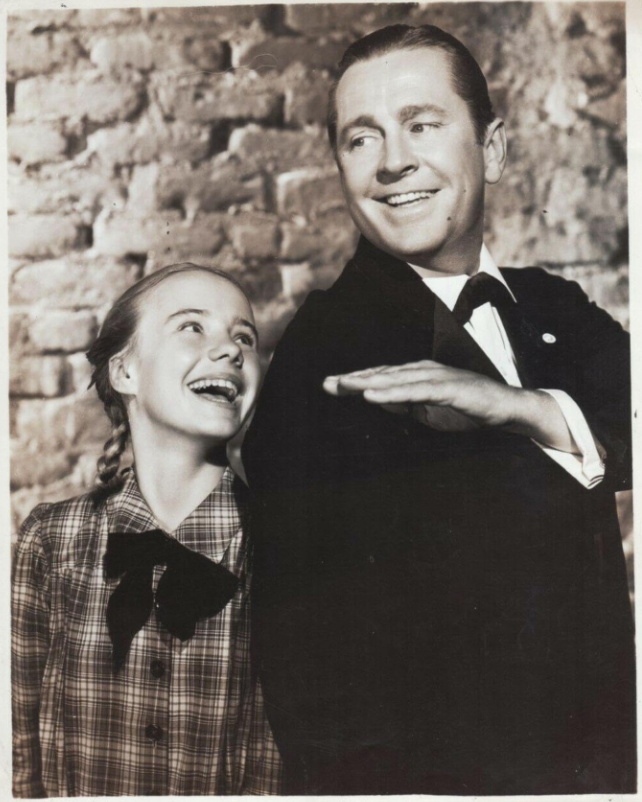
伊利亚·卡赞 — 导演 (24)


The Skin of Our Teeth [演出] 豆瓣
类型:
theater
编剧:
Thornton Wilder
/
Branden Jacobs-Jenkins
导演:
Elia Kazan
/
Alan Schneider
…
演员:
Tallulah Bankhead
/
Remo Bufano
/
Florence Eldridge
/
Fredric March
/
Montgomery Clift
Act I
Act one is an amalgam of early 20th century New Jersey and the dawn of the Ice Age. The father is inventing things such as the lever, the wheel, the alphabet, and multiplication tables. The family (the Antrobuses) and the entire north-eastern U.S. face extinction by a wall of ice moving southward from Canada. The story is introduced by a narrator and further expanded by the family maid, Sabina. There are unsettling parallels between the members of the Antrobus family and various characters from the Bible. In addition, time is compressed and scrambled to such an extent that the refugees who arrive at the Antrobus house seeking food and fire include the Old Testament judge Moses, the ancient Greek poet Homer, and women who are identified as Muses.
Act II
Act II takes place on the Boardwalk at Atlantic City, New Jersey, where the Antrobuses are present for George's swearing-in as president of the Ancient and Honorable Order of Mammals, Subdivision Humans. Sabina is present, also, in the guise of a scheming beauty queen, who tries to steal George's affection from his wife and family. Although the conventioneers are rowdy and partying furiously, there is an undercurrent of foreboding, since the weather signals change from summery sunshine to hurricane to deluge. (A fortune teller had previously attempted to warn them about this but had been ignored). Gladys and George each attempt their individual rebellions, and are brought back into line by the family. The act ends with the family members reconciled and, paralleling the Bibilical story of Noah's Ark, directing pairs of animals to safety on a large boat where they survive the storm and/or the end of the world.
Act III
The final act takes place in the ruins of the Antrobuses' former home. A devastating war has occurred; Maggie and Gladys have survived by hiding in a cellar. When they come out of the cellar we see that Gladys has a baby. Sabina joins them, "dressed as a Napoleonic camp-follower". George has been away at the front lines leading an army. Henry also fought, on the opposite side, and returns as a general. The family members discuss the ability of the human race to rebuild and continue after continually destroying itself. The question is raised, 'is there any accomplishment or attribute of the human race of enough value that its civilization should be rebuilt'?
The stage manager interrupts the play-within-the-play to explain that several members of their company can't do their parts because they're sick (possibly with food poisoning: the actress playing Sabina claims she saw blue mold on the lemon meringue pie at dinner). The stage manager drafts a janitor, a dresser, and other non-actors to fill their parts, which involve quoting philosophers such as Plato and Aristotle to mark the passing of time within the play.
The alternate history action ends where it began, with Sabina dusting the living room and worrying about George's arrival from the office. Her final act is to address the audience and turn over the responsibility of continuing the action, or life, to them.
Act one is an amalgam of early 20th century New Jersey and the dawn of the Ice Age. The father is inventing things such as the lever, the wheel, the alphabet, and multiplication tables. The family (the Antrobuses) and the entire north-eastern U.S. face extinction by a wall of ice moving southward from Canada. The story is introduced by a narrator and further expanded by the family maid, Sabina. There are unsettling parallels between the members of the Antrobus family and various characters from the Bible. In addition, time is compressed and scrambled to such an extent that the refugees who arrive at the Antrobus house seeking food and fire include the Old Testament judge Moses, the ancient Greek poet Homer, and women who are identified as Muses.
Act II
Act II takes place on the Boardwalk at Atlantic City, New Jersey, where the Antrobuses are present for George's swearing-in as president of the Ancient and Honorable Order of Mammals, Subdivision Humans. Sabina is present, also, in the guise of a scheming beauty queen, who tries to steal George's affection from his wife and family. Although the conventioneers are rowdy and partying furiously, there is an undercurrent of foreboding, since the weather signals change from summery sunshine to hurricane to deluge. (A fortune teller had previously attempted to warn them about this but had been ignored). Gladys and George each attempt their individual rebellions, and are brought back into line by the family. The act ends with the family members reconciled and, paralleling the Bibilical story of Noah's Ark, directing pairs of animals to safety on a large boat where they survive the storm and/or the end of the world.
Act III
The final act takes place in the ruins of the Antrobuses' former home. A devastating war has occurred; Maggie and Gladys have survived by hiding in a cellar. When they come out of the cellar we see that Gladys has a baby. Sabina joins them, "dressed as a Napoleonic camp-follower". George has been away at the front lines leading an army. Henry also fought, on the opposite side, and returns as a general. The family members discuss the ability of the human race to rebuild and continue after continually destroying itself. The question is raised, 'is there any accomplishment or attribute of the human race of enough value that its civilization should be rebuilt'?
The stage manager interrupts the play-within-the-play to explain that several members of their company can't do their parts because they're sick (possibly with food poisoning: the actress playing Sabina claims she saw blue mold on the lemon meringue pie at dinner). The stage manager drafts a janitor, a dresser, and other non-actors to fill their parts, which involve quoting philosophers such as Plato and Aristotle to mark the passing of time within the play.
The alternate history action ends where it began, with Sabina dusting the living room and worrying about George's arrival from the office. Her final act is to address the audience and turn over the responsibility of continuing the action, or life, to them.

伊甸园之东 (1955) [电影] Eggplant.place
East of Eden
导演:
Elia Kazan
演员:
James Dean
/
Julie Harris
…
其它标题:
La valle dell'Eden
/
Øst for Paradis
…
导演是伊利亚·卡赞,取材于约翰·史坦贝克的作品,是圣经中该隐和亚伯故事的变异,演变成一部十分深沉有力的家庭伦理电影。故事讲述第一次世界大战前的加州,一名聪明伶俐而多愁善感的农家青年,由于一直得不至严厉父亲的爱,故意想法打击天真的双胞胎弟弟,把母亲未死而沦为老鸨的真相揭露出来,最后导致家破人亡的悲剧。

欲望号街车 1947 Original Broadway production版 [演出] 豆瓣
所属 演出: 欲望号街车
剧院:
Ethel Barrymore Theatre
导演:
Elia Kazan
Blanche DuBois is a fading, but still-attractive, Southern belle whose pretensions to virtue and culture only thinly mask alcoholism and delusions of grandeur. Her poise is an illusion she presents to shield others (but most of all, herself) from her reality, and an attempt to make herself still attractive to new male suitors. Blanche arrives at the apartment of her sister Stella Kowalski in the Faubourg Marigny neighborhood of New Orleans, on Elysian Fields Avenue; the local transportation that she takes to arrive there includes a streetcar route named "Desire." The steamy, urban ambiance is a shock to Blanche's nerves. Stella, who fears the reaction of her husband Stanley, welcomes Blanche with some trepidation. As Blanche explains that their ancestral Southern plantation, Belle Reve in Laurel, Mississippi, has been "lost" due to the "epic fornications" of their ancestors, her veneer of self-possession begins to slip drastically. Blanche tells Stella that her supervisor allowed her to take time off from her job as an English teacher because of her upset nerves, when in fact, she has been fired for having an affair with a 17-year-old student. This turns out not to be the only seduction in which she has engaged, and, along with other problems, has led her to escape Laurel. A brief marriage marred by the discovery that her husband, Allan Grey, was having a homosexual affair and his subsequent suicide has led Blanche to withdraw into a world in which fantasies and illusions blend seamlessly with reality.
In contrast to both the self-effacing and deferential Stella and the pretentious refinement of Blanche, Stella's husband, Stanley Kowalski, is a force of nature: primal, rough-hewn, brutish, and sensual. He dominates Stella in every way and is physically and emotionally abusive.[1] Stella tolerates his primal behavior as this is part of what attracted her in the first place; their love and relationship are heavily based on powerful—even animal-like—sexual chemistry, something that Blanche finds impossible to understand.
The arrival of Blanche upsets her sister and brother-in-law's system of mutual dependence. Stella's concern for her sister's well-being emboldens Blanche to hold court in the Kowalski apartment, infuriating Stanley and leading to conflict in his relationship with his wife. Blanche and Stanley are on a collision course, and Stanley's friend and Blanche's would-be suitor, Harold "Mitch" Mitchell,gets trampled in their path. Stanley discovers Blanche's past through a co-worker who travels to Laurel frequently, and he confronts her with the things that she has been trying to put behind her, partly out of concern that her character flaws may be damaging to the lives of those in her new home, just as they were in Laurel, and partly out of a distaste for her pretense in general. However, his attempts to "unmask" her are predictably cruel and violent. In their final confrontation, it is implied that Stanley rapes Blanche, resulting in her nervous breakdown. Stanley has her committed to a mental institution, and in the closing moments, Blanche utters her signature line to the kindly doctor who leads her away: "Whoever you are, I have always depended on the kindness of strangers."
The reference to the streetcar named Desire—providing the aura of New Orleans geography—is symbolic. Blanche not only has to travel on a streetcar route named "Desire" to reach Stella's home on "Elysian Fields" but her desire acts as an irrepressible force throughout the play—she can only hang on as her desires lead her.
The character of Blanche is thought to be based on Williams' sister Rose Williams who struggled with her mental health and became incapacitated after a lobotomy.
In contrast to both the self-effacing and deferential Stella and the pretentious refinement of Blanche, Stella's husband, Stanley Kowalski, is a force of nature: primal, rough-hewn, brutish, and sensual. He dominates Stella in every way and is physically and emotionally abusive.[1] Stella tolerates his primal behavior as this is part of what attracted her in the first place; their love and relationship are heavily based on powerful—even animal-like—sexual chemistry, something that Blanche finds impossible to understand.
The arrival of Blanche upsets her sister and brother-in-law's system of mutual dependence. Stella's concern for her sister's well-being emboldens Blanche to hold court in the Kowalski apartment, infuriating Stanley and leading to conflict in his relationship with his wife. Blanche and Stanley are on a collision course, and Stanley's friend and Blanche's would-be suitor, Harold "Mitch" Mitchell,gets trampled in their path. Stanley discovers Blanche's past through a co-worker who travels to Laurel frequently, and he confronts her with the things that she has been trying to put behind her, partly out of concern that her character flaws may be damaging to the lives of those in her new home, just as they were in Laurel, and partly out of a distaste for her pretense in general. However, his attempts to "unmask" her are predictably cruel and violent. In their final confrontation, it is implied that Stanley rapes Blanche, resulting in her nervous breakdown. Stanley has her committed to a mental institution, and in the closing moments, Blanche utters her signature line to the kindly doctor who leads her away: "Whoever you are, I have always depended on the kindness of strangers."
The reference to the streetcar named Desire—providing the aura of New Orleans geography—is symbolic. Blanche not only has to travel on a streetcar route named "Desire" to reach Stella's home on "Elysian Fields" but her desire acts as an irrepressible force throughout the play—she can only hang on as her desires lead her.
The character of Blanche is thought to be based on Williams' sister Rose Williams who struggled with her mental health and became incapacitated after a lobotomy.

我的儿子们 [演出] 豆瓣
All My Sons
类型:
theater
编剧:
Arthur Miller
其它标题:
All My Sons
/
都是我的儿子
导演:
Elia Kazan
/
Arvin Brown
…
演员:
Ed Begley
/
Beth Miller
/
Arthur Kennedy
/
Karl Malden
/
Richard Kiley
Act I
In August 1946 Joe Keller, a self-made businessman, is visited by neighbor, Frank. At the request of Kate, Joe's wife, Frank is trying to figure out the horoscope of the Kellers' missing son Larry, who disappeared three years earlier. While Kate still believes Larry is coming back, the Kellers' other son Chris believes otherwise. Furthermore, Chris wishes to propose to Ann Deever, who was Larry's girlfriend at the time he went missing and who has been corresponding with Chris for two years. Joe and Kate react to this news with shock but are interrupted by Bert, the neighbor boy next door. When Bert brings up the jail Kate reacts sharply. After Ann Deever enters, it is revealed that Ann's father, Steve Deever, is in prison for selling cracked cylinder heads to the Air Force, causing twenty-one planes to crash. Joe was his partner but was exonerated of the crime. Ann admits that neither she nor her brother keep in touch with their father anymore and wonders aloud whether this was responsible for Larry's death. After a heated argument Chris breaks in and later proposes to Ann, who says yes. Chris also reveals that, while leading a company, he lost all his men and is experiencing survivor's guilt. Meanwhile, Joe receives a phone call from George, Ann's brother, who is coming there to settle something.
Act II
While Chris avoids telling his mom about the engagement, their next door neighbor Sue emerges and reveals that everyone on the block still thinks Joe is guilty. Shortly thereafter George arrives and reveals that he has just been to visit his father. Steve Deever had been told by Joe to cover up the cracked cylinders and send them out; Joe is equally guilty of the crime. George insists Ann will not marry Chris, son of the man who destroyed their family. Joe and the rest of the family deny this, but Kate reveals that Joe hasn't been sick in fifteen years. Since Joe's story was that the flu laid him up on that fateful day, George attacks them once more. Frank comes in with the horoscope, which implies that Larry is alive, which is just what Kate wants to hear. Chris, however, is furious at his father despite Joe's explanations that he was merely building a business for his sons, which Chris never accepted.
Act III
Chris has gone missing. Kate, having finally believed the accusations, tells Joe that should Chris come back, Joe must turn himself in. Joe, who only made money because his family wanted to, is stunned at how they are turning on him. Ann emerges soon after and reveals to Kate that she has a letter from Larry. She hadn't wanted to share it, but she knows that Kate must face reality. In the letter, Larry confesses that he plans to kill himself because of his father's guilt. With this final blow, Joe says he'll turn himself in, goes inside to get his coat, then kills himself with a gunshot to the head. At the end, Chris reveals this, and Kate tells him to not blame himself.
In August 1946 Joe Keller, a self-made businessman, is visited by neighbor, Frank. At the request of Kate, Joe's wife, Frank is trying to figure out the horoscope of the Kellers' missing son Larry, who disappeared three years earlier. While Kate still believes Larry is coming back, the Kellers' other son Chris believes otherwise. Furthermore, Chris wishes to propose to Ann Deever, who was Larry's girlfriend at the time he went missing and who has been corresponding with Chris for two years. Joe and Kate react to this news with shock but are interrupted by Bert, the neighbor boy next door. When Bert brings up the jail Kate reacts sharply. After Ann Deever enters, it is revealed that Ann's father, Steve Deever, is in prison for selling cracked cylinder heads to the Air Force, causing twenty-one planes to crash. Joe was his partner but was exonerated of the crime. Ann admits that neither she nor her brother keep in touch with their father anymore and wonders aloud whether this was responsible for Larry's death. After a heated argument Chris breaks in and later proposes to Ann, who says yes. Chris also reveals that, while leading a company, he lost all his men and is experiencing survivor's guilt. Meanwhile, Joe receives a phone call from George, Ann's brother, who is coming there to settle something.
Act II
While Chris avoids telling his mom about the engagement, their next door neighbor Sue emerges and reveals that everyone on the block still thinks Joe is guilty. Shortly thereafter George arrives and reveals that he has just been to visit his father. Steve Deever had been told by Joe to cover up the cracked cylinders and send them out; Joe is equally guilty of the crime. George insists Ann will not marry Chris, son of the man who destroyed their family. Joe and the rest of the family deny this, but Kate reveals that Joe hasn't been sick in fifteen years. Since Joe's story was that the flu laid him up on that fateful day, George attacks them once more. Frank comes in with the horoscope, which implies that Larry is alive, which is just what Kate wants to hear. Chris, however, is furious at his father despite Joe's explanations that he was merely building a business for his sons, which Chris never accepted.
Act III
Chris has gone missing. Kate, having finally believed the accusations, tells Joe that should Chris come back, Joe must turn himself in. Joe, who only made money because his family wanted to, is stunned at how they are turning on him. Ann emerges soon after and reveals to Kate that she has a letter from Larry. She hadn't wanted to share it, but she knows that Kate must face reality. In the letter, Larry confesses that he plans to kill himself because of his father's guilt. With this final blow, Joe says he'll turn himself in, goes inside to get his coat, then kills himself with a gunshot to the head. At the end, Chris reveals this, and Kate tells him to not blame himself.

碧姬 (1949) [电影] 豆瓣 TMDB IMDb 维基数据
Pinky
其它标题:
Pinky
/
荡姬血泪
…
平克是一个愉快的皮肤黝黑女性,从一所护理学校毕业后,她回到了南方的祖母的家里。平克爱上了一个年轻的白人医生,名叫托马斯·亚当斯。托马斯一点也不知道她的黑人血统的遗传。平克说,她要回到北方,但是她的祖母约翰逊奶奶说服她呆在家里,照顾一个生病的白人妇女,这位妇女名叫爱姆。同时,从这个国家的另一个地方来的黑人外科医生拜访了平克,请求她去训练一些在美国的非洲学生,但是她拒绝了。平克照料着爱姆小姐,但是心怀怨恨,因为她觉得她跟就祖母一样了。但是慢慢地,她们之间建立了良好的感情。当爱姆小姐去世之时,她把财产留给了平克。然而,爱姆小姐的亲戚在法庭上指责这份新的遗嘱,为了得到上法庭的费用,平克与祖母一起用手洗衣服挣钱,法庭判平克胜诉。托马斯来信请她与他结婚,平克没有去。她决定建立一个诊所和护士学校……


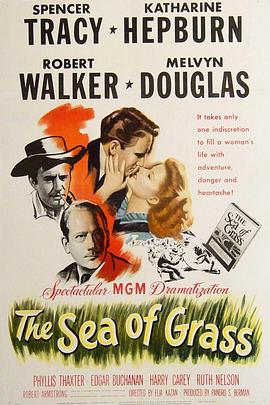

宝贝儿 (1956) [电影] 豆瓣 IMDb TMDB 维基数据
Baby Doll
其它标题:
Baby Doll
/
娃娃新娘
…
家住密西西比州虎尾县的中年阿奇·李·梅甘和19岁的“宝贝儿”尼·梅甘·麦卡洛伊已经结婚近两年了。他们的婚姻不是建立在爱情的基础上,而是每个人都从对方那里得到了他们想要的。他们的婚姻协议让他们在她二十岁生日那天完成了他们的婚姻,也就是在三天之后,“宝贝儿”并不期待这件事。但她确实用她公开的“宝贝儿”特点来嘲弄他和其他男人,她睡在他们家的婴儿床里,以此来培养自己孩子的一面。如今“宝贝儿”的父亲已经去世,他同意了这桩婚姻,条件是阿奇·李(Archie Lee)为宝贝儿提供经济保障,这一点在南方最豪华的房子里得到了体现。他们现在住在一栋破旧的豪宅里,和她的阿姨Rose Comfort住在一起,虽然阿奇·李正在对它进行一些翻修,但是他已经没有经济能力把它做成宝贝儿想要的样子,就像他的轧棉机一样……
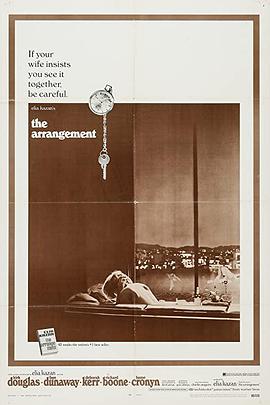
我就爱你 (1969) [电影] 豆瓣
The Arrangement
其它标题:
The Arrangement
/
称人心意巧安排
Kazan adapted his own best-selling autobiographical first novel into this complex and turbulent portrait of a prosperous Los Angeles ad man turned suddenly and irretrievably sour to his luxurious life, beautiful wife and giddily successful career. Kirk Douglas' manic, high-keyed portrait of a man desperate to escape his gilded cage is matched by the nervous pacing and experimental flourishes of Kazan's most avant-garde feature. The Arrangement offers both a harrowing portrait of mid-life malaise and a sunblinded vision of L.A. as a cauldron of 20th century anxieties.
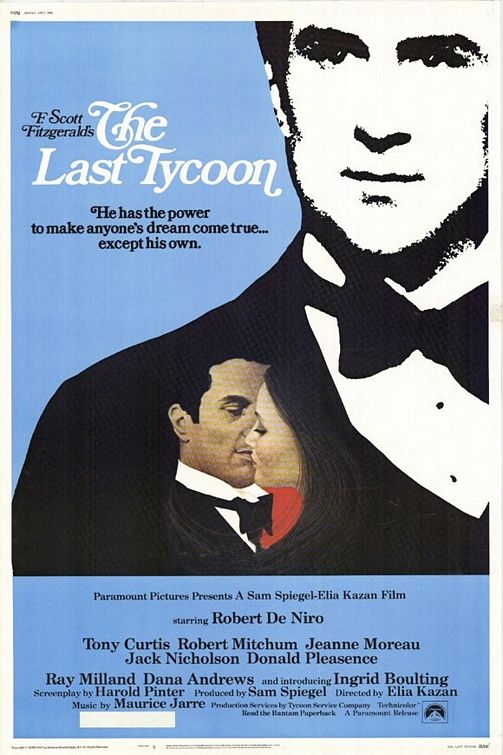

围歼街头 (1950) [电影] 豆瓣 TMDB IMDb 维基数据
Panic in the Streets
其它标题:
Panic in the Streets
/
街头恐慌
…
故事发生在新奥尔良市,布莱基因(杰克·帕兰斯 Jack Palance 饰)是一个不学无术游手好闲的小混混,他和一个名叫查卡的非法移民之间产生了一些经济纠纷,于是便找来了好友,将查卡杀死了。查卡的尸体被发现后,被送往公共卫生局进行解剖,负责解剖的克林特医生(理查德·威德马克 Richard Widmark 饰)震惊的发现,查卡患有会传染的瘟疫,这也就意味着,凡是和查卡接触过的人,都有患病的可能。
为了避免瘟疫大肆传播的惨剧发生,克林特医生奉命在四十八小时内要找到所有查卡生前接触过的人,并且这一调查必须秘密的进行,否则将会引起恐慌。
为了避免瘟疫大肆传播的惨剧发生,克林特医生奉命在四十八小时内要找到所有查卡生前接触过的人,并且这一调查必须秘密的进行,否则将会引起恐慌。

天涯何处觅知音 (1961) [电影] 维基数据 IMDb 豆瓣 TMDB
Splendor in the Grass
其它标题:
Splendor in the Grass
/
壮美的草原
…
故事发生在堪萨斯州的南部小城中,巴德(沃伦·比蒂 Warren Beatty 饰)是一个满脑子都是奇思妙想的高中生,一次偶然中,他邂逅了名为蒂尼(娜塔利·伍德 Natalie Wood 饰)的女孩。蒂尼的美丽和温柔深深的吸引着巴德,令他坠入了情网,巴德甚至在内心里暗暗的 发誓,此生一定要将蒂尼娶回家。
然而,在民风保守的小镇上,这两个年轻人之间的恋情很快就遭到了双方家人的强烈反对,他们都对这两颗真挚的心嗤之以鼻。在一连串的波折和打击之下,自暴自弃的巴德竟然和蒂尼的同学(奥黛丽·克里斯蒂 Audrey Christie 饰)上了床。得知了此消息,蒂尼的精神崩溃了。
然而,在民风保守的小镇上,这两个年轻人之间的恋情很快就遭到了双方家人的强烈反对,他们都对这两颗真挚的心嗤之以鼻。在一连串的波折和打击之下,自暴自弃的巴德竟然和蒂尼的同学(奥黛丽·克里斯蒂 Audrey Christie 饰)上了床。得知了此消息,蒂尼的精神崩溃了。

狂澜春醒 (1960) [电影] 豆瓣 维基数据 TMDB IMDb
Wild River
其它标题:
Wild River
/
대하를 삼키는 여인
…
《狂澜春醒》,也有译《狂野之河》,本名《WILD RIVER》,是美国电影大师伊利亚·卡赞 Elia Kazan的(美国)三部曲之一,知名度不如《SPLENDOR IN THE GRASS》(《天涯何处无芳草》(1961))和《AMERICA,AMERICA》(《美国,美国》(1963)),但都是杰出的现实主义之作。1960年拍峻。
电影瞄准1930年代,1929年经济危机的大背景以及罗斯福针对经济危机的NEW DEAL计划都是关键词。田纳西州的田纳西河,由于时时泛滥成灾,并经历了一次惨绝人寰的大洪水,因此建设水电站大坝,既是解决失业、发展经济的现实之需,也希望就此摆脱洪水的恶梦,当然也是我们异常亲切熟悉的手法。国会因此成立TVA(田纳西谷管理局?),专门负责该流域的整治事宜,及建设水电站坝,力图促进地区发展。但由于水位抬升需要淹没河流中心的一个小岛,拒绝搬迁的美国地主老太太和从华盛顿来的TVA工程师协调员,以及其余粉墨登场的各色人物,出演了一出出既冷漠又煽情的剧目。
作为主角的工程师CLOVER,带着职业人员的一腔热情来面对这个人人棘手的场面,既温情有礼又慷慨激昂,简直是理性与感性并局的完美综合体。笼络人心的情感方式,往往比激烈的压制逼迫更加有效。不仅地主老太因洪水而寡居的孙女立刻爱上了他,连同居此岛的黑人村民们也撤消防备,欣然搬进了有电灯的住宅,注意,电灯当年是新鲜玩意儿。最后,连立誓与祖先产业同生共死的老太太,在一个人留在岛上多时之后,也终于签下生死状,搬进工程师为她精心挑选的,与祖居相同式样的宅院。另外另一条种族歧视线也交织其中,由于CLOVER给出黑人与白人相同的大坝工地薪水,引起了当地其余工头们的先笼络之而后不成则打击之。利益纠葛、角色扮演、谈判协商及社会隔离,构成了这杰出的现实主义电影的主题。
电影瞄准1930年代,1929年经济危机的大背景以及罗斯福针对经济危机的NEW DEAL计划都是关键词。田纳西州的田纳西河,由于时时泛滥成灾,并经历了一次惨绝人寰的大洪水,因此建设水电站大坝,既是解决失业、发展经济的现实之需,也希望就此摆脱洪水的恶梦,当然也是我们异常亲切熟悉的手法。国会因此成立TVA(田纳西谷管理局?),专门负责该流域的整治事宜,及建设水电站坝,力图促进地区发展。但由于水位抬升需要淹没河流中心的一个小岛,拒绝搬迁的美国地主老太太和从华盛顿来的TVA工程师协调员,以及其余粉墨登场的各色人物,出演了一出出既冷漠又煽情的剧目。
作为主角的工程师CLOVER,带着职业人员的一腔热情来面对这个人人棘手的场面,既温情有礼又慷慨激昂,简直是理性与感性并局的完美综合体。笼络人心的情感方式,往往比激烈的压制逼迫更加有效。不仅地主老太因洪水而寡居的孙女立刻爱上了他,连同居此岛的黑人村民们也撤消防备,欣然搬进了有电灯的住宅,注意,电灯当年是新鲜玩意儿。最后,连立誓与祖先产业同生共死的老太太,在一个人留在岛上多时之后,也终于签下生死状,搬进工程师为她精心挑选的,与祖居相同式样的宅院。另外另一条种族歧视线也交织其中,由于CLOVER给出黑人与白人相同的大坝工地薪水,引起了当地其余工头们的先笼络之而后不成则打击之。利益纠葛、角色扮演、谈判协商及社会隔离,构成了这杰出的现实主义电影的主题。
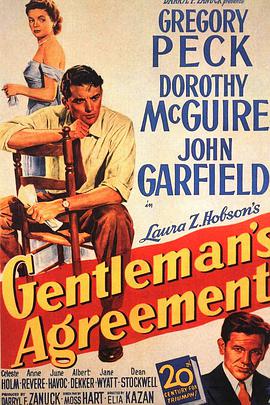
君子协定 (1947) [电影] 维基数据 IMDb 豆瓣 TMDB
Gentleman's Agreement
其它标题:
Gentleman's Agreement
/
Laura Z. Hobson's Gentleman's Agreement
…
菲利普(格利高里·派克 Gregory Peck 饰)是一名记者,带着儿子汤米(迪恩·斯托克维尔 Dean Stockwell 饰)和母亲(安妮·里维尔 Anne Revere 饰)来到大都市纽约,踌躇满志的他准备要在此干一番大事业。
上司交给了菲利普一个任务,撰写一系列关于美国存在的反犹主义的文章,为了能够更好地完成任务,菲利普决定假扮犹太人,切身体会一下身为一名犹太人的滋味与境遇。让菲利普没有想到的是,他的这一举动令他同女友凯西(多萝西·麦克吉尔 Dorothy McGuire 饰)之间的感情产生了裂缝,儿子亦因为父亲这一虚假的身份而遭到了同龄人的排挤与欺侮。在经历了种种挫折与困难之后,菲利普出色的完成了任务,然而,他的内心里却并不轻松。
上司交给了菲利普一个任务,撰写一系列关于美国存在的反犹主义的文章,为了能够更好地完成任务,菲利普决定假扮犹太人,切身体会一下身为一名犹太人的滋味与境遇。让菲利普没有想到的是,他的这一举动令他同女友凯西(多萝西·麦克吉尔 Dorothy McGuire 饰)之间的感情产生了裂缝,儿子亦因为父亲这一虚假的身份而遭到了同龄人的排挤与欺侮。在经历了种种挫折与困难之后,菲利普出色的完成了任务,然而,他的内心里却并不轻松。


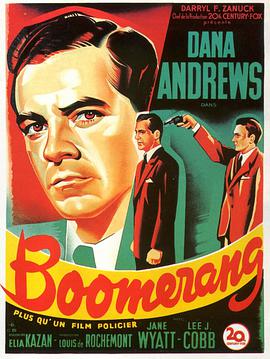
作法自毙 (1947) [电影] 豆瓣 IMDb 维基数据 TMDB
Boomerang!
其它标题:
Boomerang!
/
满城风雨
…
故事发生在一个名为康涅狄格的宁静美国小镇之中,一名德高望重的传教士在街角遭到了杀害,他的死亡引起了民众极大的愤怒,他们疯狂的聚集抗议,要求警方尽快将凶手捉拿归案。经过一系列的调查,重重的线索将嫌疑人的箭头指向了一个名叫约翰(阿瑟·肯尼迪 Arthur Kennedy 饰)的男人,其实并没有确凿的证据证明约翰就是杀人凶手,但约翰是一名外乡人,只这一点就足以令他背负最大的嫌疑。
对于警方和民众的控诉,约翰竭力否认,无奈寡不敌众。负责此案的检察官亨利(达纳·安德鲁斯 Dana Andrews 饰)亦渐渐发现,本以为已经确凿的真相实际上疑点重重,在平息民愤和找到真相之间,他将作出怎样的选择呢?
对于警方和民众的控诉,约翰竭力否认,无奈寡不敌众。负责此案的检察官亨利(达纳·安德鲁斯 Dana Andrews 饰)亦渐渐发现,本以为已经确凿的真相实际上疑点重重,在平息民愤和找到真相之间,他将作出怎样的选择呢?