Harry Kupfer — Director (6)
Elektra [Performance] Douban
Elektra
genre:
Opera
playwright:
Hugo von Hofmannsthal
other title:
厄勒克特拉
/
埃莱克特拉
director:
Georg Toller
/
nobody
…
actor:
Annie Krull
/
Margarethe Siems
/
Ernestine Schumann-Heink
/
Karl Perron
/
Johannes Sembach
Before the opera begins, Agamemnon has sacrificed Iphigenia on the ruse that she is to be married, and subsequently goes off to war against Troy. Iphigenia's mother Klytaemnestra has thus come to hate her husband. After his return, with the help of her paramour Aegisthus, she murders her husband and now is afraid that her crime will be avenged by her other children, Elektra, Chrysothemis and their banished brother Orest. Elektra has managed to send her brother away while remaining behind to keep her father's memory alive, but all the while, suffering the scorn of her mother and the entire court.
The action
"Wo bleibt Elektra?" ("Where is Elektra?")
Five servants try to wash the courtyard of the palace in Mycenae. While they do their work, they ask where can Elektra be, and she emerges from the shadows with a wild look on her face. The servants continue commenting how she came to be in that state and talk about how they taunt her only to receive insults from her. Only one servant shows sympathy for her, but she is taken away by the overseer to be flogged.
"Allein! Weh, ganz allein." ("Alone! Alas, all alone.")
Elektra comes back for her daily ritual in memory of her father, who upon his return from Troy was killed while bathing by Klytaemnestra and Aegisth and dragged out into the courtyard. Elektra now starts imagining the day when her father will be avenged and then of the ensuing celebration in which she will lead the triumphal dance.
"Elektra!"
Chrysothemis leaves the palace but, unlike Elektra, she is meek and accommodating, and has remained on good terms with Klytaemnestra and Aegisth; she enjoys the privileges that come with being a princess. She warns her sister that their mother plans to lock Elektra in a tower, but she is rebuffed.
"Ich kann nicht sitzen und ins Dunkel starren." ("I can not sit and stare into the darkness.")
Chrysothemis does not wish to go on living a half-death in her own house: she wants to leave, marry and raise children.
"Es geht ein Lärm los." ("What tumult is this?")
As loud sounds are heard inside, Elektra mocks her sister that it is her wedding party.
"Was willst du? Seht doch, dort!" ("What do you want? Behold, there!")
In reality, Klytaemnestra has yet again been awakened by her own nightmares of being killed by Orest. Chrysothemis begs Elektra to leave, wishing only to speak to her mother. Followed by her retinue, Klytaemnestra comes to make another sacrifice to appease the gods, but she stops at the sight of Elektra and wishes that she were not there to disturb her. She asks the gods for the reason for her burdens, but Elektra appeases her by telling her mother that she is a goddess herself.
"Ich will nichts Hören!" ("I will not listen!")
Despite the protests of the Trainbearer and Confidante, Klytaemnestra climbs down to talk to Elektra.
"Ich habe keine guten Nächte." ("I have no good nights.")
Klytaemnestra confides to her daughter that she has been suffering nightmares every night and that she still has not found the way to appease the gods. But, she claims, once that happens, she will be able to sleep again.
"Wenn Das rechte Blutopfer unterm Beile fällt." ("When the right blood under the hatchet flows.")
Elektra teases her mother with little pieces of information about the right victim that must be slain, but she changes the conversation to her brother and why he is not allowed back. To Elektra's horror, Klytaemnestra says that he has become mad and keeps company with animals. She responds that this is not true and that all the gold that her mother has sent was not being used to support her son but to have him killed.
"Was bluten muß? Dein eigenes Genick." ("Who must bleed? Your own throat.")
Then Elektra reveals who is to be the actual victim: it is Klytaemnestra herself. She goes on to describe how the gods must be appeased once and for all. She must be awakened and chased around the house just like an animal that is being hunted. Only when she wishes that all was over and after envying prisoners in their cells, she will come to realize that her prison is her own body. At that time, the axe with which she killed her husband and which will be handed to Orest by Elektra, will fall on her. Only then the dreams will stop.
"Lichter! Mehr Lichter" ("Lights! More lights!")
The Trainbearer and Confidante enter and whisper to her. Klytaemnestra laughs hysterically and, mocking Elektra, leaves. Elektra wonders what has made her mother laugh.
"Orest! Orest ist tot!" ("Orest! Orest is dead!")
Chrysothemis comes to tell her: two messengers have arrived with the news that Orest is dead, trampled by his own horses.
"Platz da! Wer lungert so vor einer Tür?" ("Give way! Who spies thus upon the threshold?")
As a young servant comes out of the house to fetch the master, he trips over Elektra and Chrysothemis.
"Nun muß es hier von uns geschehn." ("It is for us to act now.")
Elektra does not relent and a terrified Chrysothemis listens as her sister demands that she help her to avenge their father.
"Wie stark du bist." ("How strong you are.")
Elektra goes on to praise her sister and her beauty, promising that Elektra shall be her slave at her bridal chamber in exchange for the assistance in her task. Chrysothemis fights off her sister and flees. Elektra curses her.
"Nun denn, allein!" ("Well, alone!")
Determined to do it alone, she digs for the axe that killed her father, but is interrupted by a mysterious man who comes into the courtyard.
"Was willst du, fremder Mensch?" ("What do you want, stranger?")
She hears that he is expecting to be called from within the palace because he has a message for the lady of the house. He claims to be a friend of Orest, and says that he was with him at the time of his death.
"Wer bist denn du?" ("Who are you?")
Elektra grieves. The man first guesses that she must be a blood relative of Orest and Agamemnon, then, upon asking her name, discovers she is Elektra.
"Orest!"
Then, taken aback, she recognizes him: it is Orest who has come back in disguise. Elektra is initially ecstatic, but also ashamed of what she has become and how she has sacrificed her own royal state for the cause.
"Du wirst es tun? Allein? Du armes Kind?" ("You'll do it? Alone? Poor child?")
Orest's Tutor comes and interrupts the siblings; their task is dangerous and anything can jeopardize it. The Trainbearer and Confidante come out of the palace and lead Orest in.
"Ich habe ihm das Beil nicht geben können!" ("I could not give him the axe!")
A shriek is heard from within the palace, then a grim moan. Elektra smiles brightly, knowing that Orest has killed their mother.
"He! Lichter!" ("Torches there!")
Aegisth arrives. He is ecstatic to have heard that Orest is dead and wishes to speak with the messengers. Elektra happily ushers him inside the palace.
"Helft! Mörder!" ("Help! Murder!")
As Aegisth screams and calls for help, Elektra replies: "Agamemnon can hear you."
"Elektra! Schwester!" ("Elektra! Sister!")
Chrysothemis comes out of the palace stating that Orest is inside and that he has killed Klytaemnestra and Aegisth. A massacre has begun with Orest's followers killing those who supported Aegisth and the Queen.
"Ob ich nicht höre?" ("If I do not hear?")
Elektra is ecstatic and wants to lead the crowd to dance but at first cannot.
"Hörst du denn nicht." ("You do not hear because.")
Chrysothemis and Elektra praise their brother's feat.
"Schweig, und tanze." ("Be silent and dance.")
At last Elektra begins to dance. As she reaches the climax of her dance, she falls to the ground: Elektra is dead. Chrysothemis goes into the palace to be with her brother. Banging on the palace door, she calls for her brother. There is no answer.
The action
"Wo bleibt Elektra?" ("Where is Elektra?")
Five servants try to wash the courtyard of the palace in Mycenae. While they do their work, they ask where can Elektra be, and she emerges from the shadows with a wild look on her face. The servants continue commenting how she came to be in that state and talk about how they taunt her only to receive insults from her. Only one servant shows sympathy for her, but she is taken away by the overseer to be flogged.
"Allein! Weh, ganz allein." ("Alone! Alas, all alone.")
Elektra comes back for her daily ritual in memory of her father, who upon his return from Troy was killed while bathing by Klytaemnestra and Aegisth and dragged out into the courtyard. Elektra now starts imagining the day when her father will be avenged and then of the ensuing celebration in which she will lead the triumphal dance.
"Elektra!"
Chrysothemis leaves the palace but, unlike Elektra, she is meek and accommodating, and has remained on good terms with Klytaemnestra and Aegisth; she enjoys the privileges that come with being a princess. She warns her sister that their mother plans to lock Elektra in a tower, but she is rebuffed.
"Ich kann nicht sitzen und ins Dunkel starren." ("I can not sit and stare into the darkness.")
Chrysothemis does not wish to go on living a half-death in her own house: she wants to leave, marry and raise children.
"Es geht ein Lärm los." ("What tumult is this?")
As loud sounds are heard inside, Elektra mocks her sister that it is her wedding party.
"Was willst du? Seht doch, dort!" ("What do you want? Behold, there!")
In reality, Klytaemnestra has yet again been awakened by her own nightmares of being killed by Orest. Chrysothemis begs Elektra to leave, wishing only to speak to her mother. Followed by her retinue, Klytaemnestra comes to make another sacrifice to appease the gods, but she stops at the sight of Elektra and wishes that she were not there to disturb her. She asks the gods for the reason for her burdens, but Elektra appeases her by telling her mother that she is a goddess herself.
"Ich will nichts Hören!" ("I will not listen!")
Despite the protests of the Trainbearer and Confidante, Klytaemnestra climbs down to talk to Elektra.
"Ich habe keine guten Nächte." ("I have no good nights.")
Klytaemnestra confides to her daughter that she has been suffering nightmares every night and that she still has not found the way to appease the gods. But, she claims, once that happens, she will be able to sleep again.
"Wenn Das rechte Blutopfer unterm Beile fällt." ("When the right blood under the hatchet flows.")
Elektra teases her mother with little pieces of information about the right victim that must be slain, but she changes the conversation to her brother and why he is not allowed back. To Elektra's horror, Klytaemnestra says that he has become mad and keeps company with animals. She responds that this is not true and that all the gold that her mother has sent was not being used to support her son but to have him killed.
"Was bluten muß? Dein eigenes Genick." ("Who must bleed? Your own throat.")
Then Elektra reveals who is to be the actual victim: it is Klytaemnestra herself. She goes on to describe how the gods must be appeased once and for all. She must be awakened and chased around the house just like an animal that is being hunted. Only when she wishes that all was over and after envying prisoners in their cells, she will come to realize that her prison is her own body. At that time, the axe with which she killed her husband and which will be handed to Orest by Elektra, will fall on her. Only then the dreams will stop.
"Lichter! Mehr Lichter" ("Lights! More lights!")
The Trainbearer and Confidante enter and whisper to her. Klytaemnestra laughs hysterically and, mocking Elektra, leaves. Elektra wonders what has made her mother laugh.
"Orest! Orest ist tot!" ("Orest! Orest is dead!")
Chrysothemis comes to tell her: two messengers have arrived with the news that Orest is dead, trampled by his own horses.
"Platz da! Wer lungert so vor einer Tür?" ("Give way! Who spies thus upon the threshold?")
As a young servant comes out of the house to fetch the master, he trips over Elektra and Chrysothemis.
"Nun muß es hier von uns geschehn." ("It is for us to act now.")
Elektra does not relent and a terrified Chrysothemis listens as her sister demands that she help her to avenge their father.
"Wie stark du bist." ("How strong you are.")
Elektra goes on to praise her sister and her beauty, promising that Elektra shall be her slave at her bridal chamber in exchange for the assistance in her task. Chrysothemis fights off her sister and flees. Elektra curses her.
"Nun denn, allein!" ("Well, alone!")
Determined to do it alone, she digs for the axe that killed her father, but is interrupted by a mysterious man who comes into the courtyard.
"Was willst du, fremder Mensch?" ("What do you want, stranger?")
She hears that he is expecting to be called from within the palace because he has a message for the lady of the house. He claims to be a friend of Orest, and says that he was with him at the time of his death.
"Wer bist denn du?" ("Who are you?")
Elektra grieves. The man first guesses that she must be a blood relative of Orest and Agamemnon, then, upon asking her name, discovers she is Elektra.
"Orest!"
Then, taken aback, she recognizes him: it is Orest who has come back in disguise. Elektra is initially ecstatic, but also ashamed of what she has become and how she has sacrificed her own royal state for the cause.
"Du wirst es tun? Allein? Du armes Kind?" ("You'll do it? Alone? Poor child?")
Orest's Tutor comes and interrupts the siblings; their task is dangerous and anything can jeopardize it. The Trainbearer and Confidante come out of the palace and lead Orest in.
"Ich habe ihm das Beil nicht geben können!" ("I could not give him the axe!")
A shriek is heard from within the palace, then a grim moan. Elektra smiles brightly, knowing that Orest has killed their mother.
"He! Lichter!" ("Torches there!")
Aegisth arrives. He is ecstatic to have heard that Orest is dead and wishes to speak with the messengers. Elektra happily ushers him inside the palace.
"Helft! Mörder!" ("Help! Murder!")
As Aegisth screams and calls for help, Elektra replies: "Agamemnon can hear you."
"Elektra! Schwester!" ("Elektra! Sister!")
Chrysothemis comes out of the palace stating that Orest is inside and that he has killed Klytaemnestra and Aegisth. A massacre has begun with Orest's followers killing those who supported Aegisth and the Queen.
"Ob ich nicht höre?" ("If I do not hear?")
Elektra is ecstatic and wants to lead the crowd to dance but at first cannot.
"Hörst du denn nicht." ("You do not hear because.")
Chrysothemis and Elektra praise their brother's feat.
"Schweig, und tanze." ("Be silent and dance.")
At last Elektra begins to dance. As she reaches the climax of her dance, she falls to the ground: Elektra is dead. Chrysothemis goes into the palace to be with her brother. Banging on the palace door, she calls for her brother. There is no answer.
莫扎特 [Performance] Douban
MOZART! das Musical
other title:
MOZART! das Musical
director:
Harry Kupfer
/
Doris Marlis
…
actor:
Yngve Gasoy-Romdal
/
Thomas Bochert
/
Uwe Kroger
/
Ruth Brauer
/
Caroline Vaiscek
第一幕
墓場,馬斯默醫生藉莫札特遺孀康絲坦絲的引路來到莫札特墓前,("Prolog")他的回憶帶觀眾回到四十年前,人人都為天才神童沃夫岡.阿瑪德.莫札特而驚詫的時代。("Was fur ein Kind!")其父里奧波特是宮庭作曲家,自小對他多加管制;一次小莫札特在草地上發現了一盒子,並獲華史達頓男爵夫人許可保管。沃夫岡長大後仍不已小孩脾氣,買了新衣服向其姊純良的娜娜炫耀,里奧波特卻斥責他只顧玩兒不工作。("Der rote Rock")舞台上還有一個與之形影不離叫阿美德的小孩,象徵莫札特作為一個作曲家不改的天才。里奧波特的僱主哥羅拉度主教正準備晚會,並抱怨莫札特父子遲遲未到。("Wo Bliebt Mozart?")因為此事年少氣盛的沃夫岡跟主教鬧翻,並被逐出宮庭。娜娜更被其告之沃夫岡一人即便與其母一起在外亦難以謀生。("Ah, das fraulein Mozart!")里奧波特知道沃夫岡的依賴性極強,唯有暗自希望他能夠通過世界的試煉。("Schliess dein Herz in Eisen ein")
果然,沃夫岡迅速便被韋伯一家玩弄於股掌之中 - 他被韋伯家不懷好意的女兒亞萊西亞迷住了。("Eine ehrliche Familie")里奧波特勒令沃夫岡離開,然而後者雖然照做,卻把大筆錢寄給亞萊西亞,結果令其母貧病之下逝世。("Was fur ein grausames Leben")回到家鄉灰頭土臉的沃夫岡回到工作崗位,被人百般取笑,他倒在小鎮舞台上找到了喜悅。("Ein bissel fur's Hirn und ein bissel fur's Herz")男爵夫人又來了,她嘗試說服里奧波特讓她帶沃夫岡到維也納,("Gold von den Sternen")卻遭到了反對不能成行。("Niemand liebt dich so wie ich")結果因為主教也得去維也納,沃夫岡也得同去,卻在那裡遇上了韋伯家的另一個女孩康絲坦絲。為這他與里奧波特鬧翻,("Sauschwanz von Drecken")娜娜只能暗下悲歎。("Der Prinz ist fort")不止如此,他亦與主教因為推薦問題再次鬧翻,("Ich bleibe in Wien!")並對阿瑪德倍感恐懼及厭煩。("Wie wird man seinen Schatten los?")
第二幕
又回到墓場,馬斯默醫生問起了沃夫岡生平裡的風波,康絲坦絲拒而不談。然而當沃夫岡獨立出來的時候,靠的除了有天才以外,還得有手段。("Hier in Wien!")他與康絲坦絲的愛情倒順順利利,("Dich kennen heiBt dich lieben")後者甚至不理會母親勒令把勒索用的合約撕掉。沃夫岡在夢中的化裝舞會上見到了父親對他責罵,("Mummenschanz/ Ratsellied")男爵夫人要他學會脫離父親影子獨立起來。但沃夫岡就是難以成長,他把原本用來幫娜娜結婚的金錢在賭桌上花光了,其妻康絲坦絲本身也不大能抵抗誘惑,更別談管住沃夫岡了。("Irgendwo wird immer getanzt")還好,沃夫岡終於還是成功地成為名震奧地利的作曲家,他把童年時找到的盒子送了給父親希望和好,裡面還裝有金錢讓里奧波特可脫離主教擺佈。里奧波特卻誤以為兒子看不起他,二人嫌隙不補反裂。
正當沃夫岡為此而難過的時候,("Warum kannst du mich nicht lieben?")阿瑪德可不理會那麼多,當墨水用完後繼續用沃夫岡的血來寫曲譜。然而主教要的正是這個,他完全被沃夫岡的音樂所折服了。("Wien kann es moglich sein?")雖然生活無虞,但韋伯家的母親卻變本加厲,而正當沃夫岡極為煩惱之時,卻傳來父親里奧波特過身的消息。面對這位對其生命有深遠影響的人,沃夫岡百感交集。喪禮後他被一蒙面人截住要他為他作一首安魂曲,而其友亦慫恿他寫歌劇"魔笛"。此時因為法國大革命消息傳來,人們熱血沸騰。("Der Mensch wird erst Mensch durch den aufrechten Gang")結果歌劇的成績極為理想,民眾們為之瘋狂。("Mozart, MOzart!")不過,真正的沃夫岡已經苟延殘喘,阿瑪德寫安魂曲時的墨水又用完了,但沃夫岡的血已用得七七八八,固執的阿瑪德唯有把筆插入沃夫岡的心臟。最後,眾演員再次出來,評論著沃夫岡.阿瑪德.莫札特傳奇的一生。("Finale")
墓場,馬斯默醫生藉莫札特遺孀康絲坦絲的引路來到莫札特墓前,("Prolog")他的回憶帶觀眾回到四十年前,人人都為天才神童沃夫岡.阿瑪德.莫札特而驚詫的時代。("Was fur ein Kind!")其父里奧波特是宮庭作曲家,自小對他多加管制;一次小莫札特在草地上發現了一盒子,並獲華史達頓男爵夫人許可保管。沃夫岡長大後仍不已小孩脾氣,買了新衣服向其姊純良的娜娜炫耀,里奧波特卻斥責他只顧玩兒不工作。("Der rote Rock")舞台上還有一個與之形影不離叫阿美德的小孩,象徵莫札特作為一個作曲家不改的天才。里奧波特的僱主哥羅拉度主教正準備晚會,並抱怨莫札特父子遲遲未到。("Wo Bliebt Mozart?")因為此事年少氣盛的沃夫岡跟主教鬧翻,並被逐出宮庭。娜娜更被其告之沃夫岡一人即便與其母一起在外亦難以謀生。("Ah, das fraulein Mozart!")里奧波特知道沃夫岡的依賴性極強,唯有暗自希望他能夠通過世界的試煉。("Schliess dein Herz in Eisen ein")
果然,沃夫岡迅速便被韋伯一家玩弄於股掌之中 - 他被韋伯家不懷好意的女兒亞萊西亞迷住了。("Eine ehrliche Familie")里奧波特勒令沃夫岡離開,然而後者雖然照做,卻把大筆錢寄給亞萊西亞,結果令其母貧病之下逝世。("Was fur ein grausames Leben")回到家鄉灰頭土臉的沃夫岡回到工作崗位,被人百般取笑,他倒在小鎮舞台上找到了喜悅。("Ein bissel fur's Hirn und ein bissel fur's Herz")男爵夫人又來了,她嘗試說服里奧波特讓她帶沃夫岡到維也納,("Gold von den Sternen")卻遭到了反對不能成行。("Niemand liebt dich so wie ich")結果因為主教也得去維也納,沃夫岡也得同去,卻在那裡遇上了韋伯家的另一個女孩康絲坦絲。為這他與里奧波特鬧翻,("Sauschwanz von Drecken")娜娜只能暗下悲歎。("Der Prinz ist fort")不止如此,他亦與主教因為推薦問題再次鬧翻,("Ich bleibe in Wien!")並對阿瑪德倍感恐懼及厭煩。("Wie wird man seinen Schatten los?")
第二幕
又回到墓場,馬斯默醫生問起了沃夫岡生平裡的風波,康絲坦絲拒而不談。然而當沃夫岡獨立出來的時候,靠的除了有天才以外,還得有手段。("Hier in Wien!")他與康絲坦絲的愛情倒順順利利,("Dich kennen heiBt dich lieben")後者甚至不理會母親勒令把勒索用的合約撕掉。沃夫岡在夢中的化裝舞會上見到了父親對他責罵,("Mummenschanz/ Ratsellied")男爵夫人要他學會脫離父親影子獨立起來。但沃夫岡就是難以成長,他把原本用來幫娜娜結婚的金錢在賭桌上花光了,其妻康絲坦絲本身也不大能抵抗誘惑,更別談管住沃夫岡了。("Irgendwo wird immer getanzt")還好,沃夫岡終於還是成功地成為名震奧地利的作曲家,他把童年時找到的盒子送了給父親希望和好,裡面還裝有金錢讓里奧波特可脫離主教擺佈。里奧波特卻誤以為兒子看不起他,二人嫌隙不補反裂。
正當沃夫岡為此而難過的時候,("Warum kannst du mich nicht lieben?")阿瑪德可不理會那麼多,當墨水用完後繼續用沃夫岡的血來寫曲譜。然而主教要的正是這個,他完全被沃夫岡的音樂所折服了。("Wien kann es moglich sein?")雖然生活無虞,但韋伯家的母親卻變本加厲,而正當沃夫岡極為煩惱之時,卻傳來父親里奧波特過身的消息。面對這位對其生命有深遠影響的人,沃夫岡百感交集。喪禮後他被一蒙面人截住要他為他作一首安魂曲,而其友亦慫恿他寫歌劇"魔笛"。此時因為法國大革命消息傳來,人們熱血沸騰。("Der Mensch wird erst Mensch durch den aufrechten Gang")結果歌劇的成績極為理想,民眾們為之瘋狂。("Mozart, MOzart!")不過,真正的沃夫岡已經苟延殘喘,阿瑪德寫安魂曲時的墨水又用完了,但沃夫岡的血已用得七七八八,固執的阿瑪德唯有把筆插入沃夫岡的心臟。最後,眾演員再次出來,評論著沃夫岡.阿瑪德.莫札特傳奇的一生。("Finale")
The Flying Dutchman [Performance] Douban
Der fliegende Holländer
genre:
Opera
playwright:
Richard Wagner
other title:
漂泊的荷兰人
/
Der fliegende Holländer
director:
Giancarlo del Monaco
/
Harry Kupfer
…
actor:
Thomas Gazheli / 章亚伦
/
Eva Johansson / 孙秀苇
/
Jan-Hendrik Rootering / 龚冬健
/
Philip Webb / 莫華倫
/
梁宁 / Helena Zubanovich
Place: On the coast of Norway
Act 1
On his homeward journey, the sea captain Daland is compelled by stormy weather to seek a port of refuge near Sandwike in southern Norway. He leaves the helmsman on watch and he and the sailors retire. (Song of the helmsman: "Mit Gewitter und Sturm aus fernem Meer" — "With tempest and storm on distant seas.") The helmsman falls asleep. A ghostly vessel appearing astern is dashed against Daland's vessel by the sea and the grappling irons hold the two ships together. Invisible hands furl the sails. A man of pale aspect, dressed in black, his face framed by a thick black beard, steps ashore. He laments his fate. (Aria: "Die Frist ist um, und abermals verstrichen sind sieben Jahr" — "The time has come and seven years have again elapsed") Because he once invoked Satan, the ghost captain is cursed to roam the sea forever without rest. An angel brought to him the terms of his redemption: Every seven years the waves will cast him upon the shore; if he can find a wife who will be true to him he will be released from his curse.
Daland wakes up and meets the stranger. The stranger hears that Daland has an unmarried daughter named Senta, and he asks for her hand in marriage, offering a chest of treasure as a gift. Tempted by gold, Daland agrees to the marriage. The southwind blows and both vessels set sail for Daland's home.
Act 2
A group of local girls are singing and spinning in Daland's house. (Spinning chorus: "Summ und brumm, du gutes Rädchen" — "Whir and whirl, good wheel") Senta, Daland's daughter, dreamily gazes upon a gorgeous picture of the legendary Dutchman that hangs from the wall; she desires to save him. Against the will of her nurse, she sings to her friends the story of the Dutchman (Ballad with the Leitmotiv), how Satan heard him swear and took him at his word. She vows to save him by her fidelity.
The huntsman Erik, Senta's former boyfriend, arrives and hears her; the girls depart, and the huntsman, who loves the maiden, warns her, telling her of his dream, in which Daland returned with a mysterious stranger, who carried her off to sea. She listens with delight, and Erik leaves in despair.
Daland arrives with the stranger; he and Senta stand gazing at each other in silence. Daland is scarcely noticed by his daughter, even when he presents his guest as her betrothed. In the following duet, which closes the act, Senta swears to be true till death.
Act 3
Later in the evening, the local girls bring Daland's men food and drink. They invite the crew of the strange vessel to join in the merry-making, but in vain. The girls retire in wonder; ghostly forms appear at work upon the vessel The Flying Dutchman, and Daland's men retreat in fear.
Senta arrives, followed by Erik, who reproves her for deserting him, as she had formerly loved him and vowed constancy. When the stranger, who has been listening, hears these words, he is overwhelmed with despair, as he thinks he is now forever lost. He summons his men, tells Senta of the curse, and to the consternation of Daland and his crew declares that he is the "Flying Dutchman".
As the Dutchman sets sail, Senta throws herself into the sea, claiming that she will be faithful to him unto death. This is his salvation. The spectral ship disappears, and Senta and the Dutchman are seen ascending to heaven.
Act 1
On his homeward journey, the sea captain Daland is compelled by stormy weather to seek a port of refuge near Sandwike in southern Norway. He leaves the helmsman on watch and he and the sailors retire. (Song of the helmsman: "Mit Gewitter und Sturm aus fernem Meer" — "With tempest and storm on distant seas.") The helmsman falls asleep. A ghostly vessel appearing astern is dashed against Daland's vessel by the sea and the grappling irons hold the two ships together. Invisible hands furl the sails. A man of pale aspect, dressed in black, his face framed by a thick black beard, steps ashore. He laments his fate. (Aria: "Die Frist ist um, und abermals verstrichen sind sieben Jahr" — "The time has come and seven years have again elapsed") Because he once invoked Satan, the ghost captain is cursed to roam the sea forever without rest. An angel brought to him the terms of his redemption: Every seven years the waves will cast him upon the shore; if he can find a wife who will be true to him he will be released from his curse.
Daland wakes up and meets the stranger. The stranger hears that Daland has an unmarried daughter named Senta, and he asks for her hand in marriage, offering a chest of treasure as a gift. Tempted by gold, Daland agrees to the marriage. The southwind blows and both vessels set sail for Daland's home.
Act 2
A group of local girls are singing and spinning in Daland's house. (Spinning chorus: "Summ und brumm, du gutes Rädchen" — "Whir and whirl, good wheel") Senta, Daland's daughter, dreamily gazes upon a gorgeous picture of the legendary Dutchman that hangs from the wall; she desires to save him. Against the will of her nurse, she sings to her friends the story of the Dutchman (Ballad with the Leitmotiv), how Satan heard him swear and took him at his word. She vows to save him by her fidelity.
The huntsman Erik, Senta's former boyfriend, arrives and hears her; the girls depart, and the huntsman, who loves the maiden, warns her, telling her of his dream, in which Daland returned with a mysterious stranger, who carried her off to sea. She listens with delight, and Erik leaves in despair.
Daland arrives with the stranger; he and Senta stand gazing at each other in silence. Daland is scarcely noticed by his daughter, even when he presents his guest as her betrothed. In the following duet, which closes the act, Senta swears to be true till death.
Act 3
Later in the evening, the local girls bring Daland's men food and drink. They invite the crew of the strange vessel to join in the merry-making, but in vain. The girls retire in wonder; ghostly forms appear at work upon the vessel The Flying Dutchman, and Daland's men retreat in fear.
Senta arrives, followed by Erik, who reproves her for deserting him, as she had formerly loved him and vowed constancy. When the stranger, who has been listening, hears these words, he is overwhelmed with despair, as he thinks he is now forever lost. He summons his men, tells Senta of the curse, and to the consternation of Daland and his crew declares that he is the "Flying Dutchman".
As the Dutchman sets sail, Senta throws herself into the sea, claiming that she will be faithful to him unto death. This is his salvation. The spectral ship disappears, and Senta and the Dutchman are seen ascending to heaven.
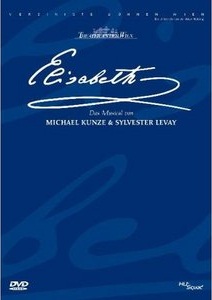
Elisabeth [Performance] Douban
Elisabeth
other title:
伊丽莎白
director:
Harry Kupfer
/
Eddy Habbema
…
actor:
Pia Douwes
/
Uwe Kröger
/
Ethan Freeman
/
Viktor Gernot
/
Andreas Bieber
ACT1
Elisabeth(昵称Sisi)是出生在巴伐利亚的公主,少年时的她幻想着和父亲一样能过着无拘无束的生活。然而在母亲Ludovika和姨母Shophie给自己的姐姐Helene和表哥奥地利皇帝Franz Joseph安排的相亲见面上年轻的皇帝为美丽的Elisabeth所倾倒,年幼的Elisabeth就这样放弃了自己原来生活的梦想,嫁入奥地利皇室,成为了奥地利年轻的皇后。就在她与Franz Joseph结婚的当天,倾心于Elisabeth已久的死神怒不可遏,他来到婚礼舞会上告诉Elisabeth,最后一支舞我要与你共跳!然而在婚礼的第二天Elisabeth才发现她所处的皇宫不过是一个牢笼,繁琐教条的宫廷礼仪,丈夫对婆婆的一味屈服,她不愿屈从于别人对她的摆布,因为她,只属于她自己。
在婚姻生活的过程中Elisabeth学会了用自己的美貌和对匈牙利的政治影响与丈夫谈条件,然而就在夫妇俩带着大女儿Sophie出访匈牙利的过程中,死神又悄然而至,他带走了Elisabeth的女儿并告诉她,王朝的毁灭将无法挽回。随着皇太子Rudolf的降生和婆婆Sophie对孩子们教育干涉的增加,Elisabeth再度向丈夫施压,要求拥有决定孩子教育方式的权利,对妻子百依百顺的皇帝无法拒绝Elisabeth的请求答应她一切都能由她做主。
ACT2
刺杀Elisabeth的无政府主义这Lucheni作为故事的叙述人告诉大家,Elisabeth其实并没有我们想象中的那么完美,她争取到孩子们的抚养权旨在向婆婆Sophie证明自己更强大。我们崇拜她热切关注着她,而这一切不过都是Kitsch!
在匈牙利的加冕无疑成为了Elisabeth人生中政治上的最大成就。她傲然告诉死神,如果我想跳舞,我将按照自己独特的方式,我将不会呼唤你,此时的Elisabeth正处在人生的巅峰。年幼的Rudolf在深夜呼唤自己的母亲然而只有死神在床边安慰着他,而在Rudolf长大成人后死神更是怂恿他挑起反叛。Elisabeth因为丈夫对自己的背叛在死神面前向他宣告,这一切不可能摧毁她,相反,她要变得更自由更强大。Elisabeth竭力远离奥地利皇室的一切,甚至在Rudolf政变失败绝望地向她求助时也冷心回绝了自己的儿子。皇太子Rudolf举枪自杀。这时Elisabeth才发现自己的过错,她的自私,她的冷漠,造成了儿子的悲剧。悲痛欲绝的Elisabeth第一次屈服于死神,请求他帮她脱离世俗的苦海,而此时的死神却冷冷地告诉她,也要她尝尝被拒绝的滋味。Franz Joseph希望Elisabeth能回到自己身边,而她却告诉他,他们本是暗夜中的两条船,有着各自不同的航线,别再执迷,本就是虚梦一场。哈布斯堡王朝胜景不再,王朝的毁灭在所难免,死神决定给Elisabeth自由的机会,他将一把锥子交给了Lucheni,而后者在日内瓦刺杀了Elisabeth——这位奥地利历史上著名的皇后。Elisabth投入了死神的怀抱,回顾自己的一生“欢笑过,哭泣过,经历绝望而获新生。回顾往生全无遗憾,忠于自我永不背叛”。死神最终用一吻给了Elisabeth永恒的自由。
Elisabeth(昵称Sisi)是出生在巴伐利亚的公主,少年时的她幻想着和父亲一样能过着无拘无束的生活。然而在母亲Ludovika和姨母Shophie给自己的姐姐Helene和表哥奥地利皇帝Franz Joseph安排的相亲见面上年轻的皇帝为美丽的Elisabeth所倾倒,年幼的Elisabeth就这样放弃了自己原来生活的梦想,嫁入奥地利皇室,成为了奥地利年轻的皇后。就在她与Franz Joseph结婚的当天,倾心于Elisabeth已久的死神怒不可遏,他来到婚礼舞会上告诉Elisabeth,最后一支舞我要与你共跳!然而在婚礼的第二天Elisabeth才发现她所处的皇宫不过是一个牢笼,繁琐教条的宫廷礼仪,丈夫对婆婆的一味屈服,她不愿屈从于别人对她的摆布,因为她,只属于她自己。
在婚姻生活的过程中Elisabeth学会了用自己的美貌和对匈牙利的政治影响与丈夫谈条件,然而就在夫妇俩带着大女儿Sophie出访匈牙利的过程中,死神又悄然而至,他带走了Elisabeth的女儿并告诉她,王朝的毁灭将无法挽回。随着皇太子Rudolf的降生和婆婆Sophie对孩子们教育干涉的增加,Elisabeth再度向丈夫施压,要求拥有决定孩子教育方式的权利,对妻子百依百顺的皇帝无法拒绝Elisabeth的请求答应她一切都能由她做主。
ACT2
刺杀Elisabeth的无政府主义这Lucheni作为故事的叙述人告诉大家,Elisabeth其实并没有我们想象中的那么完美,她争取到孩子们的抚养权旨在向婆婆Sophie证明自己更强大。我们崇拜她热切关注着她,而这一切不过都是Kitsch!
在匈牙利的加冕无疑成为了Elisabeth人生中政治上的最大成就。她傲然告诉死神,如果我想跳舞,我将按照自己独特的方式,我将不会呼唤你,此时的Elisabeth正处在人生的巅峰。年幼的Rudolf在深夜呼唤自己的母亲然而只有死神在床边安慰着他,而在Rudolf长大成人后死神更是怂恿他挑起反叛。Elisabeth因为丈夫对自己的背叛在死神面前向他宣告,这一切不可能摧毁她,相反,她要变得更自由更强大。Elisabeth竭力远离奥地利皇室的一切,甚至在Rudolf政变失败绝望地向她求助时也冷心回绝了自己的儿子。皇太子Rudolf举枪自杀。这时Elisabeth才发现自己的过错,她的自私,她的冷漠,造成了儿子的悲剧。悲痛欲绝的Elisabeth第一次屈服于死神,请求他帮她脱离世俗的苦海,而此时的死神却冷冷地告诉她,也要她尝尝被拒绝的滋味。Franz Joseph希望Elisabeth能回到自己身边,而她却告诉他,他们本是暗夜中的两条船,有着各自不同的航线,别再执迷,本就是虚梦一场。哈布斯堡王朝胜景不再,王朝的毁灭在所难免,死神决定给Elisabeth自由的机会,他将一把锥子交给了Lucheni,而后者在日内瓦刺杀了Elisabeth——这位奥地利历史上著名的皇后。Elisabth投入了死神的怀抱,回顾自己的一生“欢笑过,哭泣过,经历绝望而获新生。回顾往生全无遗憾,忠于自我永不背叛”。死神最终用一吻给了Elisabeth永恒的自由。

莫扎特! (2015) [Movie] Douban
Mozart! Das Musical
other title:
Mozart! Das Musical
音乐剧莫扎特是一部德奥音乐剧,由Michael Kunze作词,Sylvester Levay作曲,是一部描述Wolfgang Amadeus Mozart的德语音乐剧。全剧共有53首歌曲,分为两幕进行演出,其中包含了流行、摇滚和古典等各种风格的歌曲。 这部音乐剧概述了Wolfgang Amadeus Mozart的痛苦而又短暂的一生,突出了他对艺术的极致追求和对自由的无限渴求,也描绘出由此在他生活中与父亲和Colloredoqin亲王产生的冲突。这部音乐剧最特别的设定是,在舞台上让Mozart和一个孩子Amadè同时出现, 他就是小时候的Mozart, 永无停止地在写新的交响乐,最后也是他终结了Mozart的生命。