Richard Eyre — 导演 (27)
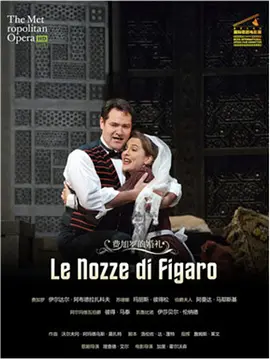
费加罗的婚礼 (2014) [电影] 豆瓣
"The Metropolitan Opera HD Live" Mozart: Le Nozze Di Figaro
导演: Richard Eyre 演员: Ildar Abdrazakov / Marlis Petersen
其它标题: "The Metropolitan Opera HD Live" Mozart: Le Nozze Di Figaro / 《费加罗的婚礼》大都会歌剧院版
费加罗(Ildar Abdrazakov 饰)是在阿玛维瓦伯爵手下任职的男仆,与同为女仆的苏珊娜(Marlis Petersen 饰)两情相悦,两人约定携手步入婚礼的殿堂。然而,阿玛维瓦伯爵贪恋苏珊娜的美貌已久,想方设法阻碍她和费加罗的结合,愤怒的费加罗决定利用自己的智慧,联手伯爵的妻子罗西娜给这个贪婪好色的老头子一点颜色瞧瞧。
苏珊娜给伯爵写了一封热情洋溢的信,约他在花园里见面。当夜,伯爵趁着月色准时赴约,隐约看到一女子站在树下,于是不分青红皂白就抱住她亲热了起来,哪知道这名女子不是苏珊娜,而是他的妻子罗西娜。
Ghosts [演出] 豆瓣
类型: Theater 编剧: Henrik Ibsen / Richard Eyre
导演: Richard Eyre / Gale Edwards 演员: Jack Lowden / Lesley Manville / Adam Kotz / Brian McCardie / Charlene McKenna


Helene Alving has spent her life suspended in an emotional void after the death of her cruel but outwardly charming husband. She is determined to escape the ghosts of her past by telling her son, Oswald, the truth about his father.

Ghosts 版本1 [演出] 豆瓣
所属 演出: Ghosts
剧院: Trafalgar Studios 导演: Richard Eyre
其它标题: 版本1 编剧: Henrik Ibsen / Richard Eyre 演员: Jack Lowden / Lesley Manville


Helene Alving has spent her life suspended in an emotional void after the death of her cruel but outwardly charming husband. She is determined to escape the ghosts of her past by telling her son, Oswald, the truth about his father.

卡门 [演出] 豆瓣
Carmen
8.6 (10 个评分) 类型: Opera 编剧: Henri Meilhac / Ludovic Halévy
其它标题: Carmen 导演: Adrian Noble / Francesca Zambello 演员: Anna Caterina Antonacci / Andrew Richards / Anne-Catherine Gillet / Nicolas Cavallier / Virginie Pochon
Place: Seville, Spain, and surrounding hills
Time: Around 1820
Act 1
A square, in Seville. On the right, a door to the tobacco factory. At the back, a bridge. On the left, a guardhouse.
A group of soldiers relaxes in the square, waiting for the changing of the guard and commenting on the passers-by ("Sur la place, chacun passe"). Micaëla appears, seeking José. Moralès tells her that "José is not yet on duty" and invites her to wait with them. She declines, saying she will return later. José arrives with the new guard, who is greeted and imitated by a crowd of urchins ("Avec la garde montante").
As the factory bell rings, the cigarette girls emerge and exchange banter with young men in the crowd ("La cloche a sonné"). Carmen enters and sings her provocative habanera on the untameable nature of love ("L'amour est un oiseau rebelle"). The men plead with her to choose a lover, and after some teasing she throws a flower to Don José, who thus far has been ignoring her but is now annoyed by her insolence.
As the women go back to the factory, Micaëla returns and gives José a letter and a kiss from his mother ("Parle-moi de ma mère!"). He reads that his mother wants him to return home and marry Micaëla, who retreats in shy embarrassment on learning this. Just as José declares that he is ready to heed his mother's wishes, the women stream from the factory in great agitation. Zuniga, the officer of the guard, learns that Carmen has attacked a woman with a knife. When challenged, Carmen answers with mocking defiance ("Tra la la... Coupe-moi, brûle-moi"); Zuniga orders José to tie her hands while he prepares the prison warrant. Left alone with José, Carmen beguiles him with a seguidilla, in which she sings of a night of dancing and passion with her lover—whoever that may be—in Lillas Pastia's tavern. Confused yet mesmerised, José agrees to free her hands; as she is led away she pushes her escort to the ground and runs off laughing. José is arrested for dereliction of duty.
Act 2
Lillas Pastia's Inn
Two months have passed. Carmen and her friends Frasquita and Mercédès are entertaining Zuniga and other officers ("Les tringles des sistres tintaient") in Pastia's inn. Carmen is delighted to learn of José's release from two months' detention. Outside, a chorus and procession announces the arrival of the toreador Escamillo ("Vivat, vivat le Toréro"). Invited inside, he introduces himself with the "Toreador Song" ("Votre toast, je peux vous le rendre") and sets his sights on Carmen, who brushes him aside. Lillas Pastia hustles the crowds and the soldiers away.
When only Carmen, Frasquita and Mercédès remain, smugglers Dancaïre and Remendado arrive and reveal their plans to dispose of some recently acquired contraband ("Nous avons en tête une affaire"). Frasquita and Mercédès are keen to help them, but Carmen refuses, since she wishes to wait for José. After the smugglers leave, José arrives. Carmen treats him to a private exotic dance ("Je vais danser en votre honneur ... La la la"), but her song is joined by a distant bugle call from the barracks. When José says he must return to duty, she mocks him, and he answers by showing her the flower that she threw to him in the square ("La fleur que tu m'avais jetée"). Unconvinced, Carmen demands he show his love by leaving with her. José refuses to desert, but as he prepares to depart, Zuniga enters looking for Carmen. He and José fight, and are separated by the returning smugglers, who restrain Zuniga. Having attacked a superior officer, José now has no choice but to join Carmen and the smugglers ("Suis-nous à travers la campagne").
Act 3
A wild spot in the mountains
Carmen and José enter with the smugglers and their booty ("Écoute, écoute, compagnons"); Carmen has now become bored with José and tells him scornfully that he should go back to his mother. Frasquita and Mercédès amuse themselves by reading their fortunes from the cards; Carmen joins them and finds that the cards are foretelling her death, and José's. The women depart to suborn the customs officers who are watching the locality. José is placed on guard duty.
Micaëla enters with a guide, seeking José and determined to rescue him from Carmen ("Je dis que rien ne m'épouvante"). On hearing a gunshot she hides in fear; it is José, who has fired at an intruder who proves to be Escamillo. José's pleasure at meeting the bullfighter turns to anger when Escamillo declares his infatuation with Carmen. The pair fight ("Je suis Escamillo, toréro de Grenade"), but are interrupted by the returning smugglers and girls ("Holà, holà José"). As Escamillo leaves he invites everyone to his next bullfight in Seville. Micaëla is discovered; at first, José will not leave with her despite Carmen's mockery, but he agrees to go when told that his mother is dying. As he departs, vowing he will return, Escamillo is heard in the distance, singing the toreador's song.
Act 4
A square in Seville. At the back, the walls of an ancient amphitheatre
Zuniga, Frasquita and Mercédès are among the crowd awaiting the arrival of the bullfighters ("Les voici ! Voici la quadrille!"). Escamillo enters with Carmen, and they express their mutual love ("Si tu m'aimes, Carmen"). As Escamillo goes into the arena, Frasquita and Mercedes warn Carmen that José is nearby, but Carmen is unafraid and willing to speak to him. Alone, she is confronted by the desperate José ("C'est toi ! C'est moi !"). While he pleads vainly for her to return to him, cheers are heard from the arena. As José makes his last entreaty, Carmen contemptuously throws down the ring he gave her and attempts to enter the arena. He then stabs her, and as Escamillo is acclaimed by the crowds, Carmen dies. José kneels and sings "Ah! Carmen! ma Carmen adorée!"; as the crowd exits the arena, José confesses to killing the woman he loved.
长夜迢迢路漫漫 Mackintosh Theatre版 [演出] 豆瓣
所属 演出: 长夜迢迢路漫漫
语言: 英语 english 剧院: Wyndham's Theatre 导演: Richard Eyre
其它标题: Mackintosh Theatre版 编剧: Eugene O'Neill 演员: Jeremy Irons / Lesley Manville


Long Day’s Journey into Night is one of the seminal plays of the twentieth century. This heart-breaking drama tells the story of a troubled family as they struggle with addiction and personal demons on one fateful day at the turn of the twentieth century.

卡门 2010年大都会歌剧团版 [演出] 豆瓣
所属 演出: 卡门
语言: 法语 french 剧团: Metropolitan Opera Orchestra 大都会歌剧团管弦乐团 ; Metropolitan Opera Chorus 大都会歌剧团合唱团 ; Metropolitan Opera Ballet 大都会歌剧团芭蕾舞团 剧院: Metropolitan Opera House 大都会歌剧院 导演: Richard Eyre
其它标题: 2010年大都会歌剧团版 编剧: Henri Meilhac / Ludovic Halévy 作曲: Georges Bizet 演员: Elīna Garanča / Roberto Alagna
Place: Seville, Spain, and surrounding hills
Time: Around 1820
Act 1
A square, in Seville. On the right, a door to the tobacco factory. At the back, a bridge. On the left, a guardhouse.
A group of soldiers relaxes in the square, waiting for the changing of the guard and commenting on the passers-by ("Sur la place, chacun passe"). Micaëla appears, seeking José. Moralès tells her that "José is not yet on duty" and invites her to wait with them. She declines, saying she will return later. José arrives with the new guard, who is greeted and imitated by a crowd of urchins ("Avec la garde montante").
As the factory bell rings, the cigarette girls emerge and exchange banter with young men in the crowd ("La cloche a sonné"). Carmen enters and sings her provocative habanera on the untameable nature of love ("L'amour est un oiseau rebelle"). The men plead with her to choose a lover, and after some teasing she throws a flower to Don José, who thus far has been ignoring her but is now annoyed by her insolence.
As the women go back to the factory, Micaëla returns and gives José a letter and a kiss from his mother ("Parle-moi de ma mère!"). He reads that his mother wants him to return home and marry Micaëla, who retreats in shy embarrassment on learning this. Just as José declares that he is ready to heed his mother's wishes, the women stream from the factory in great agitation. Zuniga, the officer of the guard, learns that Carmen has attacked a woman with a knife. When challenged, Carmen answers with mocking defiance ("Tra la la... Coupe-moi, brûle-moi"); Zuniga orders José to tie her hands while he prepares the prison warrant. Left alone with José, Carmen beguiles him with a seguidilla, in which she sings of a night of dancing and passion with her lover—whoever that may be—in Lillas Pastia's tavern. Confused yet mesmerised, José agrees to free her hands; as she is led away she pushes her escort to the ground and runs off laughing. José is arrested for dereliction of duty.
Act 2
Lillas Pastia's Inn
Two months have passed. Carmen and her friends Frasquita and Mercédès are entertaining Zuniga and other officers ("Les tringles des sistres tintaient") in Pastia's inn. Carmen is delighted to learn of José's release from two months' detention. Outside, a chorus and procession announces the arrival of the toreador Escamillo ("Vivat, vivat le Toréro"). Invited inside, he introduces himself with the "Toreador Song" ("Votre toast, je peux vous le rendre") and sets his sights on Carmen, who brushes him aside. Lillas Pastia hustles the crowds and the soldiers away.
When only Carmen, Frasquita and Mercédès remain, smugglers Dancaïre and Remendado arrive and reveal their plans to dispose of some recently acquired contraband ("Nous avons en tête une affaire"). Frasquita and Mercédès are keen to help them, but Carmen refuses, since she wishes to wait for José. After the smugglers leave, José arrives. Carmen treats him to a private exotic dance ("Je vais danser en votre honneur ... La la la"), but her song is joined by a distant bugle call from the barracks. When José says he must return to duty, she mocks him, and he answers by showing her the flower that she threw to him in the square ("La fleur que tu m'avais jetée"). Unconvinced, Carmen demands he show his love by leaving with her. José refuses to desert, but as he prepares to depart, Zuniga enters looking for Carmen. He and José fight, and are separated by the returning smugglers, who restrain Zuniga. Having attacked a superior officer, José now has no choice but to join Carmen and the smugglers ("Suis-nous à travers la campagne").
Act 3
A wild spot in the mountains
Carmen and José enter with the smugglers and their booty ("Écoute, écoute, compagnons"); Carmen has now become bored with José and tells him scornfully that he should go back to his mother. Frasquita and Mercédès amuse themselves by reading their fortunes from the cards; Carmen joins them and finds that the cards are foretelling her death, and José's. The women depart to suborn the customs officers who are watching the locality. José is placed on guard duty.
Micaëla enters with a guide, seeking José and determined to rescue him from Carmen ("Je dis que rien ne m'épouvante"). On hearing a gunshot she hides in fear; it is José, who has fired at an intruder who proves to be Escamillo. José's pleasure at meeting the bullfighter turns to anger when Escamillo declares his infatuation with Carmen. The pair fight ("Je suis Escamillo, toréro de Grenade"), but are interrupted by the returning smugglers and girls ("Holà, holà José"). As Escamillo leaves he invites everyone to his next bullfight in Seville. Micaëla is discovered; at first, José will not leave with her despite Carmen's mockery, but he agrees to go when told that his mother is dying. As he departs, vowing he will return, Escamillo is heard in the distance, singing the toreador's song.
Act 4
A square in Seville. At the back, the walls of an ancient amphitheatre
Zuniga, Frasquita and Mercédès are among the crowd awaiting the arrival of the bullfighters ("Les voici ! Voici la quadrille!"). Escamillo enters with Carmen, and they express their mutual love ("Si tu m'aimes, Carmen"). As Escamillo goes into the arena, Frasquita and Mercedes warn Carmen that José is nearby, but Carmen is unafraid and willing to speak to him. Alone, she is confronted by the desperate José ("C'est toi ! C'est moi !"). While he pleads vainly for her to return to him, cheers are heard from the arena. As José makes his last entreaty, Carmen contemptuously throws down the ring he gave her and attempts to enter the arena. He then stabs her, and as Escamillo is acclaimed by the crowds, Carmen dies. José kneels and sings "Ah! Carmen! ma Carmen adorée!"; as the crowd exits the arena, José confesses to killing the woman he loved.
卡门 2014年大都会歌剧团版 [演出] 豆瓣
所属 演出: 卡门
语言: 法语 french 剧团: Metropolitan Opera Orchestra 大都会歌剧团管弦乐团 ; Metropolitan Opera Chorus 大都会歌剧团合唱团 ; Metropolitan Opera Ballet 大都会歌剧团芭蕾舞团 剧院: Metropolitan Opera House 大都会歌剧院 导演: Richard Eyre
其它标题: 2014年大都会歌剧团版 编剧: Henri Meilhac / Ludovic Halévy 作曲: Georges Bizet 演员: Anita Rachvelishvili / Aleksandrs Antonenko
Place: Seville, Spain, and surrounding hills
Time: Around 1820
Act 1
A square, in Seville. On the right, a door to the tobacco factory. At the back, a bridge. On the left, a guardhouse.
A group of soldiers relaxes in the square, waiting for the changing of the guard and commenting on the passers-by ("Sur la place, chacun passe"). Micaëla appears, seeking José. Moralès tells her that "José is not yet on duty" and invites her to wait with them. She declines, saying she will return later. José arrives with the new guard, who is greeted and imitated by a crowd of urchins ("Avec la garde montante").
As the factory bell rings, the cigarette girls emerge and exchange banter with young men in the crowd ("La cloche a sonné"). Carmen enters and sings her provocative habanera on the untameable nature of love ("L'amour est un oiseau rebelle"). The men plead with her to choose a lover, and after some teasing she throws a flower to Don José, who thus far has been ignoring her but is now annoyed by her insolence.
As the women go back to the factory, Micaëla returns and gives José a letter and a kiss from his mother ("Parle-moi de ma mère!"). He reads that his mother wants him to return home and marry Micaëla, who retreats in shy embarrassment on learning this. Just as José declares that he is ready to heed his mother's wishes, the women stream from the factory in great agitation. Zuniga, the officer of the guard, learns that Carmen has attacked a woman with a knife. When challenged, Carmen answers with mocking defiance ("Tra la la... Coupe-moi, brûle-moi"); Zuniga orders José to tie her hands while he prepares the prison warrant. Left alone with José, Carmen beguiles him with a seguidilla, in which she sings of a night of dancing and passion with her lover—whoever that may be—in Lillas Pastia's tavern. Confused yet mesmerised, José agrees to free her hands; as she is led away she pushes her escort to the ground and runs off laughing. José is arrested for dereliction of duty.
Act 2
Lillas Pastia's Inn
Two months have passed. Carmen and her friends Frasquita and Mercédès are entertaining Zuniga and other officers ("Les tringles des sistres tintaient") in Pastia's inn. Carmen is delighted to learn of José's release from two months' detention. Outside, a chorus and procession announces the arrival of the toreador Escamillo ("Vivat, vivat le Toréro"). Invited inside, he introduces himself with the "Toreador Song" ("Votre toast, je peux vous le rendre") and sets his sights on Carmen, who brushes him aside. Lillas Pastia hustles the crowds and the soldiers away.
When only Carmen, Frasquita and Mercédès remain, smugglers Dancaïre and Remendado arrive and reveal their plans to dispose of some recently acquired contraband ("Nous avons en tête une affaire"). Frasquita and Mercédès are keen to help them, but Carmen refuses, since she wishes to wait for José. After the smugglers leave, José arrives. Carmen treats him to a private exotic dance ("Je vais danser en votre honneur ... La la la"), but her song is joined by a distant bugle call from the barracks. When José says he must return to duty, she mocks him, and he answers by showing her the flower that she threw to him in the square ("La fleur que tu m'avais jetée"). Unconvinced, Carmen demands he show his love by leaving with her. José refuses to desert, but as he prepares to depart, Zuniga enters looking for Carmen. He and José fight, and are separated by the returning smugglers, who restrain Zuniga. Having attacked a superior officer, José now has no choice but to join Carmen and the smugglers ("Suis-nous à travers la campagne").
Act 3
A wild spot in the mountains
Carmen and José enter with the smugglers and their booty ("Écoute, écoute, compagnons"); Carmen has now become bored with José and tells him scornfully that he should go back to his mother. Frasquita and Mercédès amuse themselves by reading their fortunes from the cards; Carmen joins them and finds that the cards are foretelling her death, and José's. The women depart to suborn the customs officers who are watching the locality. José is placed on guard duty.
Micaëla enters with a guide, seeking José and determined to rescue him from Carmen ("Je dis que rien ne m'épouvante"). On hearing a gunshot she hides in fear; it is José, who has fired at an intruder who proves to be Escamillo. José's pleasure at meeting the bullfighter turns to anger when Escamillo declares his infatuation with Carmen. The pair fight ("Je suis Escamillo, toréro de Grenade"), but are interrupted by the returning smugglers and girls ("Holà, holà José"). As Escamillo leaves he invites everyone to his next bullfight in Seville. Micaëla is discovered; at first, José will not leave with her despite Carmen's mockery, but he agrees to go when told that his mother is dying. As he departs, vowing he will return, Escamillo is heard in the distance, singing the toreador's song.
Act 4
A square in Seville. At the back, the walls of an ancient amphitheatre
Zuniga, Frasquita and Mercédès are among the crowd awaiting the arrival of the bullfighters ("Les voici ! Voici la quadrille!"). Escamillo enters with Carmen, and they express their mutual love ("Si tu m'aimes, Carmen"). As Escamillo goes into the arena, Frasquita and Mercedes warn Carmen that José is nearby, but Carmen is unafraid and willing to speak to him. Alone, she is confronted by the desperate José ("C'est toi ! C'est moi !"). While he pleads vainly for her to return to him, cheers are heard from the arena. As José makes his last entreaty, Carmen contemptuously throws down the ring he gave her and attempts to enter the arena. He then stabs her, and as Escamillo is acclaimed by the crowds, Carmen dies. José kneels and sings "Ah! Carmen! ma Carmen adorée!"; as the crowd exits the arena, José confesses to killing the woman he loved.
卡门 2019年大都会歌剧团版 [演出] 豆瓣
所属 演出: 卡门
语言: 法语 french 剧团: Metropolitan Opera Orchestra 大都会歌剧团管弦乐团 ; Metropolitan Opera Chorus 大都会歌剧团合唱团 ; Metropolitan Opera Ballet 大都会歌剧团芭蕾舞团 剧院: Metropolitan Opera House 大都会歌剧院 导演: Richard Eyre / Paula Williams
其它标题: 2019年大都会歌剧团版 编剧: Henri Meilhac / Ludovic Halévy 作曲: Georges Bizet 演员: Clémentine Margaine / Roberto Alagna
Place: Seville, Spain, and surrounding hills
Time: Around 1820
Act 1
A square, in Seville. On the right, a door to the tobacco factory. At the back, a bridge. On the left, a guardhouse.
A group of soldiers relaxes in the square, waiting for the changing of the guard and commenting on the passers-by ("Sur la place, chacun passe"). Micaëla appears, seeking José. Moralès tells her that "José is not yet on duty" and invites her to wait with them. She declines, saying she will return later. José arrives with the new guard, who is greeted and imitated by a crowd of urchins ("Avec la garde montante").
As the factory bell rings, the cigarette girls emerge and exchange banter with young men in the crowd ("La cloche a sonné"). Carmen enters and sings her provocative habanera on the untameable nature of love ("L'amour est un oiseau rebelle"). The men plead with her to choose a lover, and after some teasing she throws a flower to Don José, who thus far has been ignoring her but is now annoyed by her insolence.
As the women go back to the factory, Micaëla returns and gives José a letter and a kiss from his mother ("Parle-moi de ma mère!"). He reads that his mother wants him to return home and marry Micaëla, who retreats in shy embarrassment on learning this. Just as José declares that he is ready to heed his mother's wishes, the women stream from the factory in great agitation. Zuniga, the officer of the guard, learns that Carmen has attacked a woman with a knife. When challenged, Carmen answers with mocking defiance ("Tra la la... Coupe-moi, brûle-moi"); Zuniga orders José to tie her hands while he prepares the prison warrant. Left alone with José, Carmen beguiles him with a seguidilla, in which she sings of a night of dancing and passion with her lover—whoever that may be—in Lillas Pastia's tavern. Confused yet mesmerised, José agrees to free her hands; as she is led away she pushes her escort to the ground and runs off laughing. José is arrested for dereliction of duty.
Act 2
Lillas Pastia's Inn
Two months have passed. Carmen and her friends Frasquita and Mercédès are entertaining Zuniga and other officers ("Les tringles des sistres tintaient") in Pastia's inn. Carmen is delighted to learn of José's release from two months' detention. Outside, a chorus and procession announces the arrival of the toreador Escamillo ("Vivat, vivat le Toréro"). Invited inside, he introduces himself with the "Toreador Song" ("Votre toast, je peux vous le rendre") and sets his sights on Carmen, who brushes him aside. Lillas Pastia hustles the crowds and the soldiers away.
When only Carmen, Frasquita and Mercédès remain, smugglers Dancaïre and Remendado arrive and reveal their plans to dispose of some recently acquired contraband ("Nous avons en tête une affaire"). Frasquita and Mercédès are keen to help them, but Carmen refuses, since she wishes to wait for José. After the smugglers leave, José arrives. Carmen treats him to a private exotic dance ("Je vais danser en votre honneur ... La la la"), but her song is joined by a distant bugle call from the barracks. When José says he must return to duty, she mocks him, and he answers by showing her the flower that she threw to him in the square ("La fleur que tu m'avais jetée"). Unconvinced, Carmen demands he show his love by leaving with her. José refuses to desert, but as he prepares to depart, Zuniga enters looking for Carmen. He and José fight, and are separated by the returning smugglers, who restrain Zuniga. Having attacked a superior officer, José now has no choice but to join Carmen and the smugglers ("Suis-nous à travers la campagne").
Act 3
A wild spot in the mountains
Carmen and José enter with the smugglers and their booty ("Écoute, écoute, compagnons"); Carmen has now become bored with José and tells him scornfully that he should go back to his mother. Frasquita and Mercédès amuse themselves by reading their fortunes from the cards; Carmen joins them and finds that the cards are foretelling her death, and José's. The women depart to suborn the customs officers who are watching the locality. José is placed on guard duty.
Micaëla enters with a guide, seeking José and determined to rescue him from Carmen ("Je dis que rien ne m'épouvante"). On hearing a gunshot she hides in fear; it is José, who has fired at an intruder who proves to be Escamillo. José's pleasure at meeting the bullfighter turns to anger when Escamillo declares his infatuation with Carmen. The pair fight ("Je suis Escamillo, toréro de Grenade"), but are interrupted by the returning smugglers and girls ("Holà, holà José"). As Escamillo leaves he invites everyone to his next bullfight in Seville. Micaëla is discovered; at first, José will not leave with her despite Carmen's mockery, but he agrees to go when told that his mother is dying. As he departs, vowing he will return, Escamillo is heard in the distance, singing the toreador's song.
Act 4
A square in Seville. At the back, the walls of an ancient amphitheatre
Zuniga, Frasquita and Mercédès are among the crowd awaiting the arrival of the bullfighters ("Les voici ! Voici la quadrille!"). Escamillo enters with Carmen, and they express their mutual love ("Si tu m'aimes, Carmen"). As Escamillo goes into the arena, Frasquita and Mercedes warn Carmen that José is nearby, but Carmen is unafraid and willing to speak to him. Alone, she is confronted by the desperate José ("C'est toi ! C'est moi !"). While he pleads vainly for her to return to him, cheers are heard from the arena. As José makes his last entreaty, Carmen contemptuously throws down the ring he gave her and attempts to enter the arena. He then stabs her, and as Escamillo is acclaimed by the crowds, Carmen dies. José kneels and sings "Ah! Carmen! ma Carmen adorée!"; as the crowd exits the arena, José confesses to killing the woman he loved.
海达·高布乐 版本13 [演出] 豆瓣
所属 演出: 海达·高布乐
语言: 英语 english 剧院: Almeida Theatre 导演: Richard Eyre
其它标题: 版本13 编剧: Henrik Ibsen 演员: Eve Best / Lisa Dillon
Hedda Gabler, daughter of an aristocratic general, has just returned to her villa in Kristiania (now Oslo) from her honeymoon. Her husband is Jørgen Tesman, an aspiring, young, reliable (but not brilliant) academic who has combined research with their honeymoon. It becomes clear in the course of the play that she has never loved him but has married him for reasons pertaining to the boring nature of her life. It is also suggested that she may be pregnant.
The reappearance of Tesman's academic rival, Ejlert Løvborg, throws their lives into disarray. Løvborg, a writer, is also a recovered alcoholic who has wasted his talent until now. Thanks to a relationship with Hedda's old schoolmate Thea Elvsted (who has left her husband for him), Løvborg shows signs of rehabilitation and has just completed a bestseller in the same field as Tesman.
The critical success of his recently published work transforms Løvborg into a threat to Tesman, as Løvborg becomes a competitor for the university professorship Tesman had been counting on. Tesman and Gabler are financially overstretched, and Tesman tells Hedda that he will not be able to finance the regular entertaining or luxurious housekeeping that Gabler had been expecting. Upon meeting Løvborg, however, the couple discover that he has no intention of competing for the professorship, but rather has spent the last few years labouring with Mrs. Elvsted over what he considers to be his masterpiece, the "sequel" to his recently published work.
Apparently jealous of Mrs. Elvsted's influence over Løvborg, Gabler hopes to come between them. She provokes Løvborg to get drunk and go to a party. Tesman returns home from the party and reveals that he found the manuscript of Løvborg's great work, which the latter has lost while drunk. When Gabler next sees Løvborg, he confesses to her, despairingly, that he has lost the manuscript. Instead of telling him that the manuscript has been found, Gabler encourages him to commit suicide, giving him a pistol. She then burns the manuscript and tells Tesman she has destroyed it to secure their future.
When the news comes that Løvborg has indeed killed himself, Tesman and Mrs. Elvsted are determined to try to reconstruct his book from Løvborg's notes, which Mrs. Elvsted has kept. Gabler is shocked to discover from Judge Brack (a friend of Tesman's), that Løvborg's death, in a brothel, was messy and probably accidental (this "ridiculous and vile" death contrasts with the "beautiful and free" one that Gabler had imagined for him). Worse, Brack knows the origins of the pistol. He tells Gabler that if he reveals what he knows, a scandal will likely arise due to her role in giving Løvborg the pistol. Gabler realizes that this places Brack in a position of power over her. Leaving the others, she goes into her smaller room and shoots herself in the head. The others in the room assume that Gabler is simply firing shots, and they follow the sound to investigate. The play ends with Tesman, Brack, and Mrs. Elvsted discovering her body.
天窗 [演出] 豆瓣
Skylight
8.7 (12 个评分) 类型: Theater 编剧: David Hare / 大卫·海尔 David Hare
其它标题: Skylight 导演: Richard Eyre / Stephen Daldry 演员: Lia Williams / Daniel Betts / Michael Gambon / Carey Mulligan / Bill Nighy
East London school teacher Kyra Hollis is visited on the same night by son Edward and father Tom Sargeant. Kyra had been living with the Sargeant family years earlier, but left after her affair with Tom was discovered by Tom's wife, who has since died. Edward now accuses Kyra of having left him as well, as he saw her as a big sister; and he demands to know why she left his life.
Shortly thereafter, Tom, a wealthy restaurateur, with real life references to Terence Conran, appears unheralded and for no apparent reason. Kyra's less than glamorous lifestyle leads him to poke fun at her to the point of insult, accusing her of self-punishment. After Kyra cooks a spaghetti dinner (which the actress actually cooks on stage), the talk turns to their relationship, and it becomes clear that their chances to be rekindled rest on whether one of them can change their preconceived notions of the other.
天窗 版本1 [演出] 豆瓣
所属 演出: 天窗
语言: 英语 english 剧院: Cottesloe, Royal National Theatre 导演: Richard Eyre
其它标题: 版本1 编剧: David Hare 演员: Lia Williams / Daniel Betts
East London school teacher Kyra Hollis is visited on the same night by son Edward and father Tom Sargeant. Kyra had been living with the Sargeant family years earlier, but left after her affair with Tom was discovered by Tom's wife, who has since died. Edward now accuses Kyra of having left him as well, as he saw her as a big sister; and he demands to know why she left his life.
Shortly thereafter, Tom, a wealthy restaurateur, with real life references to Terence Conran, appears unheralded and for no apparent reason. Kyra's less than glamorous lifestyle leads him to poke fun at her to the point of insult, accusing her of self-punishment. After Kyra cooks a spaghetti dinner (which the actress actually cooks on stage), the talk turns to their relationship, and it becomes clear that their chances to be rekindled rest on whether one of them can change their preconceived notions of the other.
茶花女 [演出] 豆瓣
La traviata
9.2 (6 个评分) 类型: Opera 编剧: Francesco Maria Piave
其它标题: La traviata 导演: Giuseppe Verdi / Mario Lanfranchi 演员: Fanny Salvini-Donatelli / Lodovico Graziani / Felice Varesi / Carlotta Berini / Speranza Giuseppini
Place: Paris and its vicinity
Time: Beginning of the 19th century
Act 1
The salon in Violetta's house
Violetta Valéry, a famed courtesan, throws a lavish party at her Paris salon to celebrate her recovery from an illness. Gastone, a viscount, has brought with him a friend, Alfredo Germont, a young bourgeois from a provincial family who has long adored Violetta from afar. While walking to the salon, Gastone tells Violetta that Alfredo loves her, and that while she was ill, he came to her house every day. Alfredo joins them, admitting the truth of Gastone's remarks.
Baron Douphol, Violetta's current lover, waits nearby to escort her to the salon; once there, the Baron is asked to give a toast, but refuses, and the crowd turns to Alfredo, who agrees to sing a brindisi – a drinking song (Alfredo, Violetta, chorus: Libiamo ne' lieti calici – "Let's drink from the joyful cups").
From the next room, the sound of the orchestra is heard and the guests move there to dance. After a series of severe coughs and almost fainting, Violetta begins to feel dizzy and asks her guests to go ahead and to leave her to rest until she recovers. While the guests dance in the next room, Violetta looks at her pale face in her mirror. Alfredo enters and expresses his concern for her fragile health, later declaring his love for her (Alfredo, Violetta: Un dì, felice, eterea – "One day, happy and ethereal"). At first, she rejects him because his love means nothing to her, but there is something about Alfredo that touches her heart. He is about to leave when she gives him a flower, telling him to return it when it has wilted, which will be the very next day.
After the guests leave, Violetta wonders if Alfredo could actually be the one in her life (Violetta: È strano! ... Ah, fors' è lui – "Ah, perhaps he is the one"). But she concludes that she needs freedom to live her life (Violetta, Alfredo: Sempre libera – "Always free"). From off stage, Alfredo's voice is heard singing about love as he walks down the street.
Act 2
Scene 1: Violetta's country house outside Paris
Three months later, Alfredo and Violetta are living together in a peaceful country house outside Paris. Violetta has fallen in love with Alfredo and she has completely abandoned her former life. Alfredo sings of their happy life together (Alfredo: De' miei bollenti spiriti / Il giovanile ardore – "The youthful ardor of my ebullient spirits"). Annina, the maid, arrives from Paris, and, when questioned by Alfredo, tells him that she went there to sell the horses, carriages and everything owned by Violetta to support their country lifestyle.
Alfredo is shocked to learn this and leaves for Paris immediately to settle matters himself. Violetta returns home and receives an invitation from her friend, Flora, to a party in Paris that evening. Alfredo's father, Giorgio Germont, is announced and demands that she break off her relationship with his son for the sake of his family, since he reveals that Violetta's relationship with Alfredo has threatened his daughter's engagement (Giorgio: Pura siccome un angelo, Iddio mi diè una figlia – "Pure as an angel, God gave me a daughter") because of Violetta's reputation. Meanwhile, he reluctantly becomes impressed by Violetta's nobility, something which he did not expect from a courtesan. She responds that she cannot end the relationship because she loves him so much, but Giorgio pleads with her for the sake of his family. With growing remorse, she finally agrees (Violetta, Giorgio: Dite alla giovine, sì bella e pura, – "Tell the young girl, so beautiful and pure,") and says goodbye to Giorgio. In a gesture of gratitude for her kindness and sacrifice, Giorgio kisses her forehead before leaving her weeping alone.
Violetta gives a note to Annina to send to Flora accepting the party invitation and, as she is writing a farewell letter to Alfredo, he enters. She can barely control her sadness and tears; she tells him repeatedly of her unconditional love (Violetta: Amami, Alfredo, amami quant'io t'amo – "Love me, Alfredo, love me as I love you"). Before rushing out and setting off for Paris, she hands the farewell letter to her servant to give to Alfredo.
Soon, the servant brings the letter to Alfredo and, as soon as he has read it, Giorgio returns and attempts to comfort his son, reminding him of his family in Provence (Giorgio: Di Provenza il mar, il suol chi dal cor ti cancellò? – "Who erased the sea, the land of Provence from your heart?"). Alfredo suspects that the Baron is behind his separation with Violetta, and the party invitation, which he finds on the desk, strengthens his suspicions. He decides to confront Violetta at the party. Giorgio tries to stop Alfredo, but he rushes out.
Scene 2: Party at Flora's house
At the party, the Marquis tells Flora that Violetta and Alfredo have separated, much to the amazement of everyone who had previously seen the happy couple. She calls for the entertainers to perform for the guests (Chorus: Noi siamo zingarelle venute da lontano – "We are gypsy girls who have come from afar"; Di Madride noi siam mattadori – "We are matadors from Madrid"). Gastone and his friends join the matadors and sing (Gastone, chorus, dancers: È Piquillo un bel gagliardo Biscaglino mattador – "Piquillo is a bold and handsome matador from Biscay").
Violetta arrives with Baron Douphol. They see Alfredo at the gambling table. When he sees them, Alfredo loudly proclaims that he will take Violetta home with him. Feeling annoyed, the Baron goes to the gambling table and joins him in a game. As they bet, Alfredo wins some large sums until Flora announces that supper is ready. Alfredo leaves with handfuls of money.
As everyone is leaving the room, Violetta has asked Alfredo to see her. Fearing that the Baron's anger will lead him to challenge Alfredo to a duel, she gently asks Alfredo to leave. Alfredo misunderstands her apprehension and demands that she admit that she loves the Baron. In grief, she makes that admission and, furiously, Alfredo calls the guests to witness what he has to say (Questa donna conoscete? – "You know this woman?"). He humiliates and denounces Violetta in front of the guests and then throws his winnings at her feet in payment for her services. She faints onto the floor. The guests reprimand Alfredo: Di donne ignobile insultatore, di qua allontanati, ne desti orror! ("Ignoble insulter of women, go away from here, you fill us with horror!").
In search of his son, Giorgio enters the hall and, knowing the real significance of the scene, denounces his son's behavior (Giorgio, Alfredo, Violetta, chorus: Di sprezzo degno sè stesso rende chi pur nell'ira la donna offende. – "A man, who even in anger, offends a woman renders himself deserving of contempt.").
Flora and the ladies attempt to persuade Violetta to leave the dining room, but Violetta turns to Alfredo: Alfredo, Alfredo, di questo core non puoi comprendere tutto l'amore... – "Alfredo, Alfredo, you can't understand all the love in this heart...".
Act 3
Violetta's bedroom
Dr. Grenvil tells Annina that Violetta will not live long since her tuberculosis has worsened. Alone in her room, Violetta reads a letter from Alfredo's father telling her that the Baron was only wounded in his duel with Alfredo. He has informed Alfredo of the sacrifice she has made for him and his sister; and that he is sending his son to see her as quickly as possible to ask for her forgiveness. But Violetta senses it is too late (Violetta: Addio, del passato bei sogni ridenti – "Farewell, lovely, happy dreams of the past").
Annina rushes in the room to tell Violetta of Alfredo's arrival. The lovers are reunited and Alfredo suggests that they leave Paris (Alfredo, Violetta: Parigi, o cara, noi lasceremo – "We will leave Paris, O beloved").
But it is too late: she knows her time is up (Alfredo, Violetta: Gran Dio!...morir sì giovane – "Great God!...to die so young"). Alfredo's father enters with the doctor, regretting what he has done. After singing a duet with Alfredo, Violetta suddenly revives, exclaiming that the pain and discomfort have left her. A moment later, she dies in Alfredo's arms.
茶花女 1994年英国皇家歌剧团版 [演出] 豆瓣
所属 演出: 茶花女
语言: 意大利语 剧团: Orchestra of the Royal Opera House 英国皇家歌剧院管弦乐团 ; Royal Opera Chorus 英国皇家歌剧团合唱团 剧院: Royal Opera House, Covent Garden 考文特花园皇家歌剧院 导演: Richard Eyre
其它标题: 1994年英国皇家歌剧团版 编剧: Francesco Maria Piave 作曲: Giuseppe Verdi 演员: Angela Gheorghiu / Frank Lopardo
Place: Paris and its vicinity
Time: Beginning of the 19th century
Act 1
The salon in Violetta's house
Violetta Valéry, a famed courtesan, throws a lavish party at her Paris salon to celebrate her recovery from an illness. Gastone, a viscount, has brought with him a friend, Alfredo Germont, a young bourgeois from a provincial family who has long adored Violetta from afar. While walking to the salon, Gastone tells Violetta that Alfredo loves her, and that while she was ill, he came to her house every day. Alfredo joins them, admitting the truth of Gastone's remarks.
Baron Douphol, Violetta's current lover, waits nearby to escort her to the salon; once there, the Baron is asked to give a toast, but refuses, and the crowd turns to Alfredo, who agrees to sing a brindisi – a drinking song (Alfredo, Violetta, chorus: Libiamo ne' lieti calici – "Let's drink from the joyful cups").
From the next room, the sound of the orchestra is heard and the guests move there to dance. After a series of severe coughs and almost fainting, Violetta begins to feel dizzy and asks her guests to go ahead and to leave her to rest until she recovers. While the guests dance in the next room, Violetta looks at her pale face in her mirror. Alfredo enters and expresses his concern for her fragile health, later declaring his love for her (Alfredo, Violetta: Un dì, felice, eterea – "One day, happy and ethereal"). At first, she rejects him because his love means nothing to her, but there is something about Alfredo that touches her heart. He is about to leave when she gives him a flower, telling him to return it when it has wilted, which will be the very next day.
After the guests leave, Violetta wonders if Alfredo could actually be the one in her life (Violetta: È strano! ... Ah, fors' è lui – "Ah, perhaps he is the one"). But she concludes that she needs freedom to live her life (Violetta, Alfredo: Sempre libera – "Always free"). From off stage, Alfredo's voice is heard singing about love as he walks down the street.
Act 2
Scene 1: Violetta's country house outside Paris
Three months later, Alfredo and Violetta are living together in a peaceful country house outside Paris. Violetta has fallen in love with Alfredo and she has completely abandoned her former life. Alfredo sings of their happy life together (Alfredo: De' miei bollenti spiriti / Il giovanile ardore – "The youthful ardor of my ebullient spirits"). Annina, the maid, arrives from Paris, and, when questioned by Alfredo, tells him that she went there to sell the horses, carriages and everything owned by Violetta to support their country lifestyle.
Alfredo is shocked to learn this and leaves for Paris immediately to settle matters himself. Violetta returns home and receives an invitation from her friend, Flora, to a party in Paris that evening. Alfredo's father, Giorgio Germont, is announced and demands that she break off her relationship with his son for the sake of his family, since he reveals that Violetta's relationship with Alfredo has threatened his daughter's engagement (Giorgio: Pura siccome un angelo, Iddio mi diè una figlia – "Pure as an angel, God gave me a daughter") because of Violetta's reputation. Meanwhile, he reluctantly becomes impressed by Violetta's nobility, something which he did not expect from a courtesan. She responds that she cannot end the relationship because she loves him so much, but Giorgio pleads with her for the sake of his family. With growing remorse, she finally agrees (Violetta, Giorgio: Dite alla giovine, sì bella e pura, – "Tell the young girl, so beautiful and pure,") and says goodbye to Giorgio. In a gesture of gratitude for her kindness and sacrifice, Giorgio kisses her forehead before leaving her weeping alone.
Violetta gives a note to Annina to send to Flora accepting the party invitation and, as she is writing a farewell letter to Alfredo, he enters. She can barely control her sadness and tears; she tells him repeatedly of her unconditional love (Violetta: Amami, Alfredo, amami quant'io t'amo – "Love me, Alfredo, love me as I love you"). Before rushing out and setting off for Paris, she hands the farewell letter to her servant to give to Alfredo.
Soon, the servant brings the letter to Alfredo and, as soon as he has read it, Giorgio returns and attempts to comfort his son, reminding him of his family in Provence (Giorgio: Di Provenza il mar, il suol chi dal cor ti cancellò? – "Who erased the sea, the land of Provence from your heart?"). Alfredo suspects that the Baron is behind his separation with Violetta, and the party invitation, which he finds on the desk, strengthens his suspicions. He decides to confront Violetta at the party. Giorgio tries to stop Alfredo, but he rushes out.
Scene 2: Party at Flora's house
At the party, the Marquis tells Flora that Violetta and Alfredo have separated, much to the amazement of everyone who had previously seen the happy couple. She calls for the entertainers to perform for the guests (Chorus: Noi siamo zingarelle venute da lontano – "We are gypsy girls who have come from afar"; Di Madride noi siam mattadori – "We are matadors from Madrid"). Gastone and his friends join the matadors and sing (Gastone, chorus, dancers: È Piquillo un bel gagliardo Biscaglino mattador – "Piquillo is a bold and handsome matador from Biscay").
Violetta arrives with Baron Douphol. They see Alfredo at the gambling table. When he sees them, Alfredo loudly proclaims that he will take Violetta home with him. Feeling annoyed, the Baron goes to the gambling table and joins him in a game. As they bet, Alfredo wins some large sums until Flora announces that supper is ready. Alfredo leaves with handfuls of money.
As everyone is leaving the room, Violetta has asked Alfredo to see her. Fearing that the Baron's anger will lead him to challenge Alfredo to a duel, she gently asks Alfredo to leave. Alfredo misunderstands her apprehension and demands that she admit that she loves the Baron. In grief, she makes that admission and, furiously, Alfredo calls the guests to witness what he has to say (Questa donna conoscete? – "You know this woman?"). He humiliates and denounces Violetta in front of the guests and then throws his winnings at her feet in payment for her services. She faints onto the floor. The guests reprimand Alfredo: Di donne ignobile insultatore, di qua allontanati, ne desti orror! ("Ignoble insulter of women, go away from here, you fill us with horror!").
In search of his son, Giorgio enters the hall and, knowing the real significance of the scene, denounces his son's behavior (Giorgio, Alfredo, Violetta, chorus: Di sprezzo degno sè stesso rende chi pur nell'ira la donna offende. – "A man, who even in anger, offends a woman renders himself deserving of contempt.").
Flora and the ladies attempt to persuade Violetta to leave the dining room, but Violetta turns to Alfredo: Alfredo, Alfredo, di questo core non puoi comprendere tutto l'amore... – "Alfredo, Alfredo, you can't understand all the love in this heart...".
Act 3
Violetta's bedroom
Dr. Grenvil tells Annina that Violetta will not live long since her tuberculosis has worsened. Alone in her room, Violetta reads a letter from Alfredo's father telling her that the Baron was only wounded in his duel with Alfredo. He has informed Alfredo of the sacrifice she has made for him and his sister; and that he is sending his son to see her as quickly as possible to ask for her forgiveness. But Violetta senses it is too late (Violetta: Addio, del passato bei sogni ridenti – "Farewell, lovely, happy dreams of the past").
Annina rushes in the room to tell Violetta of Alfredo's arrival. The lovers are reunited and Alfredo suggests that they leave Paris (Alfredo, Violetta: Parigi, o cara, noi lasceremo – "We will leave Paris, O beloved").
But it is too late: she knows her time is up (Alfredo, Violetta: Gran Dio!...morir sì giovane – "Great God!...to die so young"). Alfredo's father enters with the doctor, regretting what he has done. After singing a duet with Alfredo, Violetta suddenly revives, exclaiming that the pain and discomfort have left her. A moment later, she dies in Alfredo's arms.
茶花女 2013年广州大剧院版 [演出] 豆瓣
所属 演出: 茶花女
语言: italian 意大利语 剧团: 深圳交响乐团 ; Coro del Teatro dell'Opera di Salerno 萨勒诺歌剧院合唱团 剧院: 广州大剧院 导演: Richard Eyre / Harry Fehr
其它标题: 2013年广州大剧院版 编剧: Francesco Maria Piave 作曲: Giuseppe Verdi 演员: Maria Agresta / Lana Kos / Celso Albelo / Vincenzo Costanzo
Place: Paris and its vicinity
Time: Beginning of the 19th century
Act 1
The salon in Violetta's house
Violetta Valéry, a famed courtesan, throws a lavish party at her Paris salon to celebrate her recovery from an illness. Gastone, a viscount, has brought with him a friend, Alfredo Germont, a young bourgeois from a provincial family who has long adored Violetta from afar. While walking to the salon, Gastone tells Violetta that Alfredo loves her, and that while she was ill, he came to her house every day. Alfredo joins them, admitting the truth of Gastone's remarks.
Baron Douphol, Violetta's current lover, waits nearby to escort her to the salon; once there, the Baron is asked to give a toast, but refuses, and the crowd turns to Alfredo, who agrees to sing a brindisi – a drinking song (Alfredo, Violetta, chorus: Libiamo ne' lieti calici – "Let's drink from the joyful cups").
From the next room, the sound of the orchestra is heard and the guests move there to dance. After a series of severe coughs and almost fainting, Violetta begins to feel dizzy and asks her guests to go ahead and to leave her to rest until she recovers. While the guests dance in the next room, Violetta looks at her pale face in her mirror. Alfredo enters and expresses his concern for her fragile health, later declaring his love for her (Alfredo, Violetta: Un dì, felice, eterea – "One day, happy and ethereal"). At first, she rejects him because his love means nothing to her, but there is something about Alfredo that touches her heart. He is about to leave when she gives him a flower, telling him to return it when it has wilted, which will be the very next day.
After the guests leave, Violetta wonders if Alfredo could actually be the one in her life (Violetta: È strano! ... Ah, fors' è lui – "Ah, perhaps he is the one"). But she concludes that she needs freedom to live her life (Violetta, Alfredo: Sempre libera – "Always free"). From off stage, Alfredo's voice is heard singing about love as he walks down the street.
Act 2
Scene 1: Violetta's country house outside Paris
Three months later, Alfredo and Violetta are living together in a peaceful country house outside Paris. Violetta has fallen in love with Alfredo and she has completely abandoned her former life. Alfredo sings of their happy life together (Alfredo: De' miei bollenti spiriti / Il giovanile ardore – "The youthful ardor of my ebullient spirits"). Annina, the maid, arrives from Paris, and, when questioned by Alfredo, tells him that she went there to sell the horses, carriages and everything owned by Violetta to support their country lifestyle.
Alfredo is shocked to learn this and leaves for Paris immediately to settle matters himself. Violetta returns home and receives an invitation from her friend, Flora, to a party in Paris that evening. Alfredo's father, Giorgio Germont, is announced and demands that she break off her relationship with his son for the sake of his family, since he reveals that Violetta's relationship with Alfredo has threatened his daughter's engagement (Giorgio: Pura siccome un angelo, Iddio mi diè una figlia – "Pure as an angel, God gave me a daughter") because of Violetta's reputation. Meanwhile, he reluctantly becomes impressed by Violetta's nobility, something which he did not expect from a courtesan. She responds that she cannot end the relationship because she loves him so much, but Giorgio pleads with her for the sake of his family. With growing remorse, she finally agrees (Violetta, Giorgio: Dite alla giovine, sì bella e pura, – "Tell the young girl, so beautiful and pure,") and says goodbye to Giorgio. In a gesture of gratitude for her kindness and sacrifice, Giorgio kisses her forehead before leaving her weeping alone.
Violetta gives a note to Annina to send to Flora accepting the party invitation and, as she is writing a farewell letter to Alfredo, he enters. She can barely control her sadness and tears; she tells him repeatedly of her unconditional love (Violetta: Amami, Alfredo, amami quant'io t'amo – "Love me, Alfredo, love me as I love you"). Before rushing out and setting off for Paris, she hands the farewell letter to her servant to give to Alfredo.
Soon, the servant brings the letter to Alfredo and, as soon as he has read it, Giorgio returns and attempts to comfort his son, reminding him of his family in Provence (Giorgio: Di Provenza il mar, il suol chi dal cor ti cancellò? – "Who erased the sea, the land of Provence from your heart?"). Alfredo suspects that the Baron is behind his separation with Violetta, and the party invitation, which he finds on the desk, strengthens his suspicions. He decides to confront Violetta at the party. Giorgio tries to stop Alfredo, but he rushes out.
Scene 2: Party at Flora's house
At the party, the Marquis tells Flora that Violetta and Alfredo have separated, much to the amazement of everyone who had previously seen the happy couple. She calls for the entertainers to perform for the guests (Chorus: Noi siamo zingarelle venute da lontano – "We are gypsy girls who have come from afar"; Di Madride noi siam mattadori – "We are matadors from Madrid"). Gastone and his friends join the matadors and sing (Gastone, chorus, dancers: È Piquillo un bel gagliardo Biscaglino mattador – "Piquillo is a bold and handsome matador from Biscay").
Violetta arrives with Baron Douphol. They see Alfredo at the gambling table. When he sees them, Alfredo loudly proclaims that he will take Violetta home with him. Feeling annoyed, the Baron goes to the gambling table and joins him in a game. As they bet, Alfredo wins some large sums until Flora announces that supper is ready. Alfredo leaves with handfuls of money.
As everyone is leaving the room, Violetta has asked Alfredo to see her. Fearing that the Baron's anger will lead him to challenge Alfredo to a duel, she gently asks Alfredo to leave. Alfredo misunderstands her apprehension and demands that she admit that she loves the Baron. In grief, she makes that admission and, furiously, Alfredo calls the guests to witness what he has to say (Questa donna conoscete? – "You know this woman?"). He humiliates and denounces Violetta in front of the guests and then throws his winnings at her feet in payment for her services. She faints onto the floor. The guests reprimand Alfredo: Di donne ignobile insultatore, di qua allontanati, ne desti orror! ("Ignoble insulter of women, go away from here, you fill us with horror!").
In search of his son, Giorgio enters the hall and, knowing the real significance of the scene, denounces his son's behavior (Giorgio, Alfredo, Violetta, chorus: Di sprezzo degno sè stesso rende chi pur nell'ira la donna offende. – "A man, who even in anger, offends a woman renders himself deserving of contempt.").
Flora and the ladies attempt to persuade Violetta to leave the dining room, but Violetta turns to Alfredo: Alfredo, Alfredo, di questo core non puoi comprendere tutto l'amore... – "Alfredo, Alfredo, you can't understand all the love in this heart...".
Act 3
Violetta's bedroom
Dr. Grenvil tells Annina that Violetta will not live long since her tuberculosis has worsened. Alone in her room, Violetta reads a letter from Alfredo's father telling her that the Baron was only wounded in his duel with Alfredo. He has informed Alfredo of the sacrifice she has made for him and his sister; and that he is sending his son to see her as quickly as possible to ask for her forgiveness. But Violetta senses it is too late (Violetta: Addio, del passato bei sogni ridenti – "Farewell, lovely, happy dreams of the past").
Annina rushes in the room to tell Violetta of Alfredo's arrival. The lovers are reunited and Alfredo suggests that they leave Paris (Alfredo, Violetta: Parigi, o cara, noi lasceremo – "We will leave Paris, O beloved").
But it is too late: she knows her time is up (Alfredo, Violetta: Gran Dio!...morir sì giovane – "Great God!...to die so young"). Alfredo's father enters with the doctor, regretting what he has done. After singing a duet with Alfredo, Violetta suddenly revives, exclaiming that the pain and discomfort have left her. A moment later, she dies in Alfredo's arms.
茶花女 2019年英国皇家歌剧团版 [演出] 豆瓣
所属 演出: 茶花女
语言: italian 意大利语 剧团: Orchestra of the Royal Opera House 英国皇家歌剧院管弦乐团 ; Royal Opera Chorus 英国皇家歌剧团合唱团 剧院: Royal Opera House, Covent Garden 考文特花园皇家歌剧院 导演: Richard Eyre / Andrew Sinclair
其它标题: 2019年英国皇家歌剧团版 编剧: Francesco Maria Piave 作曲: Giuseppe Verdi 演员: Ermonela Jaho / Charles Castronovo
Place: Paris and its vicinity
Time: Beginning of the 19th century
Act 1
The salon in Violetta's house
Violetta Valéry, a famed courtesan, throws a lavish party at her Paris salon to celebrate her recovery from an illness. Gastone, a viscount, has brought with him a friend, Alfredo Germont, a young bourgeois from a provincial family who has long adored Violetta from afar. While walking to the salon, Gastone tells Violetta that Alfredo loves her, and that while she was ill, he came to her house every day. Alfredo joins them, admitting the truth of Gastone's remarks.
Baron Douphol, Violetta's current lover, waits nearby to escort her to the salon; once there, the Baron is asked to give a toast, but refuses, and the crowd turns to Alfredo, who agrees to sing a brindisi – a drinking song (Alfredo, Violetta, chorus: Libiamo ne' lieti calici – "Let's drink from the joyful cups").
From the next room, the sound of the orchestra is heard and the guests move there to dance. After a series of severe coughs and almost fainting, Violetta begins to feel dizzy and asks her guests to go ahead and to leave her to rest until she recovers. While the guests dance in the next room, Violetta looks at her pale face in her mirror. Alfredo enters and expresses his concern for her fragile health, later declaring his love for her (Alfredo, Violetta: Un dì, felice, eterea – "One day, happy and ethereal"). At first, she rejects him because his love means nothing to her, but there is something about Alfredo that touches her heart. He is about to leave when she gives him a flower, telling him to return it when it has wilted, which will be the very next day.
After the guests leave, Violetta wonders if Alfredo could actually be the one in her life (Violetta: È strano! ... Ah, fors' è lui – "Ah, perhaps he is the one"). But she concludes that she needs freedom to live her life (Violetta, Alfredo: Sempre libera – "Always free"). From off stage, Alfredo's voice is heard singing about love as he walks down the street.
Act 2
Scene 1: Violetta's country house outside Paris
Three months later, Alfredo and Violetta are living together in a peaceful country house outside Paris. Violetta has fallen in love with Alfredo and she has completely abandoned her former life. Alfredo sings of their happy life together (Alfredo: De' miei bollenti spiriti / Il giovanile ardore – "The youthful ardor of my ebullient spirits"). Annina, the maid, arrives from Paris, and, when questioned by Alfredo, tells him that she went there to sell the horses, carriages and everything owned by Violetta to support their country lifestyle.
Alfredo is shocked to learn this and leaves for Paris immediately to settle matters himself. Violetta returns home and receives an invitation from her friend, Flora, to a party in Paris that evening. Alfredo's father, Giorgio Germont, is announced and demands that she break off her relationship with his son for the sake of his family, since he reveals that Violetta's relationship with Alfredo has threatened his daughter's engagement (Giorgio: Pura siccome un angelo, Iddio mi diè una figlia – "Pure as an angel, God gave me a daughter") because of Violetta's reputation. Meanwhile, he reluctantly becomes impressed by Violetta's nobility, something which he did not expect from a courtesan. She responds that she cannot end the relationship because she loves him so much, but Giorgio pleads with her for the sake of his family. With growing remorse, she finally agrees (Violetta, Giorgio: Dite alla giovine, sì bella e pura, – "Tell the young girl, so beautiful and pure,") and says goodbye to Giorgio. In a gesture of gratitude for her kindness and sacrifice, Giorgio kisses her forehead before leaving her weeping alone.
Violetta gives a note to Annina to send to Flora accepting the party invitation and, as she is writing a farewell letter to Alfredo, he enters. She can barely control her sadness and tears; she tells him repeatedly of her unconditional love (Violetta: Amami, Alfredo, amami quant'io t'amo – "Love me, Alfredo, love me as I love you"). Before rushing out and setting off for Paris, she hands the farewell letter to her servant to give to Alfredo.
Soon, the servant brings the letter to Alfredo and, as soon as he has read it, Giorgio returns and attempts to comfort his son, reminding him of his family in Provence (Giorgio: Di Provenza il mar, il suol chi dal cor ti cancellò? – "Who erased the sea, the land of Provence from your heart?"). Alfredo suspects that the Baron is behind his separation with Violetta, and the party invitation, which he finds on the desk, strengthens his suspicions. He decides to confront Violetta at the party. Giorgio tries to stop Alfredo, but he rushes out.
Scene 2: Party at Flora's house
At the party, the Marquis tells Flora that Violetta and Alfredo have separated, much to the amazement of everyone who had previously seen the happy couple. She calls for the entertainers to perform for the guests (Chorus: Noi siamo zingarelle venute da lontano – "We are gypsy girls who have come from afar"; Di Madride noi siam mattadori – "We are matadors from Madrid"). Gastone and his friends join the matadors and sing (Gastone, chorus, dancers: È Piquillo un bel gagliardo Biscaglino mattador – "Piquillo is a bold and handsome matador from Biscay").
Violetta arrives with Baron Douphol. They see Alfredo at the gambling table. When he sees them, Alfredo loudly proclaims that he will take Violetta home with him. Feeling annoyed, the Baron goes to the gambling table and joins him in a game. As they bet, Alfredo wins some large sums until Flora announces that supper is ready. Alfredo leaves with handfuls of money.
As everyone is leaving the room, Violetta has asked Alfredo to see her. Fearing that the Baron's anger will lead him to challenge Alfredo to a duel, she gently asks Alfredo to leave. Alfredo misunderstands her apprehension and demands that she admit that she loves the Baron. In grief, she makes that admission and, furiously, Alfredo calls the guests to witness what he has to say (Questa donna conoscete? – "You know this woman?"). He humiliates and denounces Violetta in front of the guests and then throws his winnings at her feet in payment for her services. She faints onto the floor. The guests reprimand Alfredo: Di donne ignobile insultatore, di qua allontanati, ne desti orror! ("Ignoble insulter of women, go away from here, you fill us with horror!").
In search of his son, Giorgio enters the hall and, knowing the real significance of the scene, denounces his son's behavior (Giorgio, Alfredo, Violetta, chorus: Di sprezzo degno sè stesso rende chi pur nell'ira la donna offende. – "A man, who even in anger, offends a woman renders himself deserving of contempt.").
Flora and the ladies attempt to persuade Violetta to leave the dining room, but Violetta turns to Alfredo: Alfredo, Alfredo, di questo core non puoi comprendere tutto l'amore... – "Alfredo, Alfredo, you can't understand all the love in this heart...".
Act 3
Violetta's bedroom
Dr. Grenvil tells Annina that Violetta will not live long since her tuberculosis has worsened. Alone in her room, Violetta reads a letter from Alfredo's father telling her that the Baron was only wounded in his duel with Alfredo. He has informed Alfredo of the sacrifice she has made for him and his sister; and that he is sending his son to see her as quickly as possible to ask for her forgiveness. But Violetta senses it is too late (Violetta: Addio, del passato bei sogni ridenti – "Farewell, lovely, happy dreams of the past").
Annina rushes in the room to tell Violetta of Alfredo's arrival. The lovers are reunited and Alfredo suggests that they leave Paris (Alfredo, Violetta: Parigi, o cara, noi lasceremo – "We will leave Paris, O beloved").
But it is too late: she knows her time is up (Alfredo, Violetta: Gran Dio!...morir sì giovane – "Great God!...to die so young"). Alfredo's father enters with the doctor, regretting what he has done. After singing a duet with Alfredo, Violetta suddenly revives, exclaiming that the pain and discomfort have left her. A moment later, she dies in Alfredo's arms.
茶花女 2022年英国皇家歌剧团版 [演出] 豆瓣
所属 演出: 茶花女
语言: italian 意大利语 剧团: Orchestra of the Royal Opera House 英国皇家歌剧院管弦乐团 ; Royal Opera Chorus 英国皇家歌剧团合唱团 剧院: Royal Opera House, Covent Garden 考文特花园皇家歌剧院 导演: Richard Eyre / Bárbara Lluch
其它标题: 2022年英国皇家歌剧团版 编剧: Francesco Maria Piave 作曲: Giuseppe Verdi 演员: Angel Blue / Pretty Yende / Hrachuhí Bassénz / Dmytro Popov / Stephen Costello
Place: Paris and its vicinity
Time: Beginning of the 19th century
Act 1
The salon in Violetta's house
Violetta Valéry, a famed courtesan, throws a lavish party at her Paris salon to celebrate her recovery from an illness. Gastone, a viscount, has brought with him a friend, Alfredo Germont, a young bourgeois from a provincial family who has long adored Violetta from afar. While walking to the salon, Gastone tells Violetta that Alfredo loves her, and that while she was ill, he came to her house every day. Alfredo joins them, admitting the truth of Gastone's remarks.
Baron Douphol, Violetta's current lover, waits nearby to escort her to the salon; once there, the Baron is asked to give a toast, but refuses, and the crowd turns to Alfredo, who agrees to sing a brindisi – a drinking song (Alfredo, Violetta, chorus: Libiamo ne' lieti calici – "Let's drink from the joyful cups").
From the next room, the sound of the orchestra is heard and the guests move there to dance. After a series of severe coughs and almost fainting, Violetta begins to feel dizzy and asks her guests to go ahead and to leave her to rest until she recovers. While the guests dance in the next room, Violetta looks at her pale face in her mirror. Alfredo enters and expresses his concern for her fragile health, later declaring his love for her (Alfredo, Violetta: Un dì, felice, eterea – "One day, happy and ethereal"). At first, she rejects him because his love means nothing to her, but there is something about Alfredo that touches her heart. He is about to leave when she gives him a flower, telling him to return it when it has wilted, which will be the very next day.
After the guests leave, Violetta wonders if Alfredo could actually be the one in her life (Violetta: È strano! ... Ah, fors' è lui – "Ah, perhaps he is the one"). But she concludes that she needs freedom to live her life (Violetta, Alfredo: Sempre libera – "Always free"). From off stage, Alfredo's voice is heard singing about love as he walks down the street.
Act 2
Scene 1: Violetta's country house outside Paris
Three months later, Alfredo and Violetta are living together in a peaceful country house outside Paris. Violetta has fallen in love with Alfredo and she has completely abandoned her former life. Alfredo sings of their happy life together (Alfredo: De' miei bollenti spiriti / Il giovanile ardore – "The youthful ardor of my ebullient spirits"). Annina, the maid, arrives from Paris, and, when questioned by Alfredo, tells him that she went there to sell the horses, carriages and everything owned by Violetta to support their country lifestyle.
Alfredo is shocked to learn this and leaves for Paris immediately to settle matters himself. Violetta returns home and receives an invitation from her friend, Flora, to a party in Paris that evening. Alfredo's father, Giorgio Germont, is announced and demands that she break off her relationship with his son for the sake of his family, since he reveals that Violetta's relationship with Alfredo has threatened his daughter's engagement (Giorgio: Pura siccome un angelo, Iddio mi diè una figlia – "Pure as an angel, God gave me a daughter") because of Violetta's reputation. Meanwhile, he reluctantly becomes impressed by Violetta's nobility, something which he did not expect from a courtesan. She responds that she cannot end the relationship because she loves him so much, but Giorgio pleads with her for the sake of his family. With growing remorse, she finally agrees (Violetta, Giorgio: Dite alla giovine, sì bella e pura, – "Tell the young girl, so beautiful and pure,") and says goodbye to Giorgio. In a gesture of gratitude for her kindness and sacrifice, Giorgio kisses her forehead before leaving her weeping alone.
Violetta gives a note to Annina to send to Flora accepting the party invitation and, as she is writing a farewell letter to Alfredo, he enters. She can barely control her sadness and tears; she tells him repeatedly of her unconditional love (Violetta: Amami, Alfredo, amami quant'io t'amo – "Love me, Alfredo, love me as I love you"). Before rushing out and setting off for Paris, she hands the farewell letter to her servant to give to Alfredo.
Soon, the servant brings the letter to Alfredo and, as soon as he has read it, Giorgio returns and attempts to comfort his son, reminding him of his family in Provence (Giorgio: Di Provenza il mar, il suol chi dal cor ti cancellò? – "Who erased the sea, the land of Provence from your heart?"). Alfredo suspects that the Baron is behind his separation with Violetta, and the party invitation, which he finds on the desk, strengthens his suspicions. He decides to confront Violetta at the party. Giorgio tries to stop Alfredo, but he rushes out.
Scene 2: Party at Flora's house
At the party, the Marquis tells Flora that Violetta and Alfredo have separated, much to the amazement of everyone who had previously seen the happy couple. She calls for the entertainers to perform for the guests (Chorus: Noi siamo zingarelle venute da lontano – "We are gypsy girls who have come from afar"; Di Madride noi siam mattadori – "We are matadors from Madrid"). Gastone and his friends join the matadors and sing (Gastone, chorus, dancers: È Piquillo un bel gagliardo Biscaglino mattador – "Piquillo is a bold and handsome matador from Biscay").
Violetta arrives with Baron Douphol. They see Alfredo at the gambling table. When he sees them, Alfredo loudly proclaims that he will take Violetta home with him. Feeling annoyed, the Baron goes to the gambling table and joins him in a game. As they bet, Alfredo wins some large sums until Flora announces that supper is ready. Alfredo leaves with handfuls of money.
As everyone is leaving the room, Violetta has asked Alfredo to see her. Fearing that the Baron's anger will lead him to challenge Alfredo to a duel, she gently asks Alfredo to leave. Alfredo misunderstands her apprehension and demands that she admit that she loves the Baron. In grief, she makes that admission and, furiously, Alfredo calls the guests to witness what he has to say (Questa donna conoscete? – "You know this woman?"). He humiliates and denounces Violetta in front of the guests and then throws his winnings at her feet in payment for her services. She faints onto the floor. The guests reprimand Alfredo: Di donne ignobile insultatore, di qua allontanati, ne desti orror! ("Ignoble insulter of women, go away from here, you fill us with horror!").
In search of his son, Giorgio enters the hall and, knowing the real significance of the scene, denounces his son's behavior (Giorgio, Alfredo, Violetta, chorus: Di sprezzo degno sè stesso rende chi pur nell'ira la donna offende. – "A man, who even in anger, offends a woman renders himself deserving of contempt.").
Flora and the ladies attempt to persuade Violetta to leave the dining room, but Violetta turns to Alfredo: Alfredo, Alfredo, di questo core non puoi comprendere tutto l'amore... – "Alfredo, Alfredo, you can't understand all the love in this heart...".
Act 3
Violetta's bedroom
Dr. Grenvil tells Annina that Violetta will not live long since her tuberculosis has worsened. Alone in her room, Violetta reads a letter from Alfredo's father telling her that the Baron was only wounded in his duel with Alfredo. He has informed Alfredo of the sacrifice she has made for him and his sister; and that he is sending his son to see her as quickly as possible to ask for her forgiveness. But Violetta senses it is too late (Violetta: Addio, del passato bei sogni ridenti – "Farewell, lovely, happy dreams of the past").
Annina rushes in the room to tell Violetta of Alfredo's arrival. The lovers are reunited and Alfredo suggests that they leave Paris (Alfredo, Violetta: Parigi, o cara, noi lasceremo – "We will leave Paris, O beloved").
But it is too late: she knows her time is up (Alfredo, Violetta: Gran Dio!...morir sì giovane – "Great God!...to die so young"). Alfredo's father enters with the doctor, regretting what he has done. After singing a duet with Alfredo, Violetta suddenly revives, exclaiming that the pain and discomfort have left her. A moment later, she dies in Alfredo's arms.
欢乐满人间 [演出] 豆瓣
Mary Poppins
类型: Musical 编剧: Julian Fellowes 作曲: George Stiles / Anthony Drewe
其它标题: Mary Poppins 剧院: New Amsterdam Theatre 导演: Richard Eyre 演员: Ashley Brown / Daniel H. Jenkins / Gavin Lee / Rebecca Luker / Jane Carr
第一幕

洗煙囟工人伯特帶我們來到櫻桃街,("Prologue/Chim Chim Cher-ee")那裡住著一家品斯家族,他們的孩子珍和米高又把一個褓姆氣走了。("Cherry Tree Lane part 1")他們對褓姆自有一個看法,("The Perfect Nanny")他們的父親佐治則堅持要找一個管得住子女的褓姆,("Cherry Tree Lane part 2")這時仙子褓姆瑪麗來到,她自稱是絕對稱職的適合者。("Practically Perfect")在一次跟伯特的遊玩中眾人領略到這神奇褓姆的特別之處,("Jolly Holiday")此時我們對品斯家族才有一定的認識:事事要求嚴格的佐治、女權爭取者卻不大能跟家人溝通的品斯太太溫妮佛,還有兩個活力充沛的孩子。("Cherry Tree Lane (Reprise)/Being Mrs. Banks/Jolly Holiday (Reprise)")

瑪麗又借一次喝藥教小孩解決問題的方法,("A Spoonful of Sugar")第二天他們跟佐治去上班,卻反而讓其覺察到自己理想的轉變。離開之時,瑪麗借一個每天請人餵鳥的老婆婆說了一個道理。("Feed the Birds")在一次去購物的時候,瑪麗跟小孩們來到一間奇怪的唐鋪,瑪麗再次施展魅力把搞得貼貼服服 - 全靠一個字。("Supercalifragilisticexpialidocious")佐治因決策問題被上司罵了個滿堂紅,回到家便拿孩子們出氣,孩子們繼而發脾氣激怒了玩具,結果被審判,還好到最後還是有驚無險。("Temper, Temper")瑪麗這時感覺到風向改變並依約離開,她向伯特說,她已替這家族完成了一半路程,其他的靠他們自己了。("Chim Chim Cher-ee (Rooftop duet)")

第二幕

("Entr'acte: Run Away")

溫妮佛請來了佐治少年時的褓姆安德魯斯小姐,並強調紀律、禁止遊玩。("Brimstone and Treacle part 1")這與瑪麗的方法大相徑庭,孩子逃出出來遇著伯特,他跟二人去玩風箏,瑪麗卻踏著風箏線回來了。("Let's Go Fly a Kite")這時佐治在因看見安德魯斯小姐心生畏懼,其太太安慰,二人的思想終於開始改變。("Good For Nothing/Being Mrs. Banks (Reprise)")瑪麗為了對抗安德魯斯小姐而回來,二人爭論誰之方法較好,("Brimstone and Treacle part 2")結果當然是瑪麗勝出。她又帶兩個小孩去跟煙囟工人們(伯特也有份)玩兒。("Step in Time")當佐治解決掉銀行的問題後("A Man Has Dreams/A Spoonful of Sugar (Reprise)"),終於大團圓結局,("Anything Can Happen")瑪麗也再次離開品斯家族;伯特臨走前和品斯先生交待了人生觀。眾人望著遠方送走瑪麗,並看著她化成一支流星閃爍而去。("A Spoonful of Sugar (Reprise)/A Shooting Star")