陈国华 — 演员 (8)
演出必将继续(北京版) [演出] 豆瓣
The Show Must Go On
类型:
舞剧
编舞:
蒂娜·艾德·迪克
/
亨里克·内维斯
【作品介绍】
本舞蹈得名于皇后乐队的同名歌曲《演出必将继续》。在《精彩必将继续》中,杰罗姆·贝尔将表演机制细细拆解,22位舞者(来自不同背景各年龄层的专业与非专业舞者)站上舞台,他们凝视着台下的观众,一位DJ一首接一首地播放着30年来风靡世界的劲歌热曲。这个作品不断地挑战着观众对演出的期待,将演员——观众的镜像效应自如地摆弄于股掌之中。
《精彩必将继续》创作于2001年,是法国编舞师杰罗姆·贝尔最具标志性的作品之一。这部作品检验了艺术与生活之间的关系,不断挑战着观众的预期,给观众带来惊喜。
2016年,我们在北京招募了22名有不同背景的舞者,重排此部作品。作品自身也因此充满了本地的气息。
贝尔是著名的极简主义艺术家。他的作品剥开舞台的层层表象、将其原貌本真地展现出来,在观众和表演者间建立起更为真诚的联系,他也以此广为人知。贝尔被《卫报》形容为“一个淘气的概念艺术家——比起舞蹈动作来,他更感兴趣的是把你的脑子搞得一团糟”。他总是挑战着观众的期待,被誉为“当今活跃着的最具魅力、最富刺激性的编舞师之一”(《纽约时报》)。
杰罗姆·贝尔的《精彩必将继续》获得了2005年度的纽约市贝西奖(Bessie Award)。
本舞蹈得名于皇后乐队的同名歌曲《演出必将继续》。在《精彩必将继续》中,杰罗姆·贝尔将表演机制细细拆解,22位舞者(来自不同背景各年龄层的专业与非专业舞者)站上舞台,他们凝视着台下的观众,一位DJ一首接一首地播放着30年来风靡世界的劲歌热曲。这个作品不断地挑战着观众对演出的期待,将演员——观众的镜像效应自如地摆弄于股掌之中。
《精彩必将继续》创作于2001年,是法国编舞师杰罗姆·贝尔最具标志性的作品之一。这部作品检验了艺术与生活之间的关系,不断挑战着观众的预期,给观众带来惊喜。
2016年,我们在北京招募了22名有不同背景的舞者,重排此部作品。作品自身也因此充满了本地的气息。
贝尔是著名的极简主义艺术家。他的作品剥开舞台的层层表象、将其原貌本真地展现出来,在观众和表演者间建立起更为真诚的联系,他也以此广为人知。贝尔被《卫报》形容为“一个淘气的概念艺术家——比起舞蹈动作来,他更感兴趣的是把你的脑子搞得一团糟”。他总是挑战着观众的期待,被誉为“当今活跃着的最具魅力、最富刺激性的编舞师之一”(《纽约时报》)。
杰罗姆·贝尔的《精彩必将继续》获得了2005年度的纽约市贝西奖(Bessie Award)。
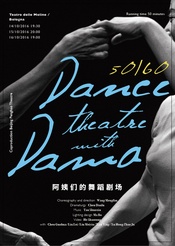
50/60——阿姨们的舞蹈剧场 [演出] 豆瓣
类型:
舞蹈剧场
六位“广场舞大妈”是这个舞蹈剧场的主角。她们出生于上个世纪五十、六十年代,是一代人,一个群体。她们是集体中的个人。剧场灯光亮起,阿姨们不再伴着“小苹果”起舞。
这是“群众”演员与“舞蹈剧场”的一次相遇——阿姨们在这里扮演自己,“舞蹈”她们的日常——她们的“在场”帮助创作者完成了这一命题,一段“舞的历史”也作为重要线索贯穿其中。
这是80、90后创作者与其父母一代对话的结果。
This story starts with a community called Dama, a community consists of millions of middle age Chinese women. They dance, everywhere in China, everyday. Their dance is known in China as Square Dancing - which is vastly different from its Western counterpart - a form of collective dancing activity that takes place in public squares, plazas or parks in the cities, days and nights.
Six Damas are the protagonists of this dance theatre. Born in the 50s and 60s of the last century, they belong to a generation that was marked by the idea and reality of collectivity that was heavily Socialist in nature. They have no professional dancing experience, but only a piece of glorious memory about dancing, back in the time of the Cultural Revolution (1966-76), when modernised folk dance was widely performed as the national propaganda program. This memory defines their understanding of “dance” and shapes their “dance” that is haunting the nation again today. The work “50/60” invites Dama to share and express their collective memory through dancing. It reveals how their bodies have been shaped by different aesthetics, ideologies and cultures, by meticulous constructions of self-identity during the last fifty years.
这是“群众”演员与“舞蹈剧场”的一次相遇——阿姨们在这里扮演自己,“舞蹈”她们的日常——她们的“在场”帮助创作者完成了这一命题,一段“舞的历史”也作为重要线索贯穿其中。
这是80、90后创作者与其父母一代对话的结果。
This story starts with a community called Dama, a community consists of millions of middle age Chinese women. They dance, everywhere in China, everyday. Their dance is known in China as Square Dancing - which is vastly different from its Western counterpart - a form of collective dancing activity that takes place in public squares, plazas or parks in the cities, days and nights.
Six Damas are the protagonists of this dance theatre. Born in the 50s and 60s of the last century, they belong to a generation that was marked by the idea and reality of collectivity that was heavily Socialist in nature. They have no professional dancing experience, but only a piece of glorious memory about dancing, back in the time of the Cultural Revolution (1966-76), when modernised folk dance was widely performed as the national propaganda program. This memory defines their understanding of “dance” and shapes their “dance” that is haunting the nation again today. The work “50/60” invites Dama to share and express their collective memory through dancing. It reveals how their bodies have been shaped by different aesthetics, ideologies and cultures, by meticulous constructions of self-identity during the last fifty years.
50/60——阿姨们的舞蹈剧场 第六届北京南锣鼓巷戏剧节版 [演出] 豆瓣
所属 演出: 50/60——阿姨们的舞蹈剧场
剧院:
蓬蒿剧场
导演:
王梦凡
六位“广场舞大妈”是这个舞蹈剧场的主角。她们出生于上个世纪五十、六十年代,是一代人,一个群体。她们是集体中的个人。剧场灯光亮起,阿姨们不再伴着“小苹果”起舞。
这是“群众”演员与“舞蹈剧场”的一次相遇——阿姨们在这里扮演自己,“舞蹈”她们的日常——她们的“在场”帮助创作者完成了这一命题,一段“舞的历史”也作为重要线索贯穿其中。
这是80、90后创作者与其父母一代对话的结果。
This story starts with a community called Dama, a community consists of millions of middle age Chinese women. They dance, everywhere in China, everyday. Their dance is known in China as Square Dancing - which is vastly different from its Western counterpart - a form of collective dancing activity that takes place in public squares, plazas or parks in the cities, days and nights.
Six Damas are the protagonists of this dance theatre. Born in the 50s and 60s of the last century, they belong to a generation that was marked by the idea and reality of collectivity that was heavily Socialist in nature. They have no professional dancing experience, but only a piece of glorious memory about dancing, back in the time of the Cultural Revolution (1966-76), when modernised folk dance was widely performed as the national propaganda program. This memory defines their understanding of “dance” and shapes their “dance” that is haunting the nation again today. The work “50/60” invites Dama to share and express their collective memory through dancing. It reveals how their bodies have been shaped by different aesthetics, ideologies and cultures, by meticulous constructions of self-identity during the last fifty years.
这是“群众”演员与“舞蹈剧场”的一次相遇——阿姨们在这里扮演自己,“舞蹈”她们的日常——她们的“在场”帮助创作者完成了这一命题,一段“舞的历史”也作为重要线索贯穿其中。
这是80、90后创作者与其父母一代对话的结果。
This story starts with a community called Dama, a community consists of millions of middle age Chinese women. They dance, everywhere in China, everyday. Their dance is known in China as Square Dancing - which is vastly different from its Western counterpart - a form of collective dancing activity that takes place in public squares, plazas or parks in the cities, days and nights.
Six Damas are the protagonists of this dance theatre. Born in the 50s and 60s of the last century, they belong to a generation that was marked by the idea and reality of collectivity that was heavily Socialist in nature. They have no professional dancing experience, but only a piece of glorious memory about dancing, back in the time of the Cultural Revolution (1966-76), when modernised folk dance was widely performed as the national propaganda program. This memory defines their understanding of “dance” and shapes their “dance” that is haunting the nation again today. The work “50/60” invites Dama to share and express their collective memory through dancing. It reveals how their bodies have been shaped by different aesthetics, ideologies and cultures, by meticulous constructions of self-identity during the last fifty years.
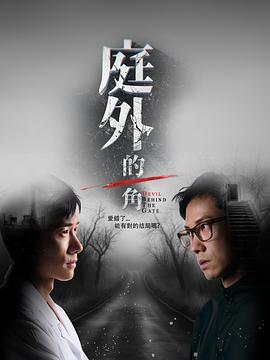
庭外的一角 (2025) [剧集] 豆瓣
导演:
胡凉财
/
黄光荣
…
演员:
陈泂江
/
周智慧
…
在一所艺术学校工作的教师袁英才(陈泂江饰)突然自杀。他的死在学校引起了轩然大波。他的前途一片光明。他为什么要自杀?
英才的孪生兄弟袁英杰(陈泂江饰)在国外生活了大半辈子,他回到新加坡处理英才的后事。他认为英才的死另有隐情,决定潜入艺术学校,揭开真相。他在调查中发现了几个嫌疑人,包括英才的新婚妻子和学生。秘密和恩怨浮出水面,所有人在与英才的关系中似乎都有所隐瞒。
随着更多潜在嫌疑人的现身和新信息的揭露,剧情愈加扑朔迷离。英杰很快发现了英才不为人知的一面- 扭曲、极端的一面,以及他死亡背后的惊人真相。
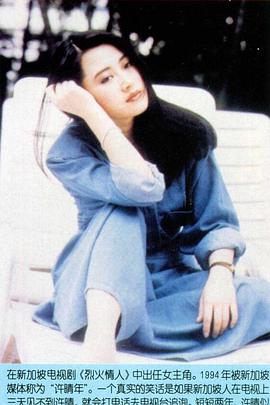
英才的孪生兄弟袁英杰(陈泂江饰)在国外生活了大半辈子,他回到新加坡处理英才的后事。他认为英才的死另有隐情,决定潜入艺术学校,揭开真相。他在调查中发现了几个嫌疑人,包括英才的新婚妻子和学生。秘密和恩怨浮出水面,所有人在与英才的关系中似乎都有所隐瞒。
随着更多潜在嫌疑人的现身和新信息的揭露,剧情愈加扑朔迷离。英杰很快发现了英才不为人知的一面- 扭曲、极端的一面,以及他死亡背后的惊人真相。