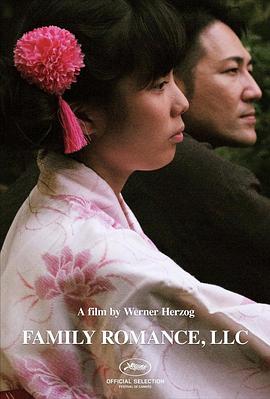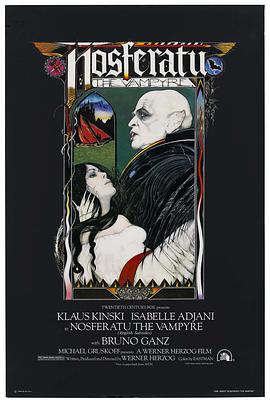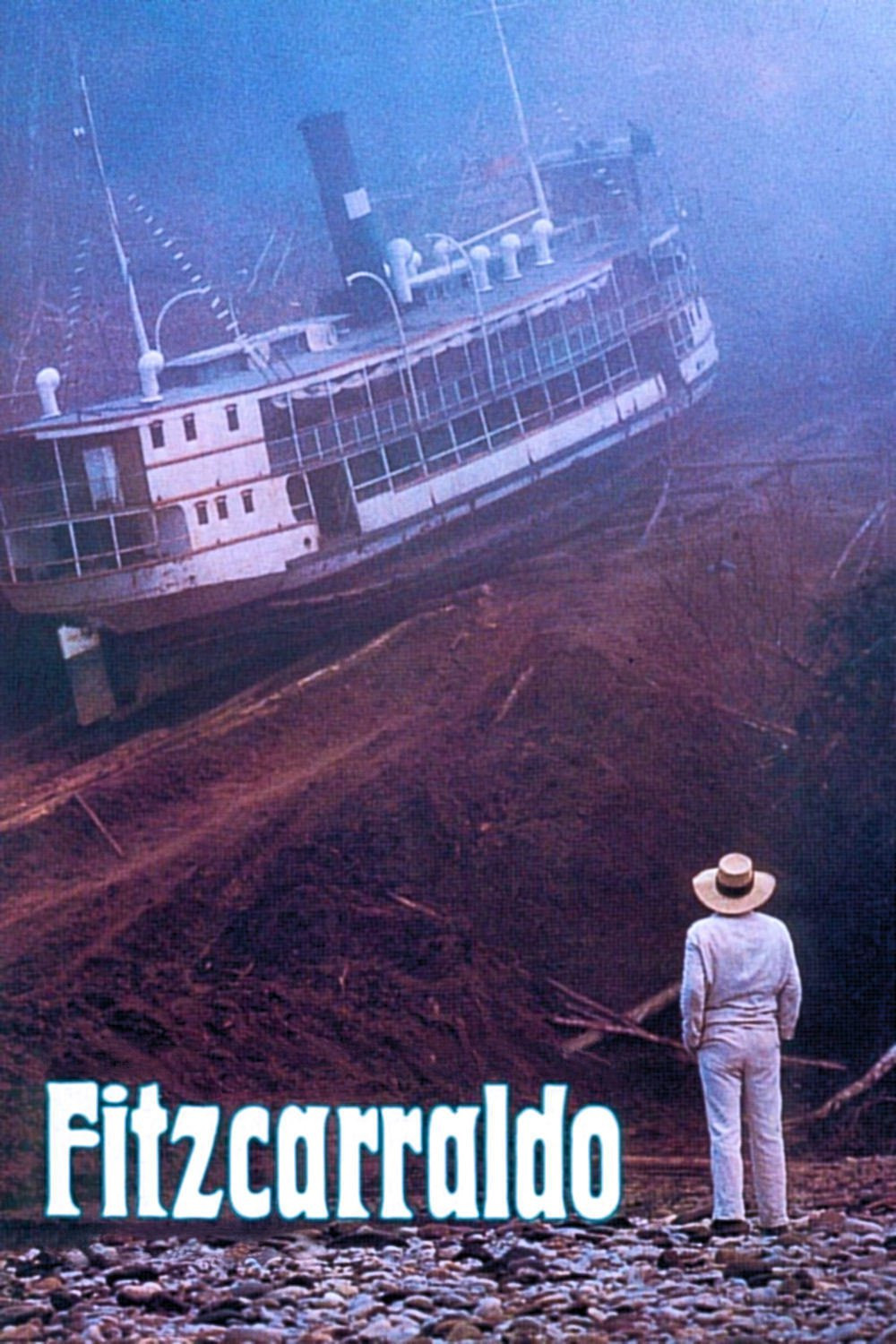
沃纳·赫尔佐格 — 导演 (81)
残疾人的未来 (1971) [电影] 豆瓣
Behinderte Zukunft
其它标题: Behinderte Zukunft / 残缺的未来
《残疾人的未来》是维尔纳·赫尔佐格(Werner Herzog)在1971年拍摄的一部关于慕尼黑残障儿童的纪录片。这部影片是应赫尔佐格应残疾朋友的要求而制作的,特别是为了提高人们对西德残疾人事业的认识
沙中的游戏 (1964) [电影] 豆瓣
Spiel im Sand
其它标题: Spiel im Sand / Game in the Sand
一部关于四个孩子和公鸡的短片。由于拍摄中出现意外状况导致“失控”,赫尔佐格本人雪藏了本片,从未将之公开。
将世界转变成音乐 (1996) [电影] 豆瓣
Die Verwandlung der Welt in Musik: Bayreuth vor der Premiere
导演: 沃纳·赫尔佐格 演员: Norbert Balatsch / 丹尼尔·巴伦博伊姆
其它标题: Die Verwandlung der Welt in Musik: Bayreuth vor der Premiere / The Transformation of the World Into Music: Bayreuth Before Premiere
赫尔佐格关于德国拜罗伊特节日剧院排演瓦格纳歌剧的纪录片。
维农少年 (2020) [电影] 豆瓣
Vernon God Little
导演: 沃纳·赫尔佐格 演员: 萨莎·皮特丝 / 帕米拉·安德森
其它标题: Vernon God Little
十五岁的维农有了麻烦,被控涉嫌杀害十六位高中同学。血案消息传出,媒体蜂拥而至,不久,马提里欧这个穷乡僻壤的小镇,涌进大批记者,每一个都想藉此机会进CNN,好扬名立万;还栽赃其它莫须有的罪到维农头上。尤其是维农妈妈的情人--尤拉利欧马嗅出剥削利用维农的好机会,而当媒体的网愈拉愈紧,维农发现自己被扯进一连串愈来愈怪异的状况。好不容易,他将迷幻药溶进人参液里灭迹,还用不正当的手段从老头达屈曼先生那里弄到必需的跑路费,之后便随着命运的摆布前往墨西哥,并与心目中的女神黛勒来一场约会──至少他认为如此。
荷索玩轉腦劇場 (2022) [电影] 豆瓣 TMDB 维基数据 IMDb
Theatre of Thought
导演: Werner Herzog
其它标题: Theatre of Thought / 생각의 극장
Werner Herzog sets his sights on yet another mysterious landscape — the human brain — for clues as to why a hunk of tissue can produce profound thoughts and feelings while considering the philosophical, ethical, and social implications of fast-advancing neural technology.
心火:写给火山夫妇的安魂曲 (2022) [电影] 豆瓣 维基数据 IMDb TMDB
The Fire Within: A Requiem for Katia and Maurice Krafft
8.6 (91 个评分) 导演: 沃纳·赫尔佐格 演员: 沃纳·赫尔佐格
其它标题: The Fire Within: A Requiem for Katia and Maurice Krafft / 獻給火山戀人的安魂曲
讲述了法国著名“火山夫妇”卡蒂亚和莫里斯的故事。卡蒂亚和莫里斯是火山学家,两人自幼爱上了火山,相同的志向与爱好让他们走到了一起。他们的一生致力于活火山研究,足迹遍及世界上所有的火山。1991年,两人登上了日本的云仙岳火山,葬身于突然爆发的火山之中。卡蒂亚和莫里斯留下了大量的录像档案,在抢救下来的影像资料中,可以看到即使在生命的最后一刻,他们还在做记录,播报着火山的喷发。
罗恩格林 [演出] 豆瓣
Lohengrin
类型: Opera 编剧: Richard Wagner
其它标题: Lohengrin 导演: August Everding / Werner Herzog 演员: Peter Hofmann / Éva Marton / Leif Roar / Leonie Rysanek / John Macurdy
Place: Antwerp, on the Scheldt
Time: 10th century
Summary
The people of the Duchy of Brabant are divided by quarrels and political infighting; also, a devious hostile power left over from the region's pagan past is seeking to subvert the prevailing monotheistic government and to return the Duchy to pagan rule. A mysterious knight, sent by God and possessing superhuman charisma and fighting ability, arrives to unite and strengthen the people, and to defend the innocent noble woman Elsa from a false accusation of murder, but he imposes a condition: the people must follow him without knowing his identity. Elsa in particular must never ask his name, or his heritage, or his origin. The conspirators attempt to undermine her faith in her rescuer, to create doubt among the people, and to force him to leave.
Act 1
King Henry the Fowler has arrived in Brabant, where he has assembled the German tribes in order to expel the marauding Hungarians from his dominions. He also needs to settle a dispute involving the disappearance of the child-Duke Gottfried of Brabant. The Duke's guardian, Count Friedrich von Telramund, has accused the Duke's older sister, Elsa, of murdering her brother in order to become Duchess of Brabant. Telramund calls upon the King to punish Elsa and to make him the new Duke of Brabant.
The King calls for Elsa to answer Telramund's accusation. Elsa does not answer the King's inquiries, only lamenting her brother's fate. The King declares that he cannot resolve the matter and will leave it to God's judgment through ordeal by combat. Telramund, a strong and seasoned warrior, agrees enthusiastically. When the King asks Elsa who shall be her champion, Elsa describes a knight she has beheld in her dreams (Narrative: "Alone in dark days").
Twice the Herald calls for a champion to step forward, but gets no response. Elsa kneels and prays that God may send her champion to her. A boat drawn by a swan appears on the river and in it stands a knight in shining armour. He disembarks, dismisses the swan, respectfully greets the king, and asks Elsa if she will have him as her champion and marry him. Elsa kneels in front of him and places her honour in his keeping. He asks only one thing in return for his service: Elsa must never ask him his name or where he has come from. Elsa agrees to this.
Telramund's supporters advise him to withdraw because he cannot prevail against the Knight's powers, but he proudly refuses. The chorus prays to God ("Herr und Gott") for victory for the one whose cause is just. Ortrud, Telramund's wife, does not join the prayer, but privately expresses confidence that Telramund will win. The combat commences. The unknown Knight defeats Telramund but spares his life. Taking Elsa by the hand, he declares her innocent. The crowd exits, cheering and celebrating.
Act 2
Night in the courtyard outside the cathedral
Telramund and Ortrud, banished from court, listen unhappily to the distant party-music. Ortrud reveals that she is a pagan witch (daughter of Radbod Duke of Frisia), and tries to revive Telramund's courage, assuring him that her people (and he) are destined to rule the kingdom again. She plots to induce Elsa to violate the mysterious knight's only condition.
When Elsa appears on the balcony before dawn, she hears Ortrud lamenting and pities her. As Elsa descends to open the castle door, Ortrud prays to her pagan gods, Wodan and Freia, for malice, guile, and cunning, in order to deceive Elsa and restore pagan rule to the region. Ortrud warns Elsa that since she knows nothing about her rescuer, he could leave at any time as suddenly as he came, but Elsa is sure of the Knight's virtues. The two women go into the castle. Left alone outside, Telramund vows to bring about the Knight's downfall.
The sun rises and the people assemble. The Herald announces that Telramund is now banished, and that anyone who follows Telramund shall be considered an outlaw by the law of the land. In addition, he announces that the King has offered to make the unnamed knight the Duke of Brabant; however, the Knight has declined the title, and prefers to be known only as "Protector of Brabant".[11] The Herald further announces that the Knight will lead the people to glorious new conquests, and will celebrate the marriage of himself and Elsa. In the back of the crowd, four noblemen quietly express misgivings to each other because the Knight has rescinded their privileges and is calling them to arms. Telramund secretly draws the four noblemen aside and assures them that he will regain his position and stop the Knight, by accusing him of sorcery.
As Elsa and her attendants are about to enter the church, Ortrud rushes to the front of the procession and challenges Elsa to explain who the Knight is and why anyone should follow him. Their conversation is interrupted by the entrance of the King with the Knight. Elsa tells both of them that Ortrud was interrupting the ceremony. The King tells Ortrud to step aside, then leads Elsa and the Knight toward the church. Just as they are about to enter the church, Telramund enters. He claims that his defeat in combat was invalid because the Knight did not give his name (trial by combat traditionally being open only to established citizens), then accuses the Knight of sorcery. He demands that the Knight must reveal his name; otherwise the King should rule the trial by combat invalid. The Knight refuses to reveal his identity and claims that only one person in the world has the right to make him do so: his beloved Elsa, and she has pledged not to exercise that right. Elsa, though visibly shaken and uncertain, assures him of her confidence. King Henry refuses Telramund's questions, and the nobles of Brabant and Saxony praise and honor the Knight. Elsa falls back into the crowd where Ortrud and Telramund try to intimidate her, but the Knight forces them both to leave the ceremony, and consoles Elsa. Elsa takes one last look at the banished Ortrud, then enters the church with the wedding procession.
Act 3
Scene 1: The bridal chamber
Elsa and her new husband are ushered in with the well-known bridal chorus, and they express their love for each other. Ortrud's words, however, have made an impression on Elsa; she laments that her name sounds so sweet on her husband's lips but she cannot utter his name. She asks him to tell her his name when no one else is around, but at all instances he refuses. Finally, despite his warnings, she asks the Knight the fatal questions. Before the Knight can answer, Telramund and his four recruits rush into the room in order to attack him. The Knight defeats and kills Telramund. Then, he sorrowfully turns to Elsa and asks her to follow him to the King, to whom he will now reveal his secrets.
Scene 2: On the banks of the Scheldt (as in Act 1)
The troops arrive equipped for war. Telramund's corpse is brought in. Elsa comes forward, then the Knight. He tells the King that Elsa has broken her promise, and discloses his identity ("In fernem Land") by recounting the story of the Holy Grail and of Monsalvat. He reveals himself as Lohengrin, Knight of the Grail and son of King Parsifal, sent to protect an unjustly accused woman. The laws of the Holy Grail say that Knights of the Grail must remain anonymous. If their identity is revealed. they must return home.
As Lohengrin sadly bids farewell to Elsa, the swan-boat reappears. Lohengrin tells Elsa that if she had kept her promise, she could have recovered her lost brother, and gives her his sword, horn and ring, for he is to become the future leader of Brabant. As Lohengrin tries to get in the boat, Ortrud appears. She tells Elsa that the swan is actually Gottfried, Elsa's brother, whom she cursed to become a swan. The people consider Ortrud guilty of witchcraft. Lohengrin prays and the swan turns back into young Gottfried. Lohengrin declares him the Duke of Brabant. Ortrud sinks as she sees her plans thwarted.
A dove descends from heaven and, taking the place of the swan at the head of the boat, leads Lohengrin to the castle of the Holy Grail. Elsa is stricken with grief and falls to the ground dead.
罗恩格林 1990年拜罗伊特音乐节版 [演出] 豆瓣
所属 演出: 罗恩格林
语言: 德语 german 剧团: Bayreuther Festspielorchester 拜罗伊特音乐节管弦乐团 ; Bayreuther Festspielchor 拜罗伊特音乐节合唱团 剧院: Bayreuther Festspielhaus 拜罗伊特音乐节剧院 导演: Werner Herzog
其它标题: 1990年拜罗伊特音乐节版 编剧: Richard Wagner 作曲: Richard Wagner 演员: Paul Frey / Cheryl Studer
Place: Antwerp, on the Scheldt
Time: 10th century
Summary
The people of the Duchy of Brabant are divided by quarrels and political infighting; also, a devious hostile power left over from the region's pagan past is seeking to subvert the prevailing monotheistic government and to return the Duchy to pagan rule. A mysterious knight, sent by God and possessing superhuman charisma and fighting ability, arrives to unite and strengthen the people, and to defend the innocent noble woman Elsa from a false accusation of murder, but he imposes a condition: the people must follow him without knowing his identity. Elsa in particular must never ask his name, or his heritage, or his origin. The conspirators attempt to undermine her faith in her rescuer, to create doubt among the people, and to force him to leave.
Act 1
King Henry the Fowler has arrived in Brabant, where he has assembled the German tribes in order to expel the marauding Hungarians from his dominions. He also needs to settle a dispute involving the disappearance of the child-Duke Gottfried of Brabant. The Duke's guardian, Count Friedrich von Telramund, has accused the Duke's older sister, Elsa, of murdering her brother in order to become Duchess of Brabant. Telramund calls upon the King to punish Elsa and to make him the new Duke of Brabant.
The King calls for Elsa to answer Telramund's accusation. Elsa does not answer the King's inquiries, only lamenting her brother's fate. The King declares that he cannot resolve the matter and will leave it to God's judgment through ordeal by combat. Telramund, a strong and seasoned warrior, agrees enthusiastically. When the King asks Elsa who shall be her champion, Elsa describes a knight she has beheld in her dreams (Narrative: "Alone in dark days").
Twice the Herald calls for a champion to step forward, but gets no response. Elsa kneels and prays that God may send her champion to her. A boat drawn by a swan appears on the river and in it stands a knight in shining armour. He disembarks, dismisses the swan, respectfully greets the king, and asks Elsa if she will have him as her champion and marry him. Elsa kneels in front of him and places her honour in his keeping. He asks only one thing in return for his service: Elsa must never ask him his name or where he has come from. Elsa agrees to this.
Telramund's supporters advise him to withdraw because he cannot prevail against the Knight's powers, but he proudly refuses. The chorus prays to God ("Herr und Gott") for victory for the one whose cause is just. Ortrud, Telramund's wife, does not join the prayer, but privately expresses confidence that Telramund will win. The combat commences. The unknown Knight defeats Telramund but spares his life. Taking Elsa by the hand, he declares her innocent. The crowd exits, cheering and celebrating.
Act 2
Night in the courtyard outside the cathedral
Telramund and Ortrud, banished from court, listen unhappily to the distant party-music. Ortrud reveals that she is a pagan witch (daughter of Radbod Duke of Frisia), and tries to revive Telramund's courage, assuring him that her people (and he) are destined to rule the kingdom again. She plots to induce Elsa to violate the mysterious knight's only condition.
When Elsa appears on the balcony before dawn, she hears Ortrud lamenting and pities her. As Elsa descends to open the castle door, Ortrud prays to her pagan gods, Wodan and Freia, for malice, guile, and cunning, in order to deceive Elsa and restore pagan rule to the region. Ortrud warns Elsa that since she knows nothing about her rescuer, he could leave at any time as suddenly as he came, but Elsa is sure of the Knight's virtues. The two women go into the castle. Left alone outside, Telramund vows to bring about the Knight's downfall.
The sun rises and the people assemble. The Herald announces that Telramund is now banished, and that anyone who follows Telramund shall be considered an outlaw by the law of the land. In addition, he announces that the King has offered to make the unnamed knight the Duke of Brabant; however, the Knight has declined the title, and prefers to be known only as "Protector of Brabant".[11] The Herald further announces that the Knight will lead the people to glorious new conquests, and will celebrate the marriage of himself and Elsa. In the back of the crowd, four noblemen quietly express misgivings to each other because the Knight has rescinded their privileges and is calling them to arms. Telramund secretly draws the four noblemen aside and assures them that he will regain his position and stop the Knight, by accusing him of sorcery.
As Elsa and her attendants are about to enter the church, Ortrud rushes to the front of the procession and challenges Elsa to explain who the Knight is and why anyone should follow him. Their conversation is interrupted by the entrance of the King with the Knight. Elsa tells both of them that Ortrud was interrupting the ceremony. The King tells Ortrud to step aside, then leads Elsa and the Knight toward the church. Just as they are about to enter the church, Telramund enters. He claims that his defeat in combat was invalid because the Knight did not give his name (trial by combat traditionally being open only to established citizens), then accuses the Knight of sorcery. He demands that the Knight must reveal his name; otherwise the King should rule the trial by combat invalid. The Knight refuses to reveal his identity and claims that only one person in the world has the right to make him do so: his beloved Elsa, and she has pledged not to exercise that right. Elsa, though visibly shaken and uncertain, assures him of her confidence. King Henry refuses Telramund's questions, and the nobles of Brabant and Saxony praise and honor the Knight. Elsa falls back into the crowd where Ortrud and Telramund try to intimidate her, but the Knight forces them both to leave the ceremony, and consoles Elsa. Elsa takes one last look at the banished Ortrud, then enters the church with the wedding procession.
Act 3
Scene 1: The bridal chamber
Elsa and her new husband are ushered in with the well-known bridal chorus, and they express their love for each other. Ortrud's words, however, have made an impression on Elsa; she laments that her name sounds so sweet on her husband's lips but she cannot utter his name. She asks him to tell her his name when no one else is around, but at all instances he refuses. Finally, despite his warnings, she asks the Knight the fatal questions. Before the Knight can answer, Telramund and his four recruits rush into the room in order to attack him. The Knight defeats and kills Telramund. Then, he sorrowfully turns to Elsa and asks her to follow him to the King, to whom he will now reveal his secrets.
Scene 2: On the banks of the Scheldt (as in Act 1)
The troops arrive equipped for war. Telramund's corpse is brought in. Elsa comes forward, then the Knight. He tells the King that Elsa has broken her promise, and discloses his identity ("In fernem Land") by recounting the story of the Holy Grail and of Monsalvat. He reveals himself as Lohengrin, Knight of the Grail and son of King Parsifal, sent to protect an unjustly accused woman. The laws of the Holy Grail say that Knights of the Grail must remain anonymous. If their identity is revealed. they must return home.
As Lohengrin sadly bids farewell to Elsa, the swan-boat reappears. Lohengrin tells Elsa that if she had kept her promise, she could have recovered her lost brother, and gives her his sword, horn and ring, for he is to become the future leader of Brabant. As Lohengrin tries to get in the boat, Ortrud appears. She tells Elsa that the swan is actually Gottfried, Elsa's brother, whom she cursed to become a swan. The people consider Ortrud guilty of witchcraft. Lohengrin prays and the swan turns back into young Gottfried. Lohengrin declares him the Duke of Brabant. Ortrud sinks as she sees her plans thwarted.
A dove descends from heaven and, taking the place of the swan at the head of the boat, leads Lohengrin to the castle of the Holy Grail. Elsa is stricken with grief and falls to the ground dead.
死人开关 (2026) [电影] 豆瓣
Dead Man's Switch
其它标题: Dead Man's Switch / Dead Man's Wire
故事发生在1977年2月8日,围绕一名44岁的前房地产开发商Tony Kiritsis展开。他用枪劫持了贷款公司总裁Richard O. Hall,并在其身上绑了一个“死亡开关”,以此胁迫这位总裁在几近零度的天气里当着警察和记者的面穿过市中心的街道。
菲德利奥 [演出] 豆瓣
Fidelio
类型: Opera 编剧: Joseph Sonnleithner / Stephan von Breuning
其它标题: Fidelio / 费德里奥 导演: 未知 / David Bobée 演员: Anna Milder / Julius Radichi / Carl Weinmüller / Johann Michael Vogl / Anna Bondra
Two years prior to the opening scene, the Spanish nobleman Florestan has exposed or attempted to expose certain crimes of a rival nobleman, Pizarro. In revenge, Pizarro has secretly imprisoned Florestan in the prison over which he is governor. Simultaneously, Pizarro has spread false rumors about Florestan's death.
The warden of the prison, Rocco, has a daughter, Marzelline, and an assistant, Jaquino, who is in love with Marzelline. The faithful wife of Florestan, Leonore, suspects that her husband is still alive. Disguised as a boy, under the alias "Fidelio", she gains employment working for Rocco. As the boy Fidelio, she earns the favor of her employer, Rocco, and also the affections of his daughter Marzelline, much to Jaquino's chagrin.
On orders, Rocco has been giving the imprisoned Florestan diminishing rations until he is nearly starved to death.
Place: A Spanish state prison, a few miles from Seville
Time: Late 18th century
Act 1
Jaquino and Marzelline are alone in Rocco's house. Jaquino asks Marzelline when she will agree to marry him, but she says that she will never marry him now that she has fallen in love with Fidelio, unaware that Fidelio is actually Leonore in disguise (Jetzt, Schätzchen, jetzt sind wir allein—"Now, darling, now we are alone"). Jaquino leaves, and Marzelline expresses her desire to become Fidelio's wife (O wär ich schon mit dir vereint—"If only I were already united with thee"). Rocco enters, looking for Fidelio, who then enters carrying a heavy load of newly-repaired chains. Rocco compliments Fidelio, and misinterprets her modest reply as hidden attraction to his daughter. Marzelline, Fidelio, Rocco, and Jaquino sing a quartet about the love Marzelline has for Fidelio (Mir ist so wunderbar—"A wondrous feeling fills me", also known as the Canon Quartet).
Rocco tells Fidelio that as soon as the governor has left for Seville, Marzelline and Fidelio can be married. He tells them, however, that unless they have money, they will not be happy. (Hat man nicht auch Gold beineben—"If you don't have any money"). Fidelio demands to know why Rocco will not allow for help in the dungeons, especially as he always seems to return short of breath. Rocco says that there is a dungeon down there where he can never take Fidelio, which houses a man who has been wasting away for two years. Marzelline begs her father to keep Leonore away from such a terrible sight, but Leonore claims courage sufficient to cope with it. Rocco and Leonore sing of courage (Gut, Söhnchen, gut—"All right, sonny, all right"), and Marzelline joins in their acclamations.
All but Rocco leave. A march is played as Pizarro enters with his guards. Rocco warns Pizarro that the minister plans a surprise visit tomorrow to investigate accusations of Pizarro's cruelty. Pizarro exclaims that he cannot let the minister discover the imprisoned Florestan, who has been thought dead. Instead, Pizarro will have Florestan murdered (Ha, welch ein Augenblick—"Hah! What a moment!"). As a signal, Pizarro orders that a trumpet be sounded at the minister's arrival. He offers Rocco money to kill Florestan, but Rocco refuses (Jetzt, Alter, jetzt hat es Eile!—"Now, old man, we must hurry!"). Pizarro says he will kill Florestan himself instead, and orders Rocco to dig a grave for him in the floor of the dungeon. Once the grave is ready, Rocco is to sound the alarm, upon which Pizarro will come into the dungeon and kill Florestan. Fidelio, hearing Pizarro's plot, is agitated, but hopes to rescue Florestan (Abscheulicher! Wo eilst du hin? and Komm, Hoffnung, lass den letzten Stern—"Monster! Where are you off to so fast?" and "Come, hope, let the last star").
Jaquino once again begs Marzelline to marry him, but she continues to refuse. Fidelio, hoping to discover Florestan, asks Rocco to let the poor prisoners roam in the garden and enjoy the beautiful weather. Marzelline similarly begs him, and Rocco agrees to distract Pizarro while the prisoners are set free. The prisoners, ecstatic at their temporary freedom, sing joyfully (O welche Lust—"O what a joy"), but remembering that they might be caught by the prison's governor Pizarro, are soon quiet.
After meeting with Pizarro, Rocco reenters and tells Fidelio that Pizarro will allow the marriage, and Fidelio will also be permitted to join Rocco on his rounds in the dungeon (Nun sprecht, wie ging's?—"Speak, how did it go?"). Rocco and Fidelio prepare to go to Florestan's cell, with the knowledge that he must be killed and buried within the hour. Fidelio is shaken; Rocco tries to discourage Fidelio from coming, but Fidelio insists. As they prepare to leave, Jaquino and Marzelline rush in and tell Rocco to run, as Pizarro has learned that the prisoners were allowed to roam, and is furious (Ach, Vater, Vater, eilt!—"O, father, father, hurry!").
Before they can leave, Pizarro enters and demands an explanation. Rocco, thinking quickly, answers that the prisoners were given a little freedom in honor of the Spanish king's name day, and quietly suggests that Pizarro should save his anger for the prisoner in the dungeon below. Pizarro tells him to hurry and dig the grave, and then announces that the prisoners will be locked up again. Rocco, Leonore, Jacquino, and Marzelline reluctantly usher the prisoners back to their cells. (Leb wohl, du warmes Sonnenlicht—"Farewell, you warm sunshine").
Act 2
Florestan is alone in his cell, deep inside the dungeons. He sings first of his trust in God, and then has a vision of his wife Leonore coming to save him (Gott! Welch Dunkel hier!—"God! What darkness here" and In des Lebens Frühlingstagen—"In the spring days of life"). Florestan collapses and falls asleep, while Rocco and Fidelio come to dig his grave. As they dig, Rocco urges Fidelio to hurry (Wie kalt ist es in diesem unterirdischen Gewölbe!—"How cold it is in this underground chamber" and Nur hurtig fort, nur frisch gegraben—"Come get to work and dig", the "Gravedigging Duet").
Florestan awakes and Fidelio recognizes him. When Florestan learns that the prison he is in belongs to Pizarro, he asks that a message be sent to his wife, Leonore, but Rocco says that it is impossible. Florestan begs for a drop to drink, and Rocco tells Fidelio to give him one. Florestan does not recognize Fidelio, his wife Leonore in disguise, but tells Fidelio that there will be reward for the good deed in Heaven (Euch werde Lohn in bessern Welten—"You shall be rewarded in better worlds"). Fidelio further begs Rocco to be allowed to give Florestan a crust of bread, and Rocco consents.
Rocco obeys his orders and sounds the alarm for Pizarro, who appears and asks if all is ready. Rocco says that it is, and instructs Fidelio to leave the dungeon, but Fidelio hides instead. Pizarro reveals his identity to Florestan, who accuses him of murder (Er sterbe! Doch er soll erst wissen—"Let him die! But first he should know"). As Pizarro brandishes a dagger, Fidelio leaps between him and Florestan and reveals her identity as Leonore, the wife of Florestan. Pizarro raises his dagger to kill her, but she pulls a gun and threatens to shoot him.
Just then, the trumpet is heard, announcing the arrival of the minister. Jaquino enters, followed by soldiers, to announce that the minister is waiting at the gate. Rocco tells the soldiers to escort Governor Pizarro upstairs. Florestan and Leonore sing to their victory as Pizarro declares that he will have revenge, while Rocco expresses his fear of what is to come (Es schlägt der Rache Stunde—"Revenge's bell tolls"). Together, Florestan and Leonore sing a love duet (O namenlose Freude!—"O unnamed joy!").
Here, the overture "Leonore No. 3" is sometimes played.
The prisoners and townsfolk sing to the day and hour of justice which has come (Heil sei dem Tag!—"Hail to the day!"). The minister, Don Fernando, announces that tyranny has ended. Rocco enters, with Leonore and Florestan, and he asks Don Fernando to help them (Wohlan, so helfet! Helft den Armen!—"So help! Help the poor ones!"). Rocco explains how Leonore disguised herself as Fidelio to save her husband. Previously in love with Fidelio, Marzelline is shocked. Rocco describes Pizarro's murder plot, and Pizarro is led away to prison. Florestan is released from his chains by Leonore, and the crowd sings the praises of Leonore, the loyal savior of her husband (Wer ein holdes Weib errungen—"Who has got a good wife").
菲德利奥 1999年斯卡拉剧院版 [演出] 豆瓣
所属 演出: 菲德利奥
语言: german 德语 剧团: Orchestra del Teatro alla Scala 斯卡拉剧院管弦乐团 ; Coro del Teatro alla Scala 斯卡拉剧院合唱团 剧院: Teatro alla Scala 斯卡拉剧院 导演: Werner Herzog
其它标题: 1999年斯卡拉剧院版 编剧: Joseph Sonnleithner / Stephan von Breuning 作曲: Ludwig van Beethoven 演员: Waltraud Meier / Thomas Moser
Two years prior to the opening scene, the Spanish nobleman Florestan has exposed or attempted to expose certain crimes of a rival nobleman, Pizarro. In revenge, Pizarro has secretly imprisoned Florestan in the prison over which he is governor. Simultaneously, Pizarro has spread false rumors about Florestan's death.
The warden of the prison, Rocco, has a daughter, Marzelline, and an assistant, Jaquino, who is in love with Marzelline. The faithful wife of Florestan, Leonore, suspects that her husband is still alive. Disguised as a boy, under the alias "Fidelio", she gains employment working for Rocco. As the boy Fidelio, she earns the favor of her employer, Rocco, and also the affections of his daughter Marzelline, much to Jaquino's chagrin.
On orders, Rocco has been giving the imprisoned Florestan diminishing rations until he is nearly starved to death.
Place: A Spanish state prison, a few miles from Seville
Time: Late 18th century
Act 1
Jaquino and Marzelline are alone in Rocco's house. Jaquino asks Marzelline when she will agree to marry him, but she says that she will never marry him now that she has fallen in love with Fidelio, unaware that Fidelio is actually Leonore in disguise (Jetzt, Schätzchen, jetzt sind wir allein—"Now, darling, now we are alone"). Jaquino leaves, and Marzelline expresses her desire to become Fidelio's wife (O wär ich schon mit dir vereint—"If only I were already united with thee"). Rocco enters, looking for Fidelio, who then enters carrying a heavy load of newly-repaired chains. Rocco compliments Fidelio, and misinterprets her modest reply as hidden attraction to his daughter. Marzelline, Fidelio, Rocco, and Jaquino sing a quartet about the love Marzelline has for Fidelio (Mir ist so wunderbar—"A wondrous feeling fills me", also known as the Canon Quartet).
Rocco tells Fidelio that as soon as the governor has left for Seville, Marzelline and Fidelio can be married. He tells them, however, that unless they have money, they will not be happy. (Hat man nicht auch Gold beineben—"If you don't have any money"). Fidelio demands to know why Rocco will not allow for help in the dungeons, especially as he always seems to return short of breath. Rocco says that there is a dungeon down there where he can never take Fidelio, which houses a man who has been wasting away for two years. Marzelline begs her father to keep Leonore away from such a terrible sight, but Leonore claims courage sufficient to cope with it. Rocco and Leonore sing of courage (Gut, Söhnchen, gut—"All right, sonny, all right"), and Marzelline joins in their acclamations.
All but Rocco leave. A march is played as Pizarro enters with his guards. Rocco warns Pizarro that the minister plans a surprise visit tomorrow to investigate accusations of Pizarro's cruelty. Pizarro exclaims that he cannot let the minister discover the imprisoned Florestan, who has been thought dead. Instead, Pizarro will have Florestan murdered (Ha, welch ein Augenblick—"Hah! What a moment!"). As a signal, Pizarro orders that a trumpet be sounded at the minister's arrival. He offers Rocco money to kill Florestan, but Rocco refuses (Jetzt, Alter, jetzt hat es Eile!—"Now, old man, we must hurry!"). Pizarro says he will kill Florestan himself instead, and orders Rocco to dig a grave for him in the floor of the dungeon. Once the grave is ready, Rocco is to sound the alarm, upon which Pizarro will come into the dungeon and kill Florestan. Fidelio, hearing Pizarro's plot, is agitated, but hopes to rescue Florestan (Abscheulicher! Wo eilst du hin? and Komm, Hoffnung, lass den letzten Stern—"Monster! Where are you off to so fast?" and "Come, hope, let the last star").
Jaquino once again begs Marzelline to marry him, but she continues to refuse. Fidelio, hoping to discover Florestan, asks Rocco to let the poor prisoners roam in the garden and enjoy the beautiful weather. Marzelline similarly begs him, and Rocco agrees to distract Pizarro while the prisoners are set free. The prisoners, ecstatic at their temporary freedom, sing joyfully (O welche Lust—"O what a joy"), but remembering that they might be caught by the prison's governor Pizarro, are soon quiet.
After meeting with Pizarro, Rocco reenters and tells Fidelio that Pizarro will allow the marriage, and Fidelio will also be permitted to join Rocco on his rounds in the dungeon (Nun sprecht, wie ging's?—"Speak, how did it go?"). Rocco and Fidelio prepare to go to Florestan's cell, with the knowledge that he must be killed and buried within the hour. Fidelio is shaken; Rocco tries to discourage Fidelio from coming, but Fidelio insists. As they prepare to leave, Jaquino and Marzelline rush in and tell Rocco to run, as Pizarro has learned that the prisoners were allowed to roam, and is furious (Ach, Vater, Vater, eilt!—"O, father, father, hurry!").
Before they can leave, Pizarro enters and demands an explanation. Rocco, thinking quickly, answers that the prisoners were given a little freedom in honor of the Spanish king's name day, and quietly suggests that Pizarro should save his anger for the prisoner in the dungeon below. Pizarro tells him to hurry and dig the grave, and then announces that the prisoners will be locked up again. Rocco, Leonore, Jacquino, and Marzelline reluctantly usher the prisoners back to their cells. (Leb wohl, du warmes Sonnenlicht—"Farewell, you warm sunshine").
Act 2
Florestan is alone in his cell, deep inside the dungeons. He sings first of his trust in God, and then has a vision of his wife Leonore coming to save him (Gott! Welch Dunkel hier!—"God! What darkness here" and In des Lebens Frühlingstagen—"In the spring days of life"). Florestan collapses and falls asleep, while Rocco and Fidelio come to dig his grave. As they dig, Rocco urges Fidelio to hurry (Wie kalt ist es in diesem unterirdischen Gewölbe!—"How cold it is in this underground chamber" and Nur hurtig fort, nur frisch gegraben—"Come get to work and dig", the "Gravedigging Duet").
Florestan awakes and Fidelio recognizes him. When Florestan learns that the prison he is in belongs to Pizarro, he asks that a message be sent to his wife, Leonore, but Rocco says that it is impossible. Florestan begs for a drop to drink, and Rocco tells Fidelio to give him one. Florestan does not recognize Fidelio, his wife Leonore in disguise, but tells Fidelio that there will be reward for the good deed in Heaven (Euch werde Lohn in bessern Welten—"You shall be rewarded in better worlds"). Fidelio further begs Rocco to be allowed to give Florestan a crust of bread, and Rocco consents.
Rocco obeys his orders and sounds the alarm for Pizarro, who appears and asks if all is ready. Rocco says that it is, and instructs Fidelio to leave the dungeon, but Fidelio hides instead. Pizarro reveals his identity to Florestan, who accuses him of murder (Er sterbe! Doch er soll erst wissen—"Let him die! But first he should know"). As Pizarro brandishes a dagger, Fidelio leaps between him and Florestan and reveals her identity as Leonore, the wife of Florestan. Pizarro raises his dagger to kill her, but she pulls a gun and threatens to shoot him.
Just then, the trumpet is heard, announcing the arrival of the minister. Jaquino enters, followed by soldiers, to announce that the minister is waiting at the gate. Rocco tells the soldiers to escort Governor Pizarro upstairs. Florestan and Leonore sing to their victory as Pizarro declares that he will have revenge, while Rocco expresses his fear of what is to come (Es schlägt der Rache Stunde—"Revenge's bell tolls"). Together, Florestan and Leonore sing a love duet (O namenlose Freude!—"O unnamed joy!").
Here, the overture "Leonore No. 3" is sometimes played.
The prisoners and townsfolk sing to the day and hour of justice which has come (Heil sei dem Tag!—"Hail to the day!"). The minister, Don Fernando, announces that tyranny has ended. Rocco enters, with Leonore and Florestan, and he asks Don Fernando to help them (Wohlan, so helfet! Helft den Armen!—"So help! Help the poor ones!"). Rocco explains how Leonore disguised herself as Fidelio to save her husband. Previously in love with Fidelio, Marzelline is shocked. Rocco describes Pizarro's murder plot, and Pizarro is led away to prison. Florestan is released from his chains by Leonore, and the crowd sings the praises of Leonore, the loyal savior of her husband (Wer ein holdes Weib errungen—"Who has got a good wife").
菲德利奥 2003年斯卡拉剧院版 [演出] 豆瓣
所属 演出: 菲德利奥
语言: german 德语 剧团: Orchestra del Teatro alla Scala 斯卡拉剧院管弦乐团 ; Coro del Teatro alla Scala 斯卡拉剧院合唱团 剧院: Teatro degli Arcimboldi 阿钦博尔迪剧院 导演: Werner Herzog
其它标题: 2003年斯卡拉剧院版 编剧: Joseph Sonnleithner / Stephan von Breuning 作曲: Ludwig van Beethoven 演员: Waltraud Meier / Robert Dean Smith
Two years prior to the opening scene, the Spanish nobleman Florestan has exposed or attempted to expose certain crimes of a rival nobleman, Pizarro. In revenge, Pizarro has secretly imprisoned Florestan in the prison over which he is governor. Simultaneously, Pizarro has spread false rumors about Florestan's death.
The warden of the prison, Rocco, has a daughter, Marzelline, and an assistant, Jaquino, who is in love with Marzelline. The faithful wife of Florestan, Leonore, suspects that her husband is still alive. Disguised as a boy, under the alias "Fidelio", she gains employment working for Rocco. As the boy Fidelio, she earns the favor of her employer, Rocco, and also the affections of his daughter Marzelline, much to Jaquino's chagrin.
On orders, Rocco has been giving the imprisoned Florestan diminishing rations until he is nearly starved to death.
Place: A Spanish state prison, a few miles from Seville
Time: Late 18th century
Act 1
Jaquino and Marzelline are alone in Rocco's house. Jaquino asks Marzelline when she will agree to marry him, but she says that she will never marry him now that she has fallen in love with Fidelio, unaware that Fidelio is actually Leonore in disguise (Jetzt, Schätzchen, jetzt sind wir allein—"Now, darling, now we are alone"). Jaquino leaves, and Marzelline expresses her desire to become Fidelio's wife (O wär ich schon mit dir vereint—"If only I were already united with thee"). Rocco enters, looking for Fidelio, who then enters carrying a heavy load of newly-repaired chains. Rocco compliments Fidelio, and misinterprets her modest reply as hidden attraction to his daughter. Marzelline, Fidelio, Rocco, and Jaquino sing a quartet about the love Marzelline has for Fidelio (Mir ist so wunderbar—"A wondrous feeling fills me", also known as the Canon Quartet).
Rocco tells Fidelio that as soon as the governor has left for Seville, Marzelline and Fidelio can be married. He tells them, however, that unless they have money, they will not be happy. (Hat man nicht auch Gold beineben—"If you don't have any money"). Fidelio demands to know why Rocco will not allow for help in the dungeons, especially as he always seems to return short of breath. Rocco says that there is a dungeon down there where he can never take Fidelio, which houses a man who has been wasting away for two years. Marzelline begs her father to keep Leonore away from such a terrible sight, but Leonore claims courage sufficient to cope with it. Rocco and Leonore sing of courage (Gut, Söhnchen, gut—"All right, sonny, all right"), and Marzelline joins in their acclamations.
All but Rocco leave. A march is played as Pizarro enters with his guards. Rocco warns Pizarro that the minister plans a surprise visit tomorrow to investigate accusations of Pizarro's cruelty. Pizarro exclaims that he cannot let the minister discover the imprisoned Florestan, who has been thought dead. Instead, Pizarro will have Florestan murdered (Ha, welch ein Augenblick—"Hah! What a moment!"). As a signal, Pizarro orders that a trumpet be sounded at the minister's arrival. He offers Rocco money to kill Florestan, but Rocco refuses (Jetzt, Alter, jetzt hat es Eile!—"Now, old man, we must hurry!"). Pizarro says he will kill Florestan himself instead, and orders Rocco to dig a grave for him in the floor of the dungeon. Once the grave is ready, Rocco is to sound the alarm, upon which Pizarro will come into the dungeon and kill Florestan. Fidelio, hearing Pizarro's plot, is agitated, but hopes to rescue Florestan (Abscheulicher! Wo eilst du hin? and Komm, Hoffnung, lass den letzten Stern—"Monster! Where are you off to so fast?" and "Come, hope, let the last star").
Jaquino once again begs Marzelline to marry him, but she continues to refuse. Fidelio, hoping to discover Florestan, asks Rocco to let the poor prisoners roam in the garden and enjoy the beautiful weather. Marzelline similarly begs him, and Rocco agrees to distract Pizarro while the prisoners are set free. The prisoners, ecstatic at their temporary freedom, sing joyfully (O welche Lust—"O what a joy"), but remembering that they might be caught by the prison's governor Pizarro, are soon quiet.
After meeting with Pizarro, Rocco reenters and tells Fidelio that Pizarro will allow the marriage, and Fidelio will also be permitted to join Rocco on his rounds in the dungeon (Nun sprecht, wie ging's?—"Speak, how did it go?"). Rocco and Fidelio prepare to go to Florestan's cell, with the knowledge that he must be killed and buried within the hour. Fidelio is shaken; Rocco tries to discourage Fidelio from coming, but Fidelio insists. As they prepare to leave, Jaquino and Marzelline rush in and tell Rocco to run, as Pizarro has learned that the prisoners were allowed to roam, and is furious (Ach, Vater, Vater, eilt!—"O, father, father, hurry!").
Before they can leave, Pizarro enters and demands an explanation. Rocco, thinking quickly, answers that the prisoners were given a little freedom in honor of the Spanish king's name day, and quietly suggests that Pizarro should save his anger for the prisoner in the dungeon below. Pizarro tells him to hurry and dig the grave, and then announces that the prisoners will be locked up again. Rocco, Leonore, Jacquino, and Marzelline reluctantly usher the prisoners back to their cells. (Leb wohl, du warmes Sonnenlicht—"Farewell, you warm sunshine").
Act 2
Florestan is alone in his cell, deep inside the dungeons. He sings first of his trust in God, and then has a vision of his wife Leonore coming to save him (Gott! Welch Dunkel hier!—"God! What darkness here" and In des Lebens Frühlingstagen—"In the spring days of life"). Florestan collapses and falls asleep, while Rocco and Fidelio come to dig his grave. As they dig, Rocco urges Fidelio to hurry (Wie kalt ist es in diesem unterirdischen Gewölbe!—"How cold it is in this underground chamber" and Nur hurtig fort, nur frisch gegraben—"Come get to work and dig", the "Gravedigging Duet").
Florestan awakes and Fidelio recognizes him. When Florestan learns that the prison he is in belongs to Pizarro, he asks that a message be sent to his wife, Leonore, but Rocco says that it is impossible. Florestan begs for a drop to drink, and Rocco tells Fidelio to give him one. Florestan does not recognize Fidelio, his wife Leonore in disguise, but tells Fidelio that there will be reward for the good deed in Heaven (Euch werde Lohn in bessern Welten—"You shall be rewarded in better worlds"). Fidelio further begs Rocco to be allowed to give Florestan a crust of bread, and Rocco consents.
Rocco obeys his orders and sounds the alarm for Pizarro, who appears and asks if all is ready. Rocco says that it is, and instructs Fidelio to leave the dungeon, but Fidelio hides instead. Pizarro reveals his identity to Florestan, who accuses him of murder (Er sterbe! Doch er soll erst wissen—"Let him die! But first he should know"). As Pizarro brandishes a dagger, Fidelio leaps between him and Florestan and reveals her identity as Leonore, the wife of Florestan. Pizarro raises his dagger to kill her, but she pulls a gun and threatens to shoot him.
Just then, the trumpet is heard, announcing the arrival of the minister. Jaquino enters, followed by soldiers, to announce that the minister is waiting at the gate. Rocco tells the soldiers to escort Governor Pizarro upstairs. Florestan and Leonore sing to their victory as Pizarro declares that he will have revenge, while Rocco expresses his fear of what is to come (Es schlägt der Rache Stunde—"Revenge's bell tolls"). Together, Florestan and Leonore sing a love duet (O namenlose Freude!—"O unnamed joy!").
Here, the overture "Leonore No. 3" is sometimes played.
The prisoners and townsfolk sing to the day and hour of justice which has come (Heil sei dem Tag!—"Hail to the day!"). The minister, Don Fernando, announces that tyranny has ended. Rocco enters, with Leonore and Florestan, and he asks Don Fernando to help them (Wohlan, so helfet! Helft den Armen!—"So help! Help the poor ones!"). Rocco explains how Leonore disguised herself as Fidelio to save her husband. Previously in love with Fidelio, Marzelline is shocked. Rocco describes Pizarro's murder plot, and Pizarro is led away to prison. Florestan is released from his chains by Leonore, and the crowd sings the praises of Leonore, the loyal savior of her husband (Wer ein holdes Weib errungen—"Who has got a good wife").
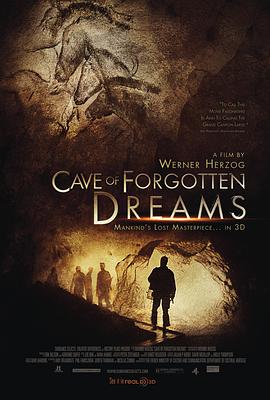
忘梦洞 (2010) [电影] Eggplant.place
Cave of Forgotten Dreams
导演: Werner Herzog 演员: Werner Herzog / Dominique Baffier
其它标题: Cave Of Forgotten Dreams / Cave of Forgotten Dreams
  法国南部的Chauvet岩洞里,有三万年前的原始壁画,还有冰河时期的哺乳动物化石,但洞口一直被落石封住,直到1994年被科学家偶然发现。这个宝贵的洞穴被严密保护着,赫尔佐格只获准进洞拍摄六天,每天四小时,他还采访了相关研究的科学家们,用他特有的方式,探索史前人类对事物的认知和表达方式、艺术和文明史的诞生、以及现今围绕在洞穴四周的好奇人群。他还注意到现代工业对史前遗迹的侵蚀——Chauvet岩洞附近恰有一个核电站,已经因为温水汇流形成生态圈,里面连鳄鱼都有了,Chauvet未来可能受到被淹没的威胁。   这是沃纳·赫尔佐格首次用3D形式拍摄他最热衷的纪录片。 ©豆瓣
重见天日 (2006) [电影] Min reol
Rescue Dawn
导演: Werner Herzog 演员: Christian Bale / Steve Zahn
其它标题: Rescue Dawn / 레스큐 던
出生在德国的迪特•丹格勒(克里斯蒂安•贝尔饰)自幼就梦想着驾驶飞机翱翔天际。长大后,他随家人移民至美国,加入军队成为了一名真正的飞行员。随后迪特便随海军投身越南战场。赶往执行任务的途中,迪特飞机不幸被越南军队的地面炮火击落。侥幸逃脱一死的他,却最终被敌人俘获,饱受严刑折磨。迪特被押至设在老挝的战俘集中营,那里还有几个美国军队的同伴。看守敌人给予他们非人待遇,迪特还未坐定就暗下决心要逃跑,但周围的同伴吉恩(杰瑞米•戴维斯饰)、杜恩(史蒂夫•茨恩)等并不那么认为,他们没多少信心。在一番劝说下,迪特精心策划,要在雨季来临时越狱。他们要面对是无边丛林、饥饿、野兽,还有不知道在何处的越南人……