依莱姆·克里莫夫 — 导演 (7)
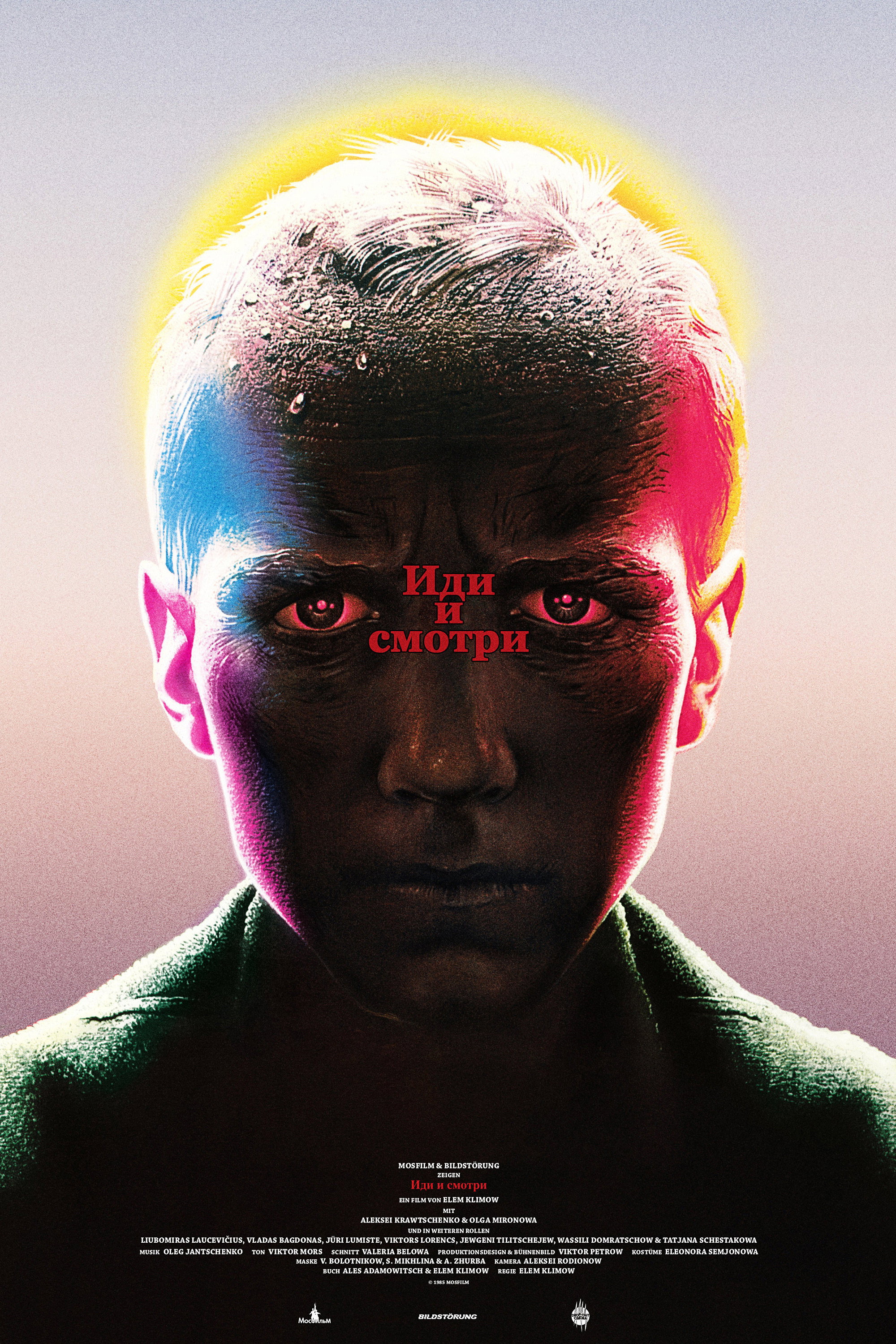
自己去看 (1985) [电影] IMDb Eggplant.place Min reol TMDB 豆瓣 维基数据
Иди и смотри
8.9 (165 个评分) 导演: 依莱姆·克里莫夫 演员: 阿列克谢·克拉夫琴科 / 奥尔加·米罗诺娃
其它标题: Иди и смотри / 见证(台)
这是一部很特殊的战争题材电影,它真实地描写了德占区人民的悲惨遭遇和场面,以及人们面对突如其来的灾难的恐惧,反映了战争的真实面目。它既不同于《斯大林格勒保卫战》、《攻占柏林》这些正面战场的血肉横飞、排山倒海、摧枯拉朽,也不同与《这里的黎明静悄悄》、《星》所描写的局部战斗中体现的平凡悲壮,更不是战地浪漫曲,而是降临在平民百姓头上血淋淋的残酷。影片的事件和恐怖场面远超过任何一部描写德军集中营的电影,令人毛骨悚然,提醒胆小和心软者慎看。
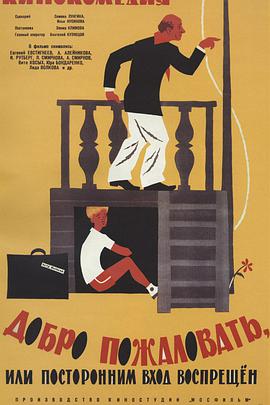
欢迎光临,或闲人免入 (1964) [电影] 豆瓣 维基数据 IMDb TMDB Eggplant.place
Добро пожаловать, или Посторонним вход воспрещен
8.5 (32 个评分) 导演: 依莱姆·克里莫夫 演员: 叶甫根尼·耶夫斯基格涅耶夫 / 阿日娜·阿列尼科娃
其它标题: Benvenuti ovvero vietato l'ingresso agli estranei / Добро пожаловать, или Посторонним вход воспрещен
夏令营的营地主任特别注重孩子们的人身安全,于是定下了严厉规矩,并且认为一旦违反规条,意外就会发生。其中一个参加夏令营的孩子伊诺什金破坏了规矩,被该主任逐出了营地。但他害怕一起居住的奶奶知道了会伤心,没有回家,反而趁着夜色,翻墙回到营地并躲在广场中央的小屋里。第二天早上,朋友们发现了他,并悄悄地帮助他,跟成年人斗智,让他可以留下来。叶列姆·克利莫夫的处女作,在一个真的先锋营地现场拍摄,以轻松幽默的喜剧外衣,讨论关于儿童教育的深刻母题,充满童真与童趣的叙事视角,使得影片的主题表达更能引起观众的反思。
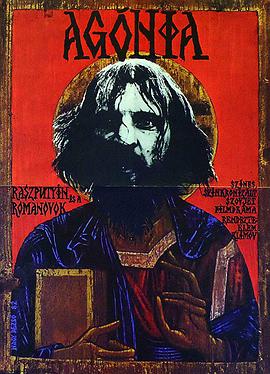
魔僧 (1981) [电影] 豆瓣 维基数据 IMDb TMDB
Агония
导演: 依莱姆·克里莫夫 演员: 阿列克谢·彼得连科 / 阿纳托利·罗马申
其它标题: Агония / 苦恼的农夫
Russia, 1916. Be it by craft or madness, Rasputin exercises power over the indecisive Nicholas, and the religious Czarina worships the Siberian as God. He manipulates the Czar in his relations with the Duma and influences the choice of a new premier. Rasputin assaults a baroness; her husband is jailed for defending her, and she must offer sexual favors to Rasputin to save her husband. The Czar finally orders Rasputin from St. Petersburg, but somehow he enters the palace and, in a disheveled trance, convinces the Czar to make a disastrous change in war strategy. A cadre of nobles take matters into their own hands and arrange a last dinner party for the interloping monk. Written by {jhailey@hotmail.com}
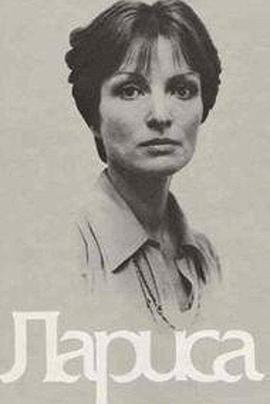
拉莉萨 (1980) [电影] 维基数据 IMDb 豆瓣 TMDB
Лариса
导演: 依莱姆·克里莫夫 演员: 依莱姆·克里莫夫 / Valentin Rasputin
其它标题: Лариса / Larisa
A loving film tribute to Russian filmmaker Larisa Shepitko, who died tragically in a car accident in 1979 at the age of 40. This documentary by her husband, Elem Klimov, includes excerpts from all of Shepitko's films, and her own voice is heard talking about her life and art.
Elem Klimov's grief-stricken elegy Larisa examines the life of his late wife—the film director Larisa Shepitko—through a series of direct-address interviews and photomontages, set against a mournful visual-musical backdrop. Typically, Klimov films his subjects (which include himself and several of Shepitko's collaborators) within a stark, snow-covered forest, its tangled web of trees standing in as metaphorical representation of a perhaps inexpressible suffering, the result of Shepitko's premature death while filming her adaptation of Valentin Rasputin's novella Farewell to Matyora. Interweaving home movie footage with sequences from Shepitko's work (Maya Bulgakova's pensive plane crash reminiscence from Wings takes on several new layers of resonance in this context), Larisa's most powerful passage is its first: accompanied by the grandiose final music cue from Shepitko's You and I, Klimov dissolves between a series of personal photographs that encompass Larisa's entire life, from birth to death. This brief symphony of sorrow anticipates the cathartic reverse-motion climax of Klimov's Come and See, though by placing the scene first within Larisa's chronology, Klimov seems to be working against catharsis. The pain is clearly fresh, the wound still festering, and Klimov wants—above all—to capture how deep misery's knife has cut.
考试 (1960) [电影] 豆瓣
Жених
其它标题: Жених / Zhenikh
This is a light toned, beautifully photographed film that tells a tale of a young boy who is desperately trying to help a girl sitting next to him, while they're doing an exam
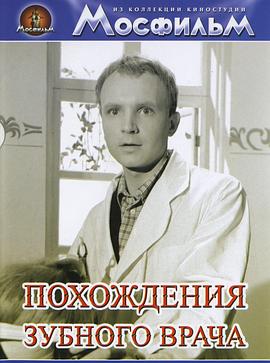
牙医的奇遇 (1965) [电影] 豆瓣 Eggplant.place IMDb 维基数据 TMDB
Похождения зубного врача
导演: 依莱姆·克里莫夫 演员: 安德烈·米亚赫科夫 / Vera Vasilyeva
其它标题: Похождения зубного врача / Pokhozhdeniya zubnogo vracha
This is story about a dentist with the talent of painlessly extracting teeth, and what happens to him as a result of being naturally good at his job. It is told with humour (much of it quite subtle, almost surreal, and in the background - imagine a street scene where everyone on the sidewalk on one side of the road walks in just one direction, and on the other side in the other), poignancy, and a frequent breaking of the 4th wall between the movie and the audience (think of what happens in Shakespeare's plays, and you'll be close). It also features some songs by Novella Matveyeva, a famous Russian singer-songwriter (her songs are sung by the leading actress).