Simon Stone — 导演 (19)
女儿 (2015) [电影] 豆瓣
The Daughter
导演: Simon Stone 演员: 杰弗里·拉什 / 伊文·莱斯利
其它标题: The Daughter
一个男人离家多年后回到家,却发现了一个被隐藏多年的家族秘密。而当他试图将事情转入正轨时,他发现他的行动将威胁到家人的生命...
耶尔玛 [演出] 豆瓣
Yerma
类型: Theater 编剧: Frederico Garcia Lorca / 【西】费德里科·加西亚·洛尔卡
其它标题: Yerma 导演: Burt Caesar / Simon Stone 演员: 比莉·派佩 / 蔡佾玲 / 林子恆 / 劉桓 / 李仲希
由澳大利亚剧作家西蒙•斯通(Simon Stone)改编自西班牙作家、诗人费德里戈•加西亚•洛尔卡(Federico Garcia Lorca)创作于1934年的同名作品,《耶尔玛》将背景从西班牙乡下搬到了繁华的当代都市伦敦。广受读者青睐的女记者耶尔玛与温文尔雅的成功商人约翰是一对标准的伦敦中产阶级夫妻。他们的二人世界由摩登豪宅、名贵香槟和寻欢作乐组成,直到耶尔玛对孩子的渴望打破了这个平衡。在无数次失败的尝试之后,二人的生活逐渐分崩离析。耶尔玛陷入绝望,而她冷淡的母亲和轻松怀孕的姐妹更令这一切雪上加霜。在事态急转直下之后,铤而走险似乎是唯一的选择。
该剧由小维克剧院于2016年制作并首演,场场爆满,并获得几乎所有主流媒体一致五星好评。《泰晤士报》称其为“非凡的戏剧成功之作”;《独立报》认为这是“一部对众人熟知的经典作品最有力最震撼的重塑”;《周日邮报》盛赞这部作品“不容错过、令人震撼、久久不能忘怀”。2017年,该剧获得奥利弗奖最佳复排话剧,并回到小维克剧院二度开演。
与此同时,该剧女主角比莉•派佩(Billie Piper)也获得媒体盛赞,并凭借对耶尔玛的有力塑造,获得伦敦六大戏剧奖项所有最佳女主角奖,包括奥利弗奖和《旗帜晚报》奖。
In a remote Spanish village Yerma, a woman teeming with life and passion, longs for a child. It is a quest which will reveal the secrets locked within her husband’s heart and ultimately lead to a reckless and desperate act.
耶尔玛 Young Vic版 [演出] 豆瓣
所属 演出: 耶尔玛
语言: 英语 english 剧院: Young Vic Theatre 导演: Simon Stone
其它标题: Young Vic版 编剧: 【西】费德里科·加西亚·洛尔卡 演员: 比莉·派佩
由澳大利亚剧作家西蒙•斯通(Simon Stone)改编自西班牙作家、诗人费德里戈•加西亚•洛尔卡(Federico Garcia Lorca)创作于1934年的同名作品,《耶尔玛》将背景从西班牙乡下搬到了繁华的当代都市伦敦。广受读者青睐的女记者耶尔玛与温文尔雅的成功商人约翰是一对标准的伦敦中产阶级夫妻。他们的二人世界由摩登豪宅、名贵香槟和寻欢作乐组成,直到耶尔玛对孩子的渴望打破了这个平衡。在无数次失败的尝试之后,二人的生活逐渐分崩离析。耶尔玛陷入绝望,而她冷淡的母亲和轻松怀孕的姐妹更令这一切雪上加霜。在事态急转直下之后,铤而走险似乎是唯一的选择。
该剧由小维克剧院于2016年制作并首演,场场爆满,并获得几乎所有主流媒体一致五星好评。《泰晤士报》称其为“非凡的戏剧成功之作”;《独立报》认为这是“一部对众人熟知的经典作品最有力最震撼的重塑”;《周日邮报》盛赞这部作品“不容错过、令人震撼、久久不能忘怀”。2017年,该剧获得奥利弗奖最佳复排话剧,并回到小维克剧院二度开演。
与此同时,该剧女主角比莉•派佩(Billie Piper)也获得媒体盛赞,并凭借对耶尔玛的有力塑造,获得伦敦六大戏剧奖项所有最佳女主角奖,包括奥利弗奖和《旗帜晚报》奖。
In a remote Spanish village Yerma, a woman teeming with life and passion, longs for a child. It is a quest which will reveal the secrets locked within her husband’s heart and ultimately lead to a reckless and desperate act.
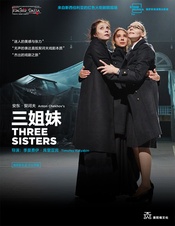
三姐妹 [演出] 豆瓣
Drei Schwestern
类型: Theater 编剧: Simon Stone
其它标题: Drei Schwestern 剧院: 巴塞尔剧院 导演: Simon Stone
时长155分钟,含休息
By Simon Stone
based on Anton Chekhov
Directed by Simon Stone
Theater Basel
Directed by SIMON STONE
Stage LIZZIE CLACHAN
Costumes MEL PAGE
Music STEFAN GREGORY
Lighting design CORNELIUS HUNZIKER
Dramaturgy CONSTANZE KARGL
Olga BARBARA HORVATH
Masha FRANZISKA HACKL
Irina LILIANE AMUAT
Andrey NICOLA MASTROBERARDINO
Natasha CATHRIN STÖRMER
Theodor MICHAEL WÄCHTER
Alexander ELIAS EILINGHOFF
Viktor SIMON ZAGERMANN
Nikolai MAX ROTHBART
Roman ROLAND KOCH
Herbert FLORIAN VON MANTEUFFEL
A glasshouse straight from the wish list of affluent children: This is where director Simon Stone sets Chekhov’s “Three Sisters”. A modern ambience, accessible from all sides, thanks to a revolving stage. Only for seconds, if that, does the façade block the audience’s view of arguments and sex and boozing sessions – because that’s what goes on in this most contemporary Chekhov adaptation the theatre has seen for a long time. Stone completely re-wrote the dialogue and fitted his characters with a modern-day skin, while retaining Chekhov’s story and conflict constellation, his tragicomedy, melancholy, longing and pain. The excellent Basel acting company enhances the triviality of events surrounding Irina’s birthday party by also acting out the phoniness of the daily soap set in the sisters’ holiday home. Triviality is a thin, transparent protective cover. Underneath, the characters wear nothing but naked despair. And the scars of their fruitless search for happiness.
三姐妹 2017年柏林戏剧节版 [演出] 豆瓣
所属 演出: 三姐妹
语言: 德语 german 剧团: 瑞士巴塞尔剧院 导演: Simon Stone
其它标题: 2017年柏林戏剧节版 编剧: Anton Chekhov
Act I

Act one begins with Olga (the eldest of the sisters) working as a teacher in a school, but at the end of the play she is made Headmistress, a promotion she had no interest in. Masha, the middle sister and the artist of the family (she was trained as a concert pianist), is married to Feodor Ilyich Kulygin, a schoolteacher. At the time of their marriage, Masha, younger than he, was enchanted by what she took to be wisdom, but seven years later, she sees through his pedantry and his clownish attempts to compensate for the emptiness between them. Irina, the youngest sister, is still full of expectation. She speaks of her dream of going to Moscow and meeting her true love. It was in Moscow that the sisters grew up, and they all long to return to the sophistication and happiness of that time. Andrei is the only boy in the family and the sisters idolize him. He is in love with Natalia Ivanovna (Natasha), who is somewhat common in relation to the sisters and suffers under their glance. The play begins on the first anniversary of their father's death, but it is also Irina's name-day, and everyone, including the soldiers (led by the gallant Vershinin) bringing with them a sense of noble idealism, comes together to celebrate it. At the very close of the act, Andrei exultantly confesses his feelings to Natasha in private and asks her to marry him.
Act II

Act two begins about 21 months later with Andrei and Natasha married with their first child (offstage), a baby boy named Bóbik. Natasha is having an affair with Protopopov, Andrei's superior, a character who is mentioned but never seen onstage. Masha comes home flushed from a night out, and it is clear that she and her companion, Lieutenant-Colonel Vershinin, are giddy with the secret of their mutual love for one another. Little seems to happen but that Natasha manipulatively quashes the plans for a party in the home, but the resultant quiet suggests that all gaiety is being quashed as well. The play turns on such subtle, lifelike touches. Tuzenbach and Solyony declare their love for Irina.
Act III

Act three takes place about a year later in Olga and Irina's room (a clear sign that Natasha is taking over the household as she asked them to share rooms so that her child could have a different room). There has been a fire in the town, and, in the crisis, people are passing in and out of the room, carrying blankets and clothes to give aid. Olga, Masha and Irina are angry with their brother, Andrei, for mortgaging their home, keeping the money to pay off his gambling debts and conceding all his power to his wife. However, when faced with Natasha's cruelty to their aged family servant Anfisa, Olga's own best efforts to stand up to Natasha come to naught. Masha, alone with her sisters, confides in them her romance with Vershinin ("I love, love, love that man."). At one point, Kulygin (her husband) blunders into the room, doting ever more foolishly on her, and she stalks out. Irina despairs at the common turn her life has taken, the life of a schoolteacher, even as she rails at the folly of her aspirations and her education ("I can't remember the Italian for 'window'.") Out of her resignation, supported in this by Olga's realistic outlook, Irina decides to accept Tuzenbach's offer of marriage even though she does not love him. Chebutykin drunkenly stumbles on and smashes a clock belonging to the sister's and Andrei's mother, whom he loved. Andrei gives vent to his self-hatred, acknowledges his own awareness of life's folly and his disappointment in Natasha's character, and begs his sisters' forgiveness for everything.
Act IV

In the fourth and final act, outdoors behind the home, the soldiers, who by now are friends of the family, are preparing to leave the area. A flash-photograph is taken. There is an undercurrent of tension because Solyony has challenged the Baron (Tuzenbach) to a duel, but Tuzenbach is intent on hiding it from Irina. He and Irina share a heartbreaking delicate scene in which she confesses that she cannot love him, likening her heart to a piano whose key has been lost. Just as the soldiers are leaving, a shot is heard, and Tuzenbach's death in the duel is announced shortly before the end of the play. Masha has to be pulled, sobbing, from Vershinin's arms, but her husband willingly, compassionately and all too generously accepts her back, no questions asked. Olga has reluctantly accepted the position of permanent headmistress of the school where she teaches and is moving out. She is taking Anfisa with her, thus rescuing the elderly woman from more of Natasha's blunt cruelties. Irina's fate is uncertain but, even in her grief at Tuzenbach's death, she wants to persevere in her work as a teacher. Natasha remains as the chatelaine, in charge and in control—of everything. ("What is this fork doing here?" Natasha hollers.). Andrei is stuck in his marriage with two children, the only people that Natasha truly dotes on. As the play closes, the three sisters stand in a desperate embrace, gazing off as the soldiers depart to the sound of a band's gay march. As Chebutykin sings "Ta-ra-ra-boom-di-ay" to himself, Olga's final lines call out for an end to the confusion all three feel at life's sufferings and joy: "If we only knew… If we only knew."
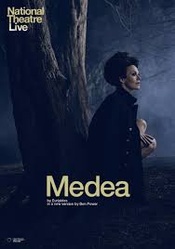
Medea [演出] 豆瓣
类型: Theater 编剧: Ben Power / Simon Stone
导演: Carrie Cracknell / Simon Stone 演员: Helen McCrory / Rose Byrne / Bobby Cannavale / Dylan Baker / Madeline Weinstein


Euripides’ controversial icon is reborn in visionary director Simon Stone’s (Yerma) stunning contemporary rewrite. Rose Byrne (Damages, Bridesmaids, You Can’t Take It with You) and Bobby Cannavale (The Lifespan of a Fact, The Hairy Ape, The Motherf**ker with the Hat) face off as a husband and wife in the tumultuous throes of an unraveling marriage. Transposing the devastation of Greek tragedy to a modern American home, Stone’s stripped-bare staging throws the couple’s every raw emotion into stark relief, from jealousy to passion, humor to despair. Who will pay the price?

Medea 2020 BAM版 [演出] 豆瓣
所属 演出: Medea
语言: 英语 english 剧院: BAM 导演: Simon Stone
其它标题: 2020 BAM版 编剧: Simon Stone 演员: Rose Byrne / Bobby Cannavale


Euripides’ controversial icon is reborn in visionary director Simon Stone’s (Yerma) stunning contemporary rewrite. Rose Byrne (Damages, Bridesmaids, You Can’t Take It with You) and Bobby Cannavale (The Lifespan of a Fact, The Hairy Ape, The Motherf**ker with the Hat) face off as a husband and wife in the tumultuous throes of an unraveling marriage. Transposing the devastation of Greek tragedy to a modern American home, Stone’s stripped-bare staging throws the couple’s every raw emotion into stark relief, from jealousy to passion, humor to despair. Who will pay the price?

Medea 版本3 [演出] 豆瓣
所属 演出: Medea
语言: 荷兰语 dutch 剧院: International Theater Amsterdam 导演: Simon Stone
其它标题: 版本3 演员: Marieke Heebink / Aus Greidanus Jr.


Euripides’ controversial icon is reborn in visionary director Simon Stone’s (Yerma) stunning contemporary rewrite. Rose Byrne (Damages, Bridesmaids, You Can’t Take It with You) and Bobby Cannavale (The Lifespan of a Fact, The Hairy Ape, The Motherf**ker with the Hat) face off as a husband and wife in the tumultuous throes of an unraveling marriage. Transposing the devastation of Greek tragedy to a modern American home, Stone’s stripped-bare staging throws the couple’s every raw emotion into stark relief, from jealousy to passion, humor to despair. Who will pay the price?

美狄亚 [演出] 豆瓣
Medea
类型: Theater 编剧: Euripides / RACHEL CUSK
其它标题: Medea 导演: Jonathan Kent / 迈克尔·塔尔海默 Michael Thalheimer 演员: Diana Rigg / 约瑟芬·普拉特 Josefin Platt / 贝蒂娜·霍普 Bettina Hoppe / 康斯坦丝·贝克尔 Constanze Becker / 马丁·伦萨奇 Martin Rentzsch
The play tells the story of the revenge of a woman betrayed by her husband. All of the action of the play is at Corinth, where Jason has brought Medea after the adventures of the Golden Fleece. He has now left her in order to marry Glauce, the daughter of King Creon. (Glauce is also known in Latin works as Creusa — see Seneca the Younger's Medea and Propertius 2.16.30. This King Creon is not to be confused with King Creon of Thebes.) The play opens with Medea grieving over her loss and with her elderly nurse fearing what she might do to herself or her children.
Creon, also fearing what Medea might do, arrives determined to send Medea into exile. Medea pleads for one day's delay, and Creon begrudgingly acquiesces. In the next scene Jason arrives to confront her and explain himself. He believes he could not pass up the opportunity to marry a royal princess, as Medea is only a barbarian woman, but hopes to someday join the two families and keep Medea as his mistress. Medea, and the chorus of Corinthian women, do not believe him. She reminds him that she left her own people for him ("I am the mother of your children. Whither can I fly, since all Greece hates the barbarian?"), and that she saved him and slew the dragon. Jason promises to support her after his new marriage, but Medea spurns him: "Marry the maid if thou wilt; perchance full soon thou mayst rue thy nuptials."
Next Medea is visited by Aegeus, King of Athens; he is aggrieved by his lack of children, and does not understand the oracle that was supposed to give him guidance. Medea begs him to protect her, in return for her helping his wife conceive a child. Aegeus does not know what Medea is going to do in Corinth, but promises to give her refuge in any case, provided she can escape to Athens.
Medea then returns to her plotting how she may kill Creon and Glauce. She decides to poison some golden robes (a family heirloom and gift from the sun god), in hopes that the bride will not be able to resist wearing them, and consequently be poisoned. Medea resolves to kill her own children as well, not because the children have done anything wrong, but because she feels it is the best way to hurt Jason. She calls for Jason once more, falsely apologizes to him, and sends the poisoned robes with her children as the gift-bearers.
Forgive what I said in anger! I will yield to the decree, and only beg one favor, that my children may stay. They shall take to the princess a costly robe and a golden crown, and pray for her protection.
The request is granted and the gifts are accepted. Offstage, while Medea ponders her actions, Glauce is killed by the poisoned dress, and Creon is also killed by the poison while attempting to save her. These events are related by a messenger.

Alas! The bride had died in horrible agony; for no sooner had she put on Medea's gifts than a devouring poison consumed her limbs as with fire, and in his endeavor to save his daughter the old father died too.
Medea is pleased with her revenge thus far, but resolves to carry it further: to utterly destroy Jason's plans for a new family, she will kill her own sons. She rushes offstage with a knife to kill her children. As the chorus laments her decision, the children are heard screaming. Jason rushes to the scene to punish her for the murder of Glauce and learns that his children too have been killed. Medea then appears above the stage in the chariot of the sun god Helios; this was probably accomplished using the mechane device usually reserved for the appearance of a god or goddess. She confronts Jason, reveling in his pain at being unable to ever hold his children again:
"I do not leave my children's bodies with thee; I take them with me that I may bury them in Hera's precinct. And for thee, who didst me all that evil, I prophesy an evil doom."
She escapes to Athens with the bodies. The chorus is left contemplating the will of Zeus in Medea's actions:
Manifold are thy shapings, Providence!
Many a hopeless matter gods arrange.
What we expected never came to pass,
What we did not expect the gods brought to bear;
So have things gone, this whole experience through!
美狄亚 荷兰Internationaal Theater Amsterdam版本版 [演出] 豆瓣
所属 演出: 美狄亚
语言: 荷兰语 剧团: Internationaal Theater Amsterdam 剧院: Barbican Theatre 导演: Simon Stone
其它标题: 荷兰Internationaal Theater Amsterdam版本版 演员: Marieke Heebink
The play tells the story of the revenge of a woman betrayed by her husband. All of the action of the play is at Corinth, where Jason has brought Medea after the adventures of the Golden Fleece. He has now left her in order to marry Glauce, the daughter of King Creon. (Glauce is also known in Latin works as Creusa — see Seneca the Younger's Medea and Propertius 2.16.30. This King Creon is not to be confused with King Creon of Thebes.) The play opens with Medea grieving over her loss and with her elderly nurse fearing what she might do to herself or her children.
Creon, also fearing what Medea might do, arrives determined to send Medea into exile. Medea pleads for one day's delay, and Creon begrudgingly acquiesces. In the next scene Jason arrives to confront her and explain himself. He believes he could not pass up the opportunity to marry a royal princess, as Medea is only a barbarian woman, but hopes to someday join the two families and keep Medea as his mistress. Medea, and the chorus of Corinthian women, do not believe him. She reminds him that she left her own people for him ("I am the mother of your children. Whither can I fly, since all Greece hates the barbarian?"), and that she saved him and slew the dragon. Jason promises to support her after his new marriage, but Medea spurns him: "Marry the maid if thou wilt; perchance full soon thou mayst rue thy nuptials."
Next Medea is visited by Aegeus, King of Athens; he is aggrieved by his lack of children, and does not understand the oracle that was supposed to give him guidance. Medea begs him to protect her, in return for her helping his wife conceive a child. Aegeus does not know what Medea is going to do in Corinth, but promises to give her refuge in any case, provided she can escape to Athens.
Medea then returns to her plotting how she may kill Creon and Glauce. She decides to poison some golden robes (a family heirloom and gift from the sun god), in hopes that the bride will not be able to resist wearing them, and consequently be poisoned. Medea resolves to kill her own children as well, not because the children have done anything wrong, but because she feels it is the best way to hurt Jason. She calls for Jason once more, falsely apologizes to him, and sends the poisoned robes with her children as the gift-bearers.
Forgive what I said in anger! I will yield to the decree, and only beg one favor, that my children may stay. They shall take to the princess a costly robe and a golden crown, and pray for her protection.
The request is granted and the gifts are accepted. Offstage, while Medea ponders her actions, Glauce is killed by the poisoned dress, and Creon is also killed by the poison while attempting to save her. These events are related by a messenger.

Alas! The bride had died in horrible agony; for no sooner had she put on Medea's gifts than a devouring poison consumed her limbs as with fire, and in his endeavor to save his daughter the old father died too.
Medea is pleased with her revenge thus far, but resolves to carry it further: to utterly destroy Jason's plans for a new family, she will kill her own sons. She rushes offstage with a knife to kill her children. As the chorus laments her decision, the children are heard screaming. Jason rushes to the scene to punish her for the murder of Glauce and learns that his children too have been killed. Medea then appears above the stage in the chariot of the sun god Helios; this was probably accomplished using the mechane device usually reserved for the appearance of a god or goddess. She confronts Jason, reveling in his pain at being unable to ever hold his children again:
"I do not leave my children's bodies with thee; I take them with me that I may bury them in Hera's precinct. And for thee, who didst me all that evil, I prophesy an evil doom."
She escapes to Athens with the bodies. The chorus is left contemplating the will of Zeus in Medea's actions:
Manifold are thy shapings, Providence!
Many a hopeless matter gods arrange.
What we expected never came to pass,
What we did not expect the gods brought to bear;
So have things gone, this whole experience through!
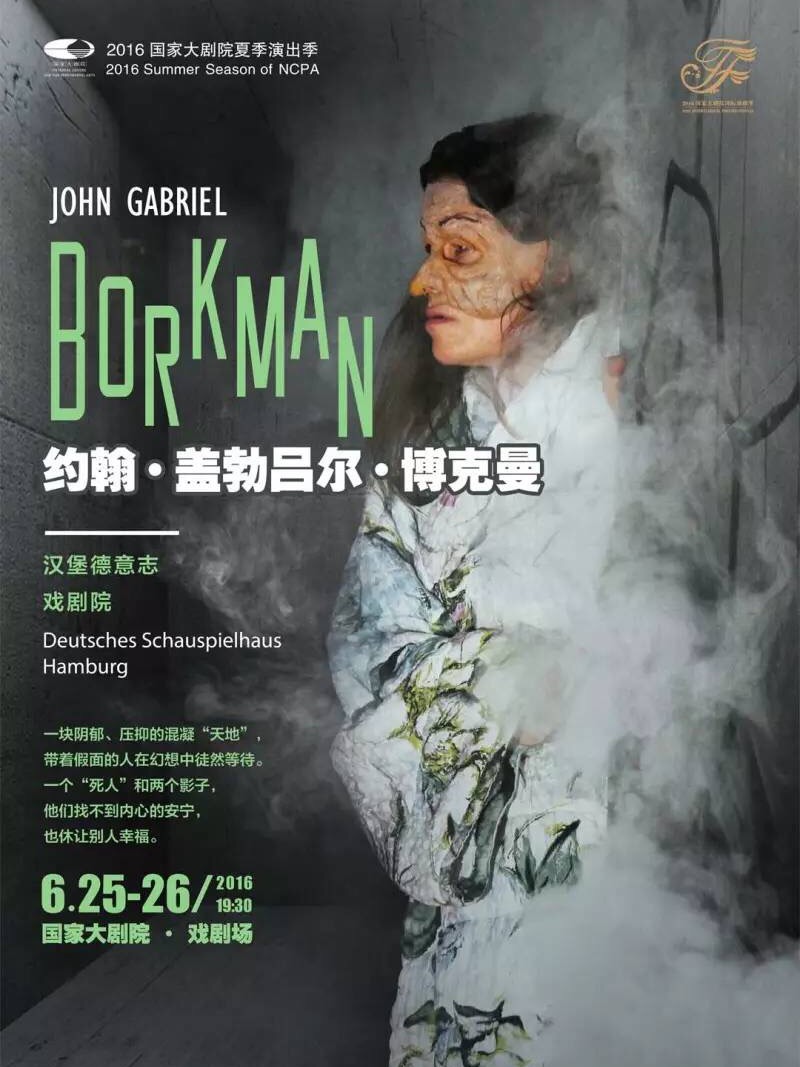
约翰·盖勃吕尔·博克曼 [演出] 豆瓣
John Gabriel Borkman
类型: Theater 编剧: Henrik Ibsen
其它标题: John Gabriel Borkman 导演: James Macdonald / Karin Henkel 演员: Alan Rickman / Fiona Shaw / Lindsay Duncan


The Borkman family fortunes have been brought low by the imprisonment of John Gabriel who used his position as a bank manager to illegally speculate with his investors' money. The action of the play takes place eight years after Borkman's release when John Gabriel Borkman, Mrs. Borkman, and her twin sister Ella Rentheim battle over the future of young Erhart Borkman. Though John Gabriel Borkman continues the line of naturalism and social commentary that marks Ibsen's middle period, the final act suggests a new phase for the playwright, a phase brought to fruition in his final more symbolic work When We Dead Awaken.

约翰·盖勃吕尔·博克曼 2016年柏林戏剧节版 [演出] 豆瓣
所属 演出: 约翰·盖勃吕尔·博克曼
语言: 德语 german 剧团: 维也纳城堡剧院 导演: Simon Stone
其它标题: 2016年柏林戏剧节版 编剧: Henrik Ibsen


The Borkman family fortunes have been brought low by the imprisonment of John Gabriel who used his position as a bank manager to illegally speculate with his investors' money. The action of the play takes place eight years after Borkman's release when John Gabriel Borkman, Mrs. Borkman, and her twin sister Ella Rentheim battle over the future of young Erhart Borkman. Though John Gabriel Borkman continues the line of naturalism and social commentary that marks Ibsen's middle period, the final act suggests a new phase for the playwright, a phase brought to fruition in his final more symbolic work When We Dead Awaken.

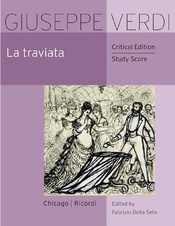
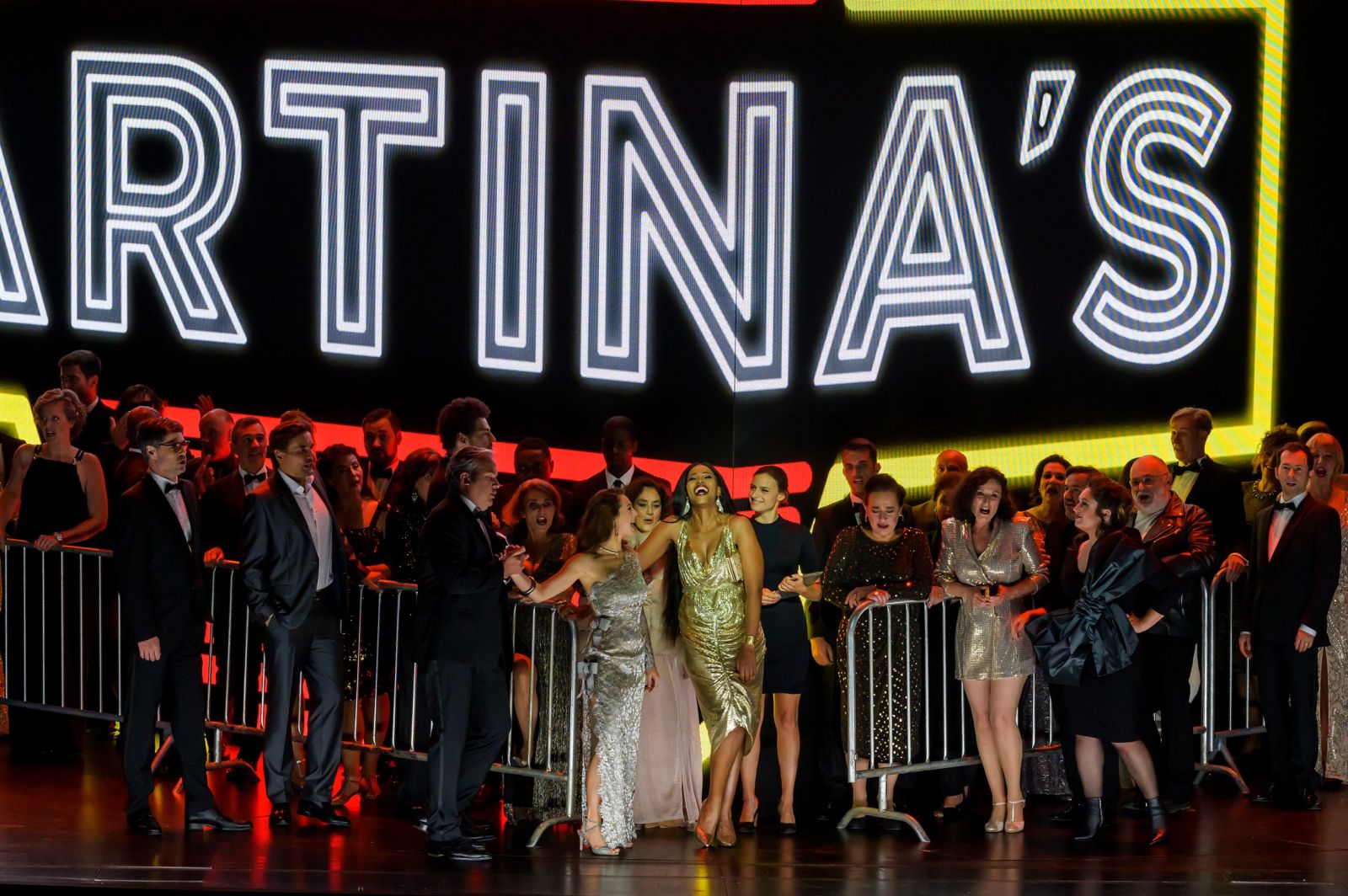
茶花女 2019年巴黎国家歌剧团版 [演出] 豆瓣
所属 演出: 茶花女
语言: italian 意大利语 剧团: Orchestre de l’Opéra national de Paris 巴黎国家歌剧团管弦乐团 ; Chœurs de l’Opéra national de Paris 巴黎国家歌剧团合唱团 剧院: Palais Garnier 加尔尼耶宫 导演: Simon Stone
其它标题: 2019年巴黎国家歌剧团版 编剧: Francesco Maria Piave 作曲: Giuseppe Verdi 演员: Pretty Yende / Zuzana Marková / Benjamin Bernheim / Atalla Ayan
Place: Paris and its vicinity
Time: Beginning of the 19th century
Act 1
The salon in Violetta's house
Violetta Valéry, a famed courtesan, throws a lavish party at her Paris salon to celebrate her recovery from an illness. Gastone, a viscount, has brought with him a friend, Alfredo Germont, a young bourgeois from a provincial family who has long adored Violetta from afar. While walking to the salon, Gastone tells Violetta that Alfredo loves her, and that while she was ill, he came to her house every day. Alfredo joins them, admitting the truth of Gastone's remarks.
Baron Douphol, Violetta's current lover, waits nearby to escort her to the salon; once there, the Baron is asked to give a toast, but refuses, and the crowd turns to Alfredo, who agrees to sing a brindisi – a drinking song (Alfredo, Violetta, chorus: Libiamo ne' lieti calici – "Let's drink from the joyful cups").
From the next room, the sound of the orchestra is heard and the guests move there to dance. After a series of severe coughs and almost fainting, Violetta begins to feel dizzy and asks her guests to go ahead and to leave her to rest until she recovers. While the guests dance in the next room, Violetta looks at her pale face in her mirror. Alfredo enters and expresses his concern for her fragile health, later declaring his love for her (Alfredo, Violetta: Un dì, felice, eterea – "One day, happy and ethereal"). At first, she rejects him because his love means nothing to her, but there is something about Alfredo that touches her heart. He is about to leave when she gives him a flower, telling him to return it when it has wilted, which will be the very next day.
After the guests leave, Violetta wonders if Alfredo could actually be the one in her life (Violetta: È strano! ... Ah, fors' è lui – "Ah, perhaps he is the one"). But she concludes that she needs freedom to live her life (Violetta, Alfredo: Sempre libera – "Always free"). From off stage, Alfredo's voice is heard singing about love as he walks down the street.
Act 2
Scene 1: Violetta's country house outside Paris
Three months later, Alfredo and Violetta are living together in a peaceful country house outside Paris. Violetta has fallen in love with Alfredo and she has completely abandoned her former life. Alfredo sings of their happy life together (Alfredo: De' miei bollenti spiriti / Il giovanile ardore – "The youthful ardor of my ebullient spirits"). Annina, the maid, arrives from Paris, and, when questioned by Alfredo, tells him that she went there to sell the horses, carriages and everything owned by Violetta to support their country lifestyle.
Alfredo is shocked to learn this and leaves for Paris immediately to settle matters himself. Violetta returns home and receives an invitation from her friend, Flora, to a party in Paris that evening. Alfredo's father, Giorgio Germont, is announced and demands that she break off her relationship with his son for the sake of his family, since he reveals that Violetta's relationship with Alfredo has threatened his daughter's engagement (Giorgio: Pura siccome un angelo, Iddio mi diè una figlia – "Pure as an angel, God gave me a daughter") because of Violetta's reputation. Meanwhile, he reluctantly becomes impressed by Violetta's nobility, something which he did not expect from a courtesan. She responds that she cannot end the relationship because she loves him so much, but Giorgio pleads with her for the sake of his family. With growing remorse, she finally agrees (Violetta, Giorgio: Dite alla giovine, sì bella e pura, – "Tell the young girl, so beautiful and pure,") and says goodbye to Giorgio. In a gesture of gratitude for her kindness and sacrifice, Giorgio kisses her forehead before leaving her weeping alone.
Violetta gives a note to Annina to send to Flora accepting the party invitation and, as she is writing a farewell letter to Alfredo, he enters. She can barely control her sadness and tears; she tells him repeatedly of her unconditional love (Violetta: Amami, Alfredo, amami quant'io t'amo – "Love me, Alfredo, love me as I love you"). Before rushing out and setting off for Paris, she hands the farewell letter to her servant to give to Alfredo.
Soon, the servant brings the letter to Alfredo and, as soon as he has read it, Giorgio returns and attempts to comfort his son, reminding him of his family in Provence (Giorgio: Di Provenza il mar, il suol chi dal cor ti cancellò? – "Who erased the sea, the land of Provence from your heart?"). Alfredo suspects that the Baron is behind his separation with Violetta, and the party invitation, which he finds on the desk, strengthens his suspicions. He decides to confront Violetta at the party. Giorgio tries to stop Alfredo, but he rushes out.
Scene 2: Party at Flora's house
At the party, the Marquis tells Flora that Violetta and Alfredo have separated, much to the amazement of everyone who had previously seen the happy couple. She calls for the entertainers to perform for the guests (Chorus: Noi siamo zingarelle venute da lontano – "We are gypsy girls who have come from afar"; Di Madride noi siam mattadori – "We are matadors from Madrid"). Gastone and his friends join the matadors and sing (Gastone, chorus, dancers: È Piquillo un bel gagliardo Biscaglino mattador – "Piquillo is a bold and handsome matador from Biscay").
Violetta arrives with Baron Douphol. They see Alfredo at the gambling table. When he sees them, Alfredo loudly proclaims that he will take Violetta home with him. Feeling annoyed, the Baron goes to the gambling table and joins him in a game. As they bet, Alfredo wins some large sums until Flora announces that supper is ready. Alfredo leaves with handfuls of money.
As everyone is leaving the room, Violetta has asked Alfredo to see her. Fearing that the Baron's anger will lead him to challenge Alfredo to a duel, she gently asks Alfredo to leave. Alfredo misunderstands her apprehension and demands that she admit that she loves the Baron. In grief, she makes that admission and, furiously, Alfredo calls the guests to witness what he has to say (Questa donna conoscete? – "You know this woman?"). He humiliates and denounces Violetta in front of the guests and then throws his winnings at her feet in payment for her services. She faints onto the floor. The guests reprimand Alfredo: Di donne ignobile insultatore, di qua allontanati, ne desti orror! ("Ignoble insulter of women, go away from here, you fill us with horror!").
In search of his son, Giorgio enters the hall and, knowing the real significance of the scene, denounces his son's behavior (Giorgio, Alfredo, Violetta, chorus: Di sprezzo degno sè stesso rende chi pur nell'ira la donna offende. – "A man, who even in anger, offends a woman renders himself deserving of contempt.").
Flora and the ladies attempt to persuade Violetta to leave the dining room, but Violetta turns to Alfredo: Alfredo, Alfredo, di questo core non puoi comprendere tutto l'amore... – "Alfredo, Alfredo, you can't understand all the love in this heart...".
Act 3
Violetta's bedroom
Dr. Grenvil tells Annina that Violetta will not live long since her tuberculosis has worsened. Alone in her room, Violetta reads a letter from Alfredo's father telling her that the Baron was only wounded in his duel with Alfredo. He has informed Alfredo of the sacrifice she has made for him and his sister; and that he is sending his son to see her as quickly as possible to ask for her forgiveness. But Violetta senses it is too late (Violetta: Addio, del passato bei sogni ridenti – "Farewell, lovely, happy dreams of the past").
Annina rushes in the room to tell Violetta of Alfredo's arrival. The lovers are reunited and Alfredo suggests that they leave Paris (Alfredo, Violetta: Parigi, o cara, noi lasceremo – "We will leave Paris, O beloved").
But it is too late: she knows her time is up (Alfredo, Violetta: Gran Dio!...morir sì giovane – "Great God!...to die so young"). Alfredo's father enters with the doctor, regretting what he has done. After singing a duet with Alfredo, Violetta suddenly revives, exclaiming that the pain and discomfort have left her. A moment later, she dies in Alfredo's arms.

费德拉 [演出] 豆瓣
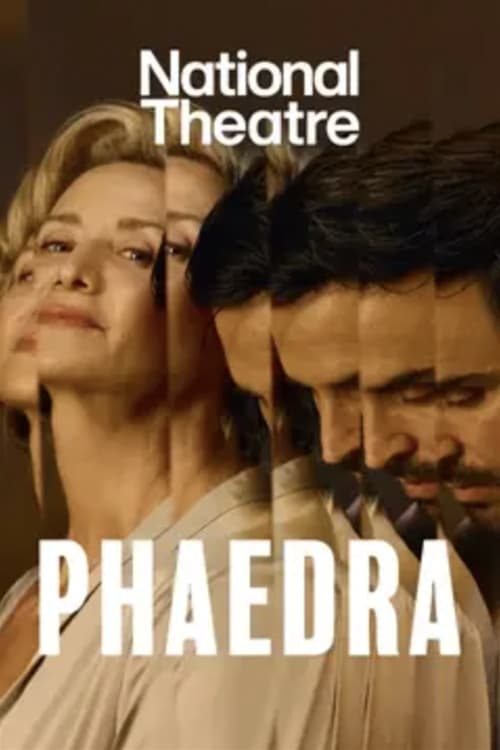
Phaedra
类型: Theater
其它标题: Phaedra 剧院: National Theatre 导演: Simon Stone 演员: Janet McTeer / Assaad Bouab / Mackenzie Davis / Paul Chahidi / John Macmillan


In a house of glass, one must not throw stones.

After years of fierce focus on her political career, Phaedra turns her attention to her personal life.

The reappearance of her step-son shakes the foundations of her house and the beliefs that have underpinned her power.

As buried lust and loneliness surge to the surface, Phaedra’s actions threaten to destroy everything she has built.

美狄亚 [演出] 豆瓣
Medea
类型: Theater 编剧: Simon Stone
其它标题: Medea 导演: Simon Stone 演员: Marieke Heebink / Aus Greidanus Jr / Faas Jonkers / Poema Kitseroo / Leon Voorberg


Simon Stone rewrites Euripides’s Medea as a taut, edge-of-your-seat play, finding a contemporary and relatable reality for his masterful modern-day retelling of an average family’s darkest days.

After involuntary confinement in a psychiatric hospital, Anna, once a successful doctor, is determined to put things right. Willing to forgive her husband’s affair with a younger woman, she wants a fresh start with him and their children. But he has different plans. Sidelined and in danger of losing everything, she is driven into a corner and sees only one way out.

樱桃园 [演出] 豆瓣
The Cherry Orchard
类型: Theater 编剧: Anton Chekhov
其它标题: The Cherry Orchard 剧院: LG ARTS CENTER SEOUL LG SIGNATURE Hall 导演: Simon Stone 演员: 全度妍 / 朴海秀


"The Cherry Orchard" a posthumous work of great playwright Anton Chekhov, has broken the tradition of classical framework and been reborn as a story of Korea in the present era. The play,produced by LG Arts Center, is gaining a lot of high expectationsdue to the first visit to Korea by Simon Stone, a world-renowned director who is actively working from the U.K, National Theater to Netflix, and the starring of Korean actors who will be rarely seentogether again on the same stage. Dare to say, please forget about the classics that have been repeated on the stage. lt is time to welcome a masterpiece that is born in the midst of a turbulent Korean society through this historic encounter across the world.