哈罗德·品特 — 导演 (14)
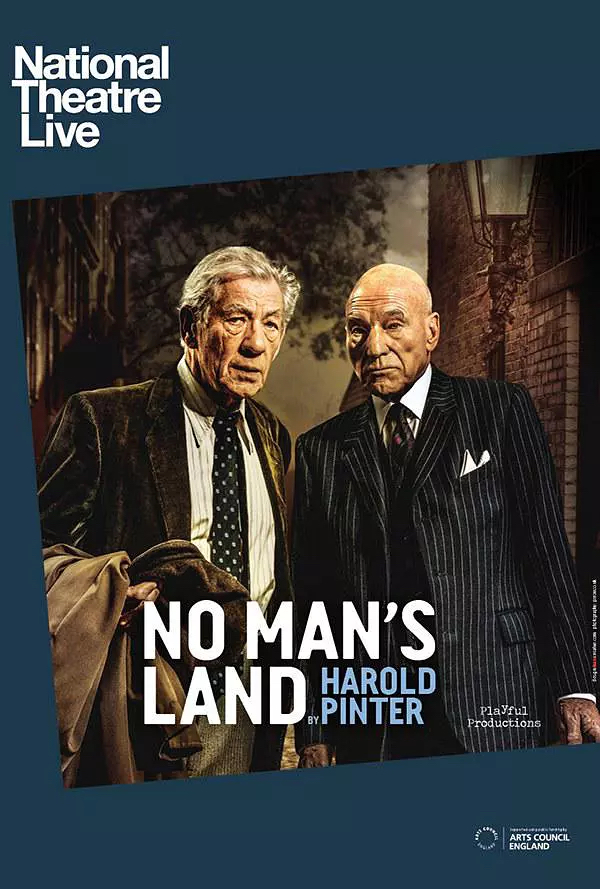
无人之境 (2016) [电影] 豆瓣
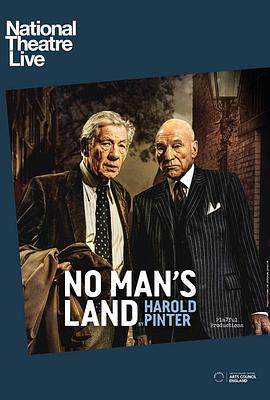
National Theatre Live: No Man's Land
8.5 (38 个评分) 导演: 哈罗德·品特 演员: 伊恩·麦克莱恩 / 帕特里克·斯图尔特
其它标题: National Theatre Live: No Man's Land / 无人之地
这是一部充斥着荒诞幽默并且酒精味儿十足的话剧作品:一个夏夜,两个老作家,赫斯特和斯普纳在汉普斯特德的一个酒吧里相遇,意犹未尽的他们又跑到附近赫斯特的家里继续边喝边聊。当这一对儿老伙计越喝越醉,他们的故事也变得越来越不可信,生动的谈话很快变成了一个揭示权力的游戏,事情随着两个年轻人的返家变得更加复杂……
作为诺贝尔文学奖得主、当代荒诞派剧作家哈罗德·品特的心爱之作,《无人之境》于1975年在伦敦老维克剧院首演,后来亦曾邀请到作家本人首次登台饰演自己作品中的主人公。
此次《无人之境》复排由西恩·马提亚斯(Sean Mathias)担任导演,自在西区上演以来,两位年龄加起来超过150岁的英伦老戏骨便博得满堂彩。“揭露了日常闲谈掩盖下的危局,直闯压抑的密室”,诺奖授辞这样形容品特式语焉不详中的真谛,《每日电讯报》和《旗帜晚报》则对这版《无人之境》给出了五星好评,称四人之间“紧张与冲突暗流涌动”、“不可错过”,而Time Out称这是伊恩·麦克莱恩和帕特里克·斯图尔特两位最伟大的演员和最伟大的戏剧的相遇,“演活了他们的传奇”。
品特在BBC (2019) [电影] 豆瓣
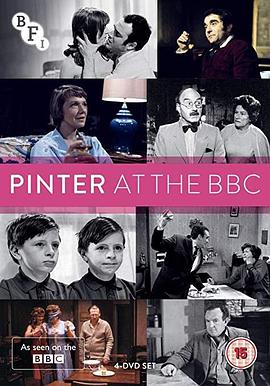
Pinter at the BBC
导演: 克里斯托弗·莫拉汉 / 哈罗德·品特 演员: 迈克尔·刚本 / 朱丽·沃特斯
其它标题: Pinter at the BBC
哈罗德·品特(1930-2008)是上世纪最重要和最有影响力的英国剧作家之一。 品特在1965年至1988年期间为英国广播公司(BBC)制作了10部戏剧。虽然他以舞台作品而闻名,但本专辑展现了品特对电视的重大贡献,收录了不少之前没有DVD版本的剧作,其中包括《Tea Party》(1965年),《Old Times》(1975年)和《The Birthday Party》(1987年)(包含品特在他自己的作品中的罕见出演)。剧集还囊括了一系列令人目眩的英国天才演员,包括Michael Gambon,Julie Walters,Leo McKern,Vivian Merchant,John Le Mesurier和Miranda Richardson。品特在电视屏幕上的工作体现了不少舞台剧的品质,包括权力的根源的好奇,对记忆的关注,对女性的信仰。他是一位伟大的作家。他的作品让我们进入他想象中的黑暗空间。
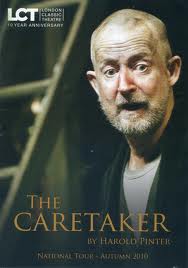
The Caretaker [演出] 豆瓣
类型: Theater 编剧: Harold Pinter
导演: Donald McWhinnie / Kenneth Ives 演员: Donald Pleasence / Alan Bates / Peter Woodthorpe / Robert Shaw / Jonathan Pryce
Act I

A night in winter

[Scene 1]

Aston has invited Davies, a homeless man, into his apartment after rescuing him from a bar fight (7–9). Davies comments on the apartment and criticizes the fact that it is cluttered and badly kept. Aston attempts to find a pair of shoes for Davies but Davies rejects all the offers. Once he turns down a pair that doesn’t fit well enough and another that has the wrong colour laces. Early on, Davies reveals to Aston that his real name is not "Bernard Jenkins", his "assumed name", but really "Mac Davies" (19–20, 25). He claims that his papers validating this fact are in Sidcup and that he must and will return there to retrieve them just as soon as he has a good pair of shoes. Aston and Davies discuss where he will sleep and the problem of the "bucket" attached to the ceiling to catch dripping rain water from the leaky roof (20–21) and Davies "gets into bed" while "ASTON sits, poking his [electrical] plug (21).

[Scene 2]
The LIGHTS FADE OUT. Darkness.

LIGHTS UP. Morning. (21) As Aston dresses for the day, Davies awakes with a start, and Aston informs Davies that he was kept up all night by Davies muttering in his sleep. Davies denies that he made any noise and blames the racket on the neighbors, revealing his fear of foreigners: "I tell you what, maybe it were them Blacks" (23). Aston informs Davies that he is going out but invites him to stay if he likes, indicating that he trusts him (23–24), something unexpected by Davies; for, as soon as Aston does leave the room (27), Davies begins rummaging through Aston's "stuff" (27–28) but he is interrupted when Mick, Aston’s brother, unexpectedly arrives, "moves upstage, silently," "slides across the room" and then suddenly "seizes Davies' "arm and forces it up his back," in response to which "DAVIES screams," and they engage in a minutely-choreographed struggle, which Mick wins (28–29), ending Act One with the "Curtain" line, "What's the game?" (29).
Act II

[Scene 1]
A few seconds later

Mick demands to know Davies' name, which the latter gives as "Jenkins" (30), interrogates him about how well he slept the night before (30), wonders whether or not Davies is actually "a foreigner"—to which Davies retorts that he "was" indeed (in Mick's phrase) "Born and bred in the British Isles" (33)—going on to accuse Davies of being "an old robber […] an old skate" who is "stinking the place out" (35), and spinning a verbal web full of banking jargon designed to confuse Davies, while stating, hyperbolically, that his brother Aston is "a number one decorator" (36), either an outright lie or self-deceptive wishful thinking on his part. Just as Mick reaches the climactic line of his diatribe geared to put the old tramp off balance—"Who do you bank with?" (36), Aston enters with a "bag" ostensibly for Davies, and the brothers debate how to fix the leaking roof and Davies interrupts to inject the more practical question: "What do you do . . . when that bucket's full?" (37) and Aston simply says, "Empty it" (37). The three battle over the "bag" that Aston has brought Davies, one of the most comic and often-cited Beckettian routines in the play (38–39). After Mick leaves, and Davies recognises him to be "a real joker, that lad" (40), they discuss Mick's work in "the building trade" and Davies ultimately discloses that the bag they have fought over and that he was so determined to hold on to "ain't my bag" at all (41). Aston offers Davies the job of Caretaker, (42–43), leading to Davies' various assorted animadversions about the dangers that he faces for "going under an assumed name" and possibly being found out by anyone who might "ring the bell called Caretaker" (44).

[Scene 2]

THE LIGHTS FADE TO BLACKOUT.
THEN UP TO DIM LIGHT THROUGH THE WINDOW.
A door bangs.
Sound of a key in the door of the room.
DAVIES enters, closes the door, and tries the light switch, on, off, on, off.

It appears to Davies that "the damn light's gone now," but, it becomes clear that Mick has sneaked back into the room in the dark and removed the bulb; he starts up "the electrolux" and scares Davies almost witless before claiming "I was just doing some spring cleaning" and returning the bulb to its socket (45). After a discussion with Davies about the place being his "responsibility" and his ambitions to fix it up, Mick also offers Davies the job of "caretaker" (46–50), but pushes his luck with Mick when he observes negative things about Aston, like the idea that he "doesn't like work" or is "a bit of a funny bloke" for "Not liking work" (Davies' camouflage of what he really is referring to), leading Mick to observe that Davies is "getting hypocritical" and "too glib" (50), and they turn to the absurd details of "a small financial agreement" relating to Davies' possibly doing "a bit of caretaking" or "looking after the place" for Mick (51), and then back to the inevitable call for "references" and the perpetually-necessary trip to Sidcup to get Davies' identity "papers" (51–52).

[Scene 3]
Morning

Davies wakes up and complains to Aston about how badly he slept. He blames various aspects of the apartment's set up. Aston suggests adjustments but Davies proves to be callous and inflexible. Aston tells the story of how he was checked into a mental hospital and given electric shock therapy, but when he tried to escape from the hospital he was shocked while standing, leaving him with permanent brain damage; he ends by saying, "I've often thought of going back and trying to find the man who did that to me. But I want to do something first. I want to build that shed out in the garden" (54–57). Critics regard Aston's monologue, the longest of the play, as the "climax" of the plot.[3] In dramaturgical terms, what follows is part of the plot's "falling action".
Act III

[Scene 1]
Two weeks later [… ]Afternoon.

Davies and Mick discuss the apartment. Mick relates "(ruminatively)" in great detail what he would do to redecorate it (60). When asked who "would live there," Mick's response "My brother and me" leads Davies to complain about Aston's inability to be social and just about every other aspect of Aston's behaviour (61–63). Though initially invited to be a "caretaker," first by Aston and then by Mick, he begins to ingratiate himself with Mick, who acts as if he were an unwitting accomplice in Davies' eventual conspiracy to take over and fix up the apartment without Aston's involvement (64) an outright betrayal of the brother who actually took him in and attempted to find his "belongings"; but just then Aston enters and gives Davies yet another pair of shoes which he grudgingly accepts, speaking of "going down to Sidcup" in order "to get" his "papers" again (65–66).

[Scene 2]
That night

Davies brings up his plan when talking to Aston, whom he insults by throwing back in his face the details of his treatment in the mental institution (66–67), leading Aston, in a vast understatement, to respond: "I . . . I think it's about time you found somewhere else. I don't think we're hitting it off" (68). When finally threatened by Davies pointing a knife at him, Aston tells Davies to leave: "Get your stuff" (69). Davies, outraged, claims that Mick will take his side and kick Aston out instead and leaves in a fury, concluding (mistakenly): "Now I know who I can trust" (69).

[Scene 3]
Later

Davies reenters with Mick explaining the fight that occurred earlier and complaining still more bitterly about Mick's brother, Aston (70–71). Eventually, Mick takes Aston's side, beginning with the observation "You get a bit out of your depth sometimes, don't you?" (71). Mick forces Davies to disclose that his "real name" is Davies and his "assumed name" is "Jenkins" and, after Davies calls Aston "nutty", Mick appears to take offense at what he terms Davies' "impertinent thing to say," concludes, "I'm compelled to pay you off for your caretaking work. Here's half a dollar," and stresses his need to turn back to his own "business" affairs (74). When Aston comes back into the apartment, the brothers face each other," "They look at each other. Both are smiling, faintly" (75). Using the excuse of having returned for his "pipe" (given to him earlier through the generosity of Aston), Davies turns to beg Aston to let him stay (75–77). But Aston rebuffs each of Davies' rationalisations of his past complaints (75–76). The play ends with a "Long silence" as Aston, who "remains still, his back to him [Davies], at the window, apparently unrelenting as he gazes at his garden and makes no response at all to Davies' futile plea, which is sprinkled with many dots (". . .") of elliptical hesitations (77–78).
The Caretaker 1991 London版 [演出] 豆瓣
所属 演出: The Caretaker
剧院: Comedy Theatre 导演: Harold Pinter
其它标题: 1991 London版 编剧: Harold Pinter 演员: Donald Pleasence / Peter Howitt
Act I

A night in winter

[Scene 1]

Aston has invited Davies, a homeless man, into his apartment after rescuing him from a bar fight (7–9). Davies comments on the apartment and criticizes the fact that it is cluttered and badly kept. Aston attempts to find a pair of shoes for Davies but Davies rejects all the offers. Once he turns down a pair that doesn’t fit well enough and another that has the wrong colour laces. Early on, Davies reveals to Aston that his real name is not "Bernard Jenkins", his "assumed name", but really "Mac Davies" (19–20, 25). He claims that his papers validating this fact are in Sidcup and that he must and will return there to retrieve them just as soon as he has a good pair of shoes. Aston and Davies discuss where he will sleep and the problem of the "bucket" attached to the ceiling to catch dripping rain water from the leaky roof (20–21) and Davies "gets into bed" while "ASTON sits, poking his [electrical] plug (21).

[Scene 2]
The LIGHTS FADE OUT. Darkness.

LIGHTS UP. Morning. (21) As Aston dresses for the day, Davies awakes with a start, and Aston informs Davies that he was kept up all night by Davies muttering in his sleep. Davies denies that he made any noise and blames the racket on the neighbors, revealing his fear of foreigners: "I tell you what, maybe it were them Blacks" (23). Aston informs Davies that he is going out but invites him to stay if he likes, indicating that he trusts him (23–24), something unexpected by Davies; for, as soon as Aston does leave the room (27), Davies begins rummaging through Aston's "stuff" (27–28) but he is interrupted when Mick, Aston’s brother, unexpectedly arrives, "moves upstage, silently," "slides across the room" and then suddenly "seizes Davies' "arm and forces it up his back," in response to which "DAVIES screams," and they engage in a minutely-choreographed struggle, which Mick wins (28–29), ending Act One with the "Curtain" line, "What's the game?" (29).
Act II

[Scene 1]
A few seconds later

Mick demands to know Davies' name, which the latter gives as "Jenkins" (30), interrogates him about how well he slept the night before (30), wonders whether or not Davies is actually "a foreigner"—to which Davies retorts that he "was" indeed (in Mick's phrase) "Born and bred in the British Isles" (33)—going on to accuse Davies of being "an old robber […] an old skate" who is "stinking the place out" (35), and spinning a verbal web full of banking jargon designed to confuse Davies, while stating, hyperbolically, that his brother Aston is "a number one decorator" (36), either an outright lie or self-deceptive wishful thinking on his part. Just as Mick reaches the climactic line of his diatribe geared to put the old tramp off balance—"Who do you bank with?" (36), Aston enters with a "bag" ostensibly for Davies, and the brothers debate how to fix the leaking roof and Davies interrupts to inject the more practical question: "What do you do . . . when that bucket's full?" (37) and Aston simply says, "Empty it" (37). The three battle over the "bag" that Aston has brought Davies, one of the most comic and often-cited Beckettian routines in the play (38–39). After Mick leaves, and Davies recognises him to be "a real joker, that lad" (40), they discuss Mick's work in "the building trade" and Davies ultimately discloses that the bag they have fought over and that he was so determined to hold on to "ain't my bag" at all (41). Aston offers Davies the job of Caretaker, (42–43), leading to Davies' various assorted animadversions about the dangers that he faces for "going under an assumed name" and possibly being found out by anyone who might "ring the bell called Caretaker" (44).

[Scene 2]

THE LIGHTS FADE TO BLACKOUT.
THEN UP TO DIM LIGHT THROUGH THE WINDOW.
A door bangs.
Sound of a key in the door of the room.
DAVIES enters, closes the door, and tries the light switch, on, off, on, off.

It appears to Davies that "the damn light's gone now," but, it becomes clear that Mick has sneaked back into the room in the dark and removed the bulb; he starts up "the electrolux" and scares Davies almost witless before claiming "I was just doing some spring cleaning" and returning the bulb to its socket (45). After a discussion with Davies about the place being his "responsibility" and his ambitions to fix it up, Mick also offers Davies the job of "caretaker" (46–50), but pushes his luck with Mick when he observes negative things about Aston, like the idea that he "doesn't like work" or is "a bit of a funny bloke" for "Not liking work" (Davies' camouflage of what he really is referring to), leading Mick to observe that Davies is "getting hypocritical" and "too glib" (50), and they turn to the absurd details of "a small financial agreement" relating to Davies' possibly doing "a bit of caretaking" or "looking after the place" for Mick (51), and then back to the inevitable call for "references" and the perpetually-necessary trip to Sidcup to get Davies' identity "papers" (51–52).

[Scene 3]
Morning

Davies wakes up and complains to Aston about how badly he slept. He blames various aspects of the apartment's set up. Aston suggests adjustments but Davies proves to be callous and inflexible. Aston tells the story of how he was checked into a mental hospital and given electric shock therapy, but when he tried to escape from the hospital he was shocked while standing, leaving him with permanent brain damage; he ends by saying, "I've often thought of going back and trying to find the man who did that to me. But I want to do something first. I want to build that shed out in the garden" (54–57). Critics regard Aston's monologue, the longest of the play, as the "climax" of the plot.[3] In dramaturgical terms, what follows is part of the plot's "falling action".
Act III

[Scene 1]
Two weeks later [… ]Afternoon.

Davies and Mick discuss the apartment. Mick relates "(ruminatively)" in great detail what he would do to redecorate it (60). When asked who "would live there," Mick's response "My brother and me" leads Davies to complain about Aston's inability to be social and just about every other aspect of Aston's behaviour (61–63). Though initially invited to be a "caretaker," first by Aston and then by Mick, he begins to ingratiate himself with Mick, who acts as if he were an unwitting accomplice in Davies' eventual conspiracy to take over and fix up the apartment without Aston's involvement (64) an outright betrayal of the brother who actually took him in and attempted to find his "belongings"; but just then Aston enters and gives Davies yet another pair of shoes which he grudgingly accepts, speaking of "going down to Sidcup" in order "to get" his "papers" again (65–66).

[Scene 2]
That night

Davies brings up his plan when talking to Aston, whom he insults by throwing back in his face the details of his treatment in the mental institution (66–67), leading Aston, in a vast understatement, to respond: "I . . . I think it's about time you found somewhere else. I don't think we're hitting it off" (68). When finally threatened by Davies pointing a knife at him, Aston tells Davies to leave: "Get your stuff" (69). Davies, outraged, claims that Mick will take his side and kick Aston out instead and leaves in a fury, concluding (mistakenly): "Now I know who I can trust" (69).

[Scene 3]
Later

Davies reenters with Mick explaining the fight that occurred earlier and complaining still more bitterly about Mick's brother, Aston (70–71). Eventually, Mick takes Aston's side, beginning with the observation "You get a bit out of your depth sometimes, don't you?" (71). Mick forces Davies to disclose that his "real name" is Davies and his "assumed name" is "Jenkins" and, after Davies calls Aston "nutty", Mick appears to take offense at what he terms Davies' "impertinent thing to say," concludes, "I'm compelled to pay you off for your caretaking work. Here's half a dollar," and stresses his need to turn back to his own "business" affairs (74). When Aston comes back into the apartment, the brothers face each other," "They look at each other. Both are smiling, faintly" (75). Using the excuse of having returned for his "pipe" (given to him earlier through the generosity of Aston), Davies turns to beg Aston to let him stay (75–77). But Aston rebuffs each of Davies' rationalisations of his past complaints (75–76). The play ends with a "Long silence" as Aston, who "remains still, his back to him [Davies], at the window, apparently unrelenting as he gazes at his garden and makes no response at all to Davies' futile plea, which is sprinkled with many dots (". . .") of elliptical hesitations (77–78).

奥莉安娜 [演出] 豆瓣
Oleanna
类型: Theater 编剧: David Mamet 戴维·马梅特(美国) / 戴维·马梅特
其它标题: Oleanna / 奥利安娜 导演: Harold Pinter / 王绍军 演员: David Suchet / Lia Williams / 沈磊 / 龚晓 / 周野芒
《奥莉安娜》是美国当代最有成就的作家和导演之一戴维·马梅特20世纪90年代重要的剧作,对其主题的解读应该建立在作者构建的语境基础之上,而不应只着眼于其表层意义。该剧揭示了后现代社会中人们交流的困境:一方面双方渴望理解,另一方面语言被误用和滥用,体现出男女争夺话语权的焦虑。同时,对美国现有的教育制度也进行了无情的抨击。
Act I
Carol, a female college student, is in the office of her professor, John. She expresses frustration that she does not understand the material in his class, despite having read the assigned books and attending his lectures. Of particular concern is a book written by John himself, wherein he questions the modern insistence that everyone participate in higher education, referring to it as "systematic hazing."
While talking with Carol, he is often interrupted by the phone ringing. John is about to be granted tenure, along with a handsome raise. Anticipating this, he is to about to close on a new house, but his wife repeatedly calls with last-minute issues, demanding that he meet her at the home as soon as possible.
After initially appearing insensitive, John eventually decides to help Carol, telling her that he "likes her" and that he also felt similar frustrations as a student. He takes the blame for her not understanding what he is talking about and agrees to give her an "A" if she'll return to his office several more times to discuss the material. At one heated point in the discussion he goes to put his hand on her shoulder to comfort her, but she violently shakes it off.
Finally, Carol has warmed to John and is on the verge of divulging a secret when the phone rings again and John's wife tells him that the realtor problems were all a scheme to get him back to the house for a surprise reception in his honor. He departs for home immediately.
Act II
Carol is back in John's office, but more poised than before. John's tenure is threatened because Carol has filed a formal complaint with the committee, accusing him of being sexist and pornographic. His hand on her shoulder is described as sexual harassment.
John hopes to resolve the matter privately with Carol so that the complaint may be withdrawn from the tenure committee. He tries to understand how his actions could have offended her so and attempts to convince her that he was only trying to help her without any ulterior motive.
Carol will not hear any of his pleas and gets ready to leave. As she does, John stands in front of the door and grabs hold of her. Carol screams for help.
Act III
John has been dismissed and is packing up his office. He has not been home, staying at a hotel for two days trying to work out in his head what has happened. He has asked Carol to speak to him once more and she has obliged.
Carol is even more forceful to name her instructor's flaws. She finds it hypocritical that a college professor could question the very system that offers him employment and gives him an academic platform to expound his views. She also makes references to "her group", which she is speaking for and which seems to be working to oust teachers like John.
In passing, John mentions that he has not been home recently. Carol reveals that if he had, he would have learned that her charges against him now amount to attempted rape. She then says she would be willing to drop her charges if John would agree to her group's list of books to be removed from the university, which includes his own.
With this, John decides to take a stand. He is willing to sacrifice his career to stand up to her assault on academic freedom. He angrily tells her to leave his office as his phone rings again. It is his wife, whom he calls "baby." Carol tells him not to refer his wife that way, causing John to snap. He savagely beats her and holds a chair above his head as she cowers on the floor. The play ends with Carol cryptically saying, "That's right."
奥莉安娜 1993 London premiere版 [演出] 豆瓣
所属 演出: 奥莉安娜
导演: Harold Pinter
其它标题: 1993 London premiere版 编剧: David Mamet 戴维·马梅特(美国) 演员: David Suchet / Lia Williams
《奥莉安娜》是美国当代最有成就的作家和导演之一戴维·马梅特20世纪90年代重要的剧作,对其主题的解读应该建立在作者构建的语境基础之上,而不应只着眼于其表层意义。该剧揭示了后现代社会中人们交流的困境:一方面双方渴望理解,另一方面语言被误用和滥用,体现出男女争夺话语权的焦虑。同时,对美国现有的教育制度也进行了无情的抨击。
Act I
Carol, a female college student, is in the office of her professor, John. She expresses frustration that she does not understand the material in his class, despite having read the assigned books and attending his lectures. Of particular concern is a book written by John himself, wherein he questions the modern insistence that everyone participate in higher education, referring to it as "systematic hazing."
While talking with Carol, he is often interrupted by the phone ringing. John is about to be granted tenure, along with a handsome raise. Anticipating this, he is to about to close on a new house, but his wife repeatedly calls with last-minute issues, demanding that he meet her at the home as soon as possible.
After initially appearing insensitive, John eventually decides to help Carol, telling her that he "likes her" and that he also felt similar frustrations as a student. He takes the blame for her not understanding what he is talking about and agrees to give her an "A" if she'll return to his office several more times to discuss the material. At one heated point in the discussion he goes to put his hand on her shoulder to comfort her, but she violently shakes it off.
Finally, Carol has warmed to John and is on the verge of divulging a secret when the phone rings again and John's wife tells him that the realtor problems were all a scheme to get him back to the house for a surprise reception in his honor. He departs for home immediately.
Act II
Carol is back in John's office, but more poised than before. John's tenure is threatened because Carol has filed a formal complaint with the committee, accusing him of being sexist and pornographic. His hand on her shoulder is described as sexual harassment.
John hopes to resolve the matter privately with Carol so that the complaint may be withdrawn from the tenure committee. He tries to understand how his actions could have offended her so and attempts to convince her that he was only trying to help her without any ulterior motive.
Carol will not hear any of his pleas and gets ready to leave. As she does, John stands in front of the door and grabs hold of her. Carol screams for help.
Act III
John has been dismissed and is packing up his office. He has not been home, staying at a hotel for two days trying to work out in his head what has happened. He has asked Carol to speak to him once more and she has obliged.
Carol is even more forceful to name her instructor's flaws. She finds it hypocritical that a college professor could question the very system that offers him employment and gives him an academic platform to expound his views. She also makes references to "her group", which she is speaking for and which seems to be working to oust teachers like John.
In passing, John mentions that he has not been home recently. Carol reveals that if he had, he would have learned that her charges against him now amount to attempted rape. She then says she would be willing to drop her charges if John would agree to her group's list of books to be removed from the university, which includes his own.
With this, John decides to take a stand. He is willing to sacrifice his career to stand up to her assault on academic freedom. He angrily tells her to leave his office as his phone rings again. It is his wife, whom he calls "baby." Carol tells him not to refer his wife that way, causing John to snap. He savagely beats her and holds a chair above his head as she cowers on the floor. The play ends with Carol cryptically saying, "That's right."
欢乐的精灵 [演出] 豆瓣
Blithe Spirit
类型: Theater 编剧: Noël Coward / 诺埃尔·考沃德
其它标题: Blithe Spirit 导演: Noël Coward / 未知 演员: Kay Hammond / Margaret Rutherford / Cecil Parker / Fay Compton / Leonora Corbett
“多年以后你跟她情深似海,会不会想到欠我一个未来。”
都说,前任最好是像死了一样,可是谁曾想死去的前任忽然回来了……
一个凉风习习的夏日夜晚,流行小说家查尔斯和妻子露丝在家里举办小型家宴。
一半为新书做研究,一半为给大家助兴取乐,他请来灵媒阿卡蒂夫人进行了一场招魂会,不料却召来了查尔斯早逝的前妻艾薇尔的灵魂。
妻子露丝对于丈夫声称看到前妻鬼魂的事儿,大为不爽。
当这位“二把刀”灵媒阿卡蒂夫人告诉查尔斯,她压根儿不知道怎么把艾薇儿这个逍遥的小魂儿给原路送回的时候,一场闹剧就此开始!
艾薇尔和露丝争风吃醋,查尔斯的生活鸡飞狗跳。
艾薇尔一心想把查尔斯据为己有。
谁知道好戏还在后头,一场荒唐闹剧,让人笑出眼泪心里还有一丝凉……
和许多考沃德的剧类似,《前任不敲门》讲述的是,夫妻被困在同一个空间之中,相爱相杀的故事。只不过这一次,现任前妻,阴阳相隔。
欢乐的精灵 1976 the National Theatre版 [演出] 豆瓣
所属 演出: 欢乐的精灵
导演: Harold Pinter
其它标题: 1976 the National Theatre版 编剧: Noël Coward 演员: Maria Aitken / Elizabeth Spriggs
“多年以后你跟她情深似海,会不会想到欠我一个未来。”
都说,前任最好是像死了一样,可是谁曾想死去的前任忽然回来了……
一个凉风习习的夏日夜晚,流行小说家查尔斯和妻子露丝在家里举办小型家宴。
一半为新书做研究,一半为给大家助兴取乐,他请来灵媒阿卡蒂夫人进行了一场招魂会,不料却召来了查尔斯早逝的前妻艾薇尔的灵魂。
妻子露丝对于丈夫声称看到前妻鬼魂的事儿,大为不爽。
当这位“二把刀”灵媒阿卡蒂夫人告诉查尔斯,她压根儿不知道怎么把艾薇儿这个逍遥的小魂儿给原路送回的时候,一场闹剧就此开始!
艾薇尔和露丝争风吃醋,查尔斯的生活鸡飞狗跳。
艾薇尔一心想把查尔斯据为己有。
谁知道好戏还在后头,一场荒唐闹剧,让人笑出眼泪心里还有一丝凉……
和许多考沃德的剧类似,《前任不敲门》讲述的是,夫妻被困在同一个空间之中,相爱相杀的故事。只不过这一次,现任前妻,阴阳相隔。
无人之境 [演出] 豆瓣
No Man's Land
8.4 (5 个评分) 类型: Theater 编剧: Harold Pinter
其它标题: No Man's Land / 无人之地 导演: Peter Hall / David Leveaux 演员: John Gielgud / Ralph Richardson / Michael Kitchen / Terence Rigby / Paul Eddington
The first act opens with Hirst's offering a drink to Spooner: "As it is?" – that is, neat (UK) or straight (U.S.) – and Spooner's reply: "As it is, yes please, absolutely as it is" (15). During the first act, Spooner claims to be a fellow poet and to have known his more illustrious literary host and mutual acquaintances and relationships in the past. Toward the end of act one, Hirst's keepers (quasi-body guards) "vagabond cock" Foster and Briggs seek to fend off the self-insinuating Spooner, leading Hirst "out of the room (52) and away from him. The act ends with a "Blackout" – visually demonstrating Foster's taunt: "Listen. You know what it's like when you're in a room with the light on and then suddenly the light goes out? I'll show you. It's like this. ... He turns the light out" (53).
During Act Two, in his increasingly inebriated state, Hirst may mistake or feign recognition of Spooner as an Oxbridge classmate from the 1930s, an apparently false impression which Spooner nevertheless encourages (68–78), leading both of them into a series of increasingly questionable reminiscences, which Hirst finally and abruptly undercuts: "This is outrageous! Who are you? What are you doing in my house?" going on to accuse Spooner of being an impostor: "You are clearly a lout. The Charles Wetherby I knew was a gentleman. I see a figure reduced. I am sorry for you. Where is the moral ardour that sustained you once? Gone down the hatch." – allusively and both wistfully and comically combining the clichés "Gone with the wind" and "Down the hatch," after which, Briggs "enters, pours whisky and soda, gives it to" Hirst, who "looks at it" and then says, "Down the hatch. Right down the hatch. (He drinks.)" (78). Hirst proclaims, "Let us change the subject. Pause. For the last time." (91), but immediately asks, "What have I said?" That leads the characters to debate what Hirst's phrase for the last time precisely "means" (91–94), leaving all of them, according to Spooner, "in no man's land. Which never moves, which never changes, which never grows older, but which remains forever icy and silent." Following the illustrative "Silence", Hirst utters the play's final words and provides its final action: "I'll drink to that" (95): "He drinks," paralleling the opening words of the first act ("As it comes?"), and the play ends, ambiguously, with a "SLOW FADE" of lights (95).
无人之境 2001年版 [演出] 豆瓣
所属 演出: 无人之境
导演: Harold Pinter
其它标题: 2001年版 编剧: Harold Pinter 演员: John Wood / Corin Redgrave
The first act opens with Hirst's offering a drink to Spooner: "As it is?" – that is, neat (UK) or straight (U.S.) – and Spooner's reply: "As it is, yes please, absolutely as it is" (15). During the first act, Spooner claims to be a fellow poet and to have known his more illustrious literary host and mutual acquaintances and relationships in the past. Toward the end of act one, Hirst's keepers (quasi-body guards) "vagabond cock" Foster and Briggs seek to fend off the self-insinuating Spooner, leading Hirst "out of the room (52) and away from him. The act ends with a "Blackout" – visually demonstrating Foster's taunt: "Listen. You know what it's like when you're in a room with the light on and then suddenly the light goes out? I'll show you. It's like this. ... He turns the light out" (53).
During Act Two, in his increasingly inebriated state, Hirst may mistake or feign recognition of Spooner as an Oxbridge classmate from the 1930s, an apparently false impression which Spooner nevertheless encourages (68–78), leading both of them into a series of increasingly questionable reminiscences, which Hirst finally and abruptly undercuts: "This is outrageous! Who are you? What are you doing in my house?" going on to accuse Spooner of being an impostor: "You are clearly a lout. The Charles Wetherby I knew was a gentleman. I see a figure reduced. I am sorry for you. Where is the moral ardour that sustained you once? Gone down the hatch." – allusively and both wistfully and comically combining the clichés "Gone with the wind" and "Down the hatch," after which, Briggs "enters, pours whisky and soda, gives it to" Hirst, who "looks at it" and then says, "Down the hatch. Right down the hatch. (He drinks.)" (78). Hirst proclaims, "Let us change the subject. Pause. For the last time." (91), but immediately asks, "What have I said?" That leads the characters to debate what Hirst's phrase for the last time precisely "means" (91–94), leaving all of them, according to Spooner, "in no man's land. Which never moves, which never changes, which never grows older, but which remains forever icy and silent." Following the illustrative "Silence", Hirst utters the play's final words and provides its final action: "I'll drink to that" (95): "He drinks," paralleling the opening words of the first act ("As it comes?"), and the play ends, ambiguously, with a "SLOW FADE" of lights (95).
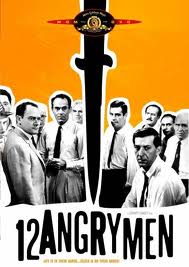
十二怒汉 [演出] 豆瓣
Twelve Angry Men
类型: Theater 编剧: Reginald Rose / 張可堅 (翻譯)
其它标题: Twelve Angry Men 导演: 張可堅 / Harold Pinter 演员: 朱栢謙 / 何文蔚 / 余世騰 / 杜施聰 / 胡明偉
The drama depicts a jury forced to consider a homicide trial. At the beginning, they have a nearly unanimous decision of guilty, with a single dissenter of not-guilty, who throughout the play sows a seed of reasonable doubt. The story begins after closing arguments have been presented in the homicide case, as the judge is giving his instructions to the jury. As in most American criminal cases, the twelve men must unanimously decide on a verdict of "guilty" or "not guilty". (In the justice systems of nearly all American states, failure to reach a unanimous verdict, a so-called "hung jury", results in a mistrial.) The case at hand pertains to whether a young man murdered his own father. The jury is further instructed that a guilty verdict will be accompanied by a mandatory death sentence. These twelve then move to the jury room, where they begin to become acquainted with the personalities of their peers. Throughout their deliberation, not a single juror calls another by his name because the names are unknown by the jurors. Several of the jurors have different reasons for discriminating against the witness: his race, his background, and the troubled relationship between one juror and his own son.
一名少年被控謀殺父親。法庭內,樓下老伯作供聲稱親耳聽到他大罵「我要殺死你」;對街女人作供聲稱親眼目睹他以刀刺進父親胸口;雜貨店老闆作供聲稱曾售賣兇器予少年。似乎,被判死刑將會是他的結局。
陪審團由十二位素未謀面的人組成,聽畢審訊退庭商議。無論陪審團作出任何裁決,必須一致。看似定局已成的判決由於其中一人的異議而爆發成激烈的爭論。十二名陪審員將如何決定少年的生死?
十二怒汉 1999年版 [演出] 豆瓣
所属 演出: 十二怒汉
剧院: Bristol Old Vic 导演: Harold Pinter
其它标题: 1999年版 编剧: Reginald Rose 演员: Stuart Rayner / Kevin Dignam
The drama depicts a jury forced to consider a homicide trial. At the beginning, they have a nearly unanimous decision of guilty, with a single dissenter of not-guilty, who throughout the play sows a seed of reasonable doubt. The story begins after closing arguments have been presented in the homicide case, as the judge is giving his instructions to the jury. As in most American criminal cases, the twelve men must unanimously decide on a verdict of "guilty" or "not guilty". (In the justice systems of nearly all American states, failure to reach a unanimous verdict, a so-called "hung jury", results in a mistrial.) The case at hand pertains to whether a young man murdered his own father. The jury is further instructed that a guilty verdict will be accompanied by a mandatory death sentence. These twelve then move to the jury room, where they begin to become acquainted with the personalities of their peers. Throughout their deliberation, not a single juror calls another by his name because the names are unknown by the jurors. Several of the jurors have different reasons for discriminating against the witness: his race, his background, and the troubled relationship between one juror and his own son.
一名少年被控謀殺父親。法庭內,樓下老伯作供聲稱親耳聽到他大罵「我要殺死你」;對街女人作供聲稱親眼目睹他以刀刺進父親胸口;雜貨店老闆作供聲稱曾售賣兇器予少年。似乎,被判死刑將會是他的結局。
陪審團由十二位素未謀面的人組成,聽畢審訊退庭商議。無論陪審團作出任何裁決,必須一致。看似定局已成的判決由於其中一人的異議而爆發成激烈的爭論。十二名陪審員將如何決定少年的生死?
Performance (表演 第一季) (1991) [剧集] 豆瓣
Performance 所属 电视剧集: Performance
导演: 卡雷尔·赖兹 / 安东尼·佩吉 演员: 伊安·霍姆 / 莱斯利·菲利普斯
《表演》是西蒙·柯蒂斯(Simon Curtis)为英国广播公司(BBC)制作的英国电视剧集。于1991年10月5日至1998年3月21日期间,BBC2台共播出26集,几乎全部是经典/当代戏剧,包括安东·契诃夫的《万尼亚舅舅》、亨利克·易卜生的《玩偶之家》和《赫达·盖布勒》、路易吉·皮兰德罗的《寻找作者的六个角色》、威廉·莎士比亚的《李尔王》和特伦斯·拉蒂根的《深蓝之海》。