Piotr Beczała — 演员 (8)
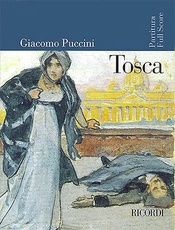
托斯卡 2019年维也纳国家歌剧院版 [演出] 豆瓣
所属 演出: 托斯卡
语言: 意大利语 italian 剧团: Orchester der Wiener Staatsoper 维也纳国家歌剧院管弦乐团 ; Chor der Wiener Staatsoper 维也纳国家歌剧院合唱团 剧院: Wiener Staatsoper 维也纳国家歌剧院 导演: Margarethe Wallmann
其它标题: 2019年维也纳国家歌剧院版 编剧: Giuseppe Giacosa / Luigi Illica 作曲: Giacomo Puccini 演员: Sondra Radvanovsky / Piotr Beczała
Historical context
A crowded scene with many soldiers and horses, and much smoke. Some soldiers lie dead or wounded. In the distance, beyond a short line of trees, is a tall church tower.
According to the libretto, the action of Tosca occurs in Rome in June 1800. Sardou, in his play, dates it more precisely; La Tosca takes place in the afternoon, evening, and early morning of 17 and 18 June 1800.
Italy had long been divided into a number of small states, with the Pope in Rome ruling the Papal States in Central Italy. Following the French Revolution, a French army under Napoleon invaded Italy in 1796, entering Rome almost unopposed on 11 February 1798 and establishing a republic there. Pope Pius VI was taken prisoner, and was sent into exile on February 20, 1798. (Pius VI would die in exile in 1799, and his successor, Pius VII, who was elected in Venice on 14 March 1800, would not enter Rome until July 3. There is thus neither a Pope nor papal government in Rome during the days depicted in the opera.) The new republic was ruled by seven consuls; in the opera this is the office formerly held by Angelotti, whose character may be based on the real-life consul Liborio Angelucci. In September 1799 the French, who had protected the republic, withdrew from Rome. As they left, troops of the Kingdom of Naples occupied the city.
In May 1800 Napoleon, by then the undisputed leader of France, brought his troops across the Alps to Italy once again. On 14 June his army met the Austrian forces at the Battle of Marengo (near Alessandria). Austrian troops were initially successful; by mid-morning they were in control of the field of battle. Their commander, Michael von Melas, sent this news south towards Rome. However, fresh French troops arrived in late afternoon, and Napoleon attacked the tired Austrians. As Melas retreated in disarray with the remains of his army, he sent a second courier south with the revised message. The Neapolitans abandoned Rome, and the city spent the next fourteen years under French domination.
Act 1
Inside the church of Sant'Andrea della Valle
Scene depicting a church interior with high stained-glass windows and heavy ornamental columns. The central figure is a high dignatory around whom several figures are kneeling, while in the background can be seen the tall pikes of the Swiss Guard.
Cesare Angelotti, former consul of the Roman Republic and now an escaped political prisoner, runs into the church and hides in the Attavanti private chapel – his sister, the Marchesa Attavanti, has left a key to the chapel hidden at the feet of the statue of the Madonna. The elderly Sacristan enters and begins cleaning. The Sacristan kneels in prayer as the Angelus sounds.
The painter Mario Cavaradossi arrives to continue work on his picture of Mary Magdalene. The Sacristan identifies a likeness between the portrait and a blonde-haired woman who has been visiting the church recently (unknown to him, it is Angelotti's sister the Marchesa). Cavaradossi describes the "hidden harmony" ("Recondita armonia") in the contrast between the blonde beauty of his painting and his dark-haired lover, the singer Floria Tosca. The Sacristan mumbles his disapproval before leaving.
Angelotti emerges and tells Cavaradossi, an old friend who has republican sympathies, that he is being pursued by the Chief of Police, Baron Scarpia. Cavaradossi promises to assist him after nightfall. Tosca's voice is heard, calling to Cavaradossi. Cavaradossi gives Angelotti his basket of food and Angelotti hurriedly returns to his hiding place.
Tosca enters and suspiciously asks Cavaradossi what he has been doing – she thinks that he has been talking to another woman. Cavaradossi reassures her and Tosca tries to persuade him to take her to his villa that evening: "Non la sospiri, la nostra casetta" ("Do you not long for our little cottage"). She then expresses jealousy over the woman in the painting, whom she recognises as the Marchesa Attavanti. Cavaradossi explains the likeness; he has merely observed the Marchesa at prayer in the church. He reassures Tosca of his fidelity and asks her what eyes could be more beautiful than her own: "Qual'occhio al mondo" ("What eyes in the world").
After Tosca has left, Angelotti reappears and discusses with the painter his plan to flee disguised as a woman, using clothes left in the chapel by his sister. Cavaradossi gives Angelotti a key to his villa, suggesting that he hide in a disused well in the garden. The sound of a cannon signals that Angelotti's escape has been discovered. He and Cavaradossi hasten out of the church.
The Sacristan re-enters with choristers, celebrating the news that Napoleon has apparently been defeated at Marengo. The celebrations cease abruptly with the entry of Scarpia, his henchman Spoletta and several police agents. They have heard that Angelotti has sought refuge in the church. Scarpia orders a search, and the empty food basket and a fan bearing the Attavanti coat of arms are found in the chapel. Scarpia questions the Sacristan, and his suspicions are aroused further when he learns that Cavaradossi has been in the church; Scarpia mistrusts the painter, and believes him complicit in Angelotti's escape.
When Tosca arrives looking for her lover, Scarpia artfully arouses her jealous instincts by implying a relationship between the painter and the Marchesa Attavanti. He draws Tosca's attention to the fan and suggests that someone must have surprised the lovers in the chapel. Tosca falls for his deceit; enraged, she rushes off to confront Cavaradossi. Scarpia orders Spoletta and his agents to follow her, assuming she will lead them to Cavaradossi and Angelotti. He privately gloats as he reveals his intentions to possess Tosca and execute Cavaradossi. A procession enters the church singing the Te Deum; exclaiming 'Tosca, you make me forget even God!', Scarpia joins the chorus in the prayer.
Act 2
The body of a man lies supine, with a woman, crucifix in hand, kneeling over him. A candle is placed to each side of his head.
Scarpia's apartment in the Palazzo Farnese, that evening
Scarpia, at supper, sends a note to Tosca asking her to come to his apartment, anticipating that two of his goals will soon be fulfilled at once. His agent, Spoletta, arrives to report that Angelotti remains at large, but Cavaradossi has been arrested for questioning. He is brought in, and an interrogation ensues. As the painter steadfastly denies knowing anything about Angelotti's escape, Tosca's voice is heard singing a celebratory cantata elsewhere in the Palace.
She enters the apartment in time to see Cavaradossi being escorted to an antechamber. All he has time to say is that she mustn't tell them anything. Scarpia then claims she can save her lover from indescribable pain if she reveals Angelotti's hiding place. She resists, but the sound of screams coming through the door eventually breaks her down, and she tells Scarpia to search the well in the garden of Cavaradossi's villa.
Scarpia orders his torturers to cease, and the bloodied painter is dragged back in. He's devastated to discover that Tosca has betrayed his friend. Sciarrone, another agent, then enters with news: there was an upset on the battlefield at Marengo, and the French are marching on Rome. Cavaradossi, unable to contain himself, gloats to Scarpia that his rule of terror will soon be at an end. This is enough for the police to consider him guilty, and they haul him away to be shot.
Scarpia, now alone with Tosca, proposes a bargain: if she gives herself to him, Cavaradossi will be freed. She is revolted, and repeatedly rejects his advances, but she hears the drums outside announcing an execution. As Scarpia awaits her decision, she prays, asking why God has abandoned her in her hour of need: "Vissi d'arte" ("I lived for art"). She tries to offer money, but Scarpia isn't interested in that kind of bribe: he wants Tosca herself.
Spoletta returns with the news that Angelotti has killed himself upon discovery, and that everything is in place for Cavaradossi's execution. Scarpia hesitates to give the order, looking to Tosca, and despairingly she agrees to submit to him. He tells Spoletta to arrange a mock execution, both men repeating that it will be "as we did with Count Palmieri," and Spoletta exits.
Tosca insists that Scarpia must provide safe-conduct out of Rome for herself and Cavaradossi. He easily agrees to this and heads to his desk. While he's drafting the document, she quietly takes a knife from the supper table. Scarpia triumphantly strides toward Tosca. When he begins to embrace her, she stabs him, crying "this is Tosca's kiss!" Once she's certain he's dead, she ruefully says "now I forgive him." She removes the safe-conduct from his pocket, lights candles in a gesture of piety, and places a crucifix on the body before leaving.
Act 3
The upper parts of the Castel Sant'Angelo, early the following morning
Roman panorama showing, centre, an arched bridge over a river with a domed building in the distance. To the right of the bridge is a large circular fortress.
A shepherd boy is heard offstage singing (in Romanesco dialect) "Io de' sospiri" ("I give you sighs") as church bells sound for matins. The guards lead Cavaradossi in and inform him that he has one hour to live. He declines to see a priest, but asks permission to write a letter to Tosca. He begins to write, but is soon overwhelmed by memories: "E lucevan le stelle" ("And the stars shone").
Tosca enters and shows him the safe-conduct pass she's obtained, adding that she has killed Scarpia and that the imminent execution is a sham. Cavaradossi must feign death, after which they can flee together before Scarpia's body is discovered. Cavaradossi is awestruck by his gentle lover's courage: "O dolci mani" ("Oh sweet hands"). The pair ecstatically imagines the life they will share, far from Rome. Tosca then anxiously coaches Cavaradossi on how to play dead when the firing squad shoots at him with blanks. He giddily promises he'll fall "like Tosca in the theatre."
Cavaradossi is led away, and Tosca watches with increasing impatience as the execution is prepared. The men fire, Cavaradossi falls, and Tosca exclaims "Ecco un artista!" ("What an actor!"). When the soldiers have all left, she hurries towards Cavaradossi, only to find that Scarpia betrayed her: the bullets were real. Heartbroken, she clasps her lover's lifeless body and weeps.
The voices of Spoletta, Sciarrone, and the soldiers are heard, shouting that Scarpia is dead and Tosca has killed him. As the men rush in, Tosca rises, evades their clutches, and runs to the parapet. Crying "O Scarpia, Avanti a Dio!" ("O Scarpia, we meet before God!"), she flings herself over the edge to her death.
魔笛 2000年苏黎世歌剧团版 [演出] 豆瓣
所属 演出: 魔笛
语言: german 德语 剧团: Orchester der Oper Zürich 苏黎世歌剧团管弦乐团 ; Chor der Oper Zürich 苏黎世歌剧团合唱团 ; Statistenverein am Opernhaus Zürich 剧院: Opernhaus Zürich 苏黎世歌剧院 导演: Jonathan Miller
其它标题: 2000年苏黎世歌剧团版 编剧: Emanuel Schikaneder 作曲: Wolfgang Amadeus Mozart 演员: Piotr Beczała / Malin Hartelius
The opera begins with the overture, which Mozart composed last.
Act 1
Scene 1: A rough, rocky landscape
Tamino, a handsome prince lost in a distant land, is pursued by a serpent and asks the gods to save him (aria: "Zu Hilfe! Zu Hilfe!" segued into trio: "Stirb, Ungeheuer, durch uns're Macht!"). He faints, and three ladies, attendants of the Queen of the Night, appear and kill the serpent. They find the unconscious prince extremely attractive, and each of them tries to convince the other two to leave. After arguing, they reluctantly decide to leave together.
Tamino wakes up, and is surprised to find himself still alive. Papageno enters dressed as a bird. He describes his life as a bird-catcher, complaining he has no wife or girlfriend (aria: "Der Vogelfänger bin ich ja"). Tamino introduces himself to Papageno, thinking Papageno killed the serpent. Papageno happily takes the credit – claiming he strangled it with his bare hands. The three ladies suddenly reappear and instead of giving Papageno wine, cake and figs, they give him water, a stone and place a padlock over his mouth as a warning not to lie. They give Tamino a portrait of the Queen of the Night's daughter Pamina, with whom Tamino falls instantly in love (aria: "Dies Bildnis ist bezaubernd schön" / This image is enchantingly beautiful).
The ladies return and tell Tamino that Pamina has been captured by Sarastro, whom they describe as a powerful, evil demon. Tamino vows to rescue Pamina. The Queen of the Night appears and promises Tamino that Pamina will be his if he rescues her from Sarastro (Recitative and aria: "O zittre nicht, mein lieber Sohn" / Oh, tremble not, my dear son!). The Queen leaves and the ladies remove the padlock from Papageno's mouth with a warning not to lie any more. They give Tamino a magic flute which has the power to change sorrow into joy. They tell Papageno to go with Tamino, and give him (Papageno) magic bells for protection. The ladies introduce three child-spirits, who will guide Tamino and Papageno to Sarastro's temple. Together Tamino and Papageno set forth (Quintet: "Hm! Hm! Hm! Hm!").
Scene 2: A room in Sarastro's palace
Pamina is dragged in by Sarastro's slaves, apparently having tried to escape. Monostatos, a blackamoor and chief of the slaves, orders the slaves to chain her and leave him alone with her. Papageno, sent ahead by Tamino to help find Pamina, enters (Trio: "Du feines Täubchen, nur herein!"). Monostatos and Papageno are each terrified by the other's strange appearance and both flee. Papageno returns and announces to Pamina that her mother has sent Tamino to save her. Pamina rejoices to hear that Tamino is in love with her. She offers sympathy and hope to Papageno, who longs for a wife. Together they reflect on the joys and sacred duties of marital love (duet: "Bei Männern welche Liebe fühlen").
Finale. Scene 3: A grove in front of a temple
The three child-spirits lead Tamino to Sarastro's temple, promising that if he remains patient, wise and steadfast, he will succeed in rescuing Pamina (Quartet: "Zum Ziele führt dich diese Bahn"). Tamino approaches the left-hand entrance and is denied access by voices from within. The same happens when he goes to the entrance on the right. But from the entrance in the middle, an old priest appears and lets Tamino in. (The old priest is referred to as "The Speaker" in the libretto, but his role is a singing role.) He tells Tamino that Sarastro is benevolent, not evil, and that he should not trust the Queen of the Night. He promises that Tamino's confusion will be lifted when Tamino approaches the temple in a spirit of friendship. Tamino plays his magic flute. Animals appear and dance, enraptured, to his music. Tamino hears Papageno's pipes sounding offstage, and hurries off to find him (aria: "Wie stark ist nicht dein Zauberton").
Papageno and Pamina enter, searching for Tamino (trio: "Schnelle Füße, rascher Mut"). They are recaptured by Monostatos and his slaves. Papageno plays his magic bells, and Monostatos and his slaves begin to dance, and exit the stage, still dancing, mesmerised by the beauty of the music (chorus: "Das klinget so herrlich"). Papageno and Pamina hear the sound of Sarastro's retinue approaching. Papageno is frightened and asks Pamina what they should say. She answers that they must tell the truth. Sarastro enters, with a crowd of followers. (chorus: "Es lebe Sarastro!")
Pamina falls at Sarastro's feet and confesses that she tried to escape because Monostatos had forced his attentions on her. Sarastro receives her kindly and assures her that he wishes only for her happiness. But he refuses to return her to her mother, whom he describes as a proud, headstrong woman, and a bad influence on those around her. Pamina, he says, must be guided by a man.
Monostatos brings in Tamino. The two lovers see one another for the first time and embrace, causing indignation among Sarastro's followers. Monostatos tells Sarastro that he caught Papageno and Pamina trying to escape, and demands a reward. Sarastro, however, punishes Monostatos for his lustful behaviour toward Pamina, and sends him away. He announces that Tamino must undergo trials of wisdom in order to become worthy as Pamina's husband. The priests declare that virtue and righteousness will sanctify life and make mortals like gods ("Wenn Tugend und Gerechtigkeit").
Act 2
Scene 1: A grove of palms
The council of priests of Isis and Osiris, headed by Sarastro, enters to the sound of a solemn march. Sarastro tells the priests that Tamino is ready to undergo the ordeals that will lead to enlightenment. He invokes the gods Isis and Osiris, asking them to protect Tamino and Pamina (Aria and chorus: "O Isis und Osiris").
Scene 2: The courtyard of the Temple of Ordeal
Tamino and Papageno are led in by two priests for the first trial. The two priests advise Tamino and Papageno of the dangers ahead of them, warn them of women's wiles and swear them to silence (Duet: "Bewahret euch von Weibertücken"). The three ladies appear and try to frighten Tamino and Papageno into speaking. (Quintet: "Wie, wie, wie") Papageno cannot resist answering the ladies, but Tamino remains aloof, angrily instructing Papageno not to listen to the ladies' threats and to keep quiet. Seeing that Tamino will not speak to them, the ladies withdraw in confusion.
Scene 3: A garden
Pamina is asleep. Monostatos approaches and gazes upon her with rapture. (Aria: "Alles fühlt der Liebe Freuden") He is about to kiss the sleeping Pamina, when the Queen of the Night appears. Monostatos hides. In response to the Queen's questioning, Pamina explains that Tamino is joining Sarastro's brotherhood and she is thinking of accompanying him too. The Queen is not pleased. She explains that her husband was the previous owner of the temple and on his deathbed, gave the ownership to Sarastro instead of her, rendering the Queen powerless (this is in the original libretto, but is usually omitted from modern productions, to shorten the scene with Pamina and her mother). She gives Pamina a dagger, ordering her to kill Sarastro with it and threatening to disown her if she does not. (Aria: "Der Hölle Rache kocht in meinem Herzen"). She leaves. Monostatos returns and tries to force Pamina's love by threatening to reveal the Queen's plot, but Sarastro enters and drives him off. Pamina begs Sarastro to forgive her mother and he reassures her that revenge and cruelty have no place in his domain (Aria: "In diesen heil'gen Hallen").
Scene 4: A hall in the Temple of Ordeal
Tamino and Papageno are led in by priests, who remind them that they must remain silent. Papageno complains of thirst. An old woman enters and offers Papageno a cup of water. He drinks and teasingly asks whether she has a boyfriend. She replies that she does and that his name is Papageno. She disappears as Papageno asks for her name, and the three child-spirits bring in food, the magic flute, and the bells, sent from Sarastro (Trio: "Seid uns zum zweiten Mal willkommen"). Tamino begins to play the flute, which summons Pamina. She tries to speak with him, but Tamino, bound by his vow of silence, cannot answer her, and Pamina begins to believe that he no longer loves her. (Aria: "Ach, ich fühl's, es ist verschwunden") She leaves in despair.
Scene 5: The pyramids
The priests celebrate Tamino's successes so far, and pray that he will succeed and become worthy of their order (Chorus: "O Isis und Osiris"). Pamina is brought in and Sarastro instructs Pamina and Tamino to bid each other farewell before the greater trials ahead, alarming them by describing it as their "final farewell". (Trio: Sarastro, Pamina, Tamino – "Soll ich dich, Teurer, nicht mehr sehn?" Note: In order to preserve the continuity of Pamina's suicidal feelings, this trio is sometimes performed earlier in act 2, preceding or immediately following Sarastro's aria "O Isis und Osiris".[f][30]) They exit and Papageno enters. The priests grant his request for a glass of wine and he expresses his desire for a wife. (Aria: "Ein Mädchen oder Weibchen"). The elderly woman reappears and warns him that unless he immediately promises to marry her, he will be imprisoned forever. When Papageno promises to love her faithfully (muttering that he will only do this until something better comes along), she is transformed into the young and pretty Papagena. Papageno rushes to embrace her, but the priests drive him back, telling him that he is not yet worthy of her.
Finale. Scene 6: A garden
The three child-spirits hail the dawn. They observe Pamina, who is contemplating suicide because she believes Tamino has abandoned her. The child-spirits restrain her and reassure her of Tamino's love. (Quartet: "Bald prangt, den Morgen zu verkünden").
Scene change without interrupting the music, to Scene 7: Outside the Temple of Ordeal
Two men in armor lead in Tamino. They recite one of the formal creeds of Isis and Osiris, promising enlightenment to those who successfully overcome the fear of death ("Der, welcher wandert diese Strasse voll Beschwerden"). This recitation takes the musical form of a Baroque chorale prelude, to a tune inspired by Martin Luther's hymn "Ach Gott, vom Himmel sieh darein" (Oh God, look down from heaven).[g][32] Tamino declares that he is ready to be tested. Pamina calls to him from offstage. The men in armour assure him that the trial by silence is over and he is free to speak with her. Pamina enters and declares her intention to undergo the remaining trials with him. She hands him the magic flute to help them through the trials ("Tamino mein, o welch ein Glück!"). Protected by the music of the magic flute, they pass unscathed through chambers of fire and water. Offstage, the priests hail their triumph and invite the couple to enter the temple.
Scene change without interrupting the music, to Scene 8: A garden with a tree
Papageno despairs at having lost Papagena and decides to hang himself (Aria/Quartet: "Papagena! Papagena! Papagena! Weibchen, Täubchen, meine Schöne") The three child-spirits appear and stop him. They advise him to play his magic bells to summon Papagena. She appears and, united, the happy couple stutter in astonishment and make bird-like courting sounds at each other. They plan their future and dream of the many children they will have together (Duet: "Pa... pa... pa...").
Scene change without interrupting the music, to Scene 9: A rocky landscape outside the temple; night
The traitorous Monostatos appears with the Queen of the Night and her three ladies. They plot to destroy the temple ("Nur stille, stille") and the Queen confirms that she has promised her daughter Pamina to Monostatos. But before the conspirators can enter the temple, they are magically cast out into eternal night.
Scene change without interrupting the music, to Scene 10: The Temple of the Sun
Sarastro announces the sun's triumph over the night, and hails the dawn of a new era of wisdom and brotherhood. Animals appear again and dance in the sun.
罗恩格林 2016年德累斯顿萨克森国家歌剧团版 [演出] 豆瓣
所属 演出: 罗恩格林
语言: 德语 german 剧团: Sächsische Staatskapelle Dresden 德累斯顿萨克森国家乐队 ; Sächsischer Staatsopernchor Dresden 德累斯顿萨克森国家歌剧团合唱团 剧院: Semperoper Dresden 德累斯顿森帕歌剧院 导演: Christine Mielitz
其它标题: 2016年德累斯顿萨克森国家歌剧团版 编剧: Richard Wagner 作曲: Richard Wagner 演员: Piotr Beczała / Anna Netrebko
Place: Antwerp, on the Scheldt
Time: 10th century
Summary
The people of the Duchy of Brabant are divided by quarrels and political infighting; also, a devious hostile power left over from the region's pagan past is seeking to subvert the prevailing monotheistic government and to return the Duchy to pagan rule. A mysterious knight, sent by God and possessing superhuman charisma and fighting ability, arrives to unite and strengthen the people, and to defend the innocent noble woman Elsa from a false accusation of murder, but he imposes a condition: the people must follow him without knowing his identity. Elsa in particular must never ask his name, or his heritage, or his origin. The conspirators attempt to undermine her faith in her rescuer, to create doubt among the people, and to force him to leave.
Act 1
King Henry the Fowler has arrived in Brabant, where he has assembled the German tribes in order to expel the marauding Hungarians from his dominions. He also needs to settle a dispute involving the disappearance of the child-Duke Gottfried of Brabant. The Duke's guardian, Count Friedrich von Telramund, has accused the Duke's older sister, Elsa, of murdering her brother in order to become Duchess of Brabant. Telramund calls upon the King to punish Elsa and to make him the new Duke of Brabant.
The King calls for Elsa to answer Telramund's accusation. Elsa does not answer the King's inquiries, only lamenting her brother's fate. The King declares that he cannot resolve the matter and will leave it to God's judgment through ordeal by combat. Telramund, a strong and seasoned warrior, agrees enthusiastically. When the King asks Elsa who shall be her champion, Elsa describes a knight she has beheld in her dreams (Narrative: "Alone in dark days").
Twice the Herald calls for a champion to step forward, but gets no response. Elsa kneels and prays that God may send her champion to her. A boat drawn by a swan appears on the river and in it stands a knight in shining armour. He disembarks, dismisses the swan, respectfully greets the king, and asks Elsa if she will have him as her champion and marry him. Elsa kneels in front of him and places her honour in his keeping. He asks only one thing in return for his service: Elsa must never ask him his name or where he has come from. Elsa agrees to this.
Telramund's supporters advise him to withdraw because he cannot prevail against the Knight's powers, but he proudly refuses. The chorus prays to God ("Herr und Gott") for victory for the one whose cause is just. Ortrud, Telramund's wife, does not join the prayer, but privately expresses confidence that Telramund will win. The combat commences. The unknown Knight defeats Telramund but spares his life. Taking Elsa by the hand, he declares her innocent. The crowd exits, cheering and celebrating.
Act 2
Night in the courtyard outside the cathedral
Telramund and Ortrud, banished from court, listen unhappily to the distant party-music. Ortrud reveals that she is a pagan witch (daughter of Radbod Duke of Frisia), and tries to revive Telramund's courage, assuring him that her people (and he) are destined to rule the kingdom again. She plots to induce Elsa to violate the mysterious knight's only condition.
When Elsa appears on the balcony before dawn, she hears Ortrud lamenting and pities her. As Elsa descends to open the castle door, Ortrud prays to her pagan gods, Wodan and Freia, for malice, guile, and cunning, in order to deceive Elsa and restore pagan rule to the region. Ortrud warns Elsa that since she knows nothing about her rescuer, he could leave at any time as suddenly as he came, but Elsa is sure of the Knight's virtues. The two women go into the castle. Left alone outside, Telramund vows to bring about the Knight's downfall.
The sun rises and the people assemble. The Herald announces that Telramund is now banished, and that anyone who follows Telramund shall be considered an outlaw by the law of the land. In addition, he announces that the King has offered to make the unnamed knight the Duke of Brabant; however, the Knight has declined the title, and prefers to be known only as "Protector of Brabant".[11] The Herald further announces that the Knight will lead the people to glorious new conquests, and will celebrate the marriage of himself and Elsa. In the back of the crowd, four noblemen quietly express misgivings to each other because the Knight has rescinded their privileges and is calling them to arms. Telramund secretly draws the four noblemen aside and assures them that he will regain his position and stop the Knight, by accusing him of sorcery.
As Elsa and her attendants are about to enter the church, Ortrud rushes to the front of the procession and challenges Elsa to explain who the Knight is and why anyone should follow him. Their conversation is interrupted by the entrance of the King with the Knight. Elsa tells both of them that Ortrud was interrupting the ceremony. The King tells Ortrud to step aside, then leads Elsa and the Knight toward the church. Just as they are about to enter the church, Telramund enters. He claims that his defeat in combat was invalid because the Knight did not give his name (trial by combat traditionally being open only to established citizens), then accuses the Knight of sorcery. He demands that the Knight must reveal his name; otherwise the King should rule the trial by combat invalid. The Knight refuses to reveal his identity and claims that only one person in the world has the right to make him do so: his beloved Elsa, and she has pledged not to exercise that right. Elsa, though visibly shaken and uncertain, assures him of her confidence. King Henry refuses Telramund's questions, and the nobles of Brabant and Saxony praise and honor the Knight. Elsa falls back into the crowd where Ortrud and Telramund try to intimidate her, but the Knight forces them both to leave the ceremony, and consoles Elsa. Elsa takes one last look at the banished Ortrud, then enters the church with the wedding procession.
Act 3
Scene 1: The bridal chamber
Elsa and her new husband are ushered in with the well-known bridal chorus, and they express their love for each other. Ortrud's words, however, have made an impression on Elsa; she laments that her name sounds so sweet on her husband's lips but she cannot utter his name. She asks him to tell her his name when no one else is around, but at all instances he refuses. Finally, despite his warnings, she asks the Knight the fatal questions. Before the Knight can answer, Telramund and his four recruits rush into the room in order to attack him. The Knight defeats and kills Telramund. Then, he sorrowfully turns to Elsa and asks her to follow him to the King, to whom he will now reveal his secrets.
Scene 2: On the banks of the Scheldt (as in Act 1)
The troops arrive equipped for war. Telramund's corpse is brought in. Elsa comes forward, then the Knight. He tells the King that Elsa has broken her promise, and discloses his identity ("In fernem Land") by recounting the story of the Holy Grail and of Monsalvat. He reveals himself as Lohengrin, Knight of the Grail and son of King Parsifal, sent to protect an unjustly accused woman. The laws of the Holy Grail say that Knights of the Grail must remain anonymous. If their identity is revealed. they must return home.
As Lohengrin sadly bids farewell to Elsa, the swan-boat reappears. Lohengrin tells Elsa that if she had kept her promise, she could have recovered her lost brother, and gives her his sword, horn and ring, for he is to become the future leader of Brabant. As Lohengrin tries to get in the boat, Ortrud appears. She tells Elsa that the swan is actually Gottfried, Elsa's brother, whom she cursed to become a swan. The people consider Ortrud guilty of witchcraft. Lohengrin prays and the swan turns back into young Gottfried. Lohengrin declares him the Duke of Brabant. Ortrud sinks as she sees her plans thwarted.
A dove descends from heaven and, taking the place of the swan at the head of the boat, leads Lohengrin to the castle of the Holy Grail. Elsa is stricken with grief and falls to the ground dead.
弄臣 2022年大都会歌剧团版 [演出] 豆瓣
所属 演出: 弄臣
语言: italian 意大利语 剧团: Metropolitan Opera Orchestra 大都会歌剧团管弦乐团 ; Metropolitan Opera Chorus 大都会歌剧团合唱团 剧院: Metropolitan Opera House 大都会歌剧院 导演: Bartlett Sher
其它标题: 2022年大都会歌剧团版 编剧: Francesco Maria Piave 作曲: Giuseppe Verdi 演员: Quinn Kelsey / Rosa Feola
Place: Mantua
Time: the sixteenth century
Act 1
Scene 1: Mantua. A magnificent hall in the ducal palace. Doors at the back open into other rooms, splendidly lit up. A crowd of lords and ladies in grand costumes are seen walking about in the rear rooms; page boys come and go. The festivities are at their height. Music is heard from offstage. The Duke and Borsa enter from a door in the back.
At a ball in his palace, the Duke sings of a life of pleasure with as many women as possible, and mentions that he particularly enjoys cuckolding his courtiers: "Questa o quella" ("This woman or that"). He mentions to Borsa that he has seen an unknown beauty in church and desires to possess her, but he also wishes to seduce the Countess of Ceprano. Rigoletto, the Duke's hunchbacked court jester, mocks the husbands of the ladies to whom the Duke is paying attention, including the Count Ceprano, and advises the Duke to get rid of him by prison or death. The Duke laughs indulgently, but Ceprano is not amused. Marullo, one of the guests at the ball, informs the courtiers that Rigoletto has a "lover", which astonishes them. (Marullo is not aware that the "lover" is actually Rigoletto's daughter.) The courtiers, at Ceprano's suggestion, resolve to take vengeance on Rigoletto for making fun of them. The festivities are interrupted by the arrival of the elderly Count Monterone, whose daughter the Duke had seduced. Rigoletto provokes him further by making fun of his helplessness to avenge his daughter's honor. Monterone confronts the Duke, and is immediately arrested by the Duke's guards. Before being led off to prison, Monterone curses both the Duke for the attack on his daughter and Rigoletto for having mocked his righteous anger. The curse terrifies Rigoletto, who believes the popular superstition that an old man's curse has real power.
Scene 2: The end of a dead-end street. On the left, a house of discreet appearance with one small courtyard surrounded by walls. In the yard there is one tall tree and a marble seat; in the wall, a door that leads to the street; above the wall, a terrace supported by arches. The second floor door opens on to the said terrace, which can also be reached by a staircase in front. To the right of the street is the very high wall of the garden and a side of the Ceprano palace. It is night.
Preoccupied with the old man's curse, Rigoletto approaches the house where he is concealing his daughter from the world and is accosted by the hit-man Sparafucile, who walks up to him and offers his services. Rigoletto declines for the moment, but leaves open the possibility of hiring Sparafucile later, should the need arise. Sparafucile wanders off, after repeating his own name a few times. Rigoletto contemplates the similarities between the two of them: "Pari siamo!" ("We are alike!"); Sparafucile kills men with his sword, and Rigoletto uses "a tongue of malice" to stab his victims. Rigoletto opens a door in the wall and embraces his daughter Gilda. They greet each other warmly: "Figlia!" "Mio padre!" ("Daughter!" "My father!"). Rigoletto has been concealing his daughter from the Duke and the rest of the city, and she does not know her father's occupation. Since he has forbidden her to appear in public, she has been nowhere except to church and does not even know her own father's name.
When Rigoletto has gone, the Duke appears and overhears Gilda confess to her nurse Giovanna that she feels guilty for not having told her father about a young man she had met at the church. She says that she fell in love with him, but that she would love him even more if he were a student and poor. As she declares her love, the Duke enters, overjoyed. Gilda, alarmed, calls for Giovanna, unaware that the Duke had sent her away. Pretending to be a student, the Duke convinces Gilda of his love: "È il sol dell'anima" ("Love is the sunshine of the soul"). When she asks for his name, he hesitantly calls himself Gualtier Maldè. Hearing sounds and fearing that her father has returned, Gilda sends the Duke away after they quickly trade vows of love: "Addio, addio" ("Farewell, farewell"). Alone, Gilda meditates on her love for the Duke, whom she believes is a student: "Gualtier Maldè!... Caro nome che il mio cor" ("Dearest name").
Later, Rigoletto returns: "Riedo!... perché?" ("I've returned!... why?"), while the hostile courtiers outside the walled garden (believing Gilda to be the jester's mistress, unaware she is his daughter) get ready to abduct the helpless girl. They tell Rigoletto that they are actually abducting the Countess Ceprano. He sees that they are masked and asks for a mask for himself; while they are tying the mask onto his face, they also blindfold him. Blindfolded and deceived, he holds the ladder steady while they climb up to Gilda's room: Chorus: "Zitti, zitti" ("Softly, softly"). With her father's unknowing assistance Gilda is carried away by the courtiers. Left alone, Rigoletto removes his mask and blindfold, and realizes that it was in fact Gilda who was carried away. He collapses in despair, remembering the old man's curse.
Act 2
A room in the ducal palace. There are doors on both sides as well as a larger one at the far end by the sides of which hang full length portraits of the Duke and his wife. There is one high-backed chair at a table covered with velvet and other furnishings.
The Duke is concerned that Gilda has disappeared: "Ella mi fu rapita!" ("She was stolen from me!") and "Parmi veder le lagrime" ("I seem to see tears"). The courtiers then enter and inform him that they have captured Rigoletto's mistress: Chorus: "Scorrendo uniti" ("We went together at nightfall"). By their description, he recognizes it to be Gilda and rushes off to the room where she is held: "Possente amor mi chiama" ("Mighty love beckons me"). Rigoletto enters singing and feigning nonchalance, but also looking anxiously for any trace of Gilda, whom he fears may have fallen into the hands of the Duke. The courtiers pretend not to notice his anxiety, but quietly laugh at him with each other. A page boy arrives with a message from the Duke's wife - the Duchess wishes to speak to her husband - but the courtiers reply suggestively that the Duke cannot be disturbed at the moment. Rigoletto realizes this must mean that Gilda is with the Duke. To the courtiers' surprise, he reveals that Gilda is his daughter. He first demands, then tearfully pleads with the courtiers to return her to him: "Cortigiani, vil razza dannata" ("Accursed race of courtiers"). Rigoletto attempts to run into the room in which Gilda is being held, but the courtiers block his way. After a time, Gilda enters, and Rigoletto orders the courtiers to leave him alone with her. The courtiers leave the room, believing Rigoletto has gone mad. Gilda describes to her father what has happened to her in the palace: "Tutte le feste al tempio" ("On all the holy days") and he attempts to console her. Monterone is led across the room on the way to prison and pauses in front of the portrait of the Duke to regret that his curse on the libertine has had no effect. As the guards lead Monterone away, Rigoletto mutters that the old man is mistaken; he, Rigoletto, the dishonored buffoon, shall make thunder and lightning rain from heaven onto the offender's head. He repeats this vow as Gilda pleads for mercy for her lover the Duke: Duet:"Sì! Vendetta, tremenda vendetta!" ("Yes! Revenge, terrible revenge!").
Act 3
The right bank of the river Mincio. On the left is a two-story house, half ruined. Through a large arch on the ground floor a rustic tavern can be seen as well as a rough stone staircase that leads to an attic room with a small bed which is in full view as there are no shutters. In the wall downstairs that faces the street is a door that opens to the inside. The wall is so full of holes and cracks that everything that happens inside is easily seen from the exterior. At the back of the stage are deserted areas by the river which flows behind a parapet that has half collapsed into ruins. Beyond the river is Mantua. It is night. Gilda and Rigoletto, both uneasy, are standing in the road; Sparafucile is seated at a table in the tavern.
A portion of Sparafucile's house is seen, with two rooms open to the view of the audience. Rigoletto and Gilda arrive outside. The Duke's voice can be heard from inside, singing "La donna è mobile" ("Woman is fickle"). Sparafucile's sister, Maddalena, has lured him to the house. Rigoletto and Gilda listen from outside as the Duke flirts with Maddalena. Gilda laments that the Duke is unfaithful; Rigoletto assures her that he is arranging revenge: "Bella figlia dell’amore" ("Beautiful daughter of love").
Rigoletto orders Gilda to put on a man's clothes to prepare to leave for Verona and tells her that he plans to follow later. After she leaves, he completes his bargain with the assassin, who is ready to murder his guest for 20 scudi. Rigoletto then withdraws.
With falling darkness, a thunderstorm approaches and the Duke decides to spend the rest of the night in the house. Sparafucile directs him to the upstairs sleeping quarters, resolving to kill him in his sleep.
Gilda, who still loves the Duke despite knowing him to be unfaithful, returns dressed as a man and stands outside the house. Maddalena, who is smitten with the Duke, begs Sparafucile to spare his life: "È amabile invero cotal giovinotto/ Ah, più non ragiono!...". Sparafucile reluctantly promises her that if by midnight another victim can be found, he will kill the other instead of the Duke. Gilda, overhearing this exchange, resolves to sacrifice herself for the Duke, and enters the house: "Trio: Se pria ch’abbia il mezzo la notte toccato". Sparafucile stabs her and she collapses, mortally wounded.
At midnight, when Rigoletto arrives with money, he receives a corpse wrapped in a sack, and rejoices in his triumph. Weighting it with stones, he is about to cast the sack into the river when he hears the voice of the Duke, sleepily singing a reprise of his "La donna è mobile" aria. Bewildered, Rigoletto opens the sack and, to his despair, discovers his dying daughter. For a moment, she revives and declares she is glad to die for her beloved: "V'ho ingannato" ("Father, I deceived you"). She dies in his arms. Rigoletto cries out in horror: "La maledizione!" ("The curse!")
拉美莫尔的露琪亚 2009年大都会歌剧团版 [演出] 豆瓣
所属 演出: 拉美莫尔的露琪亚
语言: italian 意大利语 剧团: Metropolitan Opera Orchestra 大都会歌剧团管弦乐团 ; Metropolitan Opera Chorus 大都会歌剧团合唱团 剧院: Metropolitan Opera House 大都会歌剧院 导演: Mary Zimmerman
其它标题: 2009年大都会歌剧团版 编剧: Salvatore Cammarano 作曲: Gaetano Donizetti 演员: Anna Netrebko / Piotr Beczała
Time: Early 18th century
Place: Scotland
Act 1
Scene 1: The gardens of Ravenswood Castle
Normanno, captain of the castle guard, and other retainers are searching for an intruder. He tells Enrico that he believes that the man is Edgardo of Ravenswood, and that he comes to the castle to meet Enrico's sister, Lucia. It is confirmed that Edgardo is indeed the intruder. Enrico reaffirms his hatred for the Ravenswood family and his determination to end the relationship.
Scene 2: By a fountain at the entrance to the park, beside the castle
Lucia waits for Edgardo. In her famous aria "Regnava nel silenzio", Lucia tells her maid Alisa that she has seen the ghost of a girl killed on the very same spot by a jealous Ravenswood ancestor. Alisa tells Lucia that the apparition is a warning and that she must give up her love for Edgardo. Edgardo enters; for political reasons, he must leave immediately for France. He hopes to make his peace with Enrico and marry Lucia. Lucia tells him this is impossible, and instead they take a sworn vow of marriage and exchange rings. Edgardo leaves.
Act 2
Scene 1: Lord Ashton's apartments
Preparations have been made for the imminent wedding of Lucia to Arturo. Enrico worries about whether Lucia will really submit to the wedding. He shows his sister a forged letter seemingly proving that Edgardo has forgotten her and taken a new lover. Enrico leaves Lucia to further persuasion, this time by Raimondo, Lucia's chaplain and tutor, that she should renounce her vow to Edgardo, for the good of the family, and marry Arturo.
Scene 2: A hall in the castle
Arturo arrives for the marriage. Lucia acts strangely, but Enrico explains that this is due to the death of her mother. Arturo signs the marriage contract, followed reluctantly by Lucia. At that point Edgardo suddenly appears in the hall. Raimondo prevents a fight, but he shows Edgardo Lucia's signature on the marriage contract. Edgardo curses her, demanding that they return their rings to each other. He tramples his ring on the ground, before being forced out of the castle.
Act 3
Scene 1: Wolfcrag
Enrico visits Edgardo to challenge him to a duel. He tells him that Lucia is already enjoying her bridal bed. Edgardo agrees to fight him. They will meet later by the graveyard of the Ravenswoods, near the Wolf's Crag.
Scene 2: A Hall
Raimondo interrupts the marriage celebrations to tell the guests that Lucia has gone mad and killed her bridegroom Arturo. Lucia enters. In the aria "Il dolce suono" she imagines being with Edgardo, soon to be happily married. Enrico enters and at first threatens Lucia but later softens when he realizes her condition. Lucia collapses. Raimondo blames Normanno for precipitating the whole tragedy.
Scene 3: The graveyard of the Ravenswood family
Edgardo is resolved to kill himself on Enrico's sword. He learns that Lucia is dying and then Raimondo comes to tell him that she has already died. Edgardo stabs himself with a dagger, hoping to be reunited with Lucia in heaven.
玛侬 2012年大都会歌剧团版 [演出] 豆瓣
所属 演出: 玛侬
语言: french 法语 剧团: Metropolitan Opera Orchestra 大都会歌剧团管弦乐团 ; Metropolitan Opera Chorus 大都会歌剧团合唱团 剧院: Metropolitan Opera House 大都会歌剧院 导演: Laurent Pelly
其它标题: 2012年大都会歌剧团版 编剧: Henri Meilhac / Philippe Gille 作曲: Jules Massenet 演员: Anna Netrebko / Piotr Beczała
Place: France
Time: the reign of Louis XV
Act 1
The courtyard of an inn at Amiens
De Brétigny, a nobleman, has just arrived, in the company of Guillot, an aging rake who is the Minister of Finance, along with three flirtatious young actresses. While the innkeeper is serving dinner to the party, the townspeople collect to witness the arrival of the coach from Arras. Among them is Lescaut, a guardsman, who tells his comrades that he plans to meet a kinswoman. The coach appears, and among the crowd Lescaut quickly identifies his fragile young cousin, Manon, who appears to be somewhat confused ("Je suis encore tout étourdie") since this is her first journey, one which is taking her to the convent.
Manon is accosted by the opportunistic Guillot, who tells her that he has a carriage waiting, in which they can leave together. His heavy-handed seduction is undermined by the return of Lescaut, who then lectures the young woman ("Regardez-moi bien dans les yeux") on proper behavior. He leaves her unattended once more and she admires the three fashionably-dressed actresses, but reproaches herself ("Voyons, Manon"), unconvincingly vowing to rid herself of all worldly visions.
Des Grieux, traveling home to see his father, catches sight of Manon, and instantly falls in love. When he approaches, she is charmed by his chivalrous address ("Et je sais votre nom"), and their exchange rapidly becomes a mutual avowal of love. Both their planned journeys, hers to the convent and des Grieux's to his home, are swiftly abandoned, as they decide to flee together ("Nous vivrons à Paris"). But there are hints of incompatible aspirations: while he returns, over and again, to "tous les deux" (together), the phrase she fondly repeats is, "à Paris". Making good use of the carriage provided by the disappointed Guillot, the lovers escape.
Act 2
Manon and des Grieux's apartment in Paris
With little hope, des Grieux writes to his father, imploring permission to marry Manon. Lescaut enters intent on creating a scene and accompanied by de Brétigny, who is masquerading as a fellow-guardsman. But his concern for offended family honor is only camouflage for his alliance with his friend. Trying to prove his honorable intentions, des Grieux shows Lescaut the letter to his father. Meanwhile, de Brétigny warns Manon that des Grieux is going to be abducted that evening, on the orders of his father, and offers her his protection and wealth, trying to persuade her to move on to a better future.
After the two visitors depart, Manon appears to vacillate between accepting de Brétigny's offer and warning des Grieux. When her lover goes out to post his letter, her farewell to the humble domesticity she has shared ("Adieu, notre petite table") makes clear she has decided to go with de Brétigny. Unaware of her change of heart, des Grieux returns and conveys his more modest vision of their future happiness ("En fermant les yeux", the "Dream Song"). Going outside to investigate an apparent disturbance, he is seized and hustled away, leaving Manon to voice her regrets.
Act 3
Scene 1: Paris, the promenade of the Cours-la-Reine on a feast-day
Among the throng of holiday-makers and vendors of all kinds are Lescaut and Guillot, the latter still flirting with the young actresses, while Lescaut expresses the joys of gambling ("À quoi bon l'économie ?"). De Brétigny arrives, soon joined by Manon, now sumptuously dressed and with a retinue of admirers. She sings about her new situation ("Je marche sur tous les chemins"), following it with a gavotte ("Obéissons quand leur voix appelle") on the joys of love and youth.
Des Grieux's father, the Comte, greets de Brétigny and Manon overhears that her former lover is Chevalier no longer, but Abbé, having entered the seminary of Saint-Sulpice. Approaching the Comte, Manon tries to discover whether his son still loves her. Guillot then attempts to win Manon over by bringing the ballet dancers of the Académie Royale de Musique, which she had expressed a desire to see. However Manon is seized by the desire to see des Grieux once more, and admits, to Guillot's annoyance when asked, that she paid no attention to the dancers. She hurries off to Saint-Sulpice.
Scene 2: Saint-Sulpice
From the chapel, the congregation is leaving, enthusiastic over the sermon of the new abbé ("Quelle éloquence !"). Des Grieux enters, in clerical garb, and his father adds his voice to the chorus of praise, but tries to dissuade his son from this new life, so that he can perpetuate the family name ("Epouse quelque brave fille").
He leaves, having failed to shake his son's resolve and, alone, des Grieux relives memories of Manon ("Ah ! Fuyez, douce image"). As he prays, Manon herself appears, to implore his forgiveness for her faithlessness. Furiously, he attempts to reject her, but when (in "N'est-ce plus ma main ?") she recalls their past intimacies, his resistance is overcome, and their voices join in an impassioned avowal of love.
Act 4
A gaming salon at the Hôtel de Transylvanie
Lescaut and Guillot are among the gamblers, and the three young actresses are prepared to attach themselves to any winner. Manon arrives with des Grieux who declares his total love: ("Manon ! Manon ! Sphinx étonnant"). He is persuaded to gamble, in hopes of gaining the wealth she craves. He plays at cards with Guillot and continually wins, as Guillot doubles and redoubles the wager. As Manon exults, Guillot accuses des Grieux of cheating. Des Grieux denies the charge and Guillot leaves, returning shortly with the police, to whom he denounces des Grieux as a cheat and Manon as dissolute.
The elder des Grieux enters, and tells his son that, while he will intercede on his behalf, he will do nothing to save Manon. In a big ensemble, with Guillot exulting over his revenge, Manon lamenting the end of all joy, des Grieux swearing to defend her, and the rest expressing consternation and horror, the arrested pair are led away.
Act 5
[Act 4, Scene 2 in the original version]
A desolate spot near the road to Le Havre
Convicted as a woman of ill-fame, Manon has been condemned to be deported. Des Grieux, freed by his father's intervention, and a penitent Lescaut, now his ally, wait to waylay the convoy in which Manon is being marched to the port. A detachment of soldiers arrives with their prisoners. The would-be rescuers recognize the hopelessness of attacking so strong an escort, but Lescaut succeeds in bribing their sergeant to allow Manon to stay behind till evening. The convoy moves on, and a sick and exhausted Manon falls to the ground at des Grieux's feet.
In his arms, near delirium, she relives their former happiness. Des Grieux tells her the past can exist again but Manon, now calm, knows that it is too late. With the words "Et c'est là l'histoire de Manon Lescaut" she dies.
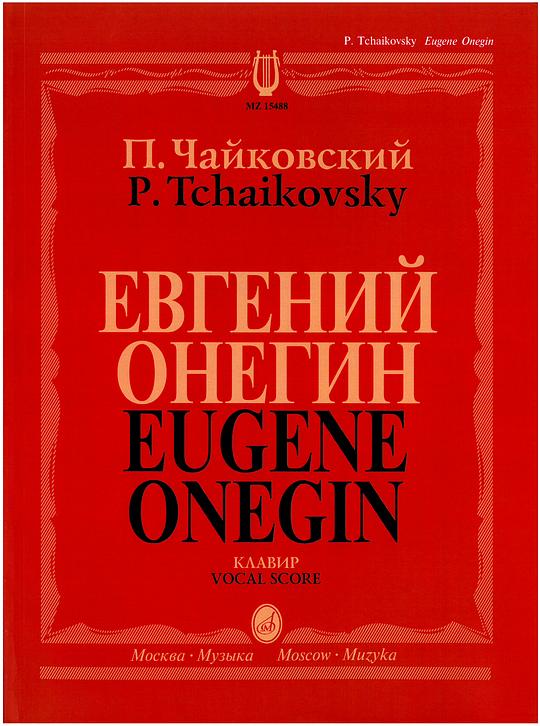
叶甫盖尼 • 奥涅金 2013年大都会歌剧团版 [演出] 豆瓣
所属 演出: 叶甫盖尼 • 奥涅金
语言: russian 俄语 剧团: Metropolitan Opera Orchestra 大都会歌剧团管弦乐团 ; Metropolitan Opera Chorus 大都会歌剧团合唱团 ; Metropolitan Opera Ballet 大都会歌剧团芭蕾舞团 剧院: Metropolitan Opera House 大都会歌剧院 导演: Deborah Warner / Fiona Shaw
其它标题: 2013年大都会歌剧团版 编剧: Pyotr Ilyich Tchaikovsky / Konstantin Shilovsky 作曲: Pyotr Ilyich Tchaikovsky 演员: Mariusz Kwiecień / Anna Netrebko
Time: The 1820s
Place: St Petersburg and surrounding countryside
Act 1
Scene 1: The garden of the Larin country estate
Madame Larina and the nurse Filippyevna are sitting outside in the garden. They can hear Madame Larina's two daughters, Tatyana and her younger sister Olga, singing a love song. Madame Larina begins to reminisce about her own courtship and marriage. A group of peasants enter, and celebrate the harvest with songs and dances. Tatyana and Olga watch. Tatyana has been reading a romantic novel and is absorbed by the story; her carefree sister, on the other hand, wants to join in the celebrations. Madame Larina tells Tatyana that real life is very different from her novels. Filippyevna announces that visitors have arrived: Olga's fiancé Lensky, a young poet, and his friend Eugene Onegin, visiting the area from St Petersburg. The pair are shown in and Lensky introduces Onegin to the Larin family. Onegin is initially surprised that Lensky has chosen the extrovert Olga rather than her more subtle elder sister as his fiancée. Tatyana for her part is immediately and strongly attracted to Onegin. Lensky expresses his delight at seeing Olga and she responds flirtatiously. Onegin tells Tatyana of his boredom in the country and describes the death of his uncle and his subsequent inheritance of a nearby estate. Filippyevna recognizes that Onegin has had a profound effect on Tatyana.
Scene 2: Tatyana's room
Tatyana is dressed for bed. Restless and unable to sleep, she asks her nurse Filippyevna to tell her about her youth and early marriage. Tatyana confesses that she is in love. Left alone, Tatyana pours out her feelings in a letter to Onegin. She tells him that she loves him and believes that she will never feel this way about anyone else, and begs him to understand and help her. She finishes writing the letter at dawn. A shepherd's pipe is heard in the distance. Filippyevna enters the room to wake Tatyana. Tatyana persuades her to send her grandson to deliver the letter to Onegin.
Scene 3: Another part of the estate
Servant girls pick fruit and sing as they work. Tatyana waits anxiously for Onegin's arrival. Onegin enters to see Tatyana and give her his answer to her letter. He explains, not unkindly, that he is not a man who loves easily and is unsuited to marriage. He is unworthy of her love and can only offer her brotherly affection. He warns Tatyana to be less emotionally open in the future. The voices of the servant girls singing are heard again. Tatyana is crushed and unable to reply.
Act 2
Scene 1: The ballroom of the Larin house
A ball is being given in honour of Tatyana, whose name day it is. Onegin is dancing with her. He grows irritated with a group of neighbours who gossip about him and Tatyana, and with Lensky for persuading him to come to the ball. He decides to avenge himself by dancing and flirting with Olga. Lensky is astounded and becomes extremely jealous. He confronts Olga but she cannot see that she has done anything wrong and tells Lensky not to be ridiculous. Onegin asks Olga to dance with him again and she agrees, as "punishment" for Lensky's jealousy. The elderly French tutor Monsieur Triquet sings some couplets in honour of Tatyana, after which the quarrel between Lensky and Onegin becomes more intense. Lensky renounces his friendship with Onegin in front of all the guests, and challenges Onegin to a duel, which the latter is forced, with many misgivings, to accept. Tatyana collapses and the ball ends in confusion.
Scene 2: On the banks of a wooded stream, early morning
Lensky is waiting for Onegin with his second Zaretsky. Lensky reflects on his life, his fear of death and his love for Olga. Onegin arrives with his manservant Guillot. Both Lensky and Onegin are reluctant to go ahead with the duel, reflecting on the senselessness of their sudden enmity. But it is too late; neither man has the courage to stop the duel. Zaretsky gives them the signal and Onegin shoots Lensky dead.
Act 3
Scene 1: The house of a rich nobleman in St Petersburg
Five years have passed, during which Onegin has travelled extensively around Europe. Standing alone at a ball, he reflects on the emptiness of his life and his remorse over the death of Lensky. Prince Gremin enters with Tatyana, his wife, now a grand, aristocratic beauty. She is greeted by many of the guests with great deference. Onegin is taken aback when he sees Tatyana, and deeply impressed by her beauty and noble bearing. Tatyana, in turn, is overwhelmed with emotion when she recognizes him, but tries to suppress it. Gremin tells Onegin about his great happiness and love for Tatyana, and re-introduces Onegin to his wife. Onegin, suddenly injected with new life, realizes that he is in love with Tatyana. He determines to write to her and arrange a meeting.
Scene 2: A room in Prince Gremin's house
Tatyana has received Onegin's letter, which has stirred up the passion she felt for him as a young girl and disturbed her. Onegin enters. Tatyana recalls her earlier feelings and asks why Onegin is pursuing her now. Is it because of her social position? Onegin denies any cynical motivation: his passion is real and overwhelming. Tatyana, moved to tears, reflects how near they once were to happiness but nevertheless asks him to leave. He asks her to have pity. Tatyana admits she still loves Onegin, but asserts that their union can never be realized, as she is now married, and determined to remain faithful to her husband despite her true feelings. Onegin implores her to relent, but she bids him farewell forever, leaving him alone and in despair.
风流寡妇 2003年苏黎世歌剧团版 [演出] 豆瓣
所属 演出: 风流寡妇
语言: german 德语 剧团: Orchester der Oper Zürich 苏黎世歌剧团管弦乐团 ; Chor der Oper Zürich 苏黎世歌剧团合唱团 ; Statistenverein am Opernhaus Zürich 剧院: Opernhaus Zürich 苏黎世歌剧院 导演: Helmuth Lohner
其它标题: 2003年苏黎世歌剧团版 编剧: Viktor Léon / Leo Stein 作曲: Franz Lehár 演员: Dagmar Schellenberger / Rodney Gilfry
Act 1
The embassy in Paris of the poverty-stricken Balkan principality of Pontevedro is holding a ball to celebrate the birthday of the sovereign, the Grand Duke. Hanna Glawari, who has inherited twenty million francs from her late husband, is to be a guest at the ball – and the Pontevedrin ambassador, Baron Zeta, is scheming to ensure that she will keep her fortune in the country, saving Pontevedro from bankruptcy. The Baron intends that Count Danilo Danilovitsch, the first secretary of the embassy, should marry the widow; unfortunately for this plan, Danilo is not at the party, so Zeta sends Danilo's assistant Njegus to fetch him from Maxim's.
Danilo arrives and meets Hanna. It emerges they were in love before her marriage, but his uncle had interrupted their romance because Hanna had had nothing to her name. Though they still love each other, Danilo now refuses to court Hanna for her fortune, and Hanna vows that she will not marry him until he says "I love you" – something he claims he will never do.
Meanwhile, Baron Zeta's wife Valencienne has been flirting with the French attaché to the embassy, Count Camille de Rosillon, who writes "I love you" on her fan. Valencienne puts off Camille's advances, saying that she is a respectable wife. However, they lose the incriminating fan, which is found by embassy counsellor Kromow. Kromow jealously fears that the fan belongs to his own wife, Olga, and gives it to Baron Zeta. Not recognising it, Baron Zeta decides to return the fan discreetly, in spite of Valencienne's desperate offers to take it "to Olga" herself.
On his way to find Olga, the Baron meets Danilo, and his diplomatic mission takes precedence over the fan. The Baron orders Danilo to marry Hanna. Danilo refuses, but offers to eliminate any non-Pontevedrin suitors as a compromise.
As the "Ladies' Choice" dance is about to begin, Hanna becomes swarmed with hopeful suitors. Valencienne volunteers Camille to dance with Hanna, privately hoping that the Frenchman will marry her and cease to be a temptation for Valencienne herself. True to his bargain with the Baron, Danilo circulates the ballroom, rounding up ladies to claim dances and thin the crowd around the wealthy widow. Hanna, however, chooses the one man who is not apparently interested in dancing with her: Danilo, who immediately announces that he will sell his dance with Hanna Glawari for ten thousand francs, with the proceeds to benefit charity. This extinguishes the remaining suitors' interest in the dance. After they have left, Danilo attempts to dance with Hanna, who refuses in annoyance. Nonchalantly he proceeds to waltz by himself, eventually wearing down Hanna's resistance, and she falls into his arms.
Act 2
Scene 1
The next evening, everyone is dressed in Pontevedrin clothing for a garden party at Hanna's house, now celebrating the Grand Duke's birthday in his own country's fashion. Hanna entertains by singing an old Pontevedrin song: "Es lebt' eine Vilja, ein Waldmägdelein" ("There lived a Vilja, a girl of the woods"). Meanwhile, Baron Zeta fears that Camille will spoil his plan for Hanna to marry a Pontevedrin. Still not recognising the fan as Valencienne's, the Baron orders Danilo to discover the identity of its owner, whom he correctly assumes to be Camille's married lover. The two men, along with Njegus, arrange to meet that evening in Hanna's garden pavilion to discuss Danilo's findings, as well as the problem of securing the widow's fortune for Pontevedro. Seeing the fan, Hanna takes the message on it to be Danilo's declaration of love for her, which he denies. His inquiries regarding the fan prove fruitless, but do reveal infidelities committed by some of the wives of embassy personnel.
Scene 2
That evening, Camille and Valencienne meet in the garden, where Valencienne insists that they must part. Discovering the fan, accidentally left behind by Danilo, Camille begs Valencienne to let him have it as a keepsake. Valencienne agrees, writing "I'm a respectable wife" on it as a rejoinder to Camille's "I love you." Camille persuades Valencienne to join him in the pavilion so that they can say their goodbyes in private. This is of course the same pavilion where Danilo, the Baron, and Njegus have agreed to meet, and the latter, arriving first, locks the door when he spots people inside. Baron Zeta and Danilo follow, but Njegus quickly arranges with Hanna to change places with Valencienne. Camille emerges from the pavilion with Hanna, who announces that they plan to marry, leaving the Baron distraught at the thought of Pontevedro losing Hanna's millions and Valencienne distraught at losing Camille. Danilo is furious, and tells the story of a Princess who cheated on her Prince ("Es waren zwei Königskinder)" before storming off to seek distraction at Maxim's. Hanna realises that Danilo's anger over her engagement to another man proves that he loves her, and she rejoices amid the general despair.
Act 3
Act 3 is set at a theme party in Hanna's ballroom, which she has decorated to look like Maxim's, complete with Maxim's grisettes (can-can dancers). Valencienne, who has dressed herself as a grisette, entertains the guests ("Ja, wir sind es, die Grisetten"). When Danilo arrives, having found the real Maxim's empty, he tells Hanna to give up Camille for the sake of Pontevedro. Much to Danilo's delight, Hanna replies truthfully that she was never engaged to Camille but was protecting the reputation of a married woman. Danilo comes very close to declaring his love for Hanna, but stops himself from doing so when he remembers her money and his proud refusal to court her for it. Njegus produces the fan, which he picked up earlier, and Baron Zeta finally remembers that it belongs to Valencienne. He swears to divorce his wife and marry the widow himself, but Hanna stops him by declaring that she will lose her fortune if she remarries. At this, Danilo promptly confesses his love for her and asks Hanna to marry him. Hanna triumphantly accepts, adding that she will lose her fortune only because it will become the property of her new husband. Valencienne assures Baron Zeta of her fidelity by pointing out her reply to Camille's declaration of love written on the fan: "Ich bin eine anständige Frau" ("I'm a respectable wife"). All ends happily.