Des McAnuff — 导演 (9)
波波鹿与飞天鼠 (2000) [电影] IMDb 豆瓣 TMDB 维基数据
The Adventures of Rocky & Bullwinkle
其它标题: 록키와 불윙클 / The Adventures of Rocky & Bullwinkle
本片的主角飞鼠洛奇和驯鹿布尔温克是美国六十年代经典电视卡通片的主角,这一次迫不得已从卡通世界来到真实世界全都是因为两个阴谋家鲍里斯(贾森·亚历山大饰演)和娜塔莎(蕾妮·罗素饰演)通过某种手段将漫画书中的无畏大魔头(罗伯特·德尼罗饰演)带进了现实世界,三人更在无畏大魔头的邪恶传媒大亨的身份掩护之下,密谋给“冷战”已经结束的世界带来一场彻头彻尾的“热战”!且看勇敢的卡通小子——飞鼠洛奇和忠心耿耿的伙伴驯鹿布尔温克如何在三个阴谋家在给人间带来重大劫难之前阻止这一场惊天大阴谋……
耶稣基督万世巨星 [演出] 豆瓣
Jesus Christ Superstar
8.7 (30 个评分) 类型: 音乐剧 编剧: Tim Rice / Time Rice
其它标题: Jesus Christ Superstar / 万世巨星 导演: 汤姆•奥霍甘(Tom O'Horgan) / 威廉•丹尼尔•格雷(William Daniel Grey) 演员: 杰夫•芬霍特(Jeff Fenholt) / 伊旺•埃里曼(Yvonne Elliman) / 本•弗利恩(Ben Vereen) / 保罗•尼古拉斯(Paul Nicholas) / 斯蒂芬•泰特(Stephen Tate)
犹大担心耶稣因为声望逐渐提高而受到消极影响,尽管自己深爱耶稣,他仍然觉得耶稣只是犯人,如果他带领的宗教活动影响过大,耶稣可能难以驾驭。一旦活动失控,不仅耶稣遭难,还会殃及他的追随者。他警告耶稣追随者,他们帮助穷人的初衷可能因为活动的过分暴力而遭到背弃。
追随者们没有听从他的警告,跟着耶稣去了耶路撒冷,耶稣告诉他们上帝已经安排了他们的命运,所以他们只需要平静的接受。巨大的工作压力让耶稣身心疲惫,马利亚为他按摩以消除疲惫,但犹大认为如果马利亚和耶稣之间萌发爱情,有悖于耶稣自己提出的信条,将来他会因此受到追随者的质疑。耶稣对犹大的指手画脚十分不满,他认为除非自己没有原罪,否则不能指责他人的过错。由于耶稣不能理解自己的苦心,犹大十分难过,他觉得没有人像他那样爱耶稣。同时,尽管耶稣提出自己的使命是帮助穷人,但是他表示没有资源帮助所有穷人,这个事实也让犹大十分沮丧。
耶路撒冷的犹太高层教士集会讨论耶稣活动的影响。此时耶稣的追随者已经成千上万,被罗马政府收买的犹太高层教士们发现追随者中竟然有大量犹太人,这些犹太人因为不满罗马统治而倒戈,他们意识到耶稣可能对罗马政权造成巨大威胁,从而导致没有跟随耶稣的犹太人遭受更大灾难,教士首领该亚法(Caiaphas)认为,消除这一威胁的唯一办法是杀死耶稣。
当耶稣和追随者来到耶路撒冷,遭遇该亚法的堵截,他要求耶稣一行离开这里。耶稣表示他们一定会与强权政府抗争到底。耶稣追随者西蒙建议他利用自己的影响力,组织一个反政府武装,与罗马抗衡。耶稣拒绝了他的提议,他认为追随者们不懂真正强大的力量其实不是武装斗争,战争也不是他的意图。
与此同时巴勒斯坦统治者彼拉多(Pilate)梦见耶稣被杀,而自己是罪魁祸首。耶稣来到耶路撒冷神庙,却发现那里充斥着武器、毒品交易和妓女,他十分愤怒的驱赶这些下三流人群,试图重塑神庙的庄严。随后他早于一群乞丐和流浪者,所有的人都等待着救世主,他们向耶稣祈求,因为他们听到传闻说它是救世主。耶稣感到自己无法解决所有人的问题,使自己的无能,他只能告诉群众们学会自救。他痛苦的晕倒在街头,马利亚前来安抚他。她深爱着耶稣,但是她知道耶稣与众不同,他有更伟大的使命,所以爱上他意味着牺牲和痛苦。
犹大对耶稣的状态十分担心,他相信如果他继续工作会崩溃,于是决定帮助教士阻止他。教士们要求他透露耶稣的藏身地,他们可以将其逮捕,他们将给犹大丰厚的奖赏。犹大对这种安排感到愧疚,但是当教士们告诉他可以把钱捐献给慈善组织后,他决定同意教士的计划,他相信如果耶稣跟随者进一步增加,将来耶稣失败后,将有更多无辜的人为他殉葬,于是犹大坚信应该尽快组织耶稣的活动。他告诉教士们耶稣的行踪。
耶稣和他的12个信徒共进晚餐,耶稣预感这将是他们最后的晚餐,他把酒和面包递给信徒,告诉他们应该记住这些是他的血和肉,但是他非常痛苦的意识到,自己死后没有人会记得他,同时他预感在座的人中有两个会背叛他,他指出彼得会出卖他三次。犹大向他坦白自己也会背叛他,耶稣听了病不生气,本可以将犹大就地处决的他决定放犹大走,但当犹大试图向他解释自己的动机时,耶稣却不想听他解释。
犹大愤怒的指责耶稣造成了现在的苦难,他随即决定带领罗马士兵逮捕耶稣。信徒们都入睡,耶稣开始质问上帝为什么他将死去,他的死对解救人民有什么意义。但是他知道自己无法与上帝抗衡,尽管他仍然不知道自己殉难的意义,他仍然决定听从上帝的安排。犹大带领罗马士兵赶到,他在耶稣被捕前,吻了他的脸颊。
信徒们被惊醒,他们试图和士兵抗争,但是耶稣表示他愿意去见该亚法,一位平民像记者一样采访耶稣接下来的计划,耶稣保持沉默。当该亚法质问耶稣是否自称上帝之子时,耶稣回答:“是你说我是上帝之子。“他随即被送到彼拉多的法庭。
彼得遇到一个老人,一位军人和一个女仆,他们表示看到过他和耶稣在一起,但是彼得表示自己不认识耶稣。这一切被马利亚看在眼里,她质问彼得为什么背叛耶稣,彼得解释这是自救的唯一办法。
耶稣被带到彼拉多面前,彼拉多同样问他是否是上帝之子,他给与同样的回答,彼拉多十分不满,但是他表示耶稣不归属自己的管辖区,于是将他送给希律王(King Herod)。希律王听说了耶稣的诸多事迹,很高兴能与他见面,但耶稣一直否认自己就是上帝之子,让他十分失望,他认为耶稣不过是个谎称救世主的骗子,根本不想浪费时间处决他,于是将他送还给彼拉多。
犹大看到耶稣酷刑折磨得不成人形,十分懊悔,他告诉教士们后悔自己的背叛,他意识到自己将永远被人唾骂为叛徒。该亚法说犹大解救了诸多无辜的人,是个英雄而不是叛徒。但犹大仍然清楚地意识到自己成了上帝计划的牺牲品,永远背负叛徒的罪名,他在诅咒上帝后自杀。
耶稣在新审判中一言不发不为自己辩护,彼拉多认为他精神失常,因此不应执行死刑。但是群众一再要求处决耶稣,彼拉多在群众的呼声下,在耶稣的沉默下不得不决定将他出借,钉死在十字架上。犹大的灵魂来看望耶稣,他质疑耶稣在上帝整个计划中的作用,耶稣在十字架上死去。
曲目 Musical Numbers
第一幕:序曲(Overture),他们心中的天堂(Heaven on Their Minds),一切都好(Everything's Alright),耶稣必须死(This Jesus Must Die),赞美诗(Hosanna),西蒙•兹尔洛茨/可怜的耶路撒冷(Simon Zealotes / Poor Jerusalem),彼拉多的梦(Pilate's Dream),神庙(The Temple),一切都好-重复(Everything's Alright Reprise),我不知道如何爱他(I Don't Know How to Love Him),永世被诅咒/肮脏的钱(Damned for All Time / Blood Money)
第二幕:最后的晚餐(The Last Supper),客西马尼(Gethsemane),彼得不认主(Peter's Denial),彼拉多和基督(Pilate and Christ),希律王之歌(King Herod's Song),我们能再次开始吗?(Could We Start Again, Please?),犹大之死(Judas' Death),彼拉多的审判(Trial by Pilate),超级巨星(Superstar),钉死于十字架(Crucifixion),约翰福音19章41节(John 19:41)
耶稣基督万世巨星 2012 百老汇复排版 [演出] 豆瓣
所属 演出: 耶稣基督万世巨星
剧院: Neil Simon Theatre 导演: Des McAnuff
其它标题: 2012 百老汇复排版 编剧: Tim Rice 作曲: 安德鲁•劳埃德•韦伯(Andrew Lloyd Webber) 演员: Paul Nolan / Josh Young
犹大担心耶稣因为声望逐渐提高而受到消极影响,尽管自己深爱耶稣,他仍然觉得耶稣只是犯人,如果他带领的宗教活动影响过大,耶稣可能难以驾驭。一旦活动失控,不仅耶稣遭难,还会殃及他的追随者。他警告耶稣追随者,他们帮助穷人的初衷可能因为活动的过分暴力而遭到背弃。
追随者们没有听从他的警告,跟着耶稣去了耶路撒冷,耶稣告诉他们上帝已经安排了他们的命运,所以他们只需要平静的接受。巨大的工作压力让耶稣身心疲惫,马利亚为他按摩以消除疲惫,但犹大认为如果马利亚和耶稣之间萌发爱情,有悖于耶稣自己提出的信条,将来他会因此受到追随者的质疑。耶稣对犹大的指手画脚十分不满,他认为除非自己没有原罪,否则不能指责他人的过错。由于耶稣不能理解自己的苦心,犹大十分难过,他觉得没有人像他那样爱耶稣。同时,尽管耶稣提出自己的使命是帮助穷人,但是他表示没有资源帮助所有穷人,这个事实也让犹大十分沮丧。
耶路撒冷的犹太高层教士集会讨论耶稣活动的影响。此时耶稣的追随者已经成千上万,被罗马政府收买的犹太高层教士们发现追随者中竟然有大量犹太人,这些犹太人因为不满罗马统治而倒戈,他们意识到耶稣可能对罗马政权造成巨大威胁,从而导致没有跟随耶稣的犹太人遭受更大灾难,教士首领该亚法(Caiaphas)认为,消除这一威胁的唯一办法是杀死耶稣。
当耶稣和追随者来到耶路撒冷,遭遇该亚法的堵截,他要求耶稣一行离开这里。耶稣表示他们一定会与强权政府抗争到底。耶稣追随者西蒙建议他利用自己的影响力,组织一个反政府武装,与罗马抗衡。耶稣拒绝了他的提议,他认为追随者们不懂真正强大的力量其实不是武装斗争,战争也不是他的意图。
与此同时巴勒斯坦统治者彼拉多(Pilate)梦见耶稣被杀,而自己是罪魁祸首。耶稣来到耶路撒冷神庙,却发现那里充斥着武器、毒品交易和妓女,他十分愤怒的驱赶这些下三流人群,试图重塑神庙的庄严。随后他早于一群乞丐和流浪者,所有的人都等待着救世主,他们向耶稣祈求,因为他们听到传闻说它是救世主。耶稣感到自己无法解决所有人的问题,使自己的无能,他只能告诉群众们学会自救。他痛苦的晕倒在街头,马利亚前来安抚他。她深爱着耶稣,但是她知道耶稣与众不同,他有更伟大的使命,所以爱上他意味着牺牲和痛苦。
犹大对耶稣的状态十分担心,他相信如果他继续工作会崩溃,于是决定帮助教士阻止他。教士们要求他透露耶稣的藏身地,他们可以将其逮捕,他们将给犹大丰厚的奖赏。犹大对这种安排感到愧疚,但是当教士们告诉他可以把钱捐献给慈善组织后,他决定同意教士的计划,他相信如果耶稣跟随者进一步增加,将来耶稣失败后,将有更多无辜的人为他殉葬,于是犹大坚信应该尽快组织耶稣的活动。他告诉教士们耶稣的行踪。
耶稣和他的12个信徒共进晚餐,耶稣预感这将是他们最后的晚餐,他把酒和面包递给信徒,告诉他们应该记住这些是他的血和肉,但是他非常痛苦的意识到,自己死后没有人会记得他,同时他预感在座的人中有两个会背叛他,他指出彼得会出卖他三次。犹大向他坦白自己也会背叛他,耶稣听了病不生气,本可以将犹大就地处决的他决定放犹大走,但当犹大试图向他解释自己的动机时,耶稣却不想听他解释。
犹大愤怒的指责耶稣造成了现在的苦难,他随即决定带领罗马士兵逮捕耶稣。信徒们都入睡,耶稣开始质问上帝为什么他将死去,他的死对解救人民有什么意义。但是他知道自己无法与上帝抗衡,尽管他仍然不知道自己殉难的意义,他仍然决定听从上帝的安排。犹大带领罗马士兵赶到,他在耶稣被捕前,吻了他的脸颊。
信徒们被惊醒,他们试图和士兵抗争,但是耶稣表示他愿意去见该亚法,一位平民像记者一样采访耶稣接下来的计划,耶稣保持沉默。当该亚法质问耶稣是否自称上帝之子时,耶稣回答:“是你说我是上帝之子。“他随即被送到彼拉多的法庭。
彼得遇到一个老人,一位军人和一个女仆,他们表示看到过他和耶稣在一起,但是彼得表示自己不认识耶稣。这一切被马利亚看在眼里,她质问彼得为什么背叛耶稣,彼得解释这是自救的唯一办法。
耶稣被带到彼拉多面前,彼拉多同样问他是否是上帝之子,他给与同样的回答,彼拉多十分不满,但是他表示耶稣不归属自己的管辖区,于是将他送给希律王(King Herod)。希律王听说了耶稣的诸多事迹,很高兴能与他见面,但耶稣一直否认自己就是上帝之子,让他十分失望,他认为耶稣不过是个谎称救世主的骗子,根本不想浪费时间处决他,于是将他送还给彼拉多。
犹大看到耶稣酷刑折磨得不成人形,十分懊悔,他告诉教士们后悔自己的背叛,他意识到自己将永远被人唾骂为叛徒。该亚法说犹大解救了诸多无辜的人,是个英雄而不是叛徒。但犹大仍然清楚地意识到自己成了上帝计划的牺牲品,永远背负叛徒的罪名,他在诅咒上帝后自杀。
耶稣在新审判中一言不发不为自己辩护,彼拉多认为他精神失常,因此不应执行死刑。但是群众一再要求处决耶稣,彼拉多在群众的呼声下,在耶稣的沉默下不得不决定将他出借,钉死在十字架上。犹大的灵魂来看望耶稣,他质疑耶稣在上帝整个计划中的作用,耶稣在十字架上死去。
曲目 Musical Numbers
第一幕:序曲(Overture),他们心中的天堂(Heaven on Their Minds),一切都好(Everything's Alright),耶稣必须死(This Jesus Must Die),赞美诗(Hosanna),西蒙•兹尔洛茨/可怜的耶路撒冷(Simon Zealotes / Poor Jerusalem),彼拉多的梦(Pilate's Dream),神庙(The Temple),一切都好-重复(Everything's Alright Reprise),我不知道如何爱他(I Don't Know How to Love Him),永世被诅咒/肮脏的钱(Damned for All Time / Blood Money)
第二幕:最后的晚餐(The Last Supper),客西马尼(Gethsemane),彼得不认主(Peter's Denial),彼拉多和基督(Pilate and Christ),希律王之歌(King Herod's Song),我们能再次开始吗?(Could We Start Again, Please?),犹大之死(Judas' Death),彼拉多的审判(Trial by Pilate),超级巨星(Superstar),钉死于十字架(Crucifixion),约翰福音19章41节(John 19:41)
红男绿女 2009 Broadway Revival版 [演出] 豆瓣
所属 演出: 红男绿女
剧院: Nederlander Theatre 导演: Des McAnuff
其它标题: 2009 Broadway Revival版 编剧: Abe Burrows 作曲: Frank Loesser 演员: Craig Bierko / Lauren Graham


该剧由Damon Runyon的两则短篇故事改编,首演后大受欢迎,1200场的佳绩在当时是很罕见的。曾获托尼奖最佳音乐剧、最佳男主角、最佳编舞等五项大奖。此后几乎每十年,该剧就会在百老汇和伦敦复排一次,每一次都能吸引大量观众。该剧1955年改编为电影,由马龙·白兰度 Marlon Brando主演。名曲包括“Luck Be a Lady”、“If I Were a Bell”等。

德拉古拉 [演出] 豆瓣
Dracula
类型: 音乐剧 编剧: Don Black / Christopher Hampton 作曲: Frank Wildhorn
其它标题: Dracula 剧院: Belasco Theatre 导演: Des McAnuff 演员: Tom Hewitt / Melissa Errico / Don Stephenson / Darren Ritchie / Kelli O'Hara


Frank Wildhorn, Christopher Hampton and Don Black musicalize the Bram Stoker novel about a mysterious Transylvanian count in Victorian London who seduces young women for their blood.

汤美 [演出] 豆瓣
The Who's Tommy
类型: 音乐剧 编剧: Pete Townshed / Des McAnuff 作曲: Pete Townshed
其它标题: The Who's Tommy 导演: Des McAnuff 演员: Ann-Magaret / Roger Daltrey / Oliver Reed / Eric Clapton / Elton John
第一幕

1940年,二戰正進行得如火如荼,獲加隊長被擄走成戰俘。("Overture")他生存機會渺亡的消息傳回家中,("Captain Walker")其妻卻於下年誕下二人之兒子湯美。("It's a Boy")然而獲加隊長卻沒死,回家後發現其妻與情人及四歲的湯美正慶祝二十一歲生日,("Twenty-One")獲加太太的情人和獲加隊長爭執時被誤殺,一切都被湯美在鏡中看到了,獲加夫婦要湯美替此事隱暪 - 可湯美卻已經變成一個完全自閉的孩子了。("What About the Boy")此時充當說書人成長後的湯美出來,("Amazing Journey")並帶我們到醫院去看湯美所做一切無用的測試。("Sparks")

聖誕節時,十歲的湯美似乎對伯父厄尼的法國號有點回應,("Christmas")長大後的湯美出來和他交流。("See Me, Feel Me")獲加夫婦因事要出外,不放心地把湯美交給厄尼保管,("Do You Think It's Alright")然而厄尼趁二人不在性侵犯了完全沒有反應的湯美。("Fiddle About")湯美下一位保管人基雲表哥也常常欺負他,("Cousin Kevin")卻發現湯美打彈珠機簡直出神入化,("Sensation")可是之後做的檢查卻找不出所以然來。("Sparks (reprise)")獲加隊長聽信兩個騙子,("Eyesight to the Blind")把湯美交給街頭醫生,卻發現原來是個妓女。("Acid Queen")1958年,湯美17歲,打彈珠機依然那麼厲害,成為鄰里及眾人口中的神話。("Pinball Wizard")

第二幕

湯美已經成為眾人偶像,("Underture")獲加父婦仍未放棄,("There's a Doctor")繼續尋找藥方。("Go To the Mirror/Listening to You")這邊失敗的同時眾人也想跟他說話,("Tommy, Can You Hear Me?")可就是沒有辦法。獲加父婦心灰得很,("I Believe My Own Eyes")獲加太太看見湯美一整天就是望著鏡子發呆而無視二人努力突然怒氣上升,一下把鏡子打碎,("Smash the Mirror")神奇地,湯美便這樣突然痊癒了(I'm Free),此新聞立即街知巷聞。("Miracle Cure")湯美卻完全沉醉在外,對獲加夫婦甚麼冷漠。("Pinball Wizard (reprise)")

厄尼想趁此撈一筆,便舉辦了一個夏令營。("Tommy's Holiday Camp")莎莉被湯美狠狠推開,("Sally Simpson")突然湯美良心發現,並帶所有人進去。("Welcome")莎莉問如何才能變成湯美那麼棒,("Sally Simpson's Question")然而湯美突然有所感觸,要她做回自己。眾人不滿他們的英雄不肯"拯救"他們,紛紛離去。("We're Not Going to Take It")惘然若失的湯美聽到四歲時的自己在呼喚他,("See Me, Feel Me")他這時向家人步去,逐一擁抱他們。他學會了愛,學會了包容,學會了家庭的真正意義。("Listening to You")
浮士德 [演出] 豆瓣
Faust
类型: 歌剧 编剧: Jules Barbier / Michel Carré
其它标题: Faust 导演: 未知 / Jorge Lavelli 演员: Joseph-Théodore-Désiré Barbot / Marie Caroline Miolan-Carvalho / Émile Balanqué / Reynald / Faivre
Place: Germany
Time: 16th century
Act 1
Faust's cabinet
Faust, an aging scholar, determines that his studies have come to nothing and have only caused him to miss out on life and love (Rien! En vain j'interroge). He attempts to kill himself (twice) with poison but stops each time when he hears a choir. He curses hope and faith, and asks for infernal guidance. Méphistophélès appears (duet: Me voici) and, with a tempting image of Marguerite at her spinning wheel, persuades Faust to buy Méphistophélès's services on earth in exchange for Faust's in Hell. Faust's goblet of poison is magically transformed into an elixir of youth, making the aged doctor a handsome young gentleman; the strange companions then set out into the world.
Act 2
At the city gates
A chorus of students, soldiers and villagers sings a drinking song (Vin ou Bière). Valentin, leaving for war with his friend Wagner, entrusts the care of his sister Marguerite to his youthful friend Siébel (O sainte médaille ... Avant de quitter ces lieux). Méphistophélès appears, provides the crowd with wine, and sings a rousing, irreverent song about the Golden Calf (Le veau d'or). Méphistophélès maligns Marguerite, and Valentin tries to strike him with his sword, which shatters in the air. Valentin and friends use the cross-shaped hilts of their swords to fend off what they now know is an infernal power (chorus: De l'enfer). Méphistophélès is joined by Faust and the villagers in a waltz (Ainsi que la brise légère). Marguerite appears and Faust declares his admiration, but she refuses Faust's arm out of modesty, a quality that makes him love her even more.
Act 3
Marguerite's garden
The lovesick boy Siébel leaves a bouquet for Marguerite (Faites-lui mes aveux). Faust sends Méphistophélès in search of a gift for Marguerite and sings a cavatina (Salut, demeure chaste et pure) idealizing Marguerite as a pure child of nature. Méphistophélès brings in a decorated box containing exquisite jewelry and a hand mirror and leaves it on Marguerite's doorstep, next to Siébel's flowers. Marguerite enters, pondering her encounter with Faust at the city gates, and sings a melancholy ballad about the King of Thule (Il était un roi de Thulé). Marthe, Marguerite's neighbour, notices the jewellery and says it must be from an admirer. Marguerite tries on the jewels and is captivated by how they enhance her beauty, as she sings in the famous aria, the Jewel Song (Ah! je ris de me voir si belle en ce miroir). Méphistophélès and Faust join the women in the garden and romance them. Marguerite allows Faust to kiss her (Laisse-moi, laisse-moi contempler ton visage), but then asks him to go away. She sings at her window for his quick return, and Faust, listening, returns to her. Under the watchful eye and malevolent laughter of Méphistophélès, it is clear that Faust's seduction of Marguerite will be successful.
Act 4
Marguerite's room / A public square outside her house / A cathedral
[Note: The scenes of acts 4 and 5 are sometimes given in a different order and portions are sometimes shortened or cut in performance.]
After being made pregnant and seemingly abandoned by Faust, Marguerite has given birth and is a social outcast. She sings an aria at her spinning wheel (Il ne revient pas). Siébel stands by her. The scene shifts to the square outside Marguerite's house. Valentin's company returns from the war to a military march (Deposons les armes and Gloire immortelle de nos aïeux, the well-known "soldiers' chorus"). Siébel asks Valentin to forgive Marguerite. Valentin rushes to her cottage. While he is inside Faust and Méphistophélès appear, and Méphistophélès, knowing that Marguerite is not in there alone, sings a mocking burlesque of a lover's serenade under Marguerite's window (Vous qui faites l'endormie). Valentin takes the bait and comes out of the cottage, now knowing that Faust has debauched his sister. The two men fight, but Faust is reluctant to hurt the brother of the woman he adores. Méphistophélès blocks Valentin's sword, allowing Faust to make the fatal thrust. With his dying breath Valentin blames Marguerite for his death and condemns her to Hell before the assembled townspeople (Ecoute-moi bien Marguerite). Marguerite goes to the church and tries to pray there but is stopped, first by the sadistic Méphistophélès and then by a choir of devils. She finishes her prayer but faints when she is cursed again by Méphistophélès.
Act 5
The Harz mountains on Walpurgis Night / A cavern / The interior of a prison
Méphistophélès and Faust are surrounded by witches (Un, deux et trois). Faust is transported to a cave of queens and courtesans, and Méphistophélès promises to provide Faust with the love of the greatest and most beautiful women in history. An orgiastic ballet suggests the revelry that continues throughout the night. As dawn approaches, Faust sees a vision of Marguerite and calls for her. Méphistophélès helps Faust enter the prison where Marguerite is being held for killing her child. They sing a love duet (Oui, c'est toi que j'aime). Méphistophélès states that only a mortal hand can deliver Marguerite from her fate, and Faust offers to rescue her from the hangman, but she prefers to trust her fate to God and His angels (Anges purs, anges radieux). At the end she asks why Faust's hands are covered in blood, pushes him away, and falls down motionless. Méphistophélès curses, as a voice on high sings "Sauvée!" ("Saved!"). The bells of Easter sound and a chorus of angels sings "Christ est ressuscité!" ('"Christ is risen!"). The walls of the prison open, and Marguerite's soul rises to heaven. In despair Faust follows it with his eyes; he falls to his knees and prays. Méphistophélès is turned away by the shining sword of the archangel.
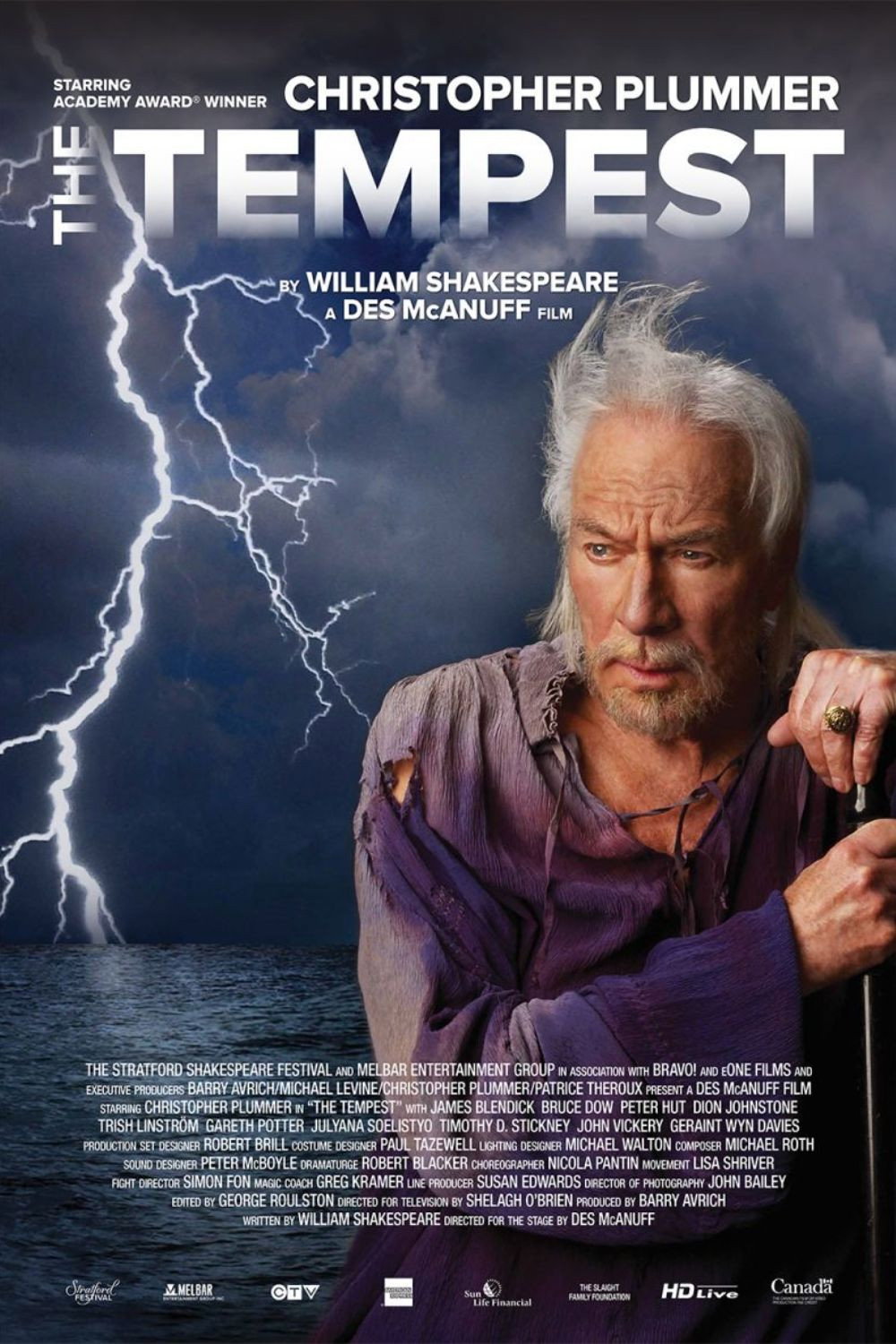
浮士德 2011年大都会歌剧团版 [演出] 豆瓣
所属 演出: 浮士德
语言: french 法语 剧团: Metropolitan Opera Orchestra 大都会歌剧团管弦乐团 ; Metropolitan Opera Chorus 大都会歌剧团合唱团 剧院: Metropolitan Opera House 大都会歌剧院 导演: Des McAnuff
其它标题: 2011年大都会歌剧团版 编剧: Jules Barbier / Michel Carré 作曲: Charles Gounod 演员: Jonas Kaufmann / Marina Poplavskaya
Place: Germany
Time: 16th century
Act 1
Faust's cabinet
Faust, an aging scholar, determines that his studies have come to nothing and have only caused him to miss out on life and love (Rien! En vain j'interroge). He attempts to kill himself (twice) with poison but stops each time when he hears a choir. He curses hope and faith, and asks for infernal guidance. Méphistophélès appears (duet: Me voici) and, with a tempting image of Marguerite at her spinning wheel, persuades Faust to buy Méphistophélès's services on earth in exchange for Faust's in Hell. Faust's goblet of poison is magically transformed into an elixir of youth, making the aged doctor a handsome young gentleman; the strange companions then set out into the world.
Act 2
At the city gates
A chorus of students, soldiers and villagers sings a drinking song (Vin ou Bière). Valentin, leaving for war with his friend Wagner, entrusts the care of his sister Marguerite to his youthful friend Siébel (O sainte médaille ... Avant de quitter ces lieux). Méphistophélès appears, provides the crowd with wine, and sings a rousing, irreverent song about the Golden Calf (Le veau d'or). Méphistophélès maligns Marguerite, and Valentin tries to strike him with his sword, which shatters in the air. Valentin and friends use the cross-shaped hilts of their swords to fend off what they now know is an infernal power (chorus: De l'enfer). Méphistophélès is joined by Faust and the villagers in a waltz (Ainsi que la brise légère). Marguerite appears and Faust declares his admiration, but she refuses Faust's arm out of modesty, a quality that makes him love her even more.
Act 3
Marguerite's garden
The lovesick boy Siébel leaves a bouquet for Marguerite (Faites-lui mes aveux). Faust sends Méphistophélès in search of a gift for Marguerite and sings a cavatina (Salut, demeure chaste et pure) idealizing Marguerite as a pure child of nature. Méphistophélès brings in a decorated box containing exquisite jewelry and a hand mirror and leaves it on Marguerite's doorstep, next to Siébel's flowers. Marguerite enters, pondering her encounter with Faust at the city gates, and sings a melancholy ballad about the King of Thule (Il était un roi de Thulé). Marthe, Marguerite's neighbour, notices the jewellery and says it must be from an admirer. Marguerite tries on the jewels and is captivated by how they enhance her beauty, as she sings in the famous aria, the Jewel Song (Ah! je ris de me voir si belle en ce miroir). Méphistophélès and Faust join the women in the garden and romance them. Marguerite allows Faust to kiss her (Laisse-moi, laisse-moi contempler ton visage), but then asks him to go away. She sings at her window for his quick return, and Faust, listening, returns to her. Under the watchful eye and malevolent laughter of Méphistophélès, it is clear that Faust's seduction of Marguerite will be successful.
Act 4
Marguerite's room / A public square outside her house / A cathedral
[Note: The scenes of acts 4 and 5 are sometimes given in a different order and portions are sometimes shortened or cut in performance.]
After being made pregnant and seemingly abandoned by Faust, Marguerite has given birth and is a social outcast. She sings an aria at her spinning wheel (Il ne revient pas). Siébel stands by her. The scene shifts to the square outside Marguerite's house. Valentin's company returns from the war to a military march (Deposons les armes and Gloire immortelle de nos aïeux, the well-known "soldiers' chorus"). Siébel asks Valentin to forgive Marguerite. Valentin rushes to her cottage. While he is inside Faust and Méphistophélès appear, and Méphistophélès, knowing that Marguerite is not in there alone, sings a mocking burlesque of a lover's serenade under Marguerite's window (Vous qui faites l'endormie). Valentin takes the bait and comes out of the cottage, now knowing that Faust has debauched his sister. The two men fight, but Faust is reluctant to hurt the brother of the woman he adores. Méphistophélès blocks Valentin's sword, allowing Faust to make the fatal thrust. With his dying breath Valentin blames Marguerite for his death and condemns her to Hell before the assembled townspeople (Ecoute-moi bien Marguerite). Marguerite goes to the church and tries to pray there but is stopped, first by the sadistic Méphistophélès and then by a choir of devils. She finishes her prayer but faints when she is cursed again by Méphistophélès.
Act 5
The Harz mountains on Walpurgis Night / A cavern / The interior of a prison
Méphistophélès and Faust are surrounded by witches (Un, deux et trois). Faust is transported to a cave of queens and courtesans, and Méphistophélès promises to provide Faust with the love of the greatest and most beautiful women in history. An orgiastic ballet suggests the revelry that continues throughout the night. As dawn approaches, Faust sees a vision of Marguerite and calls for her. Méphistophélès helps Faust enter the prison where Marguerite is being held for killing her child. They sing a love duet (Oui, c'est toi que j'aime). Méphistophélès states that only a mortal hand can deliver Marguerite from her fate, and Faust offers to rescue her from the hangman, but she prefers to trust her fate to God and His angels (Anges purs, anges radieux). At the end she asks why Faust's hands are covered in blood, pushes him away, and falls down motionless. Méphistophélès curses, as a voice on high sings "Sauvée!" ("Saved!"). The bells of Easter sound and a chorus of angels sings "Christ est ressuscité!" ('"Christ is risen!"). The walls of the prison open, and Marguerite's soul rises to heaven. In despair Faust follows it with his eyes; he falls to his knees and prays. Méphistophélès is turned away by the shining sword of the archangel.