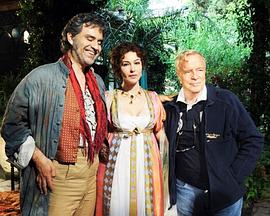
佛朗哥·泽菲雷里 — 导演 (53)
简爱 (1996) [电影] 豆瓣
Jane Eyre
7.0 (52 个评分) 导演: 佛朗哥·泽菲雷里 演员: 夏洛特·甘斯布 / 威廉·赫特
其它标题: Jane Eyre
本片根据英国作家据夏洛蒂·勃朗特同名原著改编。
从小失去父母的简·爱(夏洛特·甘斯布 Charlotte Gainsbourg 饰)寄居在舅妈家,自幼受尽表兄欺辱和舅妈冷眼,稍大些后即被送入管教严格的教会女子学校。在冷漠、刻板环境中长大的简·爱并没有成为心理扭曲的女孩, 而是自立自强,还积累了不凡的学识修养,成年后她成为桑菲尔德贵族庄园的家庭教师。男主人罗切斯特先生(威廉·赫特 William Hurt 饰)个性暴燥,行事神秘。开始简并不喜欢这男主人,可随着二人慢慢熟悉,罗切斯特先生体会到简·爱的与众不同,并渐渐爱上她,简·爱亦受到罗切斯特先生的强烈吸引,但是大宅夜晚总会发生一些怪事,这个庄园中似乎隐藏着惊人的秘密…
罗密欧与朱丽叶 (1968) [电影] 维基数据 IMDb 豆瓣 TMDB
Romeo and Juliet
8.8 (86 个评分) 导演: 佛朗哥·泽菲雷里 演员: 莱昂纳德·怀廷 / 奥丽维娅·赫西
其它标题: Romeo and Juliet / 罗米欧与茱丽叶
莎士比亚的爱情悲剧《罗密欧与朱丽叶》自1595年问世以来已被搬上银幕12次,其中,1968年由弗兰克·杰弗瑞里导演的版本,自问世以来就一直被视为典范之作。
在十五世纪意大利的维罗纳城住有二家声望很高而彼此尖锐对立的望族。他们之间不断的发生血腥的争执。蒙达犹家族的罗密欧(莱昂纳德·怀廷 Leonard Whiting 饰)与卡普雷特家族的朱丽叶(奥丽维娅·赫西 Olivia Hussey 饰)。却一见钟情,私自结婚。朱丽叶的表兄挑衅罗密欧而被误杀,罗密欧因此被流放到城外。为了躲避家人逼婚,朱丽叶在神父的帮助下假死,当罗密欧知道后,赶了回来看到墓穴中熟睡的朱丽叶,绝望之余喝下毒药自杀,当醒来的朱丽叶看到爱人死后也绝望的用短剑刺入了自已的胸部殉情而死。
哈姆雷特 (1990) [电影] 豆瓣
Hamlet
6.8 (8 个评分) 导演: 佛朗哥·泽菲雷里 演员: 梅尔·吉布森 / 格伦·克洛斯
其它标题: Hamlet / 王子复仇记
收到了父亲的死讯后,丹麦王子哈姆雷特(梅尔·吉布森 Mel Gibson 饰)匆匆赶回了自己的国家,回国后,哈姆雷特才发现,周遭的一切都发生了剧变,叔叔克劳狄斯(阿兰·贝茨 Alan Bates 饰)继位,母亲格特鲁德(格伦·克洛斯 Glenn Close 饰)则成为了克劳狄斯的王后。
父亲鬼魂(保罗·斯科菲尔德 Paul Scofield 饰)的出现让哈姆雷特愈加相信,这一切,包括父亲的死,都是克劳狄斯蓄意所为,为了复仇,哈姆雷特不惜装疯卖傻,以此逃脱克劳狄斯的迫害。一次意外中,哈姆雷特误杀了恋人奥菲利亚(海伦娜·伯翰·卡特 Helena Bonham Carter 饰)的父亲波洛涅斯(伊安·霍姆 Ian Holm 饰),奥菲利亚精神错乱坠河溺亡,之后,格特鲁德也死于非命。最终,悲愤交加的哈姆雷特将利刃指向了克劳狄斯。
卡拉斯 科文特花园剧院演出录影 (1964) [电影] 豆瓣
Maria Callas at Covent Garden
导演: Franco Zeffirelli 演员: 玛丽亚·卡拉斯 / Tito Gobbi
其它标题: Maria Callas at Covent Garden / 罗西尼 比才 威尔第与普契尼作品
卡拉斯两次在伦敦科文特花园剧院的演出选段,演唱威尔第(唐卡洛)、比才(卡门)、罗西尼(塞维利亚的理发师)的咏叹调选曲。以及普契尼《托斯卡》的完整第二幕。
Few of Maria Callas's performances were filmed, so these two gala concerts recorded at the Royal Opera House, Covent Garden, in 1962 and 1964 are special. On 4 November 1962, it was before an excited audience that she appeared unexpectedly in a live television transmission of a concert with several other performers. She was in excellent vocal condition, which reassured her fans, who had heard rumors that she was vanishing from the stage to be with Aristotle Onassis or because her voice was failing. Callas sings "Tu che le vanita" from Verdi's Don Carlo and the flirtatious gypsy girl's role in the Habanera and the Seguedille from Bizet's Carmen. In 1963 Callas occasionally recorded for EMI in Paris, but her last triumph was her appearance in Puccini's Tosca at Covent Garden in 1964. The director was Franco Zeffirelli and singing in the role of Scarpia was baritone Tito Gobbi.
Summary written by Fiona Kelleghan {fkelleghan@aol.com}
永远的卡拉斯 (2002) [电影] 豆瓣
Callas Forever
导演: 佛朗哥·泽菲雷里 演员: 芬妮·阿尔丹 / 杰瑞米·艾恩斯
其它标题: Callas Forever / 永远的卡拉丝
卡拉斯(芬妮·阿尔丹 Fanny Ardant 饰)曾是红极一时的歌唱家,无数人沉迷在她美妙的歌喉中无法自拔。随着时间的推移,卡拉斯的声线渐渐不那么清脆了,经历了一场可以用车祸现场来形容的演唱会后,唱歌对于她来说开始变成了一种折磨。丈夫奥纳西斯的去世对于卡拉斯目前的状况来说无异于雪上加霜,沉浸与悲痛之中的她将自己关在房中,过着离群索居的生活。
在制作人的劝说下,卡拉斯决定重出江湖,只是这一次,他们要玩一些小小的花招,以便让卡拉斯的歌喉重回巅峰时期。虽然对于这一行为的道德性深感怀疑,但卡拉斯对那场演唱会实在是无法释怀,心动的她决定将自己最喜欢,但从未完成唱完了歌剧《卡门》再度搬上舞台。
日为吾兄月为吾妹 (1972) [电影] 豆瓣 TMDB IMDb 维基数据
Fratello sole, sorella luna
导演: 佛朗哥·泽菲雷里 演员: 格雷厄姆·福克纳 / 朱迪·鲍克尔
其它标题: Fratello sole, sorella luna / 太阳神父月亮修女
战场上下来的佛南却斯克,一天早上他突然听到窗边有一只小鸟在叫,于是醒来并追逐小鸟至屋顶,他像小鸟一样兴奋地张开双手,好象要飞到天空中。就从那一天开始他的生活发生了变化,并且他认识了一个清纯善良的姑娘克蕾亚。这位姑娘不顾家人的劝告,只身来到市镇,着手重建已成废墟的圣塔米阿罗教会。这时,有许多亲友来投靠佛南却斯克。当市镇里的教会看到这一幕时,竟禁止镇上的百姓给他们施舍。这时只有克蕾亚送面包……[
无尽的爱 (1981) [电影] 豆瓣
Endless Love
6.4 (7 个评分) 导演: 佛朗哥·泽菲雷里 演员: 波姬·小丝 / 马丁·休伊特
其它标题: Endless Love
大卫(亚历克斯•帕蒂弗Alex Pettyfer 饰)和朱迪(加布瑞拉•王尔德Gabriella Wilde 饰)是一对坠入了情网之中的爱侣,可是很显然,他们的家人们并不看好这段恋情。于是,长辈们想方设法的要将两人分开,为此施展了许多下作的手段,但这些都没能够阻止大卫疯 狂的去爱朱迪,他为了能够同朱迪见面,甚至放火烧掉了自家的房子。
在大卫的不断努力之下,他终于再一次的见到了朱迪,被百般压抑的爱火彻彻底底的爆发了。直到此时,朱迪才意识到,大卫对于自己的眷恋和热情的确异于常人,两人长此以往的交往下去并不会有什么好的结果,于是,她决定离开大卫。
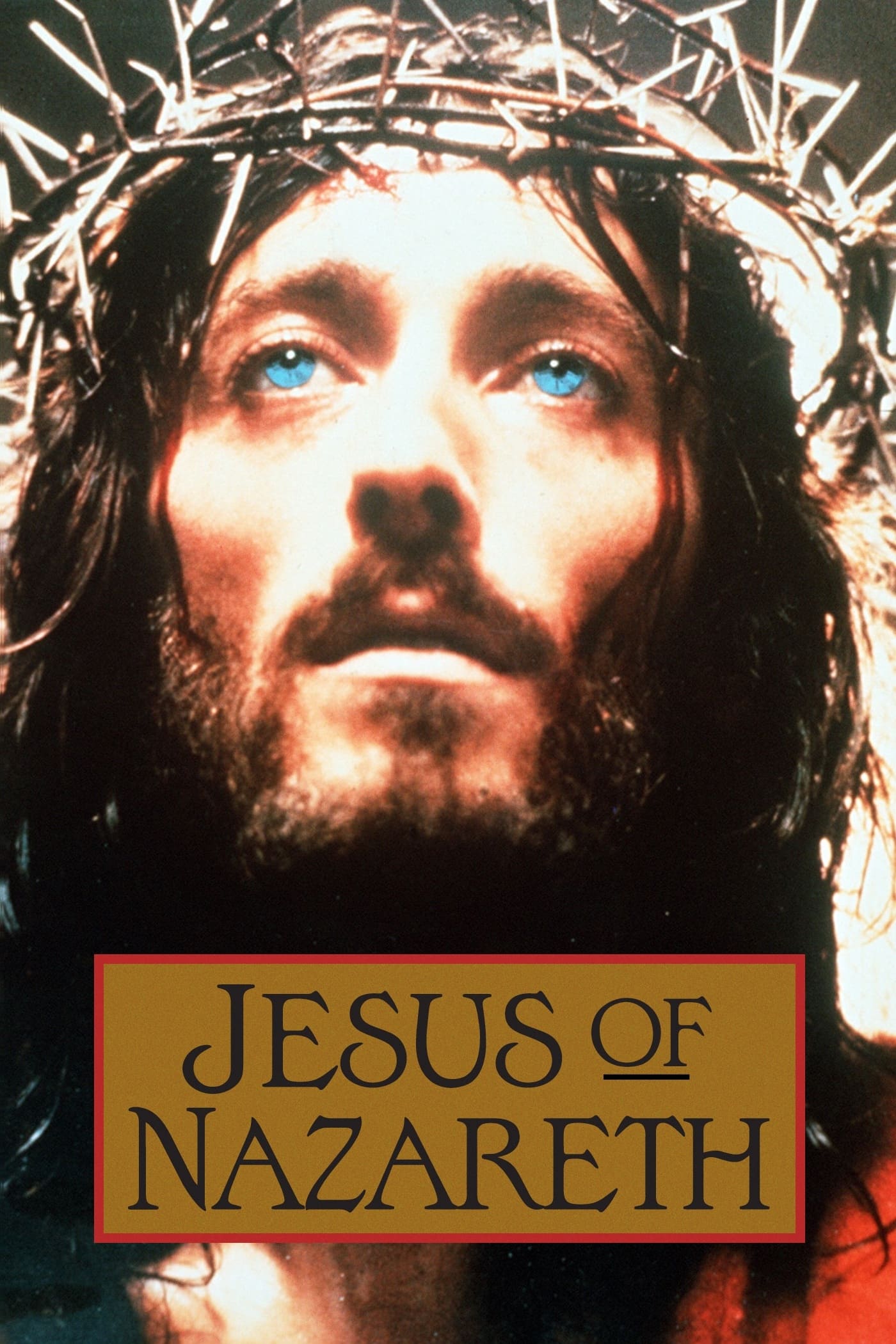
拿撒勒的耶稣 (1977) [剧集] TMDB 豆瓣
Jesus of Nazareth Season 1 所属 电视剧集: 拿撒勒的耶稣
导演: 佛朗哥·泽菲雷里 演员: 罗伯特·鲍威尔 / 奥利维亚·赫西
历史上最受争议的短篇电视连续剧之一,当导演佛朗哥.泽菲雷里公开宣布他在本片中是把耶稣当作一般人、而不是宗教偶像来描写时,电视剧遭到了有关方面的仔细检查并引起争议。
宗教激进分子们甚至在电视剧于1977年4月3日在电视台首播之前就开始表示强烈的抗议,尽管很多赞助商表示不 再支持这部电视剧,但NBC还是决定如期播放它,结果取得了出人意料的效果,使得本片成为有史以来最成功的电视剧之一
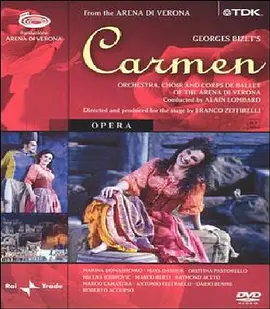
卡门 (1978) [电影] 豆瓣
Carmen(1978)
导演: Franco Zeffirelli 演员: 多明戈(Plácido Domingo)
其它标题: Carmen(1978)
从在看到卡门(艾莲娜·奥布拉茨索娃 Yelena Obraztsova 饰)的第一眼开始,年轻的军长唐豪塞(Paul Wolfrum 饰)就坠入了卡门用美艳和欲望所编制的陷阱之中。为了和卡门双宿双飞,他毫不犹豫的抛弃了乡下温柔贤惠的情人,不仅如此,在卡门身陷险境的时刻,唐豪塞伸出了援手,同时也断送了自己的大好前程。
和卡门在一起之后,唐豪塞似乎就没有走运过,在经历了牢狱之灾后他加入了卡门所在的走私团伙。天性奔放自由的卡门对唐豪塞的态度渐渐的冷淡了下来,讽刺的是,她对斗牛士埃斯卡米里奥的态度倒是热情的很,忍无可忍的唐豪塞决定要与埃斯卡米里奥决斗,一场悲剧眼看就要发生。
茶花女 (1982) [电影] 豆瓣
La Traviata
9.3 (6 个评分) 导演: 佛朗哥·泽菲雷里 演员: 特蕾萨·斯特拉塔斯 / 普拉西多·多明戈
其它标题: La Traviata
故事发生于19世纪40年代,阿尔方斯妮(特蕾萨·斯特拉塔斯 Teresa Stratas 饰)本是出生在穷乡僻壤的贫穷女孩,注定会过上默默无闻了此一生的生活。然而,上帝却将她指引向了繁华的大都市巴黎。在那里,阿尔方斯妮见识到了上流社会的奢靡生活。随着时间的推移,阿尔方斯妮凭借着自己的美貌和智慧渐渐打入了社交圈,最终成为了人人仰慕的交际花,那些对她垂涎三尺的男人们称她为茶花女。
一次偶然中,阿尔方斯妮邂逅了名为小仲马(普拉西多·多明戈 Plácido Domingo 饰)的作家,两人坠入了爱河。然而,当小仲马得知了阿尔方斯妮的真实身份后,愤怒的觉得后者欺骗了自己,于是选择了离开。
驯悍记 (1967) [电影] 豆瓣
The Taming of the Shrew
8.0 (5 个评分) 导演: 佛朗哥·泽菲雷里 演员: 伊丽莎白·泰勒 / 理查德·伯顿
其它标题: The Taming of the Shrew
主角悍女Katarina出名泼辣,生男勿近,而她的妹妹Bianca却是一位温柔娴婌的万人迷。做父亲的惨成祸心,或许受不了大女儿Katarina的气焰凌迟,他居然徇私剥夺妹妹谈恋爱的自由,直至姐姐嫁得出为止。那些倾慕妹妹的众生皆因此头疼,苦思后度出一计,就是找一隻替死鬼娶姐姐。Katarina性格暴躁、脾气倔强,找不到任何一个敢娶她的男人,在心不甘情不愿的情况下,她嫁给了高大结实的大胡子男人Petruchio。Petruchio一心要把Katarina训练成百依百顺的好妻子,所以他采取了“以暴制暴”的方式,最后终于驯服了Katarina的一身傲骨。
Franco Zeffirelli's adaptation of William Shakespeare's play about love and marriage. Shy Bianca and mean-spirited Katarina, are two daughters of the rich merchant, Baptista. Though Bianca is being courted by a number of young men, Baptista announces that she may not marry until Katarina is wed. None of the men in town are willing to marry Katarina, so Bianca remains unwed, until a scoundrel called Petruchio appears.
乡村骑士 (1982) [电影] 豆瓣
Cavalleria rusticana
导演: 佛朗哥·泽菲雷里 演员: 艾莲娜·奥布拉茨索娃 / 普拉西多·多明戈
其它标题: Cavalleria rusticana / 马斯卡尼 歌剧电影《乡村骑士》
独幕歌剧,由塔尔焦尼-托泽蒂(G.Targion-Tozzeti)和梅纳希(Guido Menasci),根据韦尔加(G.Verga)原著的短篇小说合作改编,由马斯卡尼(P.Mascagni)谱曲,1890年5月20日在罗马孔斯坦齐歌剧院(Constanzi Theatre)首次公演。
剧中人
村女——桑图扎(Santuzza)——女高音
青年军人——图里杜(Turiddu)——男高音
图里杜之母——露琪娅(Lucia)——女中音
马车夫——阿尔菲奥(Alfio)——男中音
阿尔菲奥之妻——洛拉(Lola)——次女高音
农夫、村民男女等
故事发生于19世纪。
布景:意大利西西里乡村中的通衢,右边是一天主教堂,左首即露琪娅的客寓、住宅,时间即复活节。 本剧开始所奏音乐极其富丽,音调异常奢靡,幕未开即听见图里杜的歌声,所唱的乃是西西里岛土歌(亦为著名的歌调),这首歌是一个小引,也是全剧音乐的基本音调,歌词纯系恋爱的词句。图里杜恋歌中有几句是说:洛拉啊,美如欣欣之花,媚眼含情,朗朗似明星;销魂处,樱桃口唇,谁个是檀郎,艳福天定!
这一天正是复活节,照西西里岛风俗,复活节是最最重要的节日,正如英美等国的圣诞节一般。复活节时,百花放香,好鸟鸣春,正是艳阳天气,开场的一段音乐小歌,将这一情景完全表现出来。《橘花初放》(Gli oranci olezzano)便是开头的主要小歌。这天早晨露琪娅正忙着收拾的时候,一队队的男男女女,都唱着这首歌,来到教堂内。桑图扎走到客寓门口,碰见了图里杜的母亲,老母问道:“这是怎么一回事啊”!桑图扎没有回答,只问老母道:“图里杜哪里去了?”老母亦不回答她所问的话,只说道:“请不要再问这句话,我实在不知道,我很害怕如此烦恼”。桑图扎一再追问,她的态度,似乎有些不同平常,好像知道有什么事将要发生。但老母露琪娅始终没有回答。桑图扎见老母不肯答应,再三哀求她开恩说出来,求着说:“露琪娅老母啊,请回答我”(Dite,Mamma Lucia)。 露琪娅被桑图扎纠缠不过,才说出图里杜卖酒去了。桑图扎说道:“这话不对,我听人说,有人昨晚见他在村中”,露琪娅便起了疑心,便连连问道:“我的儿子到底怎样了”?这时候忽然听到鞭声铃响,乃是驾邮车的阿尔菲奥驾车来到。阿尔菲奥乃是一个乐天知命的人,此外他还有一位美丽的妻子洛拉。这天因复活节,阿尔菲奥尤其高兴,因他可暂停职务,早早回家,与他爱妻团聚。但阿尔菲奥决没想到,这一天的事变,是出人意料的。 阿尔菲奥去后,露琪娅又同桑图扎谈起来,桑图扎于是将她自己的故事,一一说给露琪娅听。原来,从前图里杜本与洛拉相爱,后来图里杜从军去,俩人即分离。及至图里杜从军回家乡来,洛拉早已嫁给阿尔菲奥,图里杜心里觉得委实忧伤愤恨,于是将一股热烈的爱情,都寄托在桑图扎身上。但近来图里杜又渐渐与洛拉接近,思欲再获女心,洛拉也十分热诚的欢迎他。这一来桑图扎便受了双重侮辱,满怀心事悲哀地唱出:“啊!您知道吗,妈妈?”(Voi la sapete)。
露琪娅听了这段实情,惊讶又忧愁,然而还尽力地安慰桑图扎,也觉得对她儿子的前途大大不利。桑图扎正预备到教堂去,图里杜忽然来到,于是俩人口角起来,愈说愈激烈。桑图扎并指破图里杜并非去卖酒,乃是去会旧情人洛拉,并告诉他说,洛拉的丈夫也看见他们在一起。可是图里杜不理睬她的话,反说是嫉妒惹是非。他们正口角时,忽然听到远处一女人歌唱走来,这唱歌的乃是洛拉。词意中还是爱恋着图里杜:“蔷薇之王啊,满面春风的天使,翱翔天空,谁似你,玉树临风,我蔷薇之王”!她一边唱着,一边走近,看到桑图扎同图里杜的神情,心里早已明白。两女子便互相讽刺,洛拉要表示她的魔力,要邀图里杜同路去教堂。桑图扎便宣布说图里杜是她的丈夫,也要求图里杜不要随洛拉去。可是图里杜不但不顾念桑图扎的难过,反而发怒地将她摔在地上,便进教堂去。
正在这时候,阿尔菲奥也赶到。桑图扎顾不了利害,将洛拉与图里杜的艳事全说出来。阿尔菲奥起先不信,桑图扎再三证明,阿尔菲奥不由不信了。于是对桑图扎说:“假如你说谎话,我一定要将你的心挖出来”!可瞧见桑图扎如此伤心,便又安慰她,俩人都高声宣誓,此仇必报。此段音乐,极为动人。 不到一会儿,教堂的人都出来了,老母露琪娅忙着卖酒,桑图扎也走开了,图里杜与洛拉也杂在人丛中饮酒欢笑,阿尔菲奥忽然闯了进来,图里杜便注上一杯酒请阿尔菲奥喝,哪知遭了拒绝,并受了斥责,图里杜微笑着将酒倒在地上,表示轻视。乡人们知道将要出乱子了,便一哄而散,阿尔菲奥与图里杜争持了一会,便决定到一间花园里去决斗。 这事发生之后,图里杜便辞别老母,说要远游。老母露琪娅察言观色,知道他不是实话,心里非常忧虑,不觉老泪满面。图里杜也很伤心,洒了几滴眼泪,便向外狂奔去了,临走只关照了一声,叫他母亲好生看顾桑图扎。不到一刻,桑图扎便跑前来,搂住老母露琪娅痛哭不止,一会儿忽然听见一妇人跑着喊道:“邻居们听啊,图里杜被杀死了”!接着许多妇女赶了进来,报告同样的事。老母露琪娅一听,几乎晕过去,桑图扎早已倒地,不省人事了。
附注:《乡村骑士》独幕剧,是马斯卡尼一举成名的杰作,在当时,意大利米兰艺术学院悬赏征求独幕歌剧,马斯卡尼得知这消息,在短短8天之内便完成这出歌剧。而果然得到锦标,大受观众的热烈欢迎,连意大利的皇帝也赏了荣誉冠冕,是歌剧作家中少有的荣耀。
麻雀 (1993) [电影] 豆瓣
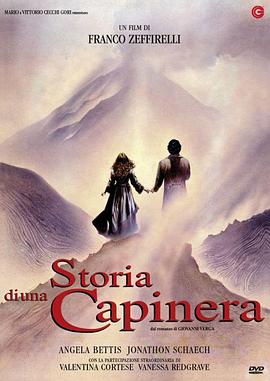
Storia di una capinera
其它标题: Storia di una capinera / Sparrow
故事发生在十九世纪的意大利,玛莉亚自觉蒙神召唤当了修女,她渐渐适应那里的生活。当地暴发霍乱使她暂时返回故乡并爱上了一名叫尼哥的男子疫症过后,她返回修道院。她开始对事奉神的召唤推动信心,因她自觉爱上尼哥。但当她发现尼跟妹妹结婚后她几乎山崩溃……
图兰朵 [演出] 豆瓣
Turandot
类型: Opera 编剧: Giuseppe Adami / Renato Simoni
其它标题: Turandot 导演: Giovacchino Forzano / Franco Zeffirelli 演员: Rosa Raisa / Miguel Fleta / Maria Zamboni / Carlo Walter / Giacomo Rimini
Place: Peking, China
Time: Legendary times
Act 1
In China, beautiful Princess Turandot will only marry a suitor who can answer 3 secret riddles. A Mandarin announces the law of the land (Aria – Popolo di Pechino! – "People of Peking!"). The Prince of Persia has failed to answer the three riddles, and he is to be beheaded at the next moonrising. As the crowd surges towards the gates of the palace, the imperial guards brutally repulse them, causing a blind old man to be knocked to the ground. The old man's slave-girl, Liù, cries out for help. A young man hears her cry and recognizes that the old man is his long-lost father, Timur, the deposed king of Tartary. The young Prince of Tartary is overjoyed at seeing Timur alive, but still urges Timur to not speak his name because he is afraid that the Chinese rulers, who have conquered Tartary, may kill or harm them. Timur then tells his son that, of all his servants, only Liù has remained faithful to him. When the Prince asks her why, she tells him that once, long ago in the palace, the Prince had smiled at her (Trio with chorus – The crowd, Liù, Prince of Tartary, Timur: Indietro, cani! – "Back, dogs!").
The moon rises, and the crowd's cries for blood dissolve into silence. The doomed Prince of Persia, who is on his way to be executed, is led before the crowd. The young Prince is so handsome and kind that the crowd and the Prince of Tartary decide that they want Turandot to act compassionately, and they beg Turandot to appear and spare his life (Aria – The crowd, Prince of Tartary: O giovinetto! – "O youth!"). She then appears, and with a single imperious gesture, orders the execution to continue. The Prince of Tartary, who has never seen Turandot before, falls immediately in love with her, and joyfully cries out Turandot's name three times, foreshadowing the riddles to come. Then the Prince of Persia cries out one final time. The crowd, horrified, screams out one final time and the Prince of Persia is beheaded.
The Prince of Tartary is dazzled by Turandot's beauty. He is about to rush towards the gong and to strike it three times – the symbolic gesture of whoever wishes to attempt to solve the riddles so that he can marry Turandot – when the ministers Ping, Pang, and Pong appear. They urge him cynically to not lose his head for Turandot and to instead go back to his own country (Fermo, che fai?). Timur urges his son to desist, and Liù, who is secretly in love with the Prince, pleads with him not to attempt to solve the riddles (Signore, ascolta! – "Lord, hear!"). Liù's words touch the Prince's heart. He begs Liù to make Timur's exile more bearable by not abandoning Timur if the Prince fails to answer the riddles (Non piangere, Liù – "Do not cry, Liù"). The three ministers, Timur, and Liù then try one last time to stop the Prince (Ah! Per l'ultima volta! – "Ah! For the last time!") from attempting to answer the riddles, but he refuses to heed their advice.
He calls Turandot's name three times, and each time Liù, Timur, and the ministers reply, "Death!" and the crowd declares, "We're already digging your grave!" Rushing to the gong that hangs in front of the palace, the Prince strikes it three times, declaring himself to be a suitor. From the palace balcony, Turandot accepts his challenge, as Ping, Pang, and Pong laugh at the Prince's foolishness.
Act 2
Scene 1: A pavilion in the imperial palace. Before sunrise
Ping, Pang, and Pong lament their place as ministers, poring over palace documents and presiding over endless rituals. They prepare themselves for either a wedding or a funeral (Trio – Ping, Pang, Pong: Ola, Pang!). Ping suddenly longs for his country house in Honan, with its small lake surrounded by bamboo. Pong remembers his grove of forests near Tsiang, and Pang recalls his gardens near Kiu. The three share their fond memories of their lives away from the palace (Trio – Ping, Pang, Pong: Ho una casa nell'Honan – "I have a house in Honan"). They turn their thoughts back to how they have been accompanying young princes to their deaths. As the palace trumpet sounds, the ministers ready themselves for another spectacle as they await the entrance of their Emperor.
Scene 2: The courtyard of the palace. Sunrise
The Emperor Altoum, father of Turandot, sits on his grand throne in his palace. Weary of having to judge his isolated daughter's sport, he urges the Prince to withdraw his challenge, but the Prince refuses (Aria – Altoum, the Prince: Un giuramento atroce – "An atrocious oath"). Turandot enters and explains (In questa reggia – "In this palace") that her ancestress of millennia past, Princess Lo-u-Ling, reigned over her kingdom "in silence and joy, resisting the harsh domination of men" until she was raped and murdered by an invading foreign prince. Turandot claims that Lo-u-Ling now lives in her, and out of revenge, Turandot has sworn to never let any man wed her. She warns the Prince to withdraw but again he refuses. The Princess presents her first riddle: Straniero, ascolta! – "What is born each night and dies each dawn?" The Prince correctly replies, Speranza – "Hope." The Princess, unnerved, presents her second riddle (Guizza al pari di fiamma – "What flickers red and warm like a flame, but is not fire?") The Prince thinks for a moment before replying, Sangue – "Blood". Turandot is shaken. The crowd cheers the Prince, provoking Turandot's anger. She presents her third riddle (Gelo che ti da foco – "What is ice which gives you fire and which your fire freezes still more?"). He proclaims, "It is Turandot! Turandot!"
The crowd cheers for the triumphant Prince. Turandot throws herself at her father's feet and pleads with him not to leave her to the Prince's mercy. The Emperor insists that an oath is sacred and that it is Turandot's duty to wed the Prince (Duet – Turandot, Altoum, the Prince: Figlio del cielo). She cries out in despair, "Will you take me by force? (Mi porterai con la forza?) The Prince stops her, saying that he has a riddle for her: Tre enigmi m'hai proposto – "You do not know my name. Tell me my name before sunrise, and at dawn, I will die." Turandot accepts. The Emperor then declares that he hopes that he will be able to call the Prince his son when the sun next rises.
Act 3
Scene 1: The palace gardens. Night
In the distance, heralds call out Turandot's command: Cosi comanda Turandot – "This night, none shall sleep in Peking! The penalty for all will be death if the Prince's name is not discovered by morning". The Prince waits for dawn and anticipates his victory: Nessun dorma – "Nobody shall sleep!"
Ping, Pong, and Pang appear and offer the Prince women and riches if he will only give up Turandot (Tu che guardi le stelle), but he refuses. A group of soldiers then drag in Timur and Liù. They have been seen speaking to the Prince, so they must know his name. Turandot enters and orders Timur and Liù to speak. The Prince feigns ignorance, saying they know nothing. But when the guards begin to treat Timur harshly, Liù declares that she alone knows the Prince's name, but she will not reveal it. Ping demands the Prince's name, and when Liù refuses to say it, she is tortured. Turandot is clearly taken aback by Liù's resolve and asks Liù who or what gave her such a strong resolve. Liù answers, "Princess, love!" (Principessa, amore!). Turandot demands that Ping tear the Prince's name from Liù, and Ping orders Liù to be tortured even more. Liù counters Turandot (Tu che di gel sei cinta – "You who are begirdled by ice"), saying that Turandot too will learn the exquisite joy of being guided by caring and compassionate love.[note 1] Having spoken, Liù seizes a dagger from a soldier's belt and stabs herself. As she staggers towards the Prince and falls dead, the crowd screams for her to speak the Prince's name. Since Timur is blind, he must be told about Liù's death, and he cries out in anguish. When Timur warns that the gods will be offended by Liù's death, the crowd becomes subdued, very afraid and ashamed. The grieving Timur and the crowd follow Liù's body as it is carried away. Everybody departs, leaving the Prince and Turandot alone. He reproaches Turandot for her cruelty (Duet – The Prince, Turandot: Principessa di morte – "Princess of death"), then takes her in his arms and kisses her in spite of her resistance.
The Prince tries to convince Turandot to love him. At first she feels disgusted, but after he kisses her, she feels herself becoming more ardently desiring to be held and compassionately loved by him. She admits that ever since she met the Prince, she realized she both hated and loved him. She asks him to ask for nothing more and to leave, taking his mystery with him. The Prince, however, then reveals his name: "Calaf, son of Timur – Calaf, figlio di Timur", thereby placing his life in Turandot's hands. She can now destroy him if she wants (Duet – Turandot, Calaf: Del primo pianto).
Scene 2: The courtyard of the palace. Dawn
Turandot and Calaf approach the Emperor's throne. She declares that she knows the Prince's name: Diecimila anni al nostro Imperatore! – "It is ... love!" The crowd cheers and acclaims the two lovers (O sole! Vita! Eternità).
图兰朵 1987年大都会歌剧团版 [演出] 豆瓣
所属 演出: 图兰朵
语言: italian 意大利语 剧团: Metropolitan Opera Orchestra 大都会歌剧团管弦乐团 ; Metropolitan Opera Chorus 大都会歌剧团合唱团 ; Metropolitan Opera Ballet 大都会歌剧团芭蕾舞团 剧院: Metropolitan Opera House 大都会歌剧院 导演: Franco Zeffirelli
其它标题: 1987年大都会歌剧团版 编剧: Giuseppe Adami / Renato Simoni 作曲: Giacomo Puccini 演员: Éva Marton / Plácido Domingo
Place: Peking, China
Time: Legendary times
Act 1
In China, beautiful Princess Turandot will only marry a suitor who can answer 3 secret riddles. A Mandarin announces the law of the land (Aria – Popolo di Pechino! – "People of Peking!"). The Prince of Persia has failed to answer the three riddles, and he is to be beheaded at the next moonrising. As the crowd surges towards the gates of the palace, the imperial guards brutally repulse them, causing a blind old man to be knocked to the ground. The old man's slave-girl, Liù, cries out for help. A young man hears her cry and recognizes that the old man is his long-lost father, Timur, the deposed king of Tartary. The young Prince of Tartary is overjoyed at seeing Timur alive, but still urges Timur to not speak his name because he is afraid that the Chinese rulers, who have conquered Tartary, may kill or harm them. Timur then tells his son that, of all his servants, only Liù has remained faithful to him. When the Prince asks her why, she tells him that once, long ago in the palace, the Prince had smiled at her (Trio with chorus – The crowd, Liù, Prince of Tartary, Timur: Indietro, cani! – "Back, dogs!").
The moon rises, and the crowd's cries for blood dissolve into silence. The doomed Prince of Persia, who is on his way to be executed, is led before the crowd. The young Prince is so handsome and kind that the crowd and the Prince of Tartary decide that they want Turandot to act compassionately, and they beg Turandot to appear and spare his life (Aria – The crowd, Prince of Tartary: O giovinetto! – "O youth!"). She then appears, and with a single imperious gesture, orders the execution to continue. The Prince of Tartary, who has never seen Turandot before, falls immediately in love with her, and joyfully cries out Turandot's name three times, foreshadowing the riddles to come. Then the Prince of Persia cries out one final time. The crowd, horrified, screams out one final time and the Prince of Persia is beheaded.
The Prince of Tartary is dazzled by Turandot's beauty. He is about to rush towards the gong and to strike it three times – the symbolic gesture of whoever wishes to attempt to solve the riddles so that he can marry Turandot – when the ministers Ping, Pang, and Pong appear. They urge him cynically to not lose his head for Turandot and to instead go back to his own country (Fermo, che fai?). Timur urges his son to desist, and Liù, who is secretly in love with the Prince, pleads with him not to attempt to solve the riddles (Signore, ascolta! – "Lord, hear!"). Liù's words touch the Prince's heart. He begs Liù to make Timur's exile more bearable by not abandoning Timur if the Prince fails to answer the riddles (Non piangere, Liù – "Do not cry, Liù"). The three ministers, Timur, and Liù then try one last time to stop the Prince (Ah! Per l'ultima volta! – "Ah! For the last time!") from attempting to answer the riddles, but he refuses to heed their advice.
He calls Turandot's name three times, and each time Liù, Timur, and the ministers reply, "Death!" and the crowd declares, "We're already digging your grave!" Rushing to the gong that hangs in front of the palace, the Prince strikes it three times, declaring himself to be a suitor. From the palace balcony, Turandot accepts his challenge, as Ping, Pang, and Pong laugh at the Prince's foolishness.
Act 2
Scene 1: A pavilion in the imperial palace. Before sunrise
Ping, Pang, and Pong lament their place as ministers, poring over palace documents and presiding over endless rituals. They prepare themselves for either a wedding or a funeral (Trio – Ping, Pang, Pong: Ola, Pang!). Ping suddenly longs for his country house in Honan, with its small lake surrounded by bamboo. Pong remembers his grove of forests near Tsiang, and Pang recalls his gardens near Kiu. The three share their fond memories of their lives away from the palace (Trio – Ping, Pang, Pong: Ho una casa nell'Honan – "I have a house in Honan"). They turn their thoughts back to how they have been accompanying young princes to their deaths. As the palace trumpet sounds, the ministers ready themselves for another spectacle as they await the entrance of their Emperor.
Scene 2: The courtyard of the palace. Sunrise
The Emperor Altoum, father of Turandot, sits on his grand throne in his palace. Weary of having to judge his isolated daughter's sport, he urges the Prince to withdraw his challenge, but the Prince refuses (Aria – Altoum, the Prince: Un giuramento atroce – "An atrocious oath"). Turandot enters and explains (In questa reggia – "In this palace") that her ancestress of millennia past, Princess Lo-u-Ling, reigned over her kingdom "in silence and joy, resisting the harsh domination of men" until she was raped and murdered by an invading foreign prince. Turandot claims that Lo-u-Ling now lives in her, and out of revenge, Turandot has sworn to never let any man wed her. She warns the Prince to withdraw but again he refuses. The Princess presents her first riddle: Straniero, ascolta! – "What is born each night and dies each dawn?" The Prince correctly replies, Speranza – "Hope." The Princess, unnerved, presents her second riddle (Guizza al pari di fiamma – "What flickers red and warm like a flame, but is not fire?") The Prince thinks for a moment before replying, Sangue – "Blood". Turandot is shaken. The crowd cheers the Prince, provoking Turandot's anger. She presents her third riddle (Gelo che ti da foco – "What is ice which gives you fire and which your fire freezes still more?"). He proclaims, "It is Turandot! Turandot!"
The crowd cheers for the triumphant Prince. Turandot throws herself at her father's feet and pleads with him not to leave her to the Prince's mercy. The Emperor insists that an oath is sacred and that it is Turandot's duty to wed the Prince (Duet – Turandot, Altoum, the Prince: Figlio del cielo). She cries out in despair, "Will you take me by force? (Mi porterai con la forza?) The Prince stops her, saying that he has a riddle for her: Tre enigmi m'hai proposto – "You do not know my name. Tell me my name before sunrise, and at dawn, I will die." Turandot accepts. The Emperor then declares that he hopes that he will be able to call the Prince his son when the sun next rises.
Act 3
Scene 1: The palace gardens. Night
In the distance, heralds call out Turandot's command: Cosi comanda Turandot – "This night, none shall sleep in Peking! The penalty for all will be death if the Prince's name is not discovered by morning". The Prince waits for dawn and anticipates his victory: Nessun dorma – "Nobody shall sleep!"
Ping, Pong, and Pang appear and offer the Prince women and riches if he will only give up Turandot (Tu che guardi le stelle), but he refuses. A group of soldiers then drag in Timur and Liù. They have been seen speaking to the Prince, so they must know his name. Turandot enters and orders Timur and Liù to speak. The Prince feigns ignorance, saying they know nothing. But when the guards begin to treat Timur harshly, Liù declares that she alone knows the Prince's name, but she will not reveal it. Ping demands the Prince's name, and when Liù refuses to say it, she is tortured. Turandot is clearly taken aback by Liù's resolve and asks Liù who or what gave her such a strong resolve. Liù answers, "Princess, love!" (Principessa, amore!). Turandot demands that Ping tear the Prince's name from Liù, and Ping orders Liù to be tortured even more. Liù counters Turandot (Tu che di gel sei cinta – "You who are begirdled by ice"), saying that Turandot too will learn the exquisite joy of being guided by caring and compassionate love.[note 1] Having spoken, Liù seizes a dagger from a soldier's belt and stabs herself. As she staggers towards the Prince and falls dead, the crowd screams for her to speak the Prince's name. Since Timur is blind, he must be told about Liù's death, and he cries out in anguish. When Timur warns that the gods will be offended by Liù's death, the crowd becomes subdued, very afraid and ashamed. The grieving Timur and the crowd follow Liù's body as it is carried away. Everybody departs, leaving the Prince and Turandot alone. He reproaches Turandot for her cruelty (Duet – The Prince, Turandot: Principessa di morte – "Princess of death"), then takes her in his arms and kisses her in spite of her resistance.
The Prince tries to convince Turandot to love him. At first she feels disgusted, but after he kisses her, she feels herself becoming more ardently desiring to be held and compassionately loved by him. She admits that ever since she met the Prince, she realized she both hated and loved him. She asks him to ask for nothing more and to leave, taking his mystery with him. The Prince, however, then reveals his name: "Calaf, son of Timur – Calaf, figlio di Timur", thereby placing his life in Turandot's hands. She can now destroy him if she wants (Duet – Turandot, Calaf: Del primo pianto).
Scene 2: The courtyard of the palace. Dawn
Turandot and Calaf approach the Emperor's throne. She declares that she knows the Prince's name: Diecimila anni al nostro Imperatore! – "It is ... love!" The crowd cheers and acclaims the two lovers (O sole! Vita! Eternità).
图兰朵 2009年大都会歌剧团版 [演出] 豆瓣
所属 演出: 图兰朵
语言: italian 意大利语 剧团: Metropolitan Opera Orchestra 大都会歌剧团管弦乐团 ; Metropolitan Opera Chorus 大都会歌剧团合唱团 ; Metropolitan Opera Ballet 大都会歌剧团芭蕾舞团 剧院: Metropolitan Opera House 大都会歌剧院 导演: Franco Zeffirelli / David Kneuss
其它标题: 2009年大都会歌剧团版 编剧: Giuseppe Adami / Renato Simoni 作曲: Giacomo Puccini 演员: Maria Guleghina / Marcello Giordani
Place: Peking, China
Time: Legendary times
Act 1
In China, beautiful Princess Turandot will only marry a suitor who can answer 3 secret riddles. A Mandarin announces the law of the land (Aria – Popolo di Pechino! – "People of Peking!"). The Prince of Persia has failed to answer the three riddles, and he is to be beheaded at the next moonrising. As the crowd surges towards the gates of the palace, the imperial guards brutally repulse them, causing a blind old man to be knocked to the ground. The old man's slave-girl, Liù, cries out for help. A young man hears her cry and recognizes that the old man is his long-lost father, Timur, the deposed king of Tartary. The young Prince of Tartary is overjoyed at seeing Timur alive, but still urges Timur to not speak his name because he is afraid that the Chinese rulers, who have conquered Tartary, may kill or harm them. Timur then tells his son that, of all his servants, only Liù has remained faithful to him. When the Prince asks her why, she tells him that once, long ago in the palace, the Prince had smiled at her (Trio with chorus – The crowd, Liù, Prince of Tartary, Timur: Indietro, cani! – "Back, dogs!").
The moon rises, and the crowd's cries for blood dissolve into silence. The doomed Prince of Persia, who is on his way to be executed, is led before the crowd. The young Prince is so handsome and kind that the crowd and the Prince of Tartary decide that they want Turandot to act compassionately, and they beg Turandot to appear and spare his life (Aria – The crowd, Prince of Tartary: O giovinetto! – "O youth!"). She then appears, and with a single imperious gesture, orders the execution to continue. The Prince of Tartary, who has never seen Turandot before, falls immediately in love with her, and joyfully cries out Turandot's name three times, foreshadowing the riddles to come. Then the Prince of Persia cries out one final time. The crowd, horrified, screams out one final time and the Prince of Persia is beheaded.
The Prince of Tartary is dazzled by Turandot's beauty. He is about to rush towards the gong and to strike it three times – the symbolic gesture of whoever wishes to attempt to solve the riddles so that he can marry Turandot – when the ministers Ping, Pang, and Pong appear. They urge him cynically to not lose his head for Turandot and to instead go back to his own country (Fermo, che fai?). Timur urges his son to desist, and Liù, who is secretly in love with the Prince, pleads with him not to attempt to solve the riddles (Signore, ascolta! – "Lord, hear!"). Liù's words touch the Prince's heart. He begs Liù to make Timur's exile more bearable by not abandoning Timur if the Prince fails to answer the riddles (Non piangere, Liù – "Do not cry, Liù"). The three ministers, Timur, and Liù then try one last time to stop the Prince (Ah! Per l'ultima volta! – "Ah! For the last time!") from attempting to answer the riddles, but he refuses to heed their advice.
He calls Turandot's name three times, and each time Liù, Timur, and the ministers reply, "Death!" and the crowd declares, "We're already digging your grave!" Rushing to the gong that hangs in front of the palace, the Prince strikes it three times, declaring himself to be a suitor. From the palace balcony, Turandot accepts his challenge, as Ping, Pang, and Pong laugh at the Prince's foolishness.
Act 2
Scene 1: A pavilion in the imperial palace. Before sunrise
Ping, Pang, and Pong lament their place as ministers, poring over palace documents and presiding over endless rituals. They prepare themselves for either a wedding or a funeral (Trio – Ping, Pang, Pong: Ola, Pang!). Ping suddenly longs for his country house in Honan, with its small lake surrounded by bamboo. Pong remembers his grove of forests near Tsiang, and Pang recalls his gardens near Kiu. The three share their fond memories of their lives away from the palace (Trio – Ping, Pang, Pong: Ho una casa nell'Honan – "I have a house in Honan"). They turn their thoughts back to how they have been accompanying young princes to their deaths. As the palace trumpet sounds, the ministers ready themselves for another spectacle as they await the entrance of their Emperor.
Scene 2: The courtyard of the palace. Sunrise
The Emperor Altoum, father of Turandot, sits on his grand throne in his palace. Weary of having to judge his isolated daughter's sport, he urges the Prince to withdraw his challenge, but the Prince refuses (Aria – Altoum, the Prince: Un giuramento atroce – "An atrocious oath"). Turandot enters and explains (In questa reggia – "In this palace") that her ancestress of millennia past, Princess Lo-u-Ling, reigned over her kingdom "in silence and joy, resisting the harsh domination of men" until she was raped and murdered by an invading foreign prince. Turandot claims that Lo-u-Ling now lives in her, and out of revenge, Turandot has sworn to never let any man wed her. She warns the Prince to withdraw but again he refuses. The Princess presents her first riddle: Straniero, ascolta! – "What is born each night and dies each dawn?" The Prince correctly replies, Speranza – "Hope." The Princess, unnerved, presents her second riddle (Guizza al pari di fiamma – "What flickers red and warm like a flame, but is not fire?") The Prince thinks for a moment before replying, Sangue – "Blood". Turandot is shaken. The crowd cheers the Prince, provoking Turandot's anger. She presents her third riddle (Gelo che ti da foco – "What is ice which gives you fire and which your fire freezes still more?"). He proclaims, "It is Turandot! Turandot!"
The crowd cheers for the triumphant Prince. Turandot throws herself at her father's feet and pleads with him not to leave her to the Prince's mercy. The Emperor insists that an oath is sacred and that it is Turandot's duty to wed the Prince (Duet – Turandot, Altoum, the Prince: Figlio del cielo). She cries out in despair, "Will you take me by force? (Mi porterai con la forza?) The Prince stops her, saying that he has a riddle for her: Tre enigmi m'hai proposto – "You do not know my name. Tell me my name before sunrise, and at dawn, I will die." Turandot accepts. The Emperor then declares that he hopes that he will be able to call the Prince his son when the sun next rises.
Act 3
Scene 1: The palace gardens. Night
In the distance, heralds call out Turandot's command: Cosi comanda Turandot – "This night, none shall sleep in Peking! The penalty for all will be death if the Prince's name is not discovered by morning". The Prince waits for dawn and anticipates his victory: Nessun dorma – "Nobody shall sleep!"
Ping, Pong, and Pang appear and offer the Prince women and riches if he will only give up Turandot (Tu che guardi le stelle), but he refuses. A group of soldiers then drag in Timur and Liù. They have been seen speaking to the Prince, so they must know his name. Turandot enters and orders Timur and Liù to speak. The Prince feigns ignorance, saying they know nothing. But when the guards begin to treat Timur harshly, Liù declares that she alone knows the Prince's name, but she will not reveal it. Ping demands the Prince's name, and when Liù refuses to say it, she is tortured. Turandot is clearly taken aback by Liù's resolve and asks Liù who or what gave her such a strong resolve. Liù answers, "Princess, love!" (Principessa, amore!). Turandot demands that Ping tear the Prince's name from Liù, and Ping orders Liù to be tortured even more. Liù counters Turandot (Tu che di gel sei cinta – "You who are begirdled by ice"), saying that Turandot too will learn the exquisite joy of being guided by caring and compassionate love.[note 1] Having spoken, Liù seizes a dagger from a soldier's belt and stabs herself. As she staggers towards the Prince and falls dead, the crowd screams for her to speak the Prince's name. Since Timur is blind, he must be told about Liù's death, and he cries out in anguish. When Timur warns that the gods will be offended by Liù's death, the crowd becomes subdued, very afraid and ashamed. The grieving Timur and the crowd follow Liù's body as it is carried away. Everybody departs, leaving the Prince and Turandot alone. He reproaches Turandot for her cruelty (Duet – The Prince, Turandot: Principessa di morte – "Princess of death"), then takes her in his arms and kisses her in spite of her resistance.
The Prince tries to convince Turandot to love him. At first she feels disgusted, but after he kisses her, she feels herself becoming more ardently desiring to be held and compassionately loved by him. She admits that ever since she met the Prince, she realized she both hated and loved him. She asks him to ask for nothing more and to leave, taking his mystery with him. The Prince, however, then reveals his name: "Calaf, son of Timur – Calaf, figlio di Timur", thereby placing his life in Turandot's hands. She can now destroy him if she wants (Duet – Turandot, Calaf: Del primo pianto).
Scene 2: The courtyard of the palace. Dawn
Turandot and Calaf approach the Emperor's throne. She declares that she knows the Prince's name: Diecimila anni al nostro Imperatore! – "It is ... love!" The crowd cheers and acclaims the two lovers (O sole! Vita! Eternità).