罗伯特·布列松 — 演员 (6)
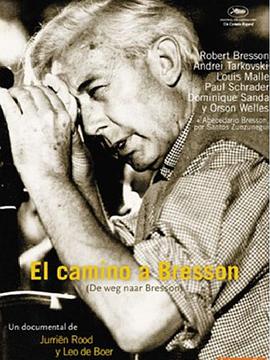
通往布列松之路 (1984) [电影] 豆瓣
De weg naar Bresson
8.1 (15 个评分) 导演: 莱奥·代·波尔 / 朱里恩·罗德 演员: 罗伯特·布列松 / 路易·马勒
其它标题: De weg naar Bresson / 通往布莱松之路
这部以BRESSON的电影风格为主题的记录片,是对这位法国银幕书写者的一次献礼。在他极度克制的作者电影里,感性的个体(有时是动物),他们无力的不断尝试着在这个痛苦的世界里的生存。记录片以明确的主题分为数个段落:“电影” “理论”。这些主题由BRESSON,TARKOVSKY,MALLE,SCHRADER(作家,著有上述三位导演的学术论本)的访谈片段拼示而出。 学识与体验展示在这些话语间,而54分钟的长度对这位伟大导演而言未免过短了。
什么是电影? (2013) [电影] 豆瓣
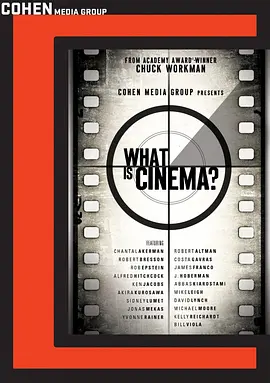
What Is Cinema?
导演: Chuck Workman 演员: 大卫·林奇 / 香特尔·阿克曼
其它标题: What Is Cinema? / Qu'est ce que le cinéma?
Featuring interviews with the likes of Hitchcock, Kurosawa, Robert Bresson and David Lynch, What is Cinema? is documentarian Chuck Workman’s engrossing visual essay about mastery of cinematic form. Our world premiere will be followed by a live conversation with Workman.
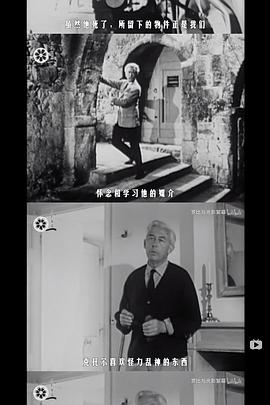
穆谢特拍摄特辑 (1967) [电影] 豆瓣
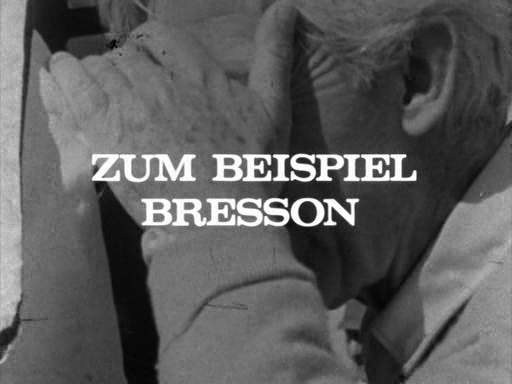
Zum Beispiel Bresson
导演: Theodor Kotulla 演员: Robert Bresson
其它标题: Zum Beispiel Bresson / Au hasard Bresson
This documentary is available on the Criterion Collection release of 'Mouchette' (1967).
秩序中的导演:罗贝尔·布列松 [电影] 豆瓣
Un metteur en ordre: Robert Bresson
导演: Roger Stéphane 演员: Robert Bresson / Louis Malle
其它标题: Un metteur en ordre: Robert Bresson
Description: 'Un metteur en ordre: Robert Bresson' is from a 1966 French television broadcast of 'Pour le Plaisir', a cultural television program. The phrase 'Un metteur en ordre' translates loosely to 'An Imposer of Order'. When you watch the program, you'll see that its title comes from the filmmaker's response to the interviewer's question: 'What's Robert Bresson's profession?'
This episode concentrates on 'Au Hasard Balthazar' and includes interviews with Robert Bresson, Jean-Luc Godard, Louis Malle, and members of the film's cast. Bresson explains the origin of the film's title, while his contemporaries describe their reactions to the film. Several extensive clips from the film are presented, after which Bresson and his cast members offer their opinions of the meaning or consequences of those scenes.
The heart of the program is an interview with Bresson, during which he talks specifically about this film. He also gives his ideas on filmmaking in general. For example, here's how he wants his performers to learn their dialogue: 'I ask them to learn their lines ignoring their meaning, as if they didn't have a meaning, as if the words were just syllables. As if sentences weren't made of words but of syllables.'