维尔托夫的一切 (2002) [Movie] Douban
Все Вертовы
director:
Vladimir Nepevny
actor:
Bernard Eisenschitz
/
Andrew Kaufman
…
other title:
Vse Vertovy
/
Все Вертовы
Vse Vertovy ("All The Vertovs") is a 50 minute documentary about the Kaufman brothers' quest to change the cinema landscape.
David, Mikhail and Boris. Three brothers worked their way into the history of world cinema. Senior, under the pseudonym of Dziga Vertov. The younger two, under his real name, Kaufman.
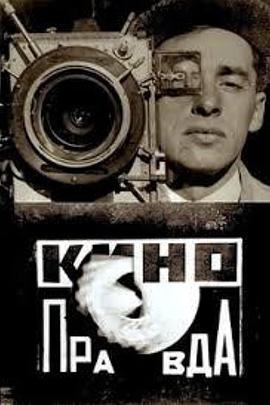
Born David Kaufman, Vertov was a rabbi's grandson and the eldest child of a semi-Russified bookseller; he grew up in Bialystok, a then mainly Jewish industrial city, hometown to the inventor of Esperanto, the universal language. Red October interrupted young David's studies, diverting his ambition to be a Futurist noise-poet. Kaufman became “Dziga Vertov” (a Russian-Ukrainian amalgam meaning “spinning top,” or perhaps “permanent revolution”), boarding one of the Bolshevik agit-trains that, crisscrossing Russia throughout the Civil War, were moving film labs devoted to the making and showing of short “agitational” newsreels. In the manifesto-mad Moscow of the early '20s, Vertov formed the Kinok (Cinema Eye) group with his wife, Elizaveta Svilova, and younger brother Mikhail Kaufman. (A third brother, Boris Kaufman, would go west to make movies with Jean Vigo and eventually win an Oscar for On the Waterfront.)
David, Mikhail and Boris. Three brothers worked their way into the history of world cinema. Senior, under the pseudonym of Dziga Vertov. The younger two, under his real name, Kaufman.
Born David Kaufman, Vertov was a rabbi's grandson and the eldest child of a semi-Russified bookseller; he grew up in Bialystok, a then mainly Jewish industrial city, hometown to the inventor of Esperanto, the universal language. Red October interrupted young David's studies, diverting his ambition to be a Futurist noise-poet. Kaufman became “Dziga Vertov” (a Russian-Ukrainian amalgam meaning “spinning top,” or perhaps “permanent revolution”), boarding one of the Bolshevik agit-trains that, crisscrossing Russia throughout the Civil War, were moving film labs devoted to the making and showing of short “agitational” newsreels. In the manifesto-mad Moscow of the early '20s, Vertov formed the Kinok (Cinema Eye) group with his wife, Elizaveta Svilova, and younger brother Mikhail Kaufman. (A third brother, Boris Kaufman, would go west to make movies with Jean Vigo and eventually win an Oscar for On the Waterfront.)