Deborah Warner — 导演 (12)
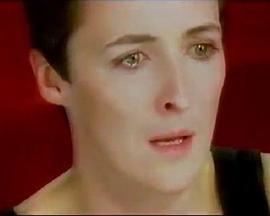
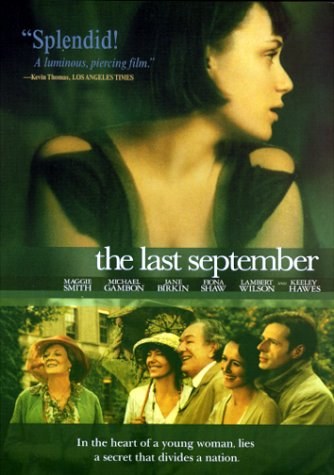
最后的九月 (1999) [电影] 豆瓣
The Last September
导演: Deborah Warner 演员: Michael Gambon / Tom Hickey
其它标题: The Last September
洛伊斯是天真可爱的爱尔兰少女,她自幼和叔叔理查德爵士生活在一起,她和克奥尼以及克奥尼的姐姐一起长大,由于这个原因,他们自由便互生情愫,尽管克奥尼是不激进的反英分子,受到军方以及警方的稽查。理查德爵士的手下卡罗萨斯特上尉也很喜欢洛伊斯,这让洛伊斯的感情在两个男人间挣扎,最终,克奥尼杀死了卡罗斯特,让洛伊斯痛心不已,决定远离这伤心之地。
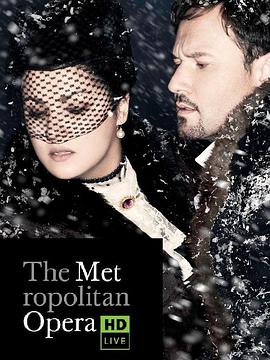
叶甫盖尼·奥涅金 (2013) [电影] 豆瓣
"The Metropolitan Opera HD Live" Tchaikovsky: Eugene Onegin
导演: Deborah Warner / Fiona Shaw 演员: Anna Netrebko / Mariusz Kwiecien
其它标题: "The Metropolitan Opera HD Live" Tchaikovsky: Eugene Onegin / 大都会歌剧院高清歌剧转播系列
圣彼得堡的贵族青年奥涅金,曾经有过和一般贵族青年相似的奢靡生活,但他逐渐开始厌倦上流社会的空虚无聊,抱着对新生活的向往来到乡村。然而,华而不实的贵族教育没有任何帮助,奥涅金四处碰壁,整日苦闷彷徨。在乡下的庄园,他和连斯基及其未婚妻奥尔迦成为好友。奥尔迦的姐姐塔吉扬娜纯朴 、多情,爱上了奥涅金,并勇敢地写信向他倾诉自己纯洁的爱情,但遭到拒绝。经历重重波折之后,二人再次相遇,当年他拒绝她的爱,再遇才知真情谁属,然而一切已物是人非……
When Deborah Warner’s production of Eugene Onegin opened the Met season in 2013, soprano Anna Netrebko had only recently begun singing the role of Tatiana; however, when she returned to the part at the Met a few years later, her dramatic approach, like that of the character herself, had grown over time. With a smoldering vocal performance, Netrebko embodies the nuanced aspects of Tatiana’s personality—growing from a girl in the blossom of youth into an elegant, cosmopolitan princess. Opposite her, Peter Mattei sings the title role, a nonplussed aristocrat who discovers the power of love too late, with a rich, supple baritone. As the ardent poet Lenski, bright-voiced tenor Alexey Dolgov offers a heartbreaking portrayal. Elena Maximova is Lenski’s carefree lover Olga, and bass Stefan Kocán delivers a moving performance as the aging Prince Gremin. Maestro Robin Ticciati leads the Met Orchestra and Chorus in a textured reading of Tchaikovsky’s beloved score.
Cast & Creative
CONDUCTOR
Robin Ticciati
TATIANA
Anna Netrebko
LENSKY
Alexey Dolgov
ONEGIN
Peter Mattei
GREMIN
Stefan Kocán
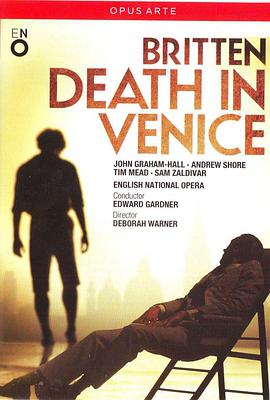
Britten: Death In Venice (2014) [电影] 豆瓣
导演: Deborah Warner 演员: John Graham-Hall / Andrew Shore
Deborah Warner's beautiful and evocative production of Britten's final operatic masterpiece has been acclaimed as an ‘exquisitely achieved marriage of music, drama and design’ (The Independent). In Britten's luminous and compelling interpretation of Thomas Mann's classic novella, the aging writer Gustav von Aschenbach's infatuation with the Polish boy Tadzio and his subsequent decline are portrayed in a ‘remarkable and harrowingly believable’ performance (The Guardian) by John Graham-Hall, who had
already won golden opinions for singing the role of Aschenbach at La Scala. The superb ENO chorus and orchestra are conducted by Edward Gardner, a long-standing champion of Britten's music. Filmed in High Definition and recorded in true Surround Sound.
荒原 (1995) [电影] 豆瓣
The Waste Land
导演: Deborah Warner 演员: 费奥纳·肖
其它标题: The Waste Land
英國中生代優秀劇場女導演Deborah Warner首部親自執導的電影短片,由與她長期合作的傑出女演員菲奧娜.蕭(Fiona Shaw)獨自擔綱演出詩人艾略特的史詩名著《荒原》。黛博拉.華納的同名劇場作品深獲劇場評論和觀眾好評,僅半小時長的劇碼在全世界演出時賣座奇佳,一票難求。一位女演員朗誦詩的獨角戲乍聽可能不夠「戲劇化」 ,但透過這位傑出女伶和導演獨到的詮釋與合作無間的默契,在細膩背景燈光的襯托下,演員的聲音與肢體強力而精確地傳達出這部偉大詩篇的張力與律動,以及其中的喜劇和悲劇感。
Deborah Warner的劇場藝術風格以拒絕傳統形式包袱、以及多樣化與廣度的作品類型著稱。她在1980 年創立的 「踢」劇團,製作出許多出色的戲劇作品,包括莎士比亞、布萊希特與包胥納。之後加入知名的英國皇家劇團,繼續執導更多莎士比亞的戲劇,並獲得傑出藝術獎。黛博拉的創作不受題材形式的拘束,不斷挑戰戲劇表現的可能性,甚至嘗試不須透過演員和文字的表演形式。為了追求不同的觀眾觀戲經驗,她在荒廢的旅館陽台和房間,以及倫敦Euston高塔頂端進行演出。她的戲劇語言精準、直接、引人入勝,每次都能解開隱藏於劇本裡層的玄機。從一出道就被認為是英國劇場最期待的新銳導演,此後每一齣戲的推出,總是造成轟動,引發新一波戲劇可能性的討論。經過 80 年代對戲劇、歌劇、詩歌等表演類型的創作實驗,黛博拉從90起開始嘗試電視電影與劇情電影拍攝與製作的可能性,陸續完成深受好評的《荒原》、《理查二世》與《去年九月》。
她與女演員菲奧娜.蕭的長期搭檔是戲劇界為人稱道的典範,菲奧娜.蕭已是目前英國最炙手可熱的女演員,Deborah Warner認為她的演技像是自由落體一般,只是每次都能在劇本最核心的地方著陸。Warner能讓演員發揮出最驚人的潛力與詮釋多樣角色的可能性,近來兩人又再度攜手合作希臘悲劇《米蒂亞》的劇場演出。
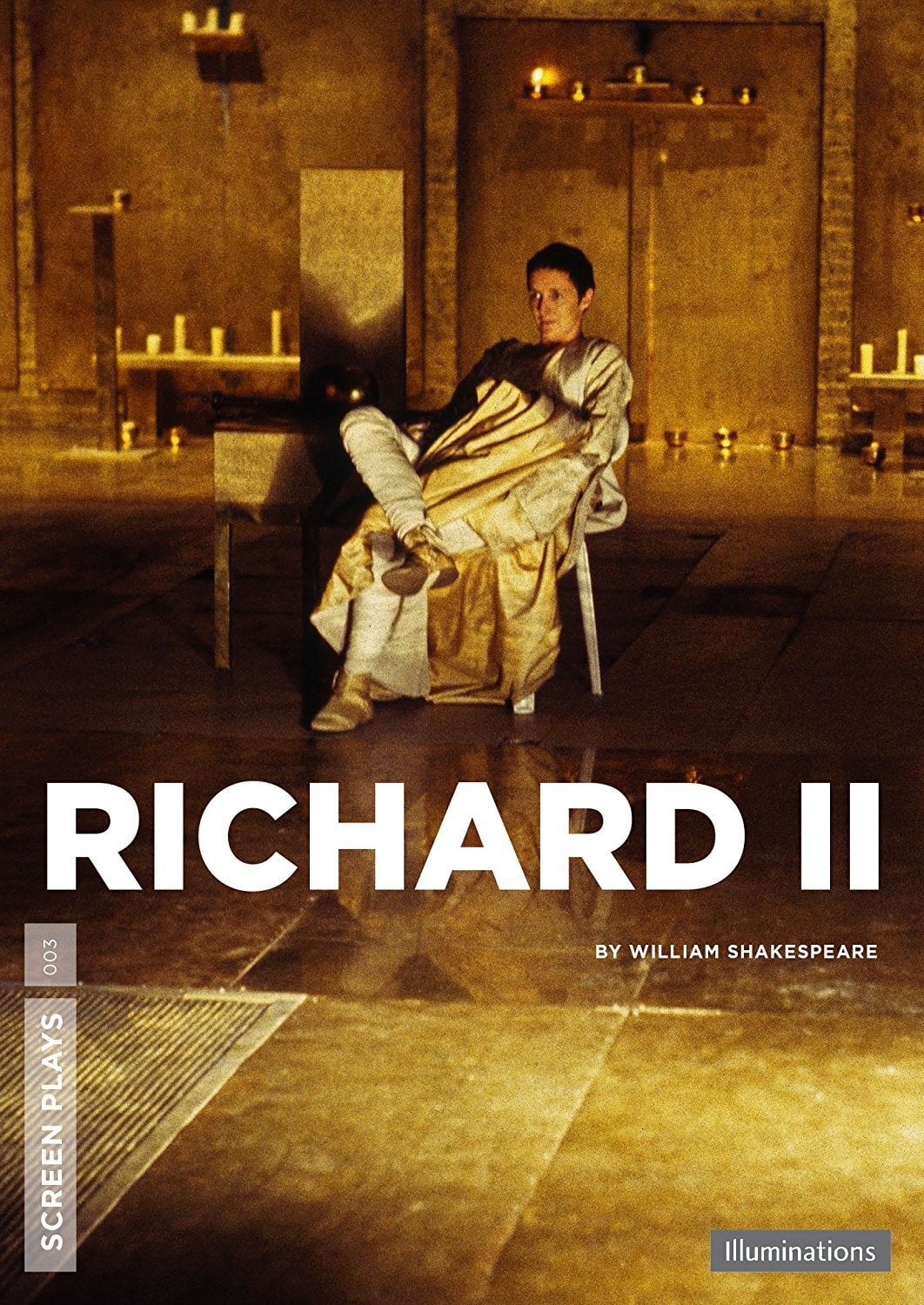
理查二世 版本6 [演出] 豆瓣
所属 演出: 理查二世
语言: 英语 english 剧院: National Theatre 导演: Deborah Warner
其它标题: 版本6 编剧: Hildegard Bechtler 演员: Fiona Shaw / Richard Bremmer


King Richard banishes his noblemen and seizes their land to fuel his own wars. As anger mounts, a battle for the soul of England begins and one man's divine right to rule is called into question.

Shakespeare's poetic masterpiece is an epic tale of destruction, ruin and decay that casts light on the decline of a kingdom and the solitude of power.

大胆妈妈和她的孩子们 National Theatre版 [演出] 豆瓣
所属 演出: 大胆妈妈和她的孩子们
语言: 英语 english 剧院: Olivier Theatre 导演: Deborah Warner
其它标题: National Theatre版 编剧: 贝托尔特-布莱希特 Bertolt Brecht / Tony Kushner 演员: Fiona Shaw
The play is set in the 17th century in Europe during the Thirty Years' War. The Recruiting Officer and Sergeant are introduced, both complaining about the difficulty of recruiting soldiers to the war. A canteen woman named Anna Fierling (Mother Courage) enters pulling a cart that she uses to trade with soldiers and make profits from the war. She has three children, Eilif, Kattrin, and Swiss Cheese. The sergeant negotiates a deal with Mother Courage while Eilif is led off by the recruiting officer. One of her children is now gone.

Two years from then, Mother Courage argues with a Protestant General's cook over a capon, or chicken. At the same time, Eilif is congratulated by the General for killing peasants and slaughtering their cattle. Eilif and his mother sing "The Fishwife and the Soldier". Mother Courage scolds her son for taking risks that could have got him killed and slaps him across the face.

Three years later, Swiss Cheese works as an army paymaster. The camp prostitute, Yvette Pottier, sings "The Fraternization Song". Mother Courage uses this song to warn Kattrin about involving herself with soldiers. Before the Catholic troops arrive, the Cook and Chaplain bring a message from Eilif. Swiss Cheese hides the regiment's paybox from invading soldiers. Mother Courage & co. hurriedly switch their insignia from Protestant to Catholic. Swiss Cheese is captured by the Catholics while attempting to return the paybox to his General. Mother Courage deals her cart to get money to try and barter with the soldiers to free her son. She takes too long trying negotiate small amount of money for herself, the Chaplin, and Kattrin to live from and Swiss Cheese is shot dead with 11 bullets. To acknowledge the body could be fatal, so Mother Courage does not acknowledge it and it is thrown into a pit.

Later, Mother Courage waits outside the General's tent in order to register a complaint and sings the "Song of Great Capitulation" to a young soldier waiting for the General as well. The soldier is angry that he has not been paid and also wishes to complain. The song persuades the soldier that complaining would be unwise, and Mother Courage (reaching the same conclusion) decides she also does not want to complain.

When Catholic General Tilly's funeral approaches, Mother Courage discusses with the Chaplain about whether the war will continue. The Chaplain then suggests to Mother Courage that she marry him, but she rejects his proposal. Mother Courage curses the war because she finds Kattrin disfigured after being raped by the clerk while collecting more merchandise.

At some point about here Mother Courage is again following the Protestant army.

Two peasants wake Mother Courage up and try to sell merchandise to her while they find out that peace has broken out. The Cook appears and creates an argument between Mother Courage and the Chaplain. Mother Courage departs for the town while Eilif enters, dragged in by soldiers. Eilif is executed for killing peasants but his mother never finds out. When the war begins again, the Cook and Mother Courage start their own business.

The seventeenth year of the war marks a point where there is no food and no supplies. The Cook inherits an inn in Utrecht and suggests to Mother Courage that she operate it with him, but he refuses to harbour Kattrin. It is a very small inn. Mother Courage will not leave her daughter and they part ways with the Cook. Mother Courage and Kattrin pull the wagon by themselves.

The Catholic army attacks the small Protestant town of Halle while Mother Courage is away from town, trading. Kattrin is woken up by a search party that is taking peasants as guides. Kattrin fetches a drum from the cart, climbs onto the roof, and beats it in an attempt to awake the townspeople. Though the soldiers shoot Kattrin, she succeeds in waking up the town.

Early in the morning, Mother Courage sings to her daughter's corpse, has the peasants bury her and hitches herself to the cart. The cart rolls lighter now because there are no more children and very little merchandise left.
李尔王 2016 London The Old Vic Theatre版 [演出] 豆瓣
所属 演出: 李尔王
语言: 英语 english 剧院: The Old Vic 导演: Deborah Warner
其它标题: 2016 London The Old Vic Theatre版 编剧: 威廉-莎士比亚 William Shakespeare 演员: Sargon Yelda / Harry Melling
一个古老的传说。莎士比亚悲剧的巅峰之作。
  王被浮夸的辞藻蒙蔽了心灵,邪恶的女儿们得到了王国与财富,唯独诚实的小女儿郁郁远嫁。当她们曾经的信誓旦旦转眼之间化为不屑与厌恶时,王不得不流落荒野,在风雨交加中明白了何谓真情。只是,他已然疯了。善良的小女儿乔装回到父亲身边,以爱与宽恕唤回了父亲缥缈的理智。一场关乎手足、计谋、背叛的战争爆发了。女儿们一个个死去。黑暗中,王抱着小女儿的尸体,仰天大恸……
  此剧由多位英美职业话剧演员加盟。他们在莎剧演出方面具有极为丰富的经验,代表了英美话剧表演的较高水平。其中格雷夫斯、麦可当纳德和迈克菲勒密已在英美话剧界活跃三十多年,熟悉并演出过每一部莎翁剧作,饰演过一百多个莎剧角色。奥考奈尔则为美国青年话剧演员中的佼佼者。四人的鼎力加盟不仅大大提升了此次制作的艺术水准,并为国内外莎剧表导演的交流提供一个良好契机。
  美国纽约的雪城大学戏剧系六位毕业班学生也受邀参加此次演出,与北京大学外国戏剧与电影研究所的六位学生在剧中共同饰演角色,届时将分别登台亮相,为此剧注入不同的中西表演特色与理解。
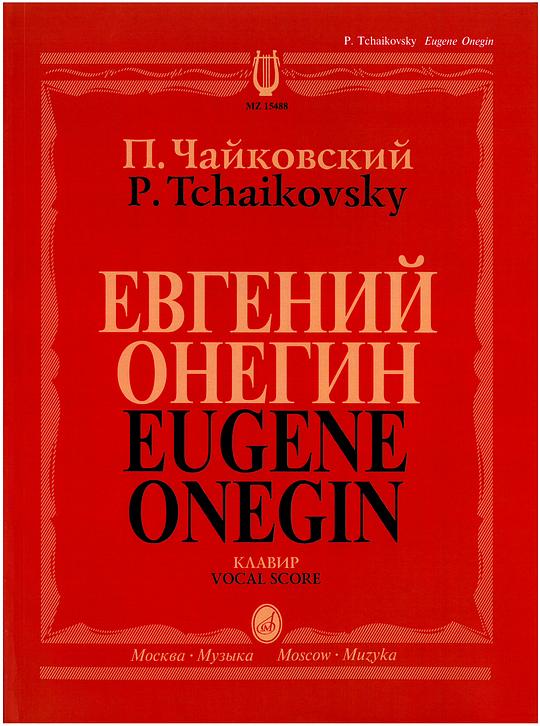
叶甫盖尼 • 奥涅金 [演出] 豆瓣
Евгений Онегин
类型: Opera 编剧: Pyotr Ilyich Tchaikovsky / Konstantin Shilovsky
其它标题: Евгений Онегин / Eugene Onegin 导演: 未知 / Andrea Breth 演员: Sergey Gilyov / Mariya Klimentova / Mikhail Medvedyev / Aleksandra Levitskaya / Vasiliy Makhalov
Time: The 1820s
Place: St Petersburg and surrounding countryside
Act 1
Scene 1: The garden of the Larin country estate
Madame Larina and the nurse Filippyevna are sitting outside in the garden. They can hear Madame Larina's two daughters, Tatyana and her younger sister Olga, singing a love song. Madame Larina begins to reminisce about her own courtship and marriage. A group of peasants enter, and celebrate the harvest with songs and dances. Tatyana and Olga watch. Tatyana has been reading a romantic novel and is absorbed by the story; her carefree sister, on the other hand, wants to join in the celebrations. Madame Larina tells Tatyana that real life is very different from her novels. Filippyevna announces that visitors have arrived: Olga's fiancé Lensky, a young poet, and his friend Eugene Onegin, visiting the area from St Petersburg. The pair are shown in and Lensky introduces Onegin to the Larin family. Onegin is initially surprised that Lensky has chosen the extrovert Olga rather than her more subtle elder sister as his fiancée. Tatyana for her part is immediately and strongly attracted to Onegin. Lensky expresses his delight at seeing Olga and she responds flirtatiously. Onegin tells Tatyana of his boredom in the country and describes the death of his uncle and his subsequent inheritance of a nearby estate. Filippyevna recognizes that Onegin has had a profound effect on Tatyana.
Scene 2: Tatyana's room
Tatyana is dressed for bed. Restless and unable to sleep, she asks her nurse Filippyevna to tell her about her youth and early marriage. Tatyana confesses that she is in love. Left alone, Tatyana pours out her feelings in a letter to Onegin. She tells him that she loves him and believes that she will never feel this way about anyone else, and begs him to understand and help her. She finishes writing the letter at dawn. A shepherd's pipe is heard in the distance. Filippyevna enters the room to wake Tatyana. Tatyana persuades her to send her grandson to deliver the letter to Onegin.
Scene 3: Another part of the estate
Servant girls pick fruit and sing as they work. Tatyana waits anxiously for Onegin's arrival. Onegin enters to see Tatyana and give her his answer to her letter. He explains, not unkindly, that he is not a man who loves easily and is unsuited to marriage. He is unworthy of her love and can only offer her brotherly affection. He warns Tatyana to be less emotionally open in the future. The voices of the servant girls singing are heard again. Tatyana is crushed and unable to reply.
Act 2
Scene 1: The ballroom of the Larin house
A ball is being given in honour of Tatyana, whose name day it is. Onegin is dancing with her. He grows irritated with a group of neighbours who gossip about him and Tatyana, and with Lensky for persuading him to come to the ball. He decides to avenge himself by dancing and flirting with Olga. Lensky is astounded and becomes extremely jealous. He confronts Olga but she cannot see that she has done anything wrong and tells Lensky not to be ridiculous. Onegin asks Olga to dance with him again and she agrees, as "punishment" for Lensky's jealousy. The elderly French tutor Monsieur Triquet sings some couplets in honour of Tatyana, after which the quarrel between Lensky and Onegin becomes more intense. Lensky renounces his friendship with Onegin in front of all the guests, and challenges Onegin to a duel, which the latter is forced, with many misgivings, to accept. Tatyana collapses and the ball ends in confusion.
Scene 2: On the banks of a wooded stream, early morning
Lensky is waiting for Onegin with his second Zaretsky. Lensky reflects on his life, his fear of death and his love for Olga. Onegin arrives with his manservant Guillot. Both Lensky and Onegin are reluctant to go ahead with the duel, reflecting on the senselessness of their sudden enmity. But it is too late; neither man has the courage to stop the duel. Zaretsky gives them the signal and Onegin shoots Lensky dead.
Act 3
Scene 1: The house of a rich nobleman in St Petersburg
Five years have passed, during which Onegin has travelled extensively around Europe. Standing alone at a ball, he reflects on the emptiness of his life and his remorse over the death of Lensky. Prince Gremin enters with Tatyana, his wife, now a grand, aristocratic beauty. She is greeted by many of the guests with great deference. Onegin is taken aback when he sees Tatyana, and deeply impressed by her beauty and noble bearing. Tatyana, in turn, is overwhelmed with emotion when she recognizes him, but tries to suppress it. Gremin tells Onegin about his great happiness and love for Tatyana, and re-introduces Onegin to his wife. Onegin, suddenly injected with new life, realizes that he is in love with Tatyana. He determines to write to her and arrange a meeting.
Scene 2: A room in Prince Gremin's house
Tatyana has received Onegin's letter, which has stirred up the passion she felt for him as a young girl and disturbed her. Onegin enters. Tatyana recalls her earlier feelings and asks why Onegin is pursuing her now. Is it because of her social position? Onegin denies any cynical motivation: his passion is real and overwhelming. Tatyana, moved to tears, reflects how near they once were to happiness but nevertheless asks him to leave. He asks her to have pity. Tatyana admits she still loves Onegin, but asserts that their union can never be realized, as she is now married, and determined to remain faithful to her husband despite her true feelings. Onegin implores her to relent, but she bids him farewell forever, leaving him alone and in despair.
叶甫盖尼 • 奥涅金 2017年大都会歌剧团版 [演出] 豆瓣
所属 演出: 叶甫盖尼 • 奥涅金
语言: russian 俄语 剧团: Metropolitan Opera Orchestra 大都会歌剧团管弦乐团 ; Metropolitan Opera Chorus 大都会歌剧团合唱团 ; Metropolitan Opera Ballet 大都会歌剧团芭蕾舞团 剧院: Metropolitan Opera House 大都会歌剧院 导演: Deborah Warner / Paula Williams
其它标题: 2017年大都会歌剧团版 编剧: Pyotr Ilyich Tchaikovsky / Konstantin Shilovsky 作曲: Pyotr Ilyich Tchaikovsky 演员: Peter Mattei / Anna Netrebko
Time: The 1820s
Place: St Petersburg and surrounding countryside
Act 1
Scene 1: The garden of the Larin country estate
Madame Larina and the nurse Filippyevna are sitting outside in the garden. They can hear Madame Larina's two daughters, Tatyana and her younger sister Olga, singing a love song. Madame Larina begins to reminisce about her own courtship and marriage. A group of peasants enter, and celebrate the harvest with songs and dances. Tatyana and Olga watch. Tatyana has been reading a romantic novel and is absorbed by the story; her carefree sister, on the other hand, wants to join in the celebrations. Madame Larina tells Tatyana that real life is very different from her novels. Filippyevna announces that visitors have arrived: Olga's fiancé Lensky, a young poet, and his friend Eugene Onegin, visiting the area from St Petersburg. The pair are shown in and Lensky introduces Onegin to the Larin family. Onegin is initially surprised that Lensky has chosen the extrovert Olga rather than her more subtle elder sister as his fiancée. Tatyana for her part is immediately and strongly attracted to Onegin. Lensky expresses his delight at seeing Olga and she responds flirtatiously. Onegin tells Tatyana of his boredom in the country and describes the death of his uncle and his subsequent inheritance of a nearby estate. Filippyevna recognizes that Onegin has had a profound effect on Tatyana.
Scene 2: Tatyana's room
Tatyana is dressed for bed. Restless and unable to sleep, she asks her nurse Filippyevna to tell her about her youth and early marriage. Tatyana confesses that she is in love. Left alone, Tatyana pours out her feelings in a letter to Onegin. She tells him that she loves him and believes that she will never feel this way about anyone else, and begs him to understand and help her. She finishes writing the letter at dawn. A shepherd's pipe is heard in the distance. Filippyevna enters the room to wake Tatyana. Tatyana persuades her to send her grandson to deliver the letter to Onegin.
Scene 3: Another part of the estate
Servant girls pick fruit and sing as they work. Tatyana waits anxiously for Onegin's arrival. Onegin enters to see Tatyana and give her his answer to her letter. He explains, not unkindly, that he is not a man who loves easily and is unsuited to marriage. He is unworthy of her love and can only offer her brotherly affection. He warns Tatyana to be less emotionally open in the future. The voices of the servant girls singing are heard again. Tatyana is crushed and unable to reply.
Act 2
Scene 1: The ballroom of the Larin house
A ball is being given in honour of Tatyana, whose name day it is. Onegin is dancing with her. He grows irritated with a group of neighbours who gossip about him and Tatyana, and with Lensky for persuading him to come to the ball. He decides to avenge himself by dancing and flirting with Olga. Lensky is astounded and becomes extremely jealous. He confronts Olga but she cannot see that she has done anything wrong and tells Lensky not to be ridiculous. Onegin asks Olga to dance with him again and she agrees, as "punishment" for Lensky's jealousy. The elderly French tutor Monsieur Triquet sings some couplets in honour of Tatyana, after which the quarrel between Lensky and Onegin becomes more intense. Lensky renounces his friendship with Onegin in front of all the guests, and challenges Onegin to a duel, which the latter is forced, with many misgivings, to accept. Tatyana collapses and the ball ends in confusion.
Scene 2: On the banks of a wooded stream, early morning
Lensky is waiting for Onegin with his second Zaretsky. Lensky reflects on his life, his fear of death and his love for Olga. Onegin arrives with his manservant Guillot. Both Lensky and Onegin are reluctant to go ahead with the duel, reflecting on the senselessness of their sudden enmity. But it is too late; neither man has the courage to stop the duel. Zaretsky gives them the signal and Onegin shoots Lensky dead.
Act 3
Scene 1: The house of a rich nobleman in St Petersburg
Five years have passed, during which Onegin has travelled extensively around Europe. Standing alone at a ball, he reflects on the emptiness of his life and his remorse over the death of Lensky. Prince Gremin enters with Tatyana, his wife, now a grand, aristocratic beauty. She is greeted by many of the guests with great deference. Onegin is taken aback when he sees Tatyana, and deeply impressed by her beauty and noble bearing. Tatyana, in turn, is overwhelmed with emotion when she recognizes him, but tries to suppress it. Gremin tells Onegin about his great happiness and love for Tatyana, and re-introduces Onegin to his wife. Onegin, suddenly injected with new life, realizes that he is in love with Tatyana. He determines to write to her and arrange a meeting.
Scene 2: A room in Prince Gremin's house
Tatyana has received Onegin's letter, which has stirred up the passion she felt for him as a young girl and disturbed her. Onegin enters. Tatyana recalls her earlier feelings and asks why Onegin is pursuing her now. Is it because of her social position? Onegin denies any cynical motivation: his passion is real and overwhelming. Tatyana, moved to tears, reflects how near they once were to happiness but nevertheless asks him to leave. He asks her to have pity. Tatyana admits she still loves Onegin, but asserts that their union can never be realized, as she is now married, and determined to remain faithful to her husband despite her true feelings. Onegin implores her to relent, but she bids him farewell forever, leaving him alone and in despair.
叶甫盖尼 • 奥涅金 2013年大都会歌剧团版 [演出] 豆瓣
所属 演出: 叶甫盖尼 • 奥涅金
语言: russian 俄语 剧团: Metropolitan Opera Orchestra 大都会歌剧团管弦乐团 ; Metropolitan Opera Chorus 大都会歌剧团合唱团 ; Metropolitan Opera Ballet 大都会歌剧团芭蕾舞团 剧院: Metropolitan Opera House 大都会歌剧院 导演: Deborah Warner / Fiona Shaw
其它标题: 2013年大都会歌剧团版 编剧: Pyotr Ilyich Tchaikovsky / Konstantin Shilovsky 作曲: Pyotr Ilyich Tchaikovsky 演员: Mariusz Kwiecień / Anna Netrebko
Time: The 1820s
Place: St Petersburg and surrounding countryside
Act 1
Scene 1: The garden of the Larin country estate
Madame Larina and the nurse Filippyevna are sitting outside in the garden. They can hear Madame Larina's two daughters, Tatyana and her younger sister Olga, singing a love song. Madame Larina begins to reminisce about her own courtship and marriage. A group of peasants enter, and celebrate the harvest with songs and dances. Tatyana and Olga watch. Tatyana has been reading a romantic novel and is absorbed by the story; her carefree sister, on the other hand, wants to join in the celebrations. Madame Larina tells Tatyana that real life is very different from her novels. Filippyevna announces that visitors have arrived: Olga's fiancé Lensky, a young poet, and his friend Eugene Onegin, visiting the area from St Petersburg. The pair are shown in and Lensky introduces Onegin to the Larin family. Onegin is initially surprised that Lensky has chosen the extrovert Olga rather than her more subtle elder sister as his fiancée. Tatyana for her part is immediately and strongly attracted to Onegin. Lensky expresses his delight at seeing Olga and she responds flirtatiously. Onegin tells Tatyana of his boredom in the country and describes the death of his uncle and his subsequent inheritance of a nearby estate. Filippyevna recognizes that Onegin has had a profound effect on Tatyana.
Scene 2: Tatyana's room
Tatyana is dressed for bed. Restless and unable to sleep, she asks her nurse Filippyevna to tell her about her youth and early marriage. Tatyana confesses that she is in love. Left alone, Tatyana pours out her feelings in a letter to Onegin. She tells him that she loves him and believes that she will never feel this way about anyone else, and begs him to understand and help her. She finishes writing the letter at dawn. A shepherd's pipe is heard in the distance. Filippyevna enters the room to wake Tatyana. Tatyana persuades her to send her grandson to deliver the letter to Onegin.
Scene 3: Another part of the estate
Servant girls pick fruit and sing as they work. Tatyana waits anxiously for Onegin's arrival. Onegin enters to see Tatyana and give her his answer to her letter. He explains, not unkindly, that he is not a man who loves easily and is unsuited to marriage. He is unworthy of her love and can only offer her brotherly affection. He warns Tatyana to be less emotionally open in the future. The voices of the servant girls singing are heard again. Tatyana is crushed and unable to reply.
Act 2
Scene 1: The ballroom of the Larin house
A ball is being given in honour of Tatyana, whose name day it is. Onegin is dancing with her. He grows irritated with a group of neighbours who gossip about him and Tatyana, and with Lensky for persuading him to come to the ball. He decides to avenge himself by dancing and flirting with Olga. Lensky is astounded and becomes extremely jealous. He confronts Olga but she cannot see that she has done anything wrong and tells Lensky not to be ridiculous. Onegin asks Olga to dance with him again and she agrees, as "punishment" for Lensky's jealousy. The elderly French tutor Monsieur Triquet sings some couplets in honour of Tatyana, after which the quarrel between Lensky and Onegin becomes more intense. Lensky renounces his friendship with Onegin in front of all the guests, and challenges Onegin to a duel, which the latter is forced, with many misgivings, to accept. Tatyana collapses and the ball ends in confusion.
Scene 2: On the banks of a wooded stream, early morning
Lensky is waiting for Onegin with his second Zaretsky. Lensky reflects on his life, his fear of death and his love for Olga. Onegin arrives with his manservant Guillot. Both Lensky and Onegin are reluctant to go ahead with the duel, reflecting on the senselessness of their sudden enmity. But it is too late; neither man has the courage to stop the duel. Zaretsky gives them the signal and Onegin shoots Lensky dead.
Act 3
Scene 1: The house of a rich nobleman in St Petersburg
Five years have passed, during which Onegin has travelled extensively around Europe. Standing alone at a ball, he reflects on the emptiness of his life and his remorse over the death of Lensky. Prince Gremin enters with Tatyana, his wife, now a grand, aristocratic beauty. She is greeted by many of the guests with great deference. Onegin is taken aback when he sees Tatyana, and deeply impressed by her beauty and noble bearing. Tatyana, in turn, is overwhelmed with emotion when she recognizes him, but tries to suppress it. Gremin tells Onegin about his great happiness and love for Tatyana, and re-introduces Onegin to his wife. Onegin, suddenly injected with new life, realizes that he is in love with Tatyana. He determines to write to her and arrange a meeting.
Scene 2: A room in Prince Gremin's house
Tatyana has received Onegin's letter, which has stirred up the passion she felt for him as a young girl and disturbed her. Onegin enters. Tatyana recalls her earlier feelings and asks why Onegin is pursuing her now. Is it because of her social position? Onegin denies any cynical motivation: his passion is real and overwhelming. Tatyana, moved to tears, reflects how near they once were to happiness but nevertheless asks him to leave. He asks her to have pity. Tatyana admits she still loves Onegin, but asserts that their union can never be realized, as she is now married, and determined to remain faithful to her husband despite her true feelings. Onegin implores her to relent, but she bids him farewell forever, leaving him alone and in despair.