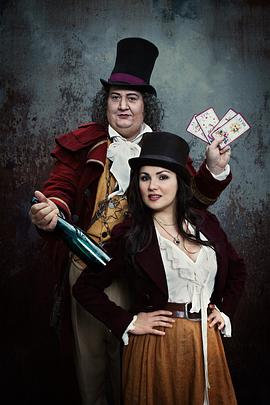
Anna Netrebko — 演员 (26)
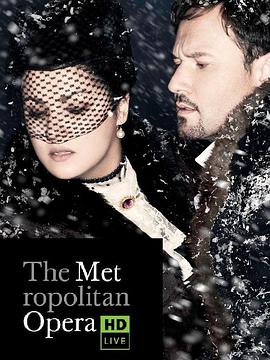
威尔第《游吟诗人》 (2015) [电影] 豆瓣
"The Metropolitan Opera HD Live" Verdi: Il Trovatore
演员: Anna Netrebko / Dolora Zajick
其它标题: "The Metropolitan Opera HD Live" Verdi: Il Trovatore / 大都会歌剧院高清歌剧转播系列
15世纪,西班牙封建领主残酷迫害吉普赛人,卢纳伯爵之父曾将一个吉普赛女人当作女巫烧死。吉普赛女人的女儿阿苏茜娜为报母仇将卢纳伯爵尚在襁褓中的弟弟盗去。多年后,卢纳伯爵热恋着皇室女官莱奥诺拉,但莱奥诺拉却深深爱着游吟诗人曼里科。
在卢纳伯爵与曼里科的决斗中,曼里科虽获胜却负了伤,幸被母亲阿苏茜娜救回。就在曼里科和莱奥诺拉准备举行婚礼时,卢纳伯爵抓走了阿苏茜娜,并声称要烧死她。曼里科为救母被捕,莱奥诺拉以献身给卢纳伯爵为代价,使曼里科得以被释放。但她为保清白,服下毒药死在曼里科怀中。卢纳伯爵盛怒中下令将曼里科处死,目睹行刑结束的阿苏茜娜告诉卢纳伯爵,被处死的曼里科正是他的亲弟弟……
格林卡 - 鲁斯兰与柳德米拉 (1996) [电影] 豆瓣
Glinka - Ruslan and Lyudmila
导演: Hans Hulscher 演员: Mikhail Kit / Anna Netrebko
其它标题: Glinka - Ruslan and Lyudmila / Глинка. Руслан и Людмила
故事背景时间:基辅罗斯时期
第一幕
在斯维托扎尔的宴会厅中正举行着鲁斯兰与柳德米拉的婚礼筵席。宾客们听着吟唱诗人巴扬预言著新郎与新娘享受他们的真爱后,将遭遇不幸。柳德米拉由于即将离开她的父亲而感到哀伤。在她安慰著向她求婚却失败的两人,法尔拉夫跟拉特米尔后,随即跟鲁斯兰在一起。斯维托扎尔祝福着这对新人。突然一切变得昏暗且开始打雷,宾客们受到惊吓,此时两只怪兽突然出现将柳德米拉抓走。灯光重新点燃,众人对于柳德米拉的消失伤心不已,斯维托扎尔承诺:谁要是能够带回柳德米拉,将给柳德米拉许配给她,并且可以统治半个王国。三位求婚者就此上路,寻找柳德米拉的下落。
第二幕
(第一景)鲁斯兰前去洞窟中找寻善良的芬兰巫师。芬兰人告诉他,邪恶巫师黑海神已经带着鲁蜜拉逃亡,而只有鲁斯兰才能击败他。鲁斯兰问芬兰人为何住在这如此荒芜的地方,芬兰人告诉他一个多年前的故事。当他在家乡中当牧羊人时,他曾经爱上一个美丽的女孩纳伊娜,但她拒绝了芬兰人的告白。因此芬兰人离乡背景参予了战争,赢得战利品后将此转送给她,但这个女孩依旧拒绝了芬兰人的追求。于是芬兰人决心要学习魔法来赢得她的芳心。很多年过去了,她终于透过法术召唤到一个年老、鹤发且佝偻的女人,那正是纳伊娜,而此时纳伊娜对芬兰人充满著热情。芬兰人为了躲避纳伊娜的追求而躲得远远的。他对鲁斯兰保证,柳德米拉没有受到伤害,并且指示他往北方前进。
(第二景)在荒芜的原野中,懦弱的法尔拉夫想要知道如何才能找到柳德米拉,此时衰老的纳伊娜接近他。她对法尔拉夫承诺会帮他得到柳德米拉,并且把鲁斯兰打得远远的。纳伊娜消失后,法尔拉夫沉醉在胜利的喜悦中。
(第三景)鲁斯兰身处于潮湿的荒芜之地中,地面上还遗留着上次战争的武器与牺牲者的遗骸,他想着是否他也会这样结束他的一生。他选了一个新的盾牌与长矛以取代他那已经破旧的武器,但他找不到一把足够重的剑来完成装备。当浓雾渐散去,这时有个巨大的头出现,从这个巨头的嘴中吹出呼呼的大风,想要把鲁斯兰吹走。巨头被击退后,就在他的底下找到一把剑。鲁斯兰拿走了那把剑,并询问巨头为何来此,垂死的巨头回答:他原本其实是个巨人,而他的侏儒兄弟就是邪恶巫师黑海神。而这把剑注定是要杀死他们两人的,所以为了躲避这个宿命,黑海神将巨人的头取下并送到这个遥远的蛮荒之地,并把剑置于其下。现在剑已经在鲁斯兰的手中,巨头希望鲁斯兰能为他复仇。
第三幕
年轻的少女们受到诱惑进入纳伊娜的魔法城堡中。戈里斯拉娃正在找寻拉特米尔,因为他带走了她的俘虏并且遗弃了她。当戈里斯拉娃离开后,拉特米尔出现,因为受到这些少女的魔法的迷幻,开始跳舞。最后一个受到引诱进入城堡的宾客是鲁斯兰,当他看到戈里斯拉娃时,他竟然忘记了要营救柳德米拉这件事。这时芬兰人出现,在施法给予拉特米尔跟戈里斯拉娃,还有鲁斯兰与柳德米拉幸福的结局后,城堡变回了森林,而他们继续要去营救柳德米拉。
第四幕
在黑海神的魔法花园中,柳德米拉不断期待着鲁斯兰的到来,并且抗拒著周遭幻术的影响。黑海神跟他的随从抵达,此时号角声响起,正是鲁斯兰的挑战信号。黑海神施以魔法让柳德米拉睡着,并开始跟鲁斯兰战斗,很快的鲁斯兰就击败黑海神,并戴起黑海神的头盔。看到柳德米拉沉睡不醒,鲁斯兰决定带着她回到基辅寻求魔法师的帮忙。
第五幕
(第一景)在月光照耀的山谷中,鲁斯兰、拉特米尔、戈里斯拉娃跟柳德米拉在这扎营。拉特米尔守卫著四周,担心鲁斯兰的状况,但对于他能与戈里斯拉娃重逢感到相当高兴。突然间奴隶们回报柳德米拉又遭到劫持,鲁斯兰急忙的开始寻找她的下落。芬兰人此时出现,给拉特米尔一个魔法戒指,这戒指可以让柳德米拉在被带回到基辅时苏醒。
(第二景)柳德米拉在斯维托扎尔的宴会厅中沉睡着。在纳伊娜的协助下,法尔拉夫绑架了柳德米拉并且带她回到基辅,让人以为是法尔拉夫解救了柳德米拉。但是法尔拉夫并无法让柳德米拉苏醒。后来鲁斯兰、拉特米尔与戈里斯拉娃回到基辅,鲁斯兰使用魔法戒指让柳德米拉醒来。最后基辅城中的人们欢庆他们的神、他们的祖国与这对年轻的新人。
唐·帕斯夸莱 (2010) [电影] 豆瓣
The Metropolitan Opera HD Live: Donizetti's Don Pasquale
导演: 加里·哈勒沃尔森 演员: John Del Carlo / Anna Netrebko
其它标题: The Metropolitan Opera HD Live: Donizetti's Don Pasquale / 唐尼采蒂《唐·帕斯夸勒》
老帕斯夸莱富有但吝啬无比,他希望侄子埃内斯托找一个富贵人家的小姐结婚,并承诺给他一大笔钱。此时,他却听说埃内斯托正与一寡妇热恋。帕斯夸莱大怒,想教训不听话的侄子,威吓说自己要结婚,让侄子得不到分文。这时医生马拉泰斯塔赶来,说要把自己的修道院里的妹妹介绍给帕斯夸莱。帕斯夸莱听后心花怒放,赶走了再次拒绝相亲的埃内斯托。马拉泰斯塔所说的妹妹其实正是寡妇诺丽娜,两人计划让帕斯夸莱妥协,成全诺丽娜和埃内斯托的好事。在帕斯夸莱看到漂亮、娴静的诺丽娜后,当即与之定亲,签订婚姻协议后,诺丽娜立刻性情大变,挥霍财产,粗暴野蛮,还故意遗留一封情书让帕斯夸莱起疑。帕斯夸莱忍无可忍,试图逮到与诺丽娜约会的男人,可没想到来赴约的人竟是自己的侄子,哭笑不得的帕斯夸莱只能接受了事实,结局皆大欢喜。
大都会歌剧院高清转播系列 (2012) [电影] 豆瓣
Donizetti: L'elisir d'amore
导演: Bartlett Sher 演员: Anna Netrebko / Matthew Polenzani
其它标题: 唐尼采蒂《爱之甘醇》 / Donizetti: L'elisir d'amore
Now in its seventh season, the popular performance series The Met: Live in HD has brought the Metropolitan Opera’s world-class productions to a whole new audience via live video simulcasts skillfully captured with multiple high-definition cameras and beamed via satellite to cinemas around the world. As the curtain goes up on the Met’s 2012-2013 season with director Bartlett Sher’s new production of one of the greatest comic operas, Donizetti’s L’Elisir d’Amore (starring Anna Netrebko and Matthew Polenzani and conducted by Maurizio Benini), we are pleased to present this special NYFF edition of The Met: Live in HD.The performance, transmitted live from the Met stage, will be followed by a live, in-theater discussion with Met Opera General Manager Peter Gelb and Gary Halvorson, Emmy Award-winning director of The Met: Live in HD, who will both come straight from the TV truck!
英国皇家歌剧院-麦克白 (2018) [电影] 豆瓣
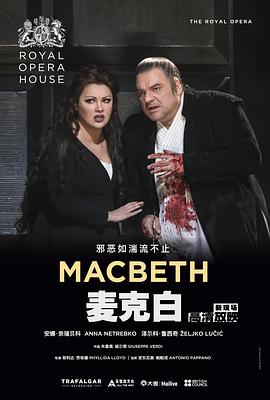
ROH-Macbeth
导演: Phyllida Lloyd 演员: Željko Lučić / Anna Netrebko
其它标题: ROH-Macbeth
当女巫的预言宣告麦克白将军终将成为国王时,野心驱使着麦克白和他的夫人开始了一系列篡位夺权的阴谋与屠杀……《麦克白》改编自莎士比亚悲剧名作,被认为是威尔第最具戏剧性的歌剧作品。这位歌剧大师一生创作了多部以莎士比亚戏剧为脚本的歌剧,《麦克白》是首部也是最受尊崇的一部,他的作曲才华在《麦克白》中达到了新的境界,为这一经典注入了邪恶能量。
英国皇家歌剧院本版制作由塞尔维亚男中音泽尔科·鲁西奇领衔,搭档明星女高音安娜·奈瑞贝科,共同出演这对文学史上恶名远播的夫妻。英国著名导演菲利达·劳埃德(音乐剧《妈妈咪呀!》、电影《铁娘子》)对麦克白夫妇暴力行径之下的黑暗过往与悲惨遭际进行挖掘解读,以黑、红、金的色调为剧中人物赋予无法抗拒的宿命之感。
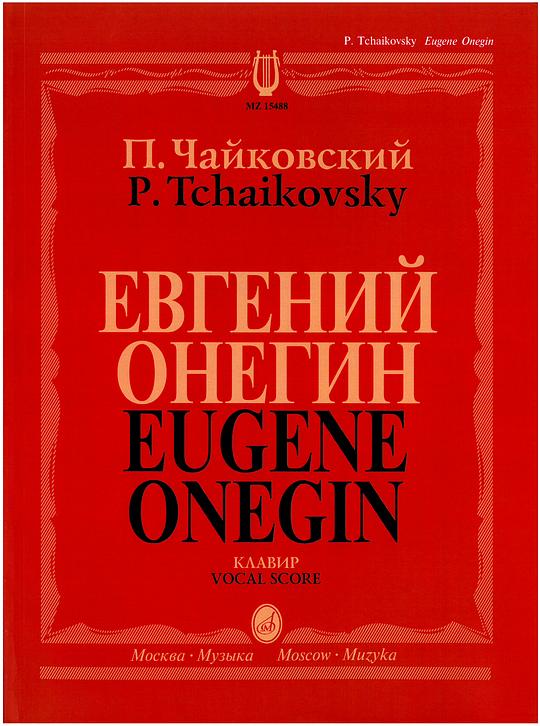
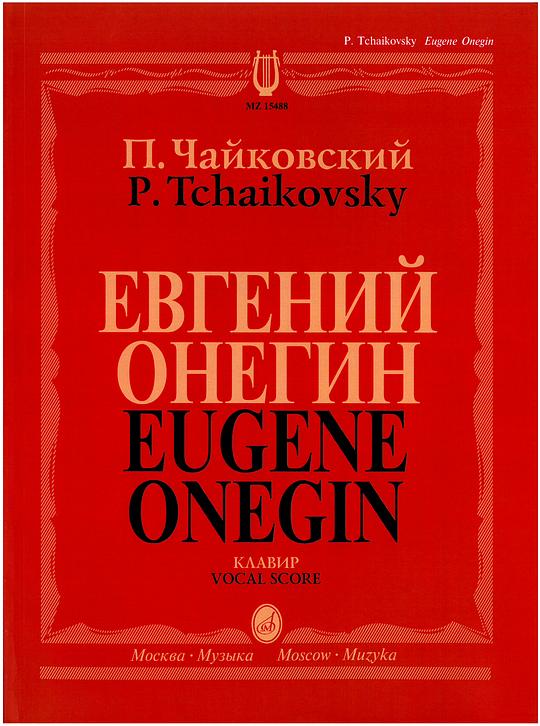
叶甫盖尼·奥涅金 (2013) [电影] 豆瓣
"The Metropolitan Opera HD Live" Tchaikovsky: Eugene Onegin
导演: Deborah Warner / Fiona Shaw 演员: Anna Netrebko / Mariusz Kwiecien
其它标题: "The Metropolitan Opera HD Live" Tchaikovsky: Eugene Onegin / 大都会歌剧院高清歌剧转播系列
圣彼得堡的贵族青年奥涅金,曾经有过和一般贵族青年相似的奢靡生活,但他逐渐开始厌倦上流社会的空虚无聊,抱着对新生活的向往来到乡村。然而,华而不实的贵族教育没有任何帮助,奥涅金四处碰壁,整日苦闷彷徨。在乡下的庄园,他和连斯基及其未婚妻奥尔迦成为好友。奥尔迦的姐姐塔吉扬娜纯朴 、多情,爱上了奥涅金,并勇敢地写信向他倾诉自己纯洁的爱情,但遭到拒绝。经历重重波折之后,二人再次相遇,当年他拒绝她的爱,再遇才知真情谁属,然而一切已物是人非……
When Deborah Warner’s production of Eugene Onegin opened the Met season in 2013, soprano Anna Netrebko had only recently begun singing the role of Tatiana; however, when she returned to the part at the Met a few years later, her dramatic approach, like that of the character herself, had grown over time. With a smoldering vocal performance, Netrebko embodies the nuanced aspects of Tatiana’s personality—growing from a girl in the blossom of youth into an elegant, cosmopolitan princess. Opposite her, Peter Mattei sings the title role, a nonplussed aristocrat who discovers the power of love too late, with a rich, supple baritone. As the ardent poet Lenski, bright-voiced tenor Alexey Dolgov offers a heartbreaking portrayal. Elena Maximova is Lenski’s carefree lover Olga, and bass Stefan Kocán delivers a moving performance as the aging Prince Gremin. Maestro Robin Ticciati leads the Met Orchestra and Chorus in a textured reading of Tchaikovsky’s beloved score.
Cast & Creative
CONDUCTOR
Robin Ticciati
TATIANA
Anna Netrebko
LENSKY
Alexey Dolgov
ONEGIN
Peter Mattei
GREMIN
Stefan Kocán
爱情灵药 (2005) [电影] 豆瓣
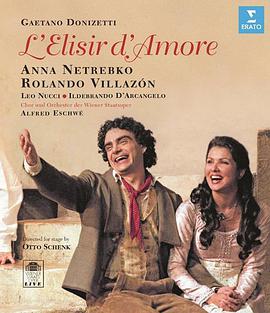
Donizetti: L'Elisir d'Amore
演员: Anna Netrebko / Rolando Villazón
其它标题: Donizetti: L'Elisir d'Amore
Three new releases this month (March) feature tenor Rolando Villazon--a CD of Zarzuela arias, one of works by Monteverdi, and this new DVD of a performance at the Vienna State Opera in 2005 of Donizetti's L'Elisir d'amore. Villazon is a remarkably versatile tenor and he puts his individual stamp on everything he does. Nemorino was a role in the repertoire of all "three tenors" in the 1970s and '80s: Domingo brought a certain smoothness to it early in his career, but his voice soon grew too heavy; Pavarotti was simple, affectionate, and bright-toned; and Carreras had vulnerability and warmth. Villazon has it all.
The voice gleams at the top, the baritonal bottom adds tenderness in introspective moments, and he handles the coloratura handsomely. He's even a master at messa di voce--that glorious affect in which a note is attacked softly, swelled to almost forte and then drawn back to pianissimo--and he uses it at the close of his big aria, "Una furtiva lagrima". After two minutes of applause from the normally reticent Viennese audience, he repeats the aria, with even greater nuance. Villazon makes everything the bumpkin Nemorino says and does seem spontaneous. With his mop-top hair and big eyes he seems to be channeling Harpo, Chico, and Chaplin at once. He's a born ham--he juggles three pieces of fruit while singing one aria--and he offers one of the most delightful portrayals of the role ever.
The gorgeous Russian superstar Anna Netrebko is his beloved Adina and she seems likewise relaxed; she executes endless streams of coloratura with beautiful tone and ease, and she's truly alert and appealing. The two share a one-minute-long kiss that has the audience erupting in applause. Bass Ildebrando d'Arcangelo makes a nicely snide, mellifluous, younger-than-usual quack Dr. Dulcamara, and veteran baritone Leo Nucci still has it as the boastful soldier, Belcore.
Conductor Alfred Eschwé clearly realizes he has struck gold with the casting (apparently Villazon and Netrebko were thrown into the show on a couple of weeks' notice), and he leads an energetic and tight reading of the score. The traditional sets and costumes (from 1980, by Jürgen Rose) are charming, and the direction for both stage and TV is fine. Choice of DTS 5.0 Surround, Dolby 5.0 Surround, and LPCM Stereo; subtitles in English, Spanish, French, Italian and German. A real treat.
--Robert Levine, ClassicsToday.com
奥芬巴赫《霍夫曼的故事》 (2009) [电影] 豆瓣
"The Metropolitan Opera HD Live" Offenbach: Les contes d'Hoffmann
导演: Gary Halvorson 演员: Joseph Calleja / Kate Lindsey
其它标题: "The Metropolitan Opera HD Live" Offenbach: Les contes d'Hoffmann / 大都会歌剧院高清转播系列
卡门 2010年维也纳国家歌剧院版 [演出] 豆瓣
所属 演出: 卡门
语言: french 法语 剧团: Orchester der Wiener Staatsoper 维也纳国家歌剧院管弦乐团 ; Chor der Wiener Staatsoper 维也纳国家歌剧院合唱团 ; Ballett der Wiener Staatsoper und Volksoper 维也纳国家歌剧院和人民歌剧院芭蕾舞团 剧院: Wiener Staatsoper 维也纳国家歌剧院 导演: Franco Zeffirelli
其它标题: 2010年维也纳国家歌剧院版 编剧: Henri Meilhac / Ludovic Halévy 作曲: Georges Bizet 演员: Nadia Krasteva / Massimo Giordano
Place: Seville, Spain, and surrounding hills
Time: Around 1820
Act 1
A square, in Seville. On the right, a door to the tobacco factory. At the back, a bridge. On the left, a guardhouse.
A group of soldiers relaxes in the square, waiting for the changing of the guard and commenting on the passers-by ("Sur la place, chacun passe"). Micaëla appears, seeking José. Moralès tells her that "José is not yet on duty" and invites her to wait with them. She declines, saying she will return later. José arrives with the new guard, who is greeted and imitated by a crowd of urchins ("Avec la garde montante").
As the factory bell rings, the cigarette girls emerge and exchange banter with young men in the crowd ("La cloche a sonné"). Carmen enters and sings her provocative habanera on the untameable nature of love ("L'amour est un oiseau rebelle"). The men plead with her to choose a lover, and after some teasing she throws a flower to Don José, who thus far has been ignoring her but is now annoyed by her insolence.
As the women go back to the factory, Micaëla returns and gives José a letter and a kiss from his mother ("Parle-moi de ma mère!"). He reads that his mother wants him to return home and marry Micaëla, who retreats in shy embarrassment on learning this. Just as José declares that he is ready to heed his mother's wishes, the women stream from the factory in great agitation. Zuniga, the officer of the guard, learns that Carmen has attacked a woman with a knife. When challenged, Carmen answers with mocking defiance ("Tra la la... Coupe-moi, brûle-moi"); Zuniga orders José to tie her hands while he prepares the prison warrant. Left alone with José, Carmen beguiles him with a seguidilla, in which she sings of a night of dancing and passion with her lover—whoever that may be—in Lillas Pastia's tavern. Confused yet mesmerised, José agrees to free her hands; as she is led away she pushes her escort to the ground and runs off laughing. José is arrested for dereliction of duty.
Act 2
Lillas Pastia's Inn
Two months have passed. Carmen and her friends Frasquita and Mercédès are entertaining Zuniga and other officers ("Les tringles des sistres tintaient") in Pastia's inn. Carmen is delighted to learn of José's release from two months' detention. Outside, a chorus and procession announces the arrival of the toreador Escamillo ("Vivat, vivat le Toréro"). Invited inside, he introduces himself with the "Toreador Song" ("Votre toast, je peux vous le rendre") and sets his sights on Carmen, who brushes him aside. Lillas Pastia hustles the crowds and the soldiers away.
When only Carmen, Frasquita and Mercédès remain, smugglers Dancaïre and Remendado arrive and reveal their plans to dispose of some recently acquired contraband ("Nous avons en tête une affaire"). Frasquita and Mercédès are keen to help them, but Carmen refuses, since she wishes to wait for José. After the smugglers leave, José arrives. Carmen treats him to a private exotic dance ("Je vais danser en votre honneur ... La la la"), but her song is joined by a distant bugle call from the barracks. When José says he must return to duty, she mocks him, and he answers by showing her the flower that she threw to him in the square ("La fleur que tu m'avais jetée"). Unconvinced, Carmen demands he show his love by leaving with her. José refuses to desert, but as he prepares to depart, Zuniga enters looking for Carmen. He and José fight, and are separated by the returning smugglers, who restrain Zuniga. Having attacked a superior officer, José now has no choice but to join Carmen and the smugglers ("Suis-nous à travers la campagne").
Act 3
A wild spot in the mountains
Carmen and José enter with the smugglers and their booty ("Écoute, écoute, compagnons"); Carmen has now become bored with José and tells him scornfully that he should go back to his mother. Frasquita and Mercédès amuse themselves by reading their fortunes from the cards; Carmen joins them and finds that the cards are foretelling her death, and José's. The women depart to suborn the customs officers who are watching the locality. José is placed on guard duty.
Micaëla enters with a guide, seeking José and determined to rescue him from Carmen ("Je dis que rien ne m'épouvante"). On hearing a gunshot she hides in fear; it is José, who has fired at an intruder who proves to be Escamillo. José's pleasure at meeting the bullfighter turns to anger when Escamillo declares his infatuation with Carmen. The pair fight ("Je suis Escamillo, toréro de Grenade"), but are interrupted by the returning smugglers and girls ("Holà, holà José"). As Escamillo leaves he invites everyone to his next bullfight in Seville. Micaëla is discovered; at first, José will not leave with her despite Carmen's mockery, but he agrees to go when told that his mother is dying. As he departs, vowing he will return, Escamillo is heard in the distance, singing the toreador's song.
Act 4
A square in Seville. At the back, the walls of an ancient amphitheatre
Zuniga, Frasquita and Mercédès are among the crowd awaiting the arrival of the bullfighters ("Les voici ! Voici la quadrille!"). Escamillo enters with Carmen, and they express their mutual love ("Si tu m'aimes, Carmen"). As Escamillo goes into the arena, Frasquita and Mercedes warn Carmen that José is nearby, but Carmen is unafraid and willing to speak to him. Alone, she is confronted by the desperate José ("C'est toi ! C'est moi !"). While he pleads vainly for her to return to him, cheers are heard from the arena. As José makes his last entreaty, Carmen contemptuously throws down the ring he gave her and attempts to enter the arena. He then stabs her, and as Escamillo is acclaimed by the crowds, Carmen dies. José kneels and sings "Ah! Carmen! ma Carmen adorée!"; as the crowd exits the arena, José confesses to killing the woman he loved.
游吟诗人 2015年大都会歌剧团版 [演出] 豆瓣
所属 演出: 游吟诗人
语言: 意大利语 italian 剧团: Metropolitan Opera Orchestra 大都会歌剧团管弦乐团 ; Metropolitan Opera Chorus 大都会歌剧团合唱团 剧院: Metropolitan Opera House 大都会歌剧院 导演: David McVicar / Paula Williams
其它标题: 2015年大都会歌剧团版 编剧: Salvadore Cammarano / Leone Emanuele Bardare 作曲: Giuseppe Verdi 演员: Lee Yonghoon / Anna Netrebko
Place: Biscay and Aragon (Spain)
Time: Fifteenth century.
Act 1: The Duel
Scene 1: The guard room in the castle of Luna (The Palace of Aljafería, Zaragoza, Spain)
Ferrando, the captain of the guards, orders his men to keep watch while Count di Luna wanders restlessly beneath the windows of Leonora, lady-in-waiting to the Princess. Di Luna loves Leonora and is jealous of his successful rival, a troubadour whose identity he does not know. In order to keep the guards awake, Ferrando narrates the history of the count (Racconto: Di due figli vivea padre beato / "The good Count di Luna lived happily, the father of two sons"): many years ago, a gypsy was wrongfully accused of having bewitched the youngest of the di Luna children; the child had fallen sick, and for this the gypsy had been burnt alive as a witch, her protests of innocence ignored. Dying, she had commanded her daughter Azucena to avenge her, which she did by abducting the baby. Although the burnt bones of a child were found in the ashes of the pyre, the father refused to believe his son's death. Dying, the father commanded his firstborn, the new Count di Luna, to seek Azucena.
Scene 2: Garden in the palace of the princess
Leonora confesses her love for the Troubadour to her confidante, Ines (Cavatina:Tacea la notte placida / "The peaceful night lay silent"... Di tale amor / "A love that words can scarcely describe"), in which she tells how she fell in love with a mystery knight, victor at a tournament: lost track of him when a civil war broke out: then encountered him again, in disguise as a wandering troubadour who sang beneath her window. When they have gone, Count di Luna enters, intending to pay court to Leonora himself, but hears the voice of his rival, in the distance: (Deserto sulla terra / "Alone upon this earth"). Leonora in the darkness briefly mistakes the count for her lover, until the Troubadour himself enters the garden, and she rushes to his arms. The Count challenges his rival to reveal his true identity, which he does: Manrico, a knight now outlawed and under death sentence for his allegiance to a rival prince. Manrico in turn challenges him to call the guards, but the Count regards this encounter as a personal rather than political matter, and challenges Manrico instead to a duel over their common love. Leonora tries to intervene, but cannot stop them from fighting (Trio: Di geloso amor sprezzato / "The fire of jealous love" ).
Act 2: The Gypsy Woman
Scene 1: The gypsies' camp
The gypsies sing the Anvil Chorus: Vedi le fosche notturne / "See! The endless sky casts off her sombre nightly garb...". Azucena, the daughter of the Gypsy burnt by the count, is still haunted by her duty to avenge her mother (Canzone: Stride la vampa / "The flames are roaring!"). The Gypsies break camp while Azucena confesses to Manrico that after stealing the di Luna baby she had intended to burn the count's little son along with her mother, but overwhelmed by the screams and the gruesome scene of her mother's execution, she became confused and threw her own child into the flames instead (Racconto: Condotta ell'era in ceppi / "They dragged her in bonds").
Manrico realises that he is not the son of Azucena, but loves her as if she were indeed his mother, as she has always been faithful and loving to him - and, indeed, saved his life only recently, discovering him left for dead on a battlefield after being caught in ambush. Manrico tells Azucena that he defeated di Luna in their earlier duel, but was held back from killing him by a mysterious power (Duet: Mal reggendo / "He was helpless under my savage attack"): and Azucena reproaches him for having stayed his hand then, especially since it was the Count's forces that defeated him in the subsequent battle of Pelilla. A messenger arrives and reports that Manrico's allies have taken Castle Castellor, which Manrico is ordered to hold in the name of his prince: and also that Leonora, who believes Manrico dead, is about to enter a convent and take the veil that night. Although Azucena tries to prevent him from leaving in his weak state (Ferma! Son io che parlo a te! / "I must talk to you"), Manrico rushes away to prevent her from carrying out this intent.
Scene 2: In front of the convent
Di Luna and his attendants intend to abduct Leonora and the Count sings of his love for her (Aria: Il balen del suo sorriso / "The light of her smile" ... Per me ora fatale / "Fatal hour of my life"). Leonora and the nuns appear in procession, but Manrico prevents di Luna from carrying out his plans and takes Leonora away with him, although once again leaving the Count behind unharmed, as the soldiers on both sides back down from bloodshed, the Count being held back by his own men.
Act 3: The Son of the Gypsy Woman
Scene 1: Di Luna's camp
Di Luna and his army are attacking the fortress Castellor where Manrico has taken refuge with Leonora (Chorus: Or co' dadi ma fra poco / "Now we play at dice"). Ferrando drags in Azucena, who has been captured wandering near the camp. When she hears di Luna’s name, Azucena’s reactions arouse suspicion and Ferrando recognizes her as the supposed murderer of the count’s brother. Azucena cries out to her son Manrico to rescue her and the count realizes that he has the means to flush his enemy out of the fortress. He orders his men to build a pyre and burn Azucena before the walls.
Scene 2: A chamber in the castle
Inside the castle, Manrico and Leonora are preparing to be married. She is frightened; the battle with di Luna is imminent and Manrico’s forces are outnumbered. He assures her of his love (Aria: Ah sì, ben mio, coll'essere / "Ah, yes, my love, in being yours"), even in the face of death. When news of Azucena’s capture reaches him, he summons his men and desperately prepares to attack (Cabaletta: Di quella pira l'orrendo foco / "The horrid flames of that pyre"). Leonora faints.
Act 4: The Punishment
Scene 1: Before the dungeon keep
Manrico has failed to free Azucena and has been imprisoned himself. Leonora attempts to free him (Aria: D'amor sull'ali rosee / "On the rosy wings of love"; Chorus & Duet: Miserere / "Lord, thy mercy on this soul") by begging di Luna for mercy and offers herself in place of her lover. She promises to give herself to the count, but secretly swallows poison from her ring in order to die before di Luna can possess her (Duet: Mira, d'acerbe lagrime / "See the bitter tears I shed").
Scene 2: In the dungeon
Manrico and Azucena are awaiting their execution. Manrico attempts to soothe Azucena, whose mind wanders to happier days in the mountains (Duet: Ai nostri monti ritorneremo / "Again to our mountains we shall return"). At last the gypsy slumbers. Leonora comes to Manrico and tells him that he is saved, begging him to escape. When he discovers she cannot accompany him, he refuses to leave his prison. He believes Leonora has betrayed him until he realizes that she has taken poison to remain true to him. As she dies in agony in Manrico's arms she confesses that she prefers to die with him than to marry another (Trio: Prima che d'altri vivere / "Rather than live as another's"). The count has heard Leonora's last words and orders Manrico's execution. Azucena awakes and tries to stop di Luna. Once Manrico is dead, she cries: Egli era tuo fratello! Sei vendicata, o madre. / "He was your brother ... You are avenged, oh mother!"
茶花女 2005年萨尔茨堡艺术节版 [演出] 豆瓣
所属 演出: 茶花女
语言: italian 意大利语 剧团: Wiener Philharmoniker 维也纳爱乐乐团 ; Konzertvereinigung Wiener Staatsopernchor 维也纳国家歌剧院合唱团音乐会协会 剧院: Großes Festspielhaus 萨尔茨堡艺术节大剧院 导演: Willy Decker
其它标题: 2005年萨尔茨堡艺术节版 编剧: Francesco Maria Piave 作曲: Giuseppe Verdi 演员: Anna Netrebko / Rolando Villazón
Place: Paris and its vicinity
Time: Beginning of the 19th century
Act 1
The salon in Violetta's house
Violetta Valéry, a famed courtesan, throws a lavish party at her Paris salon to celebrate her recovery from an illness. Gastone, a viscount, has brought with him a friend, Alfredo Germont, a young bourgeois from a provincial family who has long adored Violetta from afar. While walking to the salon, Gastone tells Violetta that Alfredo loves her, and that while she was ill, he came to her house every day. Alfredo joins them, admitting the truth of Gastone's remarks.
Baron Douphol, Violetta's current lover, waits nearby to escort her to the salon; once there, the Baron is asked to give a toast, but refuses, and the crowd turns to Alfredo, who agrees to sing a brindisi – a drinking song (Alfredo, Violetta, chorus: Libiamo ne' lieti calici – "Let's drink from the joyful cups").
From the next room, the sound of the orchestra is heard and the guests move there to dance. After a series of severe coughs and almost fainting, Violetta begins to feel dizzy and asks her guests to go ahead and to leave her to rest until she recovers. While the guests dance in the next room, Violetta looks at her pale face in her mirror. Alfredo enters and expresses his concern for her fragile health, later declaring his love for her (Alfredo, Violetta: Un dì, felice, eterea – "One day, happy and ethereal"). At first, she rejects him because his love means nothing to her, but there is something about Alfredo that touches her heart. He is about to leave when she gives him a flower, telling him to return it when it has wilted, which will be the very next day.
After the guests leave, Violetta wonders if Alfredo could actually be the one in her life (Violetta: È strano! ... Ah, fors' è lui – "Ah, perhaps he is the one"). But she concludes that she needs freedom to live her life (Violetta, Alfredo: Sempre libera – "Always free"). From off stage, Alfredo's voice is heard singing about love as he walks down the street.
Act 2
Scene 1: Violetta's country house outside Paris
Three months later, Alfredo and Violetta are living together in a peaceful country house outside Paris. Violetta has fallen in love with Alfredo and she has completely abandoned her former life. Alfredo sings of their happy life together (Alfredo: De' miei bollenti spiriti / Il giovanile ardore – "The youthful ardor of my ebullient spirits"). Annina, the maid, arrives from Paris, and, when questioned by Alfredo, tells him that she went there to sell the horses, carriages and everything owned by Violetta to support their country lifestyle.
Alfredo is shocked to learn this and leaves for Paris immediately to settle matters himself. Violetta returns home and receives an invitation from her friend, Flora, to a party in Paris that evening. Alfredo's father, Giorgio Germont, is announced and demands that she break off her relationship with his son for the sake of his family, since he reveals that Violetta's relationship with Alfredo has threatened his daughter's engagement (Giorgio: Pura siccome un angelo, Iddio mi diè una figlia – "Pure as an angel, God gave me a daughter") because of Violetta's reputation. Meanwhile, he reluctantly becomes impressed by Violetta's nobility, something which he did not expect from a courtesan. She responds that she cannot end the relationship because she loves him so much, but Giorgio pleads with her for the sake of his family. With growing remorse, she finally agrees (Violetta, Giorgio: Dite alla giovine, sì bella e pura, – "Tell the young girl, so beautiful and pure,") and says goodbye to Giorgio. In a gesture of gratitude for her kindness and sacrifice, Giorgio kisses her forehead before leaving her weeping alone.
Violetta gives a note to Annina to send to Flora accepting the party invitation and, as she is writing a farewell letter to Alfredo, he enters. She can barely control her sadness and tears; she tells him repeatedly of her unconditional love (Violetta: Amami, Alfredo, amami quant'io t'amo – "Love me, Alfredo, love me as I love you"). Before rushing out and setting off for Paris, she hands the farewell letter to her servant to give to Alfredo.
Soon, the servant brings the letter to Alfredo and, as soon as he has read it, Giorgio returns and attempts to comfort his son, reminding him of his family in Provence (Giorgio: Di Provenza il mar, il suol chi dal cor ti cancellò? – "Who erased the sea, the land of Provence from your heart?"). Alfredo suspects that the Baron is behind his separation with Violetta, and the party invitation, which he finds on the desk, strengthens his suspicions. He decides to confront Violetta at the party. Giorgio tries to stop Alfredo, but he rushes out.
Scene 2: Party at Flora's house
At the party, the Marquis tells Flora that Violetta and Alfredo have separated, much to the amazement of everyone who had previously seen the happy couple. She calls for the entertainers to perform for the guests (Chorus: Noi siamo zingarelle venute da lontano – "We are gypsy girls who have come from afar"; Di Madride noi siam mattadori – "We are matadors from Madrid"). Gastone and his friends join the matadors and sing (Gastone, chorus, dancers: È Piquillo un bel gagliardo Biscaglino mattador – "Piquillo is a bold and handsome matador from Biscay").
Violetta arrives with Baron Douphol. They see Alfredo at the gambling table. When he sees them, Alfredo loudly proclaims that he will take Violetta home with him. Feeling annoyed, the Baron goes to the gambling table and joins him in a game. As they bet, Alfredo wins some large sums until Flora announces that supper is ready. Alfredo leaves with handfuls of money.
As everyone is leaving the room, Violetta has asked Alfredo to see her. Fearing that the Baron's anger will lead him to challenge Alfredo to a duel, she gently asks Alfredo to leave. Alfredo misunderstands her apprehension and demands that she admit that she loves the Baron. In grief, she makes that admission and, furiously, Alfredo calls the guests to witness what he has to say (Questa donna conoscete? – "You know this woman?"). He humiliates and denounces Violetta in front of the guests and then throws his winnings at her feet in payment for her services. She faints onto the floor. The guests reprimand Alfredo: Di donne ignobile insultatore, di qua allontanati, ne desti orror! ("Ignoble insulter of women, go away from here, you fill us with horror!").
In search of his son, Giorgio enters the hall and, knowing the real significance of the scene, denounces his son's behavior (Giorgio, Alfredo, Violetta, chorus: Di sprezzo degno sè stesso rende chi pur nell'ira la donna offende. – "A man, who even in anger, offends a woman renders himself deserving of contempt.").
Flora and the ladies attempt to persuade Violetta to leave the dining room, but Violetta turns to Alfredo: Alfredo, Alfredo, di questo core non puoi comprendere tutto l'amore... – "Alfredo, Alfredo, you can't understand all the love in this heart...".
Act 3
Violetta's bedroom
Dr. Grenvil tells Annina that Violetta will not live long since her tuberculosis has worsened. Alone in her room, Violetta reads a letter from Alfredo's father telling her that the Baron was only wounded in his duel with Alfredo. He has informed Alfredo of the sacrifice she has made for him and his sister; and that he is sending his son to see her as quickly as possible to ask for her forgiveness. But Violetta senses it is too late (Violetta: Addio, del passato bei sogni ridenti – "Farewell, lovely, happy dreams of the past").
Annina rushes in the room to tell Violetta of Alfredo's arrival. The lovers are reunited and Alfredo suggests that they leave Paris (Alfredo, Violetta: Parigi, o cara, noi lasceremo – "We will leave Paris, O beloved").
But it is too late: she knows her time is up (Alfredo, Violetta: Gran Dio!...morir sì giovane – "Great God!...to die so young"). Alfredo's father enters with the doctor, regretting what he has done. After singing a duet with Alfredo, Violetta suddenly revives, exclaiming that the pain and discomfort have left her. A moment later, she dies in Alfredo's arms.
罗恩格林 2016年德累斯顿萨克森国家歌剧团版 [演出] 豆瓣
所属 演出: 罗恩格林
语言: 德语 german 剧团: Sächsische Staatskapelle Dresden 德累斯顿萨克森国家乐队 ; Sächsischer Staatsopernchor Dresden 德累斯顿萨克森国家歌剧团合唱团 剧院: Semperoper Dresden 德累斯顿森帕歌剧院 导演: Christine Mielitz
其它标题: 2016年德累斯顿萨克森国家歌剧团版 编剧: Richard Wagner 作曲: Richard Wagner 演员: Piotr Beczała / Anna Netrebko
Place: Antwerp, on the Scheldt
Time: 10th century
Summary
The people of the Duchy of Brabant are divided by quarrels and political infighting; also, a devious hostile power left over from the region's pagan past is seeking to subvert the prevailing monotheistic government and to return the Duchy to pagan rule. A mysterious knight, sent by God and possessing superhuman charisma and fighting ability, arrives to unite and strengthen the people, and to defend the innocent noble woman Elsa from a false accusation of murder, but he imposes a condition: the people must follow him without knowing his identity. Elsa in particular must never ask his name, or his heritage, or his origin. The conspirators attempt to undermine her faith in her rescuer, to create doubt among the people, and to force him to leave.
Act 1
King Henry the Fowler has arrived in Brabant, where he has assembled the German tribes in order to expel the marauding Hungarians from his dominions. He also needs to settle a dispute involving the disappearance of the child-Duke Gottfried of Brabant. The Duke's guardian, Count Friedrich von Telramund, has accused the Duke's older sister, Elsa, of murdering her brother in order to become Duchess of Brabant. Telramund calls upon the King to punish Elsa and to make him the new Duke of Brabant.
The King calls for Elsa to answer Telramund's accusation. Elsa does not answer the King's inquiries, only lamenting her brother's fate. The King declares that he cannot resolve the matter and will leave it to God's judgment through ordeal by combat. Telramund, a strong and seasoned warrior, agrees enthusiastically. When the King asks Elsa who shall be her champion, Elsa describes a knight she has beheld in her dreams (Narrative: "Alone in dark days").
Twice the Herald calls for a champion to step forward, but gets no response. Elsa kneels and prays that God may send her champion to her. A boat drawn by a swan appears on the river and in it stands a knight in shining armour. He disembarks, dismisses the swan, respectfully greets the king, and asks Elsa if she will have him as her champion and marry him. Elsa kneels in front of him and places her honour in his keeping. He asks only one thing in return for his service: Elsa must never ask him his name or where he has come from. Elsa agrees to this.
Telramund's supporters advise him to withdraw because he cannot prevail against the Knight's powers, but he proudly refuses. The chorus prays to God ("Herr und Gott") for victory for the one whose cause is just. Ortrud, Telramund's wife, does not join the prayer, but privately expresses confidence that Telramund will win. The combat commences. The unknown Knight defeats Telramund but spares his life. Taking Elsa by the hand, he declares her innocent. The crowd exits, cheering and celebrating.
Act 2
Night in the courtyard outside the cathedral
Telramund and Ortrud, banished from court, listen unhappily to the distant party-music. Ortrud reveals that she is a pagan witch (daughter of Radbod Duke of Frisia), and tries to revive Telramund's courage, assuring him that her people (and he) are destined to rule the kingdom again. She plots to induce Elsa to violate the mysterious knight's only condition.
When Elsa appears on the balcony before dawn, she hears Ortrud lamenting and pities her. As Elsa descends to open the castle door, Ortrud prays to her pagan gods, Wodan and Freia, for malice, guile, and cunning, in order to deceive Elsa and restore pagan rule to the region. Ortrud warns Elsa that since she knows nothing about her rescuer, he could leave at any time as suddenly as he came, but Elsa is sure of the Knight's virtues. The two women go into the castle. Left alone outside, Telramund vows to bring about the Knight's downfall.
The sun rises and the people assemble. The Herald announces that Telramund is now banished, and that anyone who follows Telramund shall be considered an outlaw by the law of the land. In addition, he announces that the King has offered to make the unnamed knight the Duke of Brabant; however, the Knight has declined the title, and prefers to be known only as "Protector of Brabant".[11] The Herald further announces that the Knight will lead the people to glorious new conquests, and will celebrate the marriage of himself and Elsa. In the back of the crowd, four noblemen quietly express misgivings to each other because the Knight has rescinded their privileges and is calling them to arms. Telramund secretly draws the four noblemen aside and assures them that he will regain his position and stop the Knight, by accusing him of sorcery.
As Elsa and her attendants are about to enter the church, Ortrud rushes to the front of the procession and challenges Elsa to explain who the Knight is and why anyone should follow him. Their conversation is interrupted by the entrance of the King with the Knight. Elsa tells both of them that Ortrud was interrupting the ceremony. The King tells Ortrud to step aside, then leads Elsa and the Knight toward the church. Just as they are about to enter the church, Telramund enters. He claims that his defeat in combat was invalid because the Knight did not give his name (trial by combat traditionally being open only to established citizens), then accuses the Knight of sorcery. He demands that the Knight must reveal his name; otherwise the King should rule the trial by combat invalid. The Knight refuses to reveal his identity and claims that only one person in the world has the right to make him do so: his beloved Elsa, and she has pledged not to exercise that right. Elsa, though visibly shaken and uncertain, assures him of her confidence. King Henry refuses Telramund's questions, and the nobles of Brabant and Saxony praise and honor the Knight. Elsa falls back into the crowd where Ortrud and Telramund try to intimidate her, but the Knight forces them both to leave the ceremony, and consoles Elsa. Elsa takes one last look at the banished Ortrud, then enters the church with the wedding procession.
Act 3
Scene 1: The bridal chamber
Elsa and her new husband are ushered in with the well-known bridal chorus, and they express their love for each other. Ortrud's words, however, have made an impression on Elsa; she laments that her name sounds so sweet on her husband's lips but she cannot utter his name. She asks him to tell her his name when no one else is around, but at all instances he refuses. Finally, despite his warnings, she asks the Knight the fatal questions. Before the Knight can answer, Telramund and his four recruits rush into the room in order to attack him. The Knight defeats and kills Telramund. Then, he sorrowfully turns to Elsa and asks her to follow him to the King, to whom he will now reveal his secrets.
Scene 2: On the banks of the Scheldt (as in Act 1)
The troops arrive equipped for war. Telramund's corpse is brought in. Elsa comes forward, then the Knight. He tells the King that Elsa has broken her promise, and discloses his identity ("In fernem Land") by recounting the story of the Holy Grail and of Monsalvat. He reveals himself as Lohengrin, Knight of the Grail and son of King Parsifal, sent to protect an unjustly accused woman. The laws of the Holy Grail say that Knights of the Grail must remain anonymous. If their identity is revealed. they must return home.
As Lohengrin sadly bids farewell to Elsa, the swan-boat reappears. Lohengrin tells Elsa that if she had kept her promise, she could have recovered her lost brother, and gives her his sword, horn and ring, for he is to become the future leader of Brabant. As Lohengrin tries to get in the boat, Ortrud appears. She tells Elsa that the swan is actually Gottfried, Elsa's brother, whom she cursed to become a swan. The people consider Ortrud guilty of witchcraft. Lohengrin prays and the swan turns back into young Gottfried. Lohengrin declares him the Duke of Brabant. Ortrud sinks as she sees her plans thwarted.
A dove descends from heaven and, taking the place of the swan at the head of the boat, leads Lohengrin to the castle of the Holy Grail. Elsa is stricken with grief and falls to the ground dead.
费加罗的婚礼 2006年萨尔茨堡艺术节版 [演出] 豆瓣
所属 演出: 费加罗的婚礼
语言: italian 意大利语 剧团: Wiener Philharmoniker 维也纳爱乐乐团 ; Konzertvereinigung Wiener Staatsopernchor 维也纳国家歌剧院合唱团音乐会协会 剧院: Haus für Mozart 莫扎特剧院 导演: Claus Guth
其它标题: 2006年萨尔茨堡艺术节版 编剧: Lorenzo Da Ponte 作曲: Wolfgang Amadeus Mozart 演员: Ildebrabdo d'Arcangelo / Anna Netrebko
The Marriage of Figaro continues the plot of The Barber of Seville several years later, and recounts a single "day of madness" (la folle journée) in the palace of Count Almaviva near Seville, Spain. Rosina is now the Countess; Dr. Bartolo is seeking revenge against Figaro for thwarting his plans to marry Rosina himself; and Count Almaviva has degenerated from the romantic youth of Barber into a scheming, bullying, skirt-chasing baritone. Having gratefully given Figaro a job as head of his servant-staff, he is now persistently trying to exercise his droit du seigneur – his right to bed a servant girl on her wedding night – with Figaro's bride-to-be, Susanna, who is the Countess's maid. He keeps finding excuses to delay the civil part of the wedding of his two servants, which is arranged for this very day. Figaro, Susanna, and the Countess conspire to embarrass the Count and expose his scheming. He retaliates by trying to compel Figaro legally to marry a woman old enough to be his mother, but it turns out at the last minute that she really is his mother. Through Figaro's and Susanna's clever manipulations, the Count's love for his Countess is finally restored.
Place: Count Almaviva's estate, Aguas-Frescas, three leagues outside Seville, Spain.
Overture
The overture is in the key of D major; the tempo marking is presto; i.e. very fast. The work is well known and often played independently as a concert piece.
Act 1
A partly furnished room, with a chair in the centre.
Figaro happily measures the space where the bridal bed will fit while Susanna tries on her wedding bonnet in front of a mirror (in the present day, a more traditional French floral wreath or a modern veil are often substituted, often in combination with a bonnet, so as to accommodate what Susanna happily describes as her wedding cappellino). (Duet: "Cinque, dieci, venti" – "Five, ten, twenty"). Figaro is quite pleased with their new room; Susanna far less so (Duettino: "Se a caso madama la notte ti chiama" – "If the Countess should call you during the night"). She is bothered by its proximity to the Count's chambers: it seems he has been making advances toward her and plans on exercising his droit du seigneur, the purported feudal right of a lord to bed a servant girl on her wedding night before her husband can sleep with her. The Count had the right abolished when he married Rosina, but he now wants to reinstate it. The Countess rings for Susanna and she rushes off to answer. Figaro, confident in his own resourcefulness, resolves to outwit the Count (Cavatina: "Se vuol ballare signor contino" – "If you want to dance, sir count").
Figaro departs, and Dr. Bartolo arrives with Marcellina, his old housekeeper. Figaro had previously borrowed a large sum of money from her, and, in lieu of collateral, had promised to marry her if unable to repay at the appointed time; she now intends to enforce that promise by suing him. Bartolo, seeking revenge against Figaro for having facilitated the union of the Count and Rosina (in The Barber of Seville), agrees to represent Marcellina pro bono, and assures her, in comical lawyer-speak, that he can win the case for her (aria: "La vendetta" – "Vengeance").
Bartolo departs, Susanna returns, and Marcellina and Susanna exchange very politely delivered sarcastic insults (duet: "Via resti servita, madama brillante" – "After you, brilliant madam"). Susanna triumphs in the exchange by congratulating her rival on her impressive age. The older woman departs in a fury.
Cherubino then arrives and, after describing his emerging infatuation with all women, particularly with his "beautiful godmother" the Countess (aria: "Non so più cosa son" – "I don't know anymore what I am"), asks for Susanna's aid with the Count. It seems the Count is angry with Cherubino's amorous ways, having discovered him with the gardener's daughter, Barbarina, and plans to punish him. Cherubino wants Susanna to ask the Countess to intercede on his behalf. When the Count appears, Cherubino hides behind a chair, not wanting to be seen alone with Susanna. The Count uses the opportunity of finding Susanna alone to step up his demands for favours from her, including financial inducements to sell herself to him. As Basilio, the music teacher, arrives, the Count, not wanting to be caught alone with Susanna, hides behind the chair. Cherubino leaves that hiding place just in time, and jumps onto the chair while Susanna scrambles to cover him with a dress.
When Basilio starts to gossip about Cherubino's obvious attraction to the Countess, the Count angrily leaps from his hiding place (terzetto: "Cosa sento!" – "What do I hear!"). He disparages the "absent" page's incessant flirting and describes how he caught him with Barbarina under the kitchen table. As he lifts the dress from the chair to illustrate how he lifted the tablecloth to expose Cherubino, he finds ... the self same Cherubino! The count is furious, but is reminded that the page overheard the Count's advances on Susanna, something that the Count wants to keep from the Countess. The young man is ultimately saved from punishment by the entrance of the peasants of the Count's estate, a preemptive attempt by Figaro to commit the Count to a formal gesture symbolizing his promise that Susanna would enter into the marriage unsullied. The Count evades Figaro's plan by postponing the gesture. The Count says that he forgives Cherubino, but he dispatches him to his own regiment in Seville for army duty, effective immediately. Figaro gives Cherubino mocking advice about his new, harsh, military life from which all luxury, and especially women, will be totally excluded (aria: "Non più andrai" – "No more gallivanting").
Act 2
A handsome room with an alcove, a dressing room on the left, a door in the background (leading to the servants' quarters) and a window at the side.
The Countess laments her husband's infidelity (aria: "Porgi, amor, qualche ristoro" – "Grant, love, some comfort"). Susanna comes in to prepare the Countess for the day. She responds to the Countess's questions by telling her that the Count is not trying to seduce her; he is merely offering her a monetary contract in return for her affection. Figaro enters and explains his plan to distract the Count with anonymous letters warning him of adulterers. He has already sent one to the Count (via Basilio) that indicates that the Countess has a rendezvous of her own that evening. They hope that the Count will be too busy looking for imaginary adulterers to interfere with Figaro and Susanna's wedding. Figaro additionally advises the Countess to keep Cherubino around. She should dress him up as a girl and lure the Count into an illicit rendezvous where he can be caught red-handed. Figaro leaves.
Cherubino arrives, sent in by Figaro and eager to co-operate. Susanna urges him to sing the song he wrote for the Countess (aria: "Voi che sapete che cosa è amor" – "You ladies who know what love is, is it what I'm suffering from?"). After the song, the Countess, seeing Cherubino's military commission, notices that the Count was in such a hurry that he forgot to seal it with his signet ring (which would be necessary to make it an official document).
Susanna and the Countess then begin with their plan. Susanna takes off Cherubino's cloak, and she begins to comb his hair and teach him to behave and walk like a woman (aria of Susanna: "Venite, inginocchiatevi" – "Come, kneel down before me"). Then she leaves the room through a door at the back to get the dress for Cherubino, taking his cloak with her.
While the Countess and Cherubino are waiting for Susanna to come back, they suddenly hear the Count arriving. Cherubino hides in the closet. The Count demands to be allowed into the room and the Countess reluctantly unlocks the door. The Count enters and hears a noise from the closet. He tries to open it, but it is locked. The Countess tells him it is only Susanna, trying on her wedding dress. At this moment, Susanna re-enters unobserved, quickly realizes what's going on, and hides behind a couch (Trio: "Susanna, or via, sortite" – "Susanna, come out!"). The Count shouts for her to identify herself by her voice, but the Countess orders her to be silent. Furious and suspicious, the Count leaves, with the Countess, in search of tools to force the closet door open. As they leave, he locks all the bedroom doors to prevent the intruder from escaping. Cherubino and Susanna emerge from their hiding places, and Cherubino escapes by jumping through the window into the garden. Susanna then takes Cherubino's former place in the closet, vowing to make the Count look foolish (duet: "Aprite, presto, aprite" – "Open the door, quickly!").
The Count and Countess return. The Countess, thinking herself trapped, desperately admits that Cherubino is hidden in the closet. The enraged Count draws his sword, promising to kill Cherubino on the spot, but when the door is opened, they both find to their astonishment only Susanna (Finale: "Esci omai, garzon malnato" – "Come out of there, you ill-born boy!"). The Count demands an explanation; the Countess tells him it is a practical joke, to test his trust in her. Shamed by his jealousy, the Count begs for forgiveness. When the Count presses about the anonymous letter, Susanna and the Countess reveal that the letter was written by Figaro, and then delivered by Basilio. Figaro then arrives and tries to start the wedding festivities, but the Count berates him with questions about the anonymous note. Just as the Count is starting to run out of questions, Antonio the gardener arrives, complaining that a man has jumped out of the window and damaged his carnations while running away. Antonio adds that he tentatively identified the running man as Cherubino, but Figaro claims it was he himself who jumped out of the window, and pretends to have injured his foot while landing. Figaro, Susanna, and the Countess attempt to discredit Antonio as a chronic drunkard whose constant inebriation makes him unreliable and prone to fantasy, but Antonio brings forward a paper which, he says, was dropped by the escaping man. The Count orders Figaro to prove he was the jumper by identifying the paper (which is, in fact, Cherubino's appointment to the army). Figaro is at a loss, but Susanna and the Countess manage to signal the correct answers, and Figaro triumphantly identifies the document. His victory is, however, short-lived: Marcellina, Bartolo, and Basilio enter, bringing charges against Figaro and demanding that he honor his contract to marry Marcellina, since he cannot repay her loan. The Count happily postpones the wedding in order to investigate the charge.
Act 3
A rich hall, with two thrones, prepared for the wedding ceremony.
The Count mulls over the confusing situation. At the urging of the Countess, Susanna enters and gives a false promise to meet the Count later that night in the garden (duet: "Crudel! perchè finora" – "Cruel girl, why did you make me wait so long"). As Susanna leaves, the Count overhears her telling Figaro that he has already won the case. Realizing that he is being tricked (recitative and aria: "Hai già vinta la causa! ... Vedrò, mentr'io sospiro" – "You've already won the case!" ... "Shall I, while sighing, see"), he resolves to punish Figaro by forcing him to marry Marcellina.
Figaro's hearing follows, and the Count's judgment is that Figaro must marry Marcellina. Figaro argues that he cannot get married without his parents' permission, and that he does not know who his parents are, because he was stolen from them when he was a baby. The ensuing discussion reveals that Figaro is Rafaello, the long-lost illegitimate son of Bartolo and Marcellina. A touching scene of reconciliation occurs. During the celebrations, Susanna enters with a payment to release Figaro from his debt to Marcellina. Seeing Figaro and Marcellina in celebration together, Susanna mistakenly believes that Figaro now prefers Marcellina to her. She has a tantrum and slaps Figaro's face. Marcellina explains, and Susanna, realizing her mistake, joins the celebration. Bartolo, overcome with emotion, agrees to marry Marcellina that evening in a double wedding (sextet: "Riconosci in questo amplesso" – "Recognize in this embrace").
All leave, before Barbarina, Antonio's daughter, invites Cherubino back to her house so they can disguise him as a girl. The Countess, alone, ponders the loss of her happiness (aria: "Dove sono i bei momenti" – "Where are they, the beautiful moments"). Meanwhile, Antonio informs the Count that Cherubino is not in Seville, but in fact at his house. Susanna enters and updates her mistress regarding the plan to trap the Count. The Countess dictates a love letter for Susanna to send to the Count, which suggests that he meet her (Susanna) that night, "under the pines". The letter instructs the Count to return the pin which fastens the letter (duet: "Sull'aria...che soave zeffiretto" – "On the breeze... What a gentle little zephyr").
A chorus of young peasants, among them Cherubino disguised as a girl, arrives to serenade the Countess. The Count arrives with Antonio and, discovering the page, is enraged. His anger is quickly dispelled by Barbarina, who publicly recalls that he had once offered to give her anything she wants in exchange for certain favors, and asks for Cherubino's hand in marriage. Thoroughly embarrassed, the Count allows Cherubino to stay.
The act closes with the double wedding, during the course of which Susanna delivers her letter to the Count (Finale: "Ecco la marcia" – "Here is the procession"). Figaro watches the Count prick his finger on the pin, and laughs, unaware that the love-note is an invitation for the Count to tryst with Figaro's own bride Susanna. As the curtain drops, the two newlywed couples rejoice.
Act 4
The garden, with two pavilions. Night.
Following the directions in the letter, the Count has sent the pin back to Susanna, giving it to Barbarina. However, Barbarina has lost it (aria: "L'ho perduta, me meschina" – "I have lost it, poor me"). Figaro and Marcellina see Barbarina, and Figaro asks her what she is doing. When he hears the pin is Susanna's, he is overcome with jealousy, especially as he recognises the pin to be the one that fastened the letter to the Count. Thinking that Susanna is meeting the Count behind his back, Figaro complains to his mother, and swears to be avenged on the Count and Susanna, and on all unfaithful wives. Marcellina urges caution, but Figaro will not listen. Figaro rushes off, and Marcellina resolves to inform Susanna of Figaro's intentions. Marcellina sings an aria lamenting that male and female wild beasts get along with each other, but rational humans can't (aria: "Il capro e la capretta" – "The billy-goat and the she-goat"). (This aria and Basilio's ensuing aria are usually omitted from performances due to their relative unimportance, both musically and dramatically; however, some recordings include them.)
Motivated by jealousy, Figaro tells Bartolo and Basilio to come to his aid when he gives the signal. Basilio comments on Figaro's foolishness and claims he was once as frivolous as Figaro was. He tells a tale of how he was given common sense by "Donna Flemma" ("Dame Prudence") and learned the importance of not crossing powerful people. (aria: "In quegli anni" – "In those years"). They exit, leaving Figaro alone. Figaro muses bitterly on the inconstancy of women (recitative and aria: "Tutto è disposto ... Aprite un po' quegli occhi" – "Everything is ready ... Open those eyes a little"). Susanna and the Countess arrive, each dressed in the other's clothes. Marcellina is with them, having informed Susanna of Figaro's suspicions and plans. After they discuss the plan, Marcellina and the Countess leave, and Susanna teases Figaro by singing a love song to her beloved within Figaro's hearing (aria: "Deh vieni, non tardar" – "Oh come, don't delay"). Figaro is hiding behind a bush and, thinking the song is for the Count, becomes increasingly jealous.
The Countess arrives in Susanna's dress. Cherubino shows up and starts teasing "Susanna" (really the Countess), endangering the plan. (Finale: "Pian pianin le andrò più presso" - "Softly, softly I'll approach her") The Count gets rid of him by striking out in the dark. His punch actually ends up hitting Figaro, but the point is made and Cherubino runs off.
The Count now begins making earnest love to "Susanna" (really the Countess), and gives her a jeweled ring. They go offstage together, where the Countess dodges him, hiding in the dark. Onstage, meanwhile, the real Susanna enters, wearing the Countess' clothes. Figaro mistakes her for the real Countess, and starts to tell her of the Count's intentions, but he suddenly recognizes his bride in disguise. He plays along with the joke by pretending to be in love with "my lady", and inviting her to make love right then and there. Susanna, fooled, loses her temper and slaps him many times. Figaro finally lets on that he has recognized Susanna's voice, and they make peace, resolving to conclude the comedy together ("Pace, pace, mio dolce tesoro" - "Peace, peace, my sweet treasure").
The Count, unable to find "Susanna", enters frustrated. Figaro gets his attention by loudly declaring his love for "the Countess" (really Susanna). The enraged Count calls for his people and for weapons: his servant is seducing his wife. (Ultima scena: "Gente, gente, all'armi, all'armi" – "Gentlemen, to arms!") Bartolo, Basilio and Antonio enter with torches as, one by one, the Count drags out Cherubino, Barbarina, Marcellina and the "Countess" from behind the pavilion.
All beg him to forgive Figaro and the "Countess", but he loudly refuses, repeating "no" at the top of his voice, until finally the real Countess re-enters and reveals her true identity. The Count, seeing the ring he had given her, realizes that the supposed Susanna he was trying to seduce was actually his wife. Ashamed and remorseful, he kneels and pleads for forgiveness himself ("Contessa perdono!" – "Countess, forgive me!"). The Countess, more kind than he ("Più docile io sono" – "I am more mild"), forgives her husband and all are contented.
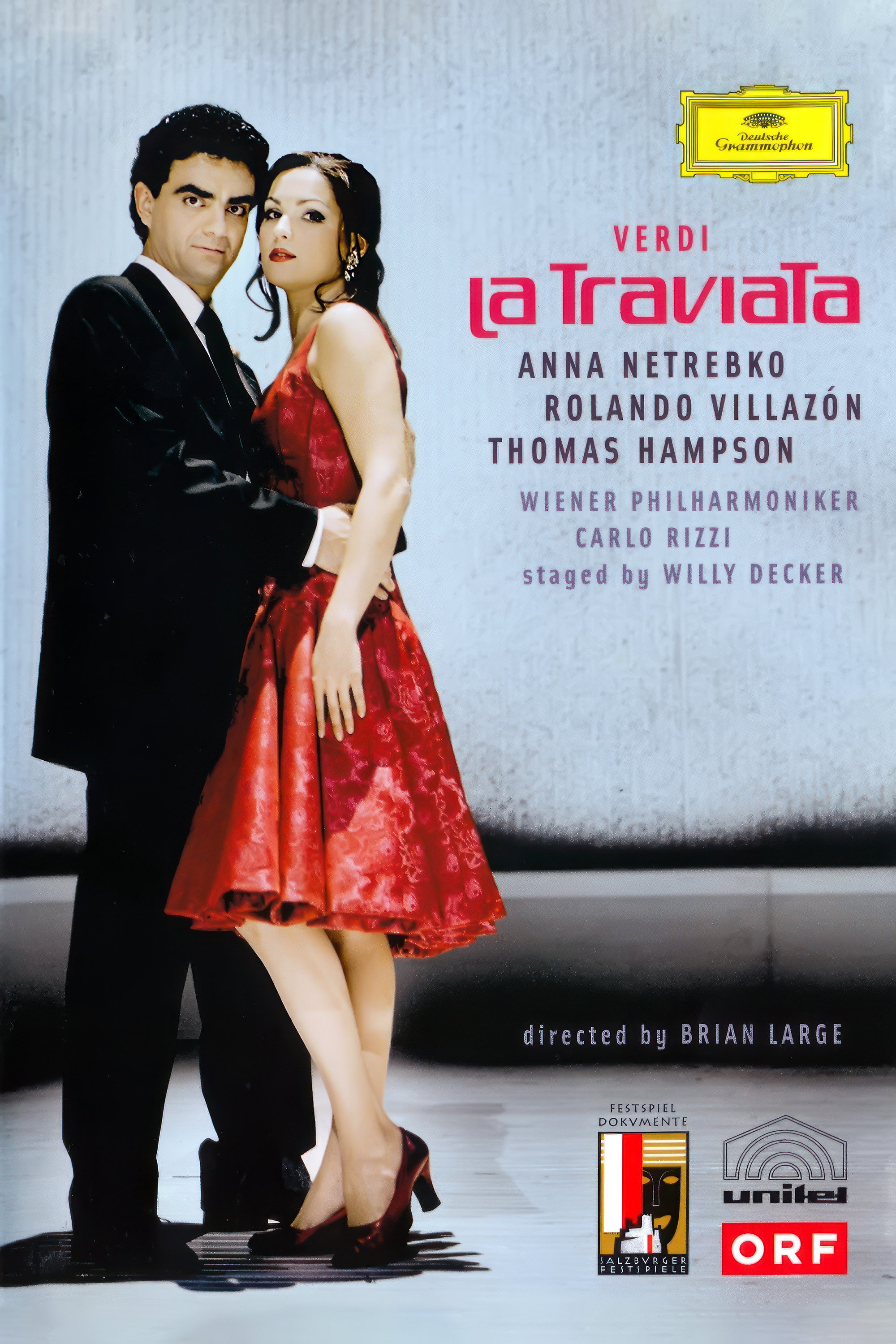
麦克白 2014年大都会歌剧团版 [演出] 豆瓣
所属 演出: 麦克白
语言: italian 意大利语 剧团: Metropolitan Opera Orchestra 大都会歌剧团管弦乐团 ; Metropolitan Opera Chorus 大都会歌剧团合唱团 剧院: Metropolitan Opera House 大都会歌剧院 导演: Adrian Noble
其它标题: 2014年大都会歌剧团版 编剧: Francesco Maria Piave / Andrea Maffei 作曲: Giuseppe Verdi 演员: Željko Lučić / Anna Netrebko
Place: Scotland
Time: 11th century
Act 1
Scene 1: A heath
Groups of witches gather in a wood beside a battlefield, exchanging stories of the "evils" they have done. The victorious generals Macbeth and Banco enter. The witches hail Macbeth as Thane of Glamis (a title he already holds by inheritance), Thane of Cawdor, and king "hereafter." Banco is greeted as "lesser than Macbeth, but greater", never a king himself, but the progenitor of a line of future kings. The witches vanish, and messengers from the king appear naming Macbeth Thane of Cawdor. Macbeth protests that the holder of that title is still alive, but the messengers reply that the former Thane has been executed as a traitor. Banco, mistrusting the witches, is horrified to find that they have spoken the truth. In a duet, Macbeth and Banco muse that the first of the witches' prophecies has been fulfilled. Macbeth ponders how close he is to the throne, and whether fate will crown him without his taking action, yet dreams of blood and treachery: while Banco ponders on whether the minions of Hell will sometimes reveal an honest truth in order to lead one to future damnation.
Scene 2: Macbeth's castle
Lady Macbeth reads a letter from her husband telling of the encounter with the witches. She is determined to propel Macbeth to the throne - by fair means or foul.
[Revised version, 1865: Vieni! t'affretta!/ "Come! Hurry!"]
Lady Macbeth is advised that King Duncan will stay in the castle that night; she is determined to see him killed (Or tutti, sorgete / "Arise now, all you ministers of hell"). When Macbeth returns she urges him to take the opportunity to kill the King. The King and the nobles arrive and Macbeth is emboldened to carry out the murder (Mi si affaccia un pugnal? / "Is this a dagger which I see before me?"), but afterwards is filled with horror. Disgusted at his cowardice, Lady Macbeth completes the crime, incriminating the sleeping guards by smearing them with Duncan's blood and planting on them Macbeth's dagger. Macduff arrives for an appointment with the King, while Banco stands guard, only for Macduff instead to discover the murder. He rouses the castle while Banco also bears witness to the fact of Duncan's murder. The chorus calls on God to avenge the killing (Schiudi, inferno, . . / "Open wide thy gaping maw, O Hell").
Act 2
Scene 1: A room in the castle
Macbeth is now king: Duncan's son Malcolm has fled the country, suspicion having conveniently fallen on him for his father's murder: but Macbeth is still disturbed by the prophecy that Banco, not he, will found a great royal line. To prevent this he tells his wife that he will have both Banco and his son murdered as they come to a banquet.
[1865 revised version: In her aria, La luce langue / "The light fades", Lady Macbeth exults in the powers of darkness]
Scene 2: Outside the castle
A gang of murderers lie in wait. Banco, sensing danger shares his misgivings with his son. (Come dal ciel precipita / "O, how the darkness falls from heaven"). The murderers attack and stab him to death, but his son escapes.
Scene 3: A dining hall in the castle
Macbeth receives the guests and Lady Macbeth sings a brindisi (Si colmi il calice / "Fill up the cup"). The assassination is reported to Macbeth, but when he returns to the table the ghost of Banco is sitting in his place. Macbeth raves at the ghost and the horrified guests believe he has gone mad. Lady Macbeth manages to calm the situation once - and even mocks it by calling for a toast to the absent Banco (whose death is not yet public knowledge), only for the ghost to appear a second time and terrify Macbeth into insanity again. Macduff resolves to leave the country, saying it is ruled by a cursed hand and only the wicked may remain: the other guests are terrified by Macbeth's talk of ghosts, phantoms and witches. The banquet ends abruptly with their hurried, frightened departure.
Act 3
The witches' cave
The witches gather around a cauldron in a dark cave. Macbeth enters and they conjure up three apparitions for him. The first advises him to beware of Macduff. The second tells him that he cannot be harmed by a man 'born of woman'. The third that he cannot be conquered till Birnam Wood marches against him. (Macbeth: O lieto augurio / "O, happy augury! No wood has ever moved by magic power")
Macbeth is then shown the ghost of Banco and his descendants, eight future Kings of Scotland, verifying the original prophecy. (Macbeth: Fuggi regal fantasima / "Begone, royal phantom that reminds me of Banco"). He collapses, but regains consciousness in the castle.
[Original 1847 version: The act ends with Macbeth recovering and resolving to assert his authority: Vada in fiamme, e in polve cada / "Macduff's lofty stronghold shall / Be set fire....".]
A herald announces the arrival of the Queen (Duet: Vi trovo alfin! / "I've found you at last"). Macbeth tells his wife about his encounter with the witches and they resolve to track down and kill Banco's son, as well as Macduff and his family (whom they do not yet know has already fled the country). (Duet: Ora di morte e di vendetta / "Hour of death and of vengeance").
Act 4
Scene 1: Near the border between England and Scotland
Scottish refugees stand near the English border (Chorus: Patria oppressa / "Down-trodden country"):
[Original 1847 version: While each version uses the same libretto, the music of this chorus is different. It begins with a less ominous, much shorter orchestral introduction and is sung straight through by the entire chorus.]
[1865 revised version: the music is divided into sections for the male and female members, then it unites them towards the end. The revised version is 2 minutes longer than the original.]
In the distance lies Birnam Wood. Macduff is determined to avenge the deaths of his wife and children at the hands of the tyrant (Ah, la paterna mano / "Ah, the paternal hand"). He is joined by Malcolm, the son of King Duncan, and the English army. Malcolm orders each soldier to cut a branch from a tree in Birnam Wood and carry it as they attack Macbeth's army. They are determined to liberate Scotland from tyranny (Chorus: La patria tradita / "Our country betrayed").
Scene 2: Macbeth's castle
A doctor and a servant observe the Queen as she walks in her sleep, wringing her hands and attempting to clean them of blood (Una macchia è qui tuttora! / "Yet here's a spot"). She raves about the deaths of both Duncan and Banco, and even about the deaths of Macduff's family, and that all the perfumes of Arabia would not clean the blood off her hands: all are things that the horrified witnesses would never dare to repeat to any living man.
Scene 3: The battlefield
Macbeth has learned that an army of Scottish rebels backed by England is advancing against him, but is reassured by remembering the words of the apparitions, that no man born of woman can harm him. However, in an aria (Pietà, rispetto, amore / "Compassion, honour, love") he contemplates the fact that he is already hated and feared: there will be no compassion, honour and love for him in his old age even if he wins this battle, nor kind words on a royal tomb, only curses and hatred. He receives the news of the Queen's death with indifference. Rallying his troops he learns that Birnam Wood has indeed come to his castle. Battle is joined.
[Original 1847 version's ending: Macduff pursues and fights Macbeth who falls. He tells Macbeth that he was not "born of woman" but "ripped" from his mother's womb. Fighting continues. Mortally wounded, Macbeth, in a final aria - Mal per me che m'affidai / "Trusting in the prophecies of Hell" - proclaims that trusting in these prophecies has caused his downfall. He dies on stage, while Macduff's men proclaim Malcolm to be the new King.]
Macduff pursues and fights Macbeth who falls wounded. He tells Macbeth that he was not "born of woman" but "untimely ripped" from his mother's womb. Macbeth responds in anguish (Cielo! / "Heaven") and the two continue fighting, then disappear from view. Macduff returns indicating to his men that he has killed Macbeth. He then turns to Malcolm, hailing him as King. The scene ends with a hymn to victory sung by bards, soldiers, and Scottish women (Salve, o re!/ "Hail, oh King!). Malcolm as King, and Macduff as hero, together swear to restore the realm to greatness.
清教徒与骑士党 2007年大都会歌剧团版 [演出] 豆瓣
所属 演出: 清教徒与骑士党
语言: italian 意大利语 剧团: Metropolitan Opera Orchestra 大都会歌剧团管弦乐团 ; Metropolitan Opera Chorus 大都会歌剧团合唱团 剧院: Metropolitan Opera House 大都会歌剧院 导演: Sandro Sequi / Sharon Thomas
其它标题: 2007年大都会歌剧团版 编剧: Carlo Pepoli 作曲: Vincenzo Bellini 演员: Anna Netrebko / Eric Cutler
Place: England during the English Civil War
Time: 1640s
Act 1
Scene 1: A fortress near Plymouth, commanded by Lord Gualtiero Valton
At daybreak, the Puritan soldiers gather in anticipation of victory over the Royalists. Prayers are heard from within, and then shouts of joy as the ladies and gentlemen of the castle come out announcing news of Elvira's wedding. Left alone, Riccardo shares with Bruno his plight: Riccardo had been promised Elvira's hand in marriage by her father Lord Valton but, returning to Plymouth the previous evening, he has found that she is in love with Arturo (a Royalist), and will marry him instead. He confides in Bruno. (Aria: Ah! Per sempre ...Bel sogno beato / "Ah! Forever have I lost you, flower of love, oh my hope; ah! life from now on will be full of sorrow".) As he pours out his sorrows to Bruno, Riccardo is called upon by his soldiers to lead them but he declares "I am aflame, but the flame is love, not glory".
Scene 2: Elvira's apartments
Elvira welcomes Giorgio, her uncle, with fatherly love, but when he tells her that she will soon be married, she is horror-struck. (Aria, then extended duet: Sai com'arde in petto mio / bella fiamma onnipossente / "You know that my breast burns with overwhelming passion".) She continues, stating a determination never to be married. But when Giorgio tells her that her cavalier, Arturo, will be coming, he reveals that it was he who persuaded her father, Lord Valton, to grant Elvira's wish. She is overjoyed. Then the sound of trumpets is heard announcing Arturo's arrival; he is welcomed by all.
Scene 3: The Hall of Arms Arturo and his squires come into the hall and are joined by Elvira, Valton, Giorgio and the ladies and gentlemen of the castle. After a general welcome from all assembled, Arturo expresses his new-found happiness. (Aria, Arturo; then Giorgio and Walton; then all assembled: A te, o cara / amore talora / "In you beloved, love led me in secrecy and tears, now it guides me to your side".)
Valton tells everyone that he will not be able to attend the wedding ceremony and he provides Arturo with a safe conduct pass. A mysterious lady appears, and Valton tells her that he will be escorting her to London to appear before Parliament. Arturo is curious. Giorgio tells him that she is suspected of being a Royalist spy. As Elvira leaves to prepare herself for the wedding and the others depart in various directions, Arturo hangs back and finds the mysterious lady alone. He discovers that she is Enrichetta (Henrietta Maria), widow of the executed King Charles I. Insisting that she not be concerned about Elvira, Arturo vows to save her: (Aria, Riccardo; then Enrichetta; then together: Non parlar di lei che adoro, / di valor non mi spogliar / "Do not speak of her whom I adore; do not take away my courage. You shall be saved, oh unhappy woman.")
Observed by Arturo and Enrichetta, Elvira appears singing a joyful polonaise (Son vergin vezzosa / "I am a pretty maiden dressed for her wedding"), but she engages the Queen in conversation asking for help with the ringlets of her hair. To allow that to happen, she removes her wedding veil and places it over Enrichetta's head. Both Arturo and Enrichetta realise that this may allow them to escape, and as they proceed, they are challenged by Riccardo who believes the woman to be Elvira. He almost provokes a fight with Arturo until he discovers that she is not Elvira; then, he is content to allow them to pass, swearing not to reveal any information.
When the wedding party enters, they ask for Arturo, then learn, largely from Riccardo, that he has fled with Enrichetta. Pursuit is organised. Becoming increasingly distraught, Elvira believes that she sees Arturo: (Aria; then ensemble: Oh, vieni al tempio, fedele Arturo / "Ah! come, ah! come! Oh! come to the church, faithful Arturo".) It is increasingly clear that she has gone mad.
Act 2
A room in the fortress
As the ladies and gentlemen of the castle are mournful for Elvira's totally downcast state of mind, Giorgio describes her madness: (Aria: Cinta di fiori / "Garlanded with flowers and with her lovely hair disheveled, sometimes the beloved maiden wanders about...") and he describes her flights into madness and her pleas for Arturo to return. Riccardo brings the news that Arturo is now a fugitive who has been condemned to death by Parliament for allowing Enrichetta to escape. Giorgio states that the only hope for Elvira will be a sudden joyous experience. Elvira is heard outside, still deranged but longing for Arturo: "Either give me back hope, let me die" she cries. As she enters, she expresses all her longing: Elvira, aria: Qui la voce ... Vien, diletto / "Here his sweet voice called me...and then vanished. Here he swore to be true, here he swore it, and then, cruel man, he fled!".
Entering, she confronts her uncle and Riccardo, whom she fails to recognise, even in her moments of lucidity. She addresses him as if he were Arturo: (Elvira, cabaletta: Vien, diletto, è in ciel la luna / "Come, beloved, the moon is in the sky, Everything is silent, until the dawn breaks in the sky"). The two men encourage Elvira to return to her room.
For Elvira's sake, Giorgio encourages Riccardo to help save his rival, advising that he will forever be pursued by their phantoms. Riccardo rejects the request: (Giorgio, then Riccardo, then duet: Il rival salvar tu déi, / il rival salvar tu puoi / "You must save your rival, you can save your rival"), but gradually Riccardo comes around to accept that idea. However, he states that if in the following day's battle, Arturo appears, he will perish at his hand. The two men now have an agreement: (Finale: Giorgio, then Riccardo, then together: Suoni la tromba / "Let the battle-cry be: country, victory, victory and honour. Let the trumpets sound, and I shall fight strongly, fearlessly."
Act 3
A wooded area near the fortress, three months later
Arturo is still on the run. He is exhausted and has returned seeking Elvira. Suddenly he hears the sounds of singing coming through the woods: (Elvira, aria: A una fonte afflitto e solo / s'assideva un trovator / "A troubadour sat sad and lonely by a fountain"). He calls out, but gets no response and, recalling how the couple used to sing together in the woods, he also sings the troubadour melody until the sound of drumbeats and the shouting of soldiers silences him. He covers himself and hides as a group of soldiers passes, then emerges and decides to continue singing to the same melody: (Arturo, aria: Corre a valle, corre a monte / l'esiliato pellegrin / "Through the valleys, over the mountains, hastens the exiled pilgrim")
Unseen, Elvira emerges from the trees and stops to listen. She is saddened when the singing stops, and she sorrowfully wonders where Arturo is. Suddenly, he is standing before her and they are reunited in a spirited duet in which they declare that they will always be together after the long months of being apart. Still a little confused, Elvira believes that Arturo has married the woman whom he escorted from the fortress; he assures Elvira that he has always loved her, that the lady who was in great danger was the queen: (Arturo; then Elvira; then together). Having determined that they love each other and that they will always remain together, they enter into an ecstatic duet. (Arturo: Vieni fra queste braccia / "Come, come to my arms"; Elvira: Caro, caro, non ho parole / "Dearest, dearest, I cannot find the words to express my happiness"; then together).
At the sound of drums being heard, Elvira appears to be returning to a state of madness, fearing that they will again be parted. Then soldiers' voices are heard close by and Riccardo, Giorgio, and the ladies and gentlemen of the fortress enter announcing Arturo's death sentence. With that, she finally comes to her senses.
An ensemble, beginning with Arturo (Credeasi, misera / "Unhappy girl, she believed that I had betrayed her") extends to all assembled, each expressing his or her anguish, with even Riccardo being moved by the plight of the lovers. For this extended piece, Bellini wrote a high F-natural above C5 for Arturo's ... crudeli, crudeli! / Ella è tremante, / ella è spirante; / anime perfide, / sorde a pietà! / "cruel men, cruel men! She is trembling, she is fainting, perfidious souls, deaf to pity!"
The soldiers continue to demand Arturo's execution, but the sounds of a herald arriving are heard. He brings letters which are opened by Riccardo and Giorgio. They announce that although the Royalists have been defeated, Oliver Cromwell has pardoned all prisoners. The ensemble expresses its general and its personal joy.
拉美莫尔的露琪亚 2009年大都会歌剧团版 [演出] 豆瓣
所属 演出: 拉美莫尔的露琪亚
语言: italian 意大利语 剧团: Metropolitan Opera Orchestra 大都会歌剧团管弦乐团 ; Metropolitan Opera Chorus 大都会歌剧团合唱团 剧院: Metropolitan Opera House 大都会歌剧院 导演: Mary Zimmerman
其它标题: 2009年大都会歌剧团版 编剧: Salvatore Cammarano 作曲: Gaetano Donizetti 演员: Anna Netrebko / Piotr Beczała
Time: Early 18th century
Place: Scotland
Act 1
Scene 1: The gardens of Ravenswood Castle
Normanno, captain of the castle guard, and other retainers are searching for an intruder. He tells Enrico that he believes that the man is Edgardo of Ravenswood, and that he comes to the castle to meet Enrico's sister, Lucia. It is confirmed that Edgardo is indeed the intruder. Enrico reaffirms his hatred for the Ravenswood family and his determination to end the relationship.
Scene 2: By a fountain at the entrance to the park, beside the castle
Lucia waits for Edgardo. In her famous aria "Regnava nel silenzio", Lucia tells her maid Alisa that she has seen the ghost of a girl killed on the very same spot by a jealous Ravenswood ancestor. Alisa tells Lucia that the apparition is a warning and that she must give up her love for Edgardo. Edgardo enters; for political reasons, he must leave immediately for France. He hopes to make his peace with Enrico and marry Lucia. Lucia tells him this is impossible, and instead they take a sworn vow of marriage and exchange rings. Edgardo leaves.
Act 2
Scene 1: Lord Ashton's apartments
Preparations have been made for the imminent wedding of Lucia to Arturo. Enrico worries about whether Lucia will really submit to the wedding. He shows his sister a forged letter seemingly proving that Edgardo has forgotten her and taken a new lover. Enrico leaves Lucia to further persuasion, this time by Raimondo, Lucia's chaplain and tutor, that she should renounce her vow to Edgardo, for the good of the family, and marry Arturo.
Scene 2: A hall in the castle
Arturo arrives for the marriage. Lucia acts strangely, but Enrico explains that this is due to the death of her mother. Arturo signs the marriage contract, followed reluctantly by Lucia. At that point Edgardo suddenly appears in the hall. Raimondo prevents a fight, but he shows Edgardo Lucia's signature on the marriage contract. Edgardo curses her, demanding that they return their rings to each other. He tramples his ring on the ground, before being forced out of the castle.
Act 3
Scene 1: Wolfcrag
Enrico visits Edgardo to challenge him to a duel. He tells him that Lucia is already enjoying her bridal bed. Edgardo agrees to fight him. They will meet later by the graveyard of the Ravenswoods, near the Wolf's Crag.
Scene 2: A Hall
Raimondo interrupts the marriage celebrations to tell the guests that Lucia has gone mad and killed her bridegroom Arturo. Lucia enters. In the aria "Il dolce suono" she imagines being with Edgardo, soon to be happily married. Enrico enters and at first threatens Lucia but later softens when he realizes her condition. Lucia collapses. Raimondo blames Normanno for precipitating the whole tragedy.
Scene 3: The graveyard of the Ravenswood family
Edgardo is resolved to kill himself on Enrico's sword. He learns that Lucia is dying and then Raimondo comes to tell him that she has already died. Edgardo stabs himself with a dagger, hoping to be reunited with Lucia in heaven.