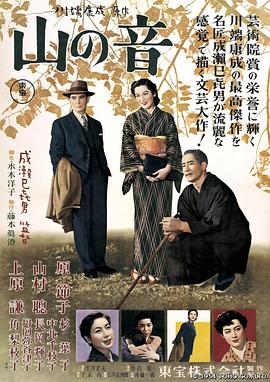
成濑巳喜男 — 导演 (67)
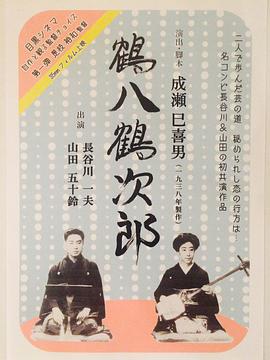
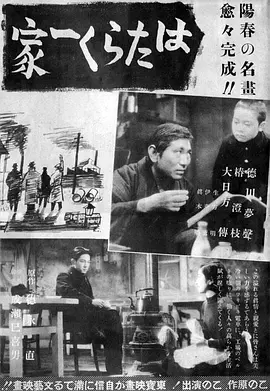
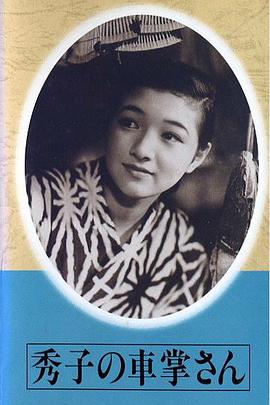
售票员秀子 (1941) [电影] 豆瓣
秀子の車掌さん
其它标题:
秀子の車掌さん
/
Hideko no shasho-san
…
在日本甲府的偏僻山村,宁静的乡间小道上行驶着一辆又老又旧的巴士。司机园田(藤原鶏太 饰)和美丽的女售票员阿驹(高峰秀子 饰)每日起早贪黑,迎来送往去向各处的客人。虽则努力多多,但是收入一向微薄,难见起色。迫于生计,公司独辟蹊径,决定打造一条专门面向各地游客的旅游线路。园田和阿驹为这个设想所触动,二人开始着手准备起来。适逢自称小说家的井川(夏川大二郎 饰)来此游览当地名胜,他们于是拜托井川,撰写游览所用的演讲稿……
本片根据井伏鱒二的短篇小说《おこまさん》改编,是导演成濑巳喜男和女演员高峰秀子首次合作的作品。
本片根据井伏鱒二的短篇小说《おこまさん》改编,是导演成濑巳喜男和女演员高峰秀子首次合作的作品。
野性的女人 (1957) [电影] 豆瓣
あらくれ
其它标题:
あらくれ
/
粗暴(港)
…
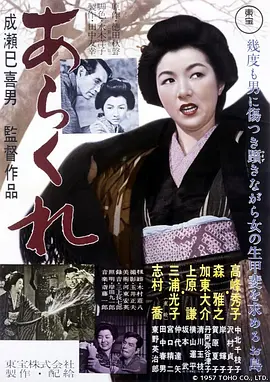
自然主義文学の代表的作家・徳田秋声の同名小説を水木洋子が脚色し、成瀬巳喜男が演出した作品。生まれつき気性が激しく、そのくせ情にほだされやすい女が、次々と男に捨てられながらも生きていく姿を、距離をおいて凝視する。強い女を描くことには定評のある成瀬監督だが、これほど荒々しく終始感情をむき出しにするヒロインは珍しい。成瀬との絶妙のコンビを誇る主演の高峰秀子は、その意志の強さを具現したような肉体で、やや陰影を欠く主人公をはじけ飛ばすように演じ、他作品でのきめ細かな名演とは違った味わいを残す。路地裏の物売りの声や拍子木を打つ音など、音声の表情も実に豊かである。
女人的哀愁 (1937) [电影] 豆瓣
女人哀愁
其它标题:
女人哀愁
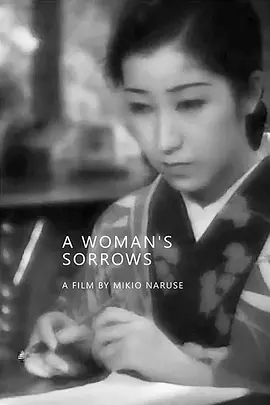
In his review of Feminine Melancholy in Kinema Junpo, critic Mizumachi Seiji praises Irie's performance as the best of her talkie career. However, he is very critical of the film itself, which he sees as a typical story of a woman in an unhappy marriage. He is not sympathetic toward the heroine's patient suffering and describes the nagging mother-in-law as a "hackneyed theme." Naruse's detailed "documentation" of Hiroko's role in the household is dismissed as a "manneristic obsession," and Mizumachi suggests that the director is hiding behind "the shadow of the materials." Most severely, he criticizes Naruse for "abandoning his authority as an auteur" by resorting to "shinpa-tragedy," which is seen as a capitulation to a form that has "wielded a powerful hold over the imagination of the masses." Although Mizumachi notes that Naruse has probed into "the deepest recess of the female psyche," he doesn't recognize this as the film's achievement, perhaps because he is looking for something else from the director. His review reveals the difficulties Naruse faced in maintaining his "auteur status" while moving with the tides of popular culture. For Mizumachi, the character of Yoko is the most typical Naruse heroine, perhaps because she is dragged down by her delinquent lover; however, in retrospect, it is evident that Hiroko's tenacious survival of adverse circumstances looks forward to Naruse's postwar heroines.
真心 (1939) [电影] 豆瓣
まごころ
其它标题:
まごころ
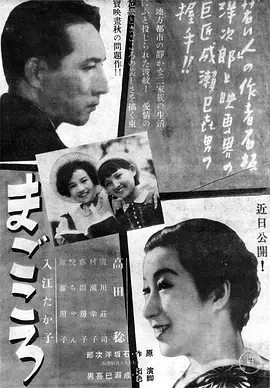
The Kinema Junpo critics were, of course, mistaken to think that Naruse had abandoned his emphasis on women. His next film, Sincerity, features two strong female characters, played by Irie Takako and Murase Sachiko, each of whom have a daughter. The girls are schoolmates, but one (Nobuko) is from a middle-class home and the other (Tomiko) is from a poor family. Tomiko's mother Tsutako (Irie) is a single mother who works from home as a seamstress, while Nobuko's mother lives in an elegant home with her husband, Kei. Eventually, it is revealed that Kei had a romantic relationship with Tsutako, and may be Tomiko's father as well, but he is conscripted shortly after this revelation and goes off to war.
This is very much a home front film, in which the women are involved in supporting activities, and the whole town cheers on the new recruits. As Kei is a banker, he is conscripted as an officer. He is introduced brandishing a magnificent sword, indicating his readiness for his call-up, for which everyone congratulates him when it comes. The wartime context is little more than a backdrop to the story of paternity and former love. The complex emotions among the women are conveyed through cutting on eye movements and eye lines, and through the use of the pastoral location.
This is very much a home front film, in which the women are involved in supporting activities, and the whole town cheers on the new recruits. As Kei is a banker, he is conscripted as an officer. He is introduced brandishing a magnificent sword, indicating his readiness for his call-up, for which everyone congratulates him when it comes. The wartime context is little more than a backdrop to the story of paternity and former love. The complex emotions among the women are conveyed through cutting on eye movements and eye lines, and through the use of the pastoral location.
女人的历史 (1963) [电影] 豆瓣
女の歴史
其它标题:
女の歴史
/
一个女人的故事
…
莫非上苍的不公,女人应是一生多舛,一生孤单?
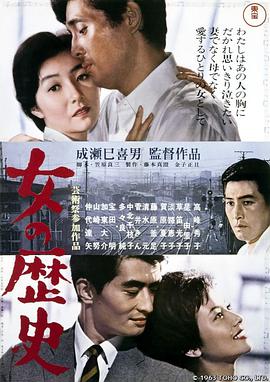
昭和十二年春,年轻美丽的信子(高峰秀子 饰)与本町材木问屋的长男幸一(宝田明 饰)结婚。婚后不久,夫家家道衰落,公公投资失败后与艺妓相约自杀。翌年,中日战争爆发,武汉三镇陷落。与此同时信子产下一子,名唤功平。他们渺小的幸福并未持续太久,随着太平洋战争的扩大,幸一应召入伍,一去不归。
信子与婆婆(贺原夏子 饰)辛苦支撑这个小家庭,期间多得丈夫生前的好友秋本(仲代达矢 饰)的帮助,信子也渐渐爱上这个令他可以依靠的男人。但生活似乎有意为难这可怜的女人,幸福总是与她擦肩而过……
昭和十二年春,年轻美丽的信子(高峰秀子 饰)与本町材木问屋的长男幸一(宝田明 饰)结婚。婚后不久,夫家家道衰落,公公投资失败后与艺妓相约自杀。翌年,中日战争爆发,武汉三镇陷落。与此同时信子产下一子,名唤功平。他们渺小的幸福并未持续太久,随着太平洋战争的扩大,幸一应召入伍,一去不归。
信子与婆婆(贺原夏子 饰)辛苦支撑这个小家庭,期间多得丈夫生前的好友秋本(仲代达矢 饰)的帮助,信子也渐渐爱上这个令他可以依靠的男人。但生活似乎有意为难这可怜的女人,幸福总是与她擦肩而过……
晚菊 (1954) [电影] 豆瓣 IMDb 维基数据 TMDB
晩菊
其它标题:
Late Chrysanthemums
/
Bangiku
…
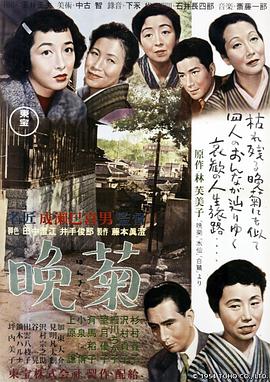
战后的日本,四名退休艺妓用另一种方式维持着彼此当年的关系,也体味着生活的孤独。绪纪(杉村春子 饰)年轻时纠缠于多名男子之间,时至今日仍有当年的情人打扰她的生活,孑然一身的绪纪放高利贷给昔日姐妹,用刻薄的态度掩盖些许失落。音美与玉惠合租一室,膝下分别育有一儿一女,如今音美沉溺赌博、玉惠卧病,不得不忍受绪纪的奚落。年岁渐长的儿女成家远行,音美同玉惠一时倍感孤苦,只能借酒浇愁……
绪纪久久不能忘怀的情人田部(上原谦 饰)来访,但这个步入中年的男人早已无曾经的意气风发,绪纪燃起的最后一点希望也将幻灭么?
本片根据作家林芙美子的三篇小说改编,位列《电影旬报》年度十佳第七位。
绪纪久久不能忘怀的情人田部(上原谦 饰)来访,但这个步入中年的男人早已无曾经的意气风发,绪纪燃起的最后一点希望也将幻灭么?
本片根据作家林芙美子的三篇小说改编,位列《电影旬报》年度十佳第七位。
乱云 (1967) [电影] 豆瓣 IMDb 维基数据 TMDB
乱れ雲
其它标题:
乱れ雲
/
Midaregumo
…
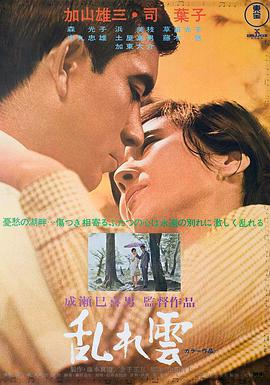
由美子(司叶子 饰)正在憧憬着美好的未来,此时她已怀有身孕,接下来也将和供职于通商产业省的丈夫江田宏(土屋嘉男 饰)调赴美国大使馆工作。但一场突如其来的灾难摧毁了这一切,江田不慎死于车祸,法庭判定事故由不可抗拒力造成,免予追究责任。由美子对肇事者三岛史郎(加山雄三 饰)分外憎恨,她拒绝了三岛的参拜和赔偿请求,忍痛拿掉孩子,回到家乡青森在姐姐的旅馆里工作谋生。
三岛因车祸的原因被调离东京总部,相恋多年的女友也弃他而去。怀着一份愧疚之心,他定期为由美子寄去抚恤金。不久两人于青森相遇,一个不愿再回首过去,一个希望求得对方原谅。两个倍受创伤的人慢慢地走到一起……
本片为导演成濑巳喜男的遗作。
三岛因车祸的原因被调离东京总部,相恋多年的女友也弃他而去。怀着一份愧疚之心,他定期为由美子寄去抚恤金。不久两人于青森相遇,一个不愿再回首过去,一个希望求得对方原谅。两个倍受创伤的人慢慢地走到一起……
本片为导演成濑巳喜男的遗作。