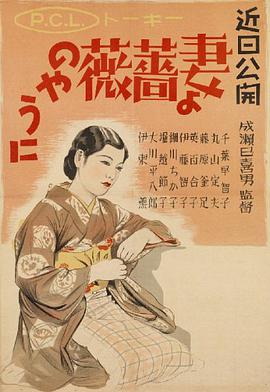
成濑巳喜男 — 编剧 (25)
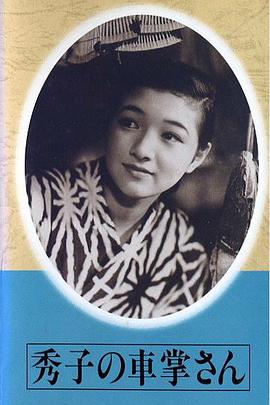
售票员秀子 (1941) [电影] 豆瓣
秀子の車掌さん
其它标题:
秀子の車掌さん
/
Hideko no shasho-san
…
在日本甲府的偏僻山村,宁静的乡间小道上行驶着一辆又老又旧的巴士。司机园田(藤原鶏太 饰)和美丽的女售票员阿驹(高峰秀子 饰)每日起早贪黑,迎来送往去向各处的客人。虽则努力多多,但是收入一向微薄,难见起色。迫于生计,公司独辟蹊径,决定打造一条专门面向各地游客的旅游线路。园田和阿驹为这个设想所触动,二人开始着手准备起来。适逢自称小说家的井川(夏川大二郎 饰)来此游览当地名胜,他们于是拜托井川,撰写游览所用的演讲稿……
本片根据井伏鱒二的短篇小说《おこまさん》改编,是导演成濑巳喜男和女演员高峰秀子首次合作的作品。
本片根据井伏鱒二的短篇小说《おこまさん》改编,是导演成濑巳喜男和女演员高峰秀子首次合作的作品。
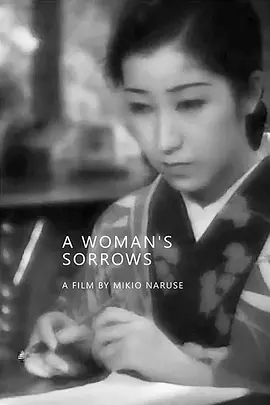
女人的哀愁 (1937) [电影] 豆瓣
女人哀愁
其它标题:
女人哀愁
In his review of Feminine Melancholy in Kinema Junpo, critic Mizumachi Seiji praises Irie's performance as the best of her talkie career. However, he is very critical of the film itself, which he sees as a typical story of a woman in an unhappy marriage. He is not sympathetic toward the heroine's patient suffering and describes the nagging mother-in-law as a "hackneyed theme." Naruse's detailed "documentation" of Hiroko's role in the household is dismissed as a "manneristic obsession," and Mizumachi suggests that the director is hiding behind "the shadow of the materials." Most severely, he criticizes Naruse for "abandoning his authority as an auteur" by resorting to "shinpa-tragedy," which is seen as a capitulation to a form that has "wielded a powerful hold over the imagination of the masses." Although Mizumachi notes that Naruse has probed into "the deepest recess of the female psyche," he doesn't recognize this as the film's achievement, perhaps because he is looking for something else from the director. His review reveals the difficulties Naruse faced in maintaining his "auteur status" while moving with the tides of popular culture. For Mizumachi, the character of Yoko is the most typical Naruse heroine, perhaps because she is dragged down by her delinquent lover; however, in retrospect, it is evident that Hiroko's tenacious survival of adverse circumstances looks forward to Naruse's postwar heroines.
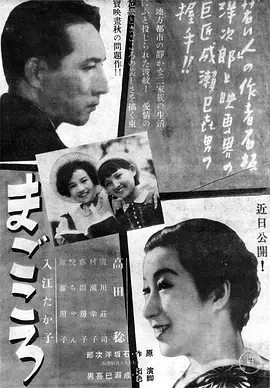
真心 (1939) [电影] 豆瓣
まごころ
其它标题:
まごころ
The Kinema Junpo critics were, of course, mistaken to think that Naruse had abandoned his emphasis on women. His next film, Sincerity, features two strong female characters, played by Irie Takako and Murase Sachiko, each of whom have a daughter. The girls are schoolmates, but one (Nobuko) is from a middle-class home and the other (Tomiko) is from a poor family. Tomiko's mother Tsutako (Irie) is a single mother who works from home as a seamstress, while Nobuko's mother lives in an elegant home with her husband, Kei. Eventually, it is revealed that Kei had a romantic relationship with Tsutako, and may be Tomiko's father as well, but he is conscripted shortly after this revelation and goes off to war.
This is very much a home front film, in which the women are involved in supporting activities, and the whole town cheers on the new recruits. As Kei is a banker, he is conscripted as an officer. He is introduced brandishing a magnificent sword, indicating his readiness for his call-up, for which everyone congratulates him when it comes. The wartime context is little more than a backdrop to the story of paternity and former love. The complex emotions among the women are conveyed through cutting on eye movements and eye lines, and through the use of the pastoral location.
This is very much a home front film, in which the women are involved in supporting activities, and the whole town cheers on the new recruits. As Kei is a banker, he is conscripted as an officer. He is introduced brandishing a magnificent sword, indicating his readiness for his call-up, for which everyone congratulates him when it comes. The wartime context is little more than a backdrop to the story of paternity and former love. The complex emotions among the women are conveyed through cutting on eye movements and eye lines, and through the use of the pastoral location.