Charles Castronovo — 演员 (6)
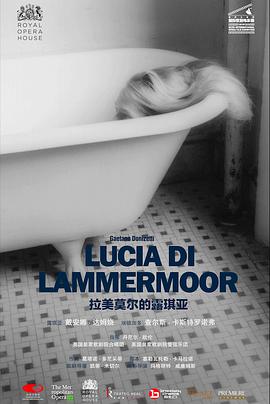
拉美莫尔的露琪亚 (2016) [电影] 豆瓣
Lucia di Lammermoor
导演: Katie Mitchell 演员: 狄安娜·达姆尧 / Charles Castronovo
其它标题: Lucia di Lammermoor / 拉摩尔的露西亚
Orchestra and Chorus of the Royal Opera House
Daniel Oren (conductor), Katie Mitchell (director)
Diana Damrau (Lucia), Charles Castronovo (Edgardo), Ludovic Tézier (Enrico), Taylor Stayton (Arturo), Kwangchul Youn (Raimondo), Rachael Lloyd (Alisa), Peter Hoare (Normanno)
-----
Designer Vicki Mortimer
Lighting designer Jon Clark
Movement director Joseph Alford
Diana Damrau’s reputation as the world’s leading coloratura soprano has been built on her extraordinary technical virtuosity, her sensitive musicianship and her acute psychological insight. In Katie Mitchell’s sometimes radical production of Lucia di Lammermoor from the Royal Opera House, she is, as the Financial Times wrote, 'brilliantly convincing'. Award winning director Katie Mitchell took a revisionist approach to the drama, updating the action to the mid-19th century and applying a feminist slant as she added new and unexpected elements. Mitchell also made extensive use of a ‘split screen’ effect on the stage, counterpointing two different pieces of action at key moments.
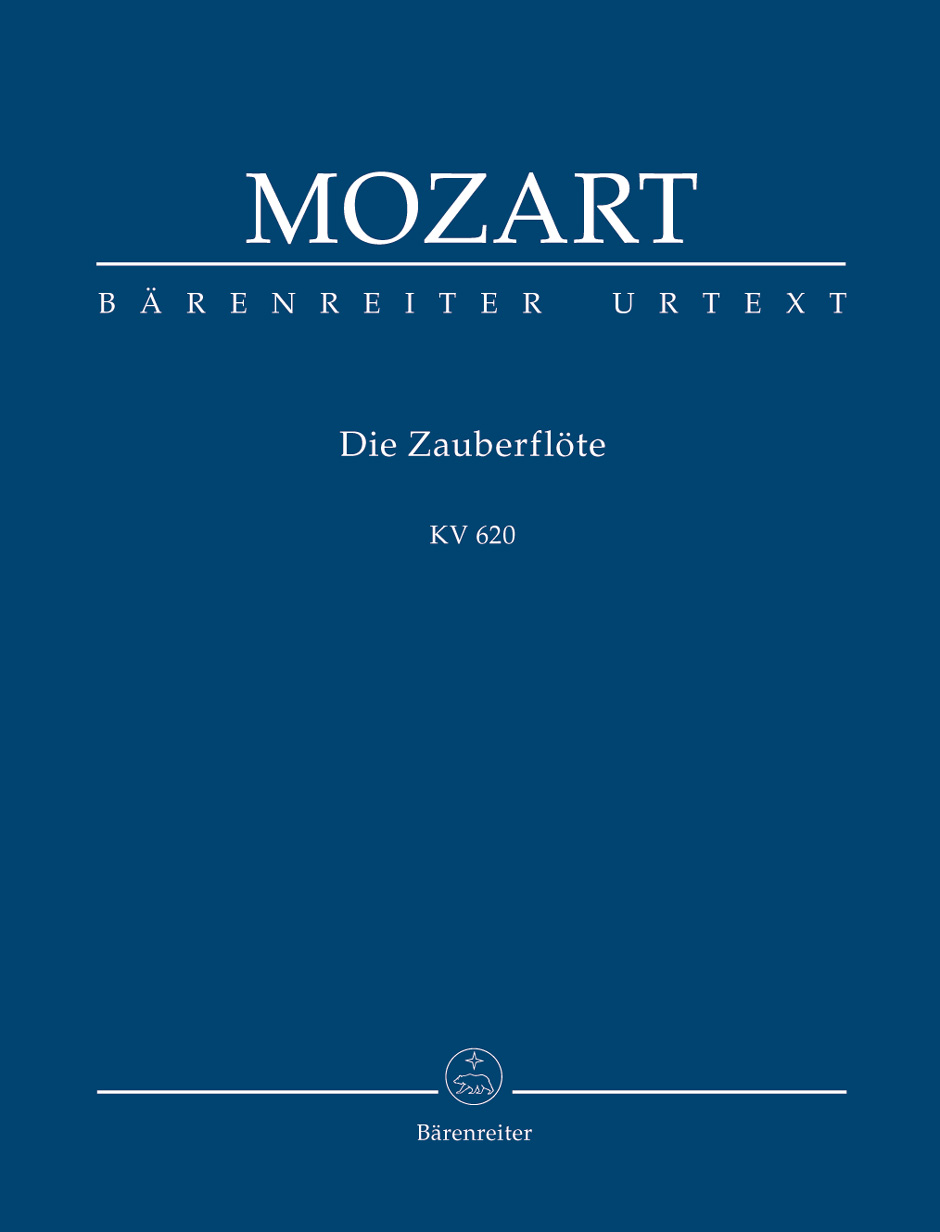
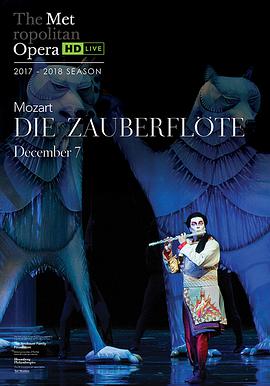
魔笛 2017年大都会歌剧团版 [演出] 豆瓣
所属 演出: 魔笛
语言: german 德语 剧团: Metropolitan Opera Orchestra 大都会歌剧团管弦乐团 ; Metropolitan Opera Chorus 大都会歌剧团合唱团 剧院: Metropolitan Opera House 大都会歌剧院 导演: Julie Taymor / David Kneuss
其它标题: 2017年大都会歌剧团版 编剧: Emanuel Schikaneder 作曲: Wolfgang Amadeus Mozart 演员: Charles Castronovo / Golda Schultz
The opera begins with the overture, which Mozart composed last.
Act 1
Scene 1: A rough, rocky landscape
Tamino, a handsome prince lost in a distant land, is pursued by a serpent and asks the gods to save him (aria: "Zu Hilfe! Zu Hilfe!" segued into trio: "Stirb, Ungeheuer, durch uns're Macht!"). He faints, and three ladies, attendants of the Queen of the Night, appear and kill the serpent. They find the unconscious prince extremely attractive, and each of them tries to convince the other two to leave. After arguing, they reluctantly decide to leave together.
Tamino wakes up, and is surprised to find himself still alive. Papageno enters dressed as a bird. He describes his life as a bird-catcher, complaining he has no wife or girlfriend (aria: "Der Vogelfänger bin ich ja"). Tamino introduces himself to Papageno, thinking Papageno killed the serpent. Papageno happily takes the credit – claiming he strangled it with his bare hands. The three ladies suddenly reappear and instead of giving Papageno wine, cake and figs, they give him water, a stone and place a padlock over his mouth as a warning not to lie. They give Tamino a portrait of the Queen of the Night's daughter Pamina, with whom Tamino falls instantly in love (aria: "Dies Bildnis ist bezaubernd schön" / This image is enchantingly beautiful).
The ladies return and tell Tamino that Pamina has been captured by Sarastro, whom they describe as a powerful, evil demon. Tamino vows to rescue Pamina. The Queen of the Night appears and promises Tamino that Pamina will be his if he rescues her from Sarastro (Recitative and aria: "O zittre nicht, mein lieber Sohn" / Oh, tremble not, my dear son!). The Queen leaves and the ladies remove the padlock from Papageno's mouth with a warning not to lie any more. They give Tamino a magic flute which has the power to change sorrow into joy. They tell Papageno to go with Tamino, and give him (Papageno) magic bells for protection. The ladies introduce three child-spirits, who will guide Tamino and Papageno to Sarastro's temple. Together Tamino and Papageno set forth (Quintet: "Hm! Hm! Hm! Hm!").
Scene 2: A room in Sarastro's palace
Pamina is dragged in by Sarastro's slaves, apparently having tried to escape. Monostatos, a blackamoor and chief of the slaves, orders the slaves to chain her and leave him alone with her. Papageno, sent ahead by Tamino to help find Pamina, enters (Trio: "Du feines Täubchen, nur herein!"). Monostatos and Papageno are each terrified by the other's strange appearance and both flee. Papageno returns and announces to Pamina that her mother has sent Tamino to save her. Pamina rejoices to hear that Tamino is in love with her. She offers sympathy and hope to Papageno, who longs for a wife. Together they reflect on the joys and sacred duties of marital love (duet: "Bei Männern welche Liebe fühlen").
Finale. Scene 3: A grove in front of a temple
The three child-spirits lead Tamino to Sarastro's temple, promising that if he remains patient, wise and steadfast, he will succeed in rescuing Pamina (Quartet: "Zum Ziele führt dich diese Bahn"). Tamino approaches the left-hand entrance and is denied access by voices from within. The same happens when he goes to the entrance on the right. But from the entrance in the middle, an old priest appears and lets Tamino in. (The old priest is referred to as "The Speaker" in the libretto, but his role is a singing role.) He tells Tamino that Sarastro is benevolent, not evil, and that he should not trust the Queen of the Night. He promises that Tamino's confusion will be lifted when Tamino approaches the temple in a spirit of friendship. Tamino plays his magic flute. Animals appear and dance, enraptured, to his music. Tamino hears Papageno's pipes sounding offstage, and hurries off to find him (aria: "Wie stark ist nicht dein Zauberton").
Papageno and Pamina enter, searching for Tamino (trio: "Schnelle Füße, rascher Mut"). They are recaptured by Monostatos and his slaves. Papageno plays his magic bells, and Monostatos and his slaves begin to dance, and exit the stage, still dancing, mesmerised by the beauty of the music (chorus: "Das klinget so herrlich"). Papageno and Pamina hear the sound of Sarastro's retinue approaching. Papageno is frightened and asks Pamina what they should say. She answers that they must tell the truth. Sarastro enters, with a crowd of followers. (chorus: "Es lebe Sarastro!")
Pamina falls at Sarastro's feet and confesses that she tried to escape because Monostatos had forced his attentions on her. Sarastro receives her kindly and assures her that he wishes only for her happiness. But he refuses to return her to her mother, whom he describes as a proud, headstrong woman, and a bad influence on those around her. Pamina, he says, must be guided by a man.
Monostatos brings in Tamino. The two lovers see one another for the first time and embrace, causing indignation among Sarastro's followers. Monostatos tells Sarastro that he caught Papageno and Pamina trying to escape, and demands a reward. Sarastro, however, punishes Monostatos for his lustful behaviour toward Pamina, and sends him away. He announces that Tamino must undergo trials of wisdom in order to become worthy as Pamina's husband. The priests declare that virtue and righteousness will sanctify life and make mortals like gods ("Wenn Tugend und Gerechtigkeit").
Act 2
Scene 1: A grove of palms
The council of priests of Isis and Osiris, headed by Sarastro, enters to the sound of a solemn march. Sarastro tells the priests that Tamino is ready to undergo the ordeals that will lead to enlightenment. He invokes the gods Isis and Osiris, asking them to protect Tamino and Pamina (Aria and chorus: "O Isis und Osiris").
Scene 2: The courtyard of the Temple of Ordeal
Tamino and Papageno are led in by two priests for the first trial. The two priests advise Tamino and Papageno of the dangers ahead of them, warn them of women's wiles and swear them to silence (Duet: "Bewahret euch von Weibertücken"). The three ladies appear and try to frighten Tamino and Papageno into speaking. (Quintet: "Wie, wie, wie") Papageno cannot resist answering the ladies, but Tamino remains aloof, angrily instructing Papageno not to listen to the ladies' threats and to keep quiet. Seeing that Tamino will not speak to them, the ladies withdraw in confusion.
Scene 3: A garden
Pamina is asleep. Monostatos approaches and gazes upon her with rapture. (Aria: "Alles fühlt der Liebe Freuden") He is about to kiss the sleeping Pamina, when the Queen of the Night appears. Monostatos hides. In response to the Queen's questioning, Pamina explains that Tamino is joining Sarastro's brotherhood and she is thinking of accompanying him too. The Queen is not pleased. She explains that her husband was the previous owner of the temple and on his deathbed, gave the ownership to Sarastro instead of her, rendering the Queen powerless (this is in the original libretto, but is usually omitted from modern productions, to shorten the scene with Pamina and her mother). She gives Pamina a dagger, ordering her to kill Sarastro with it and threatening to disown her if she does not. (Aria: "Der Hölle Rache kocht in meinem Herzen"). She leaves. Monostatos returns and tries to force Pamina's love by threatening to reveal the Queen's plot, but Sarastro enters and drives him off. Pamina begs Sarastro to forgive her mother and he reassures her that revenge and cruelty have no place in his domain (Aria: "In diesen heil'gen Hallen").
Scene 4: A hall in the Temple of Ordeal
Tamino and Papageno are led in by priests, who remind them that they must remain silent. Papageno complains of thirst. An old woman enters and offers Papageno a cup of water. He drinks and teasingly asks whether she has a boyfriend. She replies that she does and that his name is Papageno. She disappears as Papageno asks for her name, and the three child-spirits bring in food, the magic flute, and the bells, sent from Sarastro (Trio: "Seid uns zum zweiten Mal willkommen"). Tamino begins to play the flute, which summons Pamina. She tries to speak with him, but Tamino, bound by his vow of silence, cannot answer her, and Pamina begins to believe that he no longer loves her. (Aria: "Ach, ich fühl's, es ist verschwunden") She leaves in despair.
Scene 5: The pyramids
The priests celebrate Tamino's successes so far, and pray that he will succeed and become worthy of their order (Chorus: "O Isis und Osiris"). Pamina is brought in and Sarastro instructs Pamina and Tamino to bid each other farewell before the greater trials ahead, alarming them by describing it as their "final farewell". (Trio: Sarastro, Pamina, Tamino – "Soll ich dich, Teurer, nicht mehr sehn?" Note: In order to preserve the continuity of Pamina's suicidal feelings, this trio is sometimes performed earlier in act 2, preceding or immediately following Sarastro's aria "O Isis und Osiris".[f][30]) They exit and Papageno enters. The priests grant his request for a glass of wine and he expresses his desire for a wife. (Aria: "Ein Mädchen oder Weibchen"). The elderly woman reappears and warns him that unless he immediately promises to marry her, he will be imprisoned forever. When Papageno promises to love her faithfully (muttering that he will only do this until something better comes along), she is transformed into the young and pretty Papagena. Papageno rushes to embrace her, but the priests drive him back, telling him that he is not yet worthy of her.
Finale. Scene 6: A garden
The three child-spirits hail the dawn. They observe Pamina, who is contemplating suicide because she believes Tamino has abandoned her. The child-spirits restrain her and reassure her of Tamino's love. (Quartet: "Bald prangt, den Morgen zu verkünden").
Scene change without interrupting the music, to Scene 7: Outside the Temple of Ordeal
Two men in armor lead in Tamino. They recite one of the formal creeds of Isis and Osiris, promising enlightenment to those who successfully overcome the fear of death ("Der, welcher wandert diese Strasse voll Beschwerden"). This recitation takes the musical form of a Baroque chorale prelude, to a tune inspired by Martin Luther's hymn "Ach Gott, vom Himmel sieh darein" (Oh God, look down from heaven).[g][32] Tamino declares that he is ready to be tested. Pamina calls to him from offstage. The men in armour assure him that the trial by silence is over and he is free to speak with her. Pamina enters and declares her intention to undergo the remaining trials with him. She hands him the magic flute to help them through the trials ("Tamino mein, o welch ein Glück!"). Protected by the music of the magic flute, they pass unscathed through chambers of fire and water. Offstage, the priests hail their triumph and invite the couple to enter the temple.
Scene change without interrupting the music, to Scene 8: A garden with a tree
Papageno despairs at having lost Papagena and decides to hang himself (Aria/Quartet: "Papagena! Papagena! Papagena! Weibchen, Täubchen, meine Schöne") The three child-spirits appear and stop him. They advise him to play his magic bells to summon Papagena. She appears and, united, the happy couple stutter in astonishment and make bird-like courting sounds at each other. They plan their future and dream of the many children they will have together (Duet: "Pa... pa... pa...").
Scene change without interrupting the music, to Scene 9: A rocky landscape outside the temple; night
The traitorous Monostatos appears with the Queen of the Night and her three ladies. They plot to destroy the temple ("Nur stille, stille") and the Queen confirms that she has promised her daughter Pamina to Monostatos. But before the conspirators can enter the temple, they are magically cast out into eternal night.
Scene change without interrupting the music, to Scene 10: The Temple of the Sun
Sarastro announces the sun's triumph over the night, and hails the dawn of a new era of wisdom and brotherhood. Animals appear again and dance in the sun.
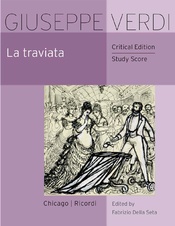
茶花女 2019年英国皇家歌剧团版 [演出] 豆瓣
所属 演出: 茶花女
语言: italian 意大利语 剧团: Orchestra of the Royal Opera House 英国皇家歌剧院管弦乐团 ; Royal Opera Chorus 英国皇家歌剧团合唱团 剧院: Royal Opera House, Covent Garden 考文特花园皇家歌剧院 导演: Richard Eyre / Andrew Sinclair
其它标题: 2019年英国皇家歌剧团版 编剧: Francesco Maria Piave 作曲: Giuseppe Verdi 演员: Ermonela Jaho / Charles Castronovo
Place: Paris and its vicinity
Time: Beginning of the 19th century
Act 1
The salon in Violetta's house
Violetta Valéry, a famed courtesan, throws a lavish party at her Paris salon to celebrate her recovery from an illness. Gastone, a viscount, has brought with him a friend, Alfredo Germont, a young bourgeois from a provincial family who has long adored Violetta from afar. While walking to the salon, Gastone tells Violetta that Alfredo loves her, and that while she was ill, he came to her house every day. Alfredo joins them, admitting the truth of Gastone's remarks.
Baron Douphol, Violetta's current lover, waits nearby to escort her to the salon; once there, the Baron is asked to give a toast, but refuses, and the crowd turns to Alfredo, who agrees to sing a brindisi – a drinking song (Alfredo, Violetta, chorus: Libiamo ne' lieti calici – "Let's drink from the joyful cups").
From the next room, the sound of the orchestra is heard and the guests move there to dance. After a series of severe coughs and almost fainting, Violetta begins to feel dizzy and asks her guests to go ahead and to leave her to rest until she recovers. While the guests dance in the next room, Violetta looks at her pale face in her mirror. Alfredo enters and expresses his concern for her fragile health, later declaring his love for her (Alfredo, Violetta: Un dì, felice, eterea – "One day, happy and ethereal"). At first, she rejects him because his love means nothing to her, but there is something about Alfredo that touches her heart. He is about to leave when she gives him a flower, telling him to return it when it has wilted, which will be the very next day.
After the guests leave, Violetta wonders if Alfredo could actually be the one in her life (Violetta: È strano! ... Ah, fors' è lui – "Ah, perhaps he is the one"). But she concludes that she needs freedom to live her life (Violetta, Alfredo: Sempre libera – "Always free"). From off stage, Alfredo's voice is heard singing about love as he walks down the street.
Act 2
Scene 1: Violetta's country house outside Paris
Three months later, Alfredo and Violetta are living together in a peaceful country house outside Paris. Violetta has fallen in love with Alfredo and she has completely abandoned her former life. Alfredo sings of their happy life together (Alfredo: De' miei bollenti spiriti / Il giovanile ardore – "The youthful ardor of my ebullient spirits"). Annina, the maid, arrives from Paris, and, when questioned by Alfredo, tells him that she went there to sell the horses, carriages and everything owned by Violetta to support their country lifestyle.
Alfredo is shocked to learn this and leaves for Paris immediately to settle matters himself. Violetta returns home and receives an invitation from her friend, Flora, to a party in Paris that evening. Alfredo's father, Giorgio Germont, is announced and demands that she break off her relationship with his son for the sake of his family, since he reveals that Violetta's relationship with Alfredo has threatened his daughter's engagement (Giorgio: Pura siccome un angelo, Iddio mi diè una figlia – "Pure as an angel, God gave me a daughter") because of Violetta's reputation. Meanwhile, he reluctantly becomes impressed by Violetta's nobility, something which he did not expect from a courtesan. She responds that she cannot end the relationship because she loves him so much, but Giorgio pleads with her for the sake of his family. With growing remorse, she finally agrees (Violetta, Giorgio: Dite alla giovine, sì bella e pura, – "Tell the young girl, so beautiful and pure,") and says goodbye to Giorgio. In a gesture of gratitude for her kindness and sacrifice, Giorgio kisses her forehead before leaving her weeping alone.
Violetta gives a note to Annina to send to Flora accepting the party invitation and, as she is writing a farewell letter to Alfredo, he enters. She can barely control her sadness and tears; she tells him repeatedly of her unconditional love (Violetta: Amami, Alfredo, amami quant'io t'amo – "Love me, Alfredo, love me as I love you"). Before rushing out and setting off for Paris, she hands the farewell letter to her servant to give to Alfredo.
Soon, the servant brings the letter to Alfredo and, as soon as he has read it, Giorgio returns and attempts to comfort his son, reminding him of his family in Provence (Giorgio: Di Provenza il mar, il suol chi dal cor ti cancellò? – "Who erased the sea, the land of Provence from your heart?"). Alfredo suspects that the Baron is behind his separation with Violetta, and the party invitation, which he finds on the desk, strengthens his suspicions. He decides to confront Violetta at the party. Giorgio tries to stop Alfredo, but he rushes out.
Scene 2: Party at Flora's house
At the party, the Marquis tells Flora that Violetta and Alfredo have separated, much to the amazement of everyone who had previously seen the happy couple. She calls for the entertainers to perform for the guests (Chorus: Noi siamo zingarelle venute da lontano – "We are gypsy girls who have come from afar"; Di Madride noi siam mattadori – "We are matadors from Madrid"). Gastone and his friends join the matadors and sing (Gastone, chorus, dancers: È Piquillo un bel gagliardo Biscaglino mattador – "Piquillo is a bold and handsome matador from Biscay").
Violetta arrives with Baron Douphol. They see Alfredo at the gambling table. When he sees them, Alfredo loudly proclaims that he will take Violetta home with him. Feeling annoyed, the Baron goes to the gambling table and joins him in a game. As they bet, Alfredo wins some large sums until Flora announces that supper is ready. Alfredo leaves with handfuls of money.
As everyone is leaving the room, Violetta has asked Alfredo to see her. Fearing that the Baron's anger will lead him to challenge Alfredo to a duel, she gently asks Alfredo to leave. Alfredo misunderstands her apprehension and demands that she admit that she loves the Baron. In grief, she makes that admission and, furiously, Alfredo calls the guests to witness what he has to say (Questa donna conoscete? – "You know this woman?"). He humiliates and denounces Violetta in front of the guests and then throws his winnings at her feet in payment for her services. She faints onto the floor. The guests reprimand Alfredo: Di donne ignobile insultatore, di qua allontanati, ne desti orror! ("Ignoble insulter of women, go away from here, you fill us with horror!").
In search of his son, Giorgio enters the hall and, knowing the real significance of the scene, denounces his son's behavior (Giorgio, Alfredo, Violetta, chorus: Di sprezzo degno sè stesso rende chi pur nell'ira la donna offende. – "A man, who even in anger, offends a woman renders himself deserving of contempt.").
Flora and the ladies attempt to persuade Violetta to leave the dining room, but Violetta turns to Alfredo: Alfredo, Alfredo, di questo core non puoi comprendere tutto l'amore... – "Alfredo, Alfredo, you can't understand all the love in this heart...".
Act 3
Violetta's bedroom
Dr. Grenvil tells Annina that Violetta will not live long since her tuberculosis has worsened. Alone in her room, Violetta reads a letter from Alfredo's father telling her that the Baron was only wounded in his duel with Alfredo. He has informed Alfredo of the sacrifice she has made for him and his sister; and that he is sending his son to see her as quickly as possible to ask for her forgiveness. But Violetta senses it is too late (Violetta: Addio, del passato bei sogni ridenti – "Farewell, lovely, happy dreams of the past").
Annina rushes in the room to tell Violetta of Alfredo's arrival. The lovers are reunited and Alfredo suggests that they leave Paris (Alfredo, Violetta: Parigi, o cara, noi lasceremo – "We will leave Paris, O beloved").
But it is too late: she knows her time is up (Alfredo, Violetta: Gran Dio!...morir sì giovane – "Great God!...to die so young"). Alfredo's father enters with the doctor, regretting what he has done. After singing a duet with Alfredo, Violetta suddenly revives, exclaiming that the pain and discomfort have left her. A moment later, she dies in Alfredo's arms.
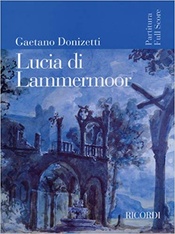
拉美莫尔的露琪亚 2016年英国皇家歌剧团版 [演出] 豆瓣
所属 演出: 拉美莫尔的露琪亚
语言: 意大利语 剧团: Orchestra of the Royal Opera House 英国皇家歌剧院管弦乐团 ; Royal Opera Chorus 英国皇家歌剧团合唱团 剧院: Royal Opera House, Covent Garden 考文特花园皇家歌剧院 导演: Katie Mitchell
其它标题: 2016年英国皇家歌剧团版 编剧: Salvatore Cammarano 作曲: Gaetano Donizetti 演员: Diana Damrau / Charles Castronovo
Time: Early 18th century
Place: Scotland
Act 1
Scene 1: The gardens of Ravenswood Castle
Normanno, captain of the castle guard, and other retainers are searching for an intruder. He tells Enrico that he believes that the man is Edgardo of Ravenswood, and that he comes to the castle to meet Enrico's sister, Lucia. It is confirmed that Edgardo is indeed the intruder. Enrico reaffirms his hatred for the Ravenswood family and his determination to end the relationship.
Scene 2: By a fountain at the entrance to the park, beside the castle
Lucia waits for Edgardo. In her famous aria "Regnava nel silenzio", Lucia tells her maid Alisa that she has seen the ghost of a girl killed on the very same spot by a jealous Ravenswood ancestor. Alisa tells Lucia that the apparition is a warning and that she must give up her love for Edgardo. Edgardo enters; for political reasons, he must leave immediately for France. He hopes to make his peace with Enrico and marry Lucia. Lucia tells him this is impossible, and instead they take a sworn vow of marriage and exchange rings. Edgardo leaves.
Act 2
Scene 1: Lord Ashton's apartments
Preparations have been made for the imminent wedding of Lucia to Arturo. Enrico worries about whether Lucia will really submit to the wedding. He shows his sister a forged letter seemingly proving that Edgardo has forgotten her and taken a new lover. Enrico leaves Lucia to further persuasion, this time by Raimondo, Lucia's chaplain and tutor, that she should renounce her vow to Edgardo, for the good of the family, and marry Arturo.
Scene 2: A hall in the castle
Arturo arrives for the marriage. Lucia acts strangely, but Enrico explains that this is due to the death of her mother. Arturo signs the marriage contract, followed reluctantly by Lucia. At that point Edgardo suddenly appears in the hall. Raimondo prevents a fight, but he shows Edgardo Lucia's signature on the marriage contract. Edgardo curses her, demanding that they return their rings to each other. He tramples his ring on the ground, before being forced out of the castle.
Act 3
Scene 1: Wolfcrag
Enrico visits Edgardo to challenge him to a duel. He tells him that Lucia is already enjoying her bridal bed. Edgardo agrees to fight him. They will meet later by the graveyard of the Ravenswoods, near the Wolf's Crag.
Scene 2: A Hall
Raimondo interrupts the marriage celebrations to tell the guests that Lucia has gone mad and killed her bridegroom Arturo. Lucia enters. In the aria "Il dolce suono" she imagines being with Edgardo, soon to be happily married. Enrico enters and at first threatens Lucia but later softens when he realizes her condition. Lucia collapses. Raimondo blames Normanno for precipitating the whole tragedy.
Scene 3: The graveyard of the Ravenswood family
Edgardo is resolved to kill himself on Enrico's sword. He learns that Lucia is dying and then Raimondo comes to tell him that she has already died. Edgardo stabs himself with a dagger, hoping to be reunited with Lucia in heaven.