日本

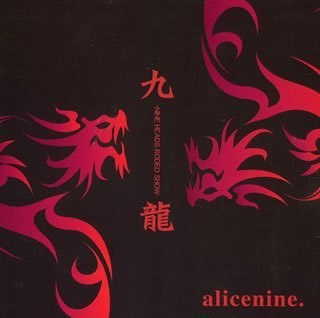
九龍-NINE HEADS RODEO SHOW- 豆瓣
Alice Nine
发布日期 2006年1月31日
Limited edition Japanese pressing comes in an A Type sleeve and includes a bonus DVD (NTSC/Region 2). King. 2006.
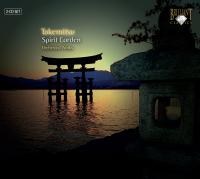
灵园 / 武满彻乐队作品集 豆瓣
Tokyo Metropolitan Symphony Orchestra
/
Hiroshi Wakasugi
…
出版发行:
Brilliant Classics
• This poetic music is a real blend of Eastern and Western ingredients, both musically and otherwise. For instance, quite a number of pieces by Takemitsu are based on Japanese historical gardens. As such he has truly succeeded in creating something new. This is also the case because even when using Western instruments this composer may position them in unusual ways and come up with unexpected combinations. Thus creating an entirely new perspective.
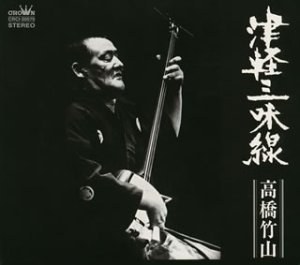
津軽三味線 超高音質リマスターアルバム 豆瓣
高橋竹山
/
須藤雲栄
…
发布日期 2003年8月21日
出版发行:
日本クラウン
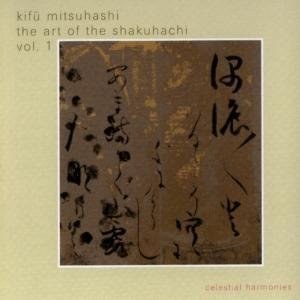
日本尺八的艺术 卷一 / 传统曲目 三桥贵风演奏 豆瓣
三桥贵风 Kifu Mitsuhashi
发布日期 2002年5月14日
出版发行:
Celestial Harmonies
This recording is the first in a series documenting the art of the shakuhachi, performed by one of Japan's foremost performers, Kifu Mitsuhashi. The shakuhachi is a bamboo end-blown flute with four finger holes in the front and one in the back. Although it is a very unpretentious instrument, a skilled player can produce an astounding number of pitches and a nearly infinite variety of timbres and shadings.
The sounds heard in the most traditional shakuhachi music (honkyoku, literally `basic' or `original') are usually not so much melodies in the Western sense of the word as they are a carefully composed series of short motives, phrases, and pitch cells played in a highly flexible rhythm and sometimes separated by long rests. Many varieties of grace notes, portamenti, pitch blending, explosive bursts of air, flutter tonguing, finger tremolos, vibrato and much else charge each pitch or phrase with great intensity and musical meaning. Although the pieces recorded on this CD are all of solo shakuhachi music, the instrument is also frequently featured in ensembles.
The oldest known ancestor of the shakuhachi is the gagaku (court music) shakuhachi imported to Japan from China or Korea. These somewhat slender instruments, made either from bamboo or from jade, stone, or ivory, are in three sections. They have six finger holes and we apparently used in court ensemble music. The exact nature of the music played on these instruments remains unclear; after the 10th century the shakuhachi was rarely used in the gagaku ensemble.
Early types of shakuhachi-like flutes had commonly been played by mendicant priests and monks. Somewhat later, the shakuhachi also became a favorite instrument of the beggar-monks known as komuso. They thought of themselves not as mere musicians or entertainers; instead they regarded their activity as a form of the Zen practice, suizen (`blowing meditation'). The pieces that they played, the honkyoku, were designed to allow them to achieve Buddhist enlightenment.
Among the most important komuso musicians was Kinko Kurosawa (1710-1771). Born into a Kyushu samurai family, he joined the Fuke sect, and in Edo, taught shakuhachi and collected, edited, and notated some thirty Fuke pieces. In addition, he or his son added the important `three traditional pieces' that even today form the core of the standard Fuke shakuhachi repertory. He also continued to make improvements to the instrument turning it into the modern shakuhachi. His school or style of shakuhachi (the `Kinko School') eventually became one of the two major schools of shakuhachi playing in Japan today (the other is the later Tozan school, founded by Tozan Nakao, 1876-1956).
Booklet annotation is provided by Associate Professor Gerald Groemer of Yamanashi University, Kofu, Japan.
The sounds heard in the most traditional shakuhachi music (honkyoku, literally `basic' or `original') are usually not so much melodies in the Western sense of the word as they are a carefully composed series of short motives, phrases, and pitch cells played in a highly flexible rhythm and sometimes separated by long rests. Many varieties of grace notes, portamenti, pitch blending, explosive bursts of air, flutter tonguing, finger tremolos, vibrato and much else charge each pitch or phrase with great intensity and musical meaning. Although the pieces recorded on this CD are all of solo shakuhachi music, the instrument is also frequently featured in ensembles.
The oldest known ancestor of the shakuhachi is the gagaku (court music) shakuhachi imported to Japan from China or Korea. These somewhat slender instruments, made either from bamboo or from jade, stone, or ivory, are in three sections. They have six finger holes and we apparently used in court ensemble music. The exact nature of the music played on these instruments remains unclear; after the 10th century the shakuhachi was rarely used in the gagaku ensemble.
Early types of shakuhachi-like flutes had commonly been played by mendicant priests and monks. Somewhat later, the shakuhachi also became a favorite instrument of the beggar-monks known as komuso. They thought of themselves not as mere musicians or entertainers; instead they regarded their activity as a form of the Zen practice, suizen (`blowing meditation'). The pieces that they played, the honkyoku, were designed to allow them to achieve Buddhist enlightenment.
Among the most important komuso musicians was Kinko Kurosawa (1710-1771). Born into a Kyushu samurai family, he joined the Fuke sect, and in Edo, taught shakuhachi and collected, edited, and notated some thirty Fuke pieces. In addition, he or his son added the important `three traditional pieces' that even today form the core of the standard Fuke shakuhachi repertory. He also continued to make improvements to the instrument turning it into the modern shakuhachi. His school or style of shakuhachi (the `Kinko School') eventually became one of the two major schools of shakuhachi playing in Japan today (the other is the later Tozan school, founded by Tozan Nakao, 1876-1956).
Booklet annotation is provided by Associate Professor Gerald Groemer of Yamanashi University, Kofu, Japan.
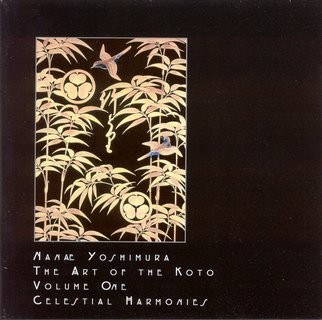
日本筝的艺术 卷一 / 八桥检校 吉沢检校 作品 豆瓣
9.1 (15 个评分)
Nanae Yoshimura
类型:
古典
发布日期 2000年1月1日
出版发行:
Celestial Harmonies
八橋検校 KENGYO YATSUHASHI (1614-1685)
01. Rokudan 06:10 このトラック
吉村七重 (琴)
02. Midare 07:53 このトラックの
吉村七重 (琴)
吉沢検校
03. Zangetsu 17:44 このトラックの
深见石原 (三味線)
吉村七重(琴)
八橋検校 KENGYO YATSUHASHI (1614-1685)
04. Godan-ginuta 10:53 このトラックの
深见石原 (琴)
吉村七重 (琴)
吉沢検校(二世) KENGYO YOSHIZAWA II (1808-1872)
05. Chidori 11:23 このトラックの
吉村七重 (琴)
01. Rokudan 06:10 このトラック
吉村七重 (琴)
02. Midare 07:53 このトラックの
吉村七重 (琴)
吉沢検校
03. Zangetsu 17:44 このトラックの
深见石原 (三味線)
吉村七重(琴)
八橋検校 KENGYO YATSUHASHI (1614-1685)
04. Godan-ginuta 10:53 このトラックの
深见石原 (琴)
吉村七重 (琴)
吉沢検校(二世) KENGYO YOSHIZAWA II (1808-1872)
05. Chidori 11:23 このトラックの
吉村七重 (琴)
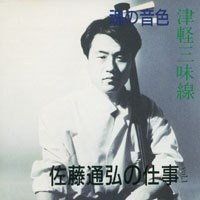
魂の音色・津軽三味線 佐藤通弘の仕事 豆瓣
佐藤通弘
发布日期 1993年1月1日
出版发行:
P.S.F. Records/ PSFD-0028
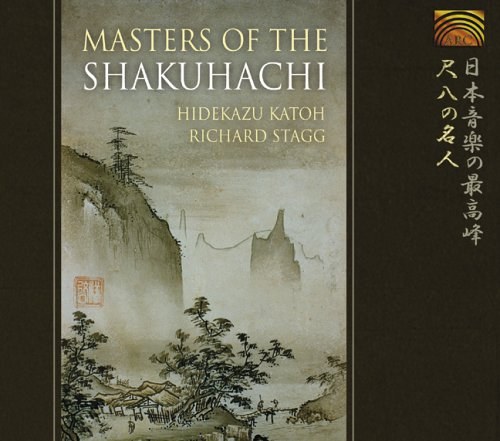
Masters of the Shakuhachi 豆瓣
加藤秀和 Hidekazu Katoh
/
Richard Stagg
发布日期 2004年6月22日
出版发行:
Arc Music
This album pairs a Japanese master of the shakuhachi (Katoh Hidekazu) with a largely self-taught Western flute player who has taken to the instrument in past decades (Richard Stagg). The duo plow through a total of five pieces of program music for shakuhachis, occasionally adding in work on the nishaku-issun or yonsun. With the exception of the classic Shika No Tone, which is performed exquisitely by the pair, the album is loaded with compositions from the 1970s. The compositions are interesting looks at what the timeless instrument can do with more modern musical ideas and mixes of Western musical aspects. That said, the newer music rarely has the same beauty to it that the traditional works generally do. Jazz exploration and Western classical motifs make for new directions, but seem somewhat inappropriate for the shakuhachi at times. Similar to the composition choice, technique choices are also somewhat hit and miss. The use of two shakuhachis in tandem leads to work with parallel lines and counterpoint, which is always performed well, but sometimes comes off vaguely in the realm of an Eric Dolphy piece, sometimes in a traditional Japanese style, and sometimes somewhere in between. The outcome of the album on the whole follows from these tendencies -- sometimes it's wonderful and sometimes it's off a bit. To each his own on this one. ~ Adam Greenberg
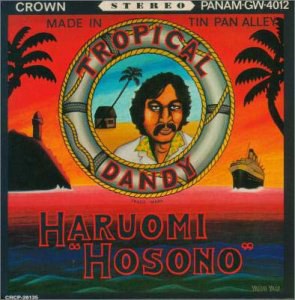
Tropical Dandy 豆瓣 Discogs
9.7 (24 个评分)
細野晴臣 Haruomi Hosono
类型:
流行
发布日期 1975年1月1日
出版发行:
Crown
Haruomi Hosono, sometimes credited as Harry Hosono, is a Japanese musician, singer, songwriter and record producer. He is considered to be one of the most influential musicians in Japanese pop music history, credited with shaping the sound of Japanese pop for decades as well as pop music outside of Japan.
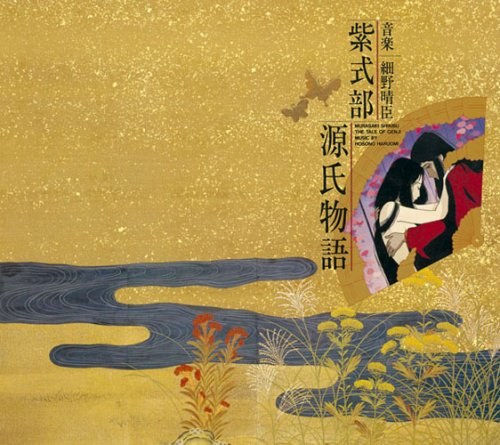
紫式部 源氏物語 豆瓣
8.3 (12 个评分)
細野晴臣
类型:
原声
发布日期 1987年11月21日
出版发行:
テイチク/ノン・スタンダード
細野晴臣のエピック在籍時の作品の再発。『紫式部 源氏物語』(87年)は同名アニメ映画のサントラ。シンセサイザーと箏による荘厳な響きが印象的。全体の音響空間は今聴いても十分新鮮だ。『omni Sight Seeing』(88年)はワールド・ミュージック最盛期に制作されたアルバム。「全方位観光」のタイトルが示すようにさまざまな音楽的要素が時空を超えてポップに混ざり合う。『MEDICINE COMPILATION』(93年)はアンビエント色の濃い作品集。静寂の中に緊張感漂うインスト・トラックの間に挟み込まれるヴォーカル曲「ハニー・ムーン」「アイウォイワイアオウ」が味わい深い。『LOVE, PEACE&TRANCE』(95年)は遊佐未森、甲田益也子、小川美潮という個性的な歌姫をフィーチャーしたアルバム。三人のヴォーカルが心地よく絡み合いスピリチュアルな世界を展開している。各作品、本人監修によるリマスタリングに加えてインタビューをもとに構成されたライナーノーツが付く。
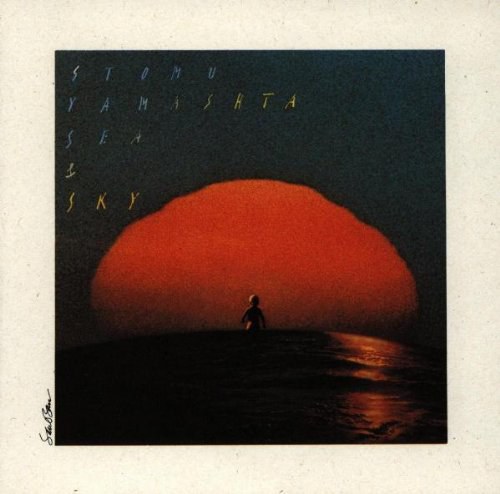
山下勉《海天》 豆瓣
Stomu Yamashta
发布日期 1992年1月23日
出版发行:
Kuckuck Records
Stomu Yamashta's music is a skillful integration of environmental sound effects such as cosmic wind, water drops, and bird chirps with a variety of instrumental tones. On Sea & Sky, his talents are showcased at their best. Composed entirely by Yamashta, Sea & Sky is performed primarily on synthesizers and percussion, creating a dramatic recording that makes one think of an expansive, beautiful world that is there to be discovered in all its exciting glory. On Sea & Sky, "electronic and real orchestra fade in and out, blur into one, separate, and work together to create an aural allegory about the birth of life and the growth of knowledge" - Keyboard magazine. Yamashta's performance, along with those of Takashi Kokubo and Sen Izumi, is delightfully breathtaking.
日本人的遥远旅途 / Long Journey To Japan / Nihonjin Harukanatabi 豆瓣
9.6 (57 个评分)
吉田洁
类型:
原声
发布日期 2001年9月21日
出版发行:
Columbia Japan
专辑介绍:
和平之月,一个专门制作New Age和World Music的亚洲著名音乐公司,旗下精英荟萃,融合民族和世界、东方乐器和西方配乐的典型效果创造属于Pacific Moon风格的作品,公司99%以上的专辑都用一个汉字来作为专辑的名称,显示了专辑本身的特点和音乐人的风格。
这是NHK综合放送的一部关于日本人起源的记碌片BGM的OST,空灵缥缈是这张专辑的主旋律,其中也不乏具有现代感的节奏和民族化的韵律,总之是一张可听性极高的专辑
由于众多名家和合力出演,让本专辑的层次达到一个无与伦比的境界(个人认为),想比其他的Pacific Moon音乐来说,本专辑有着更独特,更浓郁的风味,每一首好像都有自己的故事,向人们诉说着日本人旅途中的艰辛、快乐、和发生的故事。配乐方面运用了二胡、三味线、箏、篠笛等东方独有的乐器。
专辑曲目:
01、遥远的旅途(はるかな旅)(TV Opening)
02、启程(旅立ち)
03、大地求索(大地を求めて)
04、洗礼
05、地平线(地平の果てに)
06、风吹砂(风にふかれて)
07、诞生时分(几つもの诞生)
08、基因 D.N.A.
09、阳光灿烂的地方(阳だまり)
10、望郷 (Main Theme Erhu Version)
11、怀念的人们(懐かしい人々)
12、梦醒了(梦醒めて) (Main Theme Piano Version)
13、旅程的终结 TV Ending Theme
作者介绍:
吉田洁出生于1964年,在他少年时期主要的爱好就是艺术,在他十多岁时开始接触钢琴,直到后来在朋友的邀请下组成了一个乐队,开始了音乐家的生涯。1985年,为了全身心的投入到音乐世界中去,他留学美国,进入了伯克利音乐学院,主修现在音乐编排和电影配乐。1987年他回到日本,成为一名电子合成器演奏者。他的音乐作品涉及了多种音乐门类,包括流行音乐、商业音乐、电视剧配乐、电脑游戏配乐等,此外,他还为多位艺术家创作演奏曲目并为其编排。由吉田洁创作的专辑主要有《旅》、《打》、《打II》等。
和平之月,一个专门制作New Age和World Music的亚洲著名音乐公司,旗下精英荟萃,融合民族和世界、东方乐器和西方配乐的典型效果创造属于Pacific Moon风格的作品,公司99%以上的专辑都用一个汉字来作为专辑的名称,显示了专辑本身的特点和音乐人的风格。
这是NHK综合放送的一部关于日本人起源的记碌片BGM的OST,空灵缥缈是这张专辑的主旋律,其中也不乏具有现代感的节奏和民族化的韵律,总之是一张可听性极高的专辑
由于众多名家和合力出演,让本专辑的层次达到一个无与伦比的境界(个人认为),想比其他的Pacific Moon音乐来说,本专辑有着更独特,更浓郁的风味,每一首好像都有自己的故事,向人们诉说着日本人旅途中的艰辛、快乐、和发生的故事。配乐方面运用了二胡、三味线、箏、篠笛等东方独有的乐器。
专辑曲目:
01、遥远的旅途(はるかな旅)(TV Opening)
02、启程(旅立ち)
03、大地求索(大地を求めて)
04、洗礼
05、地平线(地平の果てに)
06、风吹砂(风にふかれて)
07、诞生时分(几つもの诞生)
08、基因 D.N.A.
09、阳光灿烂的地方(阳だまり)
10、望郷 (Main Theme Erhu Version)
11、怀念的人们(懐かしい人々)
12、梦醒了(梦醒めて) (Main Theme Piano Version)
13、旅程的终结 TV Ending Theme
作者介绍:
吉田洁出生于1964年,在他少年时期主要的爱好就是艺术,在他十多岁时开始接触钢琴,直到后来在朋友的邀请下组成了一个乐队,开始了音乐家的生涯。1985年,为了全身心的投入到音乐世界中去,他留学美国,进入了伯克利音乐学院,主修现在音乐编排和电影配乐。1987年他回到日本,成为一名电子合成器演奏者。他的音乐作品涉及了多种音乐门类,包括流行音乐、商业音乐、电视剧配乐、电脑游戏配乐等,此外,他还为多位艺术家创作演奏曲目并为其编排。由吉田洁创作的专辑主要有《旅》、《打》、《打II》等。
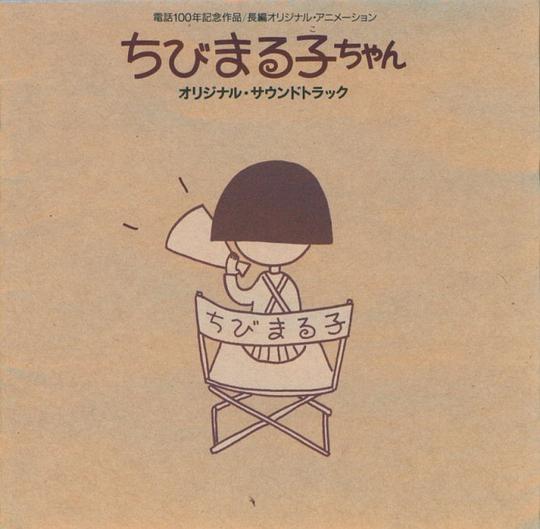
樱桃小丸子剧场版友情岁月OST 豆瓣
Original Soundtrack
发布日期 1991年3月6日
出版发行:
BMG
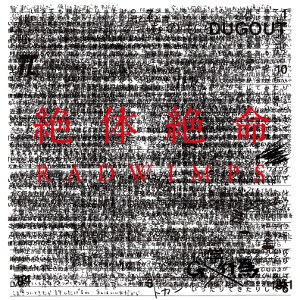
絶体絶命(初回生産限定仕様) 豆瓣
9.6 (10 个评分)
RADWIMPS
类型:
摇滚
发布日期 2011年3月9日
出版发行:
EMIミュージックジャパン
初回盤は、14枚の透明シートに歌詞がそれぞれ印刷されています。それにタイトルとバンド名、クレジットの2枚が加わり、全16枚のシートが重なったものになっています。