东亚史

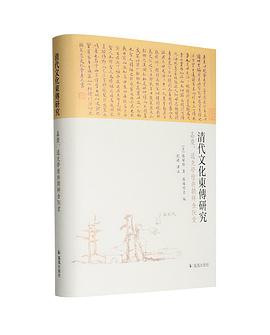
清代文化东传研究 Douban
author:
[日] 藤塚鄰
/
[日] 藤塚明直 编
translator:
刘婧
publishing house:
江苏凤凰出版社
2020
《清代文化东传的研究》是日本学者藤塚邻关于清代文化东传朝鲜和日本的研究著作。此著作是藤塚邻在1936年提交的东京帝国大学的博士论文,曾于日本昭和二十年 (1975)在国书刊行会出版。著者藤塚邻在对清代文化东传朝鲜和日本的整体分析和阐释方面具有开阔深入的研究视角,作为一位文献收藏和鉴赏家,他在当时也收集了大量的清代和朝鲜学者的第一手宝贵文献资料,从而系统地论述了清代文化、学术、文学传入朝鲜和日本的清晰脉络。著作中也通过清代学人和朝鲜、日本学者的直接交流为个案,生动地描述了朝鲜和日本学者在接受清代文化和学术过程中的心理历程。著作文献资料丰富详实,论述和评价精湛准确,是研究近代东亚中、韩、日三国文化、学术、文学演进与交流方面的重要研究成果。
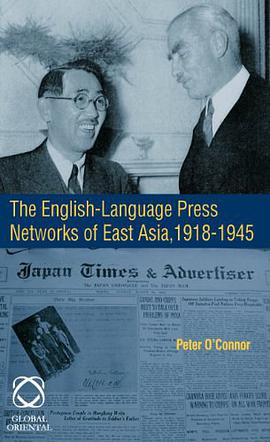
The English-language Press Networks of East Asia, 1918-1945 Douban
author:
Peter O'Connor
publishing house:
BRILL/Global Oriental
2010
- 1
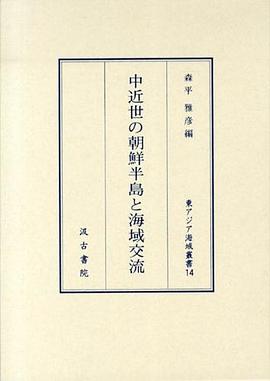
中近世の朝鮮半島と海域交流 Douban
author:
森平雅彦編
publishing house:
汲古書院
2013
- 5
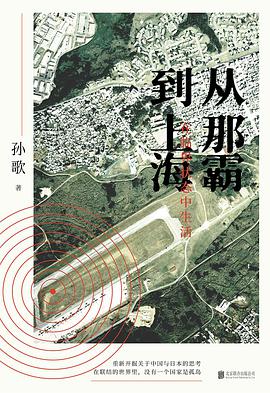
从那霸到上海 Douban
8.4 (14 ratings)
author:
孙歌
publishing house:
北京联合出版公司
2020
- 5
灾难,是人类社会省察自身的残酷机会
在联结的世界里,没有一个国家是座孤岛
观察灾难中日本的临界状态 ;从冲绳出发,透视东亚
——————
【编辑推荐】
★ 享誉东亚的“坡州奖”得主孙歌教授长期关注中日问题,本书是她对冲绳的多年思考笔记,首次结集成书。
★记录福岛核泄漏事故后日本社会 的心 理样貌。从政府的试图建立新秩序,民众为了回归常态生活的自我麻痹,到日本知识人的短暂“失语”,作者抓住危机的瞬间,观察和思考“正常社会”在不得已撕去外包装时的真实运作机制。
★近距离观察冲绳民众的日常与思想生活,解读冲绳的个性:小小的冲绳何以产生超越国家和主权意识的另类视角。
★冲绳是东北亚国际政治的结节点,以冲绳为引,重新开掘中日关系、东北亚政治秩序乃至世界文明格局的思考。
——————
【内容介绍】
本书以2011年日本核泄漏作为引子,观察和分析了日本社会在突然降临的灾难中呈现的种种真实机制,并提出在充满危机的现代社会,保持临界状态思考的意义。而与美军基地共生的冲绳,则长期生活在临界状态中,正因如此,小小的冲绳在不自由的历史处境里,冲破国家和主权的逻辑,迸发出自由的政治想象力。孙歌教授关注冲绳的思想力量,以此出发,进而重新开掘中日关系、东亚政治秩序乃至世界文明格局的思考。
——————
【精彩书摘】
★灾难是人类唯恐避之不及的可怕事件。但是,在灾难中付出昂贵代价的人类,同时也获得了一个残酷的机会,得以省查自己所生存的环境。那些平时被有意或者无意地遮蔽起来的真实状况,只有在灾难突然降临时,才会突然展示它的样态。
★人们多么渴望回归正常的生活,哪怕是避重就轻,甚至是自我欺骗,也是支撑人们活下去的动力。我和日本人一样,在网上查阅农林水产省每天发布的污染信息,购买看上去安全些的食品。在那段日子里,我真实地体会到了鲁迅在《我要骗人》里描绘的那种沉重的无奈——除了这样做,还有其他的选择吗?
在联结的世界里,没有一个国家是座孤岛
观察灾难中日本的临界状态 ;从冲绳出发,透视东亚
——————
【编辑推荐】
★ 享誉东亚的“坡州奖”得主孙歌教授长期关注中日问题,本书是她对冲绳的多年思考笔记,首次结集成书。
★记录福岛核泄漏事故后日本社会 的心 理样貌。从政府的试图建立新秩序,民众为了回归常态生活的自我麻痹,到日本知识人的短暂“失语”,作者抓住危机的瞬间,观察和思考“正常社会”在不得已撕去外包装时的真实运作机制。
★近距离观察冲绳民众的日常与思想生活,解读冲绳的个性:小小的冲绳何以产生超越国家和主权意识的另类视角。
★冲绳是东北亚国际政治的结节点,以冲绳为引,重新开掘中日关系、东北亚政治秩序乃至世界文明格局的思考。
——————
【内容介绍】
本书以2011年日本核泄漏作为引子,观察和分析了日本社会在突然降临的灾难中呈现的种种真实机制,并提出在充满危机的现代社会,保持临界状态思考的意义。而与美军基地共生的冲绳,则长期生活在临界状态中,正因如此,小小的冲绳在不自由的历史处境里,冲破国家和主权的逻辑,迸发出自由的政治想象力。孙歌教授关注冲绳的思想力量,以此出发,进而重新开掘中日关系、东亚政治秩序乃至世界文明格局的思考。
——————
【精彩书摘】
★灾难是人类唯恐避之不及的可怕事件。但是,在灾难中付出昂贵代价的人类,同时也获得了一个残酷的机会,得以省查自己所生存的环境。那些平时被有意或者无意地遮蔽起来的真实状况,只有在灾难突然降临时,才会突然展示它的样态。
★人们多么渴望回归正常的生活,哪怕是避重就轻,甚至是自我欺骗,也是支撑人们活下去的动力。我和日本人一样,在网上查阅农林水产省每天发布的污染信息,购买看上去安全些的食品。在那段日子里,我真实地体会到了鲁迅在《我要骗人》里描绘的那种沉重的无奈——除了这样做,还有其他的选择吗?
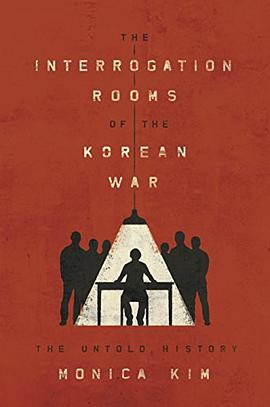
The Interrogation Rooms of the Korean War Douban
author:
Monica Kim
publishing house:
Princeton University Press
2019
- 2
A groundbreaking look at how the interrogation rooms of the Korean War set the stage for a new kind of battle—not over land but over human subjects
Traditional histories of the Korean War have long focused on violations of the thirty-eighth parallel, the line drawn by American and Soviet officials in 1945 dividing the Korean peninsula. But The Interrogation Rooms of the Korean War presents an entirely new narrative, shifting the perspective from the boundaries of the battlefield to inside the interrogation room. Upending conventional notions of what we think of as geographies of military conflict, Monica Kim demonstrates how the Korean War evolved from a fight over territory to one over human interiority and the individual human subject, forging the template for the US wars of intervention that would predominate during the latter half of the twentieth century and beyond.
Kim looks at how, during the armistice negotiations, the United States and their allies proposed a new kind of interrogation room: one in which POWs could exercise their “free will” and choose which country they would go to after the ceasefire. The global controversy that erupted exposed how interrogation rooms had become a flashpoint for the struggles between the ambitions of empire and the demands for decolonization, as the aim of interrogation was to produce subjects who attested to a nation’s right to govern. The complex web of interrogators and prisoners—Japanese-American interrogators, Indian military personnel, Korean POWs and interrogators, and American POWs—that Kim uncovers contradicts the simple story in US popular memory of “brainwashing” during the Korean War.
Bringing together a vast range of sources that track two generations of people moving between three continents, The Interrogation Rooms of the Korean War delves into an essential yet overlooked aspect of modern warfare in the twentieth century.
Traditional histories of the Korean War have long focused on violations of the thirty-eighth parallel, the line drawn by American and Soviet officials in 1945 dividing the Korean peninsula. But The Interrogation Rooms of the Korean War presents an entirely new narrative, shifting the perspective from the boundaries of the battlefield to inside the interrogation room. Upending conventional notions of what we think of as geographies of military conflict, Monica Kim demonstrates how the Korean War evolved from a fight over territory to one over human interiority and the individual human subject, forging the template for the US wars of intervention that would predominate during the latter half of the twentieth century and beyond.
Kim looks at how, during the armistice negotiations, the United States and their allies proposed a new kind of interrogation room: one in which POWs could exercise their “free will” and choose which country they would go to after the ceasefire. The global controversy that erupted exposed how interrogation rooms had become a flashpoint for the struggles between the ambitions of empire and the demands for decolonization, as the aim of interrogation was to produce subjects who attested to a nation’s right to govern. The complex web of interrogators and prisoners—Japanese-American interrogators, Indian military personnel, Korean POWs and interrogators, and American POWs—that Kim uncovers contradicts the simple story in US popular memory of “brainwashing” during the Korean War.
Bringing together a vast range of sources that track two generations of people moving between three continents, The Interrogation Rooms of the Korean War delves into an essential yet overlooked aspect of modern warfare in the twentieth century.
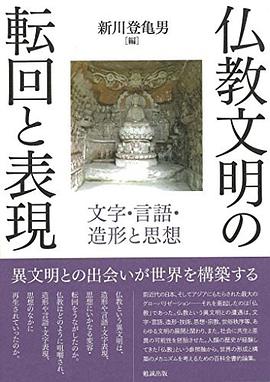
仏教文明の転回と表現 文字・言語・造形と思想 Douban
publishing house:
勉誠出版
2015
- 3
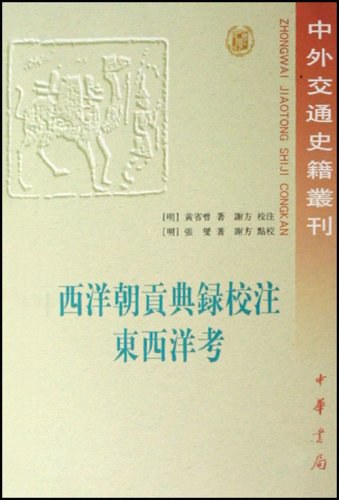
西洋朝贡典录校注 东西洋考 Douban
author:
〔明〕黄省曾
/
(明)张燮
…
publishing house:
中华书局
2000
- 1
《西洋朝贡典录校注东西洋考》记录了明代与我国朝贡贸易关系的海外23个国家的情况,其中有些资料不见于他书,也可以校订《瀛涯》、《星搓》诸书,对研究明代的中外关系和航海史很有用处。样注本用最早的借月山房本校注整理。《东西洋考》记述了明中叶后期福建漳州开放海禁后,闽南地区对外贸易和海外交通迅速发展,反映了与漳州有关的海外23个国家的情况,其中有关西欧国家与中国的接触和东西二洋的针路的记述,都是珍贵资料,书后附有详细的地名索引。
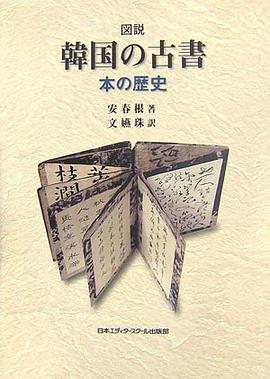
図説 韓国の古書―本の歴史 Douban
author:
安 春根
publishing house:
日本エディタースクール出版部
2006
- 11
霍乱袭击了朝鲜 Douban
호열자 조선을 습격하다 몸과 의학의 한국사
author:
신동원
publishing house:
역사비평사
2004
- 10
우리 역사에서 몸과 병, 의료와 의학을 통해 우리의 삶과 역사를 이해하는 책. 전문적인 내용을 다루면서 누구나 쉽게 읽을 수 있는 이 책은 역병을 통제 할 수 없었던 시대의 괴질 콜레라를 비롯한 다양한 병들을 다루고, 종두법과 제중원의 사례를 통해 개항-개화기 한의학과 서양의학의 관계를 다루고 있다. 15세기 조선의 아들을 딸로 바꾸는 방술, 변강쇠가 온갖 악병에 걸린 까닭, 서양의술을 접한 첫 인상등을 흥미롭게 풀어가며, 제중원과 알렌, 지석영과 우두법이라는 서사에 담긴 신화적 요소를 재검토한다. 또한 우리 의학의 역사에 짙게 드리워진 근대주의와 식민주의를 걷어 내고, 한의학과 서양의학을 한 데 놓고 두 의학의 대립과 반목, 절층의 역사를 짚어가는 책이다.
清代中国琉球貿易史の研究 Douban
author:
松浦 章
publishing house:
榕樹書林
2003
- 11
近年の新発掘史料を駆使し、中国と琉球との間で行われた朝貢関係に依存した貿易がどの様なものであったかを明らかにする。
大航海時代の東アジア Douban
author:
伊川健二
publishing house:
吉川弘文館
2007
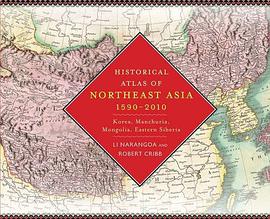
Historical Atlas of Northeast Asia, 1590-2010 Douban
author:
Narangoa Li
/
Robert Cribb
publishing house:
Columbia University Press
2014
- 9
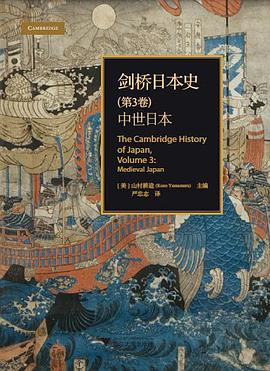
剑桥日本史(第3卷) Douban Goodreads
The Cambridge History of Japan, Vol. 3: Medieval Japan
author:
山村耕造
translator:
严忠志
publishing house:
浙江大学出版社
2020
- 1
《剑桥日本史(第3卷):中世日本》叙述了从12世纪末到16世纪中期、从镰仓幕府的建立到内战激烈爆发后室町幕府最终崩溃的日本历史。书中包括了12位特邀知名学者对这一时期日本政治、经济、社会、文化以及宗教的研究,并着重阐述了这段重要时期对当代日本的影响。
記明季朝鮮之丁卯虜禍與丙子虜禍 Douban
author:
李光濤
publishing house:
中央研究院歷史語言研究所
1972
- 8
本文分前後兩編,前編曰「丁卯虜禍」, 後編曰「丙子虜禍」。此兩次虜禍,前者之丁卯,為天啟七年,後者之丙子,為崇禎九年,而其受禍最烈的,當為後者之崇禎九年。
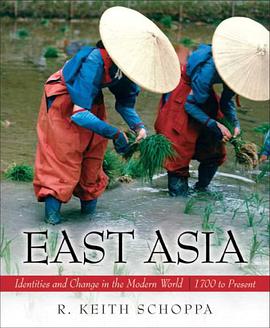
從「尊明」到「奉清」 Douban Goodreads
author:
孫衛國
publishing house:
臺大出版中心
2018
- 9
other title:
從「尊明」到「奉清」:朝鮮王朝對清意識之嬗變,1627-1910
本書是作者十餘年來致力於清代中朝關係史研究的薈萃之作。全書分上、下兩編。上編八章,將政治史、思想史與外交史結合起來,選取關鍵性專題,如「小中華」思想、箕子崇拜、關王廟、「復讎雪恥」理念、丁未漂流人事件等,共時性地揭示了朝鮮對清觀由「尊明貶清」到「尊明奉清」的演變。下編六章,以朝鮮燕行使洪大容、「北學派」人士、洪良浩、李尚迪、朴珪壽、金允植等與清人交往的情況,歷時性地考察朝鮮對清觀的嬗變。在思想觀念上,儘管朝鮮長期堅守「尊明」理念;隨著現實的變化,朝鮮漸漸由「貶清」變成了「奉清」,近代仰仗清朝去對抗西方與日本的侵擾,正是典型的體現。
China and Japan Douban
author:
Ezra F. Vogel
publishing house:
Belknap Press
2019
- 6
One of the world’s most eminent scholars of East Asia reveals the important touchstones in the long history between China and Japan and argues that for the sake of world stability they must forge a new relationship for the twenty-first century.
China and Japan have cultural and political connections that stretch back fifteen hundred years. But today their relationship is strained. China’s military buildup deeply worries Japan, while Japan’s brutal occupation of China in World War II remains an open wound. In recent years less than ten percent of each population had positive feelings toward the other, and both countries insist that the other side must deal openly with its history before relations can improve.
From the sixth century, when the Japanese adopted core elements of Chinese civilization, to the late twentieth century, when China looked to Japan for a path to capitalism, Ezra Vogel’s China and Japan examines key turning points in Sino–Japanese history. Throughout much of their past, the two countries maintained deep cultural ties, but China, with its great civilization and resources, had the upper hand. Japan’s success in modernizing in the nineteenth century and its victory in the 1895 Sino–Japanese War changed the dynamic, putting Japan in the dominant position. The bitter legacy of World War II has made cooperation difficult, despite efforts to promote trade and, more recently, tourism.
Vogel underscores the need for Japan to offer a thorough apology for the war, but he also urges China to recognize Japan as a potential vital partner in the region. He argues that for the sake of a stable world order, these two Asian giants must reset their relationship, starting with their common interests in environmental protection, disaster relief, global economic development, and scientific research.
China and Japan have cultural and political connections that stretch back fifteen hundred years. But today their relationship is strained. China’s military buildup deeply worries Japan, while Japan’s brutal occupation of China in World War II remains an open wound. In recent years less than ten percent of each population had positive feelings toward the other, and both countries insist that the other side must deal openly with its history before relations can improve.
From the sixth century, when the Japanese adopted core elements of Chinese civilization, to the late twentieth century, when China looked to Japan for a path to capitalism, Ezra Vogel’s China and Japan examines key turning points in Sino–Japanese history. Throughout much of their past, the two countries maintained deep cultural ties, but China, with its great civilization and resources, had the upper hand. Japan’s success in modernizing in the nineteenth century and its victory in the 1895 Sino–Japanese War changed the dynamic, putting Japan in the dominant position. The bitter legacy of World War II has made cooperation difficult, despite efforts to promote trade and, more recently, tourism.
Vogel underscores the need for Japan to offer a thorough apology for the war, but he also urges China to recognize Japan as a potential vital partner in the region. He argues that for the sake of a stable world order, these two Asian giants must reset their relationship, starting with their common interests in environmental protection, disaster relief, global economic development, and scientific research.