修行
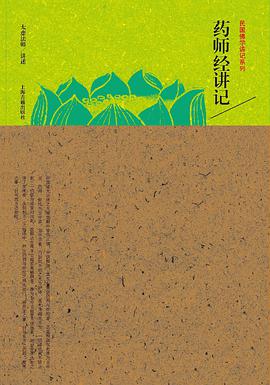
药师经讲记 豆瓣
作者: 太虚法师 讲述 出版社: 上海古籍出版社 2014 - 1
依释迦牟尼佛开示,东方药师佛与西方阿弥陀佛,是他方世界诸佛中与此界众生最为有缘的两尊佛,前者以资生事业建药师法门,后者信愿往生极乐开弥陀法门。在中国佛教史上,药师佛信仰与弥陀佛信仰都十分盛行。唐宋以后,以净土宗之名而行的弥陀法门不断发达,而药师法门则日趋沉寂。民国高僧太虚法师,职志于以佛法理念进行完善社会、增上人生的事业,提倡人间佛教,并以此为核心,契理契机,展开弘法活动。《药师经讲记》,充分体现了太虚法师的这一精神。本讲记重在揭示药师法门的殊胜,即如何以资生事业而趋入佛道。指出,消灾延寿,增福积德,是为摄受众生、利益众生之方便;由方便入究竟,藉世间种种生的问题之解决,始能提挈众生依佛教法,向上精进,以至福慧双臻,功德圆满。
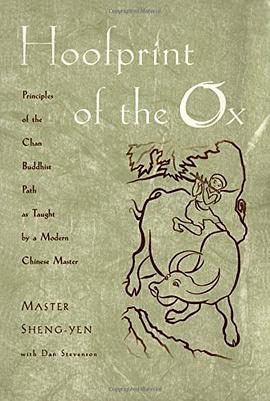
Hoofprint of the Ox 豆瓣
作者: Master Sheng-yen 出版社: Oxford University Press 2002 - 8
Revered by Buddhists in the United States and China, Master Sheng-yen shares his wisdom and teachings in this first comprehensive English primer of Chan, the Chinese tradition of Buddhism that inspired Japanese Zen. Often mistunderstood as a system of mind games, the Chan path leads to enlightenment through apparent contradiction. while demanding the mental and physical discipline of traditional Buddhist doctrine, it asserts that wisdom (Buddha-nature) is innate and immediate in all living beings, and thus not to be achieved through devotion to the strictures of religious practice. You arrive without departing. Master Sheng-yen provides an unprecedented understanding of Chan, its precepts, and its practice. Beginning with a basic overview of Buddhism and meditation, 'Hoofprint of the Ox' detials the progressive mental exercises traditionally followed by all Buddhists. Known as the Three Disciplines, these procedures develop moral purity, meditiative concentration, and enlightening insight through the 'stilling' of the mind. Master Sheng-yen then expounds Chan Buddhism, recounting its centuries-old history in China and illuminating its fundamental tenets. He contemplates the nature of Buddhahood, specifies the physical and mental prerequisites for beginning Chan practice, and humbly considers what it means to be an enlightened Chan master. Drawing its title from a famous series of pictures that symbolizes the Chan path as the search of an ox-herd for his wayward ox, 'Hoofprint of the Ox' is an inspirational guide to self-discovery through mental transformation. A profound contribution to Western understanding of Chan and Zen, this book is intended for practicing Buddhists as well as anyone interested in learning about the Buddhist path.
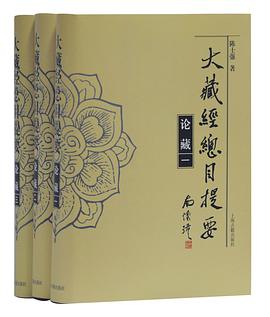
大藏经总目提要·论藏 豆瓣
作者: 陈士强 著 出版社: 上海古籍出版社 2019 - 11
此藏为小乘论藏、大乘论藏的解说。全书分为五大部,依次为《小乘阿毗达磨部》《小乘集传部》《大乘中观部》《大乘瑜伽部》《大乘集传部》,共收录佛典二百三十五部一千七百四十一卷。这些典籍综罗小乘说一切有部、上座部、大众部、犊子部、贤胄部、正量部、经部等部派撰作的各种阿毗达磨论书;大乘中观派、瑜伽行派撰作的各种释经论、集义论;西域和东土佛教学者撰作的各类佛教集传。内容叙及:小乘佛教的主要教理“世间”说、“蕴处界”说、“五位七十五法”说、“缘起”说、“业”说、“烦恼”说、“四谛”说、“禅定”说、“道位”说;大乘中观派的主要教理“六波罗蜜”说、“十地”说、“十八空”说、“八不中道”说、“二谛”说;瑜伽行派的主要教理“十七地”说、“八识”说、“三自性”说、“三无性”说、“唯识五位”说、“五位百法”说、“如来藏”说、“因明”说等。
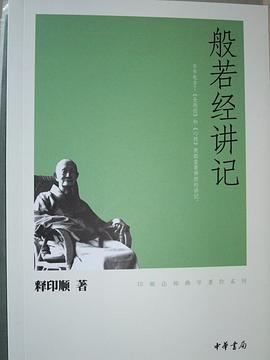
般若经讲记 豆瓣
作者: 释印顺 出版社: 中华书局 2010 - 6
《般若经讲记》主要内容包括:金刚般若波罗蜜经讲记,悬论,一 释经题,二 示宗要,三 叙传译,正释,甲一 序分,乙一 证信序,乙二 发起序,甲二 正宗分,乙一 般若道次第,丙一 开示次第等等。
2020年5月25日 已读 什公译本是中观家诵本。没有其他人能救自己,只有自己能够救自己。不要关心我,要理解我的法。做好事当然是好的,但是做再多好事也不如宣传和弄明白我的法。这只是入门阶段,但是不经过入门是不可能到高级阶段的。我要通过文字层面上的不断否定来让你把握我的理论。要是为了好处来学我的法,那就错了。我从理论层面讲一遍,再从实践层面讲一遍。轮回论是理论成立的重要基础。
佛典 佛学 佛教 佛法
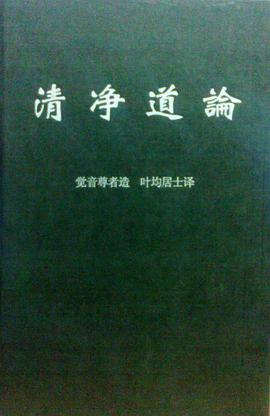
清净道论 豆瓣
作者: 觉音 译者: 叶均 出版社: 中国佛教研究所 1991
「清净道论」是南传佛教典籍中最受后人重视的佛书,也是南传佛教史上最伟大的论师--觉音的划时代钜着。
这部书的重要性,可以从下列国际学者的文字中看出端倪。
※爱德华.孔滋:「(清净道论)是人类心灵上最伟大的经典作品之一。如果我流浪到荒岛时只容许携带一本书的话,这部书将是我所要选择的。」 (The Western Contribution to Buddhism, p. 74.)
※水野弘元:「清净道论是一部汇集南方上座部教理最详尽、最适当的论书。要瞭解南方上座部的教理,本书是非读不可的。」(「南传大藏经」(62)册卷首解题)。
※早岛镜正:「清净道论是南方巴利佛教中被推尊为最高权威的论书。其百科全书式的内容,可以与有部的大毘婆沙论相匹敌。」(「佛典解题事典」一一※一二二页)
像这样重要的佛典,居然没有被我国古代的译经大德译成中文,乃使我国的各版大藏经都未加收录,这当然是一件不小的缺憾。现在,叶均先生从巴利文中把它翻译出来,为时虽晚,总算弥补了这一不足。
本书以戒定慧三学为纲,作者站在南传上座部的立场,把一个佛教徒如何实践,如何由凡夫而入三学、趋解脱的历程,详细地铺陈出来。在汉译佛典里,虽然有与它类似的「解脱道论」,但是该论文字不易读,内容也远不如本书详细。所以,这部书实可视为现代佛教徒在实践上的最佳参考资料之一。读者千万不要受习俗拘宥、轻率地以其为「小乘法门」而有意忽视。
觉音(Buddha ghosa)所著的『清净道论』(Visuddhimagga),是综述南传上座部佛教思想的一部最详细、最完整、最著名的作品,是研究南传上座部教理的必读之书。觉音引用了整个南传三藏要点并参考斯里兰卡当时流传的许多古代三藏义疏和史书而写成此论。所以『大史』(Mahaava.msa)称它「为三藏和义疏的精要」;德国的唯里曼.盖格(Wilhelm Geiger)教授也说它「是一部佛教百科全书」,亚洲南方各国的佛教学者都要研究这部名著,其它的世界佛教学者也都很重视研究它。读了此书,可以了解南传佛教的主要教理;也可以看到一些当时当地的社会、经济.历史等问题。尤其值得一提的是作者在举当时各国的上等布类中有中国的丝绸(Ciinapa.t.ta--支那丝绸),这在经论中是难得见到的资料。这部巴利三藏的代表作,在世界各国有多种文字的译本。
觉音,公元五世纪中叶人,是南传巴利语系佛教的一位杰出学者,他用巴利文写了很多书,对上座部佛教有很大贡献。因为在觉音时代,印度大部分的佛教学者都已采用梵文,巴利文佛教业已衰落,只有斯里兰卡和菩提场的比库依然忠于巴利文。由于觉音的努力,巴利文这一系的佛典古语学才又活跃起来。
根据『大史』记载,觉音出生于北印度菩提场附近的婆罗门族,通吠陀学,晓工巧明,精于辩论。在菩提场一座斯里兰卡人建造的寺院出家,从离婆多(Revata)大长老学习巴利语三藏。受了比库戒后,便为了一部书叫『发智』」(~Naa.nodaya)。为了进一步深入研究,他在摩词男(Mahaanaama)王时代(409~431)来到斯里兰卡的首都阿耨罗陀补罗(Anuraadhapura),住在大寺(Mahaavihaara),从僧团波罗(Sa'nghapaala)长老学习三藏经典和义疏。在此期间,因为接受僧团波罗的请求,觉音首先撰成著名的『清净道论』。继之,大寺僧众即把所有僧团罗文的三藏注疏都供给他做参考,要他写更多的书。于是觉音便移居根他伽罗寺(Ganthakar vihaara),埋头苦干,长期从事著作,几乎对全部巴利三藏都做了注解。其中有律藏的注释「普悦」(Samantapasaadikaa 善见律毗婆娑):波罗提木叉的注释『析疑』(Kankhaavitara.nii)、长部经注「善吉祥光」(Suma'ngalavilaasinii)、中部经注『破除疑障』(Papa~nCasudanii)、相应部经注『显扬心义』(SaratthapakaaSinii)、增支部经注『满足希求』(Manorathapura.nii)、小部第一(小诵)第二(经集)注『胜义光明』(ParamatthajOtikaa)、『法聚论』注『殊胜义』(Atthasaalinii)、『分别论』注『迷惑冰消』(Sammohavinodanii)﹑其余五部论注『五论释义』(Pa~ncappakara.natthakathaa)、『本生法』(Jaataka.t.thava.n.manaa)、『法句譬喻』(Dhammapada.t.thakathaa)。后来他又回印度朝礼圣菩提树,不知所终。相传在柬埔寨有一座古寺名觉音寺,是他去世的地方。
觉音写『清净道论』,是严格地按照当时大寺派的思想体系来著述的。其组织的次第和内容,有许多地方与优波底沙(Upatissa)所着的『解脱道论』相似。优波底沙约早于觉音二百余年。本论除了序论和结论外,全书分为二十三品,依照戒、定、慧三大主题次第叙述,即前二品说戒,中间十一品说定,后十品说慧。
前二品,主要是说明怎样持戒,戒的种类,持戒有什么好处,怎样自愿地受持十三头陀支等。就是说如何严格地遵循比库僧团的生活方式。作者在评论持戒的出发点时说:「以爱为出发点,为求生命享受而持戒者为下,为求自己解脱而持戒者为中,为求一切众生解脱而受持的巴拉密戒为上」。可见作者也接受了当时发展中的某些大乘佛教的思想影响。
中间十一品,主要是叙述十遍、十不净、十随念、四梵住、四无色定、食厌想、四界差别等四十种定境的修习方法。这些对于怎样去修每一种定,都说得很清楚,有心者可以按照这些方法去实行。
后十品说慧学,是本书最重要部分,集南传佛教论藏的主要内容和七部论以后发展出来的教理。其主要论题有:五蕴、十二处、十八界、二十二根、四谛、十二缘起等。这里解释物质方面的色蕴,有二十四种所造色;解释精神方面的识蕴,有八十九心、心识过程中的十四种作用和五十二心所法;解释缘起的各种条件有二十四缘等。这些都是南传上座部佛教的特色。
这部汉文译本的完成,其经历是曲折的。早在一九五三至一九五六年间,我在斯里兰卡从巴利文学者般若难陀(Pandit P. Pa~n~nananda)专研『清净道论』时,即将每日所学的论文译为汉文。其汉译手稿,于一九五七年随身带回国内。后因中国佛学院部分同学需要参考,未经修改便誊印一百部,其中错误甚多。在一次火灾中,所存全部手稿和油印本均被焚毁,化为灰烬。直至一九七八年始从别处找回一部幸存的油印本,方能重新据此而从事校对整理和修改工作,于一九八0年底告成。翻译这部论着,斯国人民认为是交流中斯文化的部分工作,曾在该国『兰卡之光报』上详细地发表过消息。国内一些学者亦重视此事。不过由于个人才疏学浅,在译文上错误之处实所难免,希望读者指正。
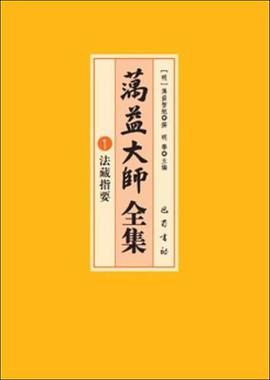
蕅益大师全集 豆瓣
作者: 藕益智旭 撰 / 明学 主编 出版社: 巴蜀书社 2014 - 11
2013年,弘化社与巴蜀书社合作,公开出版《蕅益大师全集》(精装版,10册/套)。全书历时两年搜集整理,增补较多内容,以繁体竖排的形式重新校排,并经巴蜀书社审稿,在文字、体例、版式等方面进行了规范。因此,本版《蕅益大师全集》无论在内容还是版式方面,均为目前较完善之版本 。
2014年,弘化社再次与巴蜀书社合作,公开出版平装版的《蕅益大师全集》(18册/套)。
(注:平装本中没有出家戒律的内容)
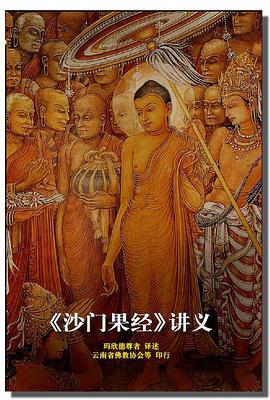
《沙门果经》讲义 豆瓣
作者: 玛欣德尊者编译
译自《长部》第2经。马嘎塔国韦迭希之子未生怨王(Rᾱjᾱ mᾱgadho ajᾱtasattu vedehiputto)在杀死父王宾比萨拉(Bimbisᾱra)并篡夺王位之后,因为充满悔恨而寝食不安,在大臣基瓦王子育(Jīvaka komᾱrabhacca)的引荐下前往谒见世尊,向世尊请教了一个问题:世俗人通过从事各种职业可以带来今生可见的成果,出家人是否也能获得今生可见的成果?世尊反问未生怨王是否曾经向其他人提出这个问题,国王回答说他曾拜访过当时著名的外道六师,并叙述了他们的理论学说。接着,世尊依出家、持戒、修定、智慧等,指出了十四种在今生可见而且次第增上的沙门果。国王听了开示之后,皈依佛法僧成为在家弟子........
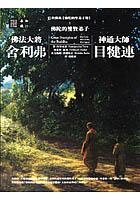
佛陀的聖弟子傳1:佛陀的雙賢弟子——佛法大將舍利弗·神通大師目犍連 豆瓣
作者: 向智長老 出版社: 橡樹林文化 2004 - 1
不同於一般佛教傳記根據漢譯經典或傳說故事撰寫,《佛陀的聖弟子傳》內容均援引自南傳上座部佛教的巴利佛典、論書與註釋書,詳實而生動地紀錄了聖弟子們的修行生活片段與悟道的特色、開悟的關鍵,以及佛陀智慧的教導。而引自《本生經》的故事,則提供了另一種訊息──聖弟子在過去生的發願與修行,以及對此生的影響。
其中最特別的是,本書引用了許多《長老偈》與《長老尼偈》中的詩偈,這些詩偈都是聖弟子親口所說的自身經歷與感受,使人彷彿親聽聖者的心靈之音。
選介這部書的原因有三:
第一、佛陀弟子傳種類繁多,但是純依巴利語佛典為基礎來書寫,且嚴守上座部傳統,而不擅自增添個人觀感與臆度的,本書為目前最佳的選擇。
第二、本書不論在選材撰述的書寫觀點,或資料查證勘誤等編輯功夫,都是足堪信任的上上之作。
第三、「聖弟子」為佛陀弟子中已解脫證道者。本書以此類弟子為主軸,詳實而生動地紀錄了他們的修行生活片段與悟道的特色、開悟的關鍵,以及佛陀智慧的教導。因此,本書是了解佛教初期素樸面貌的極佳讀本。
本書《佛法大將舍利弗•神通大師目犍連》是巴利佛典【佛陀的聖弟子傳】系列套書的第一冊。主要介紹佛陀身邊的兩位上首弟子,一位是以「大智慧」著稱的舍利弗尊者,另一位是以「神通」著稱的目犍連尊者。
佛陀曾比喻舍利弗就如母親,清楚地組織教法,並詳細分析它的內容,讓弟子們在解脫道上出生,敦促他們達到入流果。然後,由如保母的目犍連,運用神通力去除障礙,帶領、幫助弟子們證得阿羅漢果,讓他們繼續成長。 透過巴利佛典的紀錄,本書呈現了較為接近歷史與人性的原貌,讓我們一窺從凡夫蛻變為聖者,內心是經歷怎樣的轉化;
悟道後的他們,如何面對生、老、病、死等現實的人生歷程。閱讀這些早期佛教成就者鮮活的傳記,有助於提升我們心靈的洞見,擴大修行的視野,也為現代的修行者點燃一盞明燈,照亮修行的前路。
寿命是一点一滴努力来的 豆瓣
作者: 一心不二堂 编 出版社: 世界知识出版社 2015 - 8
《寿命是一点一滴努力来的》原作者陈女士,1939年生于台中。作者出生即患中度地中海贫血症,得这种病能活过成年的,据说几乎近于零,虽然好多次濒危,却出人意料地一再苏醒而活了下来,且取得了漂亮的学业和事业成就,并冒缺血缺氧的妊娠危险,遵照古训,生养了五名儿女,个个优秀。现在,作者一家人在宁静、安详、和平中,过着亲朋戚友所羡慕的圆满幸福生活。
这本小册子,初版于2001年,就是作者六十二年来在疾病的折磨下,如何坚强求生的一些血泪交织的经验。这些发自肺腑的文字感动了无数人,更改变了无数人的心田和生命旨归,改变了无数人的命运。国学大师南怀瑾先生曾大力倡印此书,并当做教材;民间亦有大量流通。所有这一切,为了普利世间,作者完全放弃稿费,唯愿“永为众生之慈母”,愿您也长命百岁,拥有一颗慈悲的、漂亮的心和同样漂亮的人生……
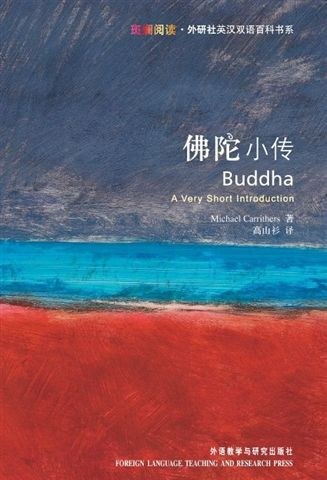
佛陀小传 豆瓣
Buddha: A Very Short Introduction
作者: 卡里瑟斯 译者: 高山杉 出版社: 外语教学与研究出版社 2008 - 5
佛陀生为王子,长在富贵,原可继承王位,享受荣华,然他却抛妻弃子,舍弃尊位。
究竟何事让他离世弃俗,自苦身心?
他又如何参破痛苦的谜题,获得最终的解脱?
其佛法又缘何能历经风雨,千年不息?
这本《佛陀小传》抛开神话和传说,依据古印度原始佛经,如实地记述了佛陀一生的思想行迹及其与所处时代的经济、政治、思想诸因素之间的相互关系,向读者展现出一个本真的佛陀和佛化世界。
一本佛传在手,一份超脱入心。
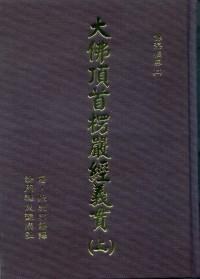
大佛頂首楞嚴經義貫 豆瓣
作者: 釋成觀 出版社: 毘盧出版社 2008 - 5
本書為註者繼十八年前所註楞伽經義貫之後,在法上的又一重要努力。
楞嚴經,眾所週知,是一部極重要的大經,可說是一部「佛教修行大全」,亦不為過。因為此經在內容上,包含了「顯密性相」各方面重要的道理;在宗派上則橫跨「禪淨密律」,均衡發揮,各得其所;在修行的次第上,則更是充實、圓滿:舉凡發心、解、行、證、悟,皆詳盡剖析開示──從教令正發心起,經循循善誘的破惑、見真(明心見性)、依性起修(設壇結界、於實際上起正修行),並詳細開示一切凡聖境界(二十五聖圓通、三界七趣眾生),令於聖境起企慕、而於凡外得知解,從而不受迷惑、不入岔道;又詳述六十位修證(三漸次、乾慧地、十信、十住、十行、十回向、四加行、十地、等覺、妙覺)令行者於菩提道上知所趣向;最後更廣開示五陰魔境,及其破除之法,俾於菩提道上能克服魔怨留難,所修圓滿成就。
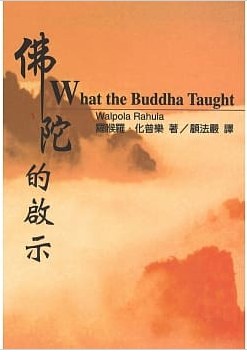
佛陀的啟示 豆瓣
What the Buddha Taught
8.8 (5 个评分) 作者: Walpola Rahula / 羅睺羅‧化普樂 译者: 顧法嚴 出版社: 財團法人台北市慧炬出版社 1972 - 1
佛教既非悲觀,也非樂觀。如果一定要說它怎麼樣,毋寧說它是「實觀」的。因為它對人生、世界的觀點是如實的,既不誑騙你,也不以各種恐懼與罪惡來恫嚇你。它只是客觀而正確地告訴你:你是什麼?你周圍的世界又是什麼?並為你指出走向十足自由、和平、寧靜與快樂的途徑。
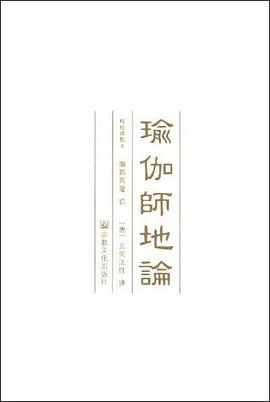
瑜伽师地论(全九册) 豆瓣
作者: 弥勒 说 译者: [唐] 玄奘 出版社: 宗教文化出版社 2008 - 10
《瑜伽师地论》梵文 Yogācāra-bhūmi-śāstra佛教论书。简称《瑜伽论》。瑜伽师地,意即瑜伽师修行所要经历的境界(十七地),故亦称《十七地论》。相传为弥勒菩萨口述,无著记录。为印度大乘佛教瑜伽行派和中国法相宗的根本论书。
译本 唐玄奘译。100卷。但在玄奘以前,已有北凉昙无谶译《菩萨地持经》10卷(相当于奘译本35~50卷前半《本地分·菩萨地》,近年来发现有和阗文译本残篇)及《菩萨戒本》1卷(相当于奘译本40~41卷);南朝宋求那跋陀罗译《菩萨善戒经》9卷(相当于奘译本《本地分·菩萨地》,和《地持经》相仿,但另有序品)和《优婆塞五戒威仪经》1卷(为《菩萨戒本》的异译);陈真谛译《十七地论》5卷(相当于奘译本第1~3卷,已佚),《决定藏论》3卷(相当于奘译本50~54卷)等几种译本行世。
此论梵本菩萨地部分,1930~1936年间由日本荻原云来校订印行。1936年印度罗睺罗于西藏萨迦寺发现此论,录写归印。经校订,于1957年由加尔各答大学部分刊行。藏文有题名为《瑜伽行地》译本,分为前十二地(26卷)、声闻地(20卷)、菩萨地(22卷)、摄决择(43卷)、摄事(22卷)、摄调伏、摄异门、摄释(以上三部分不分卷)等八部分。收在丹珠尔中。
内容 全书中心内容是论释眼、耳、鼻、舌、身、意六识的性质及其所依客观对象是人们根本心识——阿赖耶识所假现的现象;禅观渐次发展过程中的精神境界,以及修行瑜伽禅观的各种果位。以分析名相有无开始,最后加以排斥,从而使人悟入中道。全书分五部分:①本地分(1~50卷)。将瑜伽禅观境界或阶段分为十七地,即五识身相应地、意地、有寻有伺地、无寻唯伺地、无寻无伺地、三摩呬多地、非三摩呬多地、有心地、无心地、闻所成地、思所成地、修所成地、声闻地、独觉地、菩萨地、有余依地、无余依地;②摄决择分(50~80卷)。论述十七地的深隐要义;③摄释分(81~82卷)。释十七地有关诸经,特别是《阿含经》的说法和仪则。初明说法应知的五分,次明解经的六义;④摄异门分(83~84卷)。释十七地有关诸经,特别是《阿含经》所有诸法的名义和差别;⑤摄事分(85~100卷)。释十七地有关三藏,特别是《杂阿含经》等众多要义。初明契经事,次明调伏事,后明本母事。五分中以本地分为重点,后四分主要是解释其中的义理。
注疏 印度注释中最古的一种为最胜子等撰,有汉、藏两种译本。汉译《瑜伽师地论释》1卷,简称《瑜伽论释》,唐玄奘译。现存藏译本有《菩萨地释》,德光撰,燃灯吉祥智、戒胜同译;《菩萨戒品释》,德光撰,慧铠、智军同译;《菩萨戒品广释》,胜子撰,慧铠、智军同译;《菩萨地释》,海云撰,寂贤、戒胜同译。
中国注疏 现存有唐窥基撰《瑜伽师地论略纂》16卷(为第1~66卷的注释)、《瑜伽论劫章颂》1卷(为七言颂),遁论集撰《瑜伽论记》48卷,清素撰《瑜伽师地论义演》40卷。另有敦煌本《瑜伽师地论分门记》(已印出6卷)和《瑜伽论手记》(已印出4卷),均为唐法成讲述,听者笔记而成。近代有欧阳竟无撰《瑜伽师地论叙》2卷。此外,尚有20~30种注释已散佚
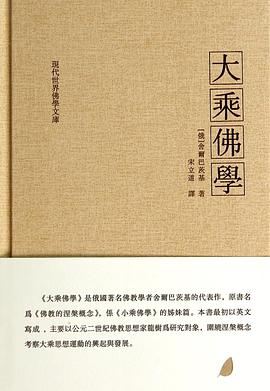
大乘佛学 豆瓣
佛教的涅槃概念
作者: (俄)舍尔巴茨基 译者: 宋立道 出版社: 贵州大学出版社 2013
舍尔巴茨基编著的《大乘佛学(精)》以公元2世纪的佛教思想家龙树为研究对象,围绕涅槃而考察了大乘学说的绝对观,揭示了这一流行於中国、朝鲜、日本和蒙藏地区及前苏联布利亚特和喀尔梅克人地区的大乘运动的思想底蕴。本书一直被西方的佛教学研究者、东方学学者视为不朽名著,代表了以西方比较语言学、比较哲学方法研究东方佛教的成果,舍氏本人被认为是独辟蹊径的开拓性哲学史家。
《大乘佛学(精)》是俄國著名佛教學者舍尔巴茨 基的代表作,原書名為《佛教的涅槃概念》,係《小 乘佛學》的姊妹篇。本書最初以英文寫成,主要以公 元二世紀佛教思想家龍樹為研究對象,圍繞涅槃概念 考察大乘思想運動的興起舆發展。本書自出版以來一 直被西方的佛教學研究者、東方學學者梘為不朽名著 ,係西方比較語言學、比較哲學方法研究東方佛教的 最重要成果之一。
My Stroke of Insight 豆瓣
作者: Jill Bolte Taylor 出版社: Viking Adult 2008 - 5
在线阅读本书
A brain scientist's journey from a debilitating stroke to full recovery becomes an inspiring exploration of human consciousness and its possibilities
On the morning of December 10, 1996, Jill Bolte Taylor, a thirty-seven-year-old Harvard-trained brain scientist, experienced a massive stroke when a blood vessel exploded in the left side of her brain. A neuroanatomist by profession, she observed her own mind completely deteriorate to the point that she could not walk, talk, read, write, or recall any of her life, all within the space of four brief hours. As the damaged left side of her brain--the rational, grounded, detail- and time-oriented side--swung in and out of function, Taylor alternated between two distinct and opposite realties: the euphoric nirvana of the intuitive and kinesthetic right brain, in which she felt a sense of complete well-being and peace; and the logical, sequential left brain, which recognized Jill was having a stroke, and enabled her to seek help before she was lost completely.
In My Stroke of Insight , Taylor shares her unique perspective on the brain and its capacity for recovery, and the sense of omniscient understanding she gained from this unusual and inspiring voyage out of the abyss of a wounded brain. It would take eight years for Taylor to heal completely. Because of her knowledge of how the brain works, her respect for the cells composing her human form, and most of all an amazing mother, Taylor completely repaired her mind and recalibrated her understanding of the world according to the insights gained from her right brain that morning of December 10th.
Today Taylor is convinced that the stroke was the best thing that could have happened to her. It has taught her that the feeling of nirvana is never more than a mere thought away. By stepping to the right of our left brains , we can all uncover the feelings of well-being and peace that are so often sidelined by our own brain chatter. A fascinating journey into the mechanics of the human mind, My Stroke of Insight is both a valuable recovery guide for anyone touched by a brain injury, and an emotionally stirring testimony that deep internal peace truly is accessible to anyone, at any time. Questions for Jill Bolte Taylor Amazon.com: Your first reaction when you realized what was happening to your body was one you would expect: "Oh my gosh, I'm having a stroke!" Your second, though, was a little more surprising: "Wow, this is so cool!" What could be cool about a stroke? Taylor: I grew up to study the brain because I have a brother who is only 18 months older than I am. He was very different in the way he perceived experiences and then chose to behave. As a result, I became fascinated with the human brain and how it creates our perception of reality. He was eventually diagnosed with the brain disorder schizophrenia, and I dedicated my career to the postmortem investigation of the human brain in an attempt to understand, at a biological level, what are the differences between my brain and my brothers brain. On the morning of the stroke, I realized that my brain was no longer functioning like a "normal" brain and this insight into my brother's reality excited me. I was fascinated to intimately understand what it might be like on the inside for someone who would not be diagnosed as normal. Through the eyes of a curious scientist, this was an absolutely rare and fascinating experience for me to witness the breakdown of my own mind. Amazon.com: What did you learn about the brain from your stroke and your recovery that your scientific training hadn't prepared you for? Taylor: My scientific training did not teach me anything about the human spirit and the value of compassion. I had been trained as a scientist, not as a clinician. I can only hope that we are teaching our future physicians about compassion in medicine, and I know that some medical schools, including the Indiana University School of Medicine, have created a curriculum with this intention. My training as a scientist, however, did provide me with a roadmap to how the body and brain work. And although I lost my left cognitive mind that thinks in language, I retained my right hemisphere that thinks in pictures. As a result, although I could not communicate with the external world, I had an intuitive understanding about what I needed to do in order to create an environment in which the cells in my brain could be happy and healthy enough that they could regain their function. In addition, because of my training, I had an innate trust in the ability of my brain to be able to recover itself and my mother and I respected the organ by listening to it. For example, when I was tired, I allowed my brain to sleep, and when I was fresh and capable of focusing my attention, we gave me age-appropriate toys and tools with which to work. Amazon.com: Your stroke affected functions in your left brain, leaving you to what you call the "la-la land" of your right hemisphere. What was it like to live in your right brain, and then to rebuild your left? Taylor: When the cells in my left brain became nonfunctional because they were swimming in a pool of blood, they lost their ability to inhibit the cells in my right hemisphere. In my right brain, I shifted into the consciousness of the present moment. I was in the right here, right now awareness, with no memories of my past and no perception of the future. The beauty of La-la land (my right hemisphere experience of the present moment) was that everything was an explosion of magnificent stimulation and I dwelled in a space of euphoria. This is great way to exist if you don't have to communicate with the external world or care whether or not you have the capacity to learn. I found that in order for me to be able to learn anything, however, I had to take information from the last moment and apply it to the present moment. When my left hemisphere was completely nonfunctional early on, it was impossible for me to learn, which was okay with me, but I am sure it was frustrating for those around me. A simple example of this was trying to put on my shoes and socks. I eventually became physically capable of putting my shoes and socks on, but I had no ability to understand why I would have to put my socks on before my shoes. To me they were simply independent actions that were not related and I did not have the cognitive ability to figure out the appropriate sequencing of the events. Over time, I regained the ability to weave moments back together to create an expanse of time, and with this ability came the ability to learn methodically again. Life in La-la land will always be just a thought away, but I am truly grateful for the ability to think with linearity once again. Amazon.com: What can we learn about our brains and ourselves from your experience, even if we haven't lived through the kind of brain trauma you have? Taylor: I learned that I have much more say about what goes on between my ears than I was ever taught and I believe that this is true for all of us. I used to understand that I had the ability to stop thinking about one thing by consciously choosing to preoccupy my mind with thinking about something else. But I had no idea that it only took 90 seconds for me to have an emotional circuit triggered, flush a physiological response through my body and then flush completely out of me. We can all learn that we can take full responsibility for what thoughts we are thinking and what emotional circuitry we are feeling. Knowing this and acting on this can lead us into feeling a wonderful sense of well-being and peacefulness. Amazon.com: You are the "Singin' Scientist" for Harvard's Brain Bank (just as you were before your stroke). Could you tell us about the Brain Bank (in song or not)? Taylor: There is a long-term shortage of brain tissue donated for research into the severe mental illnesses. Most people dont realize that when you sign the back of your license as an organ donor, the brain is not included. If you would like to donate your brain for research, you must contact a brain bank directly. There is also a shortage of "normal control" tissue for research. The bottom line reality is that if there were more tissue available for research, then more scientists would be dedicating their careers to the study of the severe mental illnesses and we would have more answers about what is going on with these disorders. The numbers of mentally ill individuals in our society are staggering. The most serious and disabling conditions affect about 6 percent--or one in 17--adults and 9-13 percent of children in the United States. Half of all lifetime conditions of mental illness start by age 14 years, and three-fourths by age 24 years. For more information about brain donation to the Harvard brain bank, please call 1-800-BRAINBANK or visit them at: www.brainbank.mclean.org If you would like to hear me sing the brain bank jingle, please visit www.drjilltaylor.com!