决策
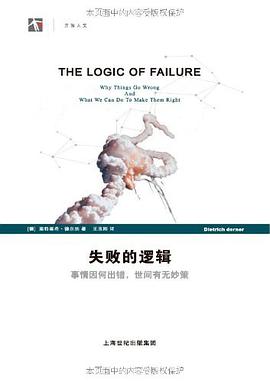
失败的逻辑 豆瓣 Goodreads
The Logic Of Failure: Recognizing And Avoiding Error In Complex Situations
作者: [德] 迪特里希·德尔纳 译者: 王志刚 出版社: 上海科技教育出版社 2010
为什么铁路信号系统工作正常时,列车仍然会发生撞车事故?为什么所有操作人员都警觉地坚守着工作岗位,核反应堆依然会发生灾难性的熔化事故?为什么我们制定得甚好的那么多专业和个人计划,会如此频繁地出岔子?
迪特里希·德尔纳,德国最高科学将获得者,在此考虑为什么--假定具备所有的 智能、经验和信息条件--我们却仍然会犯错误,有时甚至引起灾难性的后果。令人惊讶的是,他发现问题的答案不在于疏忽或粗心,而是缘于他所谓的"失败的逻辑":我们思维模式中的某些倾向--诸如一次只做一件事,因果关系,还有线性思维--它们适合于过去的简单世界,对于我们现在所生活的复杂世界却有着灾难性影响。当今世界,一切事物都是相互关联的。我们不能一次只做一件事情,因为每件事都有多重结果;我们不能用孤立的因果模式考虑问题,因为所有的情况都有副作用和长远影响。
德尔纳给我们找到了不少例子。为什么阿斯旺水坝的规划者们,只想到会给埃及带来廉价用电的好处,却没有意识到他们也将会中断几千年来维持尼罗河谷地肥沃富饶的一年一次的洪水漫灌?为什么第三世界健康计划的规划者们不能认识到提高平均寿命就要求增加食物供应,从而疏忽地终止对饥民的捐助?
德尔纳指出,在未了解一个复杂系统中所有连锁因素之前就采取行动,即使我们怀着善良的意愿,也难免铸成大错。面对我们力不能及的问题,小错误累积起来,最后就会酿成严重的错误结论。过于频繁地忽视问题的大局,却只在我们知道如何做的范围内寻求权宜之计--这只能是杯水车薪无济于事。
德尔纳用他自己编制的引人入胜的计算机模拟程序,揭示了我们思维中的这些缺陷。他的例子--有时是开心的,有时是吓人的--和他那"梳脑"思维实验,使我们认识到应该如何处理复杂问题。这些实例使本书成为一件矫正工具,一种明智的规划和决策指南,使商业经理、决策者以及面临由此及彼日常挑战的每一个人的思维技巧更加敏锐。本书将改变我们构思变化的方法本身,使我们对成功之路的判断能力得到提高。
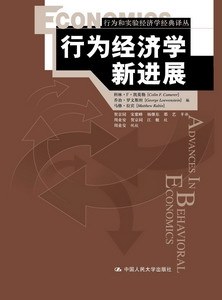
行为经济学新进展 豆瓣
作者: 科林·F·凯莫勒 编 译者: 贺京同 出版社: 中国人民大学出版社 2010 - 1
《行为经济学新进展》内容简介:行为经济学又称为“心理学的经济学”,就是在心理学的基础上研究经济行为和经济现象的经济学分支学科。经济学的祖师爷亚当·斯密早就对此有深入的讨论,但直到20世纪70年代,心理学家卡尼曼和特维斯基才开始通过吸收认知心理学等领域的最新研究成果和方法,通过改造新古典经济学中的效用函数,建立起全新的个体选择模型,并激发后来的经济学家把相关研究领域拓展到经济学的各主要分支,从而形成了比较系统的“行为经济学”。《行为经济学新进展》就是行为经济学家在这方面得出的最具代表性的成果。
《行为经济学新进展》是一本论文集,书中作者均是行为经济学领域的最杰出者。全书总共26章,每一章都是独立的学术论文,并都在重要的学术期刊上正式发表过。这些论文分为两大类:一类讨论经济学的基本问题——偏好和选择;一类则讨论一些具体的经济现象,属于行为经济学思想和理论模型的应用部分。《行为经济学新进展》第一部分(第1章)全面地综述了行为经济学的来龙去脉、主要思想、存在的问题以及未来的发展趋势。第二部分(第2至13章)讨论了经济活动中参与人的偏好和选择问题,主要涉及四个方面的内容:一是禀赋效应和心智账户;二是不确定下的决策和前景理论;三是跨期决策和时间偏好;四是公平和社会偏好。《行为经济学新进展》的第三部分(第14至24章)展示了行为经济学家对三个主要经济领域的看法:一是宏观经济领域,主要涉及心智账户和自我控制对储蓄的影响;双曲线贴现和货币幻觉等对宏观经济政策的影响;以及社会偏好对就业的影响。二是劳动经济学方面,主要涉及公平和互惠等社会偏好对劳动供给以及经济参与人激励的影响。三是金融领域,也就是现在流行的行为金融学。该领域的三篇代表性论文分别展示了短视损失厌恶等心理因素对于股权溢价之谜、投资者行为以及房地产市场价格波动的作用。该书的最后一部分(第25章和第26章)则专门收入两篇论文,探讨个体决策的本质和过程,以期构建行为经济学的未来基石。
战略 豆瓣
作者: 刘学 出版社: 北京大学出版社 2009 - 3
《战略-从思维到行动》将战略定义为企业在特定的环境中所确定的核心目标与达成这些目标的关键路径的独特组合。许多战略的失败,不是战略本身的错误,而是没有连续的、一致的行动来支撑,是战略与行动的脱节。所以,《战略-从思维到行动》一方面避免单纯介绍国外学者的研究,另一方面避免远离中国现实世界的抽象,以发现在目标指导之下的连续的、一致的、集中的行动作为《战略-从思维到行动》的逻辑重点。
作者认为:战略的选择和实施是平衡的艺术。通过阅读《战略-从思维到行动》,读者除了能够掌握制订企业战略的基本过程、基本方法和分析工具以外,还能够在以下几个方面达成平衡: 第一,在理性分析和商业直觉之间达成平衡; 第二,在前瞻性和实用性之间达成平衡; 第三,实现基本知识与次级知识的平衡; 第四,在具体与抽象之间寻求平衡.因此,与国内同类图书相比,《战略-从思维到行动》重在训练读者的战略思维能力,使读者能够掌握行之有效的战略制定方法。
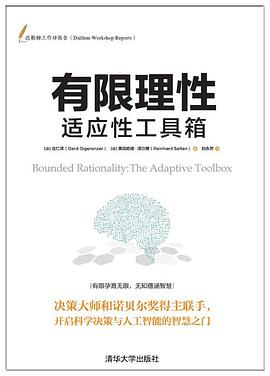
有限理性 豆瓣
Bounded Rationality: The Adaptive Toolbox
作者: [德] 吉仁泽 / [德] 莱茵哈德·泽尔腾 译者: 刘永芳 出版社: 清华大学出版社 2016 - 6
本书是承续诺贝尔经济学奖获得者赫伯特·A.西蒙开创的有限理性观,集包括莱茵哈德·泽尔腾和弗农·L.史密斯等诺贝尔经济学获得者在内的众多当今世界上各个领域的顶级科学家的集体智慧而成的一部经典著作。
它将人类理性作为适应性思维重新思考,重在理解头脑是如何应付周围的自然和社会环境的。其独到的见解和论述将关于人类思维、人工智能、创造性及决策制定等问题的研究从一个虚无缥缈的梦幻世界迎回现实世界中来。
它是一部让人变得勇敢与睿智之作。其提出观点和假设的大胆性、论证观点和假设的严密性及驳斥相反论点的强而有力,都将给读者留下深刻的印象。书中处处闪耀着智慧和灵感的火花,读者不仅可以从中汲取到知识的营养,更重要的是可以从中学到独立思考的精神和灵活多变的思维方法!
作为一部引人入胜的跨学科著作、本书适合于对心理学、认知科学、人工智能、统计学、经济学、社会学、哲学和动物行为等研究领域感兴趣的广大读者阅读。它可以供希望在现实生活中作出良好决策的任何人作为参考。
大脑总指挥 豆瓣
The New Executive Brain: Frontal Lobes in a Complex World
作者: [美] Elkhonon Goldberg 译者: 黄有志 / 邱小菊 出版社: 华东师范大学出版社 2014 - 1
大脑让人类区别于其他生物,赋予我们力量,是缩小的宇宙、未被探索的最后一块领域。本书探讨大脑中最神秘的部位、被称之为“文明的器官”、“大脑总指挥”的额叶。额叶在所有大脑结构中最具人类独特之处,是人类的内驱力、企图心、人格、决策与领导能力的安身之所,在整个大脑内执行最高级、最复杂的功能,在所有人类行为的成功与失败中扮演着关键角色。假如脑区的其他部位受损了,引起的神经疾病可能造成语言、记忆、感知或运动的丧失;然而如果受伤的是额叶的话,所丧失的不再是心智的品质,而是你的心智、你的核心、你自己!本书论及与额叶紧密关联的以下几种心理品质。
领导能力。额叶之于大脑,正如指挥家之于交响乐团、将军之于军队、CEO之于企业。
动机与驱力。额叶的一点细微损伤,会致人无情、迟钝与冷漠。
自我意识和对他人的意识。
创造力。书中将检视额叶在处理新奇事物时如何扮演关键角色。
男人与女人的差别。
社会责任。额叶定义我们是社会性动物,额叶发育不良或受损会使人缺乏社会约束,缺乏社会责任感,甚至导致犯罪。
注意力。额叶与连接其他脑区的通路的机能失常可能导致多动症。
老化与精神病。人类心智的衰退、老年痴呆与额叶相关。额叶功能的缺失,是诸如精神分裂症、强迫症之类疾病的核心。
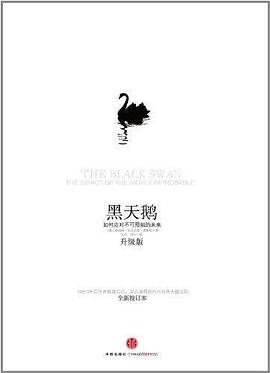
黑天鹅 豆瓣 谷歌图书 Goodreads
The Black Swan
7.3 (32 个评分) 作者: 纳西姆•尼古拉斯•塔勒布 (Nassim Nicholas Taleb) 译者: 万丹 / 刘宁 出版社: 中信出版社 2011 - 10
在发现澳大利亚的黑天鹅之前,欧洲人认为天鹅都是白色的,“黑天鹅”曾经是他们言谈和写作中的惯用语,用来指不可能存在的事物,但当第一只黑天鹅出现时,这个不可动摇的信念崩溃了。黑天鹅的存在,寓示不可预测的重大稀有事件,它们常常带来意料之外的重大冲击,但人们总是视而不见,并习惯于以自己有限的生活经验和不堪一击的信念来解释它们,最终被现实击溃。 从金融危机到四川大地震,从“泰坦尼克号”的沉没到“9-11”恐怖袭击事件,黑天鹅存在于各个领域,无论金融市场、商业、经济还是个人生活,都逃不过它的控制。《黑天鹅:如何应对不可预知的未来(升级版)(全新校订本)》深入介绍了黑天鹅事件的本质和规律,发掘出我们所不知道的事情背后的真正价值,教会我们如何认识这个社会的运行方式,如何避免小概率事件带来的重大损失,如何在不确定的世界中占得先机。 由纳西姆·尼古拉斯·塔勒布编著的《黑天鹅》出版后,震惊世界的黑天鹅事件——金融危机随即爆发。在出版3年后,作者经过3年沉淀与思考,增加全新后记,深刻分析黑天鹅理论在现代社会的应用,以及我们如何真正地评估并利用黑天鹅带来的机会,以从中受益。《黑天鹅》必将颠覆我们惯常的思维,让你重新把握自己的命运。
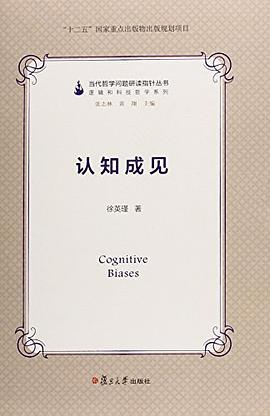
认知成见 豆瓣
作者: 徐英瑾 出版社: 复旦大学出版社 2015
你在买卖股票之前会运用概率论计算每支股票的赔率吗?或者你从不进行这样的计算,而只是将一切交付给你的直觉?然而,推理心理学的研究却告诉我们,我们人类在进行推理决策的时候,只要一听从推理直觉的召唤,就往往会违背逻辑学与概率论的要求而犯下种种的“推理谬误”。各种推理谬误与我们对于世界的前景认知结合在一起,又便构成了所谓的“ 认知成见”。由此引申出来的哲学问题便是:“认知成见”或者“推理谬误”的广泛存在,是不是意味着我们人类在根底上就是“非理性”的呢?
显然,这不是一个很容易回答的问题。如果这个问题的答案是肯定的,那么我们就难以解释,为何在逻辑学与概率论的理性之光照亮人类心智之前,我们的先人就早已在地球上获得了巨大的生物学意义上的成功了呢?如果这个问题的答案是否定的,那么,现代逻辑学与概率论的规范性意义又将体现在何处呢?面对这个棘手的两难处境,徐英瑾、张志林、黄翔编的《认知成见》将参照西方对于人类思维推理捷径的*新研究成果,结合达尔文主义的心智观,向读者展现出一条为诸认识成见进行“祛谬”的新解释路线。本书所面对的读者包括:科学哲学、心灵哲学、逻辑学、心理学、统计学、经济学、社会学、计算机科学等专业的师生,媒体与广告业的从业人员,以及企业与政府各级部门的决策人员。
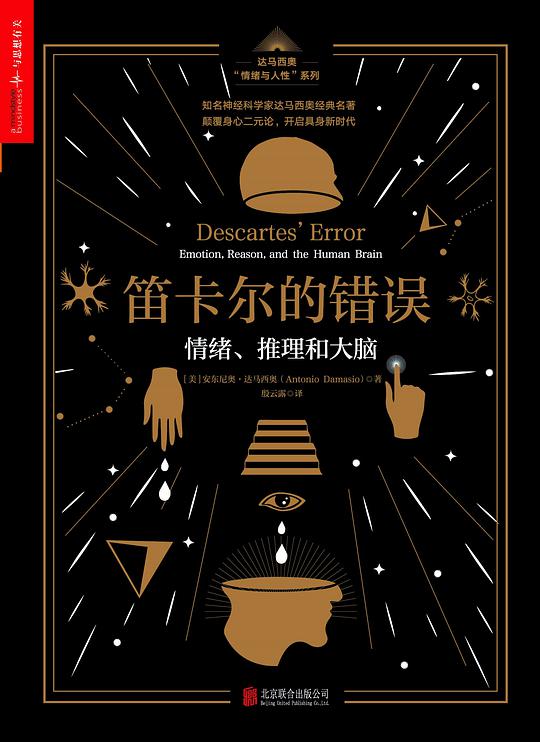
笛卡尔的错误 豆瓣
Descartes' Error: Emotion, Reason and the Human Brain
8.7 (6 个评分) 作者: 安东尼奥·R·达马西奥 译者: 殷云露 出版社: 湛庐文化/北京联合出版公司 2018 - 2
[内容简介]
● 在20 世纪,笛卡尔推崇的身心二元论占据主流。二元论拒绝承认情绪在理性决策中的作用,认为情绪是理性思考的杂音。然而,既是临床医生又是神经科学家的达马西奥,提出了截然相反的观点,认为人类的理性决策离不开对身体情绪状态的感受。这一论断简单却有力,从根本上颠覆了支配西方几百年的身心二元论。自《笛卡尔的错误》出版以来,西方世界的哲学思想发生了根本性的转折。
● 在《笛卡尔的错误》中,达马西奥教授通过丰富的临床案例,令人信服地证明了情绪在人类理性决策中的重要作用。他提出的躯体标记假设,为身心之间的联结提供了当代科学的确证,把虚无缥缈的心智转变为具体可感的实在之物。为我们思考人类的理性和意识,开辟了一条全新的认识路径。
● 书中丰富的临床案例和富有洞见的理论假设,共同为我们带来一场人类意识探索的盛宴。达马西奥教授带领我们抽丝剥茧、层层深入,带领我们走进人类理性的深层结构之中。
[编辑推荐]
● 知名神经科学家达马西奥颠覆性巨著,标志着20世纪时代思想的转折,神经科学、心理学和哲学研究因此出现了巨大的转向。
● 一场人类意识探索的盛宴,一次刷新阅读体验的脑力挑战。有如悬疑小说一般娴熟的叙事技巧,在哲学和科学的交界处跳着踢踏舞。
● 揭示情绪的奥秘,重新审视人类理性。打破身心二元论,开启具身新时代。
● 国内外众多知名神经科学家及诺奖得主集体盛赞:北京大学国家发展研究院经济学教授汪丁丁倾情作序!中国心理学会理事长傅小兰、北京大学脑与认知科学中心主任周晓林、南京大学心理系主任周仁来、北京师范大学认知神经科学与学习国家重点实验室主任李武、清华大学经济管理学院教授宁向东、诺贝尔生理学或医学奖得主大卫·休伯尔联袂推荐!
● 达马西奥“情绪与人性”五部曲之一。
● 湛庐文化出品。
The Cambridge Handbook of Thinking and Reasoning 豆瓣
作者: Keith J. Holyoak / Robert G. Morrison 出版社: Cambridge University Press 2005
Written by foremost authorities from cognitive psychology, cognitive science, and cognitive neuroscience, the chapters of this reference summarize basic concepts and facts of a major topic, sketch its history, and analyze the progress its research is currently making. The volume also includes work related to developmental, social and clinical psychology, philosophy, economics, artificial intelligence, linguistics, education, law, and medicine. The Cambridge Handbook of Thinking and Reasoning comprises the first comprehensive and authoritative handbook for all core topics within the fields of thinking and reasoning.
合适 豆瓣
マーケットデザイン 最先端の実用的な経済学
作者: [日本] 坂井丰贵 译者: 蔡晓智 出版社: 江西人民出版社 2016 - 10
诺贝尔经济学奖获奖理论
解决人人都会遇到的大问题
...................
※编辑推荐※
★招生、选课、分配宿舍和实习岗位,系统如何设计才合理?经济适用房、机动车牌照该如何分配?有些东西不能用钱来买,怎么分才能让各方满意?
★诺贝尔经济学奖新潮理论,用人人都能懂的算法解决这些实际问题,力图让资源得到合乎心意的配置。
★日本经济学界新晋翘楚,用简明易懂的案例,一目了然地揭示出问题背后的原理和规律,让读者收获茅塞顿开的阅读快感。
...................
※内容简介※
长久以来,用何种方式将东西交到最合适的人的手中,一直是经济学家致力解决的问题。在一般商品市场中,价格决定商品的分配:你出得起价钱,就能获取心头好。可是出于道德或公平的考量,有些市场没有或者无法标出价格。此时,经济学家的任务就是设计出合理的“游戏规则”,引导参与者真实地表达意愿,有效地分配资源。
2012 年,诺贝尔经济学奖最终指向了创造性地解决了上述问题的“市场设计”领域。该理论极具实用价值,挽救了众多肾衰竭患者的生命,改善了城市管理者颇为头疼的升学择校制度,甚至为美国政府带来了高达780亿美元的牌照拍卖收益……
作者为日本经济学界新晋翘楚,轻松剔出现实问题的骨架,将之精简为可供剖析的案例,依次揭示出单边匹配、双边匹配和拍卖问题的内在逻辑。沉浸书中,你会惊艳于看上去如此“简单”的方法竟然能够释放出如此巨大的能量,同时也一定会为经济学家思维的层次感与创造力所折服。
...................
※名人推荐※
18 世纪亚当• 斯密所研究的自由市场的功能,19 世纪里昂• 瓦尔拉斯所重视的作为技术的经济学,以及20 世纪弗里德里希•冯•哈耶克评价为“发现的过程”的竞争——这些真知灼见都因市场设计这门知识在21 世纪开花结果。
——坂井丰贵
助推 豆瓣
作者: 理查德•泰勒 / 卡斯·桑斯坦 译者: 刘宁 出版社: 中信出版股份有限公司 2015 - 4
什么是我们一生中耗时最多、最费心力的事?是做出大大小小的决策。但是,我们往往深陷难以计数的偏见和非理性中,做出荒谬的判断。通过本书,你将了解什么是助推,以及助推如何帮助我们提升智慧,做出更明智的决策。
事实上,不需要强制性手段,也不需要硬性的规定,助推便能保证你同时收获“最大利益”和“自由选择权”。这股轻轻推动你做出最优选择的力量,就是“助推”。例如,政府颁布法令禁止人们食用垃圾食品不算助推,把低价的新鲜水果便捷地呈现在人们眼前,让人们主动地选择健康食品,这才是真正的助推。
政府需要用行为经济学方面的知识对政策进行优化设计,引导人们在教育、投资、卫生保健、抵押贷款及环境保护等领域做出让人们更健康、更富有、更快乐的决策,对社会乃至全球最有助益的选择。
Nudge 豆瓣 Goodreads
作者: Richard H. Thaler / Cass R. Sunstein 出版社: Yale University Press 2008 - 4
Every day, we make decisions on topics ranging from personal investments to schools for our children to the meals we eat to the causes we champion. Unfortunately, we often choose poorly. The reason, the authors explain, is that, being human, we all are susceptible to various biases that can lead us to blunder. Our mistakes make us poorer and less healthy; we often make bad decisions involving education, personal finance, health care, mortgages and credit cards, the family, and even the planet itself. Thaler and Sunstein invite us to enter an alternative world, one that takes our humanness as a given. They show that by knowing how people think, we can design choice environments that make it easier for people to choose what is best for themselves, their families, and their society. Using colorful examples from the most important aspects of life, Thaler and Sunstein demonstrate how thoughtful choice architecture” can be established to nudge us in beneficial directions without restricting freedom of choice. Nudge offers a unique new takefrom neither the left nor the righton many hot-button issues, for individuals and governments alike. This is one of the most engaging and provocative books to come along in many years. (20080518)
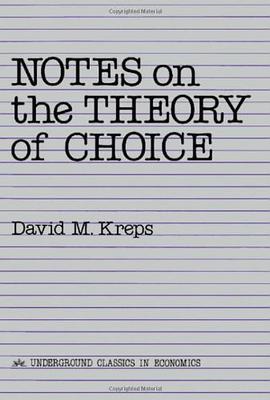
Notes on the Theory of Choice 豆瓣
作者: David M. Kreps 出版社: Westview Press 1988 - 5
In these notes, Professor Kreps surveys the standard models of choice under uncertainty that lie at the heart of microeconomic theory. Choice and preference, ordinal utility, von Neumann-Morganstern utility and utility functions for money, and subjective probability and subjective expected utility are among the standard topics covered. These notes provide a rigorous but accessible introduction to the theory of choice for mathematically inclined undergraduates and/or graduate students in economics, finance, and related disciplines.
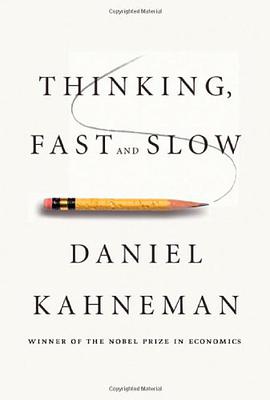
Thinking, Fast and Slow 豆瓣 Goodreads
Thinking, Fast and Slow
8.3 (36 个评分) 作者: Daniel Kahneman 出版社: Farrar, Straus and Giroux 2011 - 10
Major New York Times bestseller
Winner of the National Academy of Sciences Best Book Award in 2012
Selected by the New York Times Book Review as one of the best books of 2011
A Globe and Mail Best Books of the Year 2011 Title
One of The Economist’s 2011 Books of the Year
One of The Wall Street Journal's Best Nonfiction Books of the Year 2011
In the international bestseller, Thinking, Fast and Slow, Daniel Kahneman, the renowned psychologist and winner of the Nobel Prize in Economics, takes us on a groundbreaking tour of the mind and explains the two systems that drive the way we think. System 1 is fast, intuitive, and emotional; System 2 is slower, more deliberative, and more logical. The impact of overconfidence on corporate strategies, the difficulties of predicting what will make us happy in the future, the profound effect of cognitive biases on everything from playing the stock market to planning our next vacation—each of these can be understood only by knowing how the two systems shape our judgments and decisions.
Engaging the reader in a lively conversation about how we think, Kahneman reveals where we can and cannot trust our intuitions and how we can tap into the benefits of slow thinking. He offers practical and enlightening insights into how choices are made in both our business and our personal lives—and how we can use different techniques to guard against the mental glitches that often get us into trouble. Winner of the National Academy of Sciences Best Book Award and the Los Angeles Times Book Prize and selected by The New York Times Book Review as one of the ten best books of 2011, Thinking, Fast and Slow is destined to be a classic.
One of the New York Times Book Review's Top 10 Books of 2011
Editorial Reviews
Amazon.com Review
Amazon Best Books of the Month, November 2011: Drawing on decades of research in psychology that resulted in a Nobel Prize in Economic Sciences, Daniel Kahneman takes readers on an exploration of what influences thought example by example, sometimes with unlikely word pairs like "vomit and banana." System 1 and System 2, the fast and slow types of thinking, become characters that illustrate the psychology behind things we think we understand but really don't, such as intuition. Kahneman's transparent and careful treatment of his subject has the potential to change how we think, not just about thinking, but about how we live our lives. Thinking, Fast and Slow gives deep--and sometimes frightening--insight about what goes on inside our heads: the psychological basis for reactions, judgments, recognition, choices, conclusions, and much more. --JoVon Sotak
Review
“A tour de force. . . Kahneman’s book is a must read for anyone interested in either human behavior or investing. He clearly shows that while we like to think of ourselves as rational in our decision making, the truth is we are subject to many biases. At least being aware of them will give you a better chance of avoiding them, or at least making fewer of them.”—Larry Swedroe, CBS News
“Daniel Kahneman demonstrates forcefully in his new book, Thinking, Fast and Slow, how easy it is for humans to swerve away from rationality.”—Christopher Shea, The Washington Post
“An outstanding book, distinguished by beauty and clarity of detail, precision of presentation and gentleness of manner. Its truths are open to all those whose System 2 is not completely defunct. I have hardly touched on its richness.”— Galen Strawson, The Guardian
“Brilliant . . . It is impossible to exaggerate the importance of Daniel Kahneman’s contribution to the understanding of the way we think and choose. He stands among the giants, a weaver of the threads of Charles Darwin, Adam Smith and Sigmund Freud. Arguably the most important psychologist in history, Kahneman has reshaped cognitive psychology, the analysis of rationality and reason, the understanding of risk and the study of happiness and well-being . . . A magisterial work, stunning in its ambition, infused with knowledge, laced with wisdom, informed by modesty and deeply humane. If you can read only one book this year, read this one.”— Janice Gross Stein, The Globe and Mail
“A sweeping, compelling tale of just how easily our brains are bamboozled, bringing in both his own research and that of numerous psychologists, economists, and other experts...Kahneman has a remarkable ability to take decades worth of research and distill from it what would be important and interesting for a lay audience...Thinking, Fast and Slow is an immensely important book. Many science books are uneven, with a useful or interesting chapter too often followed by a dull one. Not so here. With rare exceptions, the entire span of this weighty book is fascinating and applicable to day-to-day life. Everyone should read Thinking, Fast and Slow.” —Jesse Singal, Boston Globe
“We must be grateful to Kahneman for giving us in this book a joyful understanding of the practical side of our personalities.” —Freeman Dyson, The New York Review of Books
“Brilliant . . . It is impossible to exaggerate the importance of Daniel Kahneman’s contribution to the understanding of the way we think and choose. He stands among the giants, a weaver of the threads of Charles Darwin, Adam Smith and Sigmund Freud. Arguably the most important psychologist in history, Kahneman has reshaped cognitive psychology, the analysis of rationality and reason, the understanding of risk and the study of happiness and well-being . . . A magisterial work, stunning in its ambition, infused with knowledge, laced with wisdom, informed by modesty and deeply humane. If you can read only one book this year, read this one.” — Janice Gross Stein, The Globe and Mail
“It is an astonishingly rich book: lucid, profound, full of intellectual surprises and self-help value. It is consistently entertaining and frequently touching, especially when Kahneman is recounting his collaboration with Tversky . . . So impressive is its vision of flawed human reason that the New York Times columnist David Brooks recently declared that Kahneman and Tversky’s work ‘will be remembered hundreds of years from now,’ and that it is ‘a crucial pivot point in the way we see ourselves.’ They are, Brooks said, ‘like the Lewis and Clark of the mind’ . . . By the time I got to the end of Thinking, Fast and Slow, my skeptical frown had long since given way to a grin of intellectual satisfaction. Appraising the book by the peak-end rule, I overconfidently urge everyone to buy and read it. But for those who are merely interested in Kahenman’s takeaway on the Malcolm Gladwell question it is this: If you've had 10,000 hours of training in a predictable, rapid-feedback environment—chess, firefighting, anesthesiology—then blink. In all other cases, think.”—The New York Times Book Review
“Ask around and you hear pretty much the same thing. 'Kahneman is the most influential psychologist since Sigmund Freud,' says Christopher Chabris, a professor of psychology at Union College, in New York. 'No one else has had such a broad impact on so many fields' . . . It now seems inevitable that Kahneman, who made his reputation by ignoring or defying conventional wisdom, is about to be anointed the intellectual guru of our economically irrational times.”— Evan R. Goldstein, The Chronicle of Higher Education
“There have been many good books on human rationality and irrationality, but only one masterpiece. That masterpiece is Daniel Kahneman’s Thinking, Fast and Slow . . . This is one of the greatest and most engaging collections of insights into the human mind I have read.”—William Easterly, Financial Times
“[Thinking, Fast and Slow] is wonderful, of course. To anyone with the slightest interest in the workings of his own mind, it is so rich and fascinating that any summary would seem absurd.”— Michael Lewis, Vanity Fair
“Absorbingly articulate and infinitely intelligent . . . What's most enjoyable and compelling about Thinking, Fast and Slow is that it's so utterly, refreshingly anti-Gladwellian. There is nothing pop about Kahneman's psychology, no formulaic story arc, no beating you over the head with an artificial, buzzword-encrusted Big Idea. It's just the wisdom that comes from five decades of honest, rigorous scientific work, delivered humbly yet brilliantly, in a way that will forever change the way you think about thinking.”—Maria Popova, The Atlantic
“I will never think about thinking quite the same. [Thinking, Fast and Slow] is a monumental achievement.”—Roger Lowenstein, Bloomberg/Businessweek
“Profound . . . As Copernicus removed the Earth from the centre of the universe and Darwin knocked humans off their biological perch, Mr. Kahneman has shown that we are not the paragons of reason we assume ourselves to be.” —The Economist
“[Kahneman’s] disarmingly simple experiments have profoundly changed the way that we think about thinking . . . We like to see ourselves as a Promethean species, uniquely endowed with the gift of reason. But Mr. Kahneman’s simple experiments reveal a very different mind, stuffed full of habits that, in most situations, lead us astray.” —Jonah Lehrer, The Wall Street Journal
“[A] tour de force of psychological insight, research explication and compelling narrative that brings together in one volume the high points of Mr. Kahneman's notable contributions, over five decades, to the study of human judgment, decision-making and choice . . . Thanks to the elegance and force of his ideas, and the robustness of the evidence he offers for them, he has helped us to a new understanding of our divided minds—and our whole selves.” —Christoper F. Chabris, The Wall Street Journal
“The ramifications of Kahenman’s work are wide, extending into education, business, marketing, politics . . . and even happiness research. Call his field “psychonomics,” the hidden reasoning behind our choices. Thinking, Fast and Slow is essential reading for anyone with a mind.” —Kyle Smith, The New York Post
“A major intellectual event . . . The work of Kahneman and Tversky was a crucial pivot point in the way we see ourselves.” —David Brooks, The New York Times
“Kahneman provides a detailed, yet accessible, description of the psychological mechanisms involved in making decisions.” —Jacek Debiec, Nature
“With Kahneman’s expert help, readers may understand this mix of psychology and economics better than most accountants, therapists, or elected representatives. VERDICT A stellar accomplishment, a book for everyone who likes to think and wants to do it better.” —Library Journal
“The mind is a hilariously muddled compromise between incompatible modes of thought in this fascinating treatise by a giant in the field of decision research. Nobel-winning psychologist Kahneman (Attention and Effort) posits a brain governed by two clashing decision-making processes. The largely unconscious System 1, he contends, makes intuitive snap judgments based on emotion, memory, and hard-wired rules of thumb; the painfully conscious System 2 laboriously checks the facts and does the math, but is so "lazy" and distractible that it usually defers to System 1. Kahneman uses this scheme to frame a scintillating discussion of his findings in cognitive psychology and behavioral economics, and of the ingenious experiments that tease out the irrational, self-contradictory logics that underlie our choices. We learn why we mistake statistical noise for cohere...
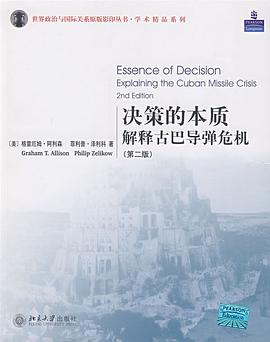
决策的本质 豆瓣 谷歌图书
Essence of Decision: Explaining the Cuban Missile Crisis(2nd Edition)
作者: [美]格雷厄·阿利 出版社: 北京大学出版社 2008 - 1
这是第二次世界大战后最有影响力的政治学著作之一。《决策的本质》原作以独特的视角审视了冷战时期的关键事件。此经典著作的第二版不仅仅是修订,更是重写:重新解释了古巴导弹危机前后的理论及事件;也融入了肯尼迪录音带及最近解密的苏联文件的信息。第二版提炼了原著中格雷厄姆·阿利森任美国助理国防部长及哈佛大学肯尼迪政府学院院长时期的一些评论和观点。同时也有一位新的作者菲利普·泽利科参与了第二版的撰写,他著有十分畅销的评论著作《肯尼迪录音带》(The Kennedy Tapes,Harvard University Press,1 997)。 《决策的本质》(第二版)鲜活地展现了重压之下的决策过程,此书也是唯一一部尝试解决这一经久不衰的问题的著作:人们如何理解政府的举动?
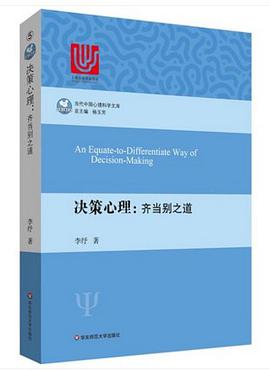
决策心理 豆瓣
作者: 李纾 出版社: 华东师范大学出版社 2016 - 7
这是一本用推理和理性研究人类决策行为过程中不符合理性、不符合“规则”的书。而那些不符合理性又不符合规则的决策行为,通过作者敏锐的观察、大胆的假设和小心的求证,却又存在着相当一致的规律性,那就是齐当别决策法则。齐当别决策法则指的是一种“决策表征系统,认为决策者在诸多决策中趋于采用单一策略,即对于二择一决策问题,决策者会‘齐同’掉选项在某一维度的差别,并以另一维度的差别作为最终决策依据,即选择在另一维度上效用更大的选项”。本书以此齐当别决策法则作为一条红线,串落起四大决策领域(确定性决策,风险性决策,跨期决策,空间决策)中存在的多种与现有决策理论预测不相符合的异象(Anomaly),然后将它们之间的共性一一展现出来,表现出齐当别决策法则强大的解释力。
作者从现实生活和个人体验中寻找养分,研究既简单又复杂的各种决策情境,将齐当别决策法则用来解释各种有趣的现象。这本书内容丰富,文字简练老到,既有清晰的科学逻辑,又含深刻的哲学理念。
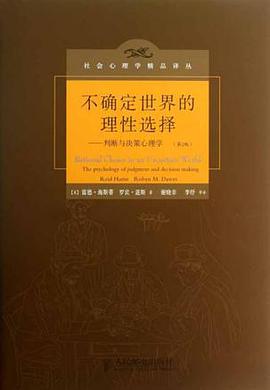
不确定世界的理性选择 豆瓣 Goodreads
Rational Choice in an Uncertain World-----The Psychology of Judgment and Decision Making
8.4 (10 个评分) 作者: 雷德·海斯蒂 (Reid Hastie) / 罗宾·道斯 (Robyn M. Dawes) 译者: 谢晓非 / 李纾 出版社: 人民邮电出版社 2013 - 10
【内容提要】
大量行为学研究揭示,人类的思维过程存在系统的局限性。人们往往无法做到完全意义上的理性,相反,各种认知缺陷、启发式以及惯性思维决定了我们大多数判断和决策。
雷德•海斯蒂和罗宾•道斯尽可能用生活化的语言与现实中的事例,向大家介绍判断和决策领域中的基础理论和最新研究成果。全书内容可分成六部分:第1-2章介绍了判断和决策领域的学科历史,第3-7章总结了关于判断的心理学研究,第8章论述理性与不确定性间的关系,第9-10章论述偏好与选择问题,第11-12章分别介绍了理性决策理论及描述性决策理论,第13-14章展望了未来的研究方向。附录简单介绍概率论的相关知识。
作者语言精练、论述严谨,大量采择最新的研究成果和研究发现,做出恰如其分的评价和分析。这一点充分显示了作者在“判断决策”这一领域中的积淀,也体现了作者对这一研究领域的总体把握。本书适合心理学和行为科学领域的专家学者参考,也可供那些对“决策判断问题”有兴趣的广大读者阅读。
【编辑推荐】
生活中充满了不确定性,我们也无时无刻不在面对形形色色的选择和判断。掌握理性决策的原理,无疑可以帮助我们提升选择的质量,从而改善我们的生活。
两位作者凭借其在哈佛大学、西北大学、芝加哥大学、卡内基梅隆大学等名校从事30年教学经验,选择了行为经济学方面和认知心理学方面的最新研究成果,结合自己在司法、医疗、商务等领域的实际经验,采用大量来自现实生活中的实际例子来说明人类在判断与决策方面所具备的规律、特点及缺陷,并在理论高度上论述了这些表现的根源。
在这本获奖著作的最新版本中,雷德•海斯蒂和罗宾•道斯用一种非学术性的语言和大量逸闻趣事讲述故事,将理性决策的基本理论与实际的决策行为进行对比,全面介绍了决策和判断领域的理论和最新研究发现。
新版本的特色:
——每章首尾的介绍和总结以及各章节内容之间的相互引证更利于学习和阅读;
——来自金融、医疗、司法和工程领域的大量例子使得本书更加鲜活;
——重视和突出决策判断的描述性心理学模型,补充了以往仅强调规范性和理性的“期望效用理论”的不足;
——在三种主要研究取向之间取得更好的平衡:对思维过程和启发式的认知心理学分析、对判断和决策过程的描述性代数模型以及有关决策的理性模型。
【媒体评论】
人类生活在一个充满着不确定的世界里。即使第六次科技革命正向我们走来,我们仍然不知道孕育我们生命的地球会在何时、何地发生地震,我们依然无法预测金融危机或H7N9 禽流感的降临与范围。人类要生存下去,必须适应这个充满未知和不确定性的世界。汶川大地震后《自然》杂志刊登社论——《为未知做好准备》(Bracing for the unknown),即曾呼吁“科学界要充分应对未来不确定性的挑战”。
“人类在不确定条件下如何做出判断和决策”是一个富有前景和重要意义的科学难题。如本书所述,寻求理性之路漫长而且艰难。如今人类已经历了几十万年的进化历程,人类之所以能成功地完成觅食、保障安全、选择配偶、保护后代等“生存任务”,以至主宰地球,正是因为我们通过自然选择的进程,拥有了一项独特技能——做出好的、可持续的、适应性决策。
——中科院心理学研究所研究员、博士生导师 李纾
《不确定世界的理性选择》一书的写作基本上是按照决策领域现有成果进行梳理的,其内在逻辑比较容易把握。最值得称道的地方,还是两位作者对目前决策领域的学术成果的个人理解,并且极其用心地将这种理解表达出来。读者可以通过阅读此著作充分领略作者对决策理论的透彻解析,因此,该书非常适合决策领域的青年学者研读。同时,作者在如何将学术成果应用于人们的日常决策方面颇费了一番苦思及苦功,书中笔墨处处展现出作者独具匠心的思考,所积累的案例也看得出多是集几十年之功的。所以,这本书同样也适合那些在现实中困惑于自己的决策问题的普罗大众。决策是一个非常独特的交叉性研究领域,一些经典的决策研究问题产生于人类的某些既定“缺陷”,对于这些人为偏差的透彻探讨,才有可能教会人们如何更好地进行理性选择。也许,有时候我们需要避免偏差,而有时候我们必须利用偏差。心理学理论和成果对决策领域的独特贡献,也许还未被充分地意识到。从这两位作者的笔下,我们可以很好地领会心理学在决策领域的不可替代性。我相信,只有心理学家对决策研究的积极参与,才有可能将我们对决策问题、以及对人们的决策能力的实际改进深入到一个新的高度。
北京大学心理学系教授、博士生导师 谢晓非
《不确定世界的理性选择》是近年来社会心理学领域一部重量级著作,第一版即获得美国心理学会威廉•詹姆士奖。它论述的主题与诺贝尔奖得主卡尼曼的《思考:快与慢》大致相同,但更系统,娓娓道来,也更易于理解,因为它是两位作者近30年来先后在哈佛大学、西北大学等多所名校教学和科研活动的结晶。要想将论述这一前沿主题的著作翻译好的确不易,幸运的是,本书翻译工作由北大心理系和中科院心理所长期从事该专题领域研究的两位教授担纲完成。我愿向对判断与决策心理学以及行为经济学感兴趣的读者热情推荐这本好书。
清华大学心理学系主任、美国加州大学伯克利分校心理学系终生教授 彭凯平
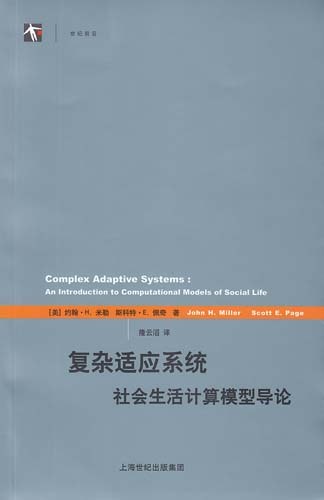
复杂适应系统 豆瓣
Complex Adaptive Systems: An Introduction to Computational Models of Social Life
作者: 约翰·H.米勒 / 斯科特·E.佩奇 译者: 隆云滔 出版社: 上海人民出版社 2012 - 9
本书是首部全面、清晰且令人易于理解地阐述复杂适应社会系统的著作,由该领域两位权威学者联袂完成。复杂适应社会系统——不论是“政治党派”、“股票市场”,还是蚂蚁群落——都体现了社会科学在理论上与实践上所面临的一些最有趣的挑战。通过引人入胜的文字描述和难易适中且附有直观解释的技术细节,本书着重介绍了自20世纪90年代中期以来在该领域出现的关键工具与思想,以及研究此类系统所需要的支撑技术。本书详细介绍了一些相关概念,比如涌现性、自组织临界性、自动机、网络、多样性、适应性以及反馈等。它还展示了如何利用从数学到适应性主体计算模型等一系列广泛的方法来探索复杂适应系统。
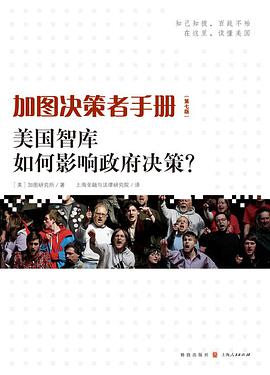
加图决策者手册 豆瓣 Goodreads
Cato Handbook for Policymakers
作者: [美]加图研究所 译者: 上海金融与法律研究院 出版社: 格致出版社 2011 - 10
这本《加图决策者手册——美国智库如何影响政府决策?》(第七版)旨在影响美国的国会议员,在削减联邦政府开支、降低税收和减少政府干预等方面为国会的立法者提供政策建议。为了将联邦政府的规模和影响重新控制在美国的建国者在18世纪所构想的范围之内,《加图决策者手册——美国智库如何影响政府决策?》(第七版)对国会面对的众多议题——政府减员增效、医疗和社保体系改革、社会稳定与公民自由、行业监管、税收政策、能源与环境、国防与外交政策、美国的国际经济政策等——一一进行了详尽的讨论。《加图决策者手册——美国智库如何影响政府决策?》(第七版)的深度分析和具体建议为美国的决策者提供了极富价值的参考。