城市规划
大国大城 豆瓣 Goodreads
8.9 (89 个评分)
作者:
陆铭
出版社:
上海人民出版社
2016
- 7
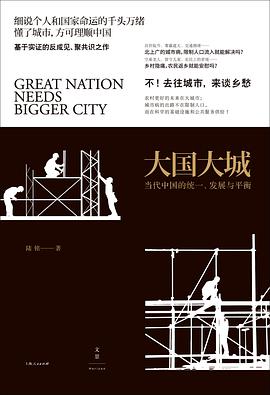
★限制户籍解决不了城市病,让农民工返乡治愈不了乡村隐痛!
★基于本土实证,以经济视角谏言社会问题,著名经济学家的反成见、聚共识之作。
房价陡升、雾霾遮天、交通拥堵;空巢老人、留守儿童、农民工的窘境……中国的城市化进程刚刚过半,但大城市的病状和乡村的隐痛已经成为人们关注的焦点。限制大城市人口流入,让农民工返乡,问题就能解决吗?不!去往城市,来谈乡愁。社会经济学家陆铭比较全球经验,立足本土现状,基于实证,力倡中国发展大城市的重要性。社会问题宜疏不宜堵,只有让市场本身充分发挥对包括劳动力在内的生产要素的调节作用,才能从根本上解决当下棘手的社会问题。政府的功能不是与市场博弈,而是在市场失语的地方,以长远眼光,布局科学的基础设施、提供公共服务供给。《大国大城》将告诉你,只有在聚集中经济发展才能走向均衡,地理的因素不容忽视,只有以追求人均GDP的均衡取代追求区域GDP的均衡,才能充分发挥出大国的国家竞争力,最终提升全体人民的公共利益。
★基于本土实证,以经济视角谏言社会问题,著名经济学家的反成见、聚共识之作。
房价陡升、雾霾遮天、交通拥堵;空巢老人、留守儿童、农民工的窘境……中国的城市化进程刚刚过半,但大城市的病状和乡村的隐痛已经成为人们关注的焦点。限制大城市人口流入,让农民工返乡,问题就能解决吗?不!去往城市,来谈乡愁。社会经济学家陆铭比较全球经验,立足本土现状,基于实证,力倡中国发展大城市的重要性。社会问题宜疏不宜堵,只有让市场本身充分发挥对包括劳动力在内的生产要素的调节作用,才能从根本上解决当下棘手的社会问题。政府的功能不是与市场博弈,而是在市场失语的地方,以长远眼光,布局科学的基础设施、提供公共服务供给。《大国大城》将告诉你,只有在聚集中经济发展才能走向均衡,地理的因素不容忽视,只有以追求人均GDP的均衡取代追求区域GDP的均衡,才能充分发挥出大国的国家竞争力,最终提升全体人民的公共利益。
The City in History 豆瓣
作者:
Lewis Mumford
出版社:
Harcourt
1968
- 10
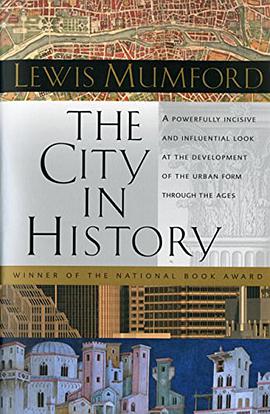
Lewis Mumford's massive historical study brings together a wide array of evidence--from the earliest group habitats to medieval towns to the modern centers of commerce (as well as dozens of black-and-white illustrations)--to show how the urban form has changed throughout human civilization. His tone is ultimately somewhat pessimistic: Mumford was deeply concerned with what he viewed as the dehumanizing aspects of the metropolitan trend, which he deemed "a world of professional illusionists and their credulous victims." (In another typically unrestrained criticism, he dubbed the Pentagon a Bronze Age monument to humanity's basest impulses, as well as an "effete and worthless baroque conceit.") Mumford hoped for a rediscovery of urban principles that emphasized humanity's organic relationship to its environment. The City in History remains a powerfully influential work, one that has shaped the agendas of urban planners, sociologists, and social critics since its publication in the 1960s.
旧城胜景 豆瓣
作者:
钟翀
出版社:
上海书画出版社
2011
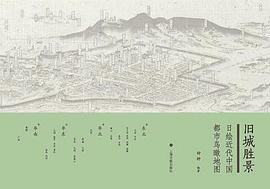
近代日绘鸟瞰地图,是指近代以来在日本形成的一种新式鸟瞰地图画法,此种鸟瞰地图多为日人绘师在习得西洋透视法鸟瞰地图的基础上,糅合日本浮世绘等传统绘印技艺所创制的独具特色的绘图。此类鸟瞰地图绘制准确、立体感强,且印刷精美,因此不仅具有较高的艺术价值,而且也有着相当的实用功能,故在当时常被作为旅游指南地图而得以流传。
本书收集了60余幅中国都市鸟瞰地图,均由日本绘师绘于上世纪二十至四十年代。全书按地域分为四部分,展示了北京、天津、济南、青岛、大同、大连、沈阳、长春、哈尔滨、上海、南京、苏州、杭州、武汉、重庆、广州、香港等二十四个城市在那个年代的面貌。这些鸟瞰图大都作于20世纪上半叶日本大陆侵略政策实施时期,其所描绘的我国东北、华北、长江流域及华南地区的都市鸟瞰地图大多以沦陷的城市为题材,赤裸裸地表现了日本军国主义的侵华野心,客观上也为我们研究、还原日据时代沦陷都市的历史原貌提供了第一手的图像史料。从今日的近代地图收藏、近代史与城市史地研究乃至史料保存等角度来看,皆具有很高的研究与收藏价值。
本书收集了60余幅中国都市鸟瞰地图,均由日本绘师绘于上世纪二十至四十年代。全书按地域分为四部分,展示了北京、天津、济南、青岛、大同、大连、沈阳、长春、哈尔滨、上海、南京、苏州、杭州、武汉、重庆、广州、香港等二十四个城市在那个年代的面貌。这些鸟瞰图大都作于20世纪上半叶日本大陆侵略政策实施时期,其所描绘的我国东北、华北、长江流域及华南地区的都市鸟瞰地图大多以沦陷的城市为题材,赤裸裸地表现了日本军国主义的侵华野心,客观上也为我们研究、还原日据时代沦陷都市的历史原貌提供了第一手的图像史料。从今日的近代地图收藏、近代史与城市史地研究乃至史料保存等角度来看,皆具有很高的研究与收藏价值。
弹性思维 豆瓣
作者:
(美) 沃克
/
(美) 索尔克
出版社:
高等教育出版社
2010
- 1
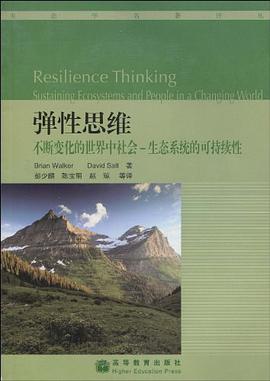
本书通过理论阐述、个案分析及知识窗等方式,系统论述了弹性思维的概念与内涵,阐释了如何理解弹性思维及如何运用弹性思维。重点分析阐述了弹性思维、阈值、适应性循环等理论思想。为了便于读者认识理解,书中除了个案分析与知识窗展示外,还采用比拟手法对理论进行了生动形象地陈述,如借助球-盆体模型阐述了系统变量的变化规律及系统弹性的影响因素,使抽象难懂的阈值理论易于理解。本书兼顾不同读者的需求,既可以作为关心自然资源可持续发展读者的科普读物,也可以作为生态学、资源环境及管理学等专业研究人员的参考书。更为重要的是,它可以为环境保护、生物保护、资源管理等行业部门的工作人员提供全新的弹性思维理念,这将会为人类创造更大的福祉。
新共生思想 豆瓣
作者:
黑川纪章 编
译者:
覃力
2009
- 7
《新共生思想》的作者黑川纪章是日本著名的建筑师,他的很多建筑作品如:国立民族学博物馆、广岛市现代美术馆、澳大利亚墨尔本中心、吉隆坡新国际机场、荷兰梵·高美术馆等等,在日本国内和国际上都有一定的声誉。他获得过美国、英国、法国等国家的政府和建筑协会的嘉奖、授勋。他也是获得日本文化艺术界最高荣誉——日本艺术院院士称号的为数不多的建筑师之一。
黑川纪章和与他同时代的日本著名建筑师一样,在从事建筑创作的同时,还出版了大量的建筑理论著作,被公认是长于理论的建筑师,《共生思想》便是他一生中撰写的影响最大的一部建筑理论著作。《共生思想》一书初版于1987年,是黑川纪章以其“共生哲学”为主线,对他几十年来形成的设计思想进行的总结和阐述。该书出版以后,在建筑界产生了较大的影响,是20世纪的纪典建筑名著之一,曾被翻译成多种语言,在世界各地出版发行。
《新共生思想》是由中国建筑工业出版社出版的
黑川纪章和与他同时代的日本著名建筑师一样,在从事建筑创作的同时,还出版了大量的建筑理论著作,被公认是长于理论的建筑师,《共生思想》便是他一生中撰写的影响最大的一部建筑理论著作。《共生思想》一书初版于1987年,是黑川纪章以其“共生哲学”为主线,对他几十年来形成的设计思想进行的总结和阐述。该书出版以后,在建筑界产生了较大的影响,是20世纪的纪典建筑名著之一,曾被翻译成多种语言,在世界各地出版发行。
《新共生思想》是由中国建筑工业出版社出版的
旧概念与新环境 豆瓣
作者:
梁鹤年
出版社:
生活·读书·新知三联书店
2016
- 8
对所有有志于中国健康城镇化的人,无论是开发、建设、规划、治理各专业的,或甚至只是在城镇里追求美好生活和效率生产的人,这本书提供了一个对中国城镇化的机遇与挑战的深度探索。借用梁先生在文中说到的:“城市”一词的英文city,是公民(citizen)的字根,富有公民意识的城市才是真正的好城市,如何在空间利用和分配上培养和发挥公民意识,就是城市规划应有的使命。这本书是有志者必读之书。
——仇保兴
(国务院参事;原住建部副部长,中国城市科学研究会理事长;教授,博士生导师)
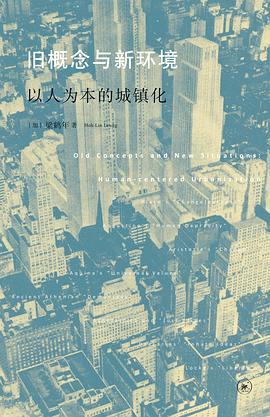
城镇是人类文明的标志,不同的文明决定了不同的城镇模式。近代西方文明,特别是英语文明,是以“资本主义”为特征的城镇——无论是建筑形式、土地部署、基础设施等都是按增加资本效率和回报来决定;在现代城市里,人渺小而无奈,完全处于被动。西风东渐,中国的城市建设和规划都以西方为范式;连对城市的不满之声也是模仿西方的。
城市规划聚焦于城市空间的使用和分配,为城市人提供效率的生产和美好的生活空间。本书讨论了古哲的思维如何帮助我们解读现代城市现象和实践现代城市规划,并以此为参照去重新思考人类聚居的意识和意义。作者梁鹤年还提出了“城市人”的理念——以人为本的城镇化就是通过服务和发挥人的本性(理性和物性),去建设配得上人为万物之灵的人类聚居之所。
——仇保兴
(国务院参事;原住建部副部长,中国城市科学研究会理事长;教授,博士生导师)
城镇是人类文明的标志,不同的文明决定了不同的城镇模式。近代西方文明,特别是英语文明,是以“资本主义”为特征的城镇——无论是建筑形式、土地部署、基础设施等都是按增加资本效率和回报来决定;在现代城市里,人渺小而无奈,完全处于被动。西风东渐,中国的城市建设和规划都以西方为范式;连对城市的不满之声也是模仿西方的。
城市规划聚焦于城市空间的使用和分配,为城市人提供效率的生产和美好的生活空间。本书讨论了古哲的思维如何帮助我们解读现代城市现象和实践现代城市规划,并以此为参照去重新思考人类聚居的意识和意义。作者梁鹤年还提出了“城市人”的理念——以人为本的城镇化就是通过服务和发挥人的本性(理性和物性),去建设配得上人为万物之灵的人类聚居之所。
建筑与都市037(A+U中文版) 豆瓣
A+U Feature: Swiss Sounds: Architecture in Switzerland
作者:
建筑与都市中文版编辑部
译者:
陈霜
/
肖靖
出版社:
华中科技大学出版社
2011
- 7
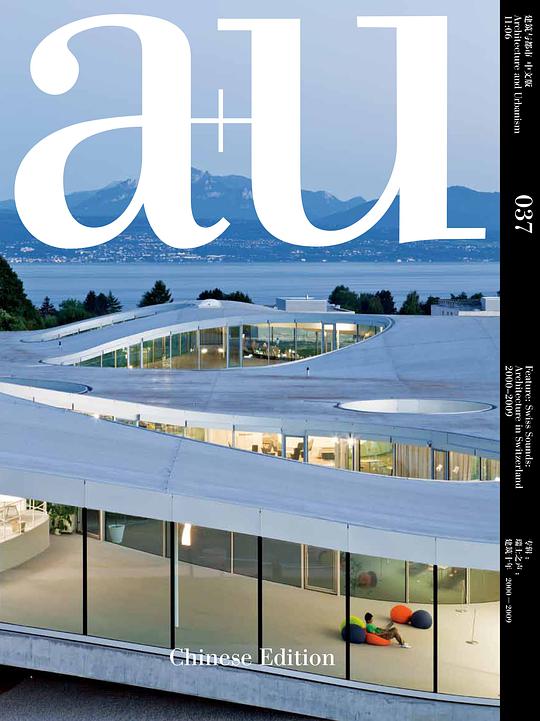
瑞士建筑素有美誉,尤于20 世纪90 年代异峰突起,一众建筑师们以彼得·卒姆托、赫尔佐格与德·梅隆、彼德·马克利、吉贡/ 古耶等为代表人物,凭借其设计作品的非凡表现力蜚声国际建筑界。
2000 至2009 年间,瑞士建筑秉承优良传统,孜孜求索,前行不驻。本期专辑选录了该十年间建成的一批瑞士建筑项目,旨在呈现和探究其发展演进动态。本期以三大主题版块重点介绍了瑞士建筑的三项显著特质。“地气文脉”版块突显了建筑与瑞士特有的自然环境(阿尔卑斯山地)或城市景观之间的密切契合。“改造更新”版块所收录的项目着眼于如何采取恰当的现代技术措施对瑞士本土建筑进行修复和改建,焕发其生机活力。“构造细部”版块则重在发掘建筑构造上的巧思创意,展示了一批在建材、结构和施工工艺方面独具匠心、精工细作的项目。此外,“新兴设计事务所、建筑教学及生态化设计”版块面向未来,推介了若干深具潜力的新兴建筑事务所,探讨了可持续建筑的设计发展,并通过一组论文,深层透视瑞士的建筑教学体系。
本期刊载主题论文两篇,分别由哈伯特斯·亚当、汉尼斯·迈耶和文·维瑞撰写。作为对具体设计项目的理论补充,两篇论文提纲契领,回顾总结了瑞士建筑过去十年来的主体走势、发展轨迹和实践经验。
2000 至2009 年间,瑞士建筑秉承优良传统,孜孜求索,前行不驻。本期专辑选录了该十年间建成的一批瑞士建筑项目,旨在呈现和探究其发展演进动态。本期以三大主题版块重点介绍了瑞士建筑的三项显著特质。“地气文脉”版块突显了建筑与瑞士特有的自然环境(阿尔卑斯山地)或城市景观之间的密切契合。“改造更新”版块所收录的项目着眼于如何采取恰当的现代技术措施对瑞士本土建筑进行修复和改建,焕发其生机活力。“构造细部”版块则重在发掘建筑构造上的巧思创意,展示了一批在建材、结构和施工工艺方面独具匠心、精工细作的项目。此外,“新兴设计事务所、建筑教学及生态化设计”版块面向未来,推介了若干深具潜力的新兴建筑事务所,探讨了可持续建筑的设计发展,并通过一组论文,深层透视瑞士的建筑教学体系。
本期刊载主题论文两篇,分别由哈伯特斯·亚当、汉尼斯·迈耶和文·维瑞撰写。作为对具体设计项目的理论补充,两篇论文提纲契领,回顾总结了瑞士建筑过去十年来的主体走势、发展轨迹和实践经验。
Urban Villagers 豆瓣
作者:
Herbert J. Gans
出版社:
The Free Press (Macmillan Co., Inc.)
1982
- 6
The Social Life of Small Urban Spaces 豆瓣
作者:
William H. Whyte
出版社:
Project for Public Spaces Inc
2001
- 3
In 1980, William H. Whyte published the findings from his revolutionary Street Life Project in The Social Life of Small Urban Spaces. Both the book and the accompanying film were instantly labeled classics, and launched a mini-revolution in the planning and study of public spaces. They have since become standard texts, and appear on syllabi and reading lists in urban planning, sociology, environmental design, and architecture departments around the world.
Project for Public Spaces, which grew out of Holly’s Street Life Project and continues his work around the world, has acquired the reprint rights to Social Life, with the intent of making it available to the widest possible audience and ensuring that the Whyte family receive their fair share of Holly’s legacy.
Summary: This book is great
Rating: 5
I read this book for school... but I would recommend it to anyone interested in the subject matter. (Reading it, I was always wandering around talking to friends and family about it). The book is short, but there is a lot to think about. :)
Summary: How urban areas work
Rating: 5
Years ago I watched an episode of NOVA on PBS on William H. Whyte that explained the background and purpose and accomplishments of his project to study what makes urban spaces in cities work. I sat there riveted, as he methodically and carefully unveiled a vast range of urban phenomena of which I had hitherto been unaware.
The background to his study was this: following the enormous success of the plaza of Mies van der Rohe's Seagram Building in New York in the mid-1950s, the city began to give tax breaks to new buildings that included plazas as part of their design. At the Seagram, people found in the heart of the city a marvelous space in which to congregate, to eat lunch, to sit and talk, and just enjoy a few minutes away from the office. While the idea of providing an incentive to new plaza development was unquestionably a great aim, a small problem developed: many of the new plazas were, unlike that of the Seagram, just dreadful. Cold, austere, people unfriendly, unwelcoming, many of them seemed designed more to keep people away than give them a place to enjoy themselves. This is where Whyte comes in. New York City was concerned with codifying what made a successful plaza, and giving tax breaks based more on the kind of plaza being built, rather than any kind of plaza at all. So, Whyte was charged with discovering precisely what goes into a successful urban space. The results of his exhaustive study are summed up in this brilliant monograph.
Whyte took cameras and began filming all kinds of urban spots in plazas and parks, and on regular sidewalks. As a result of this study, he was able first to analyze how urban spaces work, and secondly on the basis of this make, to make suggestions as to how to make successful spaces. He discusses the enormous value and utility of using fountains or falling water both to provide aesthetic benefits and to create a barrier of white noise between an urban space and the street. He shows the value of having a variety of steps and levels in providing fun places to sit. He allays the fears of those who are afraid that a plaza will attract undesirables by showing that the homeless tend to go where other people are not. He displays the patterns of traffic on sidewalks and the function that street food can play. Whyte comes across not merely as a sophisticated urban planner and social scientist: he is revealed as a visionary.
I think that this ought to be a must-read for anyone with any curiosity about cities and the potential they possess for a vibrant and exciting social life. Here in my own city of Chicago, I constantly lament that Whyte's lessons go unheeded and unlearned. We Chicagoans take pride in how clean our downtown area is, but we possess very, very few plazas, instead having virtually all of our buildings coming all the way to the edge of the sidewalk. I lament that there are so few places in the Loop and the near North to sit at lunch, that so very, very little has been done along the river to make it people friendly, and that there are so few places to congregate. We have a gorgeous, inpirational skyline, but on the sidewalk level, things are different. I wish our city planners had more of Whyte's view of things.
Summary: A classic case study for urban design professionals
Rating: 5
Although the photographs are dated, the material is classic. This book is a must for anyone who is involved with design or review of open spaces. It shows how people use open space and identifies the common elements of successful spaces. While the elements all seem logical, the book shows how we often fly in the face of logic when using these spaces. The book focuses primarily on plazas and small parks in New York City, but includes a section for smaller cities with low rise buildings. The information can also be applied to parks in any size town. This book is a facinating case study in social ecology.
Project for Public Spaces, which grew out of Holly’s Street Life Project and continues his work around the world, has acquired the reprint rights to Social Life, with the intent of making it available to the widest possible audience and ensuring that the Whyte family receive their fair share of Holly’s legacy.
Summary: This book is great
Rating: 5
I read this book for school... but I would recommend it to anyone interested in the subject matter. (Reading it, I was always wandering around talking to friends and family about it). The book is short, but there is a lot to think about. :)
Summary: How urban areas work
Rating: 5
Years ago I watched an episode of NOVA on PBS on William H. Whyte that explained the background and purpose and accomplishments of his project to study what makes urban spaces in cities work. I sat there riveted, as he methodically and carefully unveiled a vast range of urban phenomena of which I had hitherto been unaware.
The background to his study was this: following the enormous success of the plaza of Mies van der Rohe's Seagram Building in New York in the mid-1950s, the city began to give tax breaks to new buildings that included plazas as part of their design. At the Seagram, people found in the heart of the city a marvelous space in which to congregate, to eat lunch, to sit and talk, and just enjoy a few minutes away from the office. While the idea of providing an incentive to new plaza development was unquestionably a great aim, a small problem developed: many of the new plazas were, unlike that of the Seagram, just dreadful. Cold, austere, people unfriendly, unwelcoming, many of them seemed designed more to keep people away than give them a place to enjoy themselves. This is where Whyte comes in. New York City was concerned with codifying what made a successful plaza, and giving tax breaks based more on the kind of plaza being built, rather than any kind of plaza at all. So, Whyte was charged with discovering precisely what goes into a successful urban space. The results of his exhaustive study are summed up in this brilliant monograph.
Whyte took cameras and began filming all kinds of urban spots in plazas and parks, and on regular sidewalks. As a result of this study, he was able first to analyze how urban spaces work, and secondly on the basis of this make, to make suggestions as to how to make successful spaces. He discusses the enormous value and utility of using fountains or falling water both to provide aesthetic benefits and to create a barrier of white noise between an urban space and the street. He shows the value of having a variety of steps and levels in providing fun places to sit. He allays the fears of those who are afraid that a plaza will attract undesirables by showing that the homeless tend to go where other people are not. He displays the patterns of traffic on sidewalks and the function that street food can play. Whyte comes across not merely as a sophisticated urban planner and social scientist: he is revealed as a visionary.
I think that this ought to be a must-read for anyone with any curiosity about cities and the potential they possess for a vibrant and exciting social life. Here in my own city of Chicago, I constantly lament that Whyte's lessons go unheeded and unlearned. We Chicagoans take pride in how clean our downtown area is, but we possess very, very few plazas, instead having virtually all of our buildings coming all the way to the edge of the sidewalk. I lament that there are so few places in the Loop and the near North to sit at lunch, that so very, very little has been done along the river to make it people friendly, and that there are so few places to congregate. We have a gorgeous, inpirational skyline, but on the sidewalk level, things are different. I wish our city planners had more of Whyte's view of things.
Summary: A classic case study for urban design professionals
Rating: 5
Although the photographs are dated, the material is classic. This book is a must for anyone who is involved with design or review of open spaces. It shows how people use open space and identifies the common elements of successful spaces. While the elements all seem logical, the book shows how we often fly in the face of logic when using these spaces. The book focuses primarily on plazas and small parks in New York City, but includes a section for smaller cities with low rise buildings. The information can also be applied to parks in any size town. This book is a facinating case study in social ecology.
小城市空间的社会生活 豆瓣 Goodreads
THE SOCIAL LIFE OF SMALL URBAN SPACES
7.7 (7 个评分)
作者:
[美] 威廉·H·怀特
译者:
叶齐茂
/
倪晓晖
出版社:
上海译文出版社
2016
- 3
In 1980, William H. Whyte published the findings from his revolutionary Street Life Project in The Social Life of Small Urban Spaces. Both the book and the accompanying film were instantly labeled classics, and launched a mini-revolution in the planning and study of public spaces. They have since become standard texts, and appear on syllabi and reading lists in urban planning, sociology, environmental design, and architecture departments around the world.
Project for Public Spaces, which grew out of Holly's Street Life Project and continues his work around the world, has acquired the reprint rights to Social Life, with the intent of making it available to the widest possible audience and ensuring that the Whyte family receive their fair share of Holly's legacy.
From the forward:
For more than 30 years, Project for Public Spaces has been using observations, surveys, interviews and workshops to study and transform public spaces around the world into community places. Every week we give presentations about why some public spaces work and why others don't, using the techniques, ideas, and memorable phrases from William H. "Holly" Whyte's The Social Life of Small Urban Spaces.
Holly Whyte was both our mentor and our friend. Perhaps his most important gift was the ability to show us how to discover for ourselves why some public spaces work and others don't. With the publication of The Social Life of Small Urban Spaces and its companion film in 1980, the world could see that through the basic tools of observation and interviews, we can learn an immense amount about how to make our cities more livable. In doing so, Holly Whyte laid the groundwork for a major movement to change the way public spaces are built and planned. It is our pleasure to offer this important book back to the world it is helping to transform.
Project for Public Spaces, which grew out of Holly's Street Life Project and continues his work around the world, has acquired the reprint rights to Social Life, with the intent of making it available to the widest possible audience and ensuring that the Whyte family receive their fair share of Holly's legacy.
From the forward:
For more than 30 years, Project for Public Spaces has been using observations, surveys, interviews and workshops to study and transform public spaces around the world into community places. Every week we give presentations about why some public spaces work and why others don't, using the techniques, ideas, and memorable phrases from William H. "Holly" Whyte's The Social Life of Small Urban Spaces.
Holly Whyte was both our mentor and our friend. Perhaps his most important gift was the ability to show us how to discover for ourselves why some public spaces work and others don't. With the publication of The Social Life of Small Urban Spaces and its companion film in 1980, the world could see that through the basic tools of observation and interviews, we can learn an immense amount about how to make our cities more livable. In doing so, Holly Whyte laid the groundwork for a major movement to change the way public spaces are built and planned. It is our pleasure to offer this important book back to the world it is helping to transform.
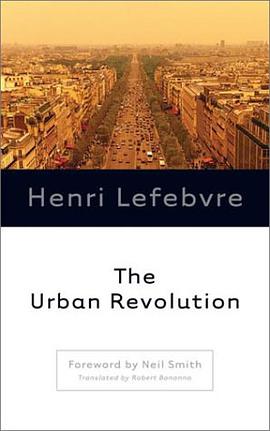
The Urban Revolution 豆瓣 Goodreads
La Révolution Urbaine
作者:
Henri Lefebvre
译者:
Robert Bononno
出版社:
Univ Of Minnesota Press
2003
- 2
Originally published in 1970, The Urban Revolution marked Henri Lefebvre's first sustained critique of urban society, a work in which he pioneered the use of semiotic, structuralist, and poststructuralist methodologies in analyzing the development of the urban environment. Although it is widely considered a foundational book in contemporary thinking about the city, The Urban Revolution has never been translated into English-until now. This first English edition, deftly translated by Robert Bononno, makes available to a broad audience Lefebvre's sophisticated insights into the urban dimensions of ???.
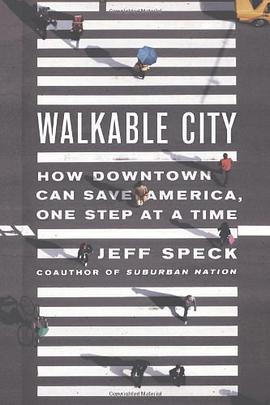
Walkable City 豆瓣
作者:
Jeff Speck
出版社:
Farrar, Straus and Giroux
2012
- 11
Jeff Speck has spent his career determining what makes a city work, and he has boiled it down to one essential factor: walkability. For urban life to thrive, cities must prioritize pedestrians over cars. Six-lane highways tearing through downtown must give way to crossable streets, massive parking lots must give way to pedestrian plazas, architecture designed to be appreciated from afar must give way to welcoming buildings. Making all of this happen is relatively easy and cheap; seeing what needs to be done is the trick. Speck can show us the invisible workings underneath the city, how simple decisions have cascading effects, and how we can make the right decisions for our cities. Cities have been recognized as the key to sustainable living. But New York, San Francisco, Chicago, D.C. - these are not the next great American cities, and they are not where the future of urban life will be formed. Most Americans live in midsize cities - Lowell, Massachusetts; Tacoma, Washington; Grand Rapids, Michigan - that need downtowns that are vibrant and appealing; they need to feel like the urban hubs that they are. They need walkability. Bursting with sharp observations and real-world examples, giving key insight to what urban planners actually do and how cities can and do change, "Walkable City" lays out a practical, necessary, and eminently achievable vision of how to make our American cities work.
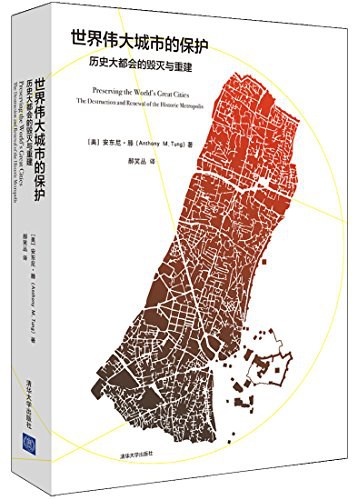
世界伟大城市的保护 豆瓣
10.0 (5 个评分)
作者:
[美] 安东尼·滕
译者:
郝笑丛
出版社:
清华大学出版社
2014
- 8
作者进行的是专业视角的“公共话语”表述,主要涉及对世界历史文化名城保护历史的叙述,尤其是20世纪现代观念主导下的城市再造历史反思,认为20世纪是对历史名都进行大规模“破坏”的世纪,其中罗马的历史、经验与教训最值得强调和总结。也就是说目前在世界范围内进行的现代化,甚至现代城市保护运动,在许多方面实际上是在破坏这些历史城市的历史资源,而城市的更新实在是一项异常艰巨的工作,所谓成功的发达国家,也没有“成功”的经验。
全书分“保护伦理的觉醒”、“城市中保护的文化”和“保护伦理的扩展”三个部分,分别从现代都市保护理念产生的历史、现状分析和成功个案分析等角度,对22座世界著名历史城市进行了多视角、全方位的观察和研究。
全书分“保护伦理的觉醒”、“城市中保护的文化”和“保护伦理的扩展”三个部分,分别从现代都市保护理念产生的历史、现状分析和成功个案分析等角度,对22座世界著名历史城市进行了多视角、全方位的观察和研究。
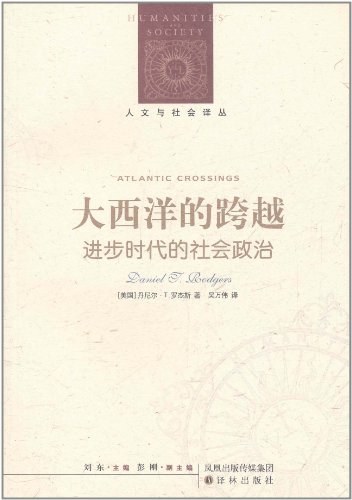
大西洋的跨越 豆瓣 Goodreads
Atlantic Crossings:Social Politics in Progressive Age
作者:
[美] 丹尼尔·T. 罗杰斯
译者:
吴万伟
出版社:
译林出版社
2011
- 9
《大西洋的跨越:进步时代的社会政治》讲述了大西洋两岸在社会政策方面的相互联系、交流和竞争,反映在那个特定的历史时期,人们如何努力弥补过度放任的资本主义带来的破坏。从1900年的巴黎世界博览会到1942年伦敦《贝弗里奇报告》,从两次世界大战到罗斯福新政,生动描写各种关系民生的社会政策尝试,包括社会保险,城市规划、市政服务、农村合作社和住房改革等方面。视野不仅跨越大西洋,而且涉及澳大利亚和新西兰,始终把握国家间交流互动的脉络,打破了思想上固有边界的限制。
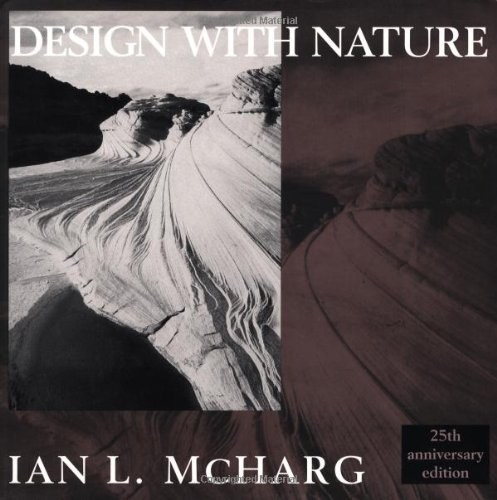
Design with Nature 豆瓣
"In presenting us with a vision of organic exuberance and human delight, which ecology and ecological design promise to open up for us, McHarg revives the hope for a better world." --Lewis Mumford
*"This century's most influential landscape architecture book." --Landscape Architecture
*In the twenty-five years since it first took the academic world by storm, Design With Nature has done much to redefine the fields of landscape architecture, urban and regional planning, and ecological design. It has also left a permanent mark on the ongoing discussion of mankind's place in nature and nature's place in mankind within the physical sciences and humanities. Described by one enthusiastic reviewer as a "user's manual for our world," Design With Nature offers a practical blueprint for a new, healthier relationship between the built environment and nature. In so doing, it provides nothing less than the scientific, technical, and philosophical foundations for a mature civilization that will, as Lewis Mumford ecstatically put it in his Introduction to the 1969 edition, "replace the polluted, bulldozed, machine-dominated, dehumanized, explosion-threatened world that is even now disintegrating and disappearing before our eyes."
点击链接进入中文版:
设计结合自然
*"This century's most influential landscape architecture book." --Landscape Architecture
*In the twenty-five years since it first took the academic world by storm, Design With Nature has done much to redefine the fields of landscape architecture, urban and regional planning, and ecological design. It has also left a permanent mark on the ongoing discussion of mankind's place in nature and nature's place in mankind within the physical sciences and humanities. Described by one enthusiastic reviewer as a "user's manual for our world," Design With Nature offers a practical blueprint for a new, healthier relationship between the built environment and nature. In so doing, it provides nothing less than the scientific, technical, and philosophical foundations for a mature civilization that will, as Lewis Mumford ecstatically put it in his Introduction to the 1969 edition, "replace the polluted, bulldozed, machine-dominated, dehumanized, explosion-threatened world that is even now disintegrating and disappearing before our eyes."
点击链接进入中文版:
设计结合自然
明日之城 豆瓣
Cities of Tomorrow: An Intellectual History of Urban Planning and Design in the Twentieth Century
作者:
Peter Hall
译者:
童明
出版社:
同济大学出版社
2009
- 11
《明日之城》是一部关于20世纪城市规划的理论与实践的历史,也是一部关于引导城市规划形成的社会经济问题和机遇的历史。它文锋犀利,洞察力强,涉及全球,无与伦比地记述了书中极其重要的主题。
《明日之城》的第三版是在它初版之后,考虑到最新出版文献的丰富性,并以历史视角来看待1990年代,从而进行了一次综合性修订。这是回顾了整个20世纪现代城市规划运动的发展修订而成的完整版本。
《明日之城》的第三版是在它初版之后,考虑到最新出版文献的丰富性,并以历史视角来看待1990年代,从而进行了一次综合性修订。这是回顾了整个20世纪现代城市规划运动的发展修订而成的完整版本。
刘易斯·芒福德著作精萃 豆瓣
作者:
[美国] 刘易斯·芒福德
译者:
宋俊岭
出版社:
中国建筑工业出版社
2010
- 11
刘易斯·芒福德是西方人文科学与城市-区域理论界一位久负盛誉的学者,也是世界规划界和建筑界极受尊敬的大师。他一生著述颇多,涉及的领域很广,本书即是从他30多部专著和上千篇论文中精选出来的,所选内容既囊括了每一个主要的专业领域,同时又在时间顺序和逻辑层次上,展现了这个思想家的成长脉络。本书共七章,首章讲述作者立志;继而分别讨论建筑、城市文明、城市及区域的未来、美国研究、技术与文明,最后以作者1979年获奖答谢演讲结束全书。本书可以使人们不必花费太多的时间,就能了解这位大学者思想的精华所在。