Surviving Linguistics 豆瓣
作者:
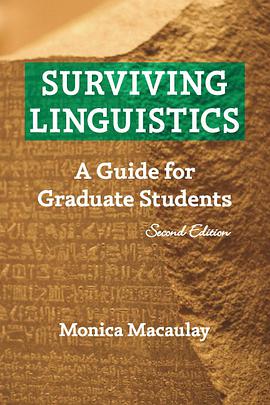
Monica Macaulay
出版社:
Cascadilla Press
2011
- 1
Overview
This fully updated guide offers linguistics students clear, practical, and focused advice on how to succeed in graduate school and earn a degree. Surviving Linguistics is a valuable resource for students at any stage of their graduate career, from learning to write linguistics papers through completing their dissertation and finding a job. Along the way, the author explains the process of submitting conference abstracts, speaking at conferences, publishing journal articles, writing grant applications, creating a CV, and much more. Throughout Surviving Linguistics, Macaulay emphasizes the importance of working with advisors, dissertation committees, and fellow graduate students. The second edition includes new exercises as well as helpful references to many new books and online resources.
Although Macaulay focuses on North America in explaining the structure of graduate school and the process of applying for academic jobs, the advice in this book about writing and research in linguistics is useful to linguistics students everywhere.
"This is a much-needed 'how-to' book for aspiring linguists.... This volume should be required reading for first year students."
--eLanguage, June 2010 (see more reviews)
Inside the 2nd edition
The author has added new advice about PowerPoint presentations, conference poster sessions, citations and citation managers, funding sources, and applying for grants. There are revised and expanded sections on informed consent and human subjects, preparing to submit a journal article, and job options for linguists. Undergraduates will find guidance on preparing for grad school in linguistics, with advice on choosing, applying to, and visiting graduate programs.
This fully updated guide offers linguistics students clear, practical, and focused advice on how to succeed in graduate school and earn a degree. Surviving Linguistics is a valuable resource for students at any stage of their graduate career, from learning to write linguistics papers through completing their dissertation and finding a job. Along the way, the author explains the process of submitting conference abstracts, speaking at conferences, publishing journal articles, writing grant applications, creating a CV, and much more. Throughout Surviving Linguistics, Macaulay emphasizes the importance of working with advisors, dissertation committees, and fellow graduate students. The second edition includes new exercises as well as helpful references to many new books and online resources.
Although Macaulay focuses on North America in explaining the structure of graduate school and the process of applying for academic jobs, the advice in this book about writing and research in linguistics is useful to linguistics students everywhere.
"This is a much-needed 'how-to' book for aspiring linguists.... This volume should be required reading for first year students."
--eLanguage, June 2010 (see more reviews)
Inside the 2nd edition
The author has added new advice about PowerPoint presentations, conference poster sessions, citations and citation managers, funding sources, and applying for grants. There are revised and expanded sections on informed consent and human subjects, preparing to submit a journal article, and job options for linguists. Undergraduates will find guidance on preparing for grad school in linguistics, with advice on choosing, applying to, and visiting graduate programs.