文物与考古
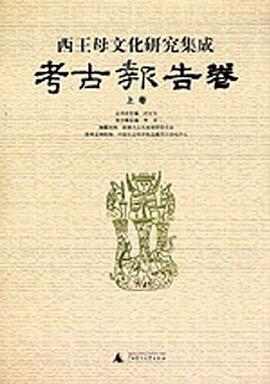
西王母文化研究集成·考古报告卷(上下) Douban
author:
新疆天山天池管理委员会 编纂
/
李莹 主编
publishing house:
广西师范大学出版社
2009
- 9
《西王母文化研究集成·考古报告卷(套装上下册)》由广西师范大学出版社出版。
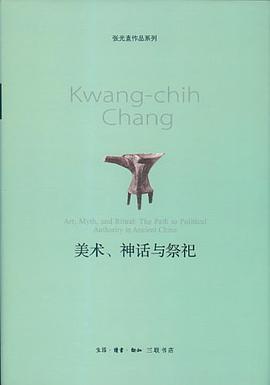
美术、神话与祭祀 Douban
Art, Myth and Ritual: The Path to Political Authority in Ancient China
8.7 (13 ratings)
author:
张光直
translator:
郭净
publishing house:
生活·读书·新知三联书店
2013
- 1
作者一向主张对古代中国的研究要跨出传统的专业局限,从史学、考古、美术史、古地理学、思想理论等方面进行跨学科的整合,而此书正是他本人所做的一次最彻底的试验。本书利用考古学、人类学、历史学和神话学的各种材料,对中国文明的起源和它早期的特征作了精辟的阐述,可以看作是作者一生研究古代中国的综合性成果。近三十年来,先后有英、中、日三种文字的译本在世界各地流传。
唐风宋雨 Douban
author:
赵学梅 摄影/著
publishing house:
商务印书馆
2011
- 8
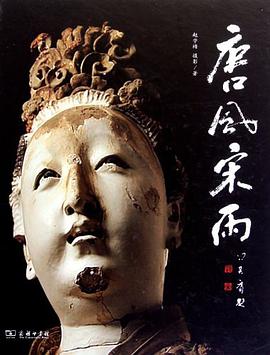
晋城市东郊的青莲寺与玉皇庙之间相距有十多公里,都有长达千年以上的历史。在历史的烟云中,他们与这座城市、这块土地,共同经历了沧桑迭变、兴废交替,然而不变的是寺庙的顽强存在和百姓对它的绵长记忆。在这段记忆里,最久远、留存物质和精神最多的是唐朝华贵的佛、宋代精致的神。千百年来,青莲寺里释迦牟尼与他的弟子们,玉皇庙里玉皇大帝和他的各位神将,不动声色地征服了众多的香客和艺术家。在人神共处的默契中,像一篇叙事性的小说或激情飞扬的散文,叙述着创建寺庙的一个个隐隐约约的故事。人们崇拜着、困惑着,无论是佛还是道,都给后人留下了太多太多的思考和想像的空间。
本书以影像和文字相结合的形式,完美的呈现了晋城国宝青莲寺和玉皇庙在神像塑造艺术上的高深造诣。
本书以影像和文字相结合的形式,完美的呈现了晋城国宝青莲寺和玉皇庙在神像塑造艺术上的高深造诣。
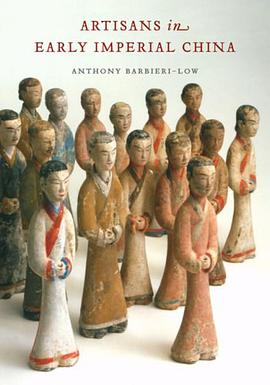
Artisans in Early Imperial China Douban
author:
Anthony J. Barbieri-low
publishing house:
University of Washington Press
2007
- 11
Winner of the 2009 International Convention of Asia Scholars Book Award
Winner of the 2009 Levenson Book Prize (for book on pre-1900 China), sponsored by the Association for Asian Studies
Winner of the 2009 Charles Rufus Morey Book Award from College Art Association
Winner of the 2008 James Henry Breasted Award from the American Historical Association
Early China is best known for the dazzling artifacts it has left behind. These terracotta figures, gilt-bronze lamps, and other material remnants of the Chinese past unearthed during archaeological excavations are often viewed without regard to the social context of their creation, yet they were made by real individuals who contributed greatly to the foundations of early Chinese culture. With Artisans in Early Imperial China, Anthony Barbieri-Low combines historical, epigraphic, and archaeological analysis to refocus our gaze from the glittering objects and monuments of China to the men and women who made them.
This book represents the first in-depth social history of artisans in early China. How did they live? How were they trained? How did they market their products? How free were they? In this engaging and illuminating analysis, Barbieri-Low explores these artisans' lives and careers from a variety of aspects. First, he examines their position within early Chinese society, analyzing their social status, social mobility, and role in the early Chinese economy. Delving deeper, he steps into their workshops to learn how they were trained, what tools they used, and what workplace hazards they faced. Following their wares to the marketplace, he investigates some of the marketing techniques used by artisans and merchants, including such startlingly modern practices as family trademarks, rhyming jingles, and knockoffs of royal products.
From the dirt and din of the marketplace, Barbieri-Low enters the rarefied air of the court, with its own visual and material culture and its own professional artisans. This court was constructed upon the backs of yet another class of artisans, the most abject, those found in labor camps and slave markets. These were the men and women who built and decorated many of the great palaces, temples, and tombs of early China. Barbieri-Low compellingly argues that the state used a cold-blooded mathematical formula to optimally exploit these coerced laborers without upsetting the balance of the economy or fostering revolt.
Artisans in Early Imperial China humanizes the material remains of the past, revealing the men and women who made the beautiful artifacts we know today. This book will appeal to anyone interested in Chinese history, as well as to scholars of comparative social history, labor history, and Asian art history.
Winner of the 2009 Levenson Book Prize (for book on pre-1900 China), sponsored by the Association for Asian Studies
Winner of the 2009 Charles Rufus Morey Book Award from College Art Association
Winner of the 2008 James Henry Breasted Award from the American Historical Association
Early China is best known for the dazzling artifacts it has left behind. These terracotta figures, gilt-bronze lamps, and other material remnants of the Chinese past unearthed during archaeological excavations are often viewed without regard to the social context of their creation, yet they were made by real individuals who contributed greatly to the foundations of early Chinese culture. With Artisans in Early Imperial China, Anthony Barbieri-Low combines historical, epigraphic, and archaeological analysis to refocus our gaze from the glittering objects and monuments of China to the men and women who made them.
This book represents the first in-depth social history of artisans in early China. How did they live? How were they trained? How did they market their products? How free were they? In this engaging and illuminating analysis, Barbieri-Low explores these artisans' lives and careers from a variety of aspects. First, he examines their position within early Chinese society, analyzing their social status, social mobility, and role in the early Chinese economy. Delving deeper, he steps into their workshops to learn how they were trained, what tools they used, and what workplace hazards they faced. Following their wares to the marketplace, he investigates some of the marketing techniques used by artisans and merchants, including such startlingly modern practices as family trademarks, rhyming jingles, and knockoffs of royal products.
From the dirt and din of the marketplace, Barbieri-Low enters the rarefied air of the court, with its own visual and material culture and its own professional artisans. This court was constructed upon the backs of yet another class of artisans, the most abject, those found in labor camps and slave markets. These were the men and women who built and decorated many of the great palaces, temples, and tombs of early China. Barbieri-Low compellingly argues that the state used a cold-blooded mathematical formula to optimally exploit these coerced laborers without upsetting the balance of the economy or fostering revolt.
Artisans in Early Imperial China humanizes the material remains of the past, revealing the men and women who made the beautiful artifacts we know today. This book will appeal to anyone interested in Chinese history, as well as to scholars of comparative social history, labor history, and Asian art history.
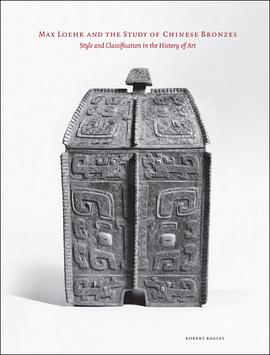
Max Loehr and the Study of Chinese Bronzes Douban
author:
Robert Bagley
publishing house:
Cornell University East Asia Program
2008
- 11
中国漆器全集 第1卷 先秦 Douban
author:
陈振裕 编
publishing house:
福建美术
1997
- 10
《中国漆器全集(第1卷):先秦》主要内容:中国是漆器工艺的发祥地,是我们祖先对世界文化的杰出贡献。先秦漆器工艺,经历了发生、缓进、发展三个时期,在制作工艺、器物造型和装饰艺术等方面,都取得了巨大的成就,并对秦汉乃至以后的漆器工艺有着深刻的影乡。本册从全国各地精选考古发掘的各类漆器珍品一百九十件,计有彩色图版二百三十六幅。卷首载有先秦漆器概述,全面阐述选秦漆器工艺发展历程。卷末附录黑白版和各收藏单位撰写的图版说明,翔实介绍漆器的时代、出土时间地点、主要尺寸、形制、工艺和装饰纹样。本卷堪称目前国内外中国先秦漆器最全面系统和精美的图册。
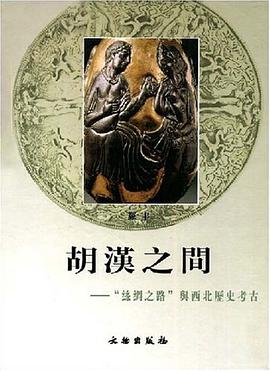
中国新石器时代 Douban
author:
刘莉
translator:
陈星灿
/
乔玉等
publishing house:
文物出版社
2007
本书集中讨论了中国复杂社会的发生发展过程。作者对从公元前7000年的新石器时代早期到前1500年的早期国家时代的考古材料,通过聚落形态和埋葬模式两条主线,进行了系统深入的分析和令人耳目一新的人类学的解读。黄河流域早期国家的形成是本书关注的重点,其间举凡埋葬制度、手工业专门化、礼仪活动、战争、贵族物品交换、气候变动和环境变迁等等,尤其受到重视和关注。作者通过西方当代人类学理论和方法,对截止目前为止的中国考古材料进行了全新的解释和评估。强调指出,中国史前社会的变化受许多因素影响。通过深入细致的分析,作者试图重建中国早期国家的发展过程,并讨论中国考古学对于理解一般社会进化的理论价值。作者兼具中西方教育背景,采用西方当代人类学的理论和方法对中国的考古材料进行梳理、整合和解读,对于考察中国早期国家的起源提供了新的视角,这一点是尤其值得关注的。

马王堆汉墓发掘与文物整理保护亲历者访谈录 Douban
author:
湖南省博物馆
/
中央民族大学
publishing house:
湖南人民出版社
2015
- 3
仰观集 Douban
author:
孙机
publishing house:
文物出版社
2012
- 6
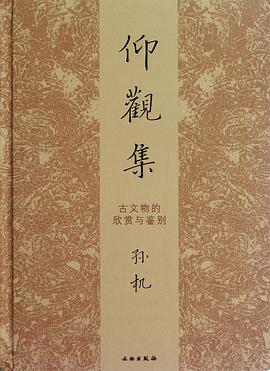
收有作者30年间所写文章35篇。在此期间作者一直在原中国历史博物馆、今中国国家博物馆工作,故而这些文章主要是研究、介绍该馆文物和在他处见到的与之相关的文物。文章涉及文物种类丰富,从陶俑、绘画、服饰、玉器、兵器、饮食器、滇文物、辽文物、龙文物直到古罗马文物等。
作者在后记中说:“博物馆是文物的殿堂,而文物是人类文化成就之物的见证。在博物馆服务,有幸和这些世间珍异朝夕谋面,没有理由不掬其丹诚、倾其绵薄,去揭示它们的内涵,阐扬它们的意义。唯仰观各类文物之博大,俯察自己的这点体会之粗浅,每不胜惶汗。在祖国的文物宝山之前,一名老兵也正和一名新兵一样,只有从头迈步,努力登攀!”
作者在后记中说:“博物馆是文物的殿堂,而文物是人类文化成就之物的见证。在博物馆服务,有幸和这些世间珍异朝夕谋面,没有理由不掬其丹诚、倾其绵薄,去揭示它们的内涵,阐扬它们的意义。唯仰观各类文物之博大,俯察自己的这点体会之粗浅,每不胜惶汗。在祖国的文物宝山之前,一名老兵也正和一名新兵一样,只有从头迈步,努力登攀!”
中国青铜器综论(全三册) Douban
author:
朱凤瀚
publishing house:
上海古籍出版社
2009
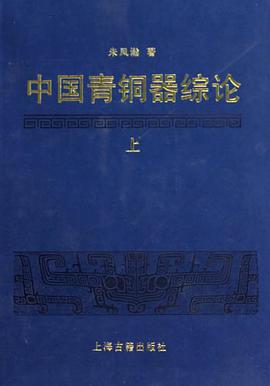
本书系综合考古、收藏、科技、美术众多领域成就,对中国青铜器学科作全面回顾及系统研究的专著。上编通论从青铜器的起源、发现和研究谈起,对历来各家的青铜器分类与定名作了科学的分析,确定了比较科学、合乎用途和器型的型式分类,并对青铜器的纹饰、铭文、铸造与加工、仿造、伪造与鉴别都作了精辟的阐释。下编分论分别对二里头文化的青铜器、商代青铜器、西周青铜器、春秋青铜器、战国青铜器以及东周时期边远地区的青铜器按时代、地域、礼器制度进行综合研究。
中国陶瓷史 Douban
author:
叶喆民
publishing house:
生活·读书·新知三联书店
2011
- 3
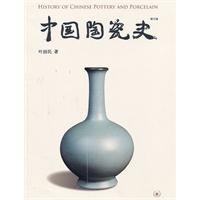
“陶瓷”是人类利用黏土矿物或岩石等多种天然资源,经过火烧制成功的技术成果。它与人类历史文明有着十分密切的关系,尤其是我们瓷器的发明及其工艺和技术的辉煌成就,对于人类生自学成才与文化都曾做出过很大的贡献。而一部“陶瓷史”既是民族艺术与科学漫长的发展史之缩影,也是当时社会生活及文化交流乃至政治、经济的真实反映。
这部《中国陶瓷吏》是在其原作《中国陶瓷史纲要》的基础上又补充了近20年来的新发现和新认识,图文并茂,内容更加丰富、翔实。它不仅阐述了中国历代陶瓷工艺的发展历程,也反映了各个朝代的政治、经济、贸易往来等变迁。它还体现了中华民族文化发展的灿烂历史。相信这该书的出版,不仅可作为同业的研究和生产人员必不可少的参考书;同时,它也是一本进行爱国主义教育、提高民族自豪感的优秀教材。
这部《中国陶瓷吏》是在其原作《中国陶瓷史纲要》的基础上又补充了近20年来的新发现和新认识,图文并茂,内容更加丰富、翔实。它不仅阐述了中国历代陶瓷工艺的发展历程,也反映了各个朝代的政治、经济、贸易往来等变迁。它还体现了中华民族文化发展的灿烂历史。相信这该书的出版,不仅可作为同业的研究和生产人员必不可少的参考书;同时,它也是一本进行爱国主义教育、提高民族自豪感的优秀教材。