欧立德
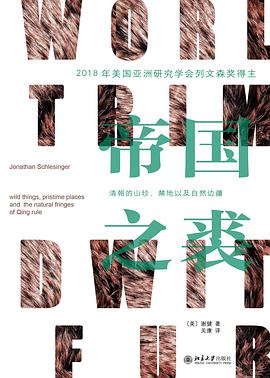
帝国之裘 豆瓣 Goodreads
A World Trimmed with Fur: Wild Things, Pristine Places, and the Natural Fringes of Qing Rule
作者: [美]谢健 译者: 关康 出版社: 北京大学出版社 2019 - 7
本书荣膺2018年美国亚洲历史学会列文森奖。
乾隆帝曾经盛赞过东北丰饶的物产和独特的自然环境,认为满洲大地是资源富集之地,也是自然生命力的源泉。这里的土地山川生生不息,养育了满洲人以及清朝皇室的祖先,也使其分享了素朴纯真和不竭的生命力。
清朝皇帝通过进贡制度,向满洲和蒙古地区征收毛皮、珍珠、蘑菇、人参等珍稀物产,这些物产不仅仅是物产,而且代表其产地所具有的纯真、丰饶、充满生机等象征意义,作为一种永恒的家园,与皇室有着密切的依存关系。
但这种进贡制度渐渐对满洲和蒙古地区产生了深远的影响,不仅仅造成了环境退化的后果,还形成了复杂的开发与控制的制度和组织。
作者是新清史的新锐,利用了大量满蒙文献,在对东北和蒙古环境史的考察中发现了皇帝对于北部边疆的想象、进贡体系与自然环境的恶化、清朝的奢侈品贸易和消费等诸多因素复杂的互动关系,为我们理解清朝边疆历史提供了新颖的视角。
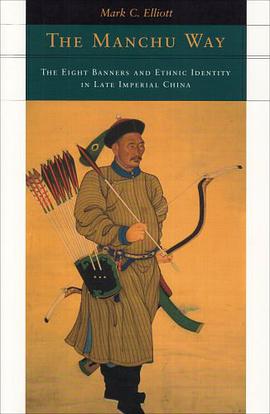
The Manchu Way 豆瓣 Goodreads
作者: Mark C. Elliott 出版社: Stanford University Press 2001 - 3
In 1644, the Manchus, a relatively unknown people inhabiting China’s rude northeastern frontier, overthrew the Ming, Asia’s mightiest rulers, and established the Qing dynasty, which endured to 1912. From this event arises one of Chinese history’s great conundrums: How did a barely literate alien people manage to remain in power for nearly 300 years over a highly cultured population that was vastly superior in number? This problem has fascinated scholars for almost a century, but until now no one has approached the question from the Manchu point of view.
This book, the first in any language to be based mainly on Manchu documents, supplies a radically new perspective on the formative period of the modern Chinese nation. Drawing on recent critical notions of ethnicity, the author explores the evolution of the “Eight Banners,” a unique Manchu system of social and military organization that was instrumental in the conquest of the Ming.
The author argues that as rulers of China the Manchu conquerors had to behave like Confucian monarchs, but that as a non-Han minority they faced other, more complex considerations as well. Their power derived not only from the acceptance of orthodox Chinese notions of legitimacy, but also, the author suggests, from Manchu “ethnic sovereignty,” which depended on the sustained coherence of the conquerors.
When, in the early 1700s, this coherence was threatened by rapid acculturation and the prospective loss of Manchu distinctiveness, the Qing court, always insecure, desperately urged its minions to uphold the traditions of an idealized “Manchu Way.” However, the author shows that it was not this appeal but rather the articulation of a broader identity grounded in the realities of Eight Banner life that succeeded in preserving Manchu ethnicity, and the Qing dynasty along with it, into the twentieth century.