癌症

癌症·新知:科学终结恐慌 豆瓣
8.4 (9 个评分)
作者:
李治中(菠萝)
出版社:
清华大学出版社
2017
- 9
著名作家冯唐、李一诺、吴一龙、“温太医”张晓龙、果壳网姬十三、“Dr魏”魏坤琳 联合推荐。
很多人不知道,40%的人在一生中某个时候会得癌症,因此几乎每个家庭都会有癌症患者。
很多人不知道,很多癌症早就不等同于绝症,延长生命,甚至治愈都完全可能。
很多人不知道,由于措施有效,美国的癌症死亡率已经连续多年下降了。
但战胜癌症,把癌症变成慢性病,前提是你了解它!
忌讳躲避,是下策。积极了解,才是上策。
作者希望通过这本书,能把国际上最前沿、科学、靠谱的抗癌知识,以及科学思考的方法分享给所有愿意主动学习的读者,帮助患者和家属少走弯路,找到最佳解决方案。
《癌症•新知:科学终结恐慌》内容很丰富,干货满满。既有理论分析,又有实用指南。比如,你会了解到:
为什么人可以和癌细胞共存?
美国癌症死亡率逐年下降的秘诀是什么?
国际最前沿的免疫疗法有哪些?对什么癌症有效?
用靶向药物为什么会出现耐药?应该怎么办?
患癌后,应该首先问医生哪些问题?
面对癌症,最大的威胁往往不是疾病本身,而是患者和家属在恐慌状态下做出错误的选择。这本书定能消除您的恐慌,帮助您做出正确的选择。
《癌症•新知:科学终结恐慌》语言幽默诙谐、阅读快感一如既往。不是有一种说法:郁结的时候吃点甜食,心情会好起来,此书就是那样的“甜食”。
很多人不知道,40%的人在一生中某个时候会得癌症,因此几乎每个家庭都会有癌症患者。
很多人不知道,很多癌症早就不等同于绝症,延长生命,甚至治愈都完全可能。
很多人不知道,由于措施有效,美国的癌症死亡率已经连续多年下降了。
但战胜癌症,把癌症变成慢性病,前提是你了解它!
忌讳躲避,是下策。积极了解,才是上策。
作者希望通过这本书,能把国际上最前沿、科学、靠谱的抗癌知识,以及科学思考的方法分享给所有愿意主动学习的读者,帮助患者和家属少走弯路,找到最佳解决方案。
《癌症•新知:科学终结恐慌》内容很丰富,干货满满。既有理论分析,又有实用指南。比如,你会了解到:
为什么人可以和癌细胞共存?
美国癌症死亡率逐年下降的秘诀是什么?
国际最前沿的免疫疗法有哪些?对什么癌症有效?
用靶向药物为什么会出现耐药?应该怎么办?
患癌后,应该首先问医生哪些问题?
面对癌症,最大的威胁往往不是疾病本身,而是患者和家属在恐慌状态下做出错误的选择。这本书定能消除您的恐慌,帮助您做出正确的选择。
《癌症•新知:科学终结恐慌》语言幽默诙谐、阅读快感一如既往。不是有一种说法:郁结的时候吃点甜食,心情会好起来,此书就是那样的“甜食”。
The Emperor of All Maladies 豆瓣
9.0 (14 个评分)
作者:
Siddhartha Mukherjee
出版社:
Scribner
2010
- 11
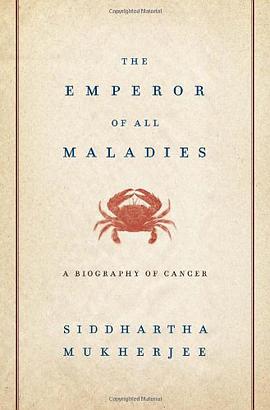
Starred Review. Mukherjee's debut book is a sweeping epic of obsession, brilliant researchers, dramatic new treatments, euphoric success and tragic failure, and the relentless battle by scientists and patients alike against an equally relentless, wily, and elusive enemy. From the first chemotherapy developed from textile dyes to the possibilities emerging from our understanding of cancer cells, Mukherjee shapes a massive amount of history into a coherent story with a roller-coaster trajectory: the discovery of a new treatment--surgery, radiation, chemotherapy--followed by the notion that if a little is good, more must be better, ending in disfiguring radical mastectomy and multidrug chemo so toxic the treatment ended up being almost worse than the disease. The first part of the book is driven by the obsession of Sidney Farber and philanthropist Mary Lasker to find a unitary cure for all cancers. (Farber developed the first successful chemotherapy for childhood leukemia.) The last and most exciting part is driven by the race of brilliant, maverick scientists to understand how cells become cancerous. Each new discovery was small, but as Mukherjee, a Columbia professor of medicine, writes, "Incremental advances can add up to transformative changes." Mukherjee's formidable intelligence and compassion produce a stunning account of the effort to disrobe the "emperor of maladies." (Nov.) (c)
Copyright © Reed Business Information, a division of Reed Elsevier Inc. All rights reserved.
Copyright © Reed Business Information, a division of Reed Elsevier Inc. All rights reserved.