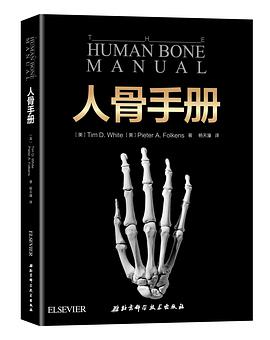
人骨手册 豆瓣
The Human Bone Manual
作者:
〔美〕Tim D. White
/
〔美〕Pieter A. Folkens
译者:
杨天潼
出版社:
北京科学技术出版社
2018
- 9
骨骼是人体框架的基础,也是经过漫长岁月后,人体最容易留存下来的部分。通过残存的骸骨,我们能知道些什么呢?其实仅仅从外观上辨识,我们就能从牙齿、颅骨骨缝、长骨、骨骺、耻骨、胸肋骨等部分了解死者的性别、年龄、发育情况、是否健康、是否分娩等等。通过现代技术手段,我们还能做影像学分析以及观测骨骼微观结构来获取更为详细的内容。
实际上,人类骨骼蕴含着非常丰富的信息。不同性别、种族、地域、生活习俗,均可导致不同的骨骼形态。而这些形态可随骨骼一直留存,从而为后来的学者提供研究线索,是法医学、考古学、动物学和生物学研究的重要研究资料。
如何分辨和提取这些重要信息,掌握人体每一块骨的特点,并利用现代技术对人骨做深入分析研究,正是《人骨手册》将要告诉读者的。翻开本书,读者可以获取法医学和人类学的专业知识:
约500张现场取得的*手珍贵照片;
多图展示组成人类骨骼系统的每一块骨头;
鉴别任一骨骼或牙齿的秘诀;
田野工作和实验室工作中处理遗骸所需注意的要点;
可用于深入学习的参考文献。
《人骨手册》并不是一本“猎奇”的书,而是一本严谨实用的专著。古人类学家Tim D. White通过大量调查和分析,在前人的基础之上进行严谨论证,谨慎地提出设想,为需要在实验室、野外工作及处理人体骨骼残骸的法医、司法人员、骨骼学家、古生物学家和考古人员编写了本书。
在野外,特别是在无实验室设备支持的情况下,本书可以为专业人员准确、快速地识别骨骼残骸提供可靠的参考,帮助读者获得骨骼残骸的解剖结构信息,且适合随身携带,方便在工作中随时参考对照。
自2005年于美国出版以来,《人骨手册》大受好评,连续13年在专科图书排行榜上名列前茅,更成为国内外许多大学教授、学者推荐给学生的必读书之一。我们在简体中文版中尽量延续了原书精炼准确的语言风格,保留了全部珍贵图片,希望能有更多的国内读者有机会领略这本经典之作的魅力,将本书放在后备箱、衣袋、或背包里,出发吧。
实际上,人类骨骼蕴含着非常丰富的信息。不同性别、种族、地域、生活习俗,均可导致不同的骨骼形态。而这些形态可随骨骼一直留存,从而为后来的学者提供研究线索,是法医学、考古学、动物学和生物学研究的重要研究资料。
如何分辨和提取这些重要信息,掌握人体每一块骨的特点,并利用现代技术对人骨做深入分析研究,正是《人骨手册》将要告诉读者的。翻开本书,读者可以获取法医学和人类学的专业知识:
约500张现场取得的*手珍贵照片;
多图展示组成人类骨骼系统的每一块骨头;
鉴别任一骨骼或牙齿的秘诀;
田野工作和实验室工作中处理遗骸所需注意的要点;
可用于深入学习的参考文献。
《人骨手册》并不是一本“猎奇”的书,而是一本严谨实用的专著。古人类学家Tim D. White通过大量调查和分析,在前人的基础之上进行严谨论证,谨慎地提出设想,为需要在实验室、野外工作及处理人体骨骼残骸的法医、司法人员、骨骼学家、古生物学家和考古人员编写了本书。
在野外,特别是在无实验室设备支持的情况下,本书可以为专业人员准确、快速地识别骨骼残骸提供可靠的参考,帮助读者获得骨骼残骸的解剖结构信息,且适合随身携带,方便在工作中随时参考对照。
自2005年于美国出版以来,《人骨手册》大受好评,连续13年在专科图书排行榜上名列前茅,更成为国内外许多大学教授、学者推荐给学生的必读书之一。我们在简体中文版中尽量延续了原书精炼准确的语言风格,保留了全部珍贵图片,希望能有更多的国内读者有机会领略这本经典之作的魅力,将本书放在后备箱、衣袋、或背包里,出发吧。
