科学-其他
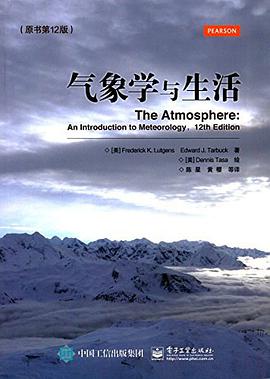
气象学与生活 豆瓣
The Atmosphere:An Introduction to Meteorology
作者: 弗雷德里克·K.鲁特更斯 (Frederick K.Lutgens) / 爱德华·J.塔巴克 (Edward J.Tarbuck) 译者: 陈星 / 黄樱 出版社: 电子工业出版社 2016 - 10
本书从科学探索的角度和物理学原理出发,详细介绍了气象学的基本概念和原理,包括:地球主要组成圈层、大气组成、物理性质、空间结构、要素变化;大气运动各种过程的物理原因;地球上各种天气和气候现象、形形色色的云和降水的形成原因;气压和风、气团、气旋和锋面天气的形成;强对流、雷暴 、龙卷风和飓风(台风)等灾害性天气;人工影响天气的各种途径、天气分析和预报的方法、卫星在天气预报中的应用;空气污染及其原因;气候变化与气候系统、人类对全球气候的影响、全球变暖的可能后果、世界气候和气候分类及大气中各种奇特的光学现象和形成的原理等。
本书内容丰富、概念清楚、深入浅出、图文并茂。可以作为对气象学感兴趣的人们学习了解大气变化奥秘的入门读物,也可作为高等院校非大气科学专业学生的通识课程参考教材,并可供气象学相关专业人员作为参考书和工具书。
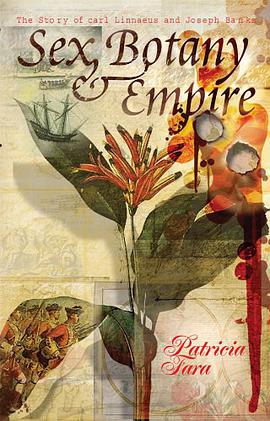
Sex, Botany, and Empire 豆瓣
作者: Patricia Fara 出版社: Columbia University Press 2004 - 9
Enlightenment botany was replete with sexual symbolism -- to the extent that many botanical textbooks were widely considered pornographic. Carl Linnaeus's controversial new system for classifying plants based on their sexual characteristics, as well as his use of language resonating with erotic allusions, provoked intense public debate over the morality of botanical study. And the renowned Tahitian exploits of Joseph Banks -- whose trousers were reportedly stolen while he was inside the tent of Queen Oberea of Tahiti -- reinforced scandalous associations with the field. Yet Linnaeus and Banks became powerful political and scientific figures who were able to promote botanical exploration alongside the exploitation of territories, peoples, and natural resources. Sex, Botany, and Empire explores the entwined destinies of these two men and how their influence served both science and imperialism. Patricia Fara reveals how Enlightenment botany, under the veil of rationality, manifested a drive to conquer, subdue, and deflower -- all in the name of British empire. Linnaeus trained his traveling disciples in a double mission -- to bring back specimens for the benefit of the Swedish economy and to spread the gospel of Linnaean taxonomy. Based in London at the hub of an international exchange and correspondence network, Banks ensured that Linnaeus's ideas became established throughout the world. As the president of the Royal Society for more than forty years, Banks revolutionized British science, and his innovations placed science at the heart of trade and politics. He made it a policy to collect and control resources not only for the sake of knowledge but also for the advancement of the empire. Although Linnaeus is often celebrated as modern botany's true founder, Banks has had a greater long-term impact. It was Banks who ensured that science and imperialism flourished together, and it was he who first forged the interdependent relationship between scientific inquiry and the state that endures to this day.