绘画
原生艺术的故事 Douban
author:
洪米贞
publishing house:
河北教育出版社
2004
- 3
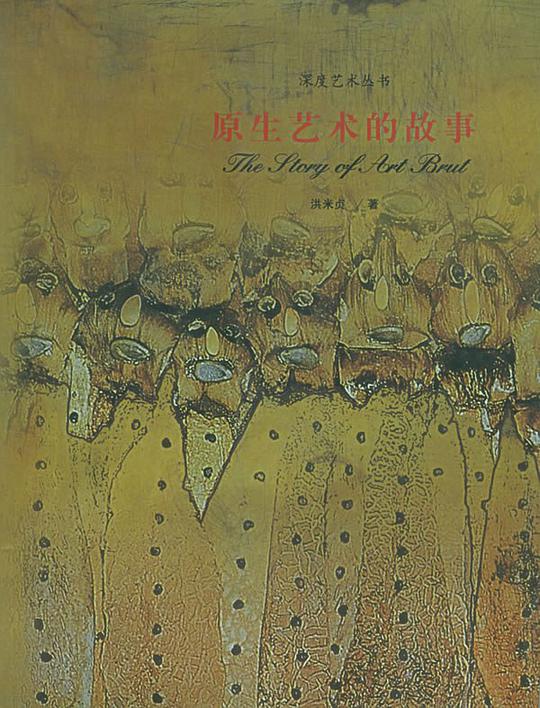
《原生艺术的故事》:“原生艺术”这个词对多数人来说也许比较陌生,但对其滥觞原始壁画、大型石窟等原始艺术、自发艺术当是有所了解。在文明发展初期,艺术创作尚未达到自觉的阶段,无意识、潜意识的创作给我们留下了宝贵的文化遗产。艺术不仅仅是精英的事情,而是具有普适性。《原生艺术的故事》一书就从原始艺术出发,从“原生艺术”(ART BRUT)一词的创造者让·迪比费为这一另端艺术所做的努力出发讲述了非主流、非学院的艺术创作。
让·迪比费这位经营葡萄酒生意的法国人年轻时就读于著名艺术学校朱利安学院,与超现实主义的圈子有着紧密的联系。当事业渐渐走上轨道之际,二次世界大战带来的精神恐慌使他重拾画笔,并意外在儿童画里发现一种似乎负载着某种难以言宣的力量与新东西的具象,由此走上这种力量探索之旅。他从普林茨霍恩的《精神病人的艺术表现》一书出发,参观访问了好几个地方的精神病院及其收藏,深深为那些精神病人的作品所震撼。他出版了《原生艺术笔记》,创立了原生艺术之家又很快结束,接着设立原生艺术协会后解散又再生,举办原生艺术展览,为原生艺术辩护,成立原生艺术收藏馆。经过长久的观察与思考,迪比费对原生艺术的定义逐渐成形并对其进行修正:“(原生艺术)包括各种类型的作品,素描、彩绘、刺绣、手塑品、小雕像等等。显现出自发与强烈创造性的特征,尽可能最少地依赖传统艺术与文化的陈腔滥调,而且作者都是默默无闻、与职业艺术圈没有关系的人。”
让·迪比费这位经营葡萄酒生意的法国人年轻时就读于著名艺术学校朱利安学院,与超现实主义的圈子有着紧密的联系。当事业渐渐走上轨道之际,二次世界大战带来的精神恐慌使他重拾画笔,并意外在儿童画里发现一种似乎负载着某种难以言宣的力量与新东西的具象,由此走上这种力量探索之旅。他从普林茨霍恩的《精神病人的艺术表现》一书出发,参观访问了好几个地方的精神病院及其收藏,深深为那些精神病人的作品所震撼。他出版了《原生艺术笔记》,创立了原生艺术之家又很快结束,接着设立原生艺术协会后解散又再生,举办原生艺术展览,为原生艺术辩护,成立原生艺术收藏馆。经过长久的观察与思考,迪比费对原生艺术的定义逐渐成形并对其进行修正:“(原生艺术)包括各种类型的作品,素描、彩绘、刺绣、手塑品、小雕像等等。显现出自发与强烈创造性的特征,尽可能最少地依赖传统艺术与文化的陈腔滥调,而且作者都是默默无闻、与职业艺术圈没有关系的人。”
山外山 Douban
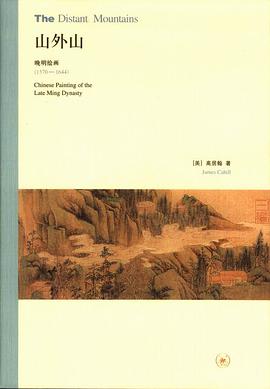
Distant Mountains: Chinese Painting Of The Late Ming Dynasty, 1570-1644
8.4 (9 ratings)
author:
[美国] 高居翰
translator:
王嘉骥
publishing house:
生活·读书·新知三联书店
2009
- 8
晚明经历了“天崩地解”的改朝换代巨变。由于朝廷体制的松动,文人思潮活泼、多元而富批判性。艺术家与政治的关系诡谲而复杂,各种景况造成了画坛空前的大震荡。在书中,读者可以看到各种不同类型的画家及其令人震撼惊异的绘画图像,也可以了解到,中国绘画到了晚明时期,无论在形式的发展、内涵与意义的丰富性以及实践上,都已经发展到空前未有的复杂程度。
江岸送别 Douban
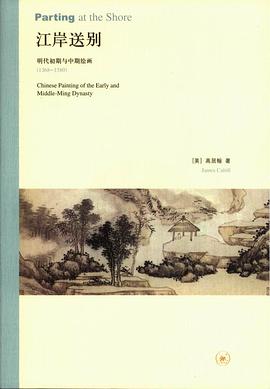
Chinese Painting of the Early and Middle Ming Dynasty, 1368-1580
8.6 (10 ratings)
author:
[美国] 高居翰
translator:
夏春梅 [等]
publishing house:
生活·读书·新知三联书店
2009
- 8
朱元璋推翻蒙元政权,建立明朝以后,却也带来了一段腥风血雨的统治,许多文人画家都落得了身首异处的凄惨下场,形成明初画坛的空白时期。本书探讨明代初期与中期的绘画发展,除了讨论明代画家如何赓续元代的绘画成就,寻求创新之外,也探讨了宫廷绘画与浙、吴(苏州)、南京等地方画派的表现及其发展。书中对于画家的社会、经济地位与其绘画风格的关系,也有极为精彩透辟的讨论。
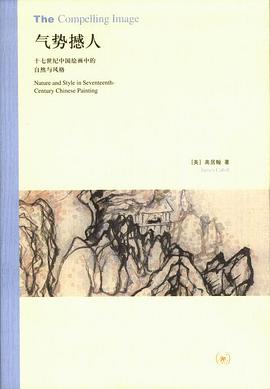
气势撼人 Douban
The Compelling Image: Nature and Style in Seventeenth-Century Chinese Painting
9.5 (8 ratings)
author:
[美国] 高居翰
translator:
李佩桦
/
傅立萃
…
publishing house:
生活·读书·新知三联书店
2009
- 8
十七世纪的中国,是一个面临改朝换代、人心惶惶的混乱时代,但在艺术史上,却是画家创作力最旺盛的时代。高居翰在书中提到:“即使在世界艺术史上,欧洲十九世纪以前的画坛,也都难与十七世纪的中国画坛媲美。”这是一部以最浅显的方式带领读者由小见大,进而透视中国绘画本质的大书。透过作者雄辩而生动的解析,以及丰富细腻的图版对比,读者可以毫无困难地进入中国十七世纪多位艺术大师──包括张宏、董其昌、吴彬、陈洪绶、弘仁、龚贤、王原祁、石涛──的心灵与创作世界,同时也可以一窥中国艺术里自然与风格的复杂辩证关系。
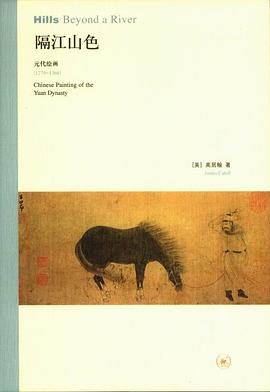
隔江山色 Douban
Hills Beyond a River: Chinese Painting of the Yuan Dynasty, 1279-1368
9.1 (27 ratings)
author:
[美国] 高居翰
translator:
宋伟航
publishing house:
生活·读书·新知三联书店
2009
- 8
本书是作者关于中国晚期绘画史写作计划的第一种,探讨元代绘画。元代是蒙古人统治中国的时代,却也是中国文人画发展最具活力与原创性的时代。在蒙古人废科举制度的情形下,读书人面临着变节或失业的两难窘境,很多文人政途不通,转而以为人占卜、代书或绘画为业。本书即讲述了在这个异族统治、志不得伸的年代里,画家如何以绘画来表达自己的看法与心声的故事。
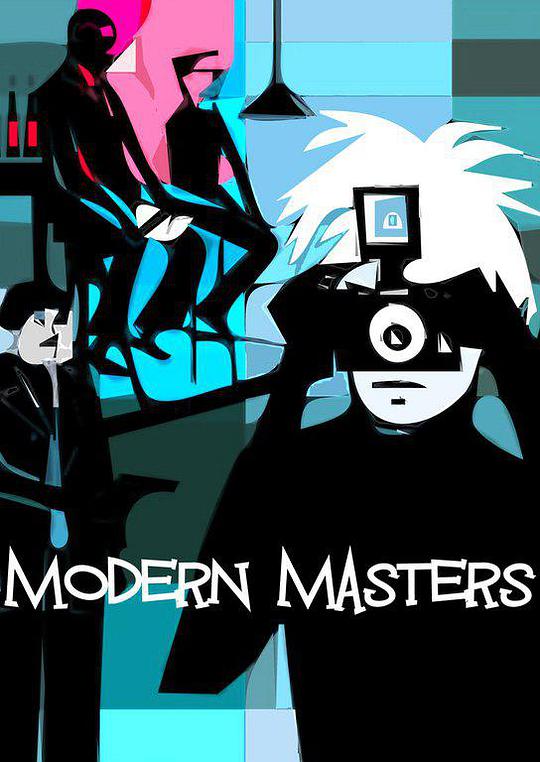
Modern Masters (现代艺术大师) (2010) Douban Douban
Modern Masters part of TV Series: Modern Masters
9.1 (62 ratings)
director:
Louise Hooper
actor:
阿拉斯泰尔·苏克
《现代艺术大师》是英国广播公司BBC推出的一档电视系列节目,它由四部分组成,分别详细介绍了20世纪的四位重要的艺术大师:安迪·沃霍尔(Andy Warhol)、马蒂斯(Henri Matisse)、毕加索(Pablo Picasso)和达利(Salvador Dali)的工作与生活。在片中,镜头跟随主持人Alastair Sooke的脚步,走访了四位艺术家们生前的居所、艺廊及博物馆,甚至是他们最爱的餐厅等地,向观众展示了他们伟大的艺术贡献以及惊人的后世影响力。环顾四周,麦当娜的专辑封面、米菲兔的文具、甚至是你家的沙发和电话,也许就来源于这四位大师的创作……
The Impressionists: Painting and Revolution (The Impressionists - Painting and Revolution) (2011) Douban TMDB
The Impressionists - Painting and Revolution Season 1 part of TV Series: The Impressionists: Painting and Revolution
9.6 (22 ratings)
director:
Susan Doyon
actor:
瓦尔德马·雅努茨扎克
Gang of Four
Episode 1 of 4
Duration: 1 hour
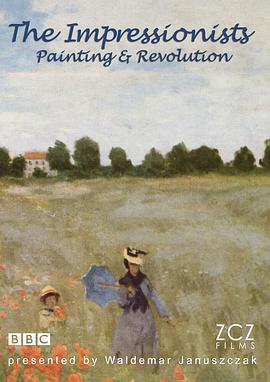
Art writer Waldemar Januszczak explores the revolutionary achievements of the Impressionists. In the first episode, Waldemar delves into the back stories of four of the most influential Impressionists - Pissarro, Monet, Renoir and Bazille - who together laid the foundations of the artistic movement. He finds out what social and cultural influences drove them to their style of painting, how they were united and how ultimately they challenged and changed art forever.
Waldemar journeys from the shores of the West Indies, to the progressive city of Paris to the suburbs of South London, where these four artists drew inspiration from the cities and towns in which they lived. Whether it be the infamous spot on the river Seine - La Grenouillere - where Monet and Renoir beautifully captured animated people, iridescent light and undulating water or the minimalist, non-sensationalised illustrations of Pissarro's coarse countryside paintings, Waldemar discovers how the Impressionists broke conventions by depicting every day encounters within the unpredictable and ever changing sights around them.
------
Painting outdoors
Episode 2 of 4
Duration: 1 hour
Waldemar Januszczak continues his investigation of the Impressionists by taking us outdoors to their most famous locations. Although Impressionist pictures often look sunny and relaxed, achieving this peaceful air was hard work. Trudging through fog, wind and rain, across treacherous coastal rocks and knee-deep snow, Waldemar shows how the famous spontaneity of the Impressionists is thoroughly misleading.
This episode visits the French riverside locations that Monet loved to paint, and where Renoir captured the bonhomie of modern life. Waldemar also introduces a number of technical and practical developments of the age which completely revolutionised Impressionist painting - the invention of portable easels; the use of hog's hair in paint brushes; as well as the introduction of the railway through France. And a scientific demonstration in a Swedish snowdrift explains just how right the Impressionists were to paint brightly coloured shadows in their winter scenes, despite being accused of 'hallucinating' at the time.
Finally, Januszczak explains Cezanne's part in the Impressionist story from his dark and challenging early work to his first rural landscapes in France, and then his departure from Paris and separation from the Impressionist gang.
------
Painting the People
Episode 3 of 4
Duration: 1 hour
Waldemar Januszczak continues his investigation of the Impressionists, focusing this time on the people they painted and in particular the subjects of Degas, Caillebotte and the often forgotten Impressionist women artists. The Impressionists are famous for painting landscape but they were just as determined to paint people.
Looking closely at one of Impressionism's finest painters, Edgar Degas, Waldemar reveals how he consistently challenged traditions and strove to record real life as it appeared in the city, from sculpting the contorted movements of horses in motion at the Longchamp race course in Paris to encapsulating extravagant 3D viewpoints of the ballet dancers at the Paris Opera.
Waldemar also uncovers the intoxicating haziness the pastel produced in Degas' work when visiting his supplier Pastels de Roche. He also reveals the unusual viewpoints and dramatic perspectives of Caillebotte's paintings from the Place de L'Europe and the rebellious and revolutionary art of Morisot, Bracquemond and Cassatt, three impressive female artists who were eagerly embraced by the progressive movement of Impressionism
------
Final Flourish
Episode 4 of 4
Duration: 1 hour
This episode takes a closer look at the late years of Impressionism, using the last show these artists did together as a starting point.
Waldemar looks in considerable depth at the work of Georges Seurat, taking into consideration his academic training at the Beaux-Arts School in Paris and the artists that influenced him, such as Piero della Francesca and Puvis de Chavannes.
There is also an insight into the complex but fascinating world of optics and art, and the ways in which the Impressionists were using the new discoveries in light and eyesight to influence their work. A fascinating 'after-image' experiment brings to life the ways in which our own eyes see colour, both in its presence and its absence.
Van Gogh's time in Paris, a period very little is known about, is also covered, charting the incredible journey the artist made from his brown and dull canvases to the splendid colour and light that pervaded his work on the cusp of his departure for the South of France.
The film finishes with a revisiting of Monet and his later waterlily paintings in the Orangerie in Paris. Waldemar investigates how a bad case of cataracts was responsible for a seismic shift in his colour palette and his brushstrokes. Spending time with an ophthalmologist, he finds out how old age and a fairly common ailment of the eyes caused Impressionism to shift and become radical again at the turn of the century and into the 20th century
Episode 1 of 4
Duration: 1 hour
Art writer Waldemar Januszczak explores the revolutionary achievements of the Impressionists. In the first episode, Waldemar delves into the back stories of four of the most influential Impressionists - Pissarro, Monet, Renoir and Bazille - who together laid the foundations of the artistic movement. He finds out what social and cultural influences drove them to their style of painting, how they were united and how ultimately they challenged and changed art forever.
Waldemar journeys from the shores of the West Indies, to the progressive city of Paris to the suburbs of South London, where these four artists drew inspiration from the cities and towns in which they lived. Whether it be the infamous spot on the river Seine - La Grenouillere - where Monet and Renoir beautifully captured animated people, iridescent light and undulating water or the minimalist, non-sensationalised illustrations of Pissarro's coarse countryside paintings, Waldemar discovers how the Impressionists broke conventions by depicting every day encounters within the unpredictable and ever changing sights around them.
------
Painting outdoors
Episode 2 of 4
Duration: 1 hour
Waldemar Januszczak continues his investigation of the Impressionists by taking us outdoors to their most famous locations. Although Impressionist pictures often look sunny and relaxed, achieving this peaceful air was hard work. Trudging through fog, wind and rain, across treacherous coastal rocks and knee-deep snow, Waldemar shows how the famous spontaneity of the Impressionists is thoroughly misleading.
This episode visits the French riverside locations that Monet loved to paint, and where Renoir captured the bonhomie of modern life. Waldemar also introduces a number of technical and practical developments of the age which completely revolutionised Impressionist painting - the invention of portable easels; the use of hog's hair in paint brushes; as well as the introduction of the railway through France. And a scientific demonstration in a Swedish snowdrift explains just how right the Impressionists were to paint brightly coloured shadows in their winter scenes, despite being accused of 'hallucinating' at the time.
Finally, Januszczak explains Cezanne's part in the Impressionist story from his dark and challenging early work to his first rural landscapes in France, and then his departure from Paris and separation from the Impressionist gang.
------
Painting the People
Episode 3 of 4
Duration: 1 hour
Waldemar Januszczak continues his investigation of the Impressionists, focusing this time on the people they painted and in particular the subjects of Degas, Caillebotte and the often forgotten Impressionist women artists. The Impressionists are famous for painting landscape but they were just as determined to paint people.
Looking closely at one of Impressionism's finest painters, Edgar Degas, Waldemar reveals how he consistently challenged traditions and strove to record real life as it appeared in the city, from sculpting the contorted movements of horses in motion at the Longchamp race course in Paris to encapsulating extravagant 3D viewpoints of the ballet dancers at the Paris Opera.
Waldemar also uncovers the intoxicating haziness the pastel produced in Degas' work when visiting his supplier Pastels de Roche. He also reveals the unusual viewpoints and dramatic perspectives of Caillebotte's paintings from the Place de L'Europe and the rebellious and revolutionary art of Morisot, Bracquemond and Cassatt, three impressive female artists who were eagerly embraced by the progressive movement of Impressionism
------
Final Flourish
Episode 4 of 4
Duration: 1 hour
This episode takes a closer look at the late years of Impressionism, using the last show these artists did together as a starting point.
Waldemar looks in considerable depth at the work of Georges Seurat, taking into consideration his academic training at the Beaux-Arts School in Paris and the artists that influenced him, such as Piero della Francesca and Puvis de Chavannes.
There is also an insight into the complex but fascinating world of optics and art, and the ways in which the Impressionists were using the new discoveries in light and eyesight to influence their work. A fascinating 'after-image' experiment brings to life the ways in which our own eyes see colour, both in its presence and its absence.
Van Gogh's time in Paris, a period very little is known about, is also covered, charting the incredible journey the artist made from his brown and dull canvases to the splendid colour and light that pervaded his work on the cusp of his departure for the South of France.
The film finishes with a revisiting of Monet and his later waterlily paintings in the Orangerie in Paris. Waldemar investigates how a bad case of cataracts was responsible for a seismic shift in his colour palette and his brushstrokes. Spending time with an ophthalmologist, he finds out how old age and a fairly common ailment of the eyes caused Impressionism to shift and become radical again at the turn of the century and into the 20th century
法国印象派绘画珍品展 Douban
author:
冯远 主编
publishing house:
百花文艺出版社
2004
印象派大师:莫奈 Douban
author:
莫奈
/
雅昌艺术图书
publishing house:
上海书画出版社
2014
- 3
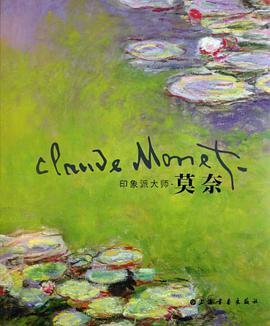
中国大陆第一次的莫奈专题特展“印象派大师•莫奈特展”于3月8日在上海K11开幕。本次展览将掀起对印象派的全新议论、重新诠释艺术在中国社会的角色,以及给予艺术家,艺术学生和社会全新的艺术灵感和源泉。特展所展示的55件展品,包括40幅莫奈真迹、12幅其他印象派画家大师作品,以及3件莫奈生前所用物品,众多莫奈艺术生涯各个重要时期的代表作品的呈现,让中国观众不用走出国门,就能零距离欣赏到印象派大师的作品。
编辑推荐
作为中法建交50周年文化庆典活动的重头戏,“印象派大师.莫奈特展”将见证艺术家的创作生涯、情感和生活。
名人推荐
法国驻华大使-白林:本次展览精选了40于幅莫奈真迹,“印象派大师.莫奈特展”给观众提供了一个难得的机会,去探寻艺术家真实的生活。
编辑推荐
作为中法建交50周年文化庆典活动的重头戏,“印象派大师.莫奈特展”将见证艺术家的创作生涯、情感和生活。
名人推荐
法国驻华大使-白林:本次展览精选了40于幅莫奈真迹,“印象派大师.莫奈特展”给观众提供了一个难得的机会,去探寻艺术家真实的生活。
如何看懂印象派 Douban
8.6 (10 ratings)
author:
丰子恺
publishing house:
新星出版社
2015
- 9
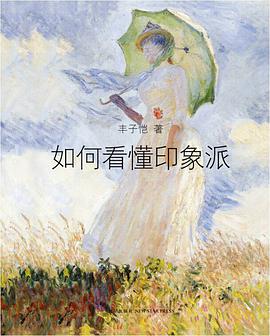
★画家眼中的画家:丰子恺用通俗淡雅的语言,引介与东方绘画因缘深厚的印象派、后印象派大师
★拉阔视野:以印象派为中心,纵向上追溯西画源流,横向上比较中西绘画传统
★首次独立印行,全新编排;新增边栏,收录画家的妙语轶事
★配入多幅彩图,裸脊装展现跨页名画,触摸印象派“光的语言”
丰子恺认为印象派画家是“光的诗人”,以纯粹的眼光描出色和光的世界。本书一共五讲,深入浅出地讲解印象派本末及其后续兴起、与之关联紧密的新印象派、后印象派,点拨欣赏名家画作的入门路径。
在《如何看懂印象派》中,丰子恺对其中的重要画家及其代表作进行了简练而精准的点评,引读者体 味绘画中的“光的言语”和“色的文字”,点出东方绘画对印象派的影响,并对相关技法进行了颇为深入的理论剖析,指出印象派与现代艺术的内在关联。
★拉阔视野:以印象派为中心,纵向上追溯西画源流,横向上比较中西绘画传统
★首次独立印行,全新编排;新增边栏,收录画家的妙语轶事
★配入多幅彩图,裸脊装展现跨页名画,触摸印象派“光的语言”
丰子恺认为印象派画家是“光的诗人”,以纯粹的眼光描出色和光的世界。本书一共五讲,深入浅出地讲解印象派本末及其后续兴起、与之关联紧密的新印象派、后印象派,点拨欣赏名家画作的入门路径。
在《如何看懂印象派》中,丰子恺对其中的重要画家及其代表作进行了简练而精准的点评,引读者体 味绘画中的“光的言语”和“色的文字”,点出东方绘画对印象派的影响,并对相关技法进行了颇为深入的理论剖析,指出印象派与现代艺术的内在关联。
三十二个展览:印象派全景 Douban
author:
上海博物馆 编
publishing house:
北京大学出版社
2013
- 9
本书是一个印象派手册,也是一本展览史话。从近20年全世界范围内以印象派为主题的展览中,选出其中32个,以展览为线索,呈现印象派的全景。
印象派划分了一个时代。它从巴黎出发,向世界辐射,成为国际化的风格;它以对“大自然的光色变化”的真实表现,上承巴比松画派,连接着现实主义与浪漫主义的情怀,下启后印象派,乃至发端整个现代主义运动。印象派史无前例的技法所呈现出的独特面貌,不仅仅与艺术史自身形式演变的动力有关, 更是时代精神的表征。
他们积极回应工业文明所带来的挑战,描绘规划过的巴黎街道,蒸汽氤氲的火车站,深夜电灯下的波西米亚人;他们拥抱全新的审美趣味,从摄影中借鉴构图,从服饰与时尚中提炼趋势,从日本风格和东方审美中获取灵感;他们体味现代的生活方式,咖啡馆与酒吧、剧院与包厢都成了他们热衷描绘的场景,还有花园与河畔那些泛着韵味的光和色和享受生活的男女。
印象派划分了一个时代。它从巴黎出发,向世界辐射,成为国际化的风格;它以对“大自然的光色变化”的真实表现,上承巴比松画派,连接着现实主义与浪漫主义的情怀,下启后印象派,乃至发端整个现代主义运动。印象派史无前例的技法所呈现出的独特面貌,不仅仅与艺术史自身形式演变的动力有关, 更是时代精神的表征。
他们积极回应工业文明所带来的挑战,描绘规划过的巴黎街道,蒸汽氤氲的火车站,深夜电灯下的波西米亚人;他们拥抱全新的审美趣味,从摄影中借鉴构图,从服饰与时尚中提炼趋势,从日本风格和东方审美中获取灵感;他们体味现代的生活方式,咖啡馆与酒吧、剧院与包厢都成了他们热衷描绘的场景,还有花园与河畔那些泛着韵味的光和色和享受生活的男女。
米开朗基罗 Douban
author:
威廉·E.华莱士
translator:
束光
publishing house:
北京美术摄影出版社
2013
- 3
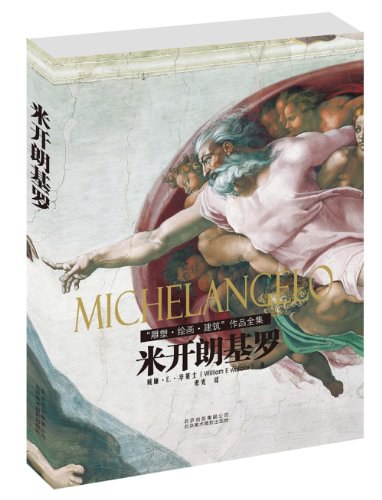
《米开朗基罗:"雕塑•绘画•建筑"作品全集》内容简介:国内首度引进,最权威米开朗基罗作品全集;•完整呈现米开朗基罗所有现存且来源毫无争议作品;•讲述文艺复兴三杰之一 “米开朗基罗”的曲折艺术生涯及人生经历;
•透过大师最传世作品体会一个充满真实人性的米开朗基罗;
•全方位、多角度、从整体到局部完整展现了米开朗基罗作品的原貌;
•纯手工装订、8开巨幅呈现、45g圣经纸插页完美展现、进口超净白雪纺铜版纸数码精印,极致震撼价198元,年度最超值作品倾情奉献;
米开朗基罗,意大利文艺复兴时期伟大的雕塑家、绘画家、建筑师和诗人,文艺复兴时期雕塑艺术最高峰的代表。
米开朗基罗的雕塑作品以人体作为表达感情的主要手段,其作品刚劲有力、气魄宏大,充分体现了文艺复兴时期生气勃勃的人文主义精神。1498年,年仅23岁的米开朗基罗开始为罗马圣彼得大教堂创作大理石群雕像《罗马圣殇》,作品一问世,立即引起轰动,这是他一生中唯一署名的作品。1501年,26岁的米开朗基罗开始创作他另一举世闻名的杰作———《大卫》。《大卫》不仅仅是一尊雕像,而是文艺复兴人文主义思想在艺术上得到充分体现的象征。此外,在米开朗基罗的大量雕塑作品中,《摩西》和《昼》、《夜》、《晨》、《昏》以及《反抗的奴隶》、《濒死的奴隶》,也被认为是旷世之作。
米开朗基罗的绘画作品主要以为教皇们绘制的湿壁画流芳于世。1508年,应教皇尤利乌斯二世的要求,历经四年零五个月的时间,米开朗基罗在西斯廷教堂天花板上完成了传世巨作穹顶画《创世纪》。24年后,米开朗基罗又应教皇克莱门特七世之约,在西斯廷教堂祭坛正面墙上绘制了另一撼人心魄的巨幅壁画《最后的审判》。
晚年的米开朗基罗以极大的热情投入到建筑艺术上,并有精深造诣,因而他也成了意大利文艺复兴时期最著名的建筑设计师之一。米开朗基罗为罗马圣彼得大教堂的建设作出了巨大贡献,他参与设计并主持过此项工程。在与古罗马遗址相连的罗马坎比多利奥山丘上,米开朗基罗设计了罗马市政厅建筑群,其和谐完美堪称文艺复兴时期宫殿建筑的代表。
《米开朗基罗:"雕塑•绘画•建筑"作品全集》呈现了米开朗基罗所有现存且来源毫无争议的作品,包括雕塑、绘画和建筑以及他的六百余件素描的一部分,作者通过长镜头般的叙事方式和高品质的摄影图片,全方位、多角度、从整体到局部、由远及近、从正面到侧面及背面完整展现了米开朗基罗作品的原貌。
与此同时,《米开朗基罗:"雕塑•绘画•建筑"作品全集》也描述了一位充满真实人性的米开朗基罗,他亲自挑选助手并知道助手们的绰号;他因为自己仆从的死去而彻底崩溃;他偶尔也能享受朋友的陪伴与风趣交;他生性多疑,钱都藏在袜子里,死时已是亿万富翁,但他的生活却一点也不富有……我们在书中能够看到的是真实的而非被传记作家所神化的了米开朗基罗。
通过《米开朗基罗:"雕塑•绘画•建筑"作品全集》,我们不得不赞叹米开朗基罗的人性、坚毅,以及超越的成就。他对艺术发展的贡献在于他不受束缚、无所畏惧的想象力,他主宰了意大利以及文艺复兴艺术成就的文化风景。他运用自己无比的天赋及超越的想象力,为世界创造出历久弥新的崇高艺术作品。
•透过大师最传世作品体会一个充满真实人性的米开朗基罗;
•全方位、多角度、从整体到局部完整展现了米开朗基罗作品的原貌;
•纯手工装订、8开巨幅呈现、45g圣经纸插页完美展现、进口超净白雪纺铜版纸数码精印,极致震撼价198元,年度最超值作品倾情奉献;
米开朗基罗,意大利文艺复兴时期伟大的雕塑家、绘画家、建筑师和诗人,文艺复兴时期雕塑艺术最高峰的代表。
米开朗基罗的雕塑作品以人体作为表达感情的主要手段,其作品刚劲有力、气魄宏大,充分体现了文艺复兴时期生气勃勃的人文主义精神。1498年,年仅23岁的米开朗基罗开始为罗马圣彼得大教堂创作大理石群雕像《罗马圣殇》,作品一问世,立即引起轰动,这是他一生中唯一署名的作品。1501年,26岁的米开朗基罗开始创作他另一举世闻名的杰作———《大卫》。《大卫》不仅仅是一尊雕像,而是文艺复兴人文主义思想在艺术上得到充分体现的象征。此外,在米开朗基罗的大量雕塑作品中,《摩西》和《昼》、《夜》、《晨》、《昏》以及《反抗的奴隶》、《濒死的奴隶》,也被认为是旷世之作。
米开朗基罗的绘画作品主要以为教皇们绘制的湿壁画流芳于世。1508年,应教皇尤利乌斯二世的要求,历经四年零五个月的时间,米开朗基罗在西斯廷教堂天花板上完成了传世巨作穹顶画《创世纪》。24年后,米开朗基罗又应教皇克莱门特七世之约,在西斯廷教堂祭坛正面墙上绘制了另一撼人心魄的巨幅壁画《最后的审判》。
晚年的米开朗基罗以极大的热情投入到建筑艺术上,并有精深造诣,因而他也成了意大利文艺复兴时期最著名的建筑设计师之一。米开朗基罗为罗马圣彼得大教堂的建设作出了巨大贡献,他参与设计并主持过此项工程。在与古罗马遗址相连的罗马坎比多利奥山丘上,米开朗基罗设计了罗马市政厅建筑群,其和谐完美堪称文艺复兴时期宫殿建筑的代表。
《米开朗基罗:"雕塑•绘画•建筑"作品全集》呈现了米开朗基罗所有现存且来源毫无争议的作品,包括雕塑、绘画和建筑以及他的六百余件素描的一部分,作者通过长镜头般的叙事方式和高品质的摄影图片,全方位、多角度、从整体到局部、由远及近、从正面到侧面及背面完整展现了米开朗基罗作品的原貌。
与此同时,《米开朗基罗:"雕塑•绘画•建筑"作品全集》也描述了一位充满真实人性的米开朗基罗,他亲自挑选助手并知道助手们的绰号;他因为自己仆从的死去而彻底崩溃;他偶尔也能享受朋友的陪伴与风趣交;他生性多疑,钱都藏在袜子里,死时已是亿万富翁,但他的生活却一点也不富有……我们在书中能够看到的是真实的而非被传记作家所神化的了米开朗基罗。
通过《米开朗基罗:"雕塑•绘画•建筑"作品全集》,我们不得不赞叹米开朗基罗的人性、坚毅,以及超越的成就。他对艺术发展的贡献在于他不受束缚、无所畏惧的想象力,他主宰了意大利以及文艺复兴艺术成就的文化风景。他运用自己无比的天赋及超越的想象力,为世界创造出历久弥新的崇高艺术作品。