考古
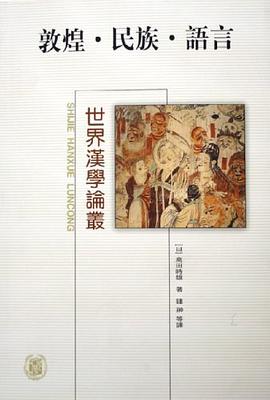
敦煌·民族·语言 Douban
author:
高田时雄
translator:
钟翀 等
publishing house:
中华书局
2005
本书题为《敦煌·民族·语言》,除了以上述主题展开论述的文章之外,另加舆五姓说、慧超傅、玉篇、排字员等相关的数篇考證,合计收录二十篇文章。總而言之,本书所选的都是舆敦煌、民族、语言这三个主题词相关的文章。发表年代自80年代初至於近年,歷年既久,其中的部分论文,其学术价值或已降低,但考虑在相关分野之中此重研究尚不多见,这些论文仍具一定价值,故予以一並付梓。
本书收录的文章,大多由在京都大学大学院留学中的锺翀、陈捷二君譯就,而其中尤以出自锺翀君之手者为多。另有两篇借用了曾被中国国内雜誌刊载的譯稿,在这次的收录之中,又对这两篇譯稿之中一些明顯的错误作了订正,也增加了若干的文词表术。在此也对以上译者的艰苦劳作表示深深感谢。
本书收录的文章,大多由在京都大学大学院留学中的锺翀、陈捷二君譯就,而其中尤以出自锺翀君之手者为多。另有两篇借用了曾被中国国内雜誌刊载的譯稿,在这次的收录之中,又对这两篇譯稿之中一些明顯的错误作了订正,也增加了若干的文词表术。在此也对以上译者的艰苦劳作表示深深感谢。
丝绸之路与东察合台汗国史研究 Douban
author:
田卫疆
publishing house:
新疆人民出版社
1999
- 2
The Great Bronze Age of China Douban
author:
Robert W. Bagley
/
Jenny F. So
…
publishing house:
Metropolitan Museum of Art
2013
- 9
http://yalepress.yale.edu/yupbooks/book.asp?isbn=9780300201529
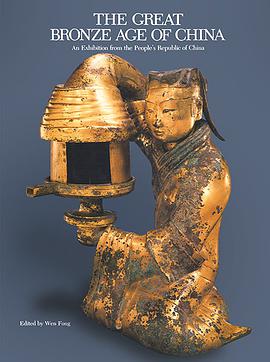
Nearly 4,000 years ago, the ancient Chinese made a discovery that would determine the course of their history and culture for two millennia—the alloy of tin and copper known as bronze. Bronze was used for tools and weapons and even musical instruments, but the Great Bronze Age of China has come down to us mainly in the ritual vessels that symbolized power and prestige for China's first three dynasties: the Xia, the Shang, and the Zhou. Passed on to successive conquerors, used to honor the ancestors, and buried—along with other grave goods and sacrificial victims or in storage pits by fleeing members of defeated dynasties—these exquisite bronzes reveal more about the character of life in ancient China than any other artifacts. As Chinese legend tells us, whoever held the bronze vessels held the power.
Recent archaeological excavations and recent diplomatic ties between the People's Republic and the United States have combined to make possible a unique exhibition of Bronze Age artifacts. Eighty-five bronzes—including vessels that range from the simplest wine cup to huge cauldrons, elaborate bird- and elephant-shaped containers, bells, and a standard top—are seen together for the first time on a generous loan from the People's Republic to five United States museums. Included are some objects so treasured that it was at first thought that they would not be permitted to leave China. Perhaps the most stunning objects are those from one of the most remarkable finds in the history of archaeology: in 1974, more than 7,000 life-size figures—a veritable army of warriors, cavalry, and chariots complete with horses and drivers—were discovered still standing, rank after rank, guarding the burial mound of China's first emperor, Qin Shihuangdi, who died in 210 B.C. Eight of them, six men and two horses, are included here, the first to be placed on exhibit outside China. Richly carved jades and an iron belt hook make up the remainder of the 105 objects presented. To document this extraordinary exhibition, The Metropolitan Museum of Art, New York, sent a special advance team of researchers and a photographer to China in 1979, led by director Philippe de Montebello. Represented in this catalogue are the results of that journey—color-plate illustrations of all of the objects in the show, including many details, supplemented by black and white photographs—most of them supplied by China's Cultural Relics Bureau—along with many drawings, charts, and maps. [This book was originally published in 1980 and has gone out of print. This edition is a print-on-demand version of the original book.]
Nearly 4,000 years ago, the ancient Chinese made a discovery that would determine the course of their history and culture for two millennia—the alloy of tin and copper known as bronze. Bronze was used for tools and weapons and even musical instruments, but the Great Bronze Age of China has come down to us mainly in the ritual vessels that symbolized power and prestige for China's first three dynasties: the Xia, the Shang, and the Zhou. Passed on to successive conquerors, used to honor the ancestors, and buried—along with other grave goods and sacrificial victims or in storage pits by fleeing members of defeated dynasties—these exquisite bronzes reveal more about the character of life in ancient China than any other artifacts. As Chinese legend tells us, whoever held the bronze vessels held the power.
Recent archaeological excavations and recent diplomatic ties between the People's Republic and the United States have combined to make possible a unique exhibition of Bronze Age artifacts. Eighty-five bronzes—including vessels that range from the simplest wine cup to huge cauldrons, elaborate bird- and elephant-shaped containers, bells, and a standard top—are seen together for the first time on a generous loan from the People's Republic to five United States museums. Included are some objects so treasured that it was at first thought that they would not be permitted to leave China. Perhaps the most stunning objects are those from one of the most remarkable finds in the history of archaeology: in 1974, more than 7,000 life-size figures—a veritable army of warriors, cavalry, and chariots complete with horses and drivers—were discovered still standing, rank after rank, guarding the burial mound of China's first emperor, Qin Shihuangdi, who died in 210 B.C. Eight of them, six men and two horses, are included here, the first to be placed on exhibit outside China. Richly carved jades and an iron belt hook make up the remainder of the 105 objects presented. To document this extraordinary exhibition, The Metropolitan Museum of Art, New York, sent a special advance team of researchers and a photographer to China in 1979, led by director Philippe de Montebello. Represented in this catalogue are the results of that journey—color-plate illustrations of all of the objects in the show, including many details, supplemented by black and white photographs—most of them supplied by China's Cultural Relics Bureau—along with many drawings, charts, and maps. [This book was originally published in 1980 and has gone out of print. This edition is a print-on-demand version of the original book.]
Ancient Sichuan Douban
author:
Bagley, Robert W. 编
publishing house:
Princeton University Press
2001
- 5
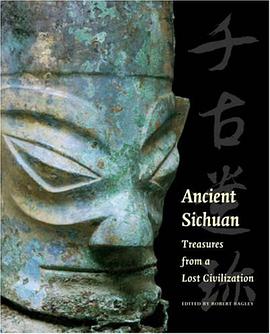
This extraordinary catalogue accompanies a major traveling exhibition of 128 works of bronze, jade, and clay dating from the thirteenth century B.C. to the second century A.D. The majority of these stunningly sophisticated works of art--among the most unusual and spectacular produced anywhere in the ancient world--all come from a startling archaeological discovery made just fourteen years ago at the previously unknown site of Sanxingdui in Sichuan province. The discovery of this Bronze Age civilization fundamentally changes our understanding of Chinese history. Representing fifteen hundred years of cultural production, these striking objects are extraordinarily varied, ranging from a monumental standing figure and an almost life-size bronze horse to ritual vessels, masks, and bronze heads of fantastic-looking supernatural beings, finely honed jade knives and ritual blades, and marvelous clay statuettes. Most have never before been seen in the United States. The exhibition and catalogue represent a unique international effort to continue the study of ancient Sichuan. Under the leadership of Robert Bagley, an international team of scholars contributes eight essays on the archaeological discoveries at Sanxingdui, the art historical importance of these objects, and the new history of ancient China they tell. Contributors are Michle Pirazzoli-t'Serstevens, Jessica Rawson, Lothar von Falkenhausen, Alain Thote, Jenny F. So, Michael Nylan, and the Seattle Art Museum's Curator of Chinese Art, Jay Xu. In addition to the essays, there are individual entries for each object, nearly all of which have been newly photographed for this publication. Ancient Sichuan contributes to a revolutionary change in perceptions of ancient Chinese civilization, providing an unprecedented opportunity to explore the art, material culture, and spiritual life of ancient China. EXHIBITION SCHEDULE: Seattle Art Museum, Seattle May-August 2001 Kimbell Museum of Art, Fort Worth September 2001-January 2002 Metropolitan Museum of Art, New York March-June 2002 Royal Ontario Museum, Toronto August-November 2002
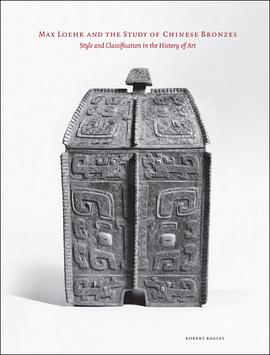
Max Loehr and the Study of Chinese Bronzes Douban
author:
Robert Bagley
publishing house:
Cornell University East Asia Program
2008
- 11
语石;语石异同评 Douban
author:
叶昌炽
/
柯昌泗
publishing house:
中华书局
1994
- 4
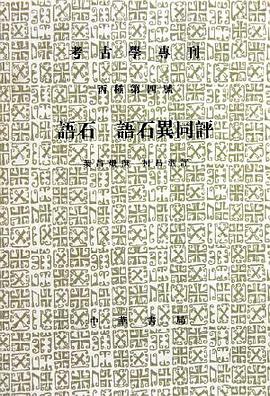
《语石》,十卷。清叶昌炽撰。这是一部笔记体的石刻通论性专著。光绪二十七年十一月自序云:“访求逾二十年,藏碑至八千余通,朝夕摩挲,不自知其耄。”又云:“上溯古初,下迄宋元,元(玄)览中区,旁征岛索。制作之名义,标题之发凡,书学之升降,藏弆之源流,以逮摹拓装池,轶闻琐事,分门别类,不相杂厕。”“都四百八十六通,分为十卷。”“但示津途,聊资谈圃。”又宣统元年三月自记云:“此书脱稿后越二月,即奉视学甘肃之命,度陇见闻,略有增益。丙午归里,养疴渎川,再加厘订,去其复重,距辛丑写定又八年矣。”知此书最后写定在宣统元年(1909)。卷一以朝代为序,概述先秦至元代石刻;卷二以地域为别,论述各地及域外石刻;卷三卷四论石刻内容及碑帖区别;卷五论碑刻以外各种石刻;卷六论碑文文体、撰人、书人、刻工等;卷七卷八论碑刻书写;卷九论碑文格式及避讳;卷十论石刻“版本”及传拓装池等。此书之于石刻学犹叶德辉《书林清话》之于古书版本学,而精谨或过之。近人柯昌泗撰《语石异同评》,对《语石》多有补正,而体例不改,可以并观。
为了更广泛地向学术界提供参攷並便于对照阅读,现决定将葉昌熾〔语石〕与柯昌泗〔语石異同评〕合为一书,整理出版。
柯氏稿本前两卷系手録清本,卷三以下则为手寫原稿塗改零乱,阅读極为不便,乃请国家文物局张明善同志将全书仔细謄清;並将各条分别系於于葉书对应各条之下,葉文顶格,柯文低二格排,使原著与评语得以互相参照,由陈公柔同志点校一遍。
为了更广泛地向学术界提供参攷並便于对照阅读,现决定将葉昌熾〔语石〕与柯昌泗〔语石異同评〕合为一书,整理出版。
柯氏稿本前两卷系手録清本,卷三以下则为手寫原稿塗改零乱,阅读極为不便,乃请国家文物局张明善同志将全书仔细謄清;並将各条分别系於于葉书对应各条之下,葉文顶格,柯文低二格排,使原著与评语得以互相参照,由陈公柔同志点校一遍。
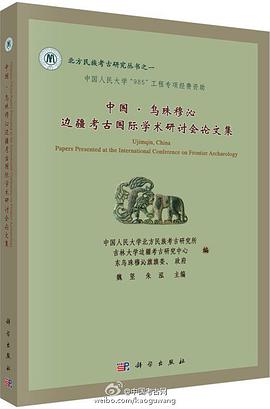
中国.乌珠穆沁边疆考古国际学术研讨会论文集 Douban
author:
魏坚
/
朱泓
publishing house:
科学出版社
2014
本书是中国人民大学北方民族考古研究所和吉林大学边疆考古研究中心及东乌珠穆沁旗旗委、政府主编的北方民族考古研究丛书之一,主要收录了2009年中国·乌珠穆沁边疆考古国际学术研讨会的部分学术论文共15篇,内容涵盖了从旧石器时代到明代有关边疆地区的考古学研究,涉及到环境考古、冶金考古以及历史文献学等诸多研究领域。
东北、内蒙古地区古代人类的种族类型与DNA Douban
author:
朱泓
publishing house:
吉林人民出版社
2006
- 5
六朝文明 Douban
author:
丁爱博
translator:
李梅田
publishing house:
社会科学文献出版社
2013
- 4
《六朝文明》是美国斯坦福大学丁爱博教授的代表作。丁爱博先后就读和就职于美国多所著名大学,学术兴趣涉及中国历史与语言、内亚历史与文化,但以六朝历史与考古学为主要研究领域,是一位非常有影响的西方汉学家,本书是他集三十年之功完成的一部六朝研究力作。
《六朝文明》以考古出土实物为基础,对照传世文献对六朝社会作了全面的考察,内容包括城市发展、建筑形式、丧葬礼俗、手工艺品、宗教以及衣食住行等各方面,既有对六朝政治与社会的宏观阐述,也有对六朝日常生活的微观观察,以较新的视角为我们阐释了变迁中的六朝社会,展现了灿烂的六朝文明,是一部视野开阔,又不乏深度的历史考古学专著,堪称六朝研究的经典之作。
《六朝文明》以考古出土实物为基础,对照传世文献对六朝社会作了全面的考察,内容包括城市发展、建筑形式、丧葬礼俗、手工艺品、宗教以及衣食住行等各方面,既有对六朝政治与社会的宏观阐述,也有对六朝日常生活的微观观察,以较新的视角为我们阐释了变迁中的六朝社会,展现了灿烂的六朝文明,是一部视野开阔,又不乏深度的历史考古学专著,堪称六朝研究的经典之作。
先秦城邑考古 Douban
author:
许宏
publishing house:
金城出版社 西苑出版社
2017
20余年积淀思考
30万字到近百万字“升级”
70余年考古史梳理
400幅精绘插图
1000余座城邑全记录
5000余条文献存目
7000年城邑演变脉络大扫描
请看许宏先生新著
2016年国家出版基金资助项目
2017年度中国社会科学院
创新工程重大成果
《先秦城邑考古》
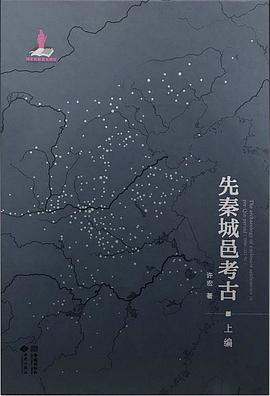
该书是先秦城邑考古的集成之作,是作者博士论文《先秦城市考古学研究》的“升级版”。作者对70余年来的城邑考古材料和考古学史进行系统梳理,竭泽而渔地收录了1000余座城邑资料,对先秦城邑7000年的演变脉络进行了全景式的大扫描。
该书贯穿了作者明确的史观,有不同于以往的概念界定和叙事框架(纵贯前仰韶时代、仰韶时代、龙山时代、二里头—西周时代、春秋战国时代),在若干问题上有作者独到的认识。尤其是提出了包含环壕聚落在内的新的“城邑(enclosure)”概念,总结出了“大都无城”等早期城邑、都邑布局模式和文化传统。
全书近800页,精装上下两编。含80余页基础表,400幅精绘插图,每图专享二维码,让查图、用图更便利。另附“先秦城邑考古中文文献存目” 5000余条,囊括1929年至今的发现与研究成果。
本书可一书三用:资料引得+学术专著+教辅读物。其中的“大数据”分析作业,使得对城邑形制的深度梳理、对城邑的时空变化轨迹、城邑与气候环境和社会结构之关系的把握,对华夏城邑群空间构成的勾画等成为可能。作者提出的相关见解,将会引发思考、有裨于深化中国考古学和上古史研究。
30万字到近百万字“升级”
70余年考古史梳理
400幅精绘插图
1000余座城邑全记录
5000余条文献存目
7000年城邑演变脉络大扫描
请看许宏先生新著
2016年国家出版基金资助项目
2017年度中国社会科学院
创新工程重大成果
《先秦城邑考古》
该书是先秦城邑考古的集成之作,是作者博士论文《先秦城市考古学研究》的“升级版”。作者对70余年来的城邑考古材料和考古学史进行系统梳理,竭泽而渔地收录了1000余座城邑资料,对先秦城邑7000年的演变脉络进行了全景式的大扫描。
该书贯穿了作者明确的史观,有不同于以往的概念界定和叙事框架(纵贯前仰韶时代、仰韶时代、龙山时代、二里头—西周时代、春秋战国时代),在若干问题上有作者独到的认识。尤其是提出了包含环壕聚落在内的新的“城邑(enclosure)”概念,总结出了“大都无城”等早期城邑、都邑布局模式和文化传统。
全书近800页,精装上下两编。含80余页基础表,400幅精绘插图,每图专享二维码,让查图、用图更便利。另附“先秦城邑考古中文文献存目” 5000余条,囊括1929年至今的发现与研究成果。
本书可一书三用:资料引得+学术专著+教辅读物。其中的“大数据”分析作业,使得对城邑形制的深度梳理、对城邑的时空变化轨迹、城邑与气候环境和社会结构之关系的把握,对华夏城邑群空间构成的勾画等成为可能。作者提出的相关见解,将会引发思考、有裨于深化中国考古学和上古史研究。
走马楼吴简采集簿书整理与研究 Douban
author:
凌文超
publishing house:
广西师范大学出版社
2015
- 4
本書是首部系統探討古井簡牘文書學的專著,在借鑒西北邊塞簡、墓葬簡分類、集成和册書復原的研究方法的同時,根據古井簿書的獨特性,對研究方法進行了相應的調適和創新。吴簡文書學的構建,將有助于促進簡牘學科的發展。
本書綜合利用考古學整理信息和簡牘遺存信息首次大規模、系統地復原整理長沙走馬樓三國吴簡采集簿書,並在此基礎上構建“吴簡文書學”,奠定古井簡牘文書學形成和發展的基礎;又運用“二重證據分合法”研究模式,以確認的簿書爲依據,對孫吴臨湘侯國文書行政的基本情况進行研究,勾勒了官民互動的一些社會景象,探討了孫吴在漢晋社會變遷過程中所發揮的承續和革新作用。
本書綜合利用考古學整理信息和簡牘遺存信息首次大規模、系統地復原整理長沙走馬樓三國吴簡采集簿書,並在此基礎上構建“吴簡文書學”,奠定古井簡牘文書學形成和發展的基礎;又運用“二重證據分合法”研究模式,以確認的簿書爲依據,對孫吴臨湘侯國文書行政的基本情况進行研究,勾勒了官民互動的一些社會景象,探討了孫吴在漢晋社會變遷過程中所發揮的承續和革新作用。
中国史前考古学史研究 Douban
author:
陈星灿
publishing house:
社会科学文献出版社
2007
- 5