艺术评论
论艺术与鉴赏 豆瓣
作者: [德]马克斯·J.弗里德伦德尔 译者: 邵宏 译 / 田春 校 出版社: 商务印书馆 2015
《论艺术与鉴赏》由三十八篇经验性议论文组成,涉及艺术哲学和心理学、绘画题材分类、形式批评、作品鉴定的基本要素,以及作品修复的标准和艺术文献的鉴别等议题。
本书中所表述的一些观点,既来自作者的独立思考,更来自一位鉴定专家所直接接触到的相关问题,从而也使本书具有了独特的意义。作者试图通过这些文章让读者理解一般意义上的艺术,尤其是绘画艺术的本质原则,并寻求建立起一套更精确的术语系统,为自己建构起一些涉及学术与艺术之间关系的观念。
本书的前半部分是理论性的,且渗透到了哲学的领域;后半部分则讨论绘画批评的实践。书中所涉及的艺术史实被用来作为支持作者观点的论据,其中所举的例子都来自作者所熟悉的领域,即15和16世纪尼德兰的绘画。作者坚信:对任何个体艺术品每次真正的考察,都有助于读者更好地理解整体的视觉艺术,甚至更好地理解一般意义上的所有艺术活动。
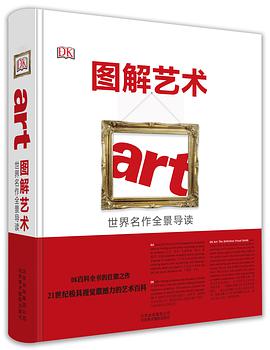
图解艺术 豆瓣
Art: The Definitive Visual Guide
作者: [英] 安德鲁·格雷厄姆-狄克逊 译者: 王晨 / 于君 出版社: 北京美术摄影出版社 2015 - 7
英国DK扛鼎之作,教您真正看懂每一件艺术作品,毫无障碍地“游览”世界顶级博物馆
★各艺术史阶段700多名重要艺术家
★超过2500幅全世界最有影响力的艺术名作
★世界知名艺术作品权威级视觉指导,用作品串起一部完整的艺术史
★ 用图解的方式解析名画名作,打开一座只为您一个人开放的艺术殿堂
《图解艺术——世界名作全景导读》是对世界知名画作和雕塑的一本权威级视觉指导。书中有超过2500件全世界最有影响力的绘画和雕塑作品,囊括了从洞穴时期到当代的经典作品,以编年史的叙述方式,呈现了从原始美术到当代艺术的发展历程。
《图解艺术——世界名作全景导读》集综合性、权威性和视觉冲击于一体,《图解艺术——世界名作全景导读》中,你可以学会如何去“读懂”一幅画作的构图、题材、创作手法、绘画技巧以及风格。《图解艺术——世界名作全景导读》中同时囊括的艺术史各阶段700多名重要画家的生平简介以及对于关键作品的特写镜头式分析,能够更好地帮助你理解画家的视野和技巧。从达•芬奇的《最后的晚餐》到弗朗西斯•培根的《尖叫的教皇》,《图解艺术——世界名作全景导读》对22部重要作品以整版页面的形式做了详细介绍,艺术家创作每部作品所做的一切工作(以及其中的具体过程)在书中都得到展示,借助特写镜头和赏析,使你可以轻松地了解作品的创作意图和方法。
《图解艺术——世界名作全景导读》能够带你穿越时光隧道,毫无障碍地“游览”世界顶级博物馆、画廊,是每个家庭的书架上都值得拥有的一本书。翻开《图解艺术——世界名作全景导读》,踏上精彩绝伦的艺术之旅,让生活变得更有品质和品位吧!
当你观赏一件艺术品的时候,你可能会迅速得出是否喜欢它的结论,但是你可曾思考过,为什么有些画面更能吸引你的注意力?这个问题没有确切的答案,但是如果你能理解艺术家的创作动机和创作过程,你就会更加理解和喜欢这件艺术品。
《图解艺术——世界名作全景导读》有超过2500件来自世界各地的绘画和雕塑作品,囊括史前时期到21世纪的名家精品,以直观性的画面、时间轴的形式引领人们欣赏各历史阶段的旷世杰作。《图解艺术——世界名作全景导读》中同时介绍了各类艺术流派(从意大利文艺复兴运动、印象主义到涂鸦艺术),连同其起源及影响、风格和技巧及代表性的主题。
《图解艺术——世界名作全景导读》中有700多名艺术史各阶段重要艺术家(包括自古至今、从西方到东方)的生平简介及其主要作品,囊括各个历史时期和文化。《图解艺术——世界名作全景导读》从达•芬奇的《最后的晚餐》到弗朗西斯•培根的《尖叫的教皇》到凡•高的《星空》等等,作品本身就承载了历史性!“背景分析”板块加深了对每位艺术家的作品、生平和时代的理解,有助于读者更好地识别每位艺术家的作品特色,并了解他们在世期间发生了哪些具体转变。《图解艺术——世界名作全景导读》以丰富的视觉形象资料构筑出世界艺术史的宏大结构,使读者足不出户便可“游览”全球100多家顶级博物馆。
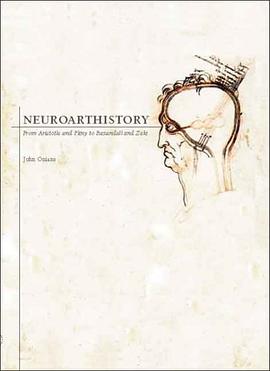
Neuroarthistory 豆瓣
作者: John Onians 出版社: Yale University Press 2008 - 3
This provocative book offers a fascinating account of one of the newest and most exciting fields in the human sciences: neuroarthistory. In recent decades there has been a dramatic increase in both the quantity and the quality of our knowledge about the brain, especially the visual brain. The number of art historians making use of the new neuroscience is growing and the insights they gain by doing so are compelling. Knowledge of phenomena such as neural plasticity and neural mirroring is making it possible to answer with a new level of precision some of the most challenging questions about both the creative process and the response to art. This is equally true whether their framing is positivist or postmodernist. John Onians devotes each of his twenty-five chapters to a specific writer, or 'neural subject', each of whom recognised that the mind was a part of human nature. As the neural basis of the mind became more and more apparent, they became clearer about how an understanding of that neural basis could contribute to an understanding of all human behaviours, including art. The level of agreement among major thinkers such as Montesquieu, Burke, Kant, Marx and Freud, and leading art historians such as Pliny, Winckelmann, Ruskin, Pater, Taine, Wolfflin, Riegl, Gombrich and Baxandall, not to mention artists such as Alberti and Leonardo and scientists such as Aristotle at the beginning and Zeki at the end of the twenty-five centuries covered in the book, is startling. So, too, is the extent to which their penetrating observations match the findings of modern neuroscience. Anyone wondering whether to making use of neuroscience themselves should read this book. It will change most readers' view not only of the history of art history, but of the history of art itself - and even of the history of culture.
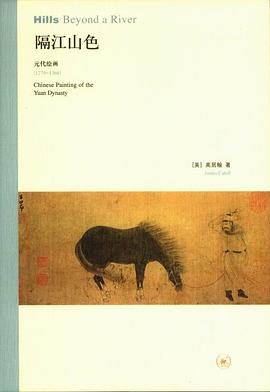
隔江山色 豆瓣
Hills Beyond a River: Chinese Painting of the Yuan Dynasty, 1279-1368
9.1 (27 个评分) 作者: [美国] 高居翰 译者: 宋伟航 出版社: 生活·读书·新知三联书店 2009 - 8
本书是作者关于中国晚期绘画史写作计划的第一种,探讨元代绘画。元代是蒙古人统治中国的时代,却也是中国文人画发展最具活力与原创性的时代。在蒙古人废科举制度的情形下,读书人面临着变节或失业的两难窘境,很多文人政途不通,转而以为人占卜、代书或绘画为业。本书即讲述了在这个异族统治、志不得伸的年代里,画家如何以绘画来表达自己的看法与心声的故事。
The Art of the Novel 豆瓣 Goodreads
L'art du roman
8.8 (5 个评分) 作者: Milan Kundera 译者: Linda Asher 出版社: Harper Perennial 2003 - 3
Every novelist's work contains an implicit vision of the history of the novel, an idea of what the novel is. I have tried to express here the idea of the novel that is inherent in my own novels.
-- Milan Kundera Kundera brilliantly examines the work of such important and diverse figures as Rabelais, Cervantes, Sterne, Diderot, Flaubert, Tolstoy, and Musil. He is especially penetrating on Hermann Broch, and his exploration of the world of Kafka's novels vividly reveals the comic terror of Kafka's bureaucratized universe. Kundera's discussion of his own work includes his views on the role of historical events in fiction, the meaning of action, and the creation of character in the post-psychological novel.