薇依
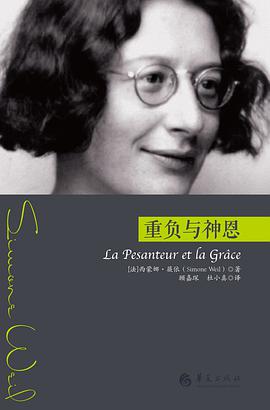
重负与神恩 豆瓣 Goodreads
La Pesanteur et la Grâce
8.7 (28 个评分) 作者: [法]西蒙娜·薇依 译者: 顾嘉琛 / 杜小真 出版社: 华夏出版社 2019 - 3
西蒙娜•薇依(Simone Weil,1909-1943)是20世纪法国哲学家、社会活动家、神秘主义思想大师。《重负与神恩》是西蒙娜•薇依的重要著作。
《重负与神恩》不是系统的专门论著,而是薇依的朋友、著名宗教学家梯蓬在薇依去世后从她大量的手稿、言谈记录中整理成书的。这些闪烁着精神之光的篇章渗透着薇依的深邃思考,显示了薇依的伟大心灵和崇高的信仰,是20世纪神秘主义思想史上一部不容忽视的著作。
有人把薇依的《重负与神恩》与帕斯卡尔的《思想录》相提并论,并称薇依为“当代的帕斯卡尔”。这位法国20世纪杰出的宗教思想家,沿循的是帕斯卡尔的神秘主义信仰之路:信仰不是拿来炫耀之物,而是艰难、绝非轻松的重负。
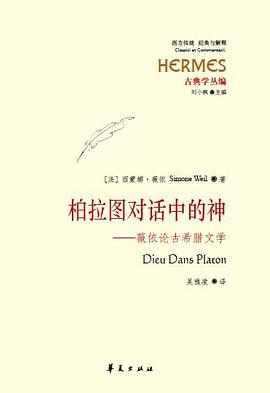
柏拉图对话中的神 豆瓣
Dieu Dans Platon
10.0 (8 个评分) 作者: [法]西蒙娜·薇依 译者: 吴雅凌 出版社: 华夏出版社 2017 - 8
本书收录了薇依绎读古希腊经典的所有完整篇目,以及薇依的所有诗歌作品。通过阅读《伊利亚特》、《普罗米修斯》、《会饮》、《安提戈涅》等名篇,薇依以独特的睿哲引领我们重新接近那些耳熟能详的古希腊诗人,以既古老又新颖的姿态探寻基督精神与希腊精神的承袭,使我们看到,当下人类的困境恰恰扎根于现代人文精神对古典精神的误解。
2018年12月11日 已读
读薇依这样一位基督徒作品的方法和读其他书有很大不同。至少要能感受到她的“神”,不是通俗的“神”,无论她说是否正确,首先要进入她的语境。从薇依对“科学”的态度里,我感到她的语境很近于中世纪。读的时候我还有一个想法,譬如论毕达哥拉斯定理这样的文章,与其说是论证,不如说是联想。神奇的是她的联想有非凡的构建力,从而打通了古希腊哲学与基督神学的路,让人想说为什么我没有想到(当然看她对老子和奥义书的联想,斧痕就比较重了)。可惜薇依去世太早,所以留下的很多东西还是笔记,没有成为完满构建的篇章。对于非教徒的我而言,从这样的书里得到最大的收获应该是西塞罗观点里“如果你想赢得争论,你必须在理性之上加入雄辩”的修辞术本事,以及首篇《伊利亚特》那种美的体验。
Weil 古典学 古希腊 古希臘 吴雅凌
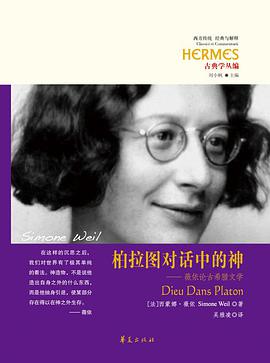
柏拉图对话中的神 豆瓣
Dieu Dans Platon
9.6 (16 个评分) 作者: 【法】西蒙娜·薇依 / Simone Weil 译者: 吴雅凌 出版社: 华夏出版社 2012 - 10
《柏拉图对话中的神:薇依论古希腊文学》收录了薇依绎读古希腊文学经典的所有完整文稿。通过绎读《伊利亚特》、《普罗米修斯》、《会饮》等名篇,薇依以独特的睿哲引领我们重新接近古希腊诗文,以敏锐的眼光探寻基督精神与希腊精神的关联。《柏拉图对话中的神:薇依论古希腊文学》亦收入薇依的全部诗稿……去世之前,薇依始终牵挂这些小诗,希望有机会“按写作先后顺序”发表。
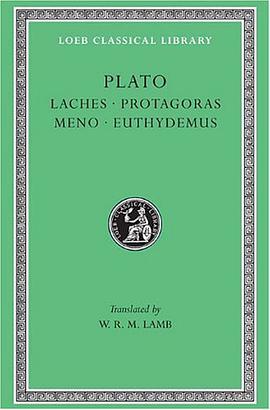
Laches. Protagoras. Meno. Euthydemus 豆瓣
作者: Plato 译者: W. R. M. Lamb 出版社: Harvard University Press 1924
Plato, the great philosopher of Athens, was born in 427 BCE. In early manhood an admirer of Socrates, he later founded the famous school of philosophy in the grove Academus. Much else recorded of his life is uncertain; that he left Athens for a time after Socrates' execution is probable; that later he went to Cyrene, Egypt, and Sicily is possible; that he was wealthy is likely; that he was critical of 'advanced' democracy is obvious. He lived to be 80 years old. Linguistic tests including those of computer science still try to establish the order of his extant philosophical dialogues, written in splendid prose and revealing Socrates' mind fused with Plato's thought.
In Laches, Charmides, and Lysis, Socrates and others discuss separate ethical conceptions. Protagoras, Ion, and Meno discuss whether righteousness can be taught. In Gorgias, Socrates is estranged from his city's thought, and his fate is impending. The Apology (not a dialogue), Crito, Euthyphro, and the unforgettable Phaedo relate the trial and death of Socrates and propound the immortality of the soul. In the famous Symposium and Phaedrus, written when Socrates was still alive, we find the origin and meaning of love. Cratylus discusses the nature of language. The great masterpiece in ten books, the Republic, concerns righteousness (and involves education, equality of the sexes, the structure of society, and abolition of slavery). Of the six so-called dialectical dialogues Euthydemus deals with philosophy; metaphysical Parmenides is about general concepts and absolute being; Theaetetus reasons about the theory of knowledge. Of its sequels, Sophist deals with not-being; Politicus with good and bad statesmanship and governments; Philebus with what is good. The Timaeus seeks the origin of the visible universe out of abstract geometrical elements. The unfinished Critias treats of lost Atlantis. Unfinished also is Plato's last work of the twelve books of Laws (Socrates is absent from it), a critical discussion of principles of law which Plato thought the Greeks might accept.
The Loeb Classical Library edition of Plato is in twelve volumes.