通论
Persian Historiography Douban
author:
Charles Melville
publishing house:
I. B. Tauris
2012
- 3
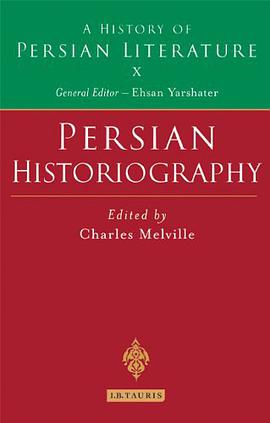
Persian literature is the jewel in the crown of Persian culture. It has profoundly influenced the literatures of Ottoman Turkey, Muslim India and Turkic Central Asia. It has been a source of inspiration for Goethe, Emerson, Matthew Arnold and Jorge Luis Borges among others and praised by William Jones, Tagore, E. M. Forster and many more. Yet although in the past few years the poems of Rumi have attracted the kind of popular attention enjoyed by Omar Khayyam in the 19th century, Persian literature has never received the attention it truly deserves.
A History of Persian Literature answers this need and offers a new, comprehensive and detailed history of its subject. This 18-volume, authoritative survey reflects the stature and significance of Persian literature as the single most important accomplishment of the Iranian experience.Prominent scholars in the field bring a fresh critical approach to bear on this important topic and each volume includes representative samples of this literature.
In this volume, the Editors offer an indispensable overview of Persian literature’s long and rich historiography. Highlighting the central themes and ideas which inform historical writing, this book traces the development of writing about history as a literary form from its origins with the Ferdowsi Shahnameh and its evolution under the Safavids, through the twilight of the Court Chronicle Tradition and simultaneous emergence of a national historiography during the 18th century and up to the Pahlavi Era. This volume also offers a comprehensive and invaluable examination of the concurrent developments within historiography in Central Asia and Afghanistan, examining themes and subjects that are common to many fields of Persian literary study. Persian Historiography will be an indispensable source for the historiographical traditions of Iran and the essential guide to the subject.
A History of Persian Literature answers this need and offers a new, comprehensive and detailed history of its subject. This 18-volume, authoritative survey reflects the stature and significance of Persian literature as the single most important accomplishment of the Iranian experience.Prominent scholars in the field bring a fresh critical approach to bear on this important topic and each volume includes representative samples of this literature.
In this volume, the Editors offer an indispensable overview of Persian literature’s long and rich historiography. Highlighting the central themes and ideas which inform historical writing, this book traces the development of writing about history as a literary form from its origins with the Ferdowsi Shahnameh and its evolution under the Safavids, through the twilight of the Court Chronicle Tradition and simultaneous emergence of a national historiography during the 18th century and up to the Pahlavi Era. This volume also offers a comprehensive and invaluable examination of the concurrent developments within historiography in Central Asia and Afghanistan, examining themes and subjects that are common to many fields of Persian literary study. Persian Historiography will be an indispensable source for the historiographical traditions of Iran and the essential guide to the subject.


中国古代文学通论·隋唐五代卷 Douban
author:
蒋寅
publishing house:
辽宁人民出版社
2004
本书以科学的方法,对中国古代文学的全部内涵作出了全新的阐释,多角度、多层面地展现了中国古代文学的整体风貌。从向上探索了中国古代文学演进的内在轨迹,揭示了其自身发展的规律;横向上跑细了文学与各种外部因素的关系,展示了不同时代文学的主导倾向。全面整理、研究、总结了传世文学文献,为学界提供了学术研究途经。
中亚文明史(第4卷上) Douban
author:
【塔吉克斯坦】M.S.阿西莫夫
/
【英】C.E.博斯沃思
translator:
华涛
publishing house:
中国对外翻译出版公司
2010
- 1
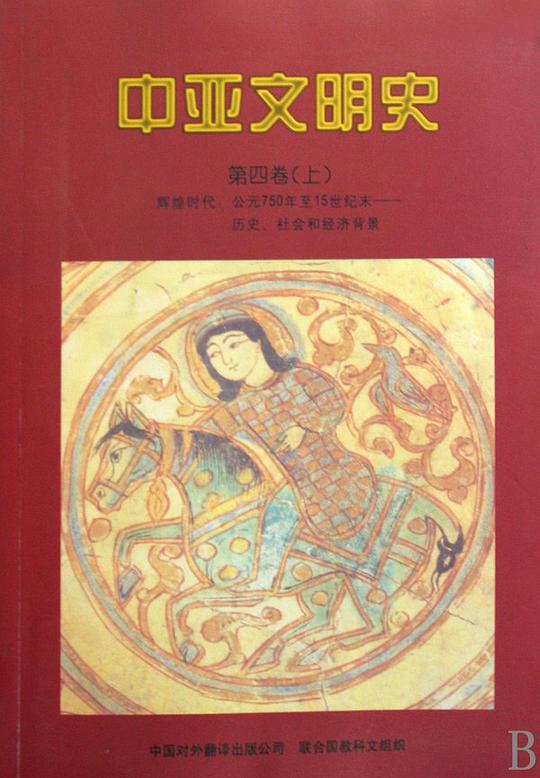
《中亚文明史》第四卷所述年代约八个世纪,在此期间,伊斯兰这一新的信仰日益兴盛,在很长一段时间内,始终影响着中亚大部分地区、西伯利亚南部边缘地区及中国东部地区,并在这些地区与早已确立的各种信仰展开竞争。
在如今蒙古地区和贝加尔湖周围地区的各民族扩张具有更加广泛的国际影响,这些民族先是突厥人,接着是契丹人,最后是蒙古人。
突厥游牧部落的西迂,对后来从阿富汗向西通过伊朗到安纳托利亚的土地上的种族和社会结构产生了长期的影响。突厥,以及规模小得多的蒙古从乌浒河以南向阿富汗和北印度的军事扩张,对这些地区也将产生持久的政治影响。突厥各民族的迁移而带来的变革,因13世纪蒙古入侵而加剧。这一地区始终满足于吸收周边各种文明的影响。然而,从长远看,佛教中的喇嘛教在蒙古和西藏奠定了基础,而伊斯兰教则在河中、南西伯利亚和新疆各族人民中扎下了根。在东欧,首先是俄罗斯,突厥一蒙古金帐帝国的建立对这一地区的历中进程产生了持久而重大的影响。
在如今蒙古地区和贝加尔湖周围地区的各民族扩张具有更加广泛的国际影响,这些民族先是突厥人,接着是契丹人,最后是蒙古人。
突厥游牧部落的西迂,对后来从阿富汗向西通过伊朗到安纳托利亚的土地上的种族和社会结构产生了长期的影响。突厥,以及规模小得多的蒙古从乌浒河以南向阿富汗和北印度的军事扩张,对这些地区也将产生持久的政治影响。突厥各民族的迁移而带来的变革,因13世纪蒙古入侵而加剧。这一地区始终满足于吸收周边各种文明的影响。然而,从长远看,佛教中的喇嘛教在蒙古和西藏奠定了基础,而伊斯兰教则在河中、南西伯利亚和新疆各族人民中扎下了根。在东欧,首先是俄罗斯,突厥一蒙古金帐帝国的建立对这一地区的历中进程产生了持久而重大的影响。

Ancient China and its Enemies Douban
This comprehensive history of the northern frontier of China through the first millennium B.C. details the formation of two increasingly distinct cultural areas: the sedentary Chinese and the northern nomads. Nicola Di Cosmo explores the tensions existing between these two worlds as they became progressively more polarized, with the eventual creation of the nomadic Hsiung-nu empire in the north, and of the Chinese empire in the south. Di Cosmo investigates the origins of the antagonism between early China and its "barbarian" neighbors.
Table of contents
Introduction
Part I:
1. The Steppe Highway: the rise of Pastoral Nomadism as a Eurasian phenomenon;
2. Bronze, Iron and Gold: the evolution of nomadic cultures on the Northern frontier of China
Part II:
3. Beasts and birds: the historical context of early Chinese perceptions of northern peoples;
4. Walls and horses: the beginning of historical contacts between horse-riding Nomads and Chinese states
Part III:
5. Those who draw the bow: the rise of the Hsiung-nu Nomadic Empire and the political unification of the Nomads;
6. >From peace to war: China's shift from appeasement to military engagement
Part IV.
7. In search of grass and water: ethnography and history of the North in the Historian's Records;
8. Taming the North: the rationalization of the nomads in Ssu-ma Ch'ien's historical thought;
Conclusion.
Table of contents
Introduction
Part I:
1. The Steppe Highway: the rise of Pastoral Nomadism as a Eurasian phenomenon;
2. Bronze, Iron and Gold: the evolution of nomadic cultures on the Northern frontier of China
Part II:
3. Beasts and birds: the historical context of early Chinese perceptions of northern peoples;
4. Walls and horses: the beginning of historical contacts between horse-riding Nomads and Chinese states
Part III:
5. Those who draw the bow: the rise of the Hsiung-nu Nomadic Empire and the political unification of the Nomads;
6. >From peace to war: China's shift from appeasement to military engagement
Part IV.
7. In search of grass and water: ethnography and history of the North in the Historian's Records;
8. Taming the North: the rationalization of the nomads in Ssu-ma Ch'ien's historical thought;
Conclusion.
蒙古族文学史(共4册) Douban
publishing house:
内蒙古人民出版社
2000
本书共分四卷,研究了驰名中外的蒙古族民间文学,如神话传说、萨满教祭词神歌、祝赞词、民歌、英雄史诗、叙事诗、民间故事等,内容丰富,形式独特,真实地记录了蒙古族人民的历史足迹。充分地展示了蒙古族人民的精神世界,具有浓郁的民族色彩。
在传统与变革之间——英国文化模式溯源 Douban
author:
钱乘旦
/
陈晓律
publishing house:
浙江人民出版社
1991
汉译蒙古黄金史纲 Douban
translator:
朱风
/
贾敬颜
publishing house:
内蒙古人民出版社
1985
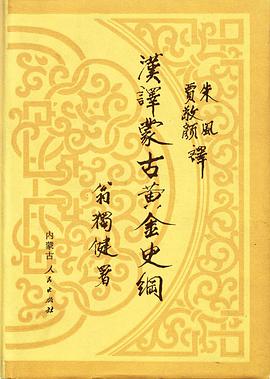
《黄金史纲》全称为《诸汗源流黄金史纲》,作者佚名,成书年代学术界一般认为是17世纪初,产生的背景是与当时蒙古社会的政治、经济、文化、的发展有着密切的联系,因为这个时期蒙古社会处于动荡时期,元朝灭亡之际,最后一个皇帝元惠宗妥欢帖睦尔逃离大都,大元一统局面结束,朱明王朝替代元朝,统治中国,迁至漠北,史称北元政权,内部存在封建割据,对外蒙古贵族一心想重返大都恢复大元一统的统治。
自永乐皇帝起,政治中心从南京移至北京,政治中心的转移原因是为了抵御蒙古返回大都,此时,大汗权力衰落汗位频繁更替,蒙古封建主各自为政,封建割据,势力强大的封建主成为一方霸主,甚至可汗成为他们手中的工具,形成“挟天子而令诸侯”的局面。
明末清初,我国北方有三大军事政治集团或称三股政治势力,一是朱明王朝,二是以林丹汗为代表的察哈尔蒙古部落 ,一心想恢复达延汗时代一统的祖业。东征西伐,征兵扩马,许多蒙古部落离散而去。三是后金国,联合内部和外部力量,依靠和利用蒙古部的武装力量,积极准备伐明。
《黄金史纲》的产生,与佛教及佛教传入蒙古地区有密切关系,宗喀巴创云格鲁派(即黄教),门徒日众,明初开始传入我国大规模的迎黄教首领,在蒙古地区是以土默特部首领阿勒坦汗为代表的,从此,藏传佛教的一支格鲁派在广大蒙古地区和普通民众中发展。藏传佛教的产生有其深刻的社会和历史原因。当时,蒙古社会动荡不安,人民涂炭,渴望脱今世若难,虔诚信仰佛教,经典作者列宁曾经指出,被剥削阶级跟剥削者斗争时的软弱无力,必然会产生对优美的未来生活的向往与信仰。正如野蛮人由于没有力量同大自然捕斗而产生对上帝、魔鬼、奇迹等信仰一样。蒙古地区封建贵族需要黄教来维护其统治,黄教的发展也得到地方封建主的大力支持。僧俗结合,使得佛教越传越广,给蒙古社会和民众带来了深远影响。从而也相继出现了一大批精通蒙、藏梵文的作者。总之,这一时期,在佛教文化的影响和推动下,蒙古的历史活动、人物形象、以传说、故事、诗歌或文学、史学作品等各种形式在民间广泛流传,并为封建文人所记录或创作。《黄金史纲》正是这一时期产生的一部历史著作。
另外,《黄金史纲》的重要价值主要体现在它是一部简明的明代蒙古史的缩影,这部书是继《蒙古秘史》出现后又一部集中反映蒙古史的重要著作。从古老年代写起,一直写到林丹汗继位,但重点是记述14世纪初的历史,史料真实,年代较准确,是研究明代蒙古的主要史料之一,特别是研究明代蒙古汗系和诸颜台吉谱系的珍贵资料。
基于《黄金史纲》一书的史料来源,有一点值得注意,即这个时期历史著作还是将历史传说与真实的故事混在一起,二者没有严格的区分。
自永乐皇帝起,政治中心从南京移至北京,政治中心的转移原因是为了抵御蒙古返回大都,此时,大汗权力衰落汗位频繁更替,蒙古封建主各自为政,封建割据,势力强大的封建主成为一方霸主,甚至可汗成为他们手中的工具,形成“挟天子而令诸侯”的局面。
明末清初,我国北方有三大军事政治集团或称三股政治势力,一是朱明王朝,二是以林丹汗为代表的察哈尔蒙古部落 ,一心想恢复达延汗时代一统的祖业。东征西伐,征兵扩马,许多蒙古部落离散而去。三是后金国,联合内部和外部力量,依靠和利用蒙古部的武装力量,积极准备伐明。
《黄金史纲》的产生,与佛教及佛教传入蒙古地区有密切关系,宗喀巴创云格鲁派(即黄教),门徒日众,明初开始传入我国大规模的迎黄教首领,在蒙古地区是以土默特部首领阿勒坦汗为代表的,从此,藏传佛教的一支格鲁派在广大蒙古地区和普通民众中发展。藏传佛教的产生有其深刻的社会和历史原因。当时,蒙古社会动荡不安,人民涂炭,渴望脱今世若难,虔诚信仰佛教,经典作者列宁曾经指出,被剥削阶级跟剥削者斗争时的软弱无力,必然会产生对优美的未来生活的向往与信仰。正如野蛮人由于没有力量同大自然捕斗而产生对上帝、魔鬼、奇迹等信仰一样。蒙古地区封建贵族需要黄教来维护其统治,黄教的发展也得到地方封建主的大力支持。僧俗结合,使得佛教越传越广,给蒙古社会和民众带来了深远影响。从而也相继出现了一大批精通蒙、藏梵文的作者。总之,这一时期,在佛教文化的影响和推动下,蒙古的历史活动、人物形象、以传说、故事、诗歌或文学、史学作品等各种形式在民间广泛流传,并为封建文人所记录或创作。《黄金史纲》正是这一时期产生的一部历史著作。
另外,《黄金史纲》的重要价值主要体现在它是一部简明的明代蒙古史的缩影,这部书是继《蒙古秘史》出现后又一部集中反映蒙古史的重要著作。从古老年代写起,一直写到林丹汗继位,但重点是记述14世纪初的历史,史料真实,年代较准确,是研究明代蒙古的主要史料之一,特别是研究明代蒙古汗系和诸颜台吉谱系的珍贵资料。
基于《黄金史纲》一书的史料来源,有一点值得注意,即这个时期历史著作还是将历史传说与真实的故事混在一起,二者没有严格的区分。
The Iranian Languages Douban
author:
Windfuhr, Gernot L. 编
publishing house:
Routledge
2009
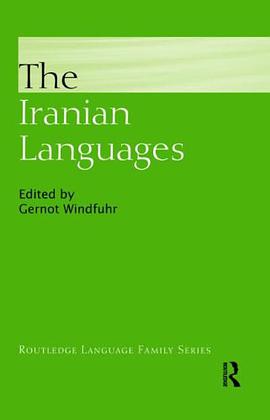
The Iranian languages are a major component of the Indo-European family, and an important link between Asian, European and African languages. They contain features that can provide crucial evidence for synchronic and diachronic typology and other theoretical linguistic issues, but which are widely unknown and difficult to access. Providing descriptions of each language in the family, this fascinating volume also includes paradigms and syntagms, as well as systematic comparative-historical and typological statements. With each chapter written by an acknowledged author in the field, "The Iranian Languages" is the ideal text for the professional and student linguist interested in accurate, in-depth and up-to-date descriptions of the entire language family.
Oral Literature of Iranian Languages Douban
author:
Philip G. Kreyenbroek (Editor)
/
Ulrich Marzolph (Editor)
publishing house:
I. B. Tauris
2010
- 8
藏族的语言和文字 Douban
author:
瞿霭堂
publishing house:
中国藏学出版社
1996
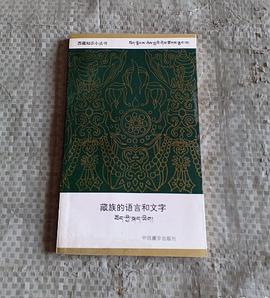
为了如实地介绍西藏,加强对西藏地区的研究,继承和发扬藏族文化的优良传统,扩大各民族之间的文化交流和增进互相理解,加强国际文化合作,让关心西藏历史和现实的朋友们,从中了解到西藏今昔的真实情况,我们中国藏学研究中心编辑出版了这套《西藏知识小丛书》,包括政治、经济、历史、宗教、文化等类数十种。这套小丛书,运用历史唯物主义观点和丰富而翔实的藏汉文文献以及其他文字的资料,实事求是地分题撰写,力求具有学术性、知识性和可读性。用汉、藏、英三种文字出版。
本书主要介绍藏语文,把现代语言学的理论和实践与藏族传统的语言文字学理论,特别是文字学和文法学的理论有机地结合起来。
本书主要介绍藏语文,把现代语言学的理论和实践与藏族传统的语言文字学理论,特别是文字学和文法学的理论有机地结合起来。

古代伊朗上层建筑与宗教 Douban
author:
程彤
publishing house:
宗教文化出版社
2016
- 4
西域苏非主义研究 Douban
author:
韩中义
publishing house:
中国社会科学出版社
2008
- 6
《西域苏非主义研究》系统地研究了西域苏非主义的相关内容。其内容主要分为三部分:第一部分(1-6章)主要考察了公元十世纪到近现代西域苏非主义的发展史,大致厘清了其沿革、变化脉络,以及在特定的时期对社会的影响,从而对其有一个线性的了解。第二部分(7-12章)主要探讨了西域苏非主义的思想,内容包括禁欲、爱主、奇迹、灵魂、知识等观念。第三部分(13- 20章)主要阐述了西域苏非主义与圣徒崇拜、麻扎朝拜、地方文化、尊号名称、政治关系、经济类型、数理制度、世系传承等内容。通过上述内容可以对西域苏非主义有较全面的了解。