道教美术
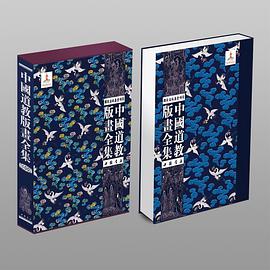
中國道教版畫全集(全一百卷) 豆瓣
作者: [主編]翁連溪 / [主編]李洪波 出版社: 中國書店 2019 - 11
一、本版画集是历史上道教版画规模最大的集结,虽然不能完全囊括存世道教版画,但是我们已尽力向『齐全』二字靠拢。所收录文献可以完整反映道教版画从兴起、发展、繁荣、衰落的历史脉络以及各个发展年间的特点和风格。也可从文献数量、不同时代流行文献的差异间接探求不同时期道教文化的流播及差异性,考察不同文献在道教文化乃至传统文化传播中发挥的独特作用。道教美术的研究把重点放在绘画、雕塑等领域,对道教版画重视不足,一个重要的原因就是道教版画文献没有大规模的整理,利用不便。一个资料丰富的道教版画全集将大大改观这种局面。
二、本版画集收录的大多数文献从来没有影印出版过,其中的一些甚至深藏高阁,不为学者所知。这些文献的面世将极大的方便道教版画领域展开研究和利用,甚至出现突破性的进展。一些已经再版的文献,或由于出版技术的限制,出版后图像质量不佳,不利于研究。比如道教研究最重要的文献明版《道藏》,学界普遍利用一九八八年出版的三家本,其底本是民国年间涵芬楼影印本,受当时影印及出版技术限制,加之为控制册数,缩小了版面,使书中许多图像质量不佳。本次出版我们原版影印中国国家图书馆藏明版《道藏》,图像及图像中的文字更加清晰,完全显露出木刻版画应有的线条特点,更利于《道藏》相关领域的研究,尤其是道教版画的研究。
三、本版画集每种文献都有刻印时间、著作者、施刻人员、绘刻人员、装帧方式、尺寸、内容简介等的相关介绍,限于篇幅言而不尽则在每卷卷首叙录中补充说明。每卷卷首叙录则从全集基础上联系前后各卷文献从宏观上解读、梳理,或梳理相关文献的联系,从相关性切入整体分析,或对重要文献重点解说,对于读者了解版画文献有极大的帮助。
本版画集名为《全集》,并非为眩人耳目。我们自知道教版画数量巨大,不可能一网打尽,我们只是尽力把它搜集齐全。叫它《全集》也只是向读者指出本书收录的范围,或者说表明我们整理的一个目标。此次结集出版后,相信仍会有新的发现,如若聚集到一定规模,我们将出版《补编》,使道教版画集更加完整。
最后,我们对本版画集搜集、整理、出版过程中给予帮助的公私藏家和朋友们致以衷心的感谢!
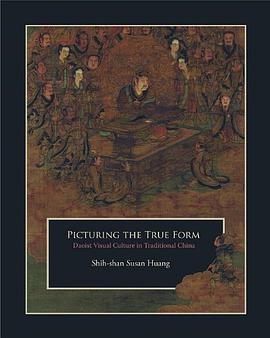
Picturing the True Form 豆瓣
作者: Shih-shan Susan Huang / 黄士珊 出版社: Harvard University Asia Center 2012 - 8
Picturing the True Form investigates the long-neglected visual culture of Daoism, China's primary indigenous religion, from the tenth through thirteenth centuries with references to earlier and later times. In this richly illustrated book, Susan Huang provides a comprehensive mapping of Daoist images in various media, including Dunhuang manuscripts, funerary artifacts, paintings, and other charts, illustrations, and talismans preserved in the fifteenth-century Daoist Canon. True form (zhenxing), the key concept behind Daoist visuality, is not a static picture but entails an active journey of “seeing” underlying and secret phenomena through a series of metamorphoses.
The book's structure mirrors the two-part Daoist journey from inner to outer. Part I focuses on inner images associated with meditation and visualization practices for self-cultivation and longevity. Part II investigates the visual and material dimensions of Daoist ritual. Interwoven through these discussions is the idea that the inner and outer mirror each other and the boundary demarcating the two is fluent. Huang also reveals three central modes of Daoist symbolism—aniconic, immaterial, and ephemeral—and shows how Daoist image-making goes beyond the traditional dichotomy of text and image to incorporate writings in image design. These particular features distinguish Daoist visual culture from its Buddhist counterpart.
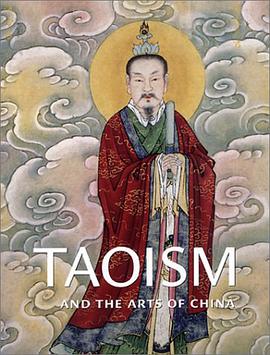
Taoism and the Arts of China 豆瓣
作者: Stephen Little / Kristofer Schipper 出版社: University of California Press 2000 - 11
Taoism and the Arts of China brings together a remarkable collection of art from one of China's most ancient and influential traditions. Produced to accompany the first major exhibition ever organized on the Taoist philosophy and religion, this opulent book includes more than 150 works of art from as early as the late Zhou dynasty (fifth-third century b.c.) to the Qing dynasty (1644-1911). Many of these works are paintings that show the breathtaking range of style and subject that makes the Taoist heritage so rich. Sculpture, calligraphy, rare books, textiles, and ritual objects are also represented.
Like the exhibition, the book is organized thematically. It begins with the sage Laozi (to whom the Daode Jing is attributed), and moves on to explore the birth of religious Taoism and the interaction between Taoism, Buddhism, and Confucianism. A wealth of subjects are covered: the gods of the Taoist pantheon, ritual, the boundaries and intersections between Taoism and popular religion, Taoist Immortals and Realized Beings, the role of alchemy, sacred landscape and its significance, and Taoist temples and their architecture.
Taoism and the Arts of China includes an engaging series of introductory essays by scholars with a deep understanding of their subjects. Among the topics discussed are a historical introduction to Taoism, archaeological evidence for early Taoist art, and a general introduction to the functions of art in religious Taoism. Lavishly illustrated with over 150 color images, this volume affords a sweeping view of an artistic terrain that until now has received too little exposure in the West. Its publication constitutes a major advance in Western understanding of this important tradition.