隋炀帝 豆瓣
作者:
[美]熊存瑞(Victor Cunrui Xiong)
译者:
毛蕾
/
黄维玮
出版社:
厦门大学出版社
2018
- 11
【本书看点】
★暴虐、弑父、篡位、烝母、亡国,炀帝是古来少有的暴君。
★修长城、凿运河、建东都、巡西域,炀帝的功过该如何评估?
★美国著名华裔历史学家熊存瑞,以史、佛、道、文等文献为基础,集中、西、日多家之言,旨在抛开偏见,置个人传记于历史长河之中,用西方性格研究法来重新探讨隋炀帝及其统治。
★作者学术积淀深厚、才思敏捷,译者翻译准确、专业,文笔流畅生动,读来令人欲罢不能。
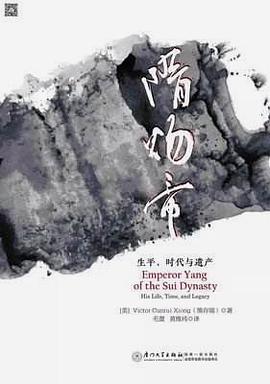
★装帧精美,收藏阅读两相宜。知名书法家、历史学家厦门大学侯真平教授书名题签,潇洒大气;高阶映画封面,质朴舒适;深沉黑星雨内封,精致低调;象牙白内文纸,复古护眼;裸背锁线,可实现180度平摊。
【内容简介】
本书采用杂糅式的手法,既研究炀帝本身,又讨论其所生活的时代。全书由两部分组成。第一部分在介绍杨氏家族和炀帝的父亲(隋文帝杨坚)的发迹过程之后,记述了炀帝从少年到王子、从皇储到皇帝的生活轨迹。第二部分从多个层面讨论了炀帝和他统治下的王朝;其内容包括大兴土木、文官制度、军队管理、教育、礼制、法律、宗教、经济政策、对外关系等。结语部分则对炀帝的历史地位进行分析,重新审视炀帝的生平、他所生活的时代以及他留给后世的遗产。
【推荐】
历史学家将从本书丰富的史料中受益,熊存瑞很好地解释了早期日本和古老中华帝国之间的“第一次接触”。
——《宗教研究评论》(Religious Studies Review)
中国传统的历史学家通常谴责隋炀帝,但作者却更胜一筹,他超越了谩骂,进而揭示隋炀帝的个人经历、政策和功绩。本书作为这一研究的成果,将改变中西方历史学家对隋朝和隋朝对中国历史重要性的认识。
——蔡涵墨(Charles Hartman,美国纽约州立大学东亚系教授)
本书的问世标志着对中国历史上一段关键时期的研究进入了新阶段,熊存瑞的研究对于研究隋朝历史的人来说是不可忽视的。
——丁爱博(Albert E. Dien,美国斯坦福大学东亚系教授)
★暴虐、弑父、篡位、烝母、亡国,炀帝是古来少有的暴君。
★修长城、凿运河、建东都、巡西域,炀帝的功过该如何评估?
★美国著名华裔历史学家熊存瑞,以史、佛、道、文等文献为基础,集中、西、日多家之言,旨在抛开偏见,置个人传记于历史长河之中,用西方性格研究法来重新探讨隋炀帝及其统治。
★作者学术积淀深厚、才思敏捷,译者翻译准确、专业,文笔流畅生动,读来令人欲罢不能。
★装帧精美,收藏阅读两相宜。知名书法家、历史学家厦门大学侯真平教授书名题签,潇洒大气;高阶映画封面,质朴舒适;深沉黑星雨内封,精致低调;象牙白内文纸,复古护眼;裸背锁线,可实现180度平摊。
【内容简介】
本书采用杂糅式的手法,既研究炀帝本身,又讨论其所生活的时代。全书由两部分组成。第一部分在介绍杨氏家族和炀帝的父亲(隋文帝杨坚)的发迹过程之后,记述了炀帝从少年到王子、从皇储到皇帝的生活轨迹。第二部分从多个层面讨论了炀帝和他统治下的王朝;其内容包括大兴土木、文官制度、军队管理、教育、礼制、法律、宗教、经济政策、对外关系等。结语部分则对炀帝的历史地位进行分析,重新审视炀帝的生平、他所生活的时代以及他留给后世的遗产。
【推荐】
历史学家将从本书丰富的史料中受益,熊存瑞很好地解释了早期日本和古老中华帝国之间的“第一次接触”。
——《宗教研究评论》(Religious Studies Review)
中国传统的历史学家通常谴责隋炀帝,但作者却更胜一筹,他超越了谩骂,进而揭示隋炀帝的个人经历、政策和功绩。本书作为这一研究的成果,将改变中西方历史学家对隋朝和隋朝对中国历史重要性的认识。
——蔡涵墨(Charles Hartman,美国纽约州立大学东亚系教授)
本书的问世标志着对中国历史上一段关键时期的研究进入了新阶段,熊存瑞的研究对于研究隋朝历史的人来说是不可忽视的。
——丁爱博(Albert E. Dien,美国斯坦福大学东亚系教授)