2018
中国蜻蜓大图鉴 Douban
author:
张浩淼
publishing house:
重庆大学出版社
2018
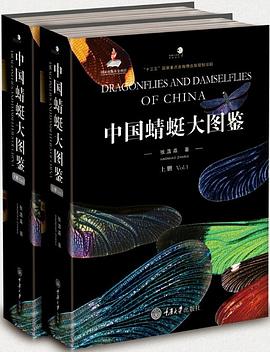
本书收录了中国蜻蜓3亚目23科175属820种,占中国已知蜻蜓总数的83.42%。其中束翅亚目13科65属293种,间翅亚目1科1属3种,差翅亚目8科106属524种。本书参照了最新的蜻蜓目分类系统,以中英双语的文字编排,分成上、下两册,包括“蜻蜓概述”和“中国蜻蜓图鉴”两大部分,内容覆盖了蜻蜓的形态学、生物学和分类学等多方面知识,每个物种配有简洁而精准的概括性描述,结合生态照片和必要的分类特征图像,为读者提供了最简单快速的鉴定方法。另附有一份系统全面的“中国蜻蜓名录”。全书共选用彩色图片3500余幅,全面展示了蜻蜓迷人绚丽的生态影像,也是全球蜻蜓文献中收录蜻蜓种类最多的彩色图鉴。
杜甫诗集典故探义(上下) Douban
author:
叶渠梁 著
publishing house:
华中科技大学出版社
2018
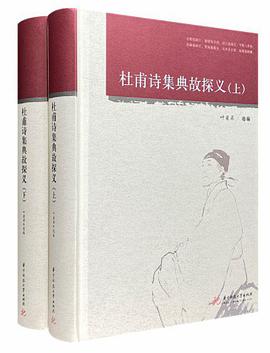
杜甫是唐代诗人中善于运用典故的圣手,本书专从用典的角度探求杜诗的思想和艺术特质。杜诗全集有典故的诗章多达775首,事典、语典凡2300多条次。此书将每则典文与具体诗篇相对应,逐一进行分析。除了对原诗作了简要说明、注释外,还对典文的生词、难句进行了直解,为读者清除了文字上的障碍。全书典文精当,探义切中要旨。既使读者从中品味到杜诗言简意丰的思想蕴含和巧用典故的艺术价值,又拓展了视野,丰富了读者的文史知识。尤其是书中众多的事典极具典型性、哲理性、故事性、可读性,因而本书的问世,定能在广大读者中产生上佳的阅读效应。
夜是秋月明 Douban
7.8 (5 ratings)
罗大佑
genre:
Pop
release date 2018-07-08
publisher:
听见时代
此一时彼一时 身处洪荒林
彷彿当时我已
送别了昨日的心
当明日来到
帮我挥走我身上的云
罗大佑
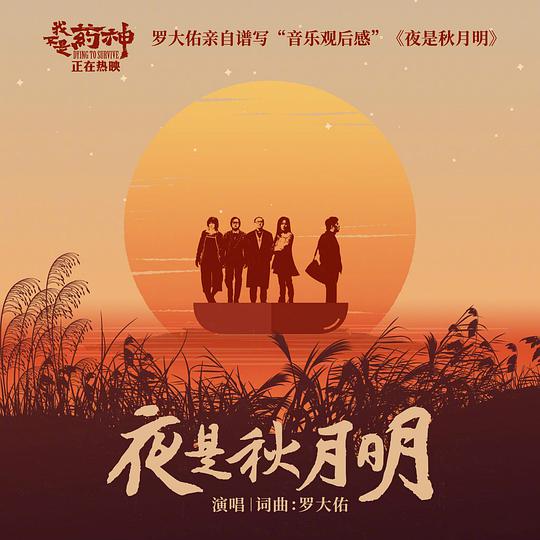
「电影《我不是药神》音乐观后感」《夜是秋月明》
内地现象级口碑电影联袂罗大佑 走心献作“音乐观后感‘’
电影《我不是药神》由文牧野执导,宁浩监制、徐峥监制并领衔主演,主演更囊括周一围、王传君、谭卓、章宇、杨新鸣等实力主创。2018年7月5日已全面公映,并以IMAX、中国巨幕等多种制式同步上映。
作为一部点映后便在全行业与全年龄引起评论热潮的电影,观看影片后的每个人,都有着独一无二的感受,而电影《我不是药神》更与知名音乐人罗大佑联动合作,诚意推出一篇关于《我不是药神》的“音乐观后感”。《夜是秋月明》由罗大佑倾情创作。作为一代音乐人的代表,罗大佑曾谱写演唱诸多脍炙人口的经典歌曲,同样不乏为影视作品赋予灵魂的原声OST。罗大佑音乐中的时代沧桑与柔软情怀,已然成为大众心中美好的回忆。此次联动“音乐观后感”《夜是秋月明》,由罗大佑亲自谱写词曲,并包办演唱制作,用自己的音乐书写对“药神”故事的观影体验。影片传达出生命的坚韧力量,碰撞罗大佑的动人音乐,带来意义非凡的联动作品。
亲自操刀词曲 音乐观后感经典升级
“总有一种叫做善良的品性能叫人热泪盈眶。”影迷,如此形容真切的观影感受,而此次罗大佑的音乐观后感在保留其特有的音乐风格之外,也将是一首传达情怀与善意的歌曲,诚如《夜是秋月明》的歌词:“仿佛当时我已送别了昨日的心。当明日来到,帮我挥走身上的云。”诗意美好的字句中,透露出希望的光芒,呼应影片中小人物蜕变的过程,亦为时代和社会的进步而歌颂。
对于此次为内地电影操刀包揽词曲,这首歌对于罗大佑来说是对于观影的纯粹自然流露,看过电影后,他更是多次在电影资料中求索,打磨出更深层的理解与思考,对于这部电影,罗大佑表示:“有关「生命」这样的议题因为太过严肃,一直以来都不容易表达,或是表达了以后不容易被接受。《我不是药神》用了笑泪与共的模式来 讲述一个真人发生过的真的故事,将「善意」这个我们平常不自觉在碰触的人性的触角伸展到我们愿意很开心的面对它,是这部电影打动我的地方。” 而歌曲则传达了比语言和文字更加深刻的立意:“歌曲必须为固执的人性解围。我在歌曲中透过不同的角度、快慢的节奏、电子与模拟乐器的对比,来描绘一个老生常谈的‘风花雪月’的主题,有可能使我们对于人的安于现状和为何进化有一个比较深的认识。”
《我不是药神》作为一部颇具内核与力量的电影,采用独特的音乐观后感形式,诚意邀请罗大佑联袂献作,打造艺术与社会意义的极致表达。
彷彿当时我已
送别了昨日的心
当明日来到
帮我挥走我身上的云
罗大佑
「电影《我不是药神》音乐观后感」《夜是秋月明》
内地现象级口碑电影联袂罗大佑 走心献作“音乐观后感‘’
电影《我不是药神》由文牧野执导,宁浩监制、徐峥监制并领衔主演,主演更囊括周一围、王传君、谭卓、章宇、杨新鸣等实力主创。2018年7月5日已全面公映,并以IMAX、中国巨幕等多种制式同步上映。
作为一部点映后便在全行业与全年龄引起评论热潮的电影,观看影片后的每个人,都有着独一无二的感受,而电影《我不是药神》更与知名音乐人罗大佑联动合作,诚意推出一篇关于《我不是药神》的“音乐观后感”。《夜是秋月明》由罗大佑倾情创作。作为一代音乐人的代表,罗大佑曾谱写演唱诸多脍炙人口的经典歌曲,同样不乏为影视作品赋予灵魂的原声OST。罗大佑音乐中的时代沧桑与柔软情怀,已然成为大众心中美好的回忆。此次联动“音乐观后感”《夜是秋月明》,由罗大佑亲自谱写词曲,并包办演唱制作,用自己的音乐书写对“药神”故事的观影体验。影片传达出生命的坚韧力量,碰撞罗大佑的动人音乐,带来意义非凡的联动作品。
亲自操刀词曲 音乐观后感经典升级
“总有一种叫做善良的品性能叫人热泪盈眶。”影迷,如此形容真切的观影感受,而此次罗大佑的音乐观后感在保留其特有的音乐风格之外,也将是一首传达情怀与善意的歌曲,诚如《夜是秋月明》的歌词:“仿佛当时我已送别了昨日的心。当明日来到,帮我挥走身上的云。”诗意美好的字句中,透露出希望的光芒,呼应影片中小人物蜕变的过程,亦为时代和社会的进步而歌颂。
对于此次为内地电影操刀包揽词曲,这首歌对于罗大佑来说是对于观影的纯粹自然流露,看过电影后,他更是多次在电影资料中求索,打磨出更深层的理解与思考,对于这部电影,罗大佑表示:“有关「生命」这样的议题因为太过严肃,一直以来都不容易表达,或是表达了以后不容易被接受。《我不是药神》用了笑泪与共的模式来 讲述一个真人发生过的真的故事,将「善意」这个我们平常不自觉在碰触的人性的触角伸展到我们愿意很开心的面对它,是这部电影打动我的地方。” 而歌曲则传达了比语言和文字更加深刻的立意:“歌曲必须为固执的人性解围。我在歌曲中透过不同的角度、快慢的节奏、电子与模拟乐器的对比,来描绘一个老生常谈的‘风花雪月’的主题,有可能使我们对于人的安于现状和为何进化有一个比较深的认识。”
《我不是药神》作为一部颇具内核与力量的电影,采用独特的音乐观后感形式,诚意邀请罗大佑联袂献作,打造艺术与社会意义的极致表达。
張爾田著作集 Douban
author:
黃曙輝 張京華 編
publishing house:
上海大學出版社
2018
- 7
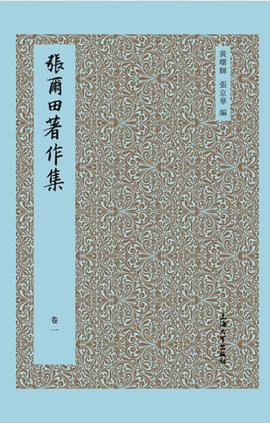
近代中國由於社會局勢之丕變,學術發展亦因之新變。此一時期,新學之興起自不待言,即使淵源深長之傳統學術,固然仍以强大的生命力、循自身固有之邏輯持續發展,但受其時社會變革之影響,無論是研究方法、研究理路,抑或是研究對象、研究範圍,均不可避免地出現新的變化、新的拓展。當此大變動之世,多元風氣的激盪,催生了大量卓有建樹的學術名家;他們的許多著作,近百年來光耀學林、堪稱經典,時至今日,仍有難以超越者,值得當今學界深入研究。然近代學人之著作,即使此前已有刊本行世,因年代久遠、存世無多,今天查閲已頗爲不易;部分著作雖不乏整理本行世,然與原作真貌終有距離;況且尚有不少未曾刊行之稿本、抄本深藏公私藏家之手,既鮮爲學界所知,遑論爲學人所用?有鑒於此,我社在有關專家學者的指導下,蒐集學術影響深遠、學術價值重大之近代學人著作,輯爲‘近代學術集林’叢書,絡續影印出版。作品之遴選,首重未刊之稿本、抄本,次擇校勘精善之刻本,少量兼及稀見之石印本或鉛印本,以冀展現某一學者著作之原貌、全貌。此《張爾田著作集》即爲其中之一種。
Prokofiev for Two Douban
8.3 (6 ratings)
马尔塔·阿格里齐 Martha Argerich
/
Sergei Babayan
genre:
Classical
release date 2018-03-23
publisher:
Deutsche Grammophon
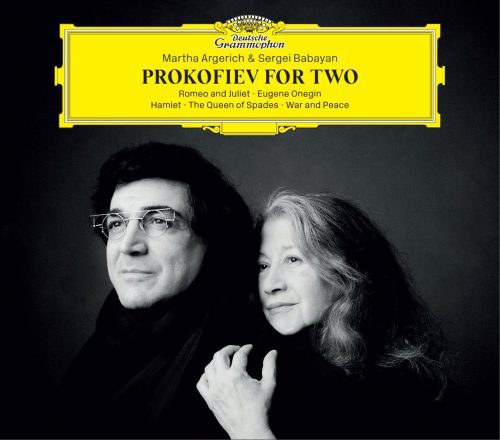
Pianists Martha Argerich and Sergei Babayan have recorded two selections from Prokofiev’s music for stage and screen in magnificent two-piano transcriptions by Babayan. Prokofiev for Two, set for release worldwide March 23 via Deutsche Grammophon/Universal Music Canada, the country’s leading music company, captures for posterity the sense of mutual inspiration felt by these kindred spirits, palpable in their live performances together. The upcoming album features Babayan’s twelve-movement transcription of numbers from the ballet Romeo and Juliet and his seven-movement suite transcribed from Prokofiev’s incidental music for Hamlet and Eugene Onegin, film score for The Queen of Spades and opera War and Peace.
Martha Argerich and Sergei Babayan first met in Brussels in 1991 when, on a whim, he looked her up in the phonebook and, to his own surprise, found her name and telephone number listed. His call from a phone box in the city started a strong friendship that led to numerous joint appearances in Europe and America. After one performance of Rachmaninov’s “Suite No.2” and other works for two pianos, Babayan told Argerich of his dream to transcribe pieces from Romeo and Juliet for their next duo date. “She was very inspired by the idea,” he recalls. “It was the greatest pleasure – and an honour – to create something that we would play together.” Babayan’s take on Prokofiev, coupled with a suite of rarities from the composer’s stage and film music, can be heard in Prokofiev for Two.
The freshly transcribed Prokofiev score received its premiere performance as part of the Martha Argerich Project at the 2013 Lugano Festival. Argerich and Babayan have since performed this work together with the revised Romeo and Juliet suite several times, most recently in concert at Stuttgart’s Liederhalle last November.
Martha Argerich is already renowned for her interpretations of Prokofiev’s music. The Argentine-born artist, hailed as one of the greatest pianists of all time, included the composer’s turbulent “Toccata” in her Deutsche Grammophon recital debut album, recorded in 1960. She reinforced her international reputation seven years later with a landmark recording for the yellow label of Prokofiev’s “Third Piano Concerto” with the Berliner Philharmoniker and Claudio Abbado. “I have loved Prokofiev ever since I can recall,” notes Argerich. “And people think he loves me too sometimes! I love the way Sergei [Babayan] plays Prokofiev and many other things. The first solo recital of his I heard was Bach’s Goldberg Variations and I was incredibly impressed by it. I very much liked his proposal that we should play his transcription of Romeo and Juliet and feel very honoured that he dedicated it to me.”
Babayan’s love for Prokofiev, like Argerich’s, is deeply rooted, dating back to his childhood in Armenia and student days at the Moscow Conservatoire. Having left the USSR for the first time in 1989, he settled in the U.S. Time and again, Babayan has paid tribute to Prokofiev, playing several of his piano concertos with Valery Gergiev including at the 2015 BBC Proms in a monumental concert with the London Symphony Orchestra featuring all five of the works.
His new Prokofiev transcriptions are both dedicated to Martha Argerich. “This project happened because of my love for Prokofiev, my love for Martha and my love for the ballet Romeo and Juliet,” reflects Babayan. The idea of transcribing Romeo and Juliet first arose decades ago while he was studying Prokofiev’s colourful instrumentation in close detail with an orchestra. Already aware of Argerich’s playing, he was further inspired after hearing a pirate recording of her 1981 Carnegie Hall performance of the “Ten Pieces Op.75” from Romeo and Juliet. “I listened and was immediately drawn to learn the cycle. But I felt that Prokofiev used chamber-like numbers for his selection of music for his transcription for solo piano. If you first became acquainted with the ballet through this piano score, you would never guess or understand the whole tragic, violent, and dark nature of the original work. Of course, the ballet contains lyrical, romantic music; music filled with humour and dance movement. But it also contains music for the “Death of Tybalt” – music of love and hate.”
Believing it would be impossible for music of such powerful emotion to be conveyed by two hands, and aware of Prokofiev’s own fondness for transcription, Babayan felt driven to exploit the full expressive force and tonal richness of two pianos. His created version contains what Martha Argerich, with a wry laugh, calls “difficult and demanding” technical and musical challenges. Both musicians, however, agree that transcription is “an act of love” and Babayan’s experience with Romeo and Juliet soon led him to explore some of the composer’s lesser-known works and create the second suite on this album. As he points out, this music will be new to most listeners. For example, only fragments of the film score for The Queen of Spades have ever been performed or recorded. He underlines its imaginative and innovative qualities, adding, “I’m sure if Prokofiev had lived longer he would have used the material for The Queen of Spades for a new movie, symphony, quartet or maybe even a piano duo. This music stayed on the shelf and it was my luck to hear it.”
Prokofiev for Two is driven by the passion and power of an ideal keyboard partnership. Martha Argerich considers playing in duo with Babayan to be “a thing of alchemy – a discovery”. For his part, Babayan says the experience of performing with Argerich is like joining a conversation with a divine being, one in which “you cannot be mundane or ordinary … Martha will somehow pull out the best from you.”
Martha Argerich and Sergei Babayan first met in Brussels in 1991 when, on a whim, he looked her up in the phonebook and, to his own surprise, found her name and telephone number listed. His call from a phone box in the city started a strong friendship that led to numerous joint appearances in Europe and America. After one performance of Rachmaninov’s “Suite No.2” and other works for two pianos, Babayan told Argerich of his dream to transcribe pieces from Romeo and Juliet for their next duo date. “She was very inspired by the idea,” he recalls. “It was the greatest pleasure – and an honour – to create something that we would play together.” Babayan’s take on Prokofiev, coupled with a suite of rarities from the composer’s stage and film music, can be heard in Prokofiev for Two.
The freshly transcribed Prokofiev score received its premiere performance as part of the Martha Argerich Project at the 2013 Lugano Festival. Argerich and Babayan have since performed this work together with the revised Romeo and Juliet suite several times, most recently in concert at Stuttgart’s Liederhalle last November.
Martha Argerich is already renowned for her interpretations of Prokofiev’s music. The Argentine-born artist, hailed as one of the greatest pianists of all time, included the composer’s turbulent “Toccata” in her Deutsche Grammophon recital debut album, recorded in 1960. She reinforced her international reputation seven years later with a landmark recording for the yellow label of Prokofiev’s “Third Piano Concerto” with the Berliner Philharmoniker and Claudio Abbado. “I have loved Prokofiev ever since I can recall,” notes Argerich. “And people think he loves me too sometimes! I love the way Sergei [Babayan] plays Prokofiev and many other things. The first solo recital of his I heard was Bach’s Goldberg Variations and I was incredibly impressed by it. I very much liked his proposal that we should play his transcription of Romeo and Juliet and feel very honoured that he dedicated it to me.”
Babayan’s love for Prokofiev, like Argerich’s, is deeply rooted, dating back to his childhood in Armenia and student days at the Moscow Conservatoire. Having left the USSR for the first time in 1989, he settled in the U.S. Time and again, Babayan has paid tribute to Prokofiev, playing several of his piano concertos with Valery Gergiev including at the 2015 BBC Proms in a monumental concert with the London Symphony Orchestra featuring all five of the works.
His new Prokofiev transcriptions are both dedicated to Martha Argerich. “This project happened because of my love for Prokofiev, my love for Martha and my love for the ballet Romeo and Juliet,” reflects Babayan. The idea of transcribing Romeo and Juliet first arose decades ago while he was studying Prokofiev’s colourful instrumentation in close detail with an orchestra. Already aware of Argerich’s playing, he was further inspired after hearing a pirate recording of her 1981 Carnegie Hall performance of the “Ten Pieces Op.75” from Romeo and Juliet. “I listened and was immediately drawn to learn the cycle. But I felt that Prokofiev used chamber-like numbers for his selection of music for his transcription for solo piano. If you first became acquainted with the ballet through this piano score, you would never guess or understand the whole tragic, violent, and dark nature of the original work. Of course, the ballet contains lyrical, romantic music; music filled with humour and dance movement. But it also contains music for the “Death of Tybalt” – music of love and hate.”
Believing it would be impossible for music of such powerful emotion to be conveyed by two hands, and aware of Prokofiev’s own fondness for transcription, Babayan felt driven to exploit the full expressive force and tonal richness of two pianos. His created version contains what Martha Argerich, with a wry laugh, calls “difficult and demanding” technical and musical challenges. Both musicians, however, agree that transcription is “an act of love” and Babayan’s experience with Romeo and Juliet soon led him to explore some of the composer’s lesser-known works and create the second suite on this album. As he points out, this music will be new to most listeners. For example, only fragments of the film score for The Queen of Spades have ever been performed or recorded. He underlines its imaginative and innovative qualities, adding, “I’m sure if Prokofiev had lived longer he would have used the material for The Queen of Spades for a new movie, symphony, quartet or maybe even a piano duo. This music stayed on the shelf and it was my luck to hear it.”
Prokofiev for Two is driven by the passion and power of an ideal keyboard partnership. Martha Argerich considers playing in duo with Babayan to be “a thing of alchemy – a discovery”. For his part, Babayan says the experience of performing with Argerich is like joining a conversation with a divine being, one in which “you cannot be mundane or ordinary … Martha will somehow pull out the best from you.”
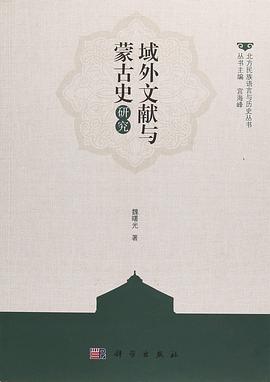
域外文献与蒙古史研究 Douban
author:
魏曙光
publishing house:
科学出版社
2018
- 11
清末外交官洪钧出使俄国,适逢俄国学者贝勒津刊布《史集》及瑞典历史学家多桑利用波斯文、阿拉伯文史料出版《蒙古史》,他获得这些资料后,著《元史译文证补》三十卷。从此中国学者开始了解到波斯文《世界征服者史》《史集》《瓦萨夫史》和阿拉伯文《全史》《札兰丁传》等域外文献的重要性。洪钧开创的运用中外文献进行互证互补研究的新方法也为后世学者所继承。本书即以《史集》《世界征服者史》《马可波罗行纪》等域外文献为研究对象,注重运用中外文献进行互证互补和审音勘同之法,进一步探讨了域外文献与蒙古史、元史研究中的诸多问题。
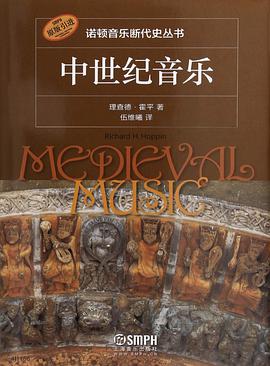
中世纪音乐 Douban
Medieval Music
author:
[美] 理查德·霍平
translator:
伍维曦
publishing house:
上海音乐出版社
2018
- 8
本书是“诺顿音乐断代史”系列之一,亦属于美国研究生中世纪音乐课程的必修教材之列。大多数关于中世纪音乐的教材内容都颇为乏味,但此书的内容却妙趣横生。著作第一章是对从罗马帝国结束至公元1000年的一段充满趣味的历史导论,第二章则是关于同时期基督教礼拜仪式的描述。后续章节包括对宗教音乐和世俗音乐的详细论述。该书是一部既适于学术研究又适于扩展阅读的学术专著。原作者理查德霍平,这部专著长期以来是西方音乐学界(尤其是英语世界)有关欧洲中世纪音乐的标准论著,资料丰富、条理清晰、叙述详赡,基本上概括了这一研究领域的全貌。
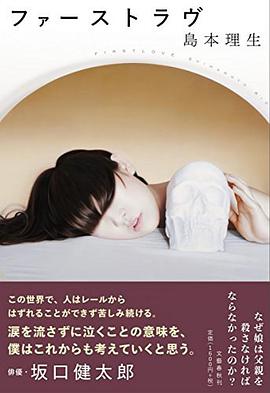
ファーストラヴ Douban
author:
島本 理生
publishing house:
文藝春秋
2018
- 5
夏の日の夕方、多摩川沿いを血まみれで歩いていた女子大生・聖山環菜が逮捕された。彼女は父親の勤務先である美術学校に立ち寄り、あらかじめ購入していた包丁で父親を刺殺した。環菜は就職活動の最中で、その面接の帰りに凶行に及んだのだった。環菜の美貌も相まって、この事件はマスコミで 大きく取り上げられた。なぜ彼女は父親を殺さなければならなかったのか?
臨床心理士の真壁由紀は、この事件を題材としたノンフィクションの執筆を依頼され、環菜やその周辺の人々と面会を重ねることになる。そこから浮かび上がってくる、環菜の過去とは? 「家族」という名の迷宮を描き尽くす傑作長編。
臨床心理士の真壁由紀は、この事件を題材としたノンフィクションの執筆を依頼され、環菜やその周辺の人々と面会を重ねることになる。そこから浮かび上がってくる、環菜の過去とは? 「家族」という名の迷宮を描き尽くす傑作長編。
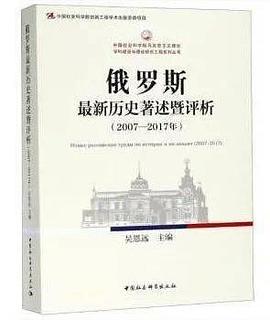
俄罗斯最新历史著述暨评析(2007-2017年) Douban
author:
吴恩远
publishing house:
中国社会科学出版社
2018
- 7
本书翻译暨评述2007—2017年俄罗斯最新历史著述。在此期间,俄罗斯调整了历史研究方向;政府立法反对篡改国家历史;出版了代表国家主流历史观点的历史教材和一批有分量的历史著作。本书摘译了2016年新版俄罗斯历史10年级教科书部分内容。阿巴尔金院士主编、俄罗斯科学院经济研究所出版的《苏联经济史》是近年来对苏联社会经济发展状况权威评价的书籍;俄罗斯科学院政治学研究所萨宗诺夫编撰《是谁、是怎样摧毁了苏联?——依据档案文献还原苏联解体过程》一书整合了大量原始资料文献,有助于人们重新审视苏联解体进程;俄罗斯科学院院士茹科夫所写《改革:成果与经验教训》比较系统阐述了苏联社会发展及各主要时期的政治体制的变迁……本书摘录了这些书的主要内容。原《斯大林全集》中文版13卷只收录了斯大林到1934年1月的文著。本书把俄罗斯最新出版的俄文版《斯大林全集》第14-18卷一些文章翻译摘编,在中国第一次出版了《斯大林全集》后几卷的文著。全书按照政治、经济、文化、民族、军事、历史等专题分类,大致涵盖了俄罗斯社会各个方面的发展状况。
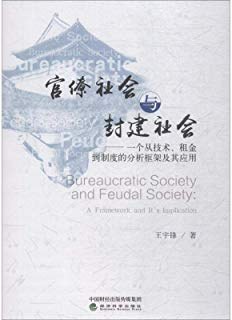
官僚社会与封建社会 Douban
Bureaucratic Society and Feudal Society:A Framework and It't Implication
author:
王宇锋
publishing house:
经济科学出版社
2018
- 6
《官僚社会与封建社会:一个从技术、租金到制度的分析框架及其应用》尝试为这样的问题提供自己的答案,即提供一个可以描述人类社会基本行为的理论框架,并从中获取理解社会基本制度的基本思路。笔者汲取了马克思的历史唯物主义、制度理论和契约与组织理论三种理论的有益要素,认同社会制度的基本决定因素在于物质方面,而且物质的核心因素是技术。与主要强调生产技术不同,《官僚社会与封建社会:一个从技术、租金到制度的分析框架及其应用》拓展了技术的概念,认为社会有多种基本的行为,每种行为都有对应的技术特征。从制度与契约理论中,提取了关于制度分析的基本理念,把制度看作一种围绕资产所订立的契约,社会的制度就可以看成是社会中几种(与行为、技术相对应的)基本的资产之间根据其特性而订立的契约,其核心在于对社会产出的索取权。
我们把人看作是一个有获益动机并同时具有生产、破坏能力的主体,而社会则可以看作是人与人之间的相互关系。这样,笔者用租金这一蕴含着个体理性基础的概念描述了这种一般的关系,在租金的定义的基础上,笔者对技术、群体(组织),基本制度,制度决定与制度变迁、社会福利函数等进行分析,为理解复杂的社会展示了一种广阔而统一的思路。在分析社会基本制度的决策时,笔者从社会中抽象出三种基本的社会行为,即生产行为、暴力行为和公共筹资行为。这三种行为的特性决定了社会在博弈中的地位和最终收益。
在此基本分析框架的基础上,笔者构建了一个简单的博弈模型,试图用此来理解社会在这两种基本制度——官僚制和封建制之间的选择。模型分析了社会的几类核心的群体(即几种技术和社会必然呈现的若干功能)——生产者、暴力组织和官僚组织的博弈情况,通过计算辖区和官僚贪污这两个中间变量,最后通过计算社会剩余来理解各种技术和外部环境对制度选择的影响及具体机制。
模型分析表明,尽管相对封建社会,高统治者皇帝更偏爱官僚制,但官僚技术会对官僚社会能否存在产生根本性的影响,官僚技术很低的社会无法承担高昂的官僚成本(征税、培训官僚,特别是合谋产生的贪污)。外部威胁的增加和军事技术的提高这两方面的共同作用会增加官僚社会的优势。尽管官僚制社会可能需要更高的生产力以承担官僚成本,但相比封建制下的封建主,官僚制下的皇帝支持生产力提高的动力更为欠缺。
我们把人看作是一个有获益动机并同时具有生产、破坏能力的主体,而社会则可以看作是人与人之间的相互关系。这样,笔者用租金这一蕴含着个体理性基础的概念描述了这种一般的关系,在租金的定义的基础上,笔者对技术、群体(组织),基本制度,制度决定与制度变迁、社会福利函数等进行分析,为理解复杂的社会展示了一种广阔而统一的思路。在分析社会基本制度的决策时,笔者从社会中抽象出三种基本的社会行为,即生产行为、暴力行为和公共筹资行为。这三种行为的特性决定了社会在博弈中的地位和最终收益。
在此基本分析框架的基础上,笔者构建了一个简单的博弈模型,试图用此来理解社会在这两种基本制度——官僚制和封建制之间的选择。模型分析了社会的几类核心的群体(即几种技术和社会必然呈现的若干功能)——生产者、暴力组织和官僚组织的博弈情况,通过计算辖区和官僚贪污这两个中间变量,最后通过计算社会剩余来理解各种技术和外部环境对制度选择的影响及具体机制。
模型分析表明,尽管相对封建社会,高统治者皇帝更偏爱官僚制,但官僚技术会对官僚社会能否存在产生根本性的影响,官僚技术很低的社会无法承担高昂的官僚成本(征税、培训官僚,特别是合谋产生的贪污)。外部威胁的增加和军事技术的提高这两方面的共同作用会增加官僚社会的优势。尽管官僚制社会可能需要更高的生产力以承担官僚成本,但相比封建制下的封建主,官僚制下的皇帝支持生产力提高的动力更为欠缺。
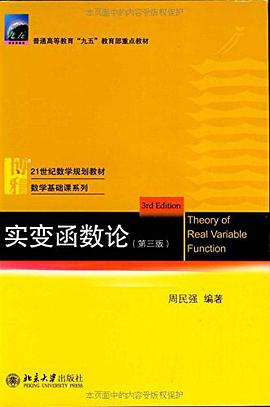

意识作为一种科学概念 Douban
Consciousness as a Scientific Concept: A Philosophy of Science Perspective
author:
[德]伊丽莎白·欧文 (Elizabeth Irvine)
translator:
武建峰
publishing house:
科学出版社

The Kingdom: How Fungi Made Our World (2018) Douban WikiData IMDb
The Kingdom: How Fungi Made Our World
other title:
真菌王国
/
真菌如何造就世界
…
You find fungi in Antarctica and in nuclear reactors. They live inside your lungs and your skin is covered with them. Fungi are the most under appreciated and unexplained organisms, yet they could cure you from smallpox and turn cardboard boxes into forests. They could even transform Mars into Eden. There are vastly more fungi species than plants and each and every one of them play a crucial role in life’s support systems. Join us on a journey into the mysterious world of Fungi to witness their beauty, unravel their mysteries and discover how this secret kingdom is essential to life on Earth, and may in fact hold the key to our future.
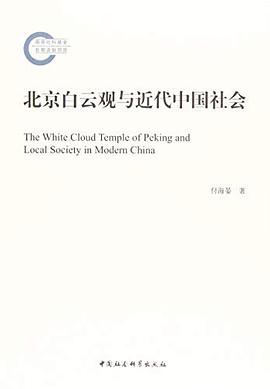
北京白云观与近代中国社会 Douban
author:
付海晏
publishing house:
中国社会科学出版社
2018
- 6
本书依据大量史料文献,对北京白云观做了较为全面的研究。具体包括五部分内容:第一部分研究了北京白云观与晚清社会;第二部分研究了白云观与民初社会;第三部分研究了20世纪30年代白云观的两次住持危机;第四部分研究了白云观与近代宫观制度的改革;第五部分研究了20世纪40年代白云观的诉争。
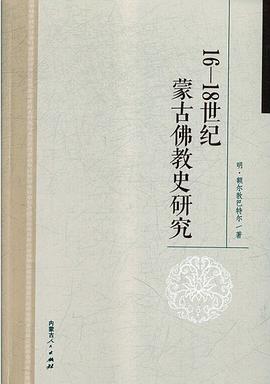
16-18世纪蒙古佛教史研究 Douban
author:
明·额尔敦巴特尔
publishing house:
内蒙古人民出版社
2018
- 9
本书利用蒙、汉、藏等基本史料,对藏传佛教格鲁派高僧内齐托音一世(1587—1653)在漠南蒙古地区传教的特点和作用,蒙古大汗和蒙古右翼土默特万户首领等蒙古统治阶层对藏传佛教所采取的态度、政策以及清廷对蒙佛教政策的内容、作用等重要问题进行了深入细致的探讨。共分三部分,一是研究16—17世纪蒙古地区藏传佛教与萨满教争斗的历史进程;二是探讨蒙古人怎样对待藏传佛教的问题,主要对17世纪前期蒙古大汗林丹汗的政教活动、林丹汗《蒙古文金字甘珠尔经》的形成及其政治、宗教都城金刚白城等几大问题加以详细的探讨;三是对清朝前期诸帝的佛教观和清朝前期对蒙佛教政策的研究。书中充分展示了作者的探索与研究成果,是一部具有较高学术水平的清朝前期蒙古佛教史专著。
内美的镶边 Douban
author:
马里扬
publishing house:
上海古籍出版社
2018
- 4
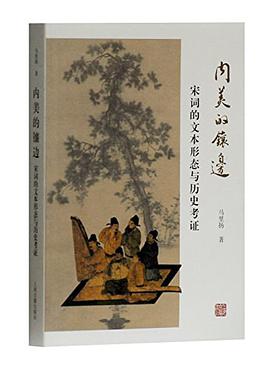
《内美的镶边:宋词的文本形态与历史考证》通过对一系列隐藏在宋词文本之中的、不为人所重视的“细枝末节”,抽丝剥茧,层层推进,考证宋词文本的原始面貌,并以此揭示宋词文本的演变过程、文学意义与内在特质。词乐、词体、词律,本是宋词研究的重要内容,但或因想过文献的缺失,或因所涉知识过于专深,长期以来少有人肯投入精力深入探究。《内美的镶边:宋词的文本形态与历史考证》借助对文本的精细解读,对词调声情、词体、词律等作出精彩论述。这也启发我们,借助现有的文献,是可以对这些看似不可能的问题加以探讨的。《内美的镶边:宋词的文本形态与历史考证》透过词体的“外缘研究”把握词体的内在特质,由“历史考证”进入“文学考证”,其视角与方法对词学研究而言,颇具启发意义。
The Administration of Buddhism in China Douban
author:
Albert Welter
publishing house:
Cambria Press
2018
- 3
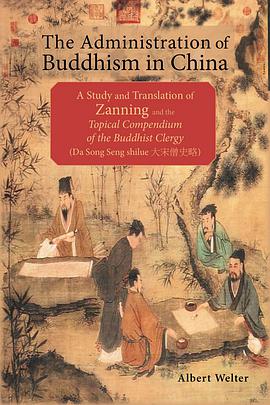
The early Song dynasty (960–1278) was a time of immense intellectual fervor, as China rulers, after over a century of internecine warfare, embarked on a new course that promoted wen (literary or cultural arts) over wu (martial prowess). With the new literary based agenda came a discussion of how to constitute Song’s wen agenda, how to define wen values, what kinds of literature should be included and what excluded, and so on. Zanning (919–1001) was the leading Buddhist literatus at the Song court and his Topical Compendium of the Buddhist Clergy represents a major contribution to this debate, the understanding of which would be deficient without it. The new Song consensus which he helped forge became foundational for the future of China and formed the model for culture and civilization throughout East Asia.
The Topical Compendium of the Buddhist Clergy is a primary source of our knowledge of Chinese Buddhist institutional history. It details practices and policies regarding the administration of Buddhism that are otherwise difficult to access, and is the major work of its kind in the Chinese context. It establishes principles for the administration of Buddhism in China, many of which were customarily followed. Zanning’s work was compiled at the request of emperor Taizong (r. 976–997) for the purpose of educating the emperor and scholar-bureaucrats on matters pertaining to Buddhism, and thus serves the primary purpose of a guide book or primer on things Buddhist that Song administrators may need to know.
The relationship between religion and the state is a topic of major concern in the history of religions. While books, articles, and essays on this topic are common for other regions of the world, especially the West and increasingly for Islamic regions, there are few works discussing the dynamics of religion/state relations in China. Studies are beginning to appear that discuss the dynamics of religion/state relations in modern China, and while many studies of pre-modern Chinese religion touch on this topic, there is no study in English that addresses this topic head on. The relationship between religion and the state in China is a perennial problem that shows no sign of losing its significance in contemporary international affairs, and studies of the history of this relationship with a focus on Buddhism, the most articulate religious force in China during the past couple of millennia, cannot but have a real value to scholars and students.
Zanning’s Topical Compendium of the Buddhist Clergy engages the issue of the Buddhist presence in China directly, arguing for the clear and consistent contributions of Buddhism to Chinese culture and society in an unambiguous way. While ceding claims to independence, Zanning offers that Buddhism is an integral component of China’s culture, not an alien tradition anathema to Chinese values, but an important contributing factor to them. While other works argue in favor of Buddhism in the Chinese context in doctrinal and intellectual terms, only the Topical Compendium of the Buddhist Clergy asserts the necessity of Buddhist institutions and customs as assets in administrative affairs.
The Administration of Buddhism in China: A Study and Translation of Zanning and the Topical Compendium of the Buddhist Clergy is an important book for Asian studies, Buddhist studies, and history collections.
The Topical Compendium of the Buddhist Clergy is a primary source of our knowledge of Chinese Buddhist institutional history. It details practices and policies regarding the administration of Buddhism that are otherwise difficult to access, and is the major work of its kind in the Chinese context. It establishes principles for the administration of Buddhism in China, many of which were customarily followed. Zanning’s work was compiled at the request of emperor Taizong (r. 976–997) for the purpose of educating the emperor and scholar-bureaucrats on matters pertaining to Buddhism, and thus serves the primary purpose of a guide book or primer on things Buddhist that Song administrators may need to know.
The relationship between religion and the state is a topic of major concern in the history of religions. While books, articles, and essays on this topic are common for other regions of the world, especially the West and increasingly for Islamic regions, there are few works discussing the dynamics of religion/state relations in China. Studies are beginning to appear that discuss the dynamics of religion/state relations in modern China, and while many studies of pre-modern Chinese religion touch on this topic, there is no study in English that addresses this topic head on. The relationship between religion and the state in China is a perennial problem that shows no sign of losing its significance in contemporary international affairs, and studies of the history of this relationship with a focus on Buddhism, the most articulate religious force in China during the past couple of millennia, cannot but have a real value to scholars and students.
Zanning’s Topical Compendium of the Buddhist Clergy engages the issue of the Buddhist presence in China directly, arguing for the clear and consistent contributions of Buddhism to Chinese culture and society in an unambiguous way. While ceding claims to independence, Zanning offers that Buddhism is an integral component of China’s culture, not an alien tradition anathema to Chinese values, but an important contributing factor to them. While other works argue in favor of Buddhism in the Chinese context in doctrinal and intellectual terms, only the Topical Compendium of the Buddhist Clergy asserts the necessity of Buddhist institutions and customs as assets in administrative affairs.
The Administration of Buddhism in China: A Study and Translation of Zanning and the Topical Compendium of the Buddhist Clergy is an important book for Asian studies, Buddhist studies, and history collections.