OperationUranus
Nationalist Mobilization and the Collapse of the Soviet State 豆瓣
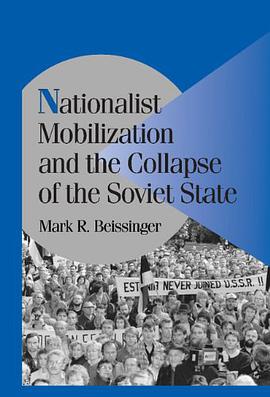
This 2002 study examines the process by which the seemingly impossible in 1987 - the disintegration of the Soviet state - became the seemingly inevitable by 1991, providing an original interpretation not only of the Soviet collapse, but also of the phenomenon of nationalism more generally. Probing the role of nationalist action as both cause and effect, Beissinger utilizes data and case studies from across the USSR during its final years to elicit the shifting relationship between pre-existing structural conditions, institutional constraints, and event-generated influences in the nationalist explosions that brought about the collapse of the Soviet Union. As Beissinger demonstrates, the 'tidal' context of nationalism - i.e., the transnational influence of one nationalism upon another - is critical to an explanation of the success and failure of particular nationalisms, why some nationalisms turn violent, and how a crescendo of events can overwhelm states, periodically evoking large-scale structural change in the character of the state system.
The Rational Peasant 豆瓣
作者:
Samuel L. Popkin
出版社:
University of California Press
1979
- 6
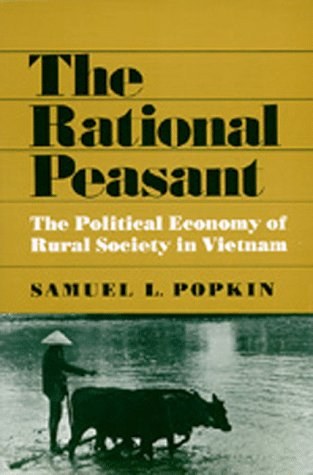
Popkin develops a model of rational peasant behavior and shows how village procedures result from the self-interested interactions of peasants. This political economy view of peasant behavior stands in contrast to the model of a distinctive peasant moral economy in which the village community is primarily responsible for ensuring the welfare of its members.