The Disciplinary Revolution 豆瓣
作者:
Philip S. Gorski
出版社:
University of Chicago Press
2003
- 7
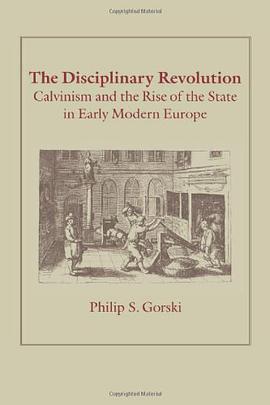
What explains the rapid growth of state power in early modern Europe? While most scholars have pointed to the impact of military or capitalist revolutions, Philip S. Gorski argues instead for the importance of a disciplinary revolution unleashed by the Reformation. By refining and diffusing a variety of disciplinary techniques and strategies, such as communal surveillance, control through incarceration, and bureaucratic office-holding, Calvin and his followers created an infrastructure of religious governance and social control that served as a model for the rest of Europe—and the world.
Table of Contents
Preface and Acknowledgments
Introduction
1. Body and Soul: Calvinism, Discipline, and State Power in Early Modern Europe
2. Disciplinary Revolution from below in the Low Countries
3. Disciplinary Revolution from above in Brandenburg-Prussia
4. Social Disciplining in Comparative Perspective
Conclusion
Notes
Bibliography
Index
Table of Contents
Preface and Acknowledgments
Introduction
1. Body and Soul: Calvinism, Discipline, and State Power in Early Modern Europe
2. Disciplinary Revolution from below in the Low Countries
3. Disciplinary Revolution from above in Brandenburg-Prussia
4. Social Disciplining in Comparative Perspective
Conclusion
Notes
Bibliography
Index