英国


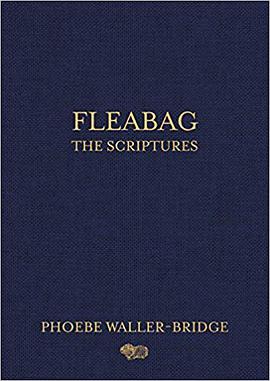
Fleabag: The Scriptures 豆瓣
作者:
Phoebe Waller-Bridge
Ballantine Books
2019
- 11
Phoebe Waller-Bridge’s critically acclaimed, utterly unique series Fleabag took the world by storm with its piercing dialogue, ruthlessly dry wit, and deeply human drama. In Fleabag: The Scriptures, Waller-Bridge brings together for the first time the complete filming scripts of the first and second seasons, annotated with never-before-seen stage directions and exclusive commentary on her creative process and the making of the series. Now recognized as one of today’s most essential voices, she delivers powerful insights into her now-iconic protagonist: the hilarious, emotionally damaged, sexually unapologetic woman who can make viewers laugh, cry, and cringe in a single scene.
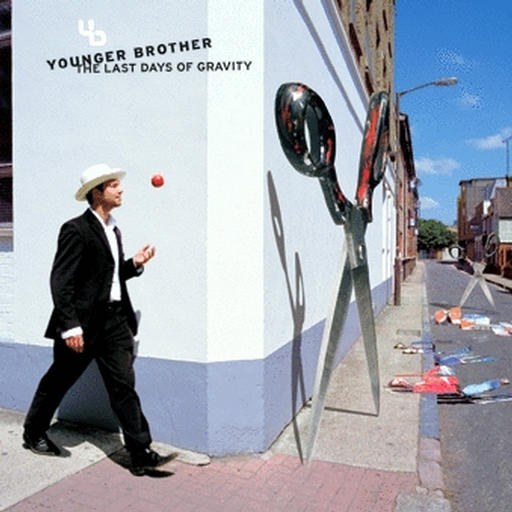
The Last Days of Gravity 豆瓣
Younger Brother
类型:
电子
发布日期 2008年11月10日
出版发行:
Twisted
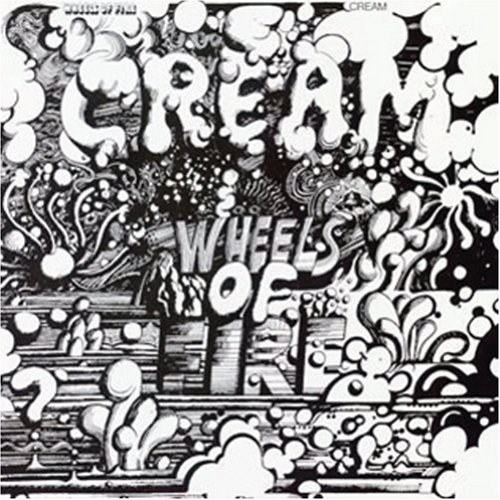
风火轮 豆瓣
9.4 (31 个评分)
Cream
类型:
摇滚
发布日期 1968年1月1日
出版发行:
Polygram Records
吉他之神Eric Clapton的Cream乐队在1968年推出的双CD经典专辑,在牛人林立的1968年取得了骄人的成绩,在全美专辑排行榜列第一,在英国也排到第三,确实非常强。
这张专辑的Disc1叫做In the Studio,是录音棚版,Disc2是Li ve at the Fillmore,现场版,不过两张碟的曲目是不同的,所以没有骗钱的嫌疑 其中第一碟中的White Room还入选了滚石评出的500首最伟大的歌,排名第367,滚石的编辑认为这首歌把歌曲和Clapton的技艺很好地结合在了一起。而第二张碟中的Crossroads中的solo也让滚石的编辑大为赞赏。
这张专辑的Disc1叫做In the Studio,是录音棚版,Disc2是Li ve at the Fillmore,现场版,不过两张碟的曲目是不同的,所以没有骗钱的嫌疑 其中第一碟中的White Room还入选了滚石评出的500首最伟大的歌,排名第367,滚石的编辑认为这首歌把歌曲和Clapton的技艺很好地结合在了一起。而第二张碟中的Crossroads中的solo也让滚石的编辑大为赞赏。

Blind Faith 豆瓣 Spotify
8.4 (14 个评分)
Blind Faith
类型:
摇滚
发布日期 1969年1月1日
出版发行:
Polygram Records
他曾被称为摇滚乐中最好的歌手,Paul Rodgers写作、演唱和演奏过许许多多各种类型的长盛不衰的歌曲。作为一个资深的歌手,他和Free以及Bad Company一起录制的歌曲对很多摇滚歌手产生了深远影响。尤其是Rodgers的演唱方式,最为人所知的是它引入了灵魂和布鲁斯音乐,非常独特而个性鲜明。
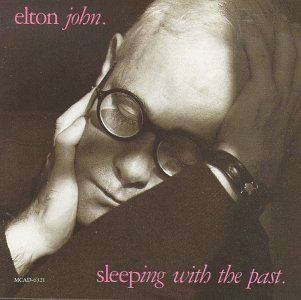
Sleeping with the Past 豆瓣
8.4 (5 个评分)
Elton John
发布日期 1989年8月7日
出版发行:
Mca
Circles and Satellites 豆瓣
Rooster
发布日期 2006年11月6日
出版发行:
Bmg Japan
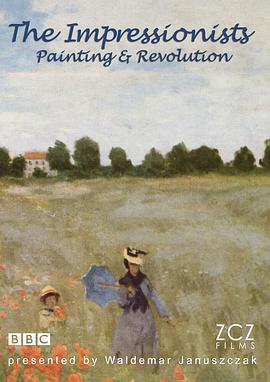
印象派 绘画与革命 (2011) 豆瓣
The Impressionists - Painting and Revolution
9.6 (22 个评分)
导演:
Susan Doyon
演员:
瓦尔德马·雅努茨扎克
Gang of Four
Episode 1 of 4
Duration: 1 hour
Art writer Waldemar Januszczak explores the revolutionary achievements of the Impressionists. In the first episode, Waldemar delves into the back stories of four of the most influential Impressionists - Pissarro, Monet, Renoir and Bazille - who together laid the foundations of the artistic movement. He finds out what social and cultural influences drove them to their style of painting, how they were united and how ultimately they challenged and changed art forever.
Waldemar journeys from the shores of the West Indies, to the progressive city of Paris to the suburbs of South London, where these four artists drew inspiration from the cities and towns in which they lived. Whether it be the infamous spot on the river Seine - La Grenouillere - where Monet and Renoir beautifully captured animated people, iridescent light and undulating water or the minimalist, non-sensationalised illustrations of Pissarro's coarse countryside paintings, Waldemar discovers how the Impressionists broke conventions by depicting every day encounters within the unpredictable and ever changing sights around them.
------
Painting outdoors
Episode 2 of 4
Duration: 1 hour
Waldemar Januszczak continues his investigation of the Impressionists by taking us outdoors to their most famous locations. Although Impressionist pictures often look sunny and relaxed, achieving this peaceful air was hard work. Trudging through fog, wind and rain, across treacherous coastal rocks and knee-deep snow, Waldemar shows how the famous spontaneity of the Impressionists is thoroughly misleading.
This episode visits the French riverside locations that Monet loved to paint, and where Renoir captured the bonhomie of modern life. Waldemar also introduces a number of technical and practical developments of the age which completely revolutionised Impressionist painting - the invention of portable easels; the use of hog's hair in paint brushes; as well as the introduction of the railway through France. And a scientific demonstration in a Swedish snowdrift explains just how right the Impressionists were to paint brightly coloured shadows in their winter scenes, despite being accused of 'hallucinating' at the time.
Finally, Januszczak explains Cezanne's part in the Impressionist story from his dark and challenging early work to his first rural landscapes in France, and then his departure from Paris and separation from the Impressionist gang.
------
Painting the People
Episode 3 of 4
Duration: 1 hour
Waldemar Januszczak continues his investigation of the Impressionists, focusing this time on the people they painted and in particular the subjects of Degas, Caillebotte and the often forgotten Impressionist women artists. The Impressionists are famous for painting landscape but they were just as determined to paint people.
Looking closely at one of Impressionism's finest painters, Edgar Degas, Waldemar reveals how he consistently challenged traditions and strove to record real life as it appeared in the city, from sculpting the contorted movements of horses in motion at the Longchamp race course in Paris to encapsulating extravagant 3D viewpoints of the ballet dancers at the Paris Opera.
Waldemar also uncovers the intoxicating haziness the pastel produced in Degas' work when visiting his supplier Pastels de Roche. He also reveals the unusual viewpoints and dramatic perspectives of Caillebotte's paintings from the Place de L'Europe and the rebellious and revolutionary art of Morisot, Bracquemond and Cassatt, three impressive female artists who were eagerly embraced by the progressive movement of Impressionism
------
Final Flourish
Episode 4 of 4
Duration: 1 hour
This episode takes a closer look at the late years of Impressionism, using the last show these artists did together as a starting point.
Waldemar looks in considerable depth at the work of Georges Seurat, taking into consideration his academic training at the Beaux-Arts School in Paris and the artists that influenced him, such as Piero della Francesca and Puvis de Chavannes.
There is also an insight into the complex but fascinating world of optics and art, and the ways in which the Impressionists were using the new discoveries in light and eyesight to influence their work. A fascinating 'after-image' experiment brings to life the ways in which our own eyes see colour, both in its presence and its absence.
Van Gogh's time in Paris, a period very little is known about, is also covered, charting the incredible journey the artist made from his brown and dull canvases to the splendid colour and light that pervaded his work on the cusp of his departure for the South of France.
The film finishes with a revisiting of Monet and his later waterlily paintings in the Orangerie in Paris. Waldemar investigates how a bad case of cataracts was responsible for a seismic shift in his colour palette and his brushstrokes. Spending time with an ophthalmologist, he finds out how old age and a fairly common ailment of the eyes caused Impressionism to shift and become radical again at the turn of the century and into the 20th century
Episode 1 of 4
Duration: 1 hour
Art writer Waldemar Januszczak explores the revolutionary achievements of the Impressionists. In the first episode, Waldemar delves into the back stories of four of the most influential Impressionists - Pissarro, Monet, Renoir and Bazille - who together laid the foundations of the artistic movement. He finds out what social and cultural influences drove them to their style of painting, how they were united and how ultimately they challenged and changed art forever.
Waldemar journeys from the shores of the West Indies, to the progressive city of Paris to the suburbs of South London, where these four artists drew inspiration from the cities and towns in which they lived. Whether it be the infamous spot on the river Seine - La Grenouillere - where Monet and Renoir beautifully captured animated people, iridescent light and undulating water or the minimalist, non-sensationalised illustrations of Pissarro's coarse countryside paintings, Waldemar discovers how the Impressionists broke conventions by depicting every day encounters within the unpredictable and ever changing sights around them.
------
Painting outdoors
Episode 2 of 4
Duration: 1 hour
Waldemar Januszczak continues his investigation of the Impressionists by taking us outdoors to their most famous locations. Although Impressionist pictures often look sunny and relaxed, achieving this peaceful air was hard work. Trudging through fog, wind and rain, across treacherous coastal rocks and knee-deep snow, Waldemar shows how the famous spontaneity of the Impressionists is thoroughly misleading.
This episode visits the French riverside locations that Monet loved to paint, and where Renoir captured the bonhomie of modern life. Waldemar also introduces a number of technical and practical developments of the age which completely revolutionised Impressionist painting - the invention of portable easels; the use of hog's hair in paint brushes; as well as the introduction of the railway through France. And a scientific demonstration in a Swedish snowdrift explains just how right the Impressionists were to paint brightly coloured shadows in their winter scenes, despite being accused of 'hallucinating' at the time.
Finally, Januszczak explains Cezanne's part in the Impressionist story from his dark and challenging early work to his first rural landscapes in France, and then his departure from Paris and separation from the Impressionist gang.
------
Painting the People
Episode 3 of 4
Duration: 1 hour
Waldemar Januszczak continues his investigation of the Impressionists, focusing this time on the people they painted and in particular the subjects of Degas, Caillebotte and the often forgotten Impressionist women artists. The Impressionists are famous for painting landscape but they were just as determined to paint people.
Looking closely at one of Impressionism's finest painters, Edgar Degas, Waldemar reveals how he consistently challenged traditions and strove to record real life as it appeared in the city, from sculpting the contorted movements of horses in motion at the Longchamp race course in Paris to encapsulating extravagant 3D viewpoints of the ballet dancers at the Paris Opera.
Waldemar also uncovers the intoxicating haziness the pastel produced in Degas' work when visiting his supplier Pastels de Roche. He also reveals the unusual viewpoints and dramatic perspectives of Caillebotte's paintings from the Place de L'Europe and the rebellious and revolutionary art of Morisot, Bracquemond and Cassatt, three impressive female artists who were eagerly embraced by the progressive movement of Impressionism
------
Final Flourish
Episode 4 of 4
Duration: 1 hour
This episode takes a closer look at the late years of Impressionism, using the last show these artists did together as a starting point.
Waldemar looks in considerable depth at the work of Georges Seurat, taking into consideration his academic training at the Beaux-Arts School in Paris and the artists that influenced him, such as Piero della Francesca and Puvis de Chavannes.
There is also an insight into the complex but fascinating world of optics and art, and the ways in which the Impressionists were using the new discoveries in light and eyesight to influence their work. A fascinating 'after-image' experiment brings to life the ways in which our own eyes see colour, both in its presence and its absence.
Van Gogh's time in Paris, a period very little is known about, is also covered, charting the incredible journey the artist made from his brown and dull canvases to the splendid colour and light that pervaded his work on the cusp of his departure for the South of France.
The film finishes with a revisiting of Monet and his later waterlily paintings in the Orangerie in Paris. Waldemar investigates how a bad case of cataracts was responsible for a seismic shift in his colour palette and his brushstrokes. Spending time with an ophthalmologist, he finds out how old age and a fairly common ailment of the eyes caused Impressionism to shift and become radical again at the turn of the century and into the 20th century
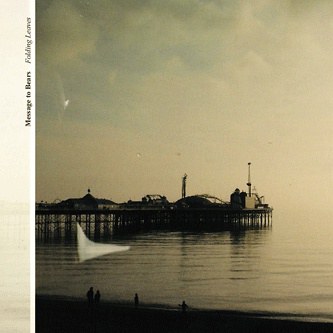
Folding Leaves / フォルディング・リーヴス 豆瓣
7.6 (5 个评分)
Message To Bears
类型:
摇滚
发布日期 2012年1月18日
出版发行:
Nature Bliss
'Folding Leaves, the latest record from Message to Bears, takes the idea of something rustic and organic and tenderly crafts it into musical origami: something complex and detailed, yet gracefully simple.
Jerome Alexander, the multi-instrumentalist behind MTB, combines layers of rustic strings, crisp acoustic guitar and a warm, almost wordless vocal melody – a sound which builds throughout each song and across the whole album. The resolution of each crescendo – after the communal, folksy accumulation of voices, strings and other instruments – is either triumphant, or left to crumble away on a breeze of bird song and crackling ambience.
The effect is an album that is unfolding in two ways: both as an old letter or map, unfurling to display detail and emotion, or disappearing, as an origami swan pulled at two ends loses its creases, becoming as formless and unassuming as it began.'
Jerome Alexander, the multi-instrumentalist behind MTB, combines layers of rustic strings, crisp acoustic guitar and a warm, almost wordless vocal melody – a sound which builds throughout each song and across the whole album. The resolution of each crescendo – after the communal, folksy accumulation of voices, strings and other instruments – is either triumphant, or left to crumble away on a breeze of bird song and crackling ambience.
The effect is an album that is unfolding in two ways: both as an old letter or map, unfurling to display detail and emotion, or disappearing, as an origami swan pulled at two ends loses its creases, becoming as formless and unassuming as it began.'
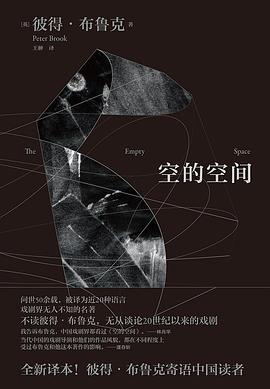
空的空间 豆瓣
The Empty Space
9.0 (8 个评分)
作者:
[英] 彼得·布鲁克
译者:
王翀
后浪丨中国友谊出版公司
2019
- 11
濮存昕作序推荐,林兆华、赖声川推崇备至
英国国宝级大师、莎士比亚戏剧诠释者书写的传世名著
被译为近20种语言
全新打磨译本,彼得•布鲁克特别寄语中国读者
不走进“空的空间”,无从谈论20世纪以来的戏剧
☆编辑推荐
《空的空间》是英国国宝级导演、现代实验戏剧之父彼得•布鲁 克具有代表性的剧场“檄文集”,是世界公认的戏剧理论经典,对20世纪以来的戏剧产生了革命性的影响。
* * *
#彼得•布鲁克语录#
「剧场就是竞技场,能发生活的冲突。」
「我们忘了,戏剧其实有两种高潮。一种是庆祝的高潮,大家一起跺脚、欢呼、大喊、拍手之类的;另一种是沉默的高潮——集体认同和欣赏的另一种方式。我们几乎完全忘记了沉默。沉默甚至让人尴尬;大家机械地鼓掌,是因为不知道还有别的方式,不知道还可以沉默——沉默其实也很好。」
「在日常生活里,“如果”是虚构;在戏剧里,“如果”是实验。在日常生活里,“如果”是逃避;在戏剧里,“如果”是真相。如果我们相信这个真相,那戏剧与生活就会合二为一。」
* * *
◎ 以开放的空间概念重塑现代剧场,探索莎士比亚的现代与永恒。
◎ 洞察现代戏剧的境遇,直面过去的失败,激励未来的一切潜能。
◎ 观点直率、犀利,叛逆而新潮,有多令人钦佩,就有多令人不快。
◎ 韩素音青年翻译奖获得者、青年导演王翀潜心翻译的全新译本。
☆名人推荐
我告诉布鲁克,中国戏剧界都看过《空的空间》。
——林兆华
当代中国的戏剧导演和他们的作品风貌,都在不同程度上受过布鲁克和他这本著作的影响。
——濮存昕
☆媒体推荐
彼得•布鲁克写了一本真正关于戏剧的书。当他谈到自己时,是为了向工匠、严肃的戏迷和评论家传授相关的思想……本书最令人珍视的,是它总是不忘把戏剧的艺术基础、社会心理基础和实践基础作为文化意义的关注点。
——《纽约时报》
彼得•布鲁克谈到了戏剧的过去和现在,它的变化,它的各种形式,谈到了他所看到的及他自己的作品。他以雄辩的口才,带着探险家发现自己进入一个巨大的未知世界的兴奋讲述,但他相信,这个世界是可知的……这是一本很精彩的书,甚至令人狂喜。
——《芝加哥太阳报》
关心当代戏剧的本质和命运的戏迷会在强烈兴趣的驱使下,被吸入这个“空的空间”。
——《时代》周刊
这是一本精彩绝伦的书,除了少数热情的必读者之外,还应该有更多人阅读它。
——《每日电讯报》
☆内容简介
《空的空间》是彼得•布鲁克谈戏剧的理论经典,写于1968年。作者在僵死的戏剧、神圣的戏剧、粗俗的戏剧和当下的戏剧四篇檄文中,分享了他具有开放性的舞台空间概念、充满原创力的戏剧观,同时旁征博引20世纪重要的表演艺术大师们的戏剧理念与创作,以佐证他的戏剧观。全书充满激情、标新立异、引人入胜,展示了戏剧如何藐视规则,构建并打破幻觉,为观众创造持久的记忆。
本书问世50余载经久不衰,已被译为德、法、俄、汉、日、意大利、西班牙、土耳其、波兰、希腊、阿拉伯等近20种语言。中文版初版于20世纪80年代末,成为导演入门必读之作,对中国当代戏剧创作产生了深远的影响。
英国国宝级大师、莎士比亚戏剧诠释者书写的传世名著
被译为近20种语言
全新打磨译本,彼得•布鲁克特别寄语中国读者
不走进“空的空间”,无从谈论20世纪以来的戏剧
☆编辑推荐
《空的空间》是英国国宝级导演、现代实验戏剧之父彼得•布鲁 克具有代表性的剧场“檄文集”,是世界公认的戏剧理论经典,对20世纪以来的戏剧产生了革命性的影响。
* * *
#彼得•布鲁克语录#
「剧场就是竞技场,能发生活的冲突。」
「我们忘了,戏剧其实有两种高潮。一种是庆祝的高潮,大家一起跺脚、欢呼、大喊、拍手之类的;另一种是沉默的高潮——集体认同和欣赏的另一种方式。我们几乎完全忘记了沉默。沉默甚至让人尴尬;大家机械地鼓掌,是因为不知道还有别的方式,不知道还可以沉默——沉默其实也很好。」
「在日常生活里,“如果”是虚构;在戏剧里,“如果”是实验。在日常生活里,“如果”是逃避;在戏剧里,“如果”是真相。如果我们相信这个真相,那戏剧与生活就会合二为一。」
* * *
◎ 以开放的空间概念重塑现代剧场,探索莎士比亚的现代与永恒。
◎ 洞察现代戏剧的境遇,直面过去的失败,激励未来的一切潜能。
◎ 观点直率、犀利,叛逆而新潮,有多令人钦佩,就有多令人不快。
◎ 韩素音青年翻译奖获得者、青年导演王翀潜心翻译的全新译本。
☆名人推荐
我告诉布鲁克,中国戏剧界都看过《空的空间》。
——林兆华
当代中国的戏剧导演和他们的作品风貌,都在不同程度上受过布鲁克和他这本著作的影响。
——濮存昕
☆媒体推荐
彼得•布鲁克写了一本真正关于戏剧的书。当他谈到自己时,是为了向工匠、严肃的戏迷和评论家传授相关的思想……本书最令人珍视的,是它总是不忘把戏剧的艺术基础、社会心理基础和实践基础作为文化意义的关注点。
——《纽约时报》
彼得•布鲁克谈到了戏剧的过去和现在,它的变化,它的各种形式,谈到了他所看到的及他自己的作品。他以雄辩的口才,带着探险家发现自己进入一个巨大的未知世界的兴奋讲述,但他相信,这个世界是可知的……这是一本很精彩的书,甚至令人狂喜。
——《芝加哥太阳报》
关心当代戏剧的本质和命运的戏迷会在强烈兴趣的驱使下,被吸入这个“空的空间”。
——《时代》周刊
这是一本精彩绝伦的书,除了少数热情的必读者之外,还应该有更多人阅读它。
——《每日电讯报》
☆内容简介
《空的空间》是彼得•布鲁克谈戏剧的理论经典,写于1968年。作者在僵死的戏剧、神圣的戏剧、粗俗的戏剧和当下的戏剧四篇檄文中,分享了他具有开放性的舞台空间概念、充满原创力的戏剧观,同时旁征博引20世纪重要的表演艺术大师们的戏剧理念与创作,以佐证他的戏剧观。全书充满激情、标新立异、引人入胜,展示了戏剧如何藐视规则,构建并打破幻觉,为观众创造持久的记忆。
本书问世50余载经久不衰,已被译为德、法、俄、汉、日、意大利、西班牙、土耳其、波兰、希腊、阿拉伯等近20种语言。中文版初版于20世纪80年代末,成为导演入门必读之作,对中国当代戏剧创作产生了深远的影响。
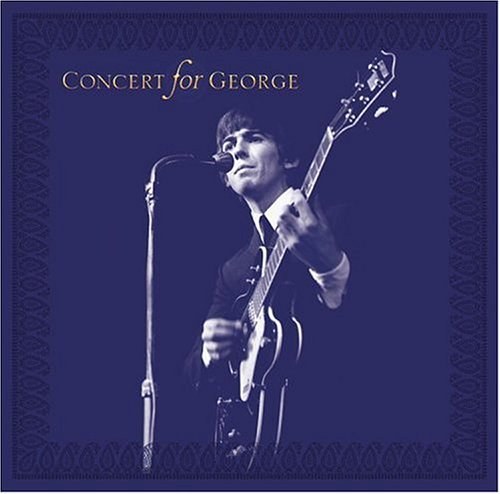
Concert For George 豆瓣
10.0 (10 个评分)
Various Artists
类型:
摇滚
发布日期 2003年1月1日
出版发行:
Warner Strat. Mkt.
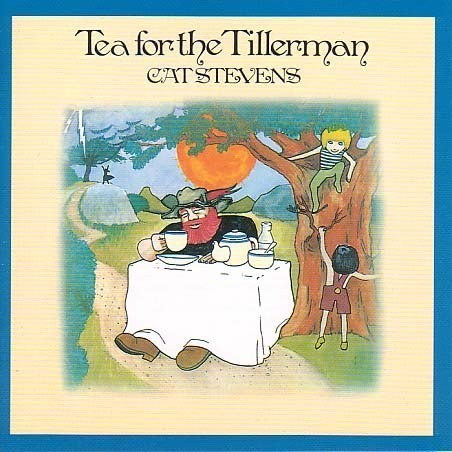
农夫的茶 豆瓣
8.8 (36 个评分)
Cat Stevens
类型:
民谣
发布日期 1970年1月1日
出版发行:
A&M
凯特·斯蒂文斯是英国民谣摇滚的代表人物,1947年7月21日生于伦敦,原名史蒂文·乔治乌(Steven Georgiou)。当他成为一名国际明星之后,于1979年皈依宗教并放弃了他的音乐事业。60年代中期,斯蒂文斯在哈默史密斯大学期间就开始自己创作歌曲并于1966年以一首《我喜欢我的狗》(I Love My Dog)走红。1968年,斯蒂文斯感染了肺结核,这迫使他暂时停止了音乐生涯。1970年,他以专辑《Mona Bone Jakon》重返乐坛,并受到一致好评,其中还产生了一首热门歌曲《德,阿班维尔太太》(Lady D'Arbanville)。以后,他继续推出专辑《舵手的茶叶》(Tea of the Tillerman,1971)、《数字》(Numbers,1975),《Izitso》(1977)和《回到地球》(Back to Earth,1978)均获得一定的成绩。
七十年代, 出现过一期Singer-songwriter movement, 出现过的名字有John Denver, James Tayler, Jackson Browne及Cat Stevens, 他们的歌曲很温馨舒情, 一派校园民歌气息. Cat Stevens的Morning has broken, Wild World, The first cut is the deepest等, 全部词入心, 曲入耳. 难得此碟十分慷慨, 好歌一一收录还加有一首Perviously unreleased的I ve Got A Thing About Seeing My Grandson Grow Old。
曾经的英国民谣强人,现在已经不用这个名字,也不唱歌了,但他的唱作人生涯其实是很成功的,据说他全部唱片的总销量达到了6000万张,相当骄人。出这张Tea for the Tillerman的时候,他的前妻跟人跑了,那首Hard Headed Woman就是说这个事的。不过,专辑整体上却并未沦为一张吐苦水的专辑,只是在保留他一贯风格的同时稍微融入了一点罕见的热烈而已,里面的歌都不错
七十年代, 出现过一期Singer-songwriter movement, 出现过的名字有John Denver, James Tayler, Jackson Browne及Cat Stevens, 他们的歌曲很温馨舒情, 一派校园民歌气息. Cat Stevens的Morning has broken, Wild World, The first cut is the deepest等, 全部词入心, 曲入耳. 难得此碟十分慷慨, 好歌一一收录还加有一首Perviously unreleased的I ve Got A Thing About Seeing My Grandson Grow Old。
曾经的英国民谣强人,现在已经不用这个名字,也不唱歌了,但他的唱作人生涯其实是很成功的,据说他全部唱片的总销量达到了6000万张,相当骄人。出这张Tea for the Tillerman的时候,他的前妻跟人跑了,那首Hard Headed Woman就是说这个事的。不过,专辑整体上却并未沦为一张吐苦水的专辑,只是在保留他一贯风格的同时稍微融入了一点罕见的热烈而已,里面的歌都不错

现代艺术大师 (2010) 豆瓣 豆瓣
Modern Masters 所属 电视剧集: 现代艺术大师
9.1 (62 个评分)
导演:
Louise Hooper
演员:
阿拉斯泰尔·苏克
《现代艺术大师》是英国广播公司BBC推出的一档电视系列节目,它由四部分组成,分别详细介绍了20世纪的四位重要的艺术大师:安迪·沃霍尔(Andy Warhol)、马蒂斯(Henri Matisse)、毕加索(Pablo Picasso)和达利(Salvador Dali)的工作与生活。在片中,镜头跟随主持人Alastair Sooke的脚步,走访了四位艺术家们生前的居所、艺廊及博物馆,甚至是他们最爱的餐厅等地,向观众展示了他们伟大的艺术贡献以及惊人的后世影响力。环顾四周,麦当娜的专辑封面、米菲兔的文具、甚至是你家的沙发和电话,也许就来源于这四位大师的创作……
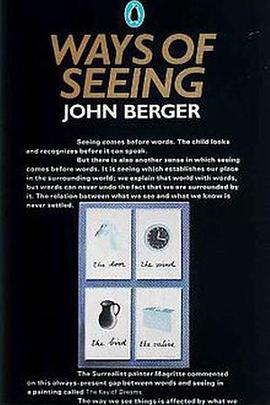
观看之道 (1972) Eggplant.place 豆瓣 TMDB
Ways of Seeing Season 1 所属 电视剧集: 观看之道
9.3 (79 个评分)
导演:
John Berger
演员:
约翰·伯格
Ways of Seeing is a 1972 BBC four-part television series of 30-minute films created chiefly by writer John Berger and producer Mike Dibb. Berger's scripts were adapted into a book of the same name. The series and book criticize traditional Western cultural aesthetics by raising questions about hidden ideologies in visual images. The series is partially a response to Kenneth Clark's Civilisation series, which represents a more traditionalist view of the Western artistic and cultural canon.
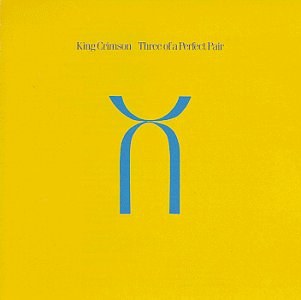
Three of a Perfect Pair 豆瓣
King Crimson
发布日期 1991年8月23日
出版发行:
E.G. Records
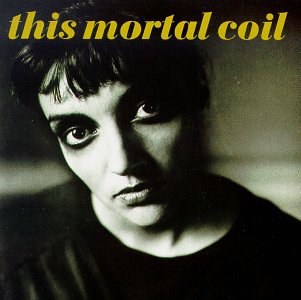
Blood 豆瓣
8.9 (32 个评分)
This Mortal Coil
类型:
流行
发布日期 1991年1月1日
出版发行:
4ad / Ada
一直都有最大的冲动写This Mortal Coil,毕竟他们是我最认同和喜欢的乐队,反而这成了我写他们的最大障碍,怎么写自己也不满意。也一直有感觉想介绍《Blood》给大家,因为一些凌乱却最简单的原因,算了就让我这样凌乱的说出来吧:
从我3年半前拥有这张唱片的时候就把它当成自己听过的最优秀的一张,现在依然这样认为;他是在Darkwave/低调音乐圈里面的高标,把那种超纯唯美,超纯阴暗的色调深入到一个别人难以企及的境地。这样的事情,以前没有人尝试做过,以后也难以有人超越;也是到目前为止我唯一一次勒紧腰带,连续三次购买同张原版唱片的傻瓜行为的元凶;我想说的是,很高兴我能拥有This Mortal Coil的每张大碟,每张都是给我满分的感受,但是,这张:却更远远不是满分那么一点;你认同4AD么?喜欢Cocteau Twins,Dead Can Dance,difjuz等低调乐队么?嗯,别那么早否定/肯定完4AD,直到听过这个真正4AD的精髓和灵魂的所在,这个致命线圈为止吧;或者不是因为This Mortal Coil的出现,在那个时代,那些游离在死亡和崩溃边缘的音乐,Bauhaus,xmaldeutashland,都会失去探求无边黑暗的引标和强大而统一的力量……
这张Blood中,最吸引的地方不只是因为首脑人物,Ivo(4AD老板)不再局限在4AD王国里面发展This Mortal Coil,而是聚集了各处精英,而且在以前This Mortal Coil那深黑不见底的纯唯美世界里面引入了那么丝丝点点亮光.
从我个人的角度来说:有了这一张,其他唱片都可以放弃。
从我3年半前拥有这张唱片的时候就把它当成自己听过的最优秀的一张,现在依然这样认为;他是在Darkwave/低调音乐圈里面的高标,把那种超纯唯美,超纯阴暗的色调深入到一个别人难以企及的境地。这样的事情,以前没有人尝试做过,以后也难以有人超越;也是到目前为止我唯一一次勒紧腰带,连续三次购买同张原版唱片的傻瓜行为的元凶;我想说的是,很高兴我能拥有This Mortal Coil的每张大碟,每张都是给我满分的感受,但是,这张:却更远远不是满分那么一点;你认同4AD么?喜欢Cocteau Twins,Dead Can Dance,difjuz等低调乐队么?嗯,别那么早否定/肯定完4AD,直到听过这个真正4AD的精髓和灵魂的所在,这个致命线圈为止吧;或者不是因为This Mortal Coil的出现,在那个时代,那些游离在死亡和崩溃边缘的音乐,Bauhaus,xmaldeutashland,都会失去探求无边黑暗的引标和强大而统一的力量……
这张Blood中,最吸引的地方不只是因为首脑人物,Ivo(4AD老板)不再局限在4AD王国里面发展This Mortal Coil,而是聚集了各处精英,而且在以前This Mortal Coil那深黑不见底的纯唯美世界里面引入了那么丝丝点点亮光.
从我个人的角度来说:有了这一张,其他唱片都可以放弃。

小妖精集市 豆瓣
Goblin Market
作者:
[英]克里斯蒂娜·罗塞蒂(Christina Rossetti)
译者:
殷杲
江苏人民出版社
2015
- 2
《小妖精集市(附英文版)》像一幅画,像一则搀着妖媚香气的童话。它以数百行的大容量,有条不紊地讲述了一个完整的童话故事,包容大量令人惊喜的细节,也呈现了丰富的情绪。一对纯洁姐妹劳拉和莉齐,日日听到小妖精们叫卖水果。水果鲜艳饱满芳香,诱人无比。劳拉心动了,不顾莉齐劝阻,以一缕金发为代价,换来一顿妖精的水果盛宴。水果是妖精的圈套,吃了一次便日夜惦记,不得解脱,再吃一次方可化解。可是吃过妖精果子的人再看不到妖精,也无缘再买到它们的水果,只有日渐消瘦,耗尽生命。莉齐看到劳拉奄奄一息,心急如焚,决定不顾自己的安危,设法挽救。她来到妖精集市,提出用一枚硬币买些水果。狡猾的妖精逼她当场吃掉。莉齐坚决拒绝。妖精恼羞成怒,对她又打又骂,将水果硬塞到她嘴边。莉齐紧闭双唇,任妖精欺侮,最终带着被妖精涂了满脸的水果甜汁赶回家中,让劳拉再度舔到妖精水果的甜蜜滋味。