linux
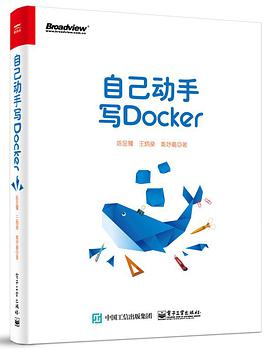
自己动手写Docker 豆瓣
作者: 陈显鹭 / 王炳燊 电子工业出版社 2017 - 7
本书在详细分析Docker所依赖的技术栈的基础上,一步一步地通过代码实例,让读者可以自己循序渐进地用Go语言构建出一个容器的引擎。不同于其他Docker原理介绍或代码剖析的书籍,本书旨在提供给读者一条动手路线,一步一步地实现Docker的隔离性,构建Docker的镜像、容器的生命周期及Docker的网络等。本书涉及的代码都托管在GitHub上,读者可以对照书中的步骤从代码层面学习构建流程,从而精通整个容器技术栈。本书也对目前业界容器技术的方向和实现做了简单介绍,以加深读者对容器生态的认识和理解。
本书适合对容器技术已经使用过或有一些了解,希望更深层次掌握容器技术原理和最佳实践的读者。
2020年5月17日 在读 How Docker Works - Intro to Namespaces
LiveOverflow
470K subscribers
docker go linux
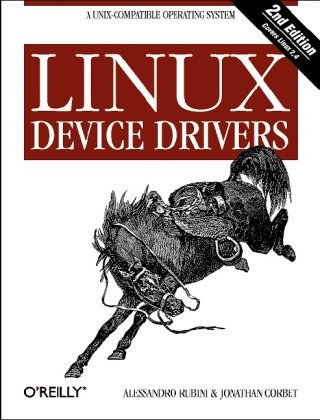
Linux Device Drivers 豆瓣
作者: Jonathan Corbet / Alessandro Rubini O'Reilly Media 2005 - 2
Device drivers literally drive everything you're interested in--disks, monitors, keyboards, modems--everything outside the computer chip and memory. And writing device drivers is one of the few areas of programming for the Linux operating system that calls for unique, Linux-specific knowledge. For years now, programmers have relied on the classic Linux Device Drivers from O'Reilly to master this critical subject. Now in its third edition, this bestselling guide provides all the information you'll need to write drivers for a wide range of devices. Over the years the book has helped countless programmers learn: * how to support computer peripherals under the Linux operating system * how to develop and write software for new hardware under Linux * the basics of Linux operation even if they are not expecting to write a driver The new edition of Linux Device Drivers is better than ever. The book covers all the significant changes to Version 2.6 of the Linux kernel, which simplifies many activities, and contains subtle new features that can make a driver both more efficient and more flexible. Readers will find new chapters on important types of drivers not covered previously, such as consoles, USB drivers, and more. Best of all, you don't have to be a kernel hacker to understand and enjoy this book. All you need is an understanding of the C programming language and some background in Unix system calls. And for maximum ease-of-use, the book uses full-featured examples that you can compile and run without special hardware. Today Linux holds fast as the most rapidly growing segment of the computer market and continues to win over enthusiastic adherents in many application areas. With this increasing support, Linux is now absolutely mainstream, and viewed as a solid platform for embedded systems. If you're writing device drivers, you'll want this book. In fact, you'll wonder how drivers are ever written without it.
2017年8月6日 已读
4th遥遥无期. 唯一的driver基础.
内核 OS linux
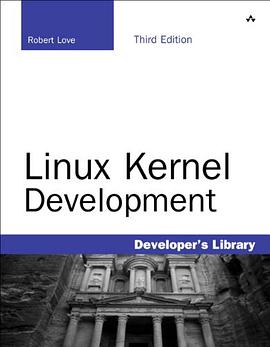
Linux Kernel Development 豆瓣 Goodreads
Linux Kernel Development
作者: Robert Love Addison-Wesley Professional 2010 - 6
The third edition of the authoritative, practical introduction to the Linux kernel for programmers who want to better understand the Linux kernel and write and develop kernel code. Authored by a well-known member of the Linux kernel development team, with a reputation for a highly readable and focused writing style, this edition has been thoroughly updated and includes improved coverage of all the major subsystems and features of the latest version of the Linux 2.6.xx kernel.
Linux Kernel Development details the design and implementation of the Linux kernel, presenting the content in a manner that is beneficial to those writing and developing kernel code. While the book discusses topics that are theoretical, it does so with the goal of assisting programmers so they better understand the topics and become more efficient and productive in their coding.
The book discusses the major subsystems and features of the Linux kernel, including design and implementation, their purpose and goals, and their interfaces. Important computer science and operating system design details are also addressed. The book covers the Linux kernel from both angles -- theoretical and applied -- which should appeal to both types of readers.
The author, a core kernel developer, shares valuable knowledge and experience on the very latest Linux kernel.
Specific topics covered will include: all the important algorithms, relevant subsystems, process management, scheduling, time management and timers, system call interface, memory addressing, memory management, paging strategies, caching layers, VFS, kernel synchronization, and signals.
An authoritative, practical guide that helps programmers better understand the Linux kernel, and to write and develop kernel code.
* Authored by core Linux kernel developers.
* In-depth coverage of all the major subsystems and features of the new Linux 2.6 kernel.
* Targeted audience includes programmers interested in gaining relevant and timely information so they may further their kernel development skills.
--This text refers to an out of print or unavailable edition of this title.