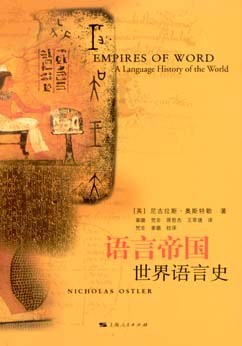
语言史
语言帝国 豆瓣
作者: Nicholas Ostler 译者: 章璐 / 蒋哲杰 上海人民出版社 2009 - 5
过去5000年的世界史其实就是在讲述各种语言的故事。《语言帝国:世界语言史》是第一部把各种不同类别、形态的语言整合到一起的作品,称得上是语言学的《一千零一夜》。它旨在通过历史上的语言故事反映一个民族的真实特性及其在历史上所经历的盛衰涨落。书中,一方面回顾了曾在世界上有着重要影响力的语言如何从本土传播到世界各地。例如,汉语创造了经受2000年侵略史而顽强生存的奇迹;梵语走过了从印度北部传播到爪哇和日本的神奇旅程。另一方面也论述了语言在传播过程中所遭受的失败。
致谢
前言
序言:语言的冲突
第一部分 语言史的本质
1 提米斯托克利的地毯
2 成为语的条件,也许谁都无法回答
第二部分 从地域角度看世界语言
3 非所问 沙漠里的奇葩:中东语言的起源
4 旺盛繁衍力带来的胜利:埃及语和汉语
5 如藤蔓般的魅力:梵语的文化作用
6 唯我主义三千年:希腊语历险记
7 群雄争霸的欧洲:凯尔特人、罗马人、日耳曼人和斯拉夫人
8 拉丁语的第一次衰亡
第三部分 海洋语言
9 拉丁语的第二次死亡
10 伟大的篡夺者——西班牙语在美洲
11 搭着帝国的列车,欧语向海外进军
12 小世界还是哈哈镜?——英语的发展历程
第四部分 语言,今天与明天
13 今日二十强
14 展望未来
地图、表格及插图一览表
注释
参考书目
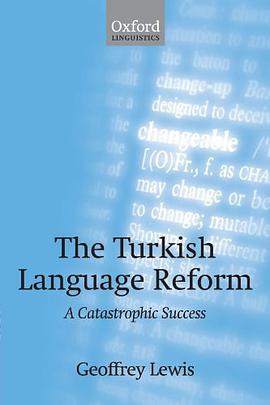
The Turkish Language Reform 豆瓣
作者: Geoffrey Lewis Oxford University Press, USA 2002 - 9
This is the first full account of the transformation of Ottoman Turkish into Modern Turkish. It is based on the author's knowledge and experience of the language, history, and people of Turkey. The transformation of the Turkish language is probably the most thorough-going piece of linguistic engineering in history. Its prelude came in 1928, when the Arabo-Persian alphabet was outlawed and replaced by the Latin alphabet. It began in earnest in 1930 when Ataturk declared: 'Turkish is one of the richest of languages. It needs only to be used with discrimination. The Turkish nation, which is well able to protect its territory and its sublime independence, must also liberate its language from the yoke of foreign languages.' All Arabic and Persian vocabulary was replaced forthwith by words collected from popular speech, resurrected from ancient texts, or coined from native roots and suffixes. The snag - identified by the author as one element in the catastrophic aspect of the reform - was that when these sources failed to provide the needed words, the reformers simply invented them. The reform was central to the young republic's aspiration to be western and secular, but it did not please those who remained wedded to their mother tongue or to the Islamic past. The controversy is by no means over, but Ottoman Turkish is dead. Geoffrey Lewis both acquaints the general reader with the often bizarre, sometimes tragi-comic, but never dull story of the reform, and provides a stimulating and incisive account for students of Turkish language, history, and culture. The author draws on his own wide experience of Turkey and his personal knowledge of many of the leading actors. He has left no word, phrase, or sentence of Turkish untranslated, other than the names of books and articles.