自然
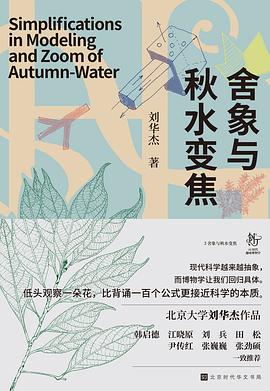
舍象与秋水变焦 豆瓣
作者: 刘华杰 北京时代华文书局 2025 - 10
现代科学越来越抽象,而博物学让我们回归具体。
剥离符号枷锁,唤醒万物诗性,重拾人对微小事物的叙事能力。
——————————————————
关心虫子,关心花朵;
关心我们周围的事物,学会“博物”。
蠲忿忘忧,自在生活。
——————————————————
【内容简介】
《舍象与秋水变焦》探究的对象是科学方法与博物方法。科学追求还原、化简和控制,“舍象”不可避免;有舍才有得,舍得恰到好处,才能收获干净利落的结果。然而这世界终究是复杂的,遵守“自然法”而不是“人为法”。“自然法”不等同于自然科学描述的“科学定律”。
———————————————————
【编辑推荐】
☆ 中国博物学界的领军人物、北京大学刘华杰教授的全新力作
刘华杰教授是博物学文化研究者,也是最早提出复兴博物学文化的学者之一。其博物作品融合科学哲学、科学史、科学社会学的研究视角,同时他一直致力于复兴博物学文化和生物多样性保护,其作品获得“中华优秀出版物奖”“文津图书奖”“中国好书”等,在理论深度和学术价值上与同类书相比具有生态和人文关怀的特色和深度。
-
☆ 唤醒沉睡的“物感”:重建人与自然的灵性契约
AI时代下,大众对自然的感知退化为“背景板”,而这本书以李白观月、华兹华斯追虹为案例,揭示大众如何通过物象与天地建立精神对话,感知自然生命。
-
☆ 赋予大众一种“无用之用”的思维武器:对抗意义焦虑
信息碎片化轰炸环境下,大众要么陷在细节里焦虑,要么在宏观中陷入空虚。而书中提出“秋水变焦”的诗性思维与实用方法论,让大众重获感知世界的诗意本能,看懂看懂自然里的生命循环——这种视角切换能力,比任何鸡汤都更能对抗内耗。
——————————————————
【众多名家推荐加持】
博物学大家的一套小书,包含三部书:《雀瓮》《斯卡布罗集市上的植物》《舍象与秋水变焦》,所讨论的内容分别是昆虫、植物和科学方法论。当然,在作者身上,这三者是联系在一起的,是其所倡导的新博物学的有机组成部分,因为博物本身就包含对多种自然物的观察、探究和哲学思考。
——江晓原(上海交通大学讲席教授,科学史与科学文化研究院首任院长)
博物学是人类拯救灵魂的一条小路。有人问:有大路吗?答曰:走的人多了,就成了大路。
——田松(南方科技大学人文科学中心教授)
AI与博物学,一新一旧,智人物种不能喜新厌旧。AI不可能离开NHI(博物智能)凭空发展,AI越是火热,博物学越要冷静。观察与思考是学者的基本功,但在当代社会中,文科学人往往轻视前者。“AI时代趣味博物学”丛书很好地平衡了这两者,此丛书为“博物学复兴运动”增添了养料。
——刘兵(清华大学科学史系教授)
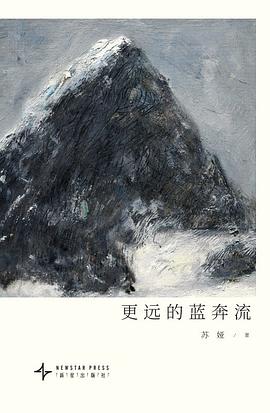
更远的蓝奔流 豆瓣
作者: 苏娅 新星出版社 2025 - 1
这是一部以大理苍山为主体的自然文学,亦是一部严谨而详实的博物学非虚构作品。
内容以苍山地理现象和自然事物作为叙述对象:森林、鸟类、云和光、岩石、深壑、河川、湖泊、池塘、山脊线、山巅、废墟、野花和灌木,把在荒野中的经历和感知,融汇到博物学、地理学和气象学知识中,叙述在自然中如何观看、如何倾听、如何触摸和感受,乃至于如何存在。
————
这座深沉高耸的山脉就在城市和村庄的边缘。在地质学上,苍山亦被视为一种交叉、边界式的存在。
从山麓的小路望向苍山山脊,山峰与天际相融的远处,每一支森列的山峰都托着风和冰雪的重荷伸向苍穹,像重重塔尖,与天空通灵。蓝色的湖水在视野中化作一个闪亮的平面。
在自然原生力塑造的无垠空间里,仿佛只有纯粹物理的世界与无限的时间是全然袒露的、真实的。
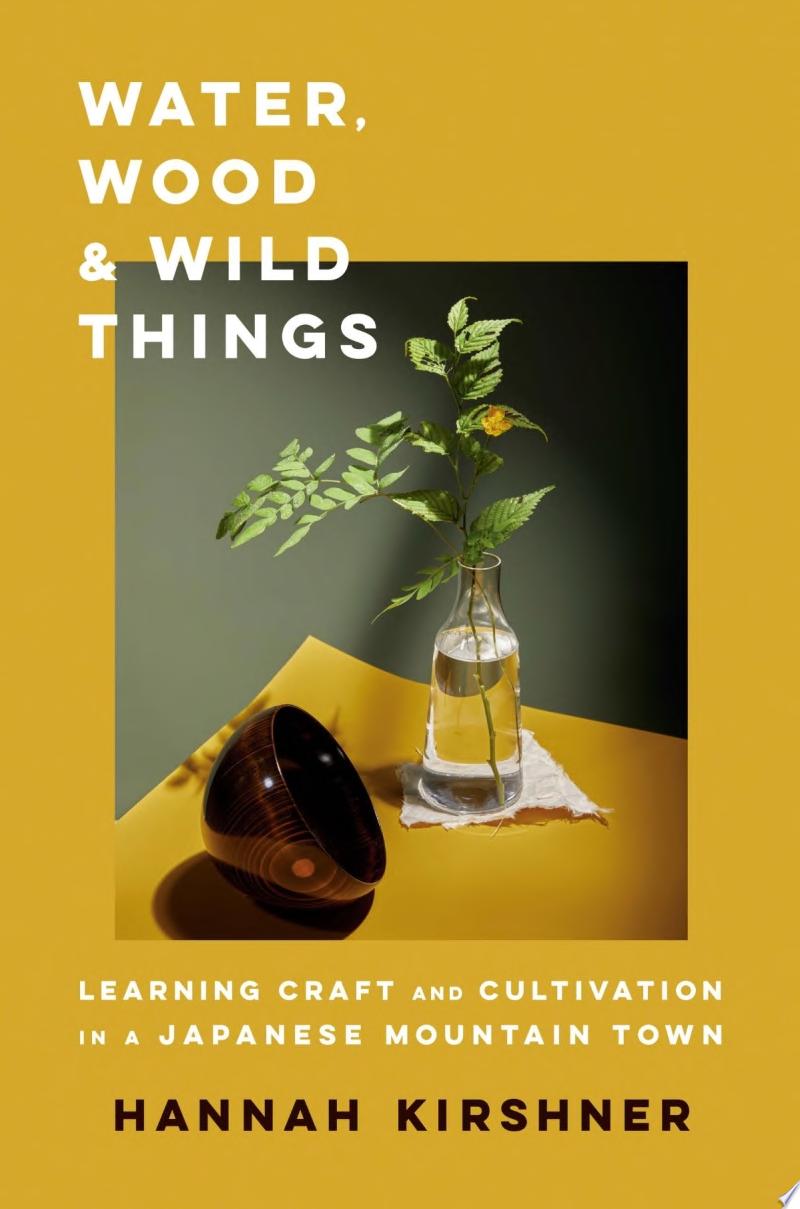
Water, Wood, and Wild Things 谷歌图书
作者: Hannah Kirshner Penguin 2021 - 03
"With this book, you feel you can stop time and savor the rituals of life." --Maira Kalman

An immersive journey through the culture and cuisine of one Japanese town, its forest, and its watershed--where ducks are hunted by net, saké is brewed from the purest mountain water, and charcoal is fired in stone kilns--by an American writer and food stylist who spent years working alongside artisans

One night, Brooklyn-based artist and food writer Hannah Kirshner received a life-changing invitation to apprentice with a "saké evangelist" in a misty Japanese mountain village called Yamanaka. In a rapidly modernizing Japan, the region--a stronghold of the country's old-fashioned ways--was quickly becoming a destination for chefs and artisans looking to learn about the traditions that have long shaped Japanese culture. Kirshner put on a vest and tie and took her place behind the saké bar. Before long, she met a community of craftspeople, farmers, and foragers--master woodturners, hunters, a paper artist, and a man making charcoal in his nearly abandoned village on the outskirts of town. Kirshner found each craftsperson not only exhibited an extraordinary dedication to their work but their distinct expertise contributed to the fabric of the local culture. Inspired by these masters, she devoted herself to learning how they work and live.

Taking readers deep into evergreen forests, terraced rice fields, and smoke-filled workshops, Kirshner captures the centuries-old traditions still alive in Yamanaka. Water, Wood, and Wild Things invites readers to see what goes into making a fine bowl, a cup of tea, or a harvest of rice and introduces the masters who dedicate their lives to this work. Part travelogue, part meditation on the meaning of work, and full of her own beautiful drawings and recipes, Kirshner's refreshing book is an ode to a place and its people, as well as a profound examination of what it means to sustain traditions and find purpose in cultivation and craft.
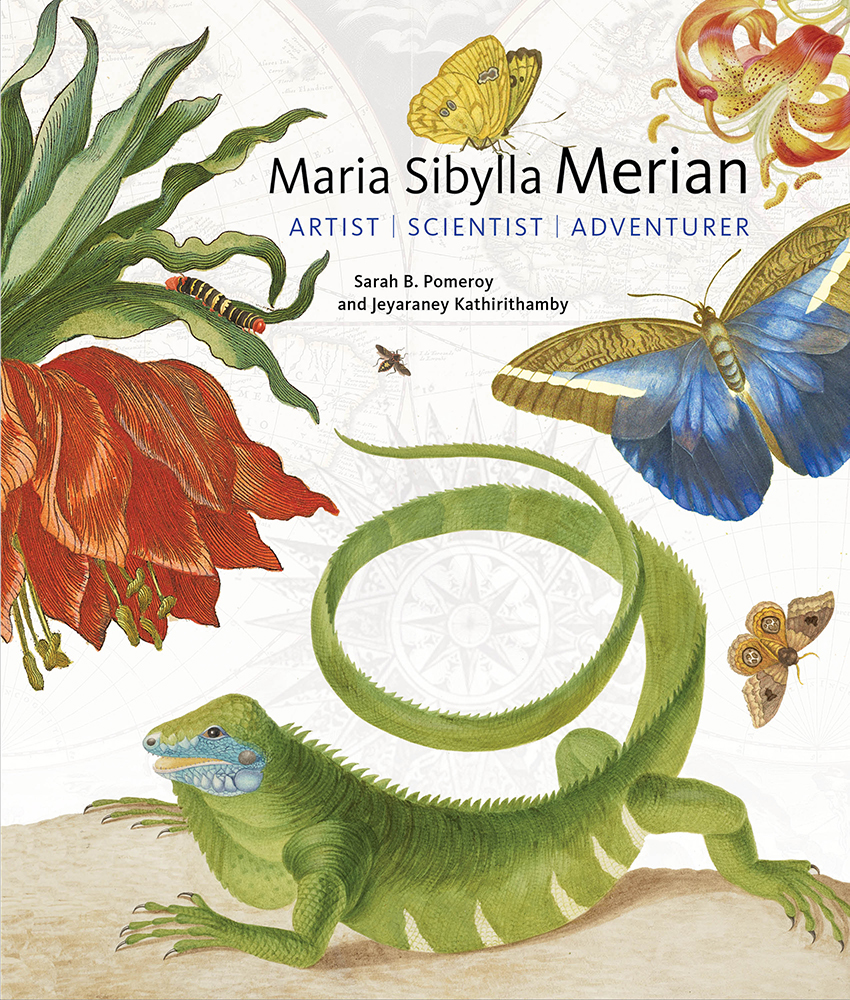
Maria Sibylla Merian: Artist, Scientist, Adventurer Goodreads
作者: Sarah B. Pomeroy / Jeyaraney Kathirithamby The J. Paul Getty Trust 2018 - 2
A Moonbeam Children’s Books Gold Award Winner, Sarah B. Pomeroy and Jeyaraney Kathirithamby’s picture book Maria Sibylla Merian is the first biography of the celebrated artist, scientist, and adventurer written for ages 10 and up to enchant budding scientists and artists alike.

In 1660, at the age of 13, Maria Sibylla Merian (1647–1717) began her study of butterfly metamorphosis—years before any other scientist published an accurate description of the process. Later, Merian and her daughter ventured thousands of miles from their home in the Netherlands to the rainforests of South America seeking new and amazing insects to observe and illustrate.

Years after her death, Merian’s accurate and beautiful illustrations were used by scientists, including Carl Linnaeus, to classify species, and today her prints and paintings are prized by museums around the world. More than a dozen species of plants and animals are named after Merian.

With its lively text, quotations from Merian’s own study book, and fascinating sidebars on history, art, and science, this volume is an ideal STEAM title for readers of all ages and interests—who will be inspired by Merian’s talent, curiosity, and grit and will be swept up in the story of her life, which was adventurous even by today’s standards.