中国

The Secret Piano 豆瓣 谷歌图书
作者:
Zhu Xiao-Mei
译者:
Ellen Hinsey
AmazonCrossing
2012
- 3
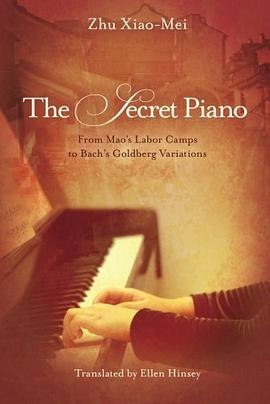
Zhu Xiao-Mei was born to middle-class parents in post-war China, and her musical proficiency became clear at an early age. Taught to play the piano by her mother, she developed quickly into a prodigy, immersing herself in the work of classical masters like Bach and Brahms. She was just ten years old when she began a rigorous course of study at the Beijing Conservatory, laying the groundwork for what was sure to be an extraordinary career. But in 1966, when Xiao-Mei was seventeen, the Cultural Revolution began, and life as she knew it changed forever. One by one, her family members were scattered, sentenced to prison or labor camps. By 1969, the art schools had closed, and Xiao-Mei was on her way to a work camp in Mongolia, where she would spend the next five years. Life in the camp was nearly unbearable, thanks to horrific living conditions and intensive brainwashing campaigns. Yet through it all Xiao-Mei clung to her passion for music and her sense of humor. And when the Revolution ended, it was the piano that helped her to heal. Heartbreaking and heartwarming, The Secret Piano is the incredible true story of one woman’s survival in the face of unbelievable odds—and in pursuit of a powerful dream.
Everything Under the Heavens 豆瓣
作者:
Howard W. French
Knopf
2017
- 3
中国传统色 豆瓣
作者:
郭浩
/
李健明
中信出版集团
2020
- 10
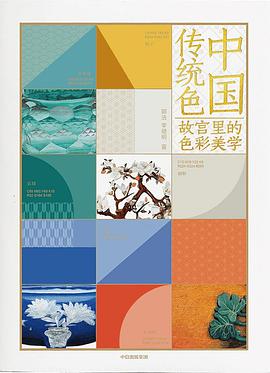
★《中国传统色》的两位作者查找中日色彩相关文献近400部,严谨考据384种中国传统色名;根据24节气72物候,在几十万件故宫文物中选取应时应节的96件,从文物中提取传统色。色名与色值两相对应,互为考证,最终完成这本以时间为轴,以文物为依托,展现中国传统色色彩体系的著作。
★漂是重要的基本色,可追溯至《说文解字》和《释名》。这种晴空之色,起于“天缥”,承之“沧浪”,转为“苍筤”,合于“缥碧”,古人以此留存春生之美——东风解冻,新竹破土,缥是山野间鲜冷的呼吸;漫走沧浪亭,春水濯足,缥从《孟子》延伸出触感;上品青花瓷“天青过雨”,精心烧制的浪漫等待,自宋时保存至今,缥成为一期一会的化石。最终,定格于清乾隆时期的“绿色描金松竹梅纹粉蜡笺”,藏于故宫,为今人提供一眼千年的想象。
24节气·72物候·96件手绘故宫文物·384种中国传统色
打捞华夏失落的色彩文化
从大量传统典籍中寻觅、考据颜色由来,再以故宫文物的色彩逐一对应,这是一部凝聚了古人智慧与审美的传统色图书。节气与物候具象为文物,物候轮替,色彩转换,在器物与文明的不灭记忆中,重寻祖先对色彩的精微感受。
玉色有“明月珰”“鸣珂”“佩玖”,酒色有“酂白”“春碧”“翠涛”,色白色青,莹润风雅;服饰色有“海天霞”“天水碧”裁作宫人衣装,有“藕丝秋半”染于唐人裙衫……384种中国传统色,探寻古典中国的文化深蕴与审美意趣。
书内附中国传统色色谱
★漂是重要的基本色,可追溯至《说文解字》和《释名》。这种晴空之色,起于“天缥”,承之“沧浪”,转为“苍筤”,合于“缥碧”,古人以此留存春生之美——东风解冻,新竹破土,缥是山野间鲜冷的呼吸;漫走沧浪亭,春水濯足,缥从《孟子》延伸出触感;上品青花瓷“天青过雨”,精心烧制的浪漫等待,自宋时保存至今,缥成为一期一会的化石。最终,定格于清乾隆时期的“绿色描金松竹梅纹粉蜡笺”,藏于故宫,为今人提供一眼千年的想象。
24节气·72物候·96件手绘故宫文物·384种中国传统色
打捞华夏失落的色彩文化
从大量传统典籍中寻觅、考据颜色由来,再以故宫文物的色彩逐一对应,这是一部凝聚了古人智慧与审美的传统色图书。节气与物候具象为文物,物候轮替,色彩转换,在器物与文明的不灭记忆中,重寻祖先对色彩的精微感受。
玉色有“明月珰”“鸣珂”“佩玖”,酒色有“酂白”“春碧”“翠涛”,色白色青,莹润风雅;服饰色有“海天霞”“天水碧”裁作宫人衣装,有“藕丝秋半”染于唐人裙衫……384种中国传统色,探寻古典中国的文化深蕴与审美意趣。
书内附中国传统色色谱
Wild Swans 豆瓣
作者:
Jung Chang
Simon & Schuster
1991
- 9
Belt and Road 豆瓣
作者:
Bruno Maçães
C Hurst & Co Publishers Ltd
2018
China's Belt and Road strategy is acknowledged to be the most ambitious geopolitical initiative of the age. Covering almost seventy countries by land and sea, it will affect every element of global society, from shipping to agriculture, digital economy to tourism, politics to culture. Most importantly, it symbolizes a new phase in China's ambitions as a superpower: to remake the world economy and crown Beijing as the new center of capitalism and globalization.
Bruno Maçães traces this extraordinary initiative's history, highlighting its achievements to date, and its staggering complexity. He asks whether Belt and Road is about more than power projection and profit. Might it herald a new set of universal political values, to rival those of the West? Is it, in fact, the story of the century?
Bruno Maçães traces this extraordinary initiative's history, highlighting its achievements to date, and its staggering complexity. He asks whether Belt and Road is about more than power projection and profit. Might it herald a new set of universal political values, to rival those of the West? Is it, in fact, the story of the century?
The Future Is Asian 豆瓣
作者:
Parag Khanna
Simon & Schuster
2019
- 2
In the 19th century, the world was Europeanized. In the 20th century, it was Americanized. Now, in the 21st century, the world is being Asianized.
The “Asian Century” is even bigger than you think. Far greater than just China, the new Asian system taking shape is a multi-civilizational order spanning Saudi Arabia to Japan, Russia to Australia, Turkey to Indonesia—linking five billion people through trade, finance, infrastructure, and diplomatic networks that together represent 40 percent of global GDP. China has taken a lead in building the new Silk Roads across Asia, but it will not lead it alone. Rather, Asia is rapidly returning to the centuries-old patterns of commerce, conflict, and cultural exchange that thrived long before European colonialism and American dominance. Asians will determine their own future—and as they collectively assert their interests around the world, they will determine ours as well.
There is no more important region of the world for us to better understand than Asia – and thus we cannot afford to keep getting Asia so wrong. Asia’s complexity has led to common misdiagnoses: Western thinking on Asia conflates the entire region with China, predicts imminent World War III around every corner, and regularly forecasts debt-driven collapse for the region’s major economies. But in reality, the region is experiencing a confident new wave of growth led by younger societies from India to the Philippines, nationalist leaders have put aside territorial disputes in favor of integration, and today’s infrastructure investments are the platform for the next generation of digital innovation.
If the nineteenth century featured the Europeanization of the world, and the twentieth century its Americanization, then the twenty-first century is the time of Asianization. From investment portfolios and trade wars to Hollywood movies and university admissions, no aspect of life is immune from Asianization. With America’s tech sector dependent on Asian talent and politicians praising Asia’s glittering cities and efficient governments, Asia is permanently in our nation’s consciousness. We know this will be the Asian century. Now we finally have an accurate picture of what it will look like.
The “Asian Century” is even bigger than you think. Far greater than just China, the new Asian system taking shape is a multi-civilizational order spanning Saudi Arabia to Japan, Russia to Australia, Turkey to Indonesia—linking five billion people through trade, finance, infrastructure, and diplomatic networks that together represent 40 percent of global GDP. China has taken a lead in building the new Silk Roads across Asia, but it will not lead it alone. Rather, Asia is rapidly returning to the centuries-old patterns of commerce, conflict, and cultural exchange that thrived long before European colonialism and American dominance. Asians will determine their own future—and as they collectively assert their interests around the world, they will determine ours as well.
There is no more important region of the world for us to better understand than Asia – and thus we cannot afford to keep getting Asia so wrong. Asia’s complexity has led to common misdiagnoses: Western thinking on Asia conflates the entire region with China, predicts imminent World War III around every corner, and regularly forecasts debt-driven collapse for the region’s major economies. But in reality, the region is experiencing a confident new wave of growth led by younger societies from India to the Philippines, nationalist leaders have put aside territorial disputes in favor of integration, and today’s infrastructure investments are the platform for the next generation of digital innovation.
If the nineteenth century featured the Europeanization of the world, and the twentieth century its Americanization, then the twenty-first century is the time of Asianization. From investment portfolios and trade wars to Hollywood movies and university admissions, no aspect of life is immune from Asianization. With America’s tech sector dependent on Asian talent and politicians praising Asia’s glittering cities and efficient governments, Asia is permanently in our nation’s consciousness. We know this will be the Asian century. Now we finally have an accurate picture of what it will look like.
The New Silk Roads 豆瓣 Goodreads
作者:
Peter Frankopan
Bloomsbury Publishing
2018
- 11
'All roads used to lead to Rome. Today, they lead to Beijing.'
When The Silk Roads was published in 2015, it became an instant classic. A major reassessment of world history, it compelled us to look at the past from a different perspective. The New Silk Roads brings this story up to date, addressing the present and future of a world that is changing dramatically.
Following the Silk Roads eastwards, from Europe through to China, by way of Russia and the Middle East, The New Silk Roads provides a timely reminder that we live in a world that is profoundly interconnected. In an age of Brexit and Trump, the themes of isolation and fragmentation permeating the Western world stand in sharp contrast to events along the Silk Roads since 2015, where ties have been strengthened and mutual cooperation established.
With brilliant insight, Peter Frankopan takes a fresh look at the network of relationships being formed along the length and breadth of the Silk Roads today, assessing the global reverberations of these continual shifts in the centre of power - all too often absent from headlines in the West. This important - and ultimately hopeful - book asks us to reassess who we are and where we are in the world, illuminating the themes on which all our lives and livelihood depend.
When The Silk Roads was published in 2015, it became an instant classic. A major reassessment of world history, it compelled us to look at the past from a different perspective. The New Silk Roads brings this story up to date, addressing the present and future of a world that is changing dramatically.
Following the Silk Roads eastwards, from Europe through to China, by way of Russia and the Middle East, The New Silk Roads provides a timely reminder that we live in a world that is profoundly interconnected. In an age of Brexit and Trump, the themes of isolation and fragmentation permeating the Western world stand in sharp contrast to events along the Silk Roads since 2015, where ties have been strengthened and mutual cooperation established.
With brilliant insight, Peter Frankopan takes a fresh look at the network of relationships being formed along the length and breadth of the Silk Roads today, assessing the global reverberations of these continual shifts in the centre of power - all too often absent from headlines in the West. This important - and ultimately hopeful - book asks us to reassess who we are and where we are in the world, illuminating the themes on which all our lives and livelihood depend.

丝绸之路 豆瓣 Goodreads
The Silk Roads: A New History of the World
7.3 (24 个评分)
作者:
[英国] 彼得·弗兰科潘
译者:
邵旭东
/
孙芳
浙江大学出版社
2016
- 11
【内容简介】
·
两千年来,丝绸之路始终主宰着人类文明的进程。不同种族、不同信仰、不同文化背景的帝王、军队、商人、学者、僧侣、奴隶,往来在这条道路上,创造并传递着财富、智慧、宗教、艺术、战争、疾病和灾难。
丝绸之路让中国的丝绸和文明风靡全球;罗马和波斯在路边缔造了各 自 的帝 国;佛教、基督教和伊斯兰教沿着丝绸之路迅速崛起并传遍整个世界;成吉思汗的铁骑一路向西,在带来杀戮的同时促进了东西方文明的交融;大英帝国通过搜刮丝绸之路上的财富,铸就了日不落的辉煌;希特勒为了这条路上的资源,将世界推入了战争和屠杀的深渊。时至今日,丝绸之路上恐怖主义,依然是美国争霸道路上挥之不去的梦魇。
翻开这部包罗万象的史诗巨著,您将发现,丝绸之路的历史就是一部浓缩的世界史,丝绸之路就是人类文明最耀眼的舞台。它不仅塑造了人类的过去,更将主宰世界的未来。
·
·
【编辑推荐】
·
◆新浪2016年度十大好书!豆瓣2016年度十大历史书!《21世纪经济报》2016年度十大书!
◆牛津大学资深历史学家解读:中国为什么要打造“一带一路”顶层战略!
◆破天荒!《人民日报》19天内两度刊文推荐!掀起全国公务员团购热!
◆上海市委宣传部推荐书目!深圳市委宣传部部长李小甘公开推荐!
◆《光明日报》《解放日报》《环球时报》《文汇报》《国际先驱导报》好评如潮!
◆巴曙松、梁小民、吴晓波、陈功、葛剑雄、荣新江、许纪霖、樊登、鲍达民等国内外政商学文界巨擘联袂推荐!
◆全景展现丝绸之路这一两千年来始终主宰人类文明的世界十字路口!
◆英国亚马逊世界历史类No.1!美国亚马逊历史地理类No.1!印度非虚构榜No.1!
◆席卷英国、美国、德国、意大利、荷兰、西班牙、波兰、土耳其、印度、韩国等23个国家!
◆《纽约时报》畅销书,《泰晤士报》《卫报》《每日邮报》《观察者》《彭博商业》《历史今日》2015年度图书、彭博社2015年度历史图书!
·
·
【名人推荐】
·
本书对(丝绸之路)这一地区文化、宗教和历史的详细阐述有助于我们更清晰地理解丝绸之路上纷繁复杂的利益纠纷和遍地荆棘,而这正是当前中国倡议‘一带一路’战略亟待强化的现实课题。
——巴曙松(中国银行业协会首席经济学家、北京大学汇丰商学院金融学教授)
·
认真阅读历史学家彼得•弗兰科潘的著作,也许并不仅仅取决于你的兴趣和知识,它所引发的思考,的确可能攸关你的命运和未来。
——陈功(安邦集团创始人、中共中央财经领导小组信息项目的负责人)
·
以前世界史读了那么多次我都没理解,这次读完《丝绸之路》我发现,原来世界是围绕着丝绸之路转的,丝绸之路才是世界的核心。
——樊登(著名领读人、前央视主持人、樊登读书会发起人)
·
此书视野广,涉及面广,颇具新意,特别是非常重视中西本土文化、宗教、历史及其对世界的影响,有利国人开阔眼界,摆脱对历史的自娱自乐。
——葛剑雄(复旦大学著名历史学家)
·
本书是从中国延展出去的丝绸之路的一部崭新通史。对于热切需要了解“一带一路”的中国读者来说,这部中译本有如来自异域的西瓜,既让我们知道丝绸之路的甘甜,也要警觉这条道路的艰辛和火辣。
——荣新江(北京大学著名历史学家)
·
彼得•弗兰科潘颠覆了我们过去对世界的理解。
——鲍达民(麦肯锡全球总裁)
·
这的确是一本好书,它将世界史的一个重要阶段,植入了一个全新的框架里面,非常有意思。
——陈功(安邦咨询创始人、“一带一路”战略最早的研究者之一)
·
这是一部揭示全球史新观念的著作,将解构我们过去对世界史的种种陈旧认识。
——徐文堪(著名中亚史专家,本书审校)
·
包罗万象、雄心勃勃、成就极高的一部史诗级巨著。
——威廉•达尔林普(英国著名历史学家)
·
弗兰科潘用精美睿智的语言,演绎了一部聚焦东方的世界史。
——《经济学人》
·
标榜自己是“全新的世界史”的书有很多,此书是难得的名副其实的一本。
——《泰晤士报》
·
两千年来,丝绸之路始终主宰着人类文明的进程。不同种族、不同信仰、不同文化背景的帝王、军队、商人、学者、僧侣、奴隶,往来在这条道路上,创造并传递着财富、智慧、宗教、艺术、战争、疾病和灾难。
丝绸之路让中国的丝绸和文明风靡全球;罗马和波斯在路边缔造了各 自 的帝 国;佛教、基督教和伊斯兰教沿着丝绸之路迅速崛起并传遍整个世界;成吉思汗的铁骑一路向西,在带来杀戮的同时促进了东西方文明的交融;大英帝国通过搜刮丝绸之路上的财富,铸就了日不落的辉煌;希特勒为了这条路上的资源,将世界推入了战争和屠杀的深渊。时至今日,丝绸之路上恐怖主义,依然是美国争霸道路上挥之不去的梦魇。
翻开这部包罗万象的史诗巨著,您将发现,丝绸之路的历史就是一部浓缩的世界史,丝绸之路就是人类文明最耀眼的舞台。它不仅塑造了人类的过去,更将主宰世界的未来。
·
·
【编辑推荐】
·
◆新浪2016年度十大好书!豆瓣2016年度十大历史书!《21世纪经济报》2016年度十大书!
◆牛津大学资深历史学家解读:中国为什么要打造“一带一路”顶层战略!
◆破天荒!《人民日报》19天内两度刊文推荐!掀起全国公务员团购热!
◆上海市委宣传部推荐书目!深圳市委宣传部部长李小甘公开推荐!
◆《光明日报》《解放日报》《环球时报》《文汇报》《国际先驱导报》好评如潮!
◆巴曙松、梁小民、吴晓波、陈功、葛剑雄、荣新江、许纪霖、樊登、鲍达民等国内外政商学文界巨擘联袂推荐!
◆全景展现丝绸之路这一两千年来始终主宰人类文明的世界十字路口!
◆英国亚马逊世界历史类No.1!美国亚马逊历史地理类No.1!印度非虚构榜No.1!
◆席卷英国、美国、德国、意大利、荷兰、西班牙、波兰、土耳其、印度、韩国等23个国家!
◆《纽约时报》畅销书,《泰晤士报》《卫报》《每日邮报》《观察者》《彭博商业》《历史今日》2015年度图书、彭博社2015年度历史图书!
·
·
【名人推荐】
·
本书对(丝绸之路)这一地区文化、宗教和历史的详细阐述有助于我们更清晰地理解丝绸之路上纷繁复杂的利益纠纷和遍地荆棘,而这正是当前中国倡议‘一带一路’战略亟待强化的现实课题。
——巴曙松(中国银行业协会首席经济学家、北京大学汇丰商学院金融学教授)
·
认真阅读历史学家彼得•弗兰科潘的著作,也许并不仅仅取决于你的兴趣和知识,它所引发的思考,的确可能攸关你的命运和未来。
——陈功(安邦集团创始人、中共中央财经领导小组信息项目的负责人)
·
以前世界史读了那么多次我都没理解,这次读完《丝绸之路》我发现,原来世界是围绕着丝绸之路转的,丝绸之路才是世界的核心。
——樊登(著名领读人、前央视主持人、樊登读书会发起人)
·
此书视野广,涉及面广,颇具新意,特别是非常重视中西本土文化、宗教、历史及其对世界的影响,有利国人开阔眼界,摆脱对历史的自娱自乐。
——葛剑雄(复旦大学著名历史学家)
·
本书是从中国延展出去的丝绸之路的一部崭新通史。对于热切需要了解“一带一路”的中国读者来说,这部中译本有如来自异域的西瓜,既让我们知道丝绸之路的甘甜,也要警觉这条道路的艰辛和火辣。
——荣新江(北京大学著名历史学家)
·
彼得•弗兰科潘颠覆了我们过去对世界的理解。
——鲍达民(麦肯锡全球总裁)
·
这的确是一本好书,它将世界史的一个重要阶段,植入了一个全新的框架里面,非常有意思。
——陈功(安邦咨询创始人、“一带一路”战略最早的研究者之一)
·
这是一部揭示全球史新观念的著作,将解构我们过去对世界史的种种陈旧认识。
——徐文堪(著名中亚史专家,本书审校)
·
包罗万象、雄心勃勃、成就极高的一部史诗级巨著。
——威廉•达尔林普(英国著名历史学家)
·
弗兰科潘用精美睿智的语言,演绎了一部聚焦东方的世界史。
——《经济学人》
·
标榜自己是“全新的世界史”的书有很多,此书是难得的名副其实的一本。
——《泰晤士报》
Young China 豆瓣
作者:
Zak Dychtwald
St. Martin's Press
2018
- 2
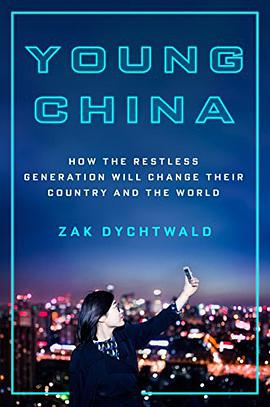
The author, in his twenties, who is fluent in Chinese, examines the future of China through the lens of the Jiu Ling Hou―the generation born after 1990.
A close up look at the Chinese generation born after 1990 exploring through personal encounters how young Chinese feel about everything from money and sex, to their government, the West, and China’s shifting role in the world--not to mention their love affair with food, karaoke, and travel. Set primarily in the Eastern 2nd tier city of Suzhou and the budding Western metropolis of Chengdu, the book charts the touchstone issues this young generation faces. From single-child pressure, to test taking madness and the frenzy to buy an apartment as a prerequisite to marriage, from one-night-stands to an evolving understanding of family, Young China offers a fascinating portrait of the generation who will define what it means to be Chinese in the modern era.
Zak Dychtwald was twenty when he first landed in China. He spent years deeply immersed in the culture, learning the language and hanging out with his peers, in apartment shares and hostels, on long train rides and over endless restaurant meals.
A close up look at the Chinese generation born after 1990 exploring through personal encounters how young Chinese feel about everything from money and sex, to their government, the West, and China’s shifting role in the world--not to mention their love affair with food, karaoke, and travel. Set primarily in the Eastern 2nd tier city of Suzhou and the budding Western metropolis of Chengdu, the book charts the touchstone issues this young generation faces. From single-child pressure, to test taking madness and the frenzy to buy an apartment as a prerequisite to marriage, from one-night-stands to an evolving understanding of family, Young China offers a fascinating portrait of the generation who will define what it means to be Chinese in the modern era.
Zak Dychtwald was twenty when he first landed in China. He spent years deeply immersed in the culture, learning the language and hanging out with his peers, in apartment shares and hostels, on long train rides and over endless restaurant meals.
Empress Dowager Cixi 豆瓣 Goodreads
作者:
Jung Chang
Knopf
2013
- 10
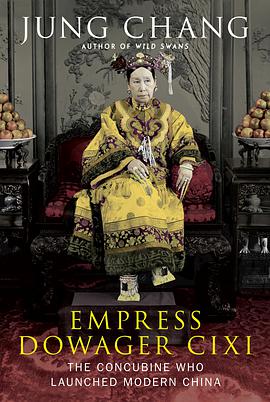
Empress Dowager Cixi (1835–1908) is the most important woman in Chinese history. She ruled China for decades and brought a medieval empire into the modern age.
At the age of sixteen, in a nationwide selection for royal consorts, Cixi was chosen as one of the emperor’s numerous concubines. When he died in 1861, their five-year-old son succeeded to the throne. Cixi at once launched a palace coup against the regents appointed by her husband and made herself the real ruler of China—behind the throne, literally, with a silk screen separating her from her officials who were all male.
In this groundbreaking biography, Jung Chang vividly describes how Cixi fought against monumental obstacles to change China. Under her the ancient country attained virtually all the attributes of a modern state: industries, railways, electricity, the telegraph and an army and navy with up-to-date weaponry. It was she who abolished gruesome punishments like “death by a thousand cuts” and put an end to foot-binding. She inaugurated women’s liberation and embarked on the path to introduce parliamentary elections to China. Chang comprehensively overturns the conventional view of Cixi as a diehard conservative and cruel despot.
Cixi reigned during extraordinary times and had to deal with a host of major national crises: the Taiping and Boxer rebellions, wars with France and Japan—and an invasion by eight allied powers including Britain, Germany, Russia and the United States. Jung Chang not only records the Empress Dowager’s conduct of domestic and foreign affairs, but also takes the reader into the depths of her splendid Summer Palace and the harem of Beijing’s Forbidden City, where she lived surrounded by eunuchs—one of whom she fell in love, with tragic consequences. The world Chang describes here, in fascinating detail, seems almost unbelievable in its extraordinary mixture of the very old and the very new.
Based on newly available, mostly Chinese, historical documents such as court records, official and private correspondence, diaries and eyewitness accounts, this biography will revolutionize historical thinking about a crucial period in China’s—and the world’s—history. Packed with drama, fast paced and gripping, it is both a panoramic depiction of the birth of modern China and an intimate portrait of a woman: as the concubine to a monarch, as the absolute ruler of a third of the world’s population, and as a unique stateswoman.
At the age of sixteen, in a nationwide selection for royal consorts, Cixi was chosen as one of the emperor’s numerous concubines. When he died in 1861, their five-year-old son succeeded to the throne. Cixi at once launched a palace coup against the regents appointed by her husband and made herself the real ruler of China—behind the throne, literally, with a silk screen separating her from her officials who were all male.
In this groundbreaking biography, Jung Chang vividly describes how Cixi fought against monumental obstacles to change China. Under her the ancient country attained virtually all the attributes of a modern state: industries, railways, electricity, the telegraph and an army and navy with up-to-date weaponry. It was she who abolished gruesome punishments like “death by a thousand cuts” and put an end to foot-binding. She inaugurated women’s liberation and embarked on the path to introduce parliamentary elections to China. Chang comprehensively overturns the conventional view of Cixi as a diehard conservative and cruel despot.
Cixi reigned during extraordinary times and had to deal with a host of major national crises: the Taiping and Boxer rebellions, wars with France and Japan—and an invasion by eight allied powers including Britain, Germany, Russia and the United States. Jung Chang not only records the Empress Dowager’s conduct of domestic and foreign affairs, but also takes the reader into the depths of her splendid Summer Palace and the harem of Beijing’s Forbidden City, where she lived surrounded by eunuchs—one of whom she fell in love, with tragic consequences. The world Chang describes here, in fascinating detail, seems almost unbelievable in its extraordinary mixture of the very old and the very new.
Based on newly available, mostly Chinese, historical documents such as court records, official and private correspondence, diaries and eyewitness accounts, this biography will revolutionize historical thinking about a crucial period in China’s—and the world’s—history. Packed with drama, fast paced and gripping, it is both a panoramic depiction of the birth of modern China and an intimate portrait of a woman: as the concubine to a monarch, as the absolute ruler of a third of the world’s population, and as a unique stateswoman.
China's Vanishing Worlds 豆瓣
作者:
Matthias Messmer
/
Hsin-Mei Chuang
The MIT Press
2013
- 10
Just a few kilometers from the glittering skylines of Shanghai and Beijing, we encounter a vast countryside, an often forgotten and seemingly limitless landscape stretching far beyond the outskirts of the cities. Following traces of old trade routes, once-flourishing marketplaces, abandoned country estates, decrepit model villages, and the sites of mystic rituals, the authors of this book spent seven years exploring, photographing, and observing the vast interior of China, where the majority of Chinese people live in ways virtually unchanged for centuries.
China's Vanishing Worlds is an impressive documentation in images and text of modernization's effect on traditional ways of life, and a sympathetic portrait of lives burdened by hardship but blessed by simplicity and tranquility. The scars of China's recent history and the decay of centuries-old traditions are made visible in this volume, but so is the lure and promise of technology and another life for young people. In the next twenty years, an estimated 280 million Chinese villagers will become city dwellers, leaving their ancestral homes in search of urban jobs and opportunities.
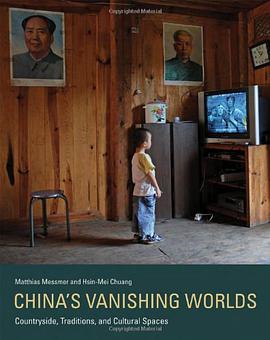
In striking and evocative color photographs, we see picturesque villages set against a background of rolling hills, planned centuries ago according to the principles of feng shui; a restaurant with bright pink resin chairs and a wide-screen television; traditional buildings preserved by the accident of poverty and isolation; ramshackle rooms decorated with portraits of Chairman Mao; backpack-wearing children walking to school; festivals with elaborately costumed performers; old men playing cards; buyers and sellers at open-air markets.
China's Vanishing Worlds offers readers a rare opportunity to glimpse China as it once was, and as it will soon no longer be.
China's Vanishing Worlds is an impressive documentation in images and text of modernization's effect on traditional ways of life, and a sympathetic portrait of lives burdened by hardship but blessed by simplicity and tranquility. The scars of China's recent history and the decay of centuries-old traditions are made visible in this volume, but so is the lure and promise of technology and another life for young people. In the next twenty years, an estimated 280 million Chinese villagers will become city dwellers, leaving their ancestral homes in search of urban jobs and opportunities.
In striking and evocative color photographs, we see picturesque villages set against a background of rolling hills, planned centuries ago according to the principles of feng shui; a restaurant with bright pink resin chairs and a wide-screen television; traditional buildings preserved by the accident of poverty and isolation; ramshackle rooms decorated with portraits of Chairman Mao; backpack-wearing children walking to school; festivals with elaborately costumed performers; old men playing cards; buyers and sellers at open-air markets.
China's Vanishing Worlds offers readers a rare opportunity to glimpse China as it once was, and as it will soon no longer be.
Smoke and Mirrors 豆瓣
作者:
Pallavi Aiyar
HarperCollins
2008
- 4
论文艺女青年如何培养女王气场 豆瓣
4.3 (7 个评分)
作者:
丁小云
长江文艺出版社
2013
- 7
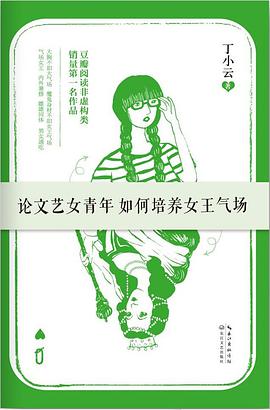
女王气场是一种比白、富、美更强大、更恒久的力量,每个女孩都能拥有这种力量。这种力量可以帮助你做成你最想做的那些事,过上你最想过的那种生活。
阅读这本文艺女王心经,你就会知道如何拥有这种力量。
本书中的部分章节发表在豆瓣阅读上之后,曾长期占据豆瓣阅读非虚构类作品第一名位置,是豆瓣阅读上最受欢迎的一部作品。
阅读这本文艺女王心经,你就会知道如何拥有这种力量。
本书中的部分章节发表在豆瓣阅读上之后,曾长期占据豆瓣阅读非虚构类作品第一名位置,是豆瓣阅读上最受欢迎的一部作品。
没有人是艺术家,也没有人不是艺术家 豆瓣
作者:
朱青生
商务印书馆
2000
- 4
本书是部讲演录。共分为六部分,第一部分导论,交代立论的前提。第二部分含第一到第四章,论述艺术与传统美术的分离。第三部分,论述现代艺术的功能。第四部分,论述现代艺术的性质。第五部分,论述现代艺术的方法,第六部分,论述现代艺术的目的。
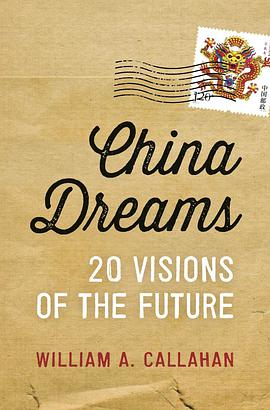
China Dreams 豆瓣 谷歌图书
作者:
William A. Callahan
Oxford University Press
2013
- 4
After celebrating their country's three decades of fantastic economic success, many Chinese are now asking, "What comes next?" How can China convert its growing economic power into political and cultural influence around the globe?
William Callahan's China Dreams gives voice to China's many different futures by exploring the grand aspirations and deep anxieties of a broad group of public intellectuals. Stepping outside narrow politics of officials vs. dissidents, Callahan examines what a third group - "citizen intellectuals" - think about China's future. China Dreams eavesdrops on fascinating conversations between officials, scholars, soldiers, bloggers, novelists, film-makers and artists to see how they describe China's different political, strategic, economic, social and cultural futures. Callahan also examines how the PRC's new generation of twenty- and thirty-somethings is creatively questioning "The China Model" of economic development. The personal stories of these citizen intellectuals illustrate China's zeitgeist and a complicated mix of hopes and fears about "The Chinese Century", providing a clearer sense of how the PRC's dramatic economic and cultural transitions will affect the rest of the world.
China Dreams explores the transnational connections between American and Chinese people, providing a new approach to Sino-American relations. While many assume that 21st century global politics will be a battle of Confucian China vs. the democratic west, Callahan weaves Chinese and American ideals together to describe a new "Chimerican dream".
William Callahan's China Dreams gives voice to China's many different futures by exploring the grand aspirations and deep anxieties of a broad group of public intellectuals. Stepping outside narrow politics of officials vs. dissidents, Callahan examines what a third group - "citizen intellectuals" - think about China's future. China Dreams eavesdrops on fascinating conversations between officials, scholars, soldiers, bloggers, novelists, film-makers and artists to see how they describe China's different political, strategic, economic, social and cultural futures. Callahan also examines how the PRC's new generation of twenty- and thirty-somethings is creatively questioning "The China Model" of economic development. The personal stories of these citizen intellectuals illustrate China's zeitgeist and a complicated mix of hopes and fears about "The Chinese Century", providing a clearer sense of how the PRC's dramatic economic and cultural transitions will affect the rest of the world.
China Dreams explores the transnational connections between American and Chinese people, providing a new approach to Sino-American relations. While many assume that 21st century global politics will be a battle of Confucian China vs. the democratic west, Callahan weaves Chinese and American ideals together to describe a new "Chimerican dream".
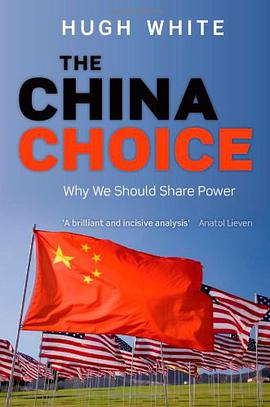
The China Choice 豆瓣
作者:
Hugh White
Oxford University Press
2013
- 9
China is rising. But how should the West -- and the United States in particular -- respond?
This could be the key geopolitical question of the twenty-first century, according to strategic expert Hugh White, with huge implications for the future security and prosperity of the West as a whole. The China Choice confronts this fundamental question, considering the options for the Asian century ahead.
As China's economy grows to become the world's largest, the US has three choices: it can compete, share power, or concede leadership in Asia. The choice is momentous -- as significant for the future as any the US has ever faced. China is already more formidable than any country the US has faced before -- and if America does not want to find itself facing China as an enemy, it must accept it as an equal partner.
Weighing the huge difficulties of accepting China as an equal with the immense cost and risks of making it an enemy, in the end the choice is simple, even if it is not easy. The US simply must share power with China in Asia. The alternative is too terrible to contemplate.
Review
A Chosen Finalist for the 2013 Asia Society Bernard Schwartz Book Award
"Erudition and a first-rate intellect, without the baggage of prejudice --a must-read. " --Bob Hawke, prime minister of Australia 1983-1991
"Every student of Asian geopolitics will benefit from reflecting on the arguments in The China Choice." --Walter Russell Mead, editor-at-large of The American Interest
"The future of the US-China relationship is the single most significant and dangerous international issue of our time. Hugh White's book is a brilliant and incisive analysis of that relationship and contains vitally important recommendations for how its dangers may be avoided and peace secured. It is indispensable reading for both policy-makers and students of current affairs." --Anatol Lieven, King's College London, author of America Right or Wrong: An Anatomy of American Nationalism
"Because I see many so many aspects of Chinese -- and US -- policy in a different light from the one Hugh White sheds on them in his book, I am the more sincere in urging attention to his analysis. Americans in particular will find it valuable to consider this trenchant assessment from a sympathetic but clinically detached perspective. Agree or disagree in the end, readers will be better off for understanding White's case." --James Fallows, national correspondent for The Atlantic
"Hugh White's book offers the finest synthesis to date of all the major questions facing East Asia. It is a provocative work imbued with intellectual integrity. It is about the biggest question in international affairs -- the future relationship between the United States and China. And the author's conclusions will satisfy no one, which is as it should be." --Robert D. Kaplan, chief geopolitical analyst for Stratfor
This could be the key geopolitical question of the twenty-first century, according to strategic expert Hugh White, with huge implications for the future security and prosperity of the West as a whole. The China Choice confronts this fundamental question, considering the options for the Asian century ahead.
As China's economy grows to become the world's largest, the US has three choices: it can compete, share power, or concede leadership in Asia. The choice is momentous -- as significant for the future as any the US has ever faced. China is already more formidable than any country the US has faced before -- and if America does not want to find itself facing China as an enemy, it must accept it as an equal partner.
Weighing the huge difficulties of accepting China as an equal with the immense cost and risks of making it an enemy, in the end the choice is simple, even if it is not easy. The US simply must share power with China in Asia. The alternative is too terrible to contemplate.
Review
A Chosen Finalist for the 2013 Asia Society Bernard Schwartz Book Award
"Erudition and a first-rate intellect, without the baggage of prejudice --a must-read. " --Bob Hawke, prime minister of Australia 1983-1991
"Every student of Asian geopolitics will benefit from reflecting on the arguments in The China Choice." --Walter Russell Mead, editor-at-large of The American Interest
"The future of the US-China relationship is the single most significant and dangerous international issue of our time. Hugh White's book is a brilliant and incisive analysis of that relationship and contains vitally important recommendations for how its dangers may be avoided and peace secured. It is indispensable reading for both policy-makers and students of current affairs." --Anatol Lieven, King's College London, author of America Right or Wrong: An Anatomy of American Nationalism
"Because I see many so many aspects of Chinese -- and US -- policy in a different light from the one Hugh White sheds on them in his book, I am the more sincere in urging attention to his analysis. Americans in particular will find it valuable to consider this trenchant assessment from a sympathetic but clinically detached perspective. Agree or disagree in the end, readers will be better off for understanding White's case." --James Fallows, national correspondent for The Atlantic
"Hugh White's book offers the finest synthesis to date of all the major questions facing East Asia. It is a provocative work imbued with intellectual integrity. It is about the biggest question in international affairs -- the future relationship between the United States and China. And the author's conclusions will satisfy no one, which is as it should be." --Robert D. Kaplan, chief geopolitical analyst for Stratfor