Ecrits [Book] Douban
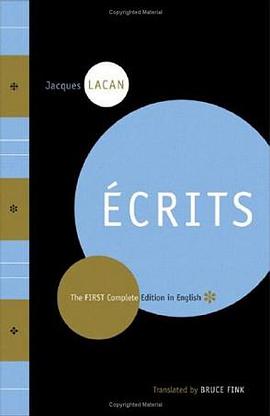
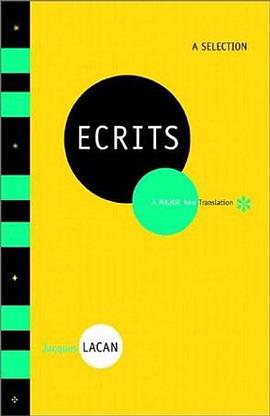
A major new translation of one of the most influential psychoanalytic works of modern times.
Brilliant and innovative, Jacques Lacan's work has had a tremendous influence on contemporary discourse. Lacan lies at the epicenter of contemporary discourses about otherness, subjectivity, sexual difference, the drives, the law and enjoyment. Yet his seemingly impenetrable writing style has kept many a reader from venturing beyond page one.
This new translation of selected writings from his most famous work offers welcome access to nine of his most significant contributions to psychoanalytic theory and technique. Ranging from "The Mirror Stage" to "The Subversion of the Subject and the Dialectic of Desire in the Freudian Unconscious," and including "The Function and Field of Speech and Language in Psychoanalysis" and other papers on various aspects of psychoanalytic theory and practice, this selection spans some thirty years of Lacan's inimitable intellectual career.
Brilliant and innovative, Jacques Lacan's work has had a tremendous influence on contemporary discourse. Lacan lies at the epicenter of contemporary discourses about otherness, subjectivity, sexual difference, the drives, the law and enjoyment. Yet his seemingly impenetrable writing style has kept many a reader from venturing beyond page one.
This new translation of selected writings from his most famous work offers welcome access to nine of his most significant contributions to psychoanalytic theory and technique. Ranging from "The Mirror Stage" to "The Subversion of the Subject and the Dialectic of Desire in the Freudian Unconscious," and including "The Function and Field of Speech and Language in Psychoanalysis" and other papers on various aspects of psychoanalytic theory and practice, this selection spans some thirty years of Lacan's inimitable intellectual career.